Home Blog Page 80

Exploring the Life of a Monk (Religion)

0
Monk (Religion)

A monk (religion) represents a person who chooses a life of devotion, discipline, and spiritual focus. Throughout history, monks have been central figures in religious communities, dedicating their lives to the service of faith and humanity. Whether in Christianity, Buddhism, Hinduism, or other traditions, monks live under strict vows that guide their actions and thoughts.

The concept of the monk (religion) is deeply rooted in the search for enlightenment, simplicity, and separation from worldly distractions. In this blog, we explore various aspects of the monk (religion), its history, practices, lifestyle, and impact on the modern world.

The Historical Origins of Monk (Religion)

The roots of the monk (religion) date back thousands of years. Early examples can be seen in ancient Hinduism and Buddhism in India around the 5th century BCE. Buddhism, founded by Siddhartha Gautama, known as Buddha, introduced the monastic community known as the Sangha.

In Christianity, monasticism began in the 3rd century with figures like Saint Anthony of Egypt, who retreated into the desert seeking closeness to God. The monk (religion) evolved uniquely across cultures but always emphasized withdrawal from materialistic life in favor of spiritual devotion. These historical roots highlight the monk (religion) as an enduring and universal symbol of dedication and discipline.

Monk (Religion)

The Daily Life and Routine of a Monk (Religion)

A monk (religion) follows a disciplined and structured daily routine aimed at fostering spiritual growth. Their day often begins before sunrise with meditation, prayer, or chanting. Monks also engage in communal activities such as cleaning, gardening, or teaching. Meals are usually simple, and often, monks eat only once or twice a day.

The evenings are reserved for studying religious texts, reflection, and additional meditation. The monk (religion) thrives on simplicity and repetition, which serve to eliminate distractions and build inner peace. Their lifestyle is a living testament to their commitment to spiritual ideals.

Types of Monks in Different Religions

The term monk (religion) encompasses a variety of traditions. In Buddhism, monks are members of the Sangha who follow the Vinaya, a set of disciplinary rules. Christian monks, such as those in the Benedictine or Trappist orders, follow specific monastic rules and live in abbeys or monasteries.

Hindu monks, known as Sannyasis, renounce all worldly possessions and live as ascetics. In Taoism, monks often practice in secluded temples, combining physical training and meditation. The monk (religion) adapts its practices to the needs and beliefs of each tradition, showing the versatility of spiritual devotion across different cultures.

The Purpose and Vows of a Monk (Religion)

Every monk (religion) takes specific vows that align with their spiritual goals. Common vows include poverty, chastity, and obedience. Buddhist monks take additional vows related to ethical conduct, while Christian monks follow rules laid down by their founders, like Saint Benedict.

The purpose behind these vows is to purify the mind, detach from worldly distractions, and cultivate virtues like compassion, humility, and wisdom. Living by these vows allows the monk (religion) to focus entirely on spiritual growth, creating an environment where enlightenment or union with the divine becomes achievable.

The Role of Monk (Religion) in Community Life

A monk (religion) does not always live in isolation. Many monks actively participate in community life, offering education, charity, counseling, and religious services. In Buddhist countries like Thailand and Sri Lanka, monks play vital roles in daily life, leading ceremonies, advising laypeople, and managing temples.

In medieval Europe, Christian monks preserved literature, taught children, and cared for the sick. Even today, the monk (religion) is a guiding light for many communities, reminding people of higher values and providing spiritual and practical support in times of need.

Training and Education of a Monk (Religion)

Becoming a monk (religion) involves rigorous training and education. In Buddhist traditions, novices (samaneras) undergo years of study, learning scriptures, philosophy, meditation techniques, and ethical conduct.

Monk (Religion)

Christian monks often pass through stages like postulancy, novitiate, and final vows, during which they study theology, Latin, and liturgy. Hindu monks may live under a guru, learning spiritual disciplines through oral tradition. The training period ensures that each monk (religion) is deeply rooted in their faith and prepared for the lifelong commitment they have chosen to undertake.

Monk (Religion) and Meditation Practices

Meditation is a cornerstone in the life of a monk (religion). Buddhist monks practice various forms like Vipassana (insight meditation) and Samatha (calming meditation). Christian monks engage in contemplative prayer, a form of silent communion with God.

Hindu monks practice Dhyana, which involves deep meditation and concentration on the divine. These practices aim to still the mind, transcend ego, and attain higher states of awareness. For a monk (religion), meditation is not just a practice but a way of life, interwoven into every action, thought, and intention.

Challenges Faced by a Monk (Religion)

The life of a monk (religion) is not without challenges. Emotional loneliness, strict discipline, physical hardships, and temptation can test even the most devout monks. Remaining detached from family, wealth, and worldly ambitions requires constant vigilance and inner strength.

In modern times, monks also face societal misunderstandings and pressure from changing cultural values. Despite these challenges, the monk (religion) finds strength in their community, practices, and unyielding faith, which helps them remain steadfast on their spiritual journey.

Modern-Day Monk (Religion): Changing Roles

In today’s world, the image of the monk (religion) is evolving. Monks are now visible in media, social activism, interfaith dialogue, and even online platforms where they share teachings globally.

Figures like the Dalai Lama and Thich Nhat Hanh have shown that monks can be active participants in addressing world issues while maintaining their spiritual core. The monk (religion) today is both a guardian of ancient wisdom and a bridge to contemporary society, helping to make spiritual teachings accessible and relevant to new generations.

Famous Monks Who Changed the World

Throughout history, many monks have left a profound impact on humanity. Saint Benedict shaped Western monasticism with his “Rule of Saint Benedict,” a guide for monastic life. In Buddhism, figures like Bodhidharma and Thich Nhat Hanh have transformed the understanding of Zen and mindfulness practices.

Swami Vivekananda introduced Hindu philosophy to the Western world. These individuals exemplify how a monk (religion), through dedication and vision, can influence not just religious circles but global thought and culture as well.

Why the Monk (Religion) Still Inspires Today

Monk (Religion)

Despite rapid modernization, the monk (religion) continues to inspire millions. Their lives of simplicity, compassion, and unwavering focus serve as powerful counterpoints to materialistic and chaotic lifestyles.

People seek wisdom from monks to find peace, balance, and deeper meaning in life. As living embodiments of discipline and spiritual love, monks remind us that true happiness comes not from external achievements but from inner transformation. The monk (religion) remains a timeless beacon of hope, guiding humanity toward a more conscious and compassionate future.

Conclusion

The concept of a monk (religion) is as old as civilization itself and remains deeply relevant today. From ancient forests and mountaintop monasteries to bustling cities and digital platforms, monks continue to embody the ideals of spiritual discipline, compassion, and unwavering faith.

Whether you’re seeking personal inspiration, historical knowledge, or spiritual guidance, understanding the monk (religion) can offer profound insights into the human soul and its eternal quest for connection with the divine.
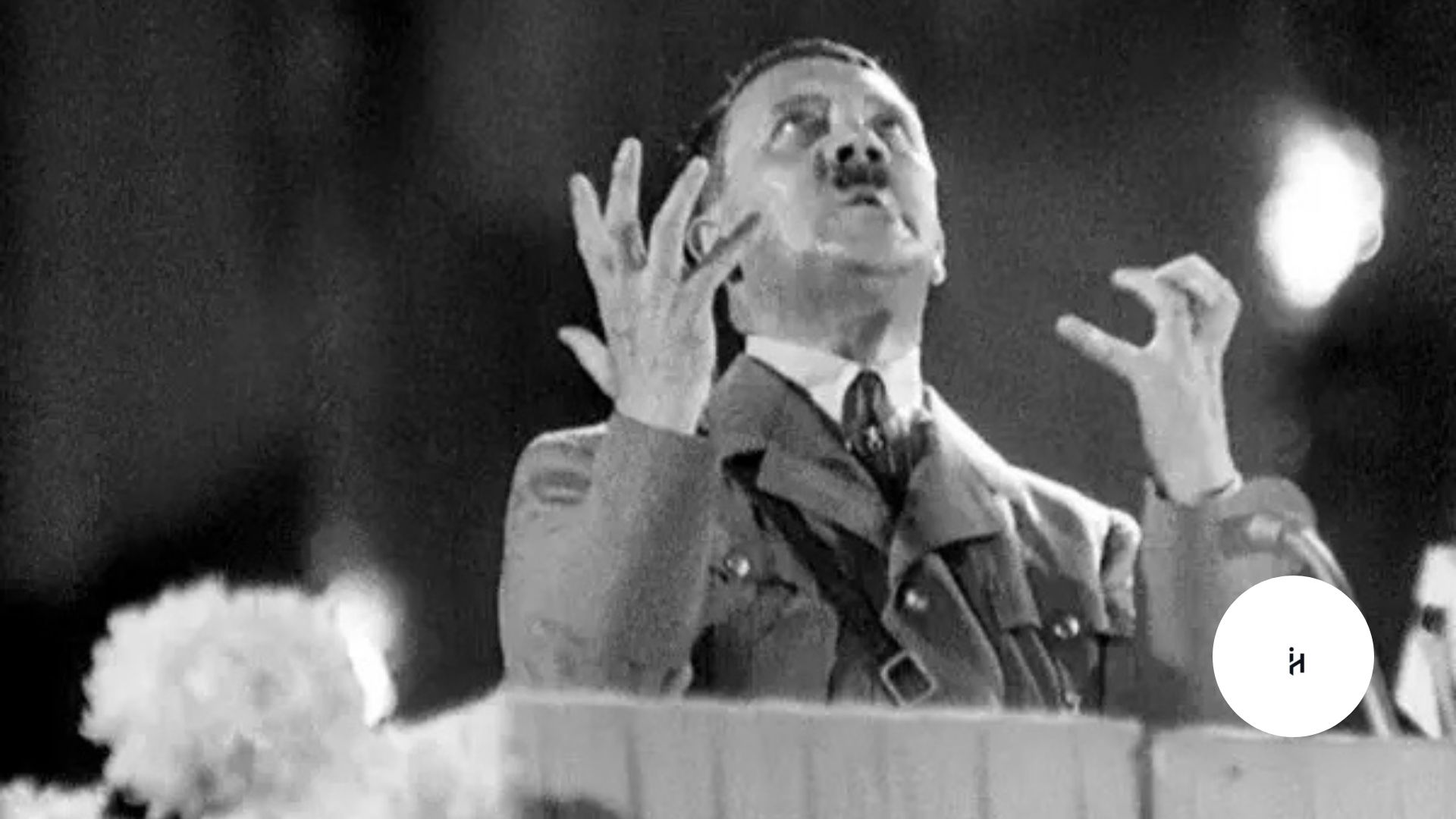
Hitler’s 1935 Speech Translated: A Deep Dive Into the Historical Address

0
Hitler's 1935 Speech

This blog delves into the translation of Hitler’s 1935 speech, analyzing its themes, language, and political significance.

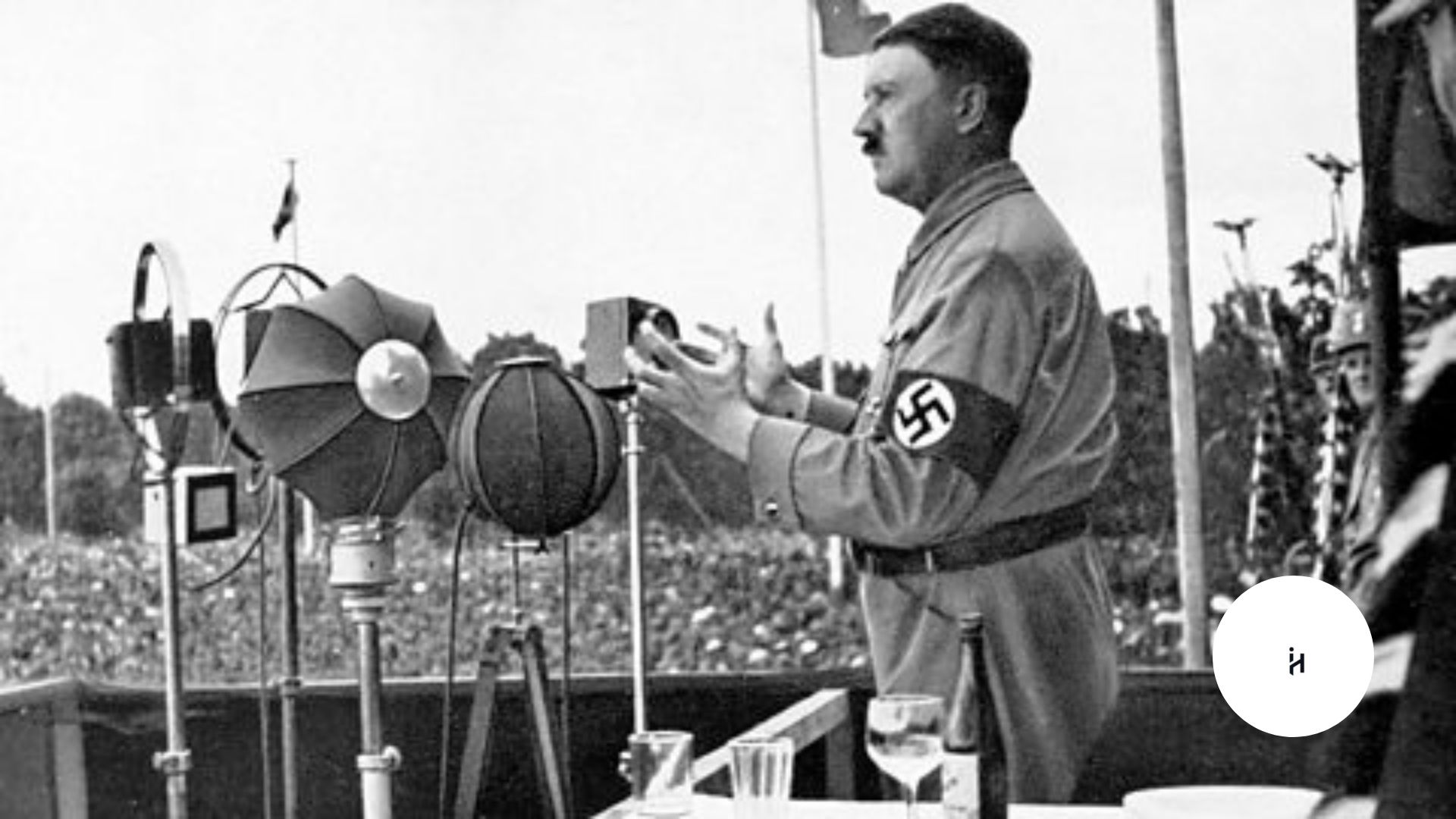
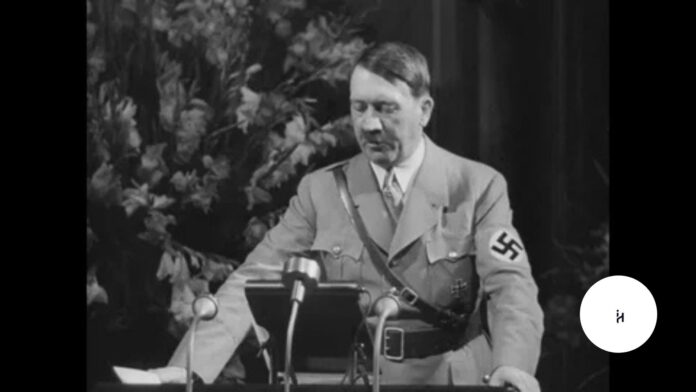
In 1935, Adolf Hitler delivered one of his most impactful speeches during the Nazi regime. His speech, known for its vehement rhetoric and nationalistic fervor, played a significant role in shaping the trajectory of Nazi Germany.

The speech was not just a political address but a momentous statement in the context of the rising power of the Nazi Party, aligning the country under Hitler’s autocratic rule.

Context of Hitler’s Speech 1935

Before diving into the translation, it’s essential to understand the political and social climate of Germany in 1935. After coming to power in 1933, Hitler sought to consolidate his rule and reshape Germany into a totalitarian state.

The Treaty of Versailles had left Germany humiliated and economically devastated. Hitler’s speeches were a tool to manipulate the masses, encouraging nationalism and military rearmament. The 1935 speech, delivered in Nuremberg, was a pivotal moment in establishing Nazi ideology as state policy. This section will provide historical context to the speech and set the stage for a deeper analysis of its translated text.

Hitler's 1935 Speech

The Rhetorical Style of Hitler’s Speech

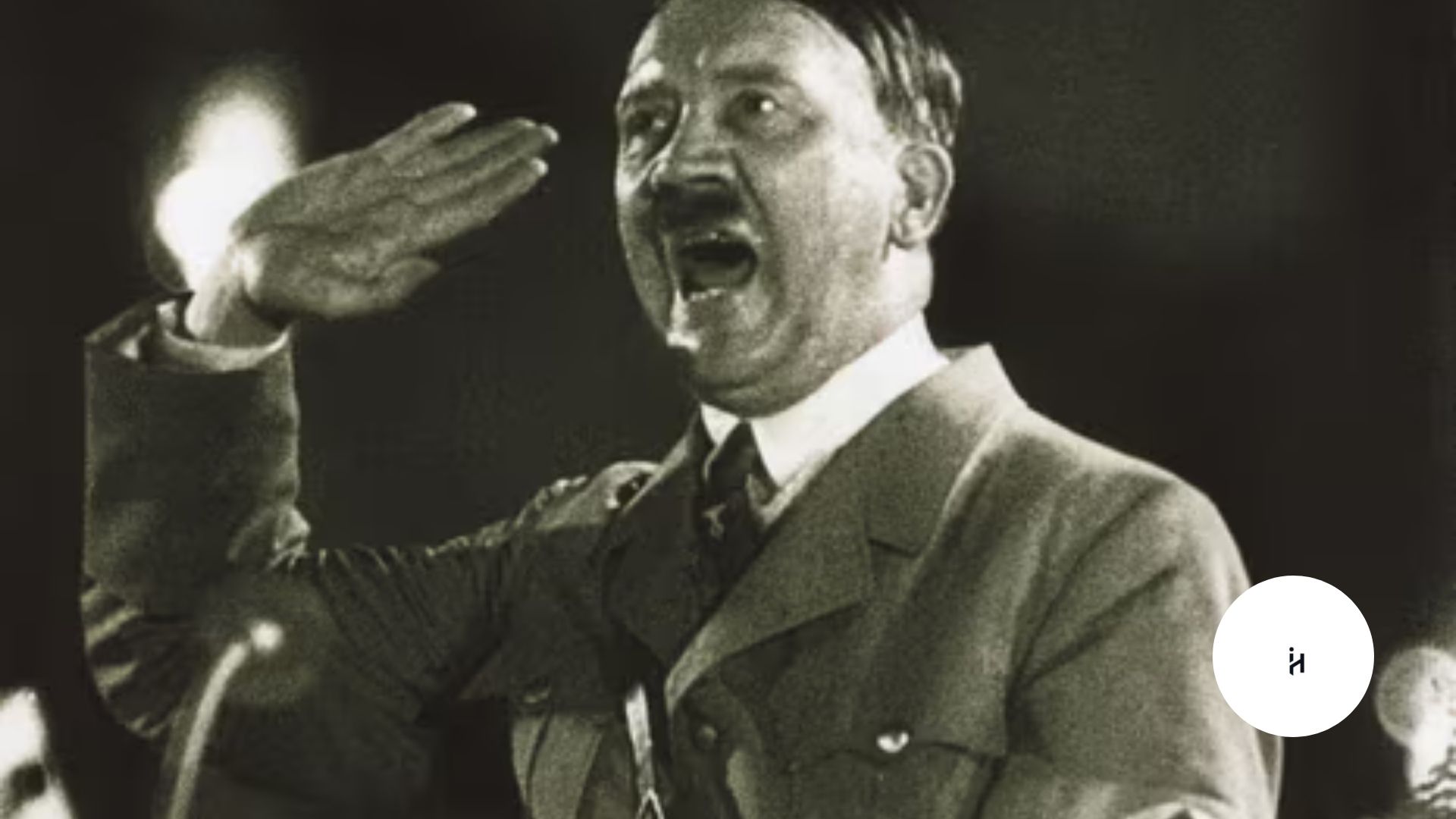
Hitler’s speech in 1935 was characterized by his iconic oratorical style. He used powerful imagery, emotive language, and an authoritative tone to captivate his audience. His speeches were filled with passionate declarations and grandiose visions for Germany’s future.

The translated text highlights his appeal to nationalism, pride, and unity, portraying Germany as a wounded nation on the brink of revival. Understanding his rhetorical style is crucial for grasping the full impact of his speech, as his language was a key tool in manipulating public opinion.

The Language of Nationalism and Unity

A central theme of Hitler’s 1935 speech was the call for national unity. The translated speech reveals how Hitler exploited the national sentiment by blaming external forces, like the Treaty of Versailles, for Germany’s plight. He emphasized the need for unity under the Nazi flag, presenting himself as the savior of the nation.

The speech underscored the idea that only through strong leadership and collective effort could Germany overcome its challenges. Hitler’s rhetorical mastery in uniting the German people under his ideology is a critical component of understanding the impact of the speech.

Anti-Semitic Themes in Hitler’s 1935 Speech

Another disturbing aspect of Hitler’s 1935 speech was his explicit anti-Semitic rhetoric. In the translated version, one can observe the venomous tone with which Hitler referred to Jewish people, portraying them as the root cause of Germany’s problems.

This speech laid the groundwork for the later implementation of the Nuremberg Laws in 1935, which institutionalized racial discrimination and segregation. Hitler’s manipulation of language to further his anti-Semitic agenda is a chilling reminder of the power of rhetoric in shaping societal norms.

The Rise of Militarism in Nazi Germany

Hitler’s 1935 speech also touched upon the military strength of Germany. The speech marked a turning point, as Hitler announced plans to rebuild the German military, violating the limitations set by the Treaty of Versailles. In the translated text, Hitler makes a clear connection between national strength and military power, advocating for the rearmament of Germany. His call for a strong military was part of a broader strategy to assert Germany’s dominance in Europe, leading to aggressive foreign policies in the years that followed.

The Role of Propaganda in Hitler’s Speech

Hitler’s 1935 speech was not just a political address but a prime example of Nazi propaganda. In the translated version, one can see how Hitler used the speech as a vehicle to disseminate Nazi ideology to the masses.

The speech was broadcasted nationwide, and its themes were amplified through various forms of media. Propaganda was central to the Nazi regime’s ability to maintain control and manipulate public opinion. This section will analyze how Hitler’s speech was crafted to serve as a tool of propaganda.

The Nuremberg Laws and Their Connection to the Speech

The 1935 speech was delivered in the same year that the Nuremberg Laws were enacted, which legally disenfranchised Jews and other minorities. Hitler’s speech foreshadowed these laws, providing the ideological justification for the legal segregation of Jewish people from the rest of German society.

The translated speech is filled with references to racial purity and the importance of protecting the “German bloodline.” These ideas would later be codified in the Nuremberg Laws, marking a significant moment in the escalation of Nazi racial policies.

Hitler's 1935 Speech

The Impact of Hitler’s Speech on the German Population

The impact of Hitler’s 1935 speech on the German population cannot be understated. His impassioned words resonated with many Germans who were disillusioned with the Treaty of Versailles and the economic hardships of the Weimar Republic.

The translated speech stirred a sense of national pride and unity, especially among those who felt marginalized by the international community. Hitler’s ability to connect with the masses was one of the main reasons for his rise to power, and this speech was a perfect example of his persuasive techniques.

International Reactions to Hitler’s 1935 Speech

While the speech was designed to rally the German people, it also had significant international repercussions. In the translated speech, Hitler made numerous references to the “wrong” done to Germany by the Treaty of Versailles, which alarmed other European nations. Countries such as France and Britain began to recognize the growing threat posed by Nazi Germany. The speech marked a turning point in international relations, as it signaled Germany’s intent to challenge the post-World War I order.

The Legacy of Hitler’s 1935 Speech

The legacy of Hitler’s 1935 speech is both profound and tragic. While it helped solidify Hitler’s power and rally the German population behind his vision, it also laid the groundwork for the horrors of World War II and the Holocaust.

The speech marked the beginning of a more aggressive phase in Nazi foreign policy and signaled the regime’s commitment to militarism, nationalism, and racial purity. In the translated version, one can clearly see how Hitler’s ideology would later manifest in the devastation of Europe.

Lessons From Hitler’s 1935 Speech: A Cautionary Tale

Hitler’s 1935 speech serves as a stark reminder of the dangers of unchecked nationalism and authoritarianism. The translated text provides an invaluable insight into how language can be used to manipulate public sentiment and justify oppressive policies.

Today, it stands as a cautionary tale about the dangers of political leaders who use fear, division, and rhetoric to consolidate power. Understanding the speech and its implications is crucial for preventing similar ideologies from gaining traction in contemporary societies.

Hitler's 1935 Speech

Conclusion

Hitler’s 1935 speech remains one of the most powerful examples of political rhetoric in history. The translated version of the speech provides us with a glimpse into the mind of a dictator who used language to manipulate, control, and rally the masses behind his vision of a powerful, unified Germany.

By studying this speech, we can better understand the mechanisms of totalitarianism and the importance of resisting divisive and hateful ideologies. Through careful analysis, we uncover the dark legacy of Hitler’s words and their catastrophic impact on the world.

Where Was Troy – Complete Information

0
Where Was Troy

Introduction: The Mystery of Troy

Troy, the legendary city made famous in Homer’s Iliad, has fascinated scholars, historians, and archaeologists for centuries. The tale of the Trojan War, involving heroic characters like Achilles, Hector, and Helen, has been passed down through generations as a cornerstone of Western literature.

Yet, the question persists: where was Troy? For a long time, many thought it was a mere myth, a fictional place created for storytelling. However, through archaeological excavations and historical analysis, the city of Troy has been located, although much about its existence still remains shrouded in mystery. This blog delves into the search for Troy’s location, its historical significance, and the ongoing debates surrounding its discovery.

The Mythological Troy

Where Was Troy

Troy’s existence first entered the public consciousness through Greek mythology, particularly in Homer’s epic poems. The Iliad and Odyssey depict Troy as a mighty city in Asia Minor, famously besieged by Greek forces in the Trojan War.

While many have debated the veracity of these tales, the myth of Troy is one of the most enduring stories in ancient literature. The myth itself paints a vivid picture of a city under siege, ruled by King Priam, and home to legendary warriors. According to myth, Troy was located near the coast of modern-day Turkey, near the Dardanelles, a key strategic waterway.

The Search for Troy: Historical Background

For centuries, scholars and adventurers alike have searched for the physical location of Troy. Was it a real place, or merely a product of myth? The search for Troy began in earnest in the 19th century when the renowned German archaeologist Heinrich Schliemann came onto the scene.

Schliemann believed in the existence of Troy as described in the Iliad and set out to find it, sparking the modern archaeological exploration of the site. His excavations in the 1870s led to the discovery of a city in Hisarlik, a mound in modern-day Turkey, which many believe to be Troy.

The Archaeological Discovery at Hisarlik

Heinrich Schliemann’s excavation of the Hisarlik mound marked a turning point in the search for Troy. The site he uncovered consisted of multiple layers of ruins, indicating that it had been inhabited for thousands of years. Schliemann, believing he had found Troy, dubbed the ruins “Priam’s Treasure” after the legendary king.

While there is ongoing debate about whether Schliemann’s excavation methods were thorough or properly documented, the discovery at Hisarlik provides compelling evidence for the existence of a city that could be linked to the Troy of legend. This was a groundbreaking moment in understanding where Troy might have been located.

Modern Excavations and Findings

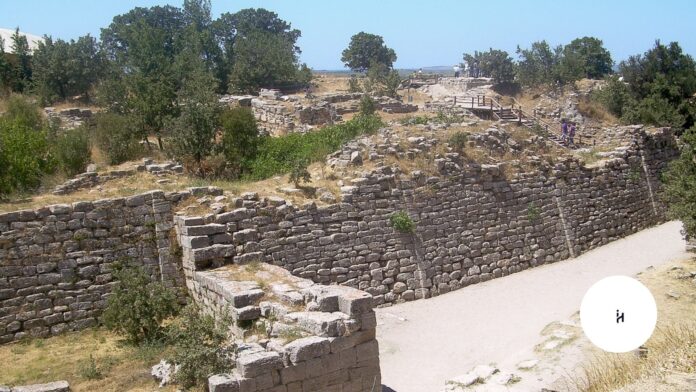
Modern-day archaeological digs at Hisarlik have built upon Schliemann’s work. Excavations led by Turkish and international teams have revealed extensive evidence of a city that fits the descriptions of Troy in classical texts. These findings include walls, gates, and defensive structures, all of which suggest a well-fortified city.

In addition, discoveries of pottery and weapons from the Bronze Age provide clues about the inhabitants and the era in which Troy may have thrived. The modern excavations help confirm that the city of Troy was indeed a significant historical site, linking it to the myths and providing evidence for its existence.

The Geographic Location of Troy

Troy’s location has been a point of contention for many scholars. The city is traditionally believed to be located near the Dardanelles, the narrow strait that separates Europe from Asia. Today, Hisarlik sits near the coast of modern-day Turkey, providing a strategic location in antiquity.

The geography of the area, with its proximity to both the Aegean Sea and the Black Sea, makes it an ideal candidate for the location of the ancient city. Many believe that Troy’s importance was tied to its position as a crossroads for trade and military conquests, further cementing its strategic significance.

The Trojans and Their Culture

The people of Troy, the Trojans, have been immortalized in myth and literature. However, what do we know about their actual culture? Evidence from the archaeological site reveals that the Trojans were skilled builders, craftsmen, and traders.

They lived in a highly organized society with advanced technologies for their time. Artifacts such as pottery, jewelry, and weapons suggest a rich culture with significant interactions with neighboring civilizations.

The Trojans’ mastery of architecture, metallurgy, and art further solidifies the idea that Troy was not only a legendary city but also a real, thriving hub of ancient civilization.

Where Was Troy

The Trojan War: Fact or Fiction?

One of the most compelling aspects of the Troy myth is the Trojan War itself. Was the war between the Greeks and Trojans purely mythological, or did it have some historical basis? Scholars have long debated the authenticity of the events described in the Iliad, including the famous tale of the Trojan Horse.

While evidence for the war itself remains elusive, some believe that the war could be rooted in real conflicts between Mycenaean Greeks and the people of Troy. Archaeological findings of destruction layers at Hisarlik suggest that the city experienced a violent end, possibly due to a siege, which some believe could be linked to the war described by Homer.

Troy’s Role in Ancient History

Troy played a pivotal role in the ancient world, particularly in relation to the Mycenaean Greeks. The city’s location made it a strategic point of interest for various civilizations throughout history.

The legend of the Trojan War, while partially mythological, speaks to the importance of Troy in the geopolitical landscape of the ancient Mediterranean. Some historians argue that the real Troy might have been a vital player in the trade routes that connected the Aegean world with Anatolia and beyond. This underscores the city’s historical significance, beyond its mythical status.

The Debate: Was This Troy Really Troy?

Despite the overwhelming evidence pointing to Hisarlik as the location of Troy, there are still some who question whether it is truly the Troy described in the ancient texts. Some believe that the layers of ruins at Hisarlik could belong to other civilizations, and that the true Troy might still lie undiscovered.

This ongoing debate continues to fuel scholarly discussion and inspires further excavations in search of definitive proof. The question “where was Troy?” remains open to interpretation, with no definitive answer yet.

The Legacy of Troy in Modern Culture

Troy’s legacy endures far beyond the archaeological discoveries and academic debates. The stories of Achilles, Hector, and Helen have had a lasting impact on literature, art, and popular culture.

Movies, books, and plays continue to draw inspiration from the Trojan War and the city of Troy, keeping the myth alive in the modern imagination. The search for Troy, and the mysteries surrounding its location, have captivated generations, making it a symbol of both historical inquiry and timeless myth.

Where Was Troy

Conclusion: The Enduring Mystery of Troy

The question of where Troy was located continues to intrigue and captivate people around the world. While significant strides have been made in the search for this ancient city, many aspects of its history remain unclear.

Troy, both a real city and a mythological symbol, has left a profound mark on history, culture, and literature. Whether or not we will ever uncover all the secrets of Troy, its legacy will endure as one of the most enduring stories of the ancient world. As scholars continue to excavate the site and new technologies emerge, perhaps one day we will have a definitive answer to the question: where was Troy?

Tirzepatide Weight Loss: The Future of Obesity Treatment

0
Tirzepatide Weight Loss

Tirzepatide Weight Loss is a growing concern for many individuals worldwide, especially with the rising number of people struggling with obesity and metabolic diseases. With numerous diets, exercises, and weight loss supplements flooding the market, it can be difficult to determine the most effective solution.

In recent years, Tirzepatide has emerged as a promising new treatment for weight loss. This medication, originally developed for managing type 2 diabetes, has shown significant results in helping individuals lose weight. In this blog, we will explore what Tirzepatide is, how it works for weight loss, its benefits, and potential side effects. Let’s dive in!

What is Tirzepatide?

Tirzepatide is a novel medication developed by Eli Lilly and Company for the treatment of type 2 diabetes. It is a dual GIP (Gastric Inhibitory Polypeptide) and GLP-1 (Glucagon-Like Peptide-1) receptor agonist. This means that Tirzepatide works by targeting both GIP and GLP-1 receptors in the body, which play a key role in regulating blood sugar levels, insulin secretion, and appetite control.

Although initially intended for diabetes management, clinical trials have revealed that Tirzepatide can also be highly effective for tirzepatide weight loss.

Patients using the medication not only experienced improved blood sugar control but also significant reductions in body weight. The weight loss benefits of Tirzepatide have led to further studies and approval for weight loss treatments as well.

Tirzepatide Weight Loss

How Does Tirzepatide Promote Weight Loss?

Tirzepatide promotes weight loss through several mechanisms. First, by mimicking the action of GLP-1, it helps slow down gastric emptying, which makes you feel full for longer periods. This leads to reduced food intake and, ultimately, weight loss.

Additionally, GIP activation plays a role in regulating insulin sensitivity, which further supports healthy weight loss.

Moreover, Tirzepatide has an impact on the brain’s hunger centers. It modulates the release of hormones that regulate appetite and satiety, leading to a natural reduction in food cravings and overeating. This dual action of reducing appetite and improving insulin sensitivity makes Tirzepatide an effective medication for those struggling with tirzepatide weight loss.

Clinical Trials and Evidence for Tirzepatide Weight Loss

Multiple clinical trials have demonstrated the effectiveness of Tirzepatide in promoting weight loss. The most notable study was the SURPASS program, which focused on the use of Tirzepatide in patients with type 2 diabetes.

Results showed that participants who took Tirzepatide experienced an average weight loss of 12.4% to 15% of their body weight, depending on the dose.

In separate studies targeting weight loss specifically, participants who were overweight or obese without diabetes experienced even more impressive results, losing up to 22.5% of their body weight. These results are groundbreaking and position Tirzepatide as a potential game-changer in the weight loss industry.

Who Can Benefit from Tirzepatide Weight Loss?

Tirzepatide weight loss benefits are not limited to individuals with type 2 diabetes. Anyone who is overweight or obese and looking for a medically-assisted weight loss option can potentially benefit from Tirzepatide. It is especially helpful for those who have struggled to lose weight through diet and exercise alone.

However, it’s important to note that Tirzepatide is a prescription medication, and only a healthcare provider can determine whether this treatment is suitable for you. It is typically recommended for individuals who have a BMI (Body Mass Index) of 30 or higher or those with a BMI of 27 with weight-related health conditions such as high blood pressure or high cholesterol.

Tirzepatide Dosage and Administration for Weight Loss

Tirzepatide is administered through a subcutaneous injection once a week. The starting dose is typically low, and the dosage is gradually increased to minimize side effects. The medication is available in a pre-filled pen for easy self-administration.

For weight loss, the recommended dose of Tirzepatide typically starts at 2.5 mg once a week. After several weeks, your healthcare provider may adjust the dosage to a higher amount, such as 5 mg, 7.5 mg, or even 10 mg, depending on your response to the medication and your specific weight loss goals.

Side Effects of Tirzepatide for Weight Loss

Tirzepatide Weight Loss

Like all medications, Tirzepatide can cause side effects. Common side effects associated with Tirzepatide weight loss include nausea, vomiting, diarrhea, and abdominal discomfort. These side effects are typically mild and subside as the body adjusts to the medication.

In rare cases, some individuals may experience more serious side effects, such as pancreatitis or allergic reactions. It’s essential to discuss any concerns with your healthcare provider before starting Tirzepatide.

Overall, the benefits of Tirzepatide in terms of tirzepatide weight loss seem to outweigh the risks for most patients, but it is important to weigh the pros and cons.

Tirzepatide Weight Loss vs Other Weight Loss Medications

Tirzepatide is often compared to other weight loss medications, such as semaglutide (Ozempic) and liraglutide (Saxenda), both of which are also GLP-1 receptor agonists. While these medications are effective for weight loss, Tirzepatide stands out due to its dual action on both the GIP and GLP-1 receptors, which makes it more potent and potentially more effective for those struggling with obesity.

In clinical trials, Tirzepatide has shown superior results in weight loss compared to semaglutide, particularly at higher doses. However, both medications have similar side effect profiles and offer comparable long-term benefits for weight loss.

Ultimately, the choice between Tirzepatide and other weight loss medications will depend on individual preferences, medical history, and response to treatment.

Combining Tirzepatide with Diet and Exercise

For best results, Tirzepatide weight loss should be used in conjunction with a healthy diet and regular exercise. While Tirzepatide can significantly reduce appetite and aid in weight loss, lifestyle changes are still essential for long-term success. A balanced, nutrient-rich diet and regular physical activity will support the weight loss process and improve overall health.

Healthcare providers often recommend creating a personalized weight loss plan that includes both the use of Tirzepatide and healthy lifestyle modifications to maximize results and maintain weight loss over time.

Real-Life Experiences with Tirzepatide for Weight Loss

Real-world testimonials from individuals who have used Tirzepatide for weight loss are overwhelmingly positive. Many report significant reductions in body weight, improved energy levels, and a noticeable reduction in food cravings. Some users have also shared that Tirzepatide helped them regain control over their eating habits and reduced emotional eating.

While Tirzepatide does not offer a “quick fix,” it can provide substantial and sustainable weight loss results when combined with a healthy lifestyle.

Is Tirzepatide Weight Loss Right for You?

Tirzepatide weight loss could be an excellent option for individuals who have struggled to lose weight through diet and exercise alone.

However, it’s crucial to consult with a healthcare provider to determine if Tirzepatide is the right medication for your specific needs. Your doctor will consider factors such as your medical history, current health status, and any other medications you may be taking.

Tirzepatide may not be suitable for individuals with certain medical conditions, including a history of pancreatitis or thyroid cancer, so it’s essential to undergo a full medical evaluation before starting the treatment.

Tirzepatide Weight Loss

Conclusion: The Future of Weight Loss with Tirzepatide

Tirzepatide represents a promising new approach to weight loss, offering significant benefits for those struggling with obesity and related health conditions.

The dual action of the drug in regulating blood sugar and reducing appetite makes it a unique and effective solution for tirzepatide weight loss. While it’s not a one-size-fits-all treatment, many individuals have experienced remarkable success with Tirzepatide, making it a breakthrough in the ongoing fight against obesity.

As more research emerges, Tirzepatide may become a staple in the treatment of obesity, helping people achieve and maintain a healthy weight with minimal side effects. However, it’s important to remember that weight loss is a journey, and combining Tirzepatide with lifestyle changes is key to achieving lasting results.