Home Blog Page 79

The Battle of Gettysburg: Turning Point of the Civil War

0
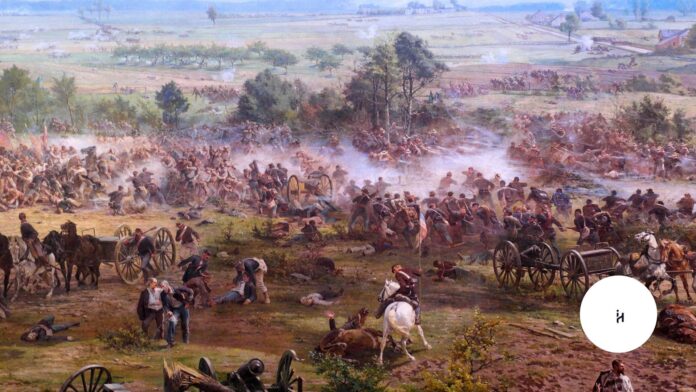
Battle of Gettysburg

Introduction: The Significance of the Battle of Gettysburg

The Battle of Gettysburg, fought from July 1 to July 3, 1863, was one of the most significant battles of the American Civil War. This battle marked a critical turning point in the war, with the Union forces achieving a decisive victory over the Confederate Army.

The battle’s outcome had far-reaching consequences, affecting military strategies, morale, and the political landscape of the United States. As one of the bloodiest conflicts of the Civil War, the Battle of Gettysburg remains a symbol of sacrifice, heroism, and the fight for freedom.

The Prelude to the Battle of Gettysburg
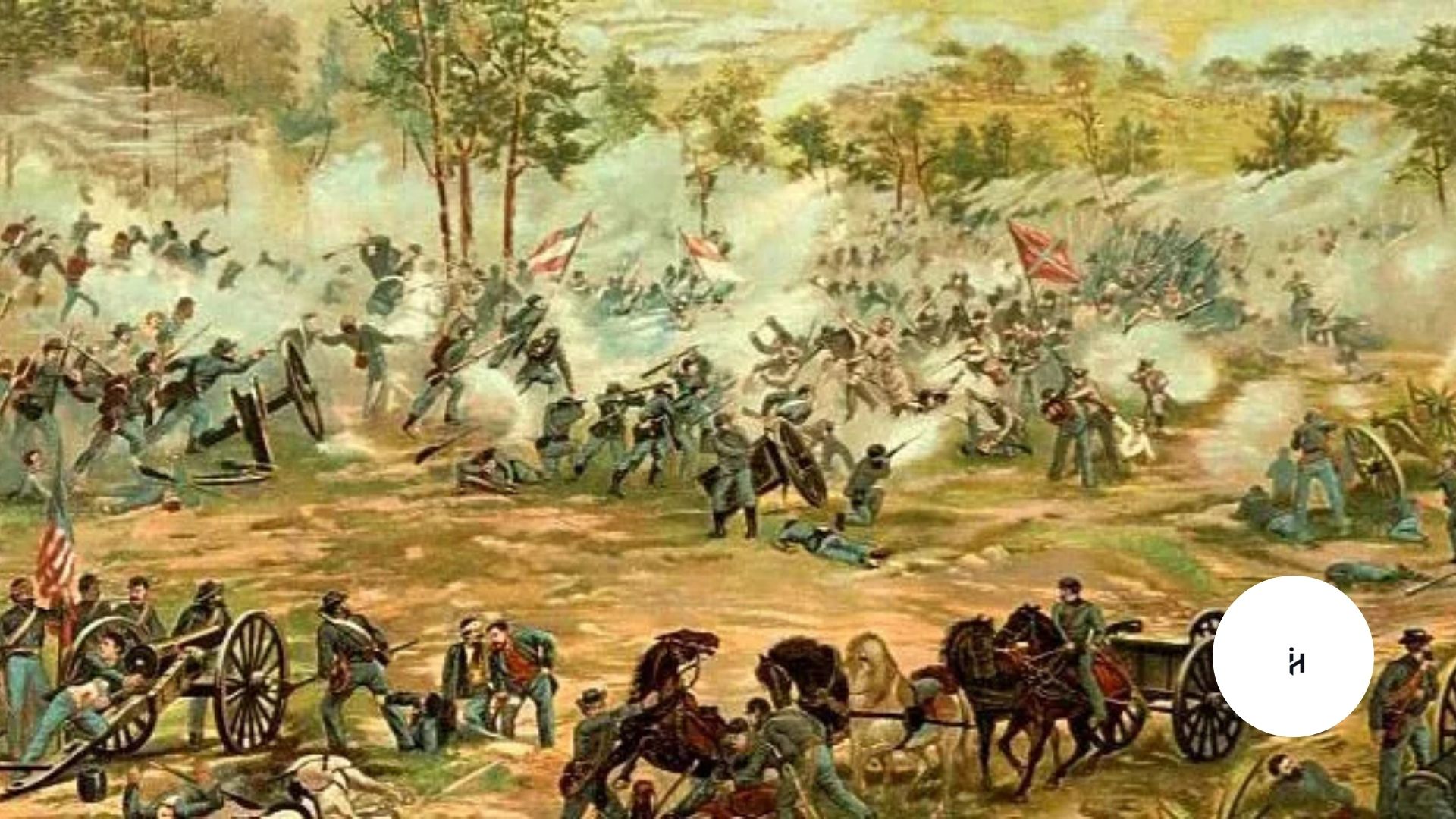
Battle of Gettysburg

Before the Battle of Gettysburg, the Confederacy, under General Robert E. Lee, had enjoyed a series of victories on the Eastern Front. Lee’s successful campaigns had boosted the morale of the South, and his army’s victories were seen as a threat to the Union’s survival.

However, by the summer of 1863, Lee had shifted his focus to invading the North. His goal was to bring the war to Union soil, to relieve pressure on the Southern states, and possibly gain recognition and support from European nations. The Battle of Gettysburg was the culmination of these ambitious strategies.

The Military Leadership at the Battle of Gettysburg

The Battle of Gettysburg involved some of the most prominent military leaders of the Civil War. General Robert E. Lee led the Confederate Army, bringing his experienced troops into battle against Union forces commanded by General George G. Meade.

Lee’s leadership had brought the Confederacy numerous successes, but the Battle of Gettysburg would test his abilities like never before. Meade, on the other hand, was less experienced in major battles but quickly proved himself as a capable commander under immense pressure. The strategies employed by both generals would define the battle’s outcome.

The First Day of Battle: July 1, 1863

The battle began on July 1, 1863, when Confederate forces encountered Union forces in Gettysburg. The initial fighting took place on the outskirts of the town, with Confederate forces pushing Union soldiers back.

Despite the Union’s early retreat, General Meade’s forces were able to regroup and establish defensive positions. By the end of the day, the Confederates had gained a foothold in the town but were far from achieving a decisive victory. This first day set the stage for the much larger and more intense fighting that would follow.

The Second Day of Battle: July 2, 1863

On the second day of battle, both sides began to reinforce their positions and engage in fierce combat. The Confederate forces attempted to break through the Union’s left flank, but they were met with fierce resistance at key positions such as Little Round Top and the Wheatfield.

The Union forces, despite being outnumbered, held their ground and repelled multiple Confederate attacks. The fighting on this day was some of the most intense of the entire battle, with heavy casualties on both sides. The Confederacy, despite its best efforts, was unable to gain a significant advantage.

The Third Day of Battle: July 3, 1863

The third day of the Battle of Gettysburg would prove to be decisive. General Lee, realizing that his forces had failed to break the Union lines on the previous two days, attempted a bold assault known as Pickett’s Charge. Led by General George Pickett, nearly 12,000 Confederate soldiers advanced across an open field toward the center of the Union line. The charge was disastrous. Confederate forces were decimated by artillery and rifle fire from entrenched Union positions. This marked the high point of the battle and the beginning of the Confederacy’s retreat.

The Importance of Geography at Gettysburg

The geography of Gettysburg played a crucial role in the outcome of the battle. The town of Gettysburg itself was situated on a series of ridges, including Cemetery Hill, Culp’s Hill, and Little Round Top, all of which provided strategic advantages to the defending forces.

The Union Army made effective use of these elevated positions, allowing them to control the battlefield and repel Confederate attacks. Lee’s failure to recognize the significance of the terrain and to adapt his strategy accordingly was a key factor in his defeat.

Battle of Gettysburg

The Role of Artillery in the Battle of Gettysburg

Artillery played a critical role in the Battle of Gettysburg. Both the Union and Confederate forces deployed large numbers of cannons and howitzers, which shaped the battle’s outcome. The Union’s superior artillery, especially their effective use of rifled cannons, allowed them to deliver devastating blows to Confederate forces.

On the other hand, the Confederates were less able to coordinate their artillery with infantry attacks, leading to ineffective bombardments. The control of the high ground, especially Cemetery Hill, allowed the Union to dominate artillery exchanges throughout the battle.

The Battle of Gettysburg: A Turning Point in the War

The outcome of the Battle of Gettysburg was a significant turning point in the Civil War. After three days of brutal combat, the Confederacy was forced to retreat, marking the first major defeat of General Lee’s Army of Northern Virginia. The Union’s victory at Gettysburg boosted Northern morale and weakened the Confederacy’s fighting capacity. It also marked a shift in momentum, as the Union began to take a more aggressive stance in the war, eventually leading to the Confederacy’s defeat in 1865.

Casualties and the Aftermath of the Battle of Gettysburg

The Battle of Gettysburg resulted in staggering casualties on both sides. Approximately 51,000 soldiers were killed, wounded, or missing in action, making it one of the bloodiest battles of the Civil War.

The high number of casualties, combined with the emotional and physical toll on the soldiers, left both armies reeling. In the aftermath of the battle, the Confederate Army was forced to retreat back to the South, while the Union Army, despite suffering heavy losses, held the field and secured a major victory.

Gettysburg Address: Lincoln’s Legacy

Following the battle, President Abraham Lincoln delivered the famous Gettysburg Address on November 19, 1863, at the site of the battlefield. In this brief but powerful speech, Lincoln reaffirmed the principles of liberty and equality upon which the United States was founded.

The speech not only honored the fallen soldiers but also reinforced the Union’s commitment to ending slavery and preserving the nation. The Gettysburg Address is considered one of the greatest speeches in American history and remains a symbol of the nation’s ideals.

The Legacy of the Battle of Gettysburg
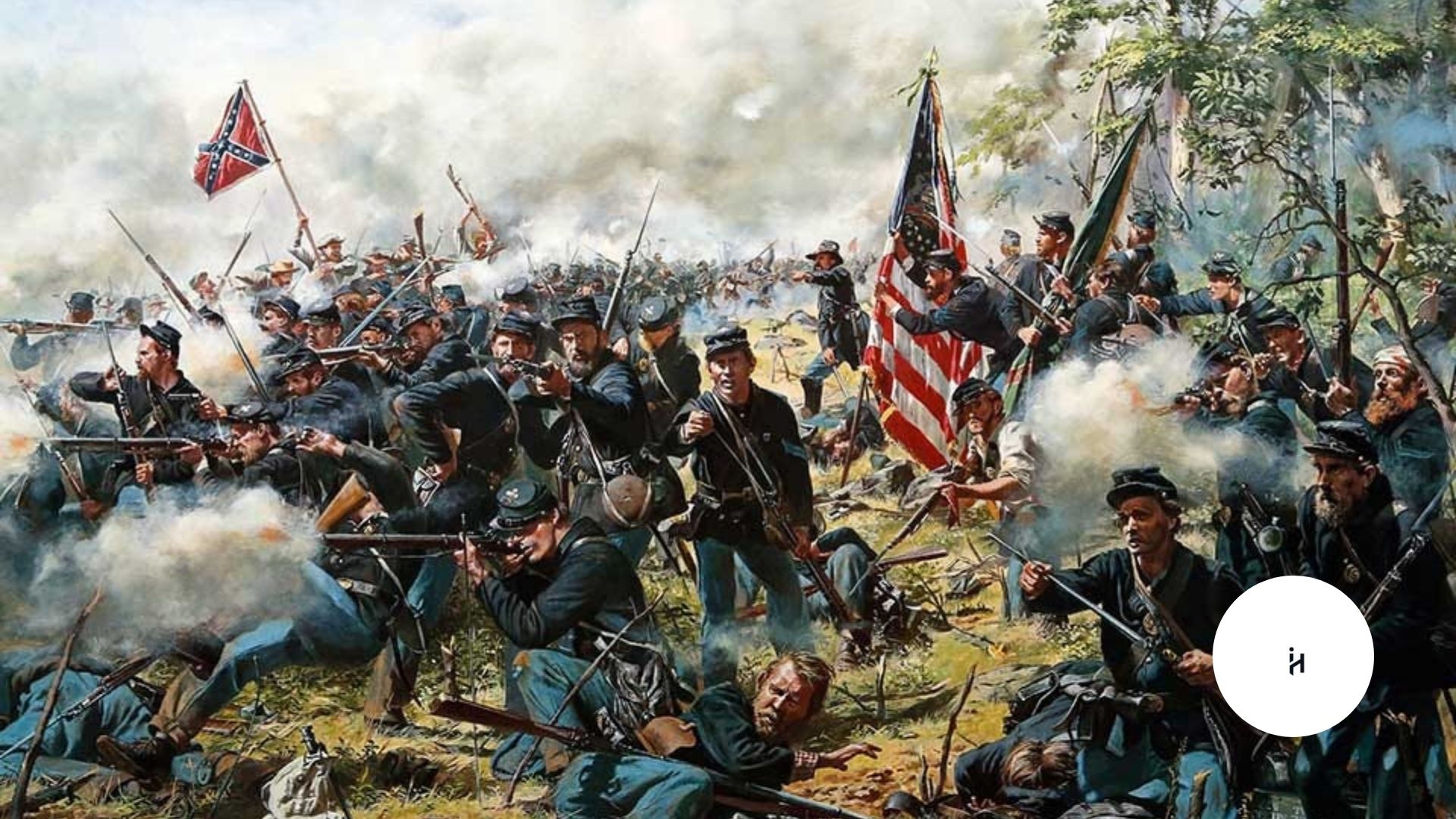
Battle of Gettysburg

The legacy of the Battle of Gettysburg continues to resonate today. The site of the battle is now home to the Gettysburg National Military Park, which preserves the battlefield and serves as a reminder of the sacrifices made by both Union and Confederate soldiers.

The battle’s significance extends beyond military history, as it marked a pivotal moment in the fight for freedom and equality in America. The Battle of Gettysburg remains a symbol of the courage and determination of those who fought to preserve the Union.

Conclusion

The Battle of Gettysburg was not only a military confrontation but also a symbolic event that defined the course of the Civil War. The Union’s victory at Gettysburg turned the tide of the war in favor of the North, and the aftermath of the battle shaped the future of the United States.

The battle’s significance cannot be overstated, as it marked a pivotal moment in the struggle for the nation’s soul. By examining the Battle of Gettysburg in detail, we gain insight into the complexities of war, leadership, and sacrifice, and we honor the memory of those who fought and died in this historic conflict.
The Fugitive Slave Act: A Deep Dive into a Dark Chapter of American History

0
Fugitive Slave Act

What Was the Fugitive Slave Act?

The Fugitive Slave Act was one of the most controversial laws in American history, passed in 1850 as part of the Compromise of 1850. It required that escaped enslaved individuals be returned to their enslavers, even if they had reached free states.

The law also imposed penalties on anyone who aided in their escape or refused to assist in their capture. The Fugitive Slave Act intensified the sectional conflict between the North and the South and was a significant precursor to the Civil War. In this blog, we will break down the law’s origins, enforcement, and consequences in detail.

Historical Background and Origins

Fugitive Slave Act

The Fugitive Slave Act of 1850 was not the first of its kind. The original version of the law was passed in 1793, giving legal support to slaveholders seeking the return of their escaped slaves. However, the North’s resistance to enforcing the 1793 law led to increasing frustration in the South.

The rise of the Underground Railroad and abolitionist movements made it clear that the North was becoming a sanctuary for escaped slaves. To placate Southern states, the Fugitive Slave Act of 1850 was introduced with harsher and more enforceable provisions. This stricter law reflected the growing tensions that would eventually lead to the Civil War.

The Compromise of 1850 and the Role of the Fugitive Slave Act

The Fugitive Slave Act was a critical component of the Compromise of 1850, a legislative package aimed at balancing the interests of free and slave states. While the Compromise admitted California as a free state and banned the slave trade in Washington, D.C., it also included the Fugitive Slave Act to appease the South. This law mandated that federal officials and citizens assist in the capture of runaway slaves. It highlighted the lengths the federal government would go to maintain national unity—even if it meant supporting the institution of slavery.

Key Provisions and Legal Requirements

The Fugitive Slave Act imposed several legal obligations. Firstly, it denied alleged fugitive slaves the right to a jury trial. Instead, a special commissioner would decide their fate. Secondly, the law required citizens to assist in capturing runaway slaves if called upon. Failure to comply could result in fines or imprisonment.

Thirdly, commissioners received higher fees for returning a person to slavery than for setting them free, which biased decisions. These provisions exposed the deep institutional bias of the time and made the Fugitive Slave Act a symbol of systemic injustice.

Northern Resistance and Public Outcry

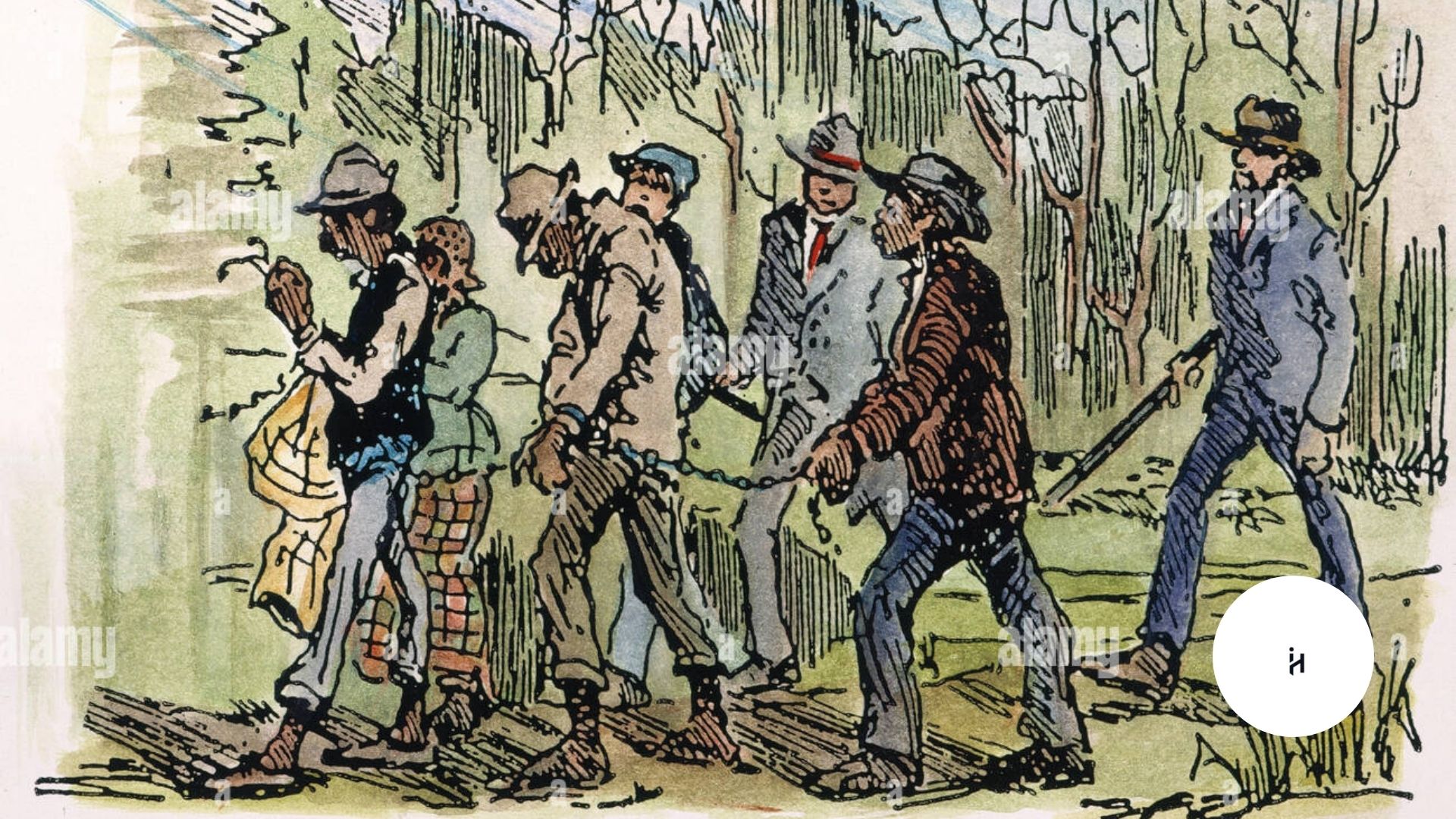
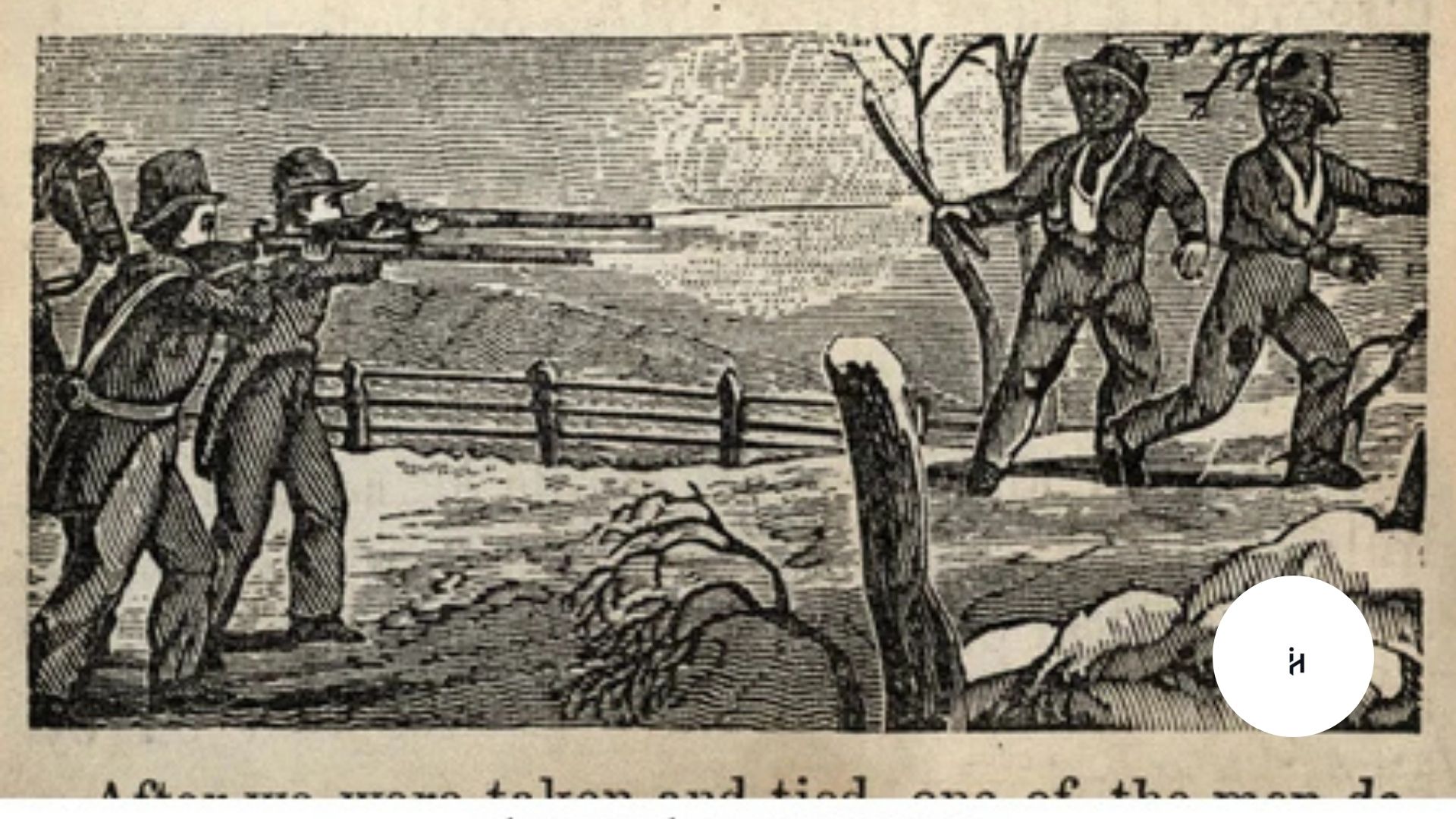
The North reacted strongly to the Fugitive Slave Act. Many citizens, previously indifferent, were outraged by the requirement to assist in the enforcement of slavery. Protests erupted in cities like Boston, and resistance groups formed to obstruct enforcement.

The most dramatic acts included forcibly rescuing escaped slaves from custody. Writers like Harriet Beecher Stowe, whose novel Uncle Tom’s Cabin was inspired in part by the law, further swayed public opinion against slavery. The Fugitive Slave Act thus had the unintended consequence of galvanizing the abolitionist movement in the North.

The Role of the Underground Railroad

The Fugitive Slave Act directly impacted the operations of the Underground Railroad, a network of safe houses and routes used by slaves to escape to freedom. After 1850, the Underground Railroad had to become even more secretive and organized.

Helpers, often referred to as “conductors,” risked arrest and prosecution for aiding fugitives. The law extended its reach to the North, making no part of the country truly safe for escaped slaves. Despite the increased risks, the Underground Railroad continued to thrive, underscoring the moral resolve of those opposed to slavery and the Fugitive Slave Act.

Legal Challenges and Famous Court Cases

Several legal battles arose as a result of the Fugitive Slave Act. One of the most notable was the case of Anthony Burns, an escaped slave arrested in Boston. The court’s decision to return him to slavery prompted massive public protests. Another case, Ableman v. Booth (1859), involved the Wisconsin Supreme Court ruling the act unconstitutional. However, the U.S. Supreme Court overruled this decision. These court cases highlighted the tension between state and federal authority and the growing legal resistance to the Fugitive Slave Act.

Fugitive Slave Act

Impact on Free African Americans

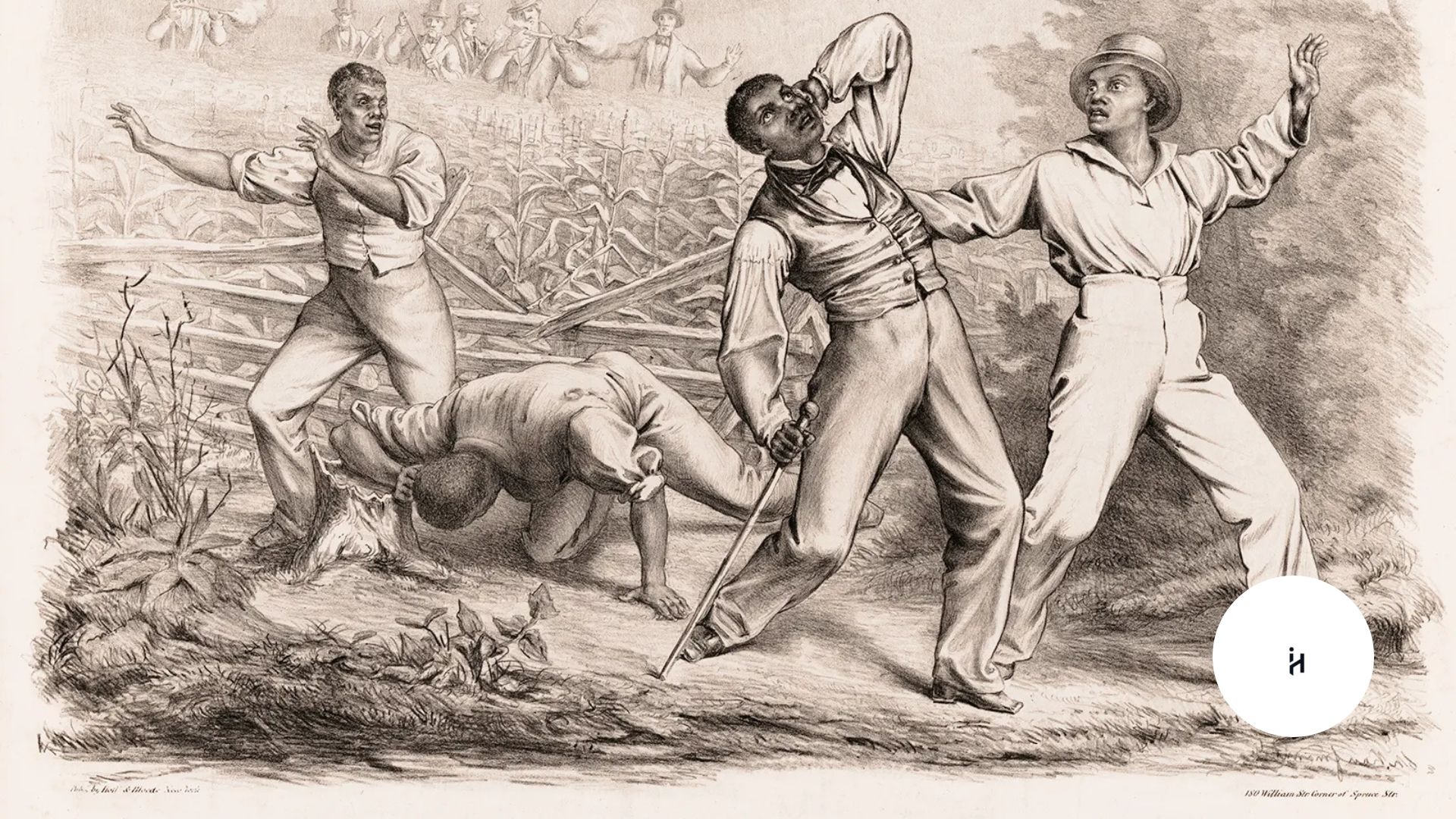
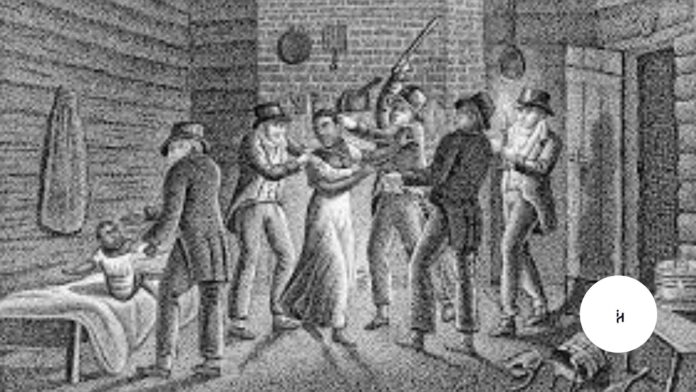
The Fugitive Slave Act didn’t just threaten escaped slaves—it endangered all African Americans, even those born free. Kidnapping became more frequent as slave catchers falsely accused free Blacks of being fugitives.

Without the right to testify or a jury trial, many were illegally sold into slavery. Cities like Philadelphia and New York saw increased emigration of Black residents to Canada. The Fugitive Slave Act thus created a climate of fear and insecurity for African Americans across the North.

Political Consequences and Sectional Divide

Politically, the Fugitive Slave Act deepened the divide between North and South. It strained relationships between states, influenced the collapse of political parties, and fueled the rise of the Republican Party, which opposed the expansion of slavery.

Leaders like Abraham Lincoln used opposition to the act to gain political momentum. Southern leaders, meanwhile, viewed any resistance as a threat to their rights. This growing tension made the Fugitive Slave Act a flashpoint in the events that led to the Civil War.

Repeal and End of the Fugitive Slave Act

The Fugitive Slave Act was officially repealed in 1864 during the Civil War. By that time, the moral and political climate had shifted dramatically. The Emancipation Proclamation had been issued, and the Union had committed to ending slavery. The repeal was part of a broader set of reforms aimed at dismantling the legal framework supporting slavery. The end of the Fugitive Slave Act marked a turning point in American history, symbolizing the nation’s move toward justice and equality.

Cultural Reflections and Literature

Fugitive Slave Act

The Fugitive Slave Act inspired a wave of cultural responses. From slave narratives like those of Frederick Douglass to novels like Uncle Tom’s Cabin, writers condemned the law’s cruelty and injustice. These works reached wide audiences and played a crucial role in shaping public opinion. Art, speeches, and pamphlets of the time also reflected the national debate. The Fugitive Slave Act thus left a significant legacy in American literature and public discourse.

The Fugitive Slave Act’s Legacy Today

Even though it was repealed over 150 years ago, the legacy of the Fugitive Slave Act endures. It is studied in schools as a symbol of how law can be used to uphold injustice. It serves as a warning about the dangers of compromising morality for political unity.

Discussions around race, justice, and civil rights often reference this law to illustrate systemic oppression. Remembering the Fugitive Slave Act ensures that the mistakes of the past are not repeated and that the pursuit of equality remains a central American ideal

Julius Caesar Timeline: A Complete Journey Through History

0
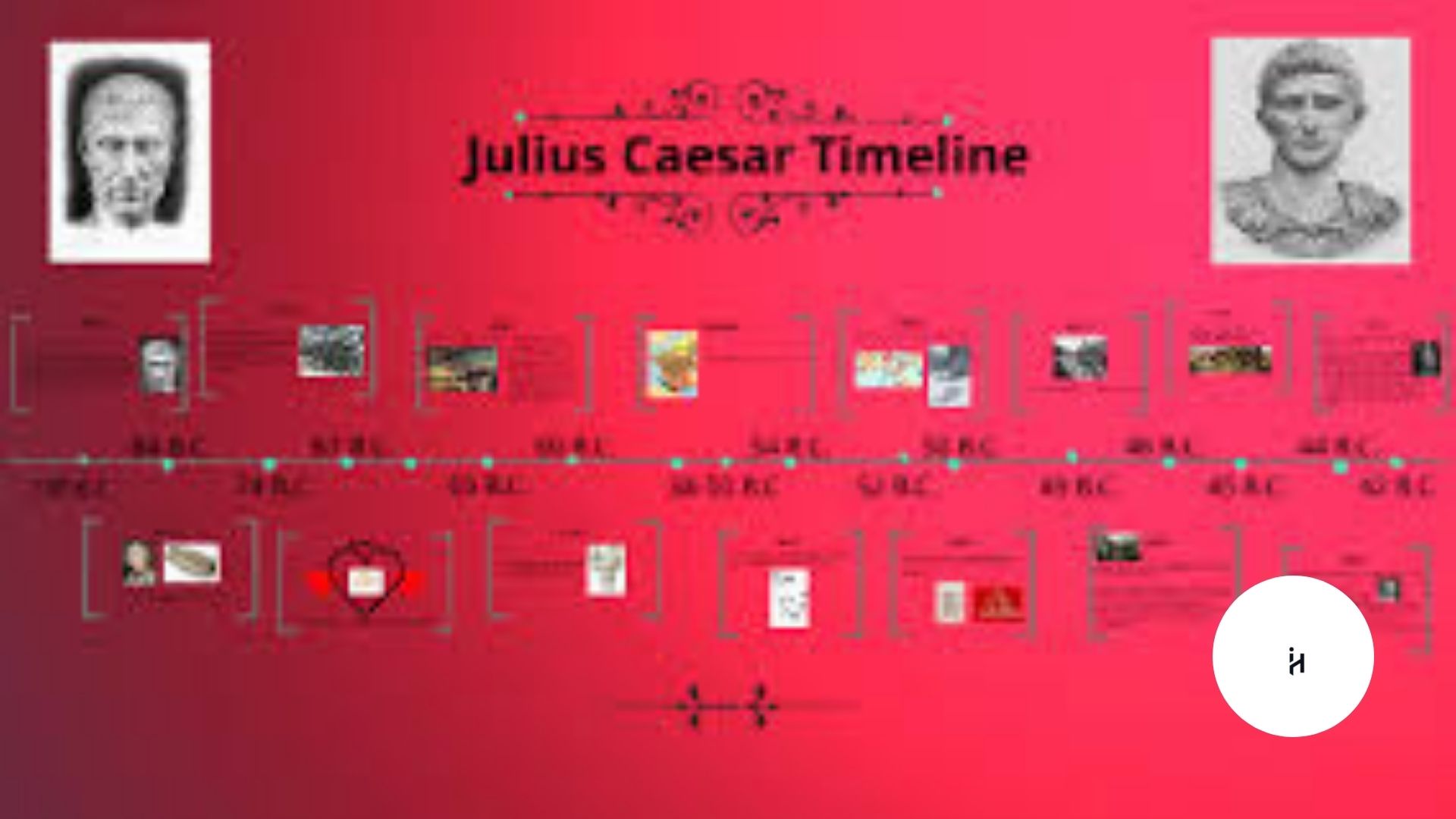
Julius Caesar Timeline

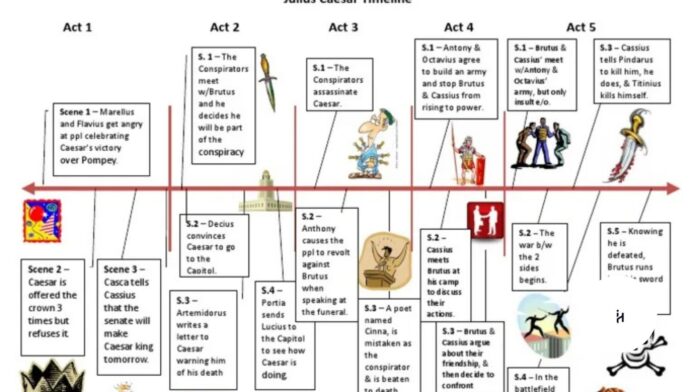
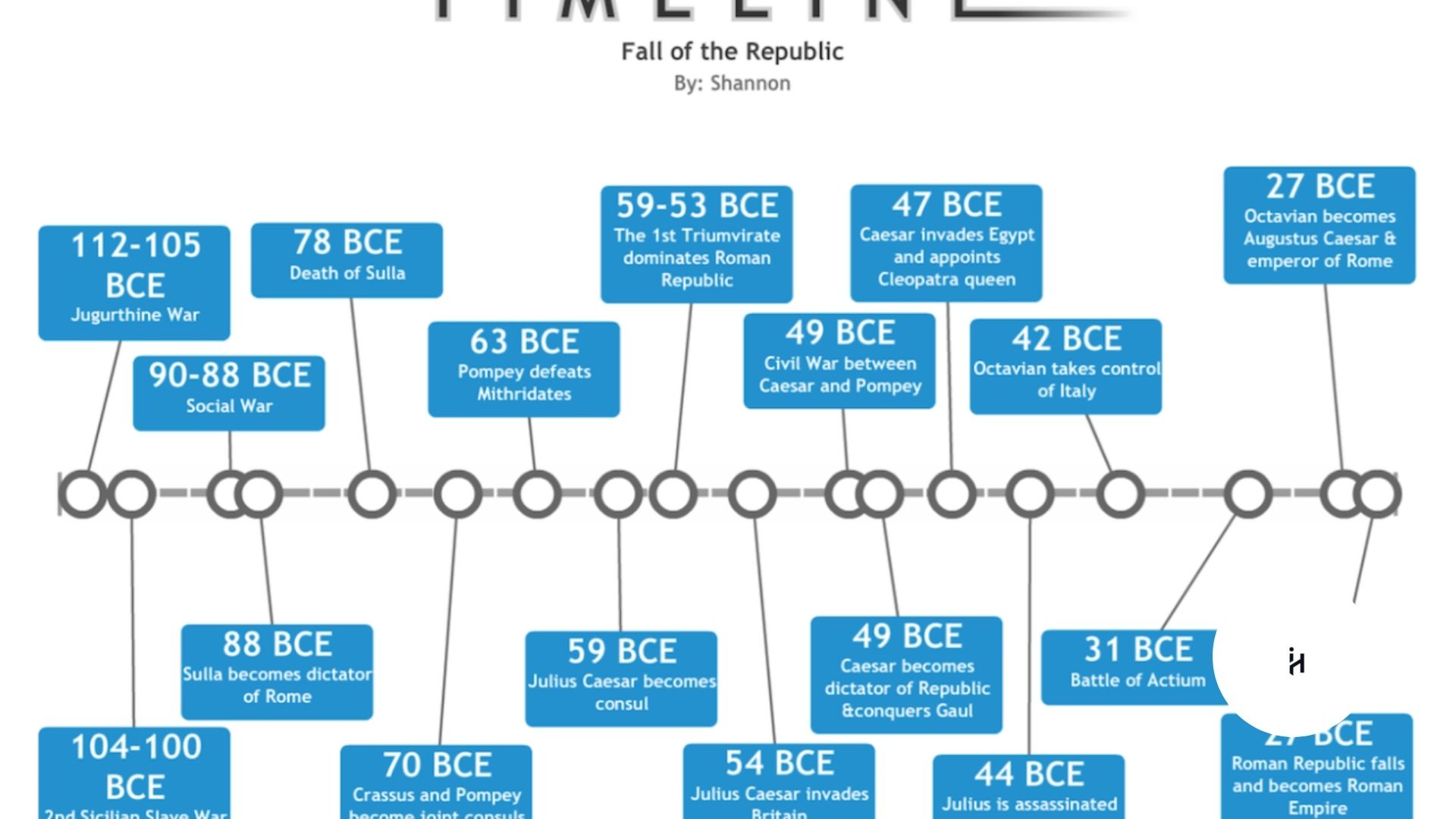
In this comprehensive guide, we will walk through the Julius Caesar timeline, exploring major events that shaped the Roman world. Whether you’re a student, history enthusiast, or simply curious, understanding the Julius Caesar timeline offers incredible insights into the fall of the Roman Republic and the rise of an empire.

Few figures in ancient history have left as profound a mark as Julius Caesar. From his early years to his tragic assassination, Caesar’s life was filled with ambition, conquest, and drama.

Birth and Early Life of Julius Caesar (100 BC)

Julius Caesar was born in 100 BC into the prestigious Julian clan. His family claimed descent from the goddess Venus, an origin story that contributed to Caesar’s sense of destiny. Understanding the Julius Caesar timeline starts with recognizing how his privileged yet politically turbulent upbringing in a period of civil unrest influenced his ambitions.

His father, Gaius Julius Caesar, was a praetor, and his aunt married Gaius Marius, a key figure in Roman politics. From a young age, Caesar was exposed to the brutal world of Roman political maneuvering. His education was typical for a Roman aristocrat: rhetoric, philosophy, and warfare. His early years laid the foundation for his later successes and deeply impacted the course of the Julius Caesar timeline.

Julius Caesar Timeline

Captivity by Pirates (75 BC)

One of the more adventurous episodes in the Julius Caesar timeline occurred when, in 75 BC, Caesar was captured by Cilician pirates while sailing across the Aegean Sea. Displaying extraordinary courage, he maintained a superior attitude even during captivity, joking with his captors and even threatening them with execution — a threat he later carried out after his ransom was paid.

This event is more than a footnote; it demonstrated Caesar’s charisma, strategic thinking, and ruthlessness, traits that would reappear throughout the Julius Caesar timeline. His handling of the pirates made him famous in Rome and furthered his public reputation as a formidable leader.

Political Ascent in Rome (69–60 BC)

Caesar’s political journey officially began in 69 BC when he was elected quaestor. The Julius Caesar timeline during these years shows a rapid ascent. He steadily climbed the Roman political ladder, securing key alliances and public favor.

He was elected aedile, then pontifex maximus, and later praetor, each role increasing his visibility. During this period, he also aligned with powerful figures such as Pompey and Crassus, culminating in the formation of the First Triumvirate. This period in the Julius Caesar timeline was essential for building the political and social foundations he needed to pursue even greater ambitions.

Military Campaigns in Gaul (58–50 BC)

The conquest of Gaul was a defining chapter of the Julius Caesar timeline. From 58 BC to 50 BC, Caesar led a series of campaigns that expanded Roman territory all the way to the Atlantic Ocean. These campaigns, documented in his own writings, “Commentarii de Bello Gallico,” showcased his military genius.

They also made him immensely wealthy and powerful, enabling him to pay off debts and reward loyal soldiers. The success of these campaigns was crucial because it positioned Caesar as a hero to the Roman populace but a threat to the Senate. Without this phase, the Julius Caesar timeline would have lacked the military prestige necessary for his political maneuvers.

Crossing the Rubicon and Civil War (49 BC)

“Crossing the Rubicon” has become synonymous with passing a point of no return, and it marks a pivotal moment in the Julius Caesar timeline. In 49 BC, defying the Senate’s order to disband his army, Caesar crossed the Rubicon River with his legions, effectively declaring war on the Roman Republic.

This bold move ignited a civil war against Pompey and the Senate’s forces. The phrase “Alea iacta est” (“The die is cast”) is attributed to this moment. This critical juncture set the tone for the remainder of the Julius Caesar timeline, leading to the eventual downfall of the Roman Republic and Caesar’s unprecedented accumulation of power.

Dictatorship and Reforms (46–44 BC)

Julius Caesar Timeline

After winning the civil war, Caesar returned to Rome and was declared dictator for ten years and later for life. This phase in the Julius Caesar timeline saw sweeping reforms across the empire.

He restructured debt laws, reformed the calendar (introducing the Julian calendar), and expanded the Senate. His reforms were designed to stabilize Rome, but they also centralised power in his hands, leading to resentment among the traditionalist elite. Understanding this segment of the Julius Caesar timeline is crucial to comprehend the tensions that led to his dramatic fall from grace.

The Ides of March: Assassination (44 BC)

The most dramatic event in the Julius Caesar timeline is undoubtedly his assassination on the Ides of March, 44 BC. A conspiracy led by senators including Brutus and Cassius culminated in Caesar being stabbed 23 times on the Senate floor.

His death was motivated by fears that he aimed to become king, an unthinkable position in Republican Rome. However, the assassination plunged Rome into chaos rather than restoring the Republic. This moment in the Julius Caesar timeline remains iconic, symbolizing the dangers of unchecked power and political betrayal.

Aftermath and Civil Wars (44–31 BC)

Following Caesar’s death, Rome descended into another series of civil wars, a crucial continuation of the Julius Caesar timeline. The power vacuum left by his assassination led to the rise of the Second Triumvirate — Octavian (later Augustus), Mark Antony, and Lepidus.

These leaders initially sought to avenge Caesar’s death but soon turned on each other. The turmoil following Caesar’s death was a direct result of the destabilization during his rule, marking a key transitional phase in the Julius Caesar timeline from republic to empire.

Julius Caesar’s Legacy

Julius Caesar’s legacy is monumental and inseparable from the Julius Caesar timeline. His centralization of power, military reforms, and social changes laid the groundwork for the Roman Empire.

His name became synonymous with leadership — “Caesar” would later evolve into titles such as “Kaiser” and “Tsar.” Every point in the Julius Caesar timeline contributed to creating a figure who transcended his own era to become a symbol of authority and charisma in world history.

Cultural Depictions of Julius Caesar

The Julius Caesar timeline has inspired countless works of art, literature, and drama. From Shakespeare’s famous play “Julius Caesar” to modern-day films and TV shows, Caesar’s life and death continue to captivate audiences.

Each adaptation highlights different aspects of the Julius Caesar timeline, whether focusing on his ambition, betrayal, or leadership. His portrayal varies — sometimes seen as a tyrant, sometimes as a visionary — but always as a pivotal historical figure.

Julius Caesar Timeline

Why Studying the Julius Caesar Timeline Matters Today

The study of the Julius Caesar timeline isn’t merely academic. It offers lessons on leadership, power, loyalty, and the consequences of political extremism. In today’s world, where political dynamics often mirror those of ancient Rome, understanding the Julius Caesar timeline provides valuable insights into the nature of governance and human ambition. It reminds us how personal ambition can alter the course of history and how fragile democratic institutions can be.

Conclusion

The Julius Caesar timeline tells the story of a man who changed history through sheer force of will, brilliance, and ambition. From his humble beginnings to his rise as Rome’s most powerful figure — and ultimately, to his tragic fall — every event along the Julius Caesar timeline paints a portrait of complexity, vision, and tragedy that still resonates today.

Frankenstein 2025: A Modern Reimagining of a Timeless Classic

0
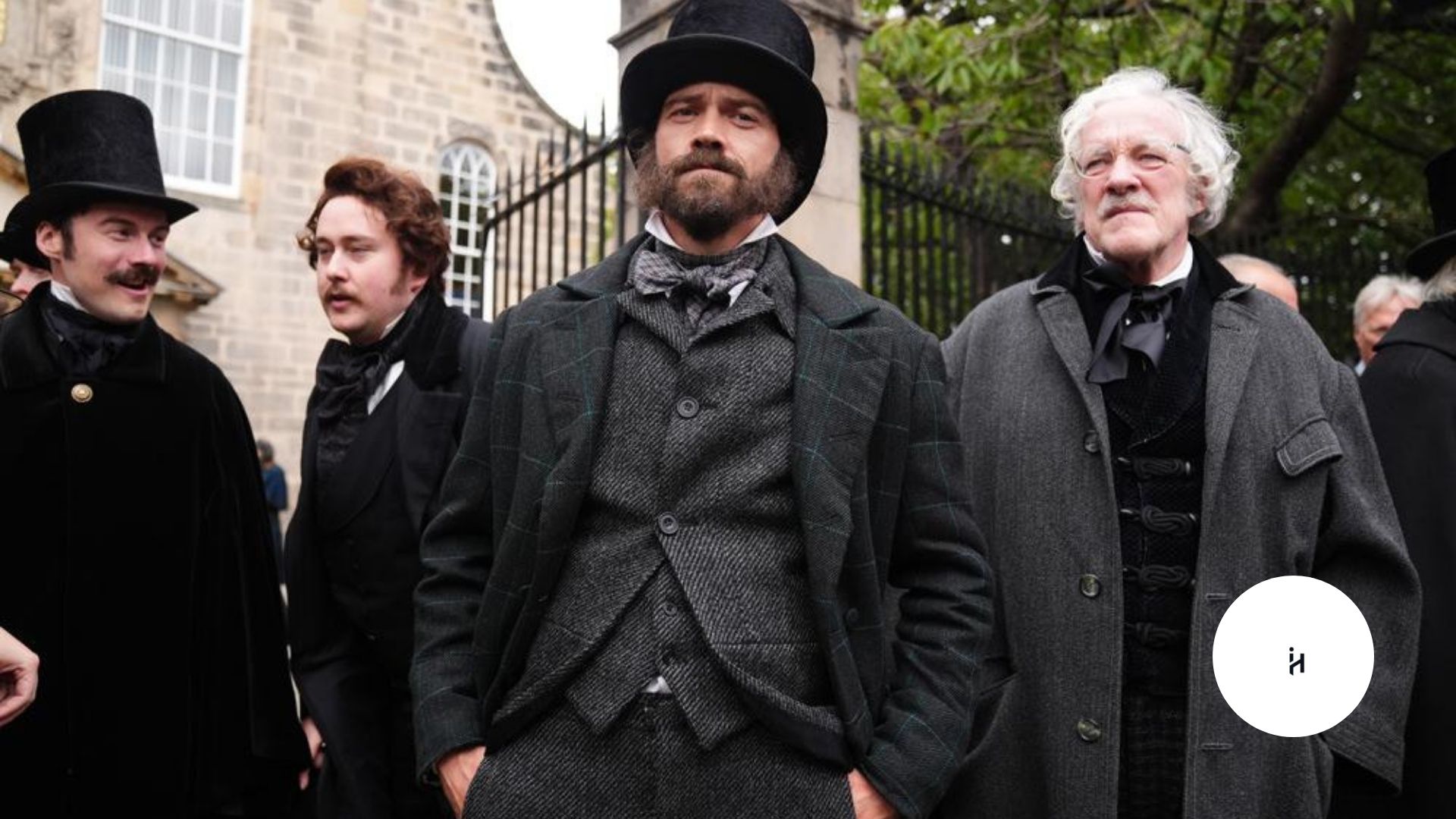
Frankenstein 2025

In the evolving world of entertainment, Frankenstein 2025 stands out as a groundbreaking reinterpretation of Mary Shelley’s legendary novel. Combining futuristic science fiction with psychological horror, this new installment dares to ask deeper questions about technology, humanity, and creation.

As society grapples with the ethics of AI and genetic engineering, Frankenstein 2025 provides a fresh lens to re-examine these age-old dilemmas. Throughout this article, we will explore how Frankenstein 2025 reimagines the original narrative for modern times, while staying rooted in the core themes that made the original timeless.

What is Frankenstein 2025? – A New Era of Storytelling

Frankenstein 2025 is not just a reboot; it is a full-fledged modernization of Mary Shelley’s iconic work. Set in a near-future dystopian world, the story follows a brilliant bioengineer who creates life through AI-organic hybrids rather than patchwork surgery.

In Frankenstein 2025, the lines between man, machine, and monster blur, forcing both creator and creature to grapple with their existence. As audiences seek narratives that mirror real-world fears about technology, Frankenstein 2025 perfectly captures this tension. The production leverages cutting-edge CGI, emotionally complex characters, and a richly detailed futuristic setting.

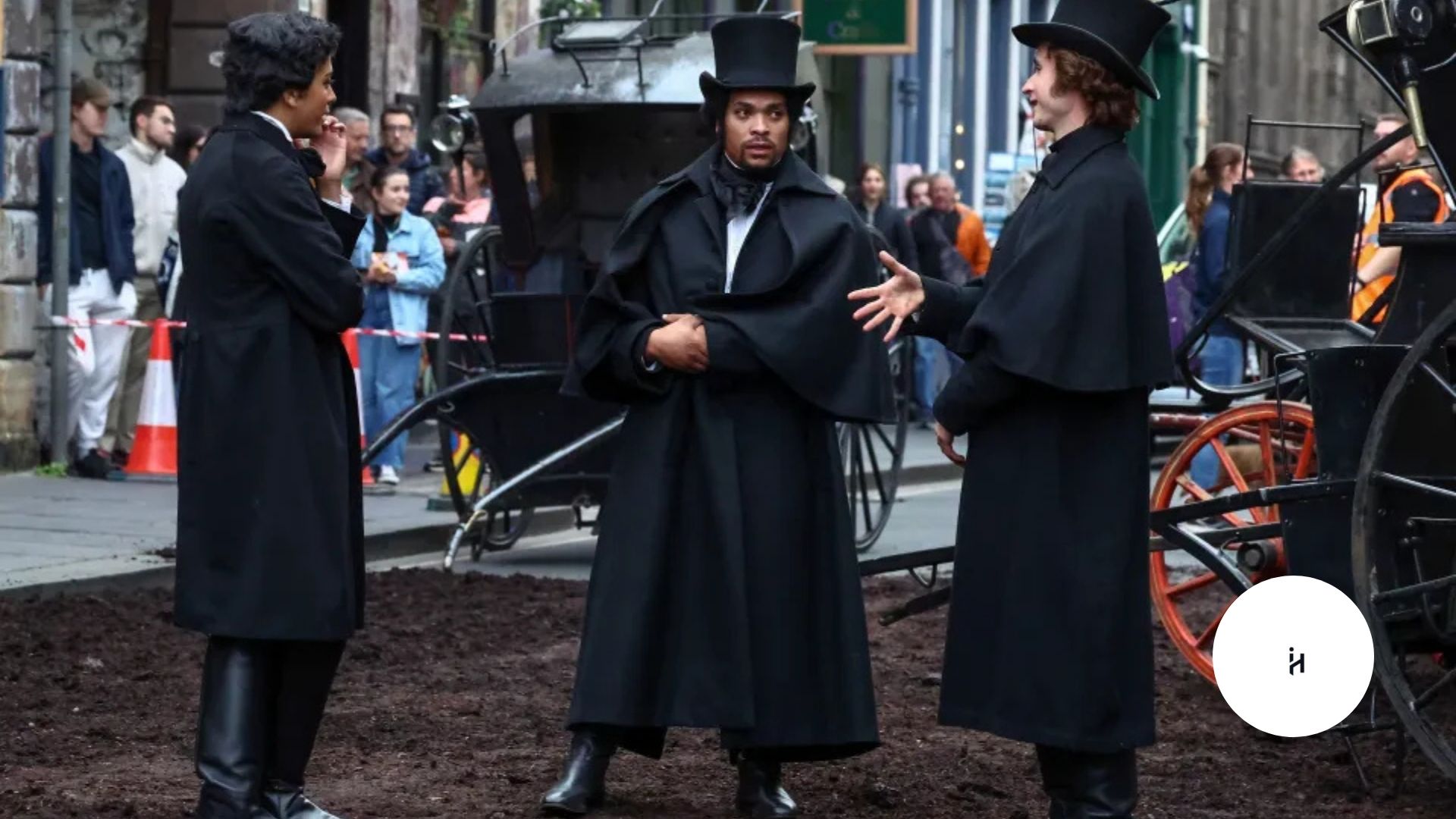
Frankenstein 2025

The Vision Behind Frankenstein 2025

At its core, Frankenstein 2025 reflects society’s anxieties about scientific overreach. The visionaries behind the project have made it clear: this is not simply about creating monsters but confronting the consequences of unchecked ambition.

By transplanting the story into a 2025 setting where AI, bioengineering, and cybernetics are commonplace, Frankenstein 2025 resonates with today’s tech-driven world. The movie’s creators meticulously researched current advancements to craft a believable future where the impossible feels just around the corner.

Plot Summary of Frankenstein 2025

The story of Frankenstein 2025 begins with Dr. Victoria Stein, a bioengineer working on a secret project to blend AI consciousness with living tissue. Facing political corruption, corporate espionage, and personal tragedy, she gives life to a being unlike any seen before.

However, the creature, named Adam, struggles with isolation and identity, leading to catastrophic consequences. Frankenstein 2025 explores the journey of both creator and created as they navigate betrayal, existential crises, and the fight for autonomy in a society that fears them.

Key Characters in Frankenstein 2025

In Frankenstein 2025, character development is central to the emotional weight of the story. Dr. Victoria Stein is portrayed as a conflicted genius, battling inner demons as much as external threats.

Adam, the creature, is intelligent and self-aware but tortured by his existence. Supporting characters like corporate magnates, rogue scientists, and a mysterious hacker collective add depth to the narrative. Each character in Frankenstein 2025 has complex motivations, making the story richer and more relatable.

Themes and Messages in Frankenstein 2025

Frankenstein 2025

Frankenstein 2025 stays true to the philosophical heart of the original novel while injecting contemporary concerns. Themes of isolation, the thirst for knowledge, the dangers of playing God, and society’s treatment of the “other” remain central. However, Frankenstein 2025 adds new layers, such as data privacy, AI rights, and biotechnology ethics. This fresh interpretation ensures the story feels relevant without losing the haunting beauty that made Frankenstein a masterpiece.

How Frankenstein 2025 Redefines Horror and Science Fiction

Blending horror with science fiction, Frankenstein 2025 introduces a new subgenre often called “techno-horror.” Rather than relying solely on jump scares, it builds a creeping sense of dread based on plausible science. In Frankenstein 2025, the fear stems not just from what is created, but from what humanity is becoming. The advanced visual effects, combined with psychological depth, redefine what horror and science fiction can achieve together.

Cinematic Excellence: Visuals and Effects in Frankenstein 2025

One of the standout features of Frankenstein 2025 is its breathtaking visual design. From neon-lit laboratories to dystopian cityscapes, the movie crafts a fully immersive world. The creature’s design is a seamless blend of organic and synthetic, capturing both beauty and terror. Thanks to innovations in CGI and practical effects, Frankenstein 2025 looks and feels authentic, drawing audiences deeper into its futuristic nightmare.

Critical Reception of Frankenstein 2025

Since its release, Frankenstein 2025 has garnered widespread critical acclaim. Critics praise its bold storytelling, emotional depth, and philosophical ambition. While some purists may balk at the futuristic setting, most agree that Frankenstein 2025 honors the spirit of Mary Shelley’s original work. It’s hailed as one of the best adaptations for a new generation, offering thrills, tears, and thought-provoking ideas in equal measure.

Frankenstein 2025

The Future of the Frankenstein Saga After 2025

Given its success, Frankenstein 2025 has already sparked discussions about sequels and spin-offs. The film leaves just enough open-ended questions to allow for future exploration. Could we see Adam evolve? Will new creatures be born? Frankenstein 2025 sets the stage for an entire cinematic universe that delves even deeper into questions about life, creation, and humanity’s place in the technological age.

Cultural Impact of Frankenstein 2025

Beyond its entertainment value, Frankenstein 2025 has ignited conversations about real-world ethics. Universities are hosting debates, and tech companies are using it as a case study for AI development risks. Much like the original novel did in the 19th century, Frankenstein 2025 challenges audiences to think critically about innovation and responsibility. Its influence extends well beyond the screen into academia, tech forums, and ethical discourse.

Why Frankenstein 2025 Matters Today

Frankenstein 2025 is more than just another sci-fi blockbuster; it’s a mirror reflecting humanity’s deepest hopes and fears. At a time when technology is advancing faster than regulation or ethical frameworks, Frankenstein 2025 reminds us of the cost of ambition without foresight. It encourages audiences to ask not just what we can create, but whether we should. In doing so, Frankenstein 2025 cements its place as a cultural touchstone for the modern age.