Home Blog Page 78

The Life and Legacy of George Mikhailovich Count Brasov

0
George Mikhailovich Count Brasov

George Mikhailovich Count Brasov was a lesser-known but historically significant figure in the twilight of the Russian Empire. As a descendant of Tsar Alexander II and the son of Grand Duke Michael Alexandrovich of Russia, George’s life unfolded during a period of immense political turmoil.

His personal history is entwined with royal privilege, revolutionary upheaval, and eventual exile. Despite his short life, George Mikhailovich Count Brasov left behind a story worth telling—a story of nobility, identity, and tragic loss. In this blog, we’ll explore various facets of his life across 11 comprehensive sections, each giving deep insights into his heritage and the historical context surrounding him.

Royal Lineage and Ancestry

George Mikhailovich Count Brasov

George Mikhailovich Count Brasov was born into the prestigious Romanov dynasty. His father, Grand Duke Michael Alexandrovich, was the youngest brother of Tsar Nicholas II. This connection made George a great-grandson of Tsar Nicholas I and a direct descendant of Tsar Alexander II.

However, George Mikhailovich Count Brasov’s lineage was complicated by the morganatic marriage of his parents, which limited his claim to royal status. The Romanov family, bound by rigid aristocratic protocols, never fully recognized George’s position due to his mother’s non-royal status. Still, George inherited the elegance, education, and manners befitting a royal.

Birth and Early Childhood

Born on August 24, 1910, in Brasov (then in Austria-Hungary, now in Romania), George Mikhailovich Count Brasov spent his early years amidst political instability. His place of birth, Brasov, later inspired his noble title. Despite being born out of a morganatic union, George was granted the courtesy title “Count Brasov” by his father.

His upbringing was private and discreet, overshadowed by the rejection from certain members of the Romanov family. Nonetheless, George Mikhailovich Count Brasov was surrounded by love and care from both parents, especially his devoted mother, Natalia Sergeyevna Wulfert.

His Parents and Their Controversial Marriage

The marriage between Grand Duke Michael Alexandrovich and Natalia Wulfert was deemed scandalous by the Russian imperial court. Natalia was a commoner and a divorcee, which violated Romanov dynastic rules.

This union forced the couple into semi-exile within Russia and later abroad. George Mikhailovich Count Brasov, the product of this controversial union, was affected deeply by these royal disputes. Although he bore no fault, the Romanov family’s disapproval shaped his identity and future prospects. Still, his parents provided a nurturing environment that emphasized education, cultural exposure, and moral values.

The Fall of the Russian Empire

The Russian Revolution of 1917 marked the end of the Romanov dynasty’s rule. George Mikhailovich Count Brasov, just seven years old, witnessed the dissolution of his family’s power and status.

His father, who briefly held potential as a successor to the throne after Tsar Nicholas II’s abdication, was ultimately rejected by the Duma. This political chaos forced the family into hiding and later exile. For George, this upheaval not only meant a loss of home but also a severance from a royal identity he barely had the chance to embrace.
George Mikhailovich Count Brasov

Life in Exile

After the revolution, George Mikhailovich Count Brasov and his family fled Russia to escape persecution. They settled temporarily in various parts of Europe, including France and England. Life in exile was far from the luxury they once knew.

They lived modestly and relied on the support of other exiled royals and sympathizers. Despite these hardships, George adapted quickly. He learned multiple languages, embraced Western education, and tried to make peace with his lost heritage. Exile gave him both resilience and a worldly perspective uncommon among aristocrats of his age.

Education and Personal Development

George Mikhailovich Count Brasov was educated in England, where he attended Harrow School—one of the most prestigious institutions in Britain. His academic performance was commendable, and he was known for his quiet intelligence and discipline. George’s education was meant to prepare him for a life outside royalty, one where he could contribute to society meaningfully. He took an interest in literature, history, and diplomacy. This period was perhaps the most stable in his life, giving him a chance to grow away from the political shadows of his family’s past.

Relationship with the Romanov Family

Although ostracized by certain Romanovs due to his birth status, George Mikhailovich Count Brasov maintained some ties with members of the extended family. He corresponded occasionally and met some of his distant relatives while in exile.

Yet, full acceptance was elusive. The Romanov family’s rigid structure and emphasis on dynastic purity kept George at a distance. This exclusion played a psychological toll on him, as he struggled with his identity—torn between being part of royalty and being treated as an outsider. Nonetheless, he carried himself with grace and loyalty to his heritage.

Personality and Legacy

Described by peers as quiet, thoughtful, and reserved, George Mikhailovich Count Brasov had the demeanor of a gentleman. His teachers noted his humility despite his noble background. He did not exhibit entitlement but rather a sense of duty and curiosity.

While he didn’t live long enough to build a public legacy, his life story became a symbol of lost royalty and the personal costs of political upheaval. George Mikhailovich Count Brasov represents a bridge between imperial grandeur and the realities of modern exile. His short life carried the weight of a fallen empire.

Tragic and Untimely Death

George Mikhailovich Count Brasov

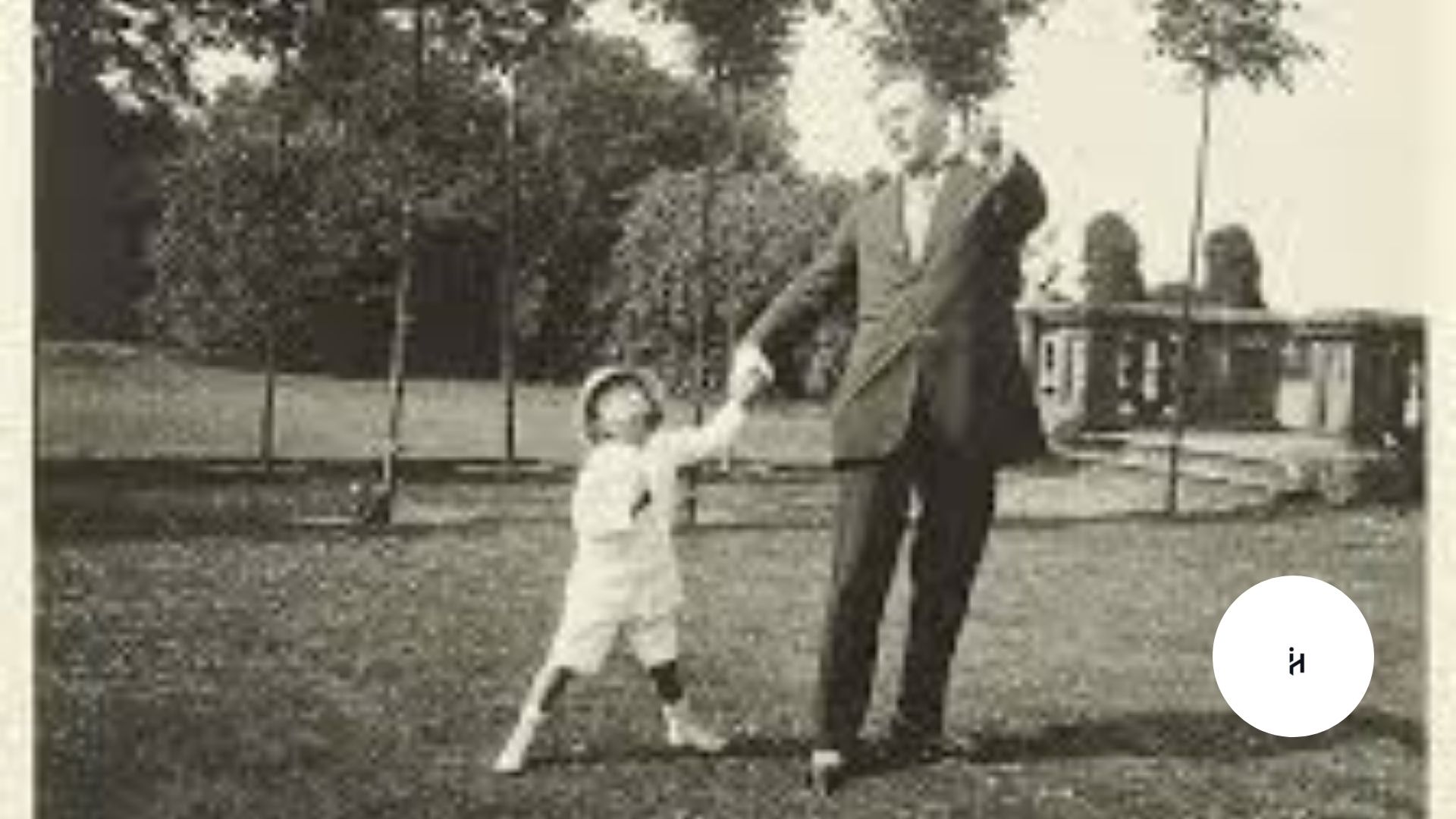
George Mikhailovich Count Brasov’s life was tragically cut short in a car accident in France on July 22, 1931. He was only 20 years old. The accident occurred near Paris, where he was living with his mother. His sudden death shocked the small community of Russian émigrés who knew him. The loss was particularly devastating to his mother, who had already endured exile, scandal, and the execution of her husband. With George’s passing, a potential new chapter for the Romanovs in exile came to a quiet end.

Burial and Memorials

George Mikhailovich Count Brasov was buried in a quiet ceremony in France. While no grand monuments mark his grave, his memory lives on in historical accounts and Romanov genealogies. In recent years, historians have revisited his life as part of broader studies on the fall of European monarchies.

His burial site has occasionally attracted royal history enthusiasts and researchers. Despite his obscurity, George Mikhailovich Count Brasov is remembered by some as a noble soul caught in the crosswinds of revolution and monarchy’s decline.

Historical Significance and Conclusion

Though George Mikhailovich Count Brasov did not play a major political role, his life holds historical significance. He represents the unintended casualties of dynastic politics and revolutionary change. George’s story offers a poignant look at how personal identity, family, and legacy are shaped by forces beyond one’s control.

Today, his name surfaces in Romanov studies, genealogical records, and historical discussions about post-imperial Russia. George Mikhailovich Count Brasov may have lived in the shadows of his royal bloodline, but his life deserves recognition, reflection, and remembrance.

The Untold Truth Behind the Blind Pope

0
Blind Pope

The term “Blind Pope” carries an air of mystery, controversy, and intrigue that has captivated theologians, historians, and conspiracy theorists for centuries. Whether rooted in historical fact or embellished by medieval myth, the concept of a blind pontiff has sparked questions about leadership, divine authority, and the human condition within the papal institution.

In this blog, we unravel the possible truths, interpretations, and symbolic meanings surrounding the Blind Pope. We’ll explore its relevance in religious narratives, art, literature, and modern pop culture. Let’s delve into the eleven core aspects of this fascinating phenomenon.

Historical Basis of the Blind Pope

Blind Pope

The origin of the “Blind Pope” is not officially recorded in Vatican archives, but various texts and anecdotal stories refer to a pope who allegedly lost his sight during or before his papacy. Some believe this figure may have been Pope John XII, who was rumored to have gone blind before his death.

Others cite Pope Leo III, who was reportedly blinded during a political attack. The keyword “blind pope” resurfaces here as a possible symbolic interpretation rather than literal documentation. The Church, being secretive about internal struggles, might have underreported such conditions. This heading evaluates the credibility of these accounts and explores the role blindness might have played in papal history.

Symbolism of Blindness in Religious Leadership

Blindness in religious symbolism often represents either divine insight or spiritual blindness. A “blind pope” could symbolize a pontiff with higher spiritual vision or, conversely, one led astray from divine truth. In biblical contexts, blindness is frequently a metaphor for either divine punishment or heavenly wisdom.

When associated with a pope, it triggers deep theological discussion about leadership, vulnerability, and divine will. The blind pope, in this sense, becomes more than a historical figure—it becomes an icon of contrast between physical limitation and spiritual power.

Myths and Legends of the Blind Pope

Medieval Europe was a fertile ground for myths and folklore, and the tale of the Blind Pope fits right in. Stories circulated of a pope who governed through divine revelation despite being unable to see. Some even considered him a prophet or an incarnation of the last days mentioned in apocalyptic scripture.

The blind pope legend was embellished in manuscripts and whispered across abbeys, raising questions about how much of the tale was truth versus fiction. These legends may have stemmed from real disabilities or political enemies trying to undermine a pope’s authority.

Theological Debate on a Blind Leader

Would a blind individual be able to serve as pope under Catholic law? Canonically, the pope is seen as Christ’s vicar on Earth and is expected to perform various liturgical and diplomatic duties.

A blind pope would present logistical challenges, but theological debates argue that spiritual sight matters more than physical vision. Church scholars have long discussed whether blindness would impair a pontiff’s ability to receive divine inspiration or fulfill the spiritual needs of the Church. In this context, the blind pope becomes a lens for reinterpreting divine capability.

Blindness as a Metaphor in Papal Criticism

Critics of certain popes throughout history have used the metaphor of blindness to describe their alleged ignorance or failure in leadership. The term “blind pope” has occasionally been used in political satire, editorial cartoons, and even underground reformist literature to symbolize a pope disconnected from the Church’s spiritual or moral needs. This metaphorical use adds another layer to the narrative, showing how blindness, whether literal or figurative, has been weaponized within religious discourse.

Blind Pope

Cases of Visual Impairment in the Papacy

There is no definitive record of a completely blind pope, but some popes have experienced visual impairments later in life. For instance, Pope Benedict XVI and Pope John Paul II reportedly struggled with deteriorating eyesight in their final years.

These cases reopen the discussion on the possibility of a blind pope and its impact on papal functionality. While never fully blind during service, these conditions raised concerns about age, capability, and the Church’s response to health-related leadership limitations.

The Blind Pope in Art and Literature

From Renaissance paintings to modern novels, the idea of a blind pope has been explored creatively. Writers have used the blind pope as a dramatic figure symbolizing lost truth, hidden prophecy, or unacknowledged wisdom.

Art often portrays him seated on the throne with a blindfold or hollow eyes, emphasizing inner vision over outer sight. Such representations continue to influence how we interpret the possibility of a blind pope—more as a concept than a documented reality.

Modern Interpretations and Pop Culture

The blind pope has found a place in pop culture, especially in speculative fiction and dystopian media. TV series and novels have featured blind religious leaders inspired by this lore. For example, some futuristic shows feature blind spiritual leaders seen as more spiritually pure. The blind pope here becomes a character that challenges traditional notions of power, foresight, and divinity. This reflects societal shifts in how we view disability and leadership.

Disability and Inclusion in the Catholic Church

A discussion about the blind pope also brings attention to disability inclusion within the Church. Would the Vatican support a visually impaired candidate today? Canon law does not explicitly prohibit it, though practical limitations exist.

This heading delves into how disability is treated in Church roles and whether the election of a blind pope in the future is plausible. It also touches on how society’s evolving view of disability might one day lead to a visually impaired pontiff.

Blind Pope Prophecies and Conspiracy Theories

Blind Pope

Conspiracy theories about the blind pope are widespread online and in fringe religious circles. Some claim Nostradamus predicted a blind pope who would oversee the fall of the Vatican.

Others connect it to the prophecy of the popes by Saint Malachy, where the final pope is described in mysterious terms. These theories often misinterpret scripture and texts, but they remain popular. “blind pope” is often used to generate intrigue or fear around future Church events.

Could the Church Ever Have a Blind Pope?

In conclusion, while the Catholic Church has never officially had a completely blind pope, history, theology, and symbolism suggest that such a figure is not outside the realm of possibility.

With modern accessibility technologies and a more inclusive mindset, the blind pope might not remain just a myth or symbol. This heading speculates on the realistic chances of having a blind pope in the future and what that would mean for the Church, its followers, and global religious leadership.

The Battle of Saratoga: A Defining Moment in American History

0
The Battle of Saratoga

The Battle of Saratoga is one of the most significant battles in American history. Fought in 1777 during the American Revolutionary War, this major conflict marked the turning point in the colonies’ fight for independence from Great Britain. The victory not only boosted American morale but also encouraged foreign nations like France to recognize the American cause and offer military support.

Located in upstate New York, the battlefield was strategically important because it controlled the route from Canada to the Hudson River Valley. The British planned to isolate New England from the other colonies, aiming to crush the rebellion by dividing and conquering.

The Battle of Saratoga actually consisted of two key battles fought eighteen days apart: the Battle of Freeman’s Farm and the Battle of Bemis Heights. These engagements involved thousands of troops, careful military strategies, and intense combat that ultimately led to the British surrender.

This article will explore the background, strategies, key figures, and long-term effects of the Battle of Saratoga, providing a thorough understanding of why it remains such a critical chapter in U.S. history.

Background and Causes Leading to the Battle of Saratoga

The roots of the Battle of Saratoga trace back to Britain’s failed strategy of suppressing the American colonies through overwhelming force. In 1777, British General John Burgoyne proposed a three-pronged attack. His idea was to move troops southward from Canada, while other British forces would come from the west and south, meeting at Albany, New York.

The Battle of Saratoga

However, communication and coordination among the British commanders failed miserably. General Howe moved his troops toward Philadelphia instead of heading north, while another contingent under Barry St. Leger was defeated at Fort Stanwix.

Meanwhile, American forces under General Horatio Gates and Benedict Arnold prepared defenses in the Saratoga region. The geographical importance of the Hudson River Valley made it a prime target. Control over the area would allow the British to cut off New England, the hotbed of revolutionary activity, from the rest of the colonies.

As Burgoyne moved his army slowly through thick wilderness, supply lines became overextended. Patriot militias harassed them constantly. This weakening of British resources and morale set the stage for the eventual clash at Saratoga.

The stage was now set for the Battle of Saratoga, where strategy, terrain, and patriot resistance would combine to shape history.

Key Figures in the Battle of Saratoga

The Battle of Saratoga saw the involvement of some of the most important military figures of the American Revolutionary War. On the American side, General Horatio Gates served as the commanding officer, although much credit goes to General Benedict Arnold and Colonel Daniel Morgan for their tactical brilliance during the battle.

Benedict Arnold, who would later become infamous for his betrayal, played a vital role in the American victory at Saratoga. His aggressive leadership style clashed with Gates’ more reserved approach, but his bold charges during the battle helped break the British lines.

Daniel Morgan, another American hero, led a group of sharpshooters and frontiersmen who were key in disrupting British formations and taking out key officers from a distance.

On the British side, General John Burgoyne led the campaign. Known as “Gentleman Johnny” for his aristocratic demeanor, Burgoyne’s overconfidence and slow progress through New York wilderness became fatal flaws.

The interactions between these leaders, their decisions on the battlefield, and their leadership styles all contributed to the outcome of the Battle of Saratoga, making them indispensable parts of the story.

The Battle of Freeman’s Farm

The first engagement in the Battle of Saratoga was the Battle of Freeman’s Farm, fought on September 19, 1777. It was a fierce and bloody encounter between Burgoyne’s army and American forces under Gates and Arnold.

Burgoyne aimed to move south toward Albany, but American troops intercepted him near a clearing called Freeman’s Farm. Although the British technically held the field at the end of the day, the American forces inflicted significant casualties.

Daniel Morgan’s sharpshooters played a crucial role by picking off key British officers, disrupting their command and control. The terrain worked in the Americans’ favor, allowing them to launch ambushes and disappear into cover.

Benedict Arnold’s leadership during this battle was aggressive and effective. However, his strained relationship with Gates led to disputes that would affect their cooperation during the rest of the campaign.

Though not a decisive victory, Freeman’s Farm weakened the British and set the stage for the next major confrontation in the Battle of Saratoga series.

The Battle of Bemis Heights

The second engagement, the Battle of Bemis Heights, took place on October 7, 1777. This clash proved to be the decisive moment in the Battle of Saratoga. The British, now low on supplies and desperate for a breakthrough, launched a final assault on the American positions.

This time, American forces, under Arnold’s unofficial command, launched a powerful counterattack. Ignoring orders and riding into battle, Arnold led his men with unmatched bravery. His charge broke through British lines, captured enemy fortifications, and forced a full retreat.

Arnold was wounded in the leg during this battle, but his leadership was instrumental in achieving victory. The British were routed, demoralized, and surrounded.

This victory sealed the fate of Burgoyne’s army, and just ten days later, he would surrender. The Battle of Bemis Heights was the climax of the Battle of Saratoga and proved that the Americans could defeat one of the world’s strongest armies in a set-piece battle.

Surrender of General Burgoyne

The Battle of Saratoga

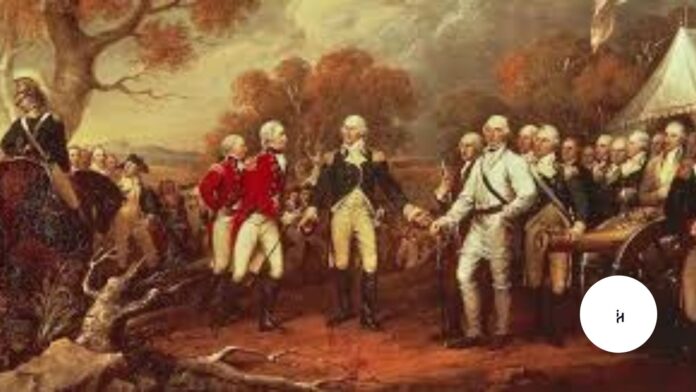
On October 17, 1777, British General John Burgoyne surrendered his entire army to the American forces, marking the official end of the Battle of Saratoga. The surrender took place at Saratoga, New York, and it was a public and humiliating event for the British.

Burgoyne signed the “Convention of Saratoga,” agreeing to withdraw his troops under certain terms. However, the American Congress later invalidated the terms, and many of the captured British troops were imprisoned instead of being allowed to return to Britain.

The surrender was symbolic and strategic. It marked the first time a British army had surrendered to American forces, showcasing the strength and legitimacy of the Continental Army. The news spread like wildfire through the colonies, lifting morale and invigorating the revolutionary cause.

The Battle of Saratoga, with its successful culmination in Burgoyne’s surrender, became a crucial turning point. It convinced France and other foreign nations that the Americans had a real chance at victory.

Role of French Alliance Post-Saratoga

One of the most important consequences of the Battle of Saratoga was the diplomatic impact it had internationally, especially with France. The French had been watching the American struggle for independence with interest but were reluctant to fully commit to a lost cause.

After the American victory at Saratoga, France was finally convinced that the colonies could potentially win the war. In 1778, France officially entered the war on the side of the Americans. They provided naval support, supplies, troops, and financial aid.

This foreign alliance shifted the balance of power significantly. Britain now had to fight a global war, defending not just in North America but also in Europe, the Caribbean, and Asia. Spain and the Dutch Republic would also join the war effort later.

The Battle of Saratoga directly led to this critical alliance, which would eventually help the Americans secure ultimate victory at Yorktown in 1781.

Impact of the Battle of Saratoga on the Revolutionary War

The Battle of Saratoga changed the course of the American Revolutionary War in profound ways. Before this victory, American forces had faced a string of setbacks and uncertainty. Saratoga demonstrated that the Continental Army, with strategic planning and strong leadership, could defeat the superior British forces.

This pivotal battle shattered British hopes of a quick end to the rebellion. The British strategy of isolating New England failed miserably. They underestimated the resilience of the American militias and the natural difficulties of the New York wilderness.

For the Americans, the psychological and strategic value of this victory was enormous. It reinvigorated both the troops and the civilian population. Enlistments increased, and public support for the war effort surged.

Internationally, the Battle of Saratoga showed that the American Revolution had substance. The French alliance was a direct result, but it also encouraged other nations to recognize American independence. This shifted the entire geopolitical landscape of the 18th century.

Moreover, the battle taught important military lessons in guerrilla tactics, frontier warfare, and how coordination between local militias and the Continental Army could yield extraordinary results.

Benedict Arnold’s Controversial Role

Although remembered later for his betrayal, Benedict Arnold was one of the heroes of the Battle of Saratoga. His tactical instincts and fearless charges during both Freeman’s Farm and Bemis Heights contributed greatly to the American victory.

However, Arnold’s relationship with General Horatio Gates was strained. Gates, more cautious and political, tried to downplay Arnold’s role and eventually relieved him of his command before Bemis Heights. Defying orders, Arnold entered the battle anyway, rallying troops and leading a critical charge that broke British lines.

Arnold was seriously wounded during the fight, suffering a leg injury that ended his field career. Despite this, Gates received most of the credit for the victory in official reports.

This frustration with how he was treated at Saratoga planted the seeds for Arnold’s later betrayal. In 1780, he famously switched sides, offering to surrender West Point to the British. While his treason tarnished his name, historians continue to acknowledge his essential contribution to the Battle of Saratoga.

Arnold’s actions at Saratoga serve as a reminder that even heroes can fall, but their deeds, both good and bad, shape the fabric of history.

The Battlefield Today: Saratoga National Historical Park

The site of the Battle of Saratoga has been preserved as the Saratoga National Historical Park in Stillwater, New York. Established in 1938, the park commemorates the battle and educates visitors on its historical importance.

Spanning over 3,000 acres, the park includes battlefield grounds, memorials, monuments, and visitor centers. Guided tours and exhibits offer a step-by-step recount of the battle’s progress. The Boot Monument, for instance, honors Benedict Arnold’s injured leg, symbolizing his bravery while omitting his name due to his later treason.

Each year, thousands of visitors walk the same grounds where history was made. The park’s trails, restored redoubts, and interpretive signage provide a vivid look into the strategic locations used by both American and British forces.

Reenactments and educational events bring the history of the Battle of Saratoga to life. Schools, historians, and patriotic citizens alike visit the park to gain insight into this monumental clash that helped define American independence.

The preservation of this battlefield ensures that future generations will remember the sacrifices and strategies that led to a revolutionary victory.

The Battle of Saratoga

Legacy and Historical Significance of the Battle of Saratoga

The Battle of Saratoga stands as one of the most defining moments in American history. It wasn’t just a military triumph—it symbolized the birth of a nation’s confidence, determination, and unity.

This battle proved that the American colonies were not merely rebellious subjects, but a force capable of challenging and defeating a global empire. The surrender of an entire British army shocked the world and forced Britain to reconsider its approach to the conflict.

The battle’s outcome set the wheels in motion for international diplomacy, foreign alliances, and ultimately, American independence. It also helped to forge American military traditions and leadership structures that would evolve into today’s armed forces.

In modern times, the Battle of Saratoga is studied not just for its battlefield tactics, but for its broader implications in revolutionary strategy, alliance-building, and morale warfare.

It is frequently cited in military academies and leadership courses as an example of how underdog forces, with the right mix of courage, innovation, and purpose, can overcome even the most formidable enemies.

As we reflect on American freedom and identity, the Battle of Saratoga remains a proud and powerful symbol of resilience and victory.

Conclusion

The Battle of Saratoga was more than just a military engagement—it was the moment that redefined the American Revolution. From its causes and leaders to its consequences and legacy, Saratoga represents the power of unity, courage, and vision. Without this victory, American independence may never have been realized.

American Battlefield Trust: Preserving America’s Hallowed Ground

0
American Battlefield Trust

The American Battlefield Trust is a nonprofit organization dedicated to the preservation of America’s historic battlefields, especially from the Revolutionary War, the War of 1812, and the Civil War. With a mission rooted in safeguarding the memory of those who fought and died on these sacred sites, the Trust plays an essential role in conserving American heritage. Through educational programs, advocacy, and land preservation, the organization has become a powerful force in protecting the legacy of American democracy and freedom.

The History and Founding of the American Battlefield Trust

American Battlefield Trust

The American Battlefield Trust was formed through the merger of multiple organizations, with roots going back to the 1980s. Originally focused solely on Civil War battlefields, the Trust expanded its mission to include Revolutionary War and War of 1812 sites. This strategic growth has allowed the organization to address a broader historical narrative.

The merging of the Civil War Trust with the Campaign 1776 initiative in 2018 marked a new era for the Trust, solidifying its role as the nation’s premier battlefield preservation organization. The Trust’s founders envisioned a future where American citizens could stand on the very ground where history was made, and today, that vision continues to thrive.

Mission and Vision of the American Battlefield Trust

The core mission of the American Battlefield Trust is to preserve significant battlefield lands and to educate the public about the battles that shaped America. The organization seeks to ensure that future generations can learn about the price of freedom by physically experiencing these historic locations.

Its vision extends beyond simple conservation; it includes public engagement, education, and legislative advocacy. The Trust envisions a nation where history is not only remembered but experienced firsthand. This mission resonates with teachers, veterans, historians, and patriots who recognize the invaluable lessons that battlefield preservation provides.

Preservation of Civil War Battlefields

One of the major contributions of the American Battlefield Trust has been the preservation of over 55,000 acres of Civil War battlefields. These lands are not merely scenic locations; they are the actual grounds where soldiers clashed during one of the most defining conflicts in American history.

The Trust works in partnership with local communities, landowners, and government entities to acquire and protect these parcels of land. Preservation is often a race against time, as development pressure threatens to erase historic sites forever. The Trust’s efforts have helped maintain the integrity of famous battlefields such as Gettysburg, Antietam, and Fredericksburg.

Revolutionary War and War of 1812 Preservation Efforts

In addition to Civil War sites, the American Battlefield Trust has expanded its preservation initiatives to include key locations from the Revolutionary War and the War of 1812. These conflicts played a crucial role in the birth and defense of the American nation. By protecting places like Princeton, Cowpens, and Yorktown, the Trust ensures that the sacrifices made for independence and early liberty are honored.

Preservation of these battlefields also enhances the educational experience for students and history enthusiasts who wish to explore the roots of American democracy. The Trust continues to identify and safeguard these critical landscapes through strategic partnerships.

Education and Outreach Programs

The American Battlefield Trust is deeply committed to education. Through classroom resources, videos, online lesson plans, and teacher workshops, the Trust empowers educators across the country. One of its hallmark initiatives is “Field Trip Fund,” which provides grants for students to visit historic sites.

American Battlefield Trust

The Trust’s YouTube channel features animated battle maps, documentaries, and interviews that bring history to life. These educational tools bridge the gap between textbook learning and immersive experiences. The Trust believes that understanding history is essential to civic engagement, and education plays a pivotal role in its mission.

Land Acquisition and Restoration Projects

A significant aspect of the American Battlefield Trust’s work involves acquiring endangered battlefield land and restoring it to its historic appearance. Often, this means removing modern structures, replanting historical vegetation, or reconstructing landscape features like fences or roads.

These restoration efforts enhance the authenticity of the visitor experience and help convey the conditions under which soldiers fought. The Trust meticulously researches each site, using historical maps and documents to guide its work. The goal is to preserve not just land but the story it tells. This hands-on approach has set the organization apart in the world of historic conservation.

Legislative Advocacy and Public Policy

The American Battlefield Trust is also a strong advocate for public policies that support historic preservation. It regularly works with Congress, state governments, and preservation coalitions to secure funding and legal protections for battlefield land. Programs like the American Battlefield Protection Program (ABPP) have been instrumental in funding land acquisition.

The Trust provides testimony, organizes grassroots campaigns, and educates lawmakers about the value of battlefield preservation. Its advocacy ensures that preservation remains a national priority, even in the face of budgetary or political challenges. The Trust’s policy team works tirelessly to build bipartisan support for its goals.

Technology and Innovation in Battlefield Mapping

Modern technology plays a critical role in the American Battlefield Trust’s work. Using Geographic Information Systems (GIS), drone imagery, and digital battle maps, the Trust brings history into the digital age. These tools not only aid in preservation and restoration but also enhance public understanding of battle strategies and troop movements.

Interactive websites and mobile apps allow users to explore historic sites virtually, making the Trust’s resources accessible to a global audience. This innovative approach ensures that battlefield preservation remains relevant and engaging, especially for younger generations growing up in a digital world.

Community Engagement and Volunteerism

Local communities are vital to the success of the American Battlefield Trust. The Trust engages with volunteers, donors, and history buffs who participate in cleanup days, educational events, and local fundraising. By building strong local partnerships, the Trust ensures that preservation efforts are sustainable and rooted in public support.

American Battlefield Trust

Community involvement fosters a sense of ownership and pride in local history. The Trust also offers membership opportunities that provide regular updates, invitations to special events, and access to exclusive content. Volunteers are often the unsung heroes who help the Trust accomplish its ambitious goals.

The Impact of Preservation on Tourism and Economy

Preserving battlefields doesn’t just honor the past; it also fuels local economies. The American Battlefield Trust has demonstrated that battlefield tourism generates millions of dollars in revenue for surrounding communities. Hotels, restaurants, tour guides, and museums all benefit from increased visitation.

Historic preservation also enhances property values and contributes to quality of life. Studies commissioned by the Trust show that visitors to preserved battlefields are more likely to engage in heritage tourism, which has longer stays and higher spending than other forms of travel. Thus, battlefield preservation creates a sustainable model for cultural and economic development.

The Future of the American Battlefield Trust

As the American Battlefield Trust looks to the future, its focus remains on saving endangered battlefield land, expanding educational outreach, and leveraging technology. The Trust is exploring new ways to engage with a broader and more diverse audience, recognizing that America’s story belongs to everyone.

With climate change and urban development posing new threats, the Trust is adapting its strategies to safeguard historic land for generations to come. Its unwavering commitment to preservation, education, and civic responsibility ensures that the legacy of America’s greatest conflicts—and the lessons they teach—will never be forgotten.