Home Blog Page 75

Eric Fournier: A Visionary Leader in Business and Innovation

0
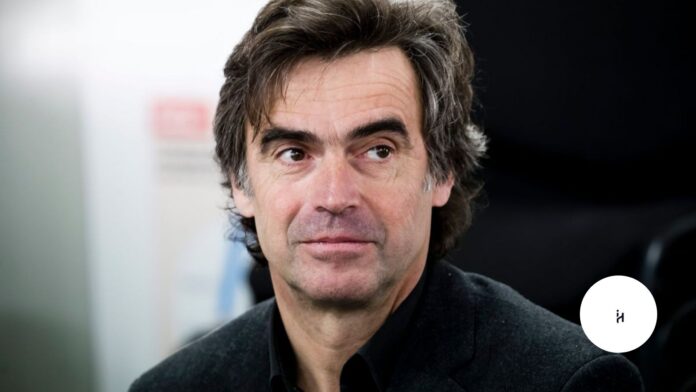
Eric Fournier

Eric Fournier is a name that resonates with innovation, leadership, and vision in the global business landscape. Over the years, Eric Fournier has established himself as a dynamic entrepreneur, a creative strategist, and a respected thought leader. Whether it’s his influence in the entertainment sector, technology, or real estate, his work continues to leave a mark across various industries. This blog explores Eric Fournier’s journey in-depth, from his early days to his most notable achievements and future aspirations.

Who is Eric Fournier?

Eric Fournier is a multifaceted entrepreneur known for his strategic thinking and innovation-driven leadership. He has worked across different sectors, including media, real estate, and technology. Eric Fournier has earned a reputation for turning unconventional ideas into successful ventures. His passion for growth and progress makes him a prominent figure in modern business. The name Eric Fournier is now synonymous with resilience, creativity, and excellence.

Eric Fournier

Early Life and Education

Born with a natural inclination toward creativity and business, Eric Fournier had a strong academic foundation. He pursued higher education in business and communication, equipping himself with essential skills. His educational background laid the groundwork for the entrepreneurial journey he would later embark upon. During his university years, Eric Fournier developed his interest in media, strategy, and innovation—areas that would define his career.

The Start of His Career

Eric Fournier began his career in media production and communications, gaining experience in both creative and managerial roles. His early work reflected his sharp instincts for storytelling and branding. It wasn’t long before Eric Fournier started leading teams and managing large-scale projects. This early phase of his career set the tone for future ventures, proving that Eric Fournier was a name to watch in the industry.

Rise to Prominence

The turning point in Eric Fournier’s career came when he co-founded several successful business ventures that merged creativity with technology. These projects not only showcased his ability to innovate but also positioned him as a trailblazer. Eric Fournier’s knack for identifying market trends and transforming ideas into realities played a critical role in his rise to prominence.

Eric Fournier and Media Innovation

Eric Fournier made a significant impact in the media industry, particularly through his work in immersive experiences and content creation. One of his most talked-about projects involved blending media with experiential design, pushing the boundaries of how stories are told. Eric Fournier believes in using technology to enhance audience engagement, and this philosophy has led him to develop groundbreaking platforms and campaigns.

Leadership Style and Philosophy

Eric Fournier’s leadership is rooted in collaboration, creativity, and forward-thinking. He fosters environments where innovation thrives, empowering teams to challenge the norm. Eric Fournier emphasizes empathy, agility, and accountability—qualities that have earned him admiration from peers and employees alike. His leadership style continues to inspire a new generation of entrepreneurs.
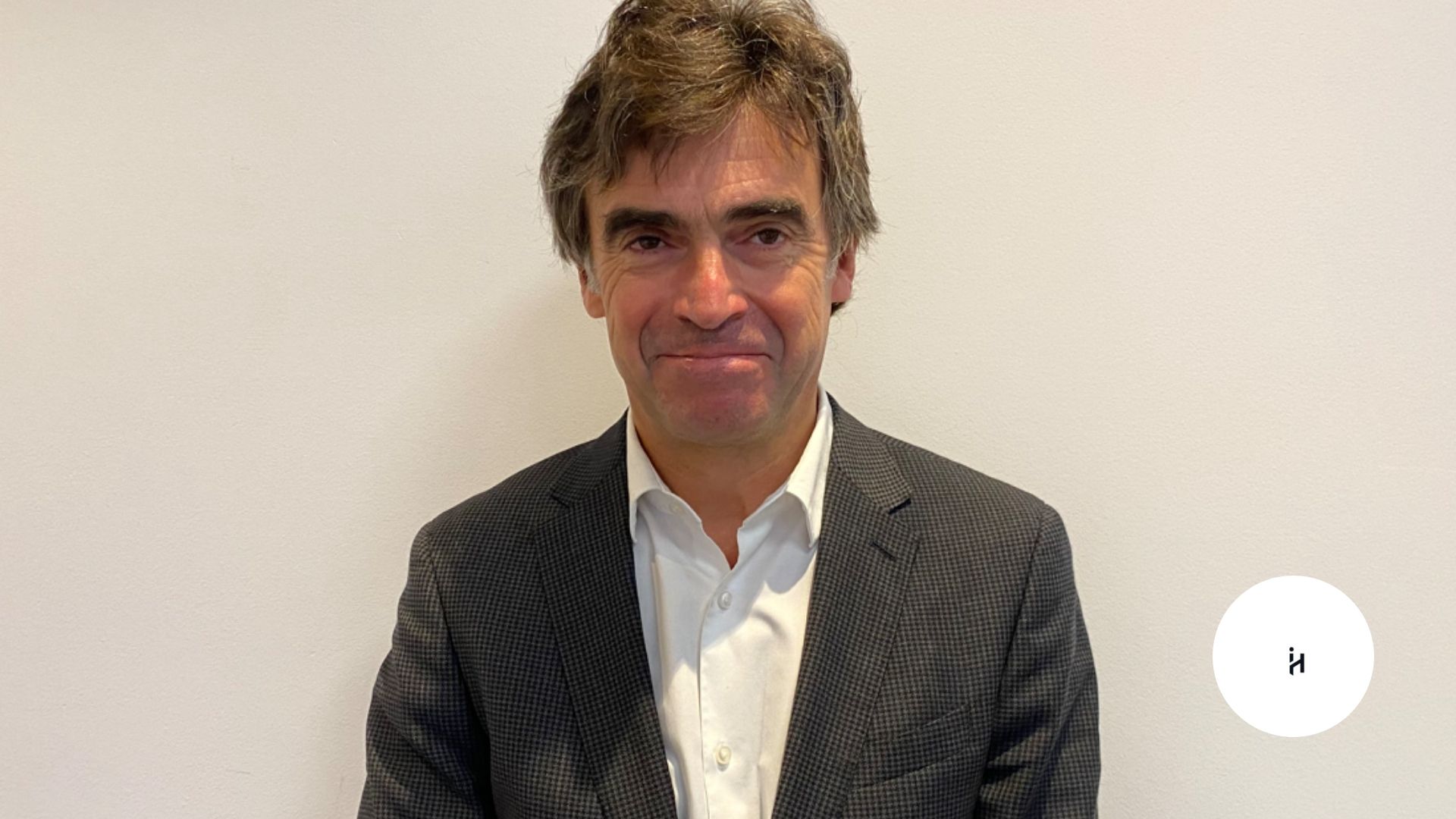
Eric Fournier

Business Ventures and Partnerships

Throughout his career, Eric Fournier has partnered with a diverse range of brands and companies. From creative agencies to real estate developers, Eric Fournier has shown the ability to navigate different business landscapes with ease. He believes in building strategic alliances that offer mutual growth. These ventures further solidify Eric Fournier’s reputation as a versatile and savvy businessman.

Eric Fournier in Real Estate and Urban Development

Apart from media and technology, Eric Fournier has also made significant strides in real estate and urban planning. His involvement in sustainable projects and urban innovation reflects his commitment to societal progress. Eric Fournier promotes smart city concepts and eco-friendly designs, aiming to build communities that are both functional and inspiring.

Recognition and Awards

Eric Fournier’s contributions have been acknowledged through various awards and recognitions. His ability to merge business success with social impact has made him a respected figure globally. Eric Fournier has received accolades for innovation, leadership, and community development, all of which validate his influence in multiple sectors.

Eric Fournier’s Vision for the Future

Looking ahead, Eric Fournier aims to continue innovating and leading transformative projects. He is passionate about integrating AI, sustainability, and design thinking into business models. Eric Fournier envisions a future where businesses prioritize social responsibility alongside profitability. His plans include mentoring startups and investing in tech-driven ventures.
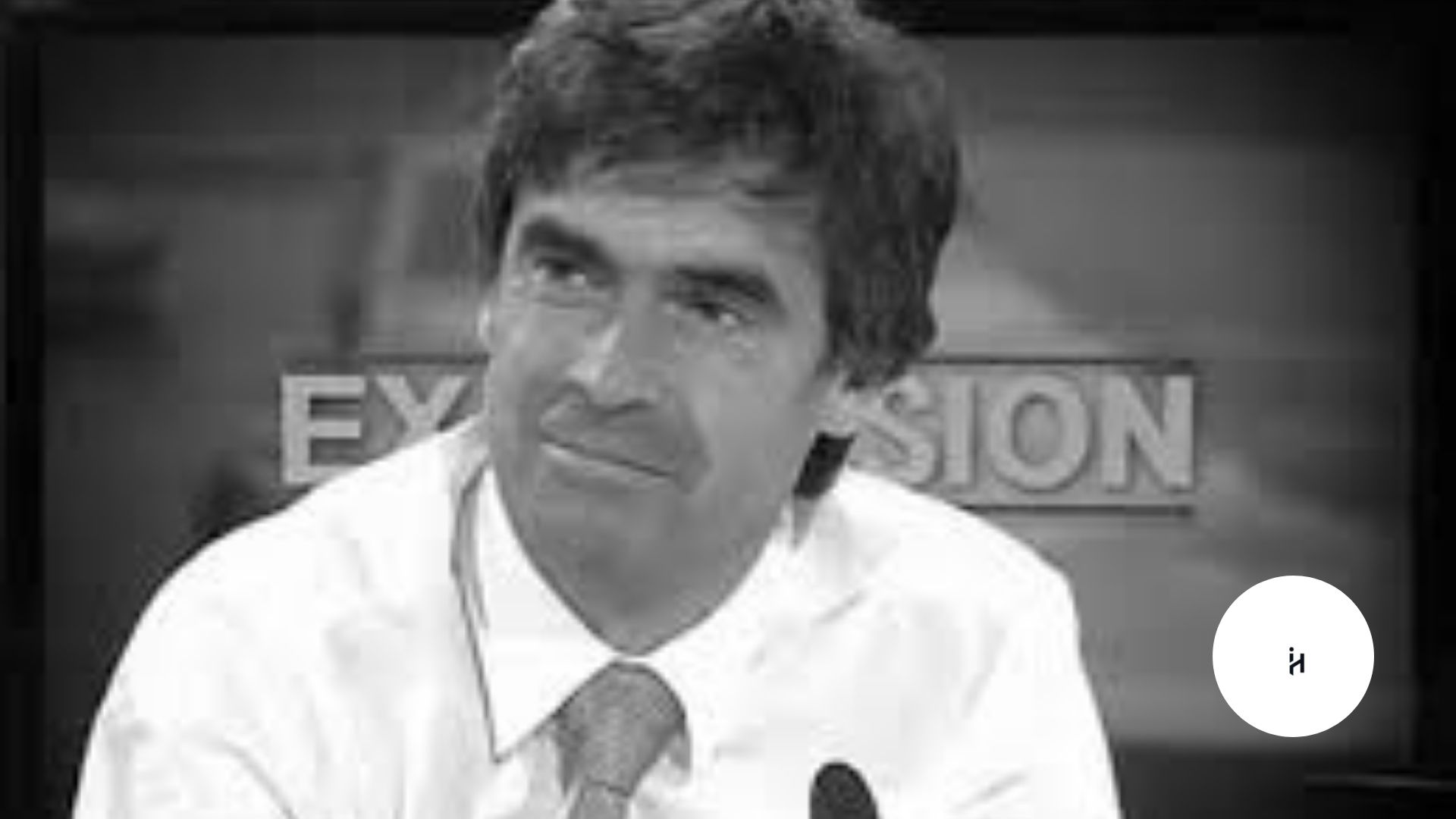
Eric Fournier

Legacy and Influence

Eric Fournier’s legacy lies in his ability to inspire, disrupt, and evolve. His work has influenced countless professionals, startups, and established businesses. Eric Fournier stands as a beacon of modern entrepreneurship—a blend of heart, mind, and vision. His journey continues to motivate those who aim to leave a lasting impact on the world.

Conclusion

Eric Fournier exemplifies what it means to be a forward-thinking entrepreneur. With his diverse background, unwavering commitment to excellence, and eye for innovation, Eric Fournier has become a global force in business and creativity. As industries continue to evolve, one thing remains certain: the legacy of Eric Fournier will continue to shape the future of innovation.
Hala Hussein: The Rising Digital Icon

0
Hala Hussein

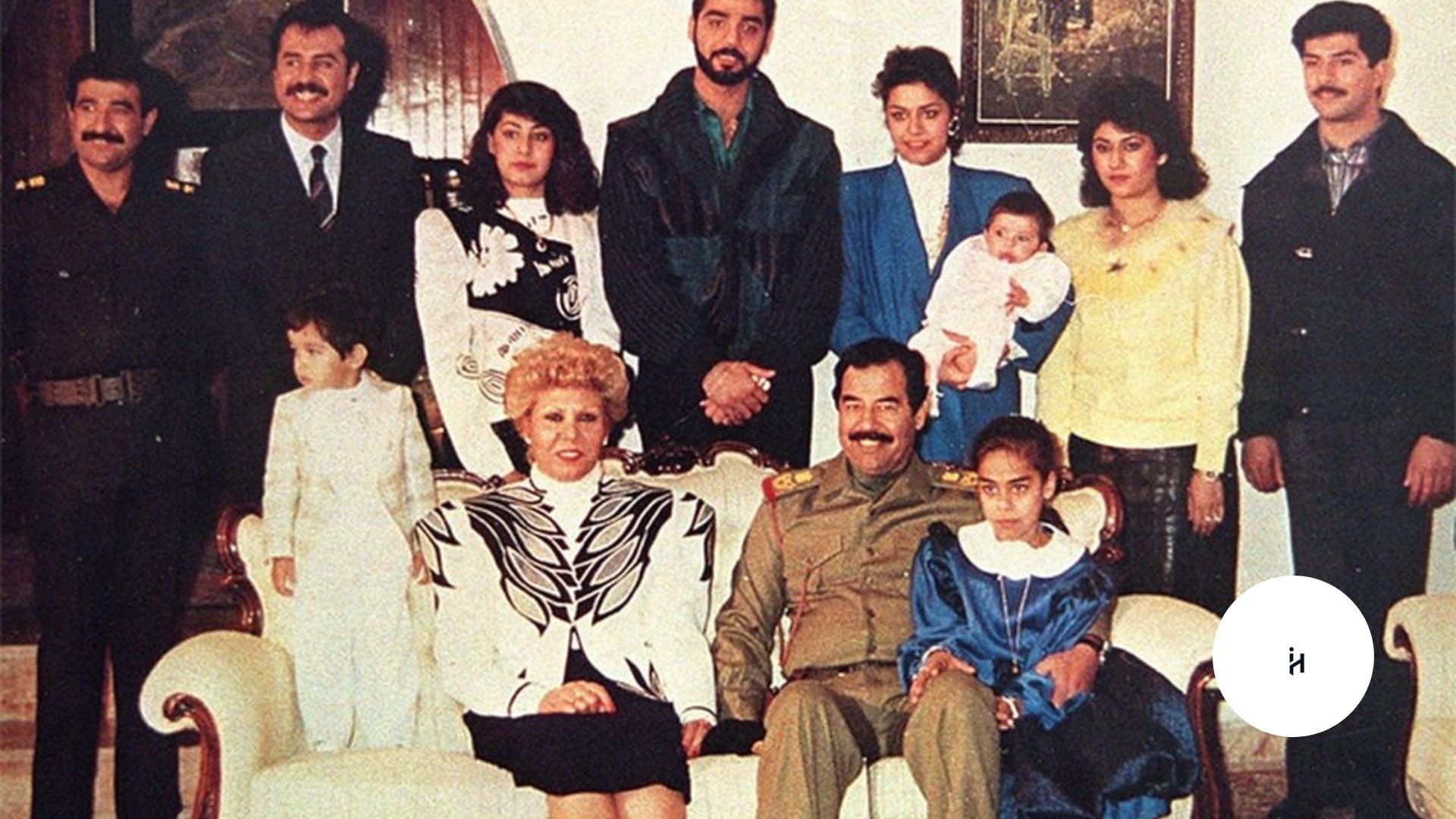
Hala Hussein is an emerging name in the digital content and influencer world, steadily building her reputation across social media platforms. Whether through her stylish Instagram posts, TikTok trends, or empowering voice, Hala Hussein is gaining widespread recognition globally. In this blog, we will take a deep dive into her life, career, and impact. You’ll learn everything from her early years to her current achievements, all under one roof.

Who is Hala Hussein?

Hala Hussein is a digital content creator, social media personality, and fashion influencer. Known for her elegant style, empowering voice, and confident persona, Hala Hussein is becoming a notable figure in online spaces. Her popularity has grown through platforms like Instagram and TikTok, where she shares lifestyle, beauty, and motivational content.

The name Hala Hussein is now linked with positivity and elegance. With every post, she creates a unique vibe that resonates with her audience. People are not only drawn to her style but also to the authenticity she brings into her content. This natural charm has made Hala Hussein a household name in digital circles.

Hala Hussein

Early Life of Hala Hussein

While not many intimate details of her early life are publicly known, Hala Hussein hails from a culturally rich background that contributes significantly to her creativity and worldview. From a young age, Hala Hussein showed signs of ambition, creativity, and a knack for visual storytelling.

Growing up, she was inspired by influential women and always dreamed of carving out a space for herself. Hala Hussein’s early exposure to fashion, digital culture, and storytelling shaped her future career. Her upbringing taught her to be confident, vocal, and proud of her identity.

Education and Background

Hala Hussein is believed to have pursued higher education, with a focus on communication or media studies. Although details about her academic institutions remain private, her content reflects intelligence and articulation that only comes with proper educational grounding.

Her ability to connect with audiences and structure her narratives points to a background rooted in communication. Education played a pivotal role in shaping the critical thinking and creative execution skills that Hala Hussein demonstrates today.

Social Media Journey of Hala Hussein

Hala Hussein’s journey began modestly but took flight as she began consistently posting engaging content. She started by sharing everyday moments and lifestyle images, which quickly gained traction. Her follower count grew steadily, thanks to her aesthetic and relatable tone.

Today, Hala Hussein is a recognized influencer on platforms like Instagram, TikTok, and Snapchat. Each post is meticulously curated, reflecting her attention to detail and her ability to set digital trends. Her journey is a lesson in perseverance and staying true to oneself, which is what keeps her followers coming back.

Hala Hussein’s Unique Style

One thing that separates Hala Hussein from the crowd is her unique style. She combines modern fashion with traditional elegance. Her outfits reflect a strong cultural identity while embracing the latest fashion trends.

Hala Hussein does not just follow trends—she sets them. Her ability to blend textures, colours, and accessories makes her a fashion icon. Brands and designers frequently collaborate with her to showcase their collections, further cementing her role in the fashion industry.

Personal Life of Hala Hussein

Though Hala Hussein remains somewhat private about her personal life, she occasionally gives her fans a glimpse into her everyday world. She values family, faith, and friendship deeply—principles that guide her life both online and offline.

Her personal life reflects simplicity and grace. Whether it’s celebrating special occasions or simply enjoying a peaceful day, Hala Hussein’s personal moments are deeply appreciated by her followers, as they portray the real person behind the screen.

Hala Hussein

Hala Hussein’s Influence on Women Empowerment

Hala Hussein has positioned herself as a voice for women’s empowerment. She often uses her platform to inspire young girls to pursue their dreams, love themselves, and embrace who they are. Her messages consistently reflect strength, resilience, and positivity.

By sharing motivational content and addressing self-confidence, Hala Hussein influences thousands of women around the world. Her impact is not only digital but emotional and psychological, especially among those seeking encouragement in today’s competitive environment.

Collaborations and Brand Endorsements

As Hala Hussein’s popularity has grown, so has the number of brands eager to collaborate with her. She has endorsed beauty products, fashion lines, wellness items, and lifestyle services. Each partnership is thoughtfully chosen, aligning with her values and style.

These endorsements help both Hala Hussein and the brands she works with build a genuine connection with audiences. Her promotional content never feels forced, which speaks volumes about her authenticity and business sense.

Challenges and Criticism

Despite her success, Hala Hussein has also faced criticism and online trolling—something not uncommon in the world of influencers. However, she has consistently handled negativity with poise, never letting it affect her mission or confidence.

Hala Hussein’s ability to rise above hate and remain focused is what truly sets her apart. She often speaks openly about mental health, cyberbullying, and the importance of self-love, making her not only stylish but also relatable and strong.

Hala Hussein

Future Goals of Hala Hussein

The future looks bright for Hala Hussein. With plans to launch her own product line and expand her brand internationally, she is working hard behind the scenes. She also hopes to engage in philanthropic work, particularly in the areas of education and women’s rights.

Hala Hussein wants to grow beyond social media and establish herself as a true entrepreneur and change-maker. Her goals reflect ambition and clarity, and if her past achievements are any indicator, there’s no doubt she will accomplish them.

Why Hala Hussein is an Inspiration

Hala Hussein is more than just a social media star—she is an inspiration for many. Her story of growth, resilience, and authenticity continues to motivate thousands. She represents the modern woman: confident, creative, and compassionate.

Through her content, collaborations, and positive influence, Hala Hussein has built a legacy that’s only beginning. She serves as a reminder that anyone, regardless of background, can rise to prominence through authenticity, effort, and purpose.

Tenno Heika Banzai: Meaning, Origins, and Cultural Legacy

0
Tenno Heika Banzai

Introduction: Understanding “Tenno Heika Banzai”

“Tenno Heika Banzai” is a phrase deeply embedded in Japan’s cultural and historical fabric. Literally translating to “Long Live His Majesty the Emperor,” this chant has been used to express loyalty, respect, and unity among the Japanese people. While the phrase has imperial undertones, its application extends from military contexts to ceremonial celebrations and patriotic expressions. In this blog, we explore the meaning of tenno heika banzai, its historical development, cultural importance, and its evolving role in modern-day Japan.

Literal Translation and Meaning of “Tenno Heika Banzai”

Tenno Heika Banzai

“Tenno” refers to the Emperor of Japan, “Heika” is a respectful honorific for a sovereign, and “Banzai” translates to “ten thousand years.” Therefore, the complete phrase tenno heika banzai means “May the Emperor live for ten thousand years” or simply, “Long Live His Majesty the Emperor.” It is an expression of eternal loyalty and reverence.

The phrase is used much like the Western “God Save the King” or “Long Live the King,” symbolizing patriotic spirit and national pride. However, tenno heika banzai is particularly unique in its deep connection with Japan’s imperial institution, which is the world’s oldest continuing hereditary monarchy.

Historical Roots of the Phrase

The origins of tenno heika banzai trace back to ancient Chinese expressions where “banzai” was used to wish emperors long life. This usage traveled to Japan and was adapted into local traditions. It became prominent in the Meiji Era (1868–1912), when Japan began to modernize and centralize its imperial power.

By the time of World War II, tenno heika banzai had become a symbolic and emotional chant used by soldiers and civilians alike. It reflected not just support for the emperor but a shared national identity rooted in divine imperial lineage.

Role in World War II Japan

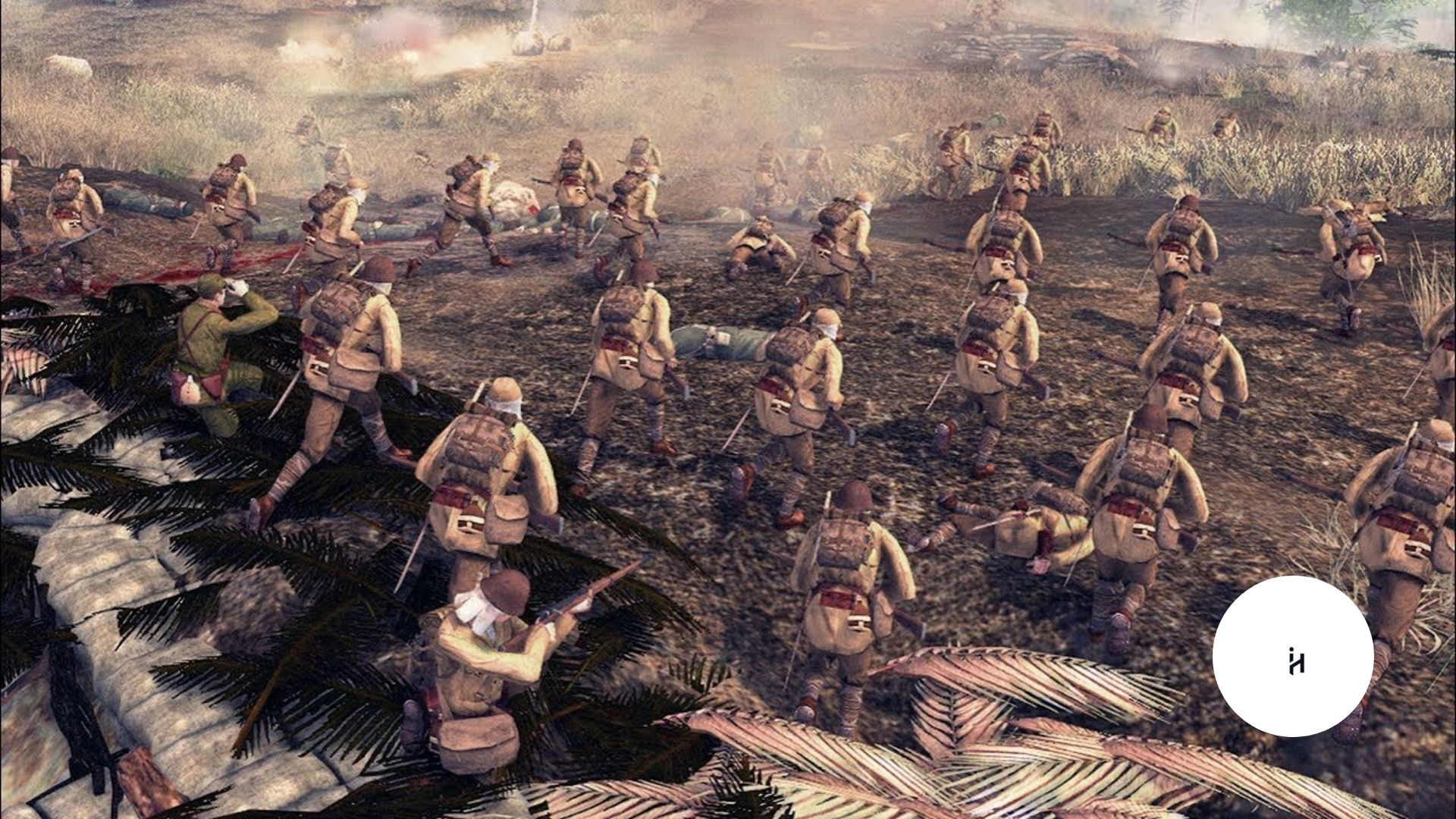
During World War II, tenno heika banzai was frequently used by Japanese soldiers, especially in final moments before suicide missions or in rallying morale during battle. It was seen as a cry of loyalty and patriotism, reinforcing the Emperor’s perceived divinity.

This intense use during wartime has also cast a shadow over the phrase in the post-war years. Some Japanese view tenno heika banzai as a painful reminder of militarism, while others still consider it a traditional and respectful chant. Either way, it holds a complex and powerful place in the nation’s collective memory.

The Emperor’s Role in Japanese Society

The use of tenno heika banzai is closely tied to the Japanese Emperor, who is a figure of unity, tradition, and continuity. While the emperor today holds no political power under the Japanese constitution, he remains a symbolic head of state and a cultural cornerstone.

The chant acknowledges this symbolic stature, and although it’s rarely used in political contexts today, it continues to be heard during imperial ceremonies and state occasions. Tenno heika banzai serves as a bridge between the ancient imperial past and the modern democratic present.

Cultural Significance in Ceremonies and Festivals

Even in contemporary Japan, tenno heika banzai is sometimes chanted during imperial enthronements, national holidays, and traditional festivals. It is not commonly heard in everyday speech but retains ceremonial significance.

Tenno Heika Banzai

For example, during the 2019 enthronement of Emperor Naruhito, the phrase tenno heika banzai was used by some officials and attendees to honor the new monarch. It was a respectful, albeit rare, reminder of the deep reverence embedded in Japanese tradition.

The Phrase in Japanese Language and Media

In literature, media, and popular culture, tenno heika banzai is often referenced to evoke themes of nationalism, honor, or historical context. It appears in movies, documentaries, and historical dramas depicting wartime Japan or imperial ceremonies.

It is not, however, used colloquially or lightly, due to its emotional and historical weight. Its usage is intentional and symbolic, making tenno heika banzai a phrase of high cultural value.

International Perceptions of “Tenno Heika Banzai”

To international audiences, especially those unfamiliar with Japanese history, tenno heika banzai might appear as just another traditional cheer. However, due to its association with World War II and militarism, it can be misunderstood or seen as controversial in certain contexts.

Nevertheless, scholars and cultural historians urge a nuanced understanding of the phrase. Like many cultural artifacts, tenno heika banzai carries layers of meaning—some rooted in nationalism, others in historical reverence and identity.

Post-War Reinterpretation and Modern Attitudes

Following Japan’s defeat in World War II and the U.S.-led occupation reforms, the emperor renounced his divine status, and militaristic expressions were discouraged. As a result, tenno heika banzai faded from public life, especially in political or educational spheres.

However, the phrase has not disappeared entirely. In modern Japan, it is treated more as a historical and ceremonial term. While younger generations might not use tenno heika banzai themselves, they recognize its significance through school history lessons and cultural exposure.

Controversies Surrounding the Phrase

Given its wartime usage, tenno heika banzai has sparked debates about nationalism, freedom of speech, and cultural memory. Critics argue that invoking the phrase glorifies an imperial past tied to militarism, while supporters defend it as a cultural expression of unity and heritage.

In some political rallies or right-wing movements, tenno heika banzai has been revived in nationalist contexts, which can make its usage polarizing. These controversies highlight the difficulty of separating history from culture when it comes to loaded phrases.

Comparisons with Similar Expressions in Other Cultures

Tenno Heika Banzai

“Long Live the King,” “Vive le Roi,” or “God Save the Queen” are Western equivalents to tenno heika banzai. These chants share the same purpose: to show loyalty to a sovereign figure and to unite people under a common national identity.

However, Japan’s unique Shinto and imperial traditions give tenno heika banzai a more spiritual connotation. Unlike in the West, where monarchs may symbolize political power, the Japanese emperor is often viewed as a spiritual and cultural emblem.

The Future of “Tenno Heika Banzai”

As Japan continues to evolve, the future of tenno heika banzai will likely rest in the balance between preserving tradition and acknowledging history. While it may never return to common public discourse, the phrase will continue to hold ceremonial value during imperial events.

Educational efforts, historical retrospectives, and media depictions will likely ensure that tenno heika banzai is remembered—not just as a chant, but as a window into Japan’s imperial past and cultural evolution. Whether revered or critiqued, the phrase remains a key symbol in the Japanese narrative.

Did Cleopatra Have Children?

0
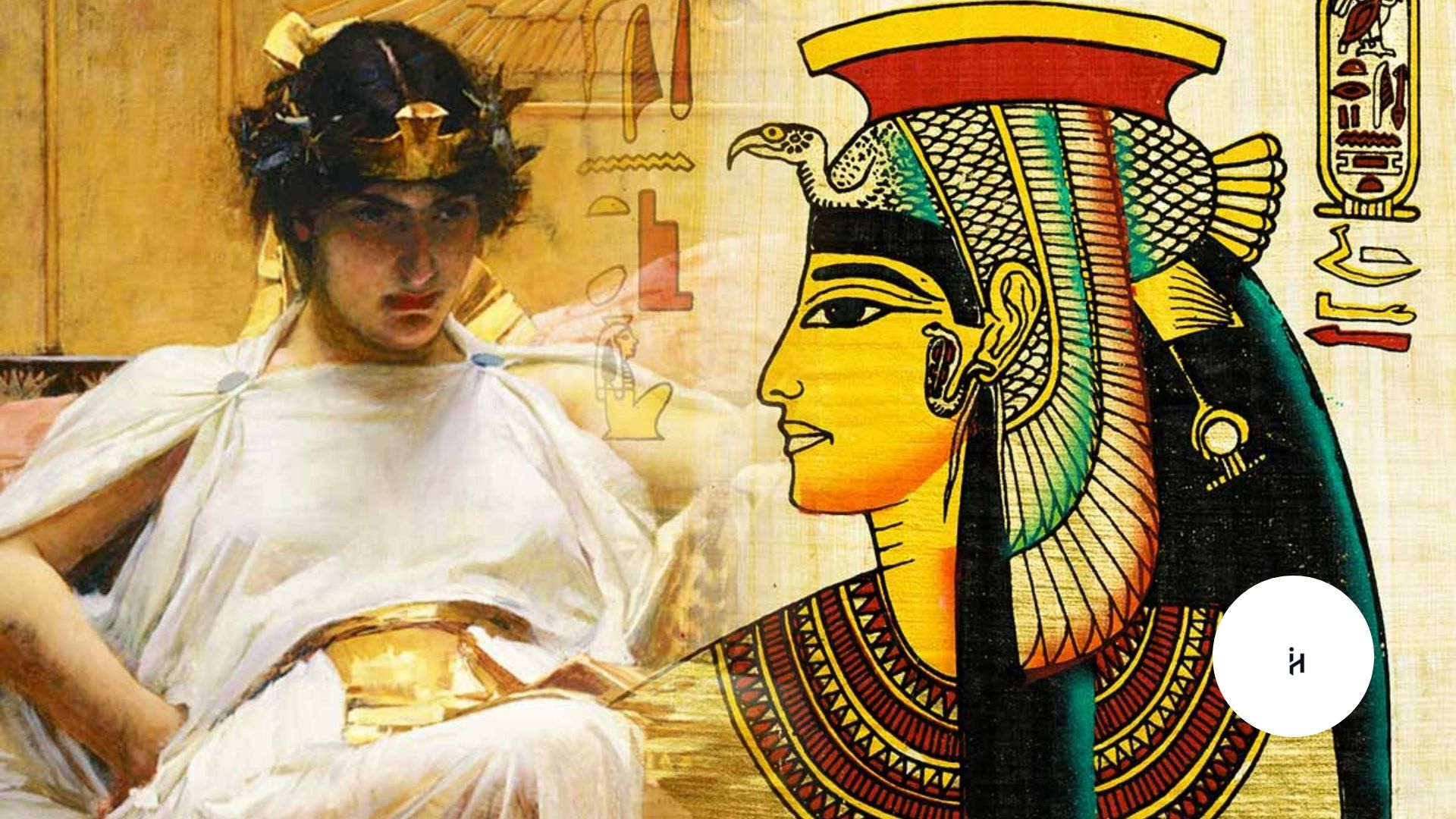
Did Cleopatra Have Children?

Introduction: The Legacy of a Queen

When discussing powerful female rulers in history, few names stand as tall as Cleopatra VII of Egypt. She is remembered for her intelligence, beauty, and romantic liaisons with two of Rome’s greatest leaders—Julius Caesar and Mark Antony.

But one of the most intriguing questions that still puzzles many history enthusiasts is: did Cleopatra have children? This query doesn’t just spark curiosity about her personal life, but also about the potential heirs to her throne and their place in ancient history.

This blog aims to explore the lives of Cleopatra’s children, their fathers, their political roles, and the ultimate fate of her royal bloodline. As we journey through each section, we will uncover the mystery surrounding the question: did Cleopatra have children, and what became of them.

Did Cleopatra Have Children?

Who Was Cleopatra VII?

Before diving into the question did Cleopatra have children, we must understand who Cleopatra was. Born in 69 BCE, Cleopatra VII was the last active ruler of the Ptolemaic Kingdom of Egypt. She belonged to a Macedonian Greek dynasty that ruled Egypt after Alexander the Great’s conquest.

Cleopatra was known for her linguistic abilities—she reportedly spoke nine languages—and her political acumen. She came to power in a time of great instability and managed to maintain control through intelligence, charisma, and calculated alliances.

Understanding her political alliances is crucial because her children were born from unions with Julius Caesar and Mark Antony, two men who shaped Roman and Egyptian history. So, to answer the question did Cleopatra have children, we need to trace these relationships and the offspring they produced.

Cleopatra and Julius Caesar: Caesarion’s Birth

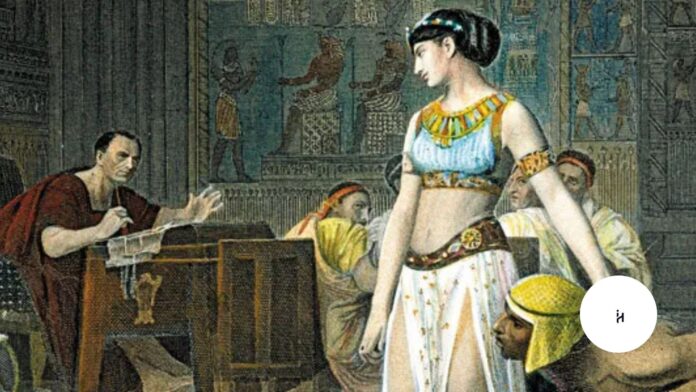
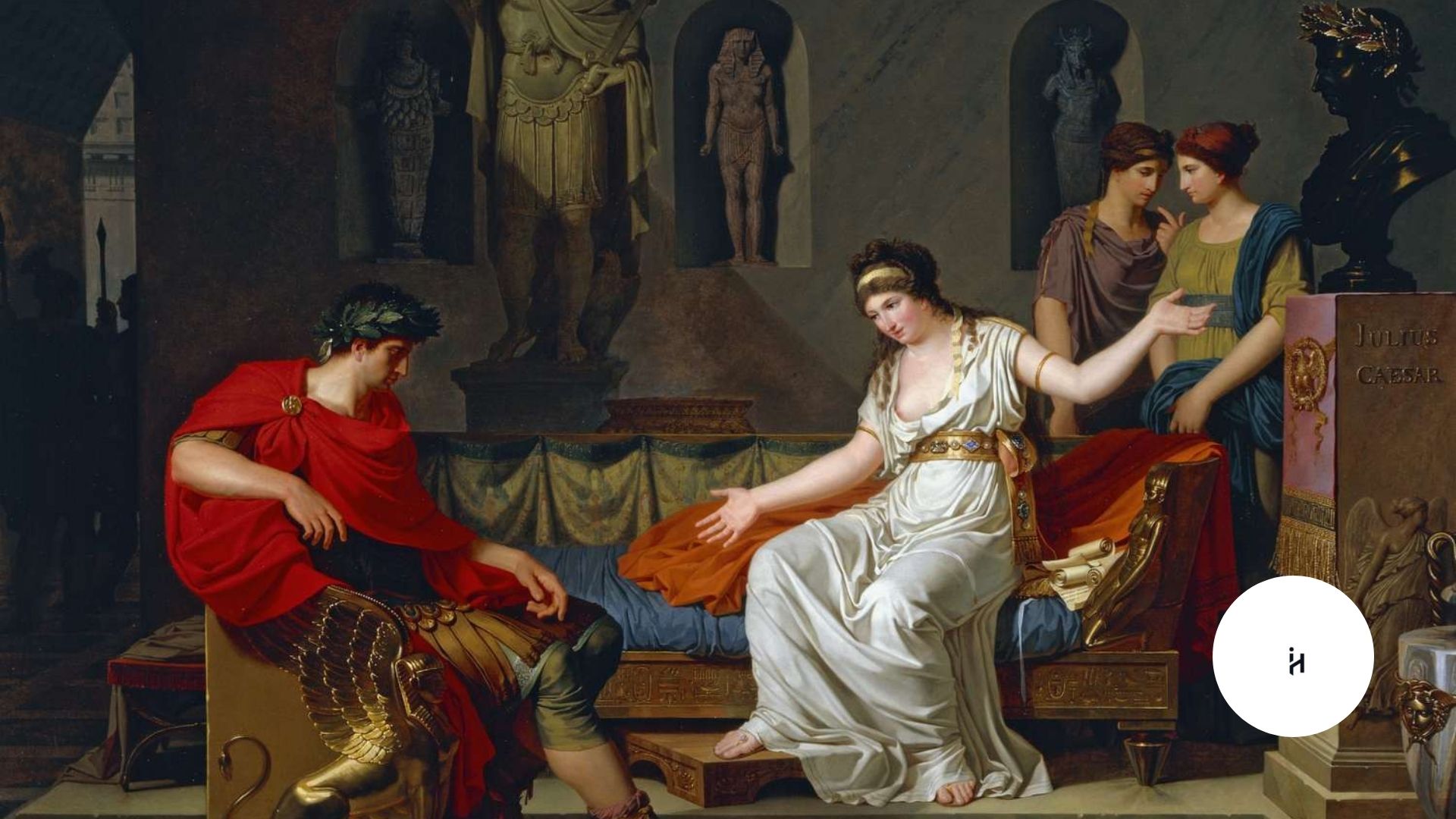
One of Cleopatra’s most significant relationships was with Julius Caesar. After meeting him in Alexandria around 48 BCE, their bond quickly became both political and romantic. From this union came a son, Ptolemy XV Philopator Philometor Caesar, better known as Caesarion.

The existence of Caesarion provides the first affirmative answer to the question did Cleopatra have children. Born in 47 BCE, Caesarion was proclaimed “King of Kings” in Egypt and was declared co-ruler with Cleopatra. While Caesar never publicly acknowledged Caesarion as his son, Cleopatra strongly asserted his legitimacy as Caesar’s heir.

Caesarion’s life was short-lived, however. Following the defeat of Mark Antony and Cleopatra by Octavian (later Augustus), Caesarion was captured and executed, ending any claim he might have had to the Roman throne. His tragic fate serves as a sobering reminder that royal bloodlines were not immune to political ambition.

Cleopatra and Mark Antony: Three More Children

So, did Cleopatra have children with anyone else besides Caesar? Yes—her relationship with Roman general Mark Antony produced three more children: Alexander Helios, Cleopatra Selene II, and Ptolemy Philadelphus.

These children represented a union between Eastern and Western empires, and their births were heavily politicized. During the “Donations of Alexandria,” Antony gave territories to Cleopatra and their children, an act that outraged Rome and helped fuel the civil war between Antony and Octavian.

The presence of these three offspring further confirms that the answer to did Cleopatra have children is a resounding yes. However, each child had a dramatically different path shaped by the fall of their parents’ dynasty.

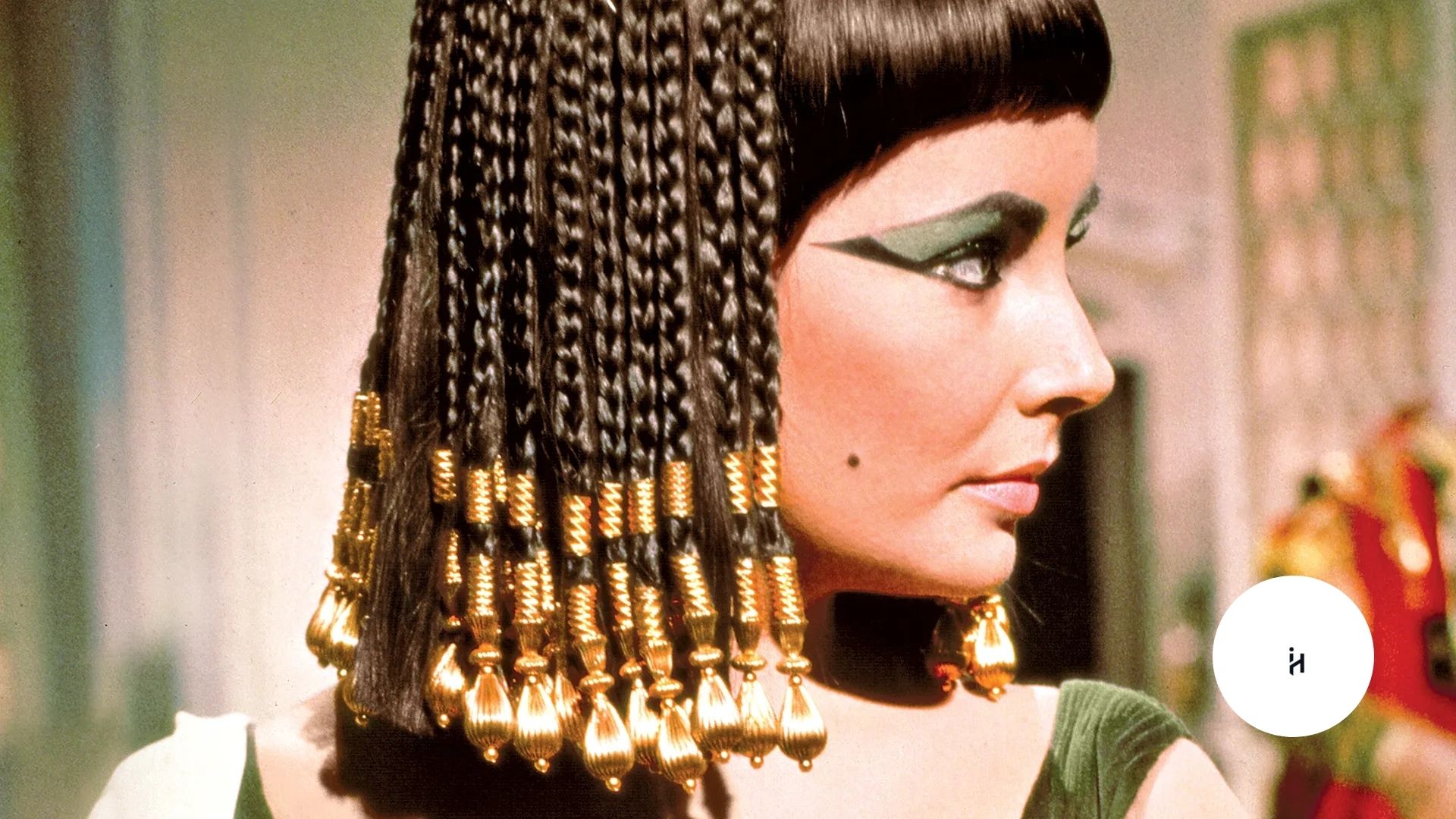
Did Cleopatra Have Children?

Caesarion: The Last Pharaoh of Egypt

Caesarion, the son of Cleopatra and Julius Caesar, is perhaps the most fascinating figure when asking did Cleopatra have children. He ruled alongside Cleopatra for several years and was viewed by many Egyptians as the rightful heir to both the Egyptian and Roman thrones.

His rule was short and largely symbolic. After Antony and Cleopatra’s defeat at the Battle of Actium, Caesarion was sent away for safety but was later lured back and killed on Octavian’s orders. His death marked the end of the Ptolemaic line and the beginning of Egypt as a Roman province.

So not only did Cleopatra have children, but one of them briefly held the title of Pharaoh—a bittersweet milestone in Egypt’s imperial decline.

Alexander Helios: The Forgotten Prince

Next in line is Alexander Helios, the eldest son of Cleopatra and Mark Antony. His name means “Sun” in Greek, and he was given territories like Armenia and Media during the Donations of Alexandria. Despite these grand titles, his actual rule was likely non-existent.

After Cleopatra’s death, Alexander Helios was taken to Rome along with his siblings. His fate remains largely unknown. Some historians believe he died young or lived in obscurity, possibly under Roman surveillance.

So when one asks did Cleopatra have children, the name Alexander Helios often gets overlooked. Yet, he played a symbolic role in the Egyptian-Roman alliance that Cleopatra tried to forge.

Cleopatra Selene II: The Survivor

Of all Cleopatra’s children, Cleopatra Selene II arguably had the most successful life. She was taken to Rome after her parents’ deaths and raised by Octavia, the sister of Octavian. Later, she was married to King Juba II of Mauretania and ruled as queen consort.

She brought Egyptian culture to North Africa, established a prosperous court, and had children of her own. Cleopatra Selene II’s life provides a positive answer to the question did Cleopatra have children who survived and thrived? Yes—she not only survived but helped to carry on her mother’s legacy through cultural influence and royal lineage.

Ptolemy Philadelphus: The Youngest Son

Ptolemy Philadelphus was the youngest of Cleopatra’s children. Like his siblings, he was taken to Rome and paraded through the streets as a political trophy. Unlike his sister Cleopatra Selene, there is little historical record of what became of him.

Some believe he may have died young, possibly from illness or execution. His obscurity only adds to the tragedy behind the question did Cleopatra have children, as not all of them lived long enough to fulfill their potential.

Cleopatra’s Children in Roman Politics

Did Cleopatra Have Children?

Cleopatra’s children were pawns in a grand political chess game. Their very existence threatened the ambitions of Octavian, who later became Augustus, the first Roman Emperor.

The question did Cleopatra have children intertwines with the fate of the Roman Republic. Her sons were symbols of Roman-Egyptian unity, and their deaths or disappearances were essential for Octavian to eliminate threats to his power.

Thus, Cleopatra’s children were not only heirs—they were liabilities to Rome’s emerging autocracy.

The Influence of Cleopatra’s Bloodline

Though most of her children died young or were politically neutralized, Cleopatra’s bloodline did continue through Cleopatra Selene II. Her descendants ruled Mauretania, and her influence is still seen in archaeological finds and inscriptions.

So when historians ask did Cleopatra have children who influenced the world?—the answer is yes. Cleopatra Selene carried the Ptolemaic legacy into a new region, blending cultures and maintaining royal stature.

Modern Theories and Controversies

The question did Cleopatra have children has inspired not only historical research but also conspiracy theories and modern reinterpretations. Some fringe theories suggest other unrecorded offspring or secret Roman lineages, though these lack strong evidence.

Hollywood and novels have also dramatized Cleopatra’s maternal side, adding to public fascination. But academically, we focus on the four children who are documented in classical sources.

Conclusion: Did Cleopatra Have Children? Yes—And Their Stories Endure

So, did Cleopatra have children? Without a doubt, yes. She had four children—one with Julius Caesar and three with Mark Antony. Their lives were filled with potential, tragedy, and political symbolism.

Some died young, others vanished from history, and one—Cleopatra Selene II—rose to royal greatness in a different land. Their stories add depth to Cleopatra’s legacy, showing her not only as a queen and lover but also as a mother who tried to forge dynasties through her children.