Home Blog Page 69

Mary and George True Story

0
Mary and George True Story

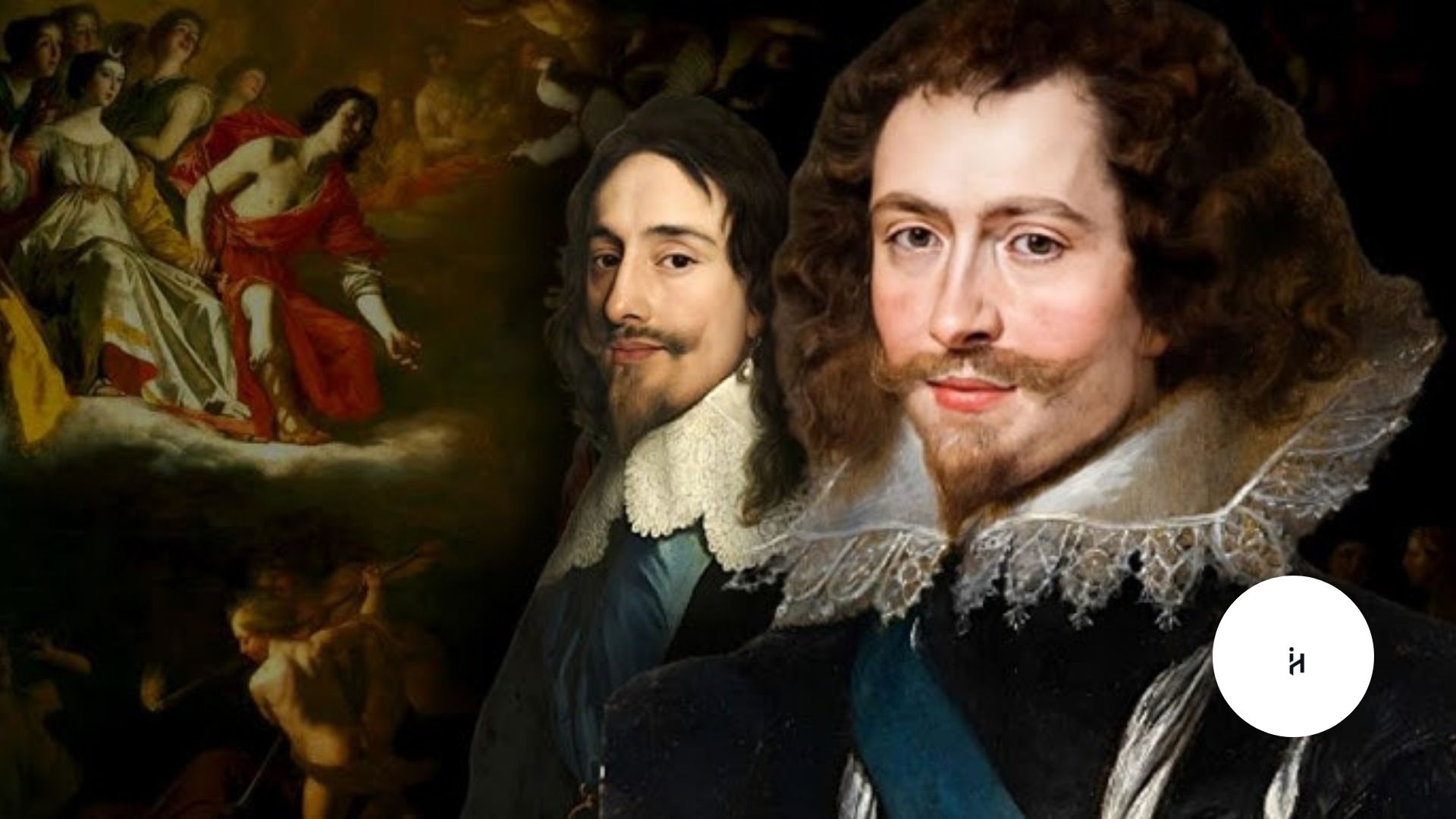
The Mary and George true story has resurfaced as one of the most compelling narratives from British history, capturing the imaginations of historians and drama lovers alike. Set in the 17th century during the reign of King James I of England, this tale unfolds around Mary Villiers and her son George Villiers — two historical figures whose rise to prominence was both calculated and scandalous. Their ambition, manipulation, and hunger for influence turned them into some of the most powerful and controversial characters of their time.

In this blog, we’ll explore the Mary and George true story in detail. From Mary’s cunning nature and George’s charm to their influence at court and involvement in deadly conspiracies, we’ll unpack every element of this enthralling real-life saga.

Who Were Mary and George Villiers?
Mary and George True Story

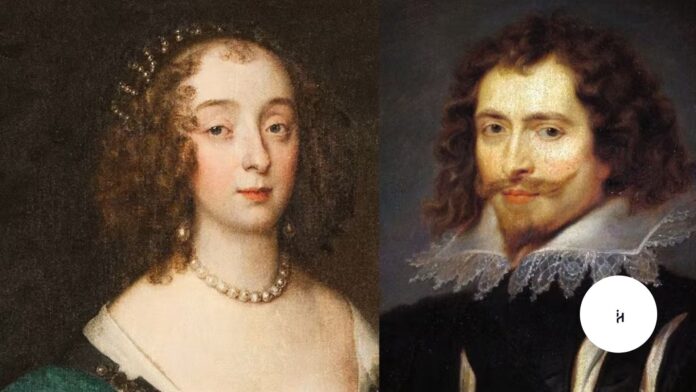
Mary Villiers, born Mary Beaumont, was a clever and ambitious woman who came from relatively humble origins. Her son, George Villiers, would become one of the most influential men in King James I’s court.

The Mary and George true story begins with Mary’s early efforts to push George into nobility, eventually making him the Duke of Buckingham. Her determination and social maneuvering were instrumental in shaping their shared legacy.

Mary ensured her son was educated, refined, and introduced to the right people — particularly the king. George’s stunning looks and charisma captivated King James I, setting the stage for one of the most controversial royal relationships in history.

The Royal Obsession: George and King James I

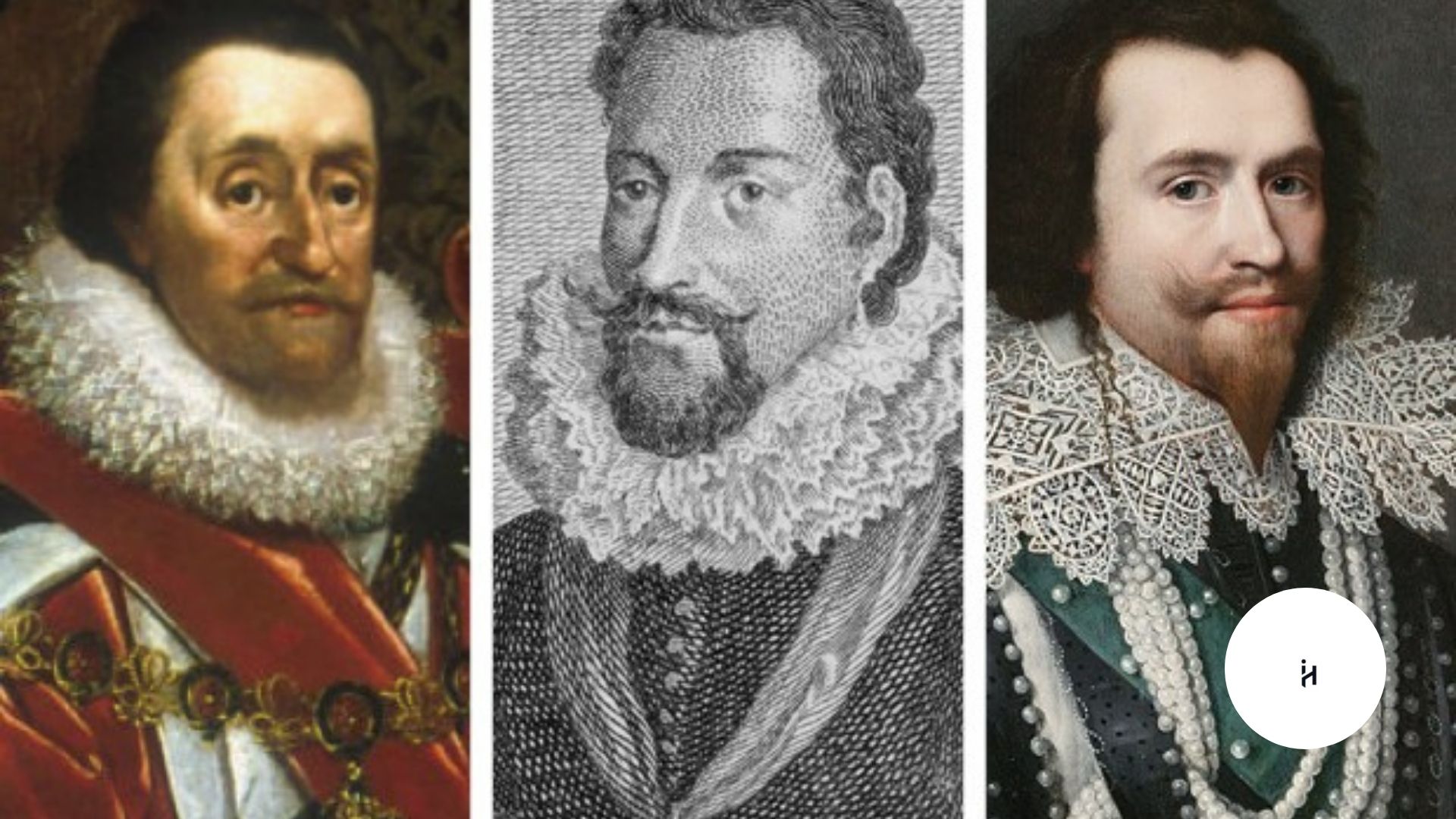
One of the most shocking elements of the Mary and George true story is the intensely personal and possibly romantic relationship between George Villiers and King James I. Historical records suggest that King James was infatuated with George, who used this to his advantage.

The king’s favoritism resulted in George’s rapid ascent through the ranks. He was given titles, land, and political power. Behind the scenes, Mary orchestrated much of this, guiding her son and leveraging their proximity to the king for financial and social gain. Their manipulation of King James wasn’t just scandalous—it was a calculated power grab.

Mary’s Role: A Mother’s Ambition or Political Genius?

Mary’s role in the Mary and George true story is often debated. Was she simply a mother looking out for her son, or a political mastermind? Most historians lean toward the latter. Mary was a woman ahead of her time, using her intelligence and charm to navigate the male-dominated world of royal politics.

She encouraged George to flirt with the king, even helping him compose letters and speeches to impress James I. Far from being passive, Mary directed George’s every move, treating the royal court as a chessboard and her son as her queen — the most powerful piece in her game of influence.

George’s Rise to Power

The Mary and George true story saw George Villiers become the Duke of Buckingham — a meteoric rise from a relatively unknown noble to one of the most powerful men in England. With Mary’s guidance and King James I’s affection, George quickly climbed the ladder of nobility.

He became the Lord High Admiral, Master of the Horse, and eventually controlled much of the country’s military and political decisions. George’s power extended beyond England, as he played a key role in foreign diplomacy. His influence made him both admired and hated by many.

Court Intrigue and Dangerous Enemies

Power attracts enemies, and the Mary and George true story was no different. As George’s influence grew, so did the number of people who sought to bring him down. He was accused of corruption, abuse of power, and even involvement in political assassinations.

Mary also had her share of enemies. Her ambition and manipulative tactics drew the ire of noble families and church leaders. Together, Mary and George became lightning rods for controversy, attracting attention from all corners of the kingdom.
Mary and George True Story

The Buckingham Legacy: Fame, Fortune, and Scandal

The Mary and George true story is filled with tales of excessive wealth, lavish banquets, and open favoritism. As the Duke of Buckingham, George lived extravagantly, often flaunting his closeness to the king. This wealth and status came at a cost.

The public and Parliament grew resentful of his unchecked power. Allegations of bribery, nepotism, and extravagance piled up. George’s political enemies used these scandals as ammunition, creating a toxic environment that would ultimately turn deadly.

The Assassination of George Villiers

One of the most dramatic turns in the Mary and George true story is the assassination of George Villiers in 1628. Stabbed to death by naval officer John Felton, George’s murder shocked the kingdom. Felton claimed he acted to rid the country of a corrupt tyrant.

Mary was devastated. Her life’s work had been destroyed in an instant. She had pushed her son to the top, only to see him fall at the hands of an angry soldier. The assassination marked the end of the Villiers’ dominance in English politics.

Mary’s Life After George’s Death

After George’s death, the Mary and George true story enters a more somber chapter. Mary withdrew from public life, retreating into mourning. However, she remained a figure of interest and speculation. Her later years were spent defending her son’s legacy and managing the estates and titles he left behind.

Though no longer in power, Mary never stopped believing in the righteousness of their cause. Her reputation as one of the most manipulative and strategic women in British history was cemented.

Cultural Impact and Modern Retelling

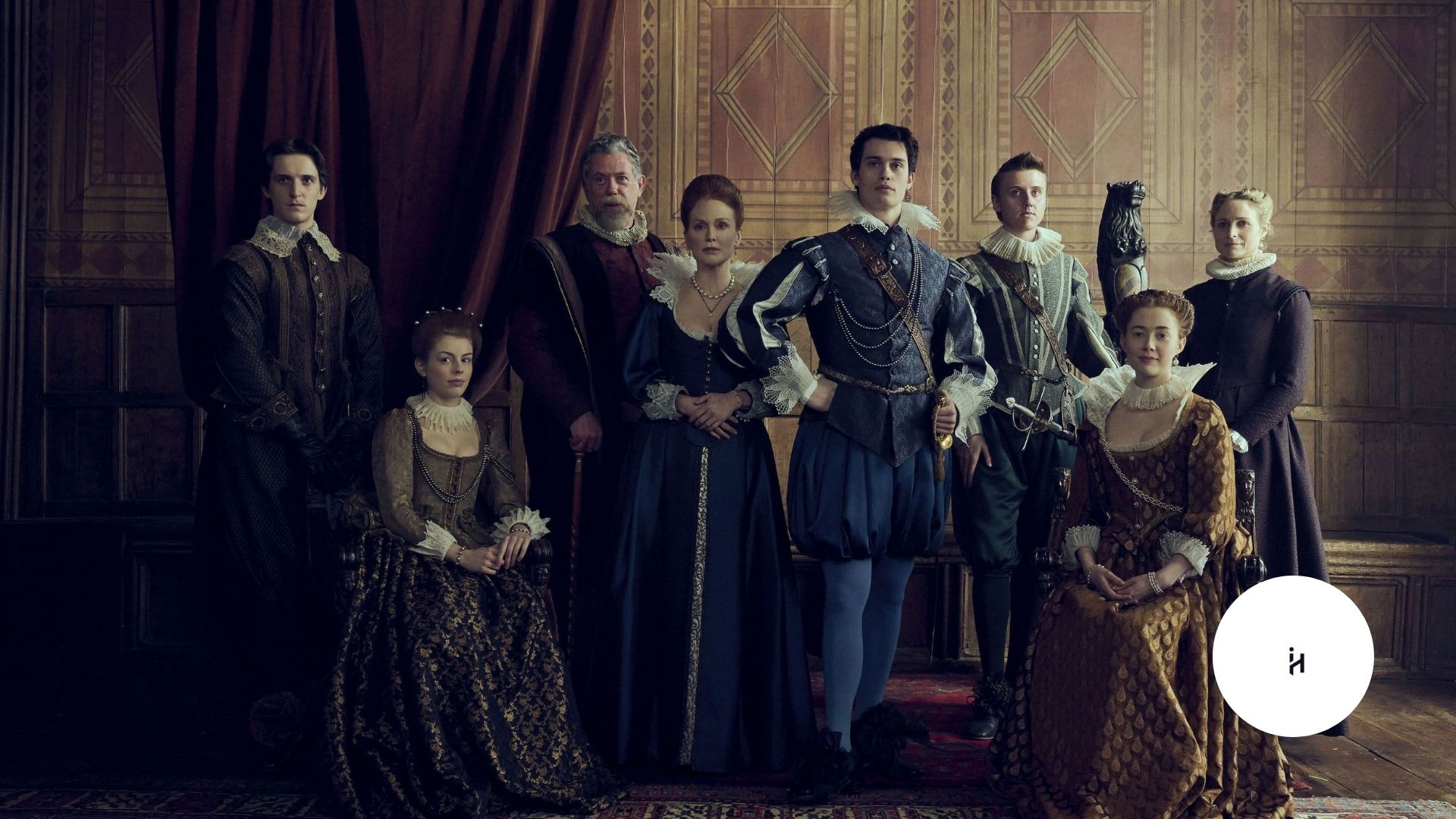
The Mary and George true story has been revisited in books, plays, and recently in television dramas. Modern audiences are fascinated by their unique dynamic, blending political ambition with royal scandal. The story’s themes of power, loyalty, manipulation, and downfall resonate even today.

The drama of their lives has inspired both historical fiction and factual retellings. Historians continue to debate the true nature of George and King James’s relationship, and Mary’s influence remains a subject of fascination.

Historical Significance of Their Story
Mary and George True Story

The Mary and George true story is not just about scandal — it’s a lesson in how influence and ambition can shape the destiny of a nation. Their story reflects the fragility of power and the consequences of political overreach.

Mary and George changed the course of English history. George’s role in diplomacy, the military, and royal decision-making left lasting effects on the British monarchy and government. Their rise and fall serve as a cautionary tale for political dynasties everywhere.

Conclusion: The Enduring Legacy of Mary and George

The Mary and George true story is a gripping narrative that still captures the public’s attention. It combines elements of political intrigue, royal romance, betrayal, and ambition. Mary Villiers was more than a mother — she was a strategist. George Villiers was more than a royal favorite — he was a power broker who shook the foundations of the monarchy.

Their lives left a controversial but unforgettable legacy in British history. As new generations discover their story, Mary and George continue to live on as symbols of ambition, scandal, and the price of unchecked power.
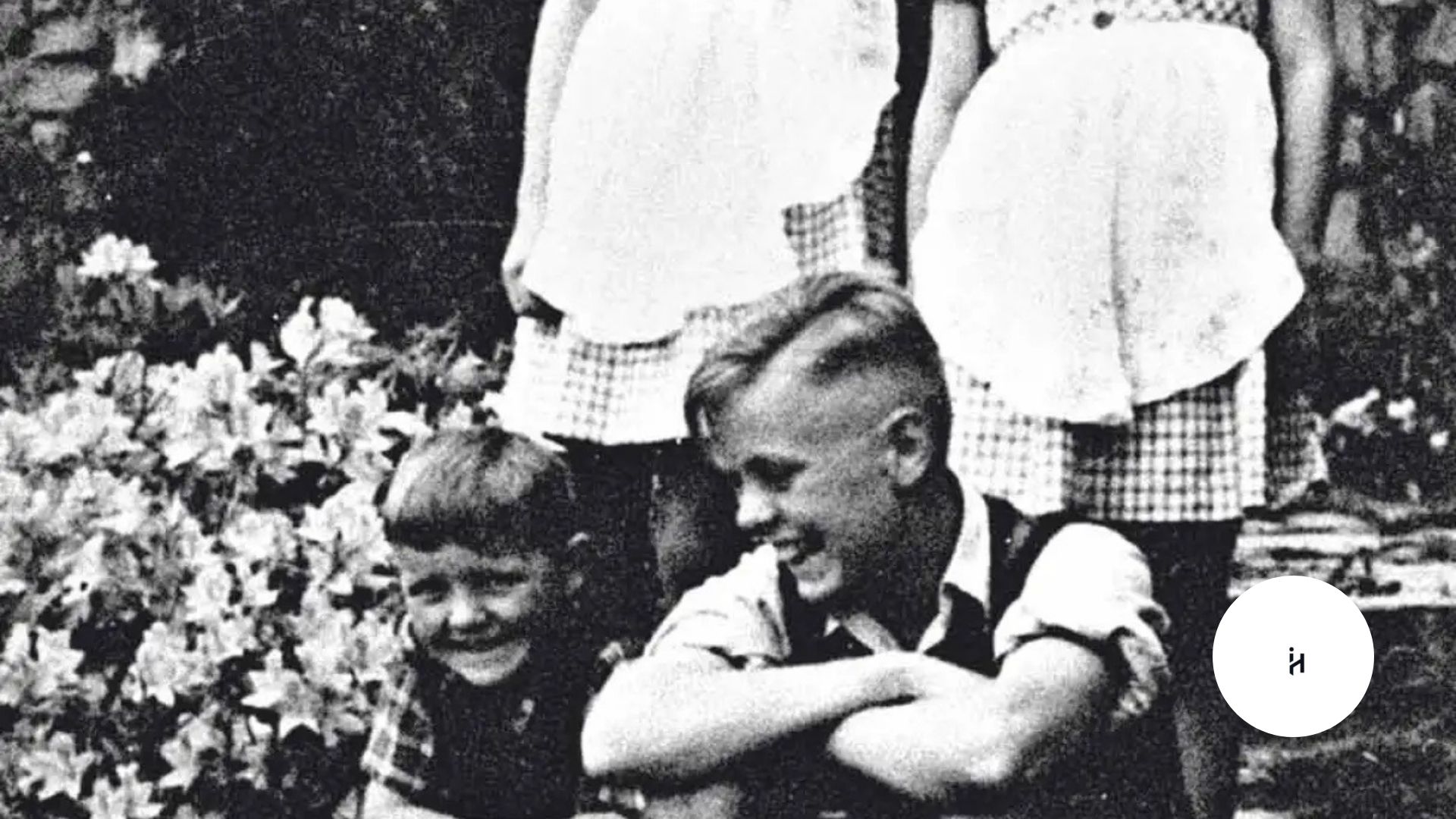
The Tragic Story of Hedwig Hoss: Life, Auschwitz, and Legacy

0
Hedwig Hoss

The name Hedwig Hoss is closely linked to one of the darkest chapters in human history: the Holocaust. She was the wife of Rudolf Hoss, the notorious commandant of Auschwitz concentration camp. Although not a public figure in the same way as her husband, Hedwig Hoss lived at the heart of the Nazi system of genocide.

Her life has come under scrutiny not only because of her husband’s actions but also due to her own behavior during World War II. This blog explores her complete biography, including her early years, life at Auschwitz, family background, public perception, and historical legacy.

Through this detailed account, we aim to provide a balanced yet critical examination of Hedwig Hoss, highlighting her complicity and silence during one of the most horrifying periods in modern history. Her story forces us to confront the role of bystanders, enablers, and those who lived in comfort while others suffered.

Early Life and Background of Hedwig Hoss

Hedwig Hoss

Hedwig Hoss was born in Germany in the early 20th century, into a conservative and nationalistic family. Like many women of her generation, she grew up in a society where obedience and traditional gender roles were strongly emphasized. There is little documented about her personal interests, education, or beliefs before her marriage, but historians believe she held national socialist values and supported her husband’s rise in the SS ranks.

The young Hedwig Hoss met Rudolf Hoss during the early 1930s when he was already deeply involved in Nazi ideology. Their shared beliefs likely played a role in forming a strong marital bond. By marrying him, Hedwig was not only choosing a life partner but also aligning herself with the political future of the Third Reich.

This background set the stage for her later years at Auschwitz, where she played the role of a housewife, yet lived surrounded by mass atrocities. Her early conditioning and alignment with Nazi ideologies cannot be overlooked when examining her character.

Marriage to Rudolf Hoss: A Dangerous Alliance

Hedwig Hoss married Rudolf Hoss in 1929, at a time when he was quickly rising through the Nazi ranks. Their marriage symbolized more than just a personal union—it became a partnership deeply rooted in Nazi values. Rudolf would go on to become the commandant of Auschwitz, and Hedwig Hoss became the mistress of a home located inside the very camp’s boundaries.

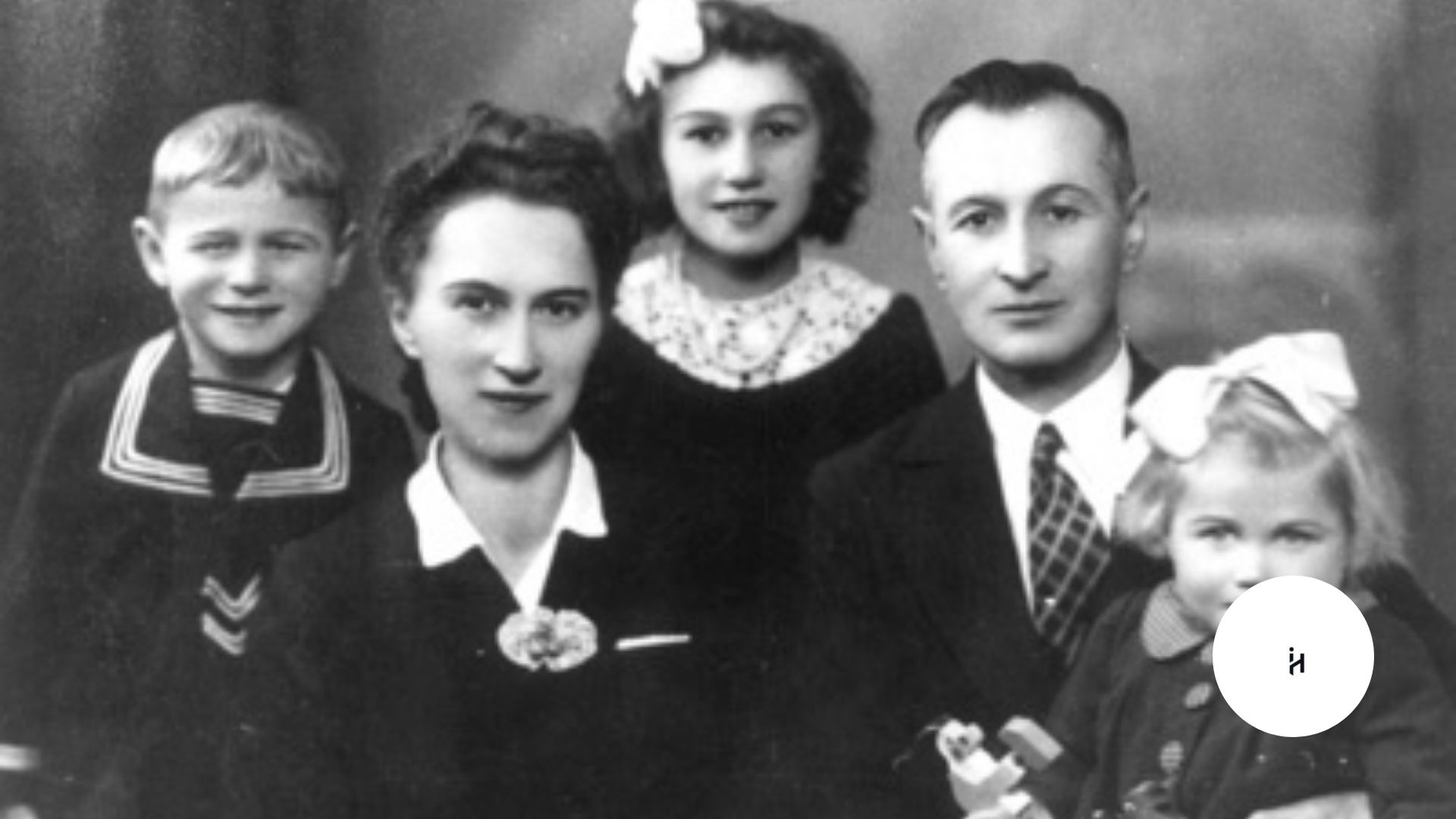
Their relationship was reportedly stable, and they had five children together. Hedwig saw herself as the perfect SS wife—loyal, obedient, and supportive. She took pride in her husband’s promotions and moved willingly with him to various SS posts. Eventually, their most infamous residence became the villa just outside the Auschwitz gas chambers.

Some former SS wives described Hedwig as proud and unbothered by the horrors happening nearby. While there is no direct evidence of her participation in war crimes, her silence and comfort during genocide raise disturbing moral questions about her complicity.

Life Inside Auschwitz: Hedwig’s Comfortable Bubble

Hedwig Hoss lived in a luxurious villa with her family while millions were tortured and murdered just beyond her backyard. The Hedwig Hoss villa was located within the Auschwitz camp’s grounds, separated by only a fence from the gas chambers and crematoria. Despite being so close to human suffering, Hedwig enjoyed a life of comfort, gardening, raising her children, and hosting gatherings.

Survivor accounts and documents suggest she had access to goods looted from prisoners, including clothing and food. She even employed camp prisoners as domestic help. This lifestyle was in stark contrast to the misery just meters away.

Her ability to live normally in such a horrific setting exemplifies the psychological disconnection many Nazis and their families experienced. Hedwig Hoss became a symbol of privilege amidst atrocity—a woman who never questioned the origin of her comfort.

The Role of Denial and Silence

One of the most controversial aspects of Hedwig Hoss is her silence. There is no evidence that she ever protested or questioned her husband’s actions. After the war, she claimed ignorance, saying she didn’t know what was happening inside the camp. But historians and psychologists have widely rejected these statements as implausible.

Given her proximity to the gas chambers and access to the camp’s infrastructure, it is nearly impossible that she remained unaware. The smoke, the screams, and the ever-present SS activity would have been visible and audible from her home.

Her silence makes her complicit, and her denial serves as a classic example of how bystanders justified their inaction. The case of Hedwig Hoss forces us to ask: Is silence in the face of genocide a crime in itself?

Hedwig Hoss

Family Life and Children

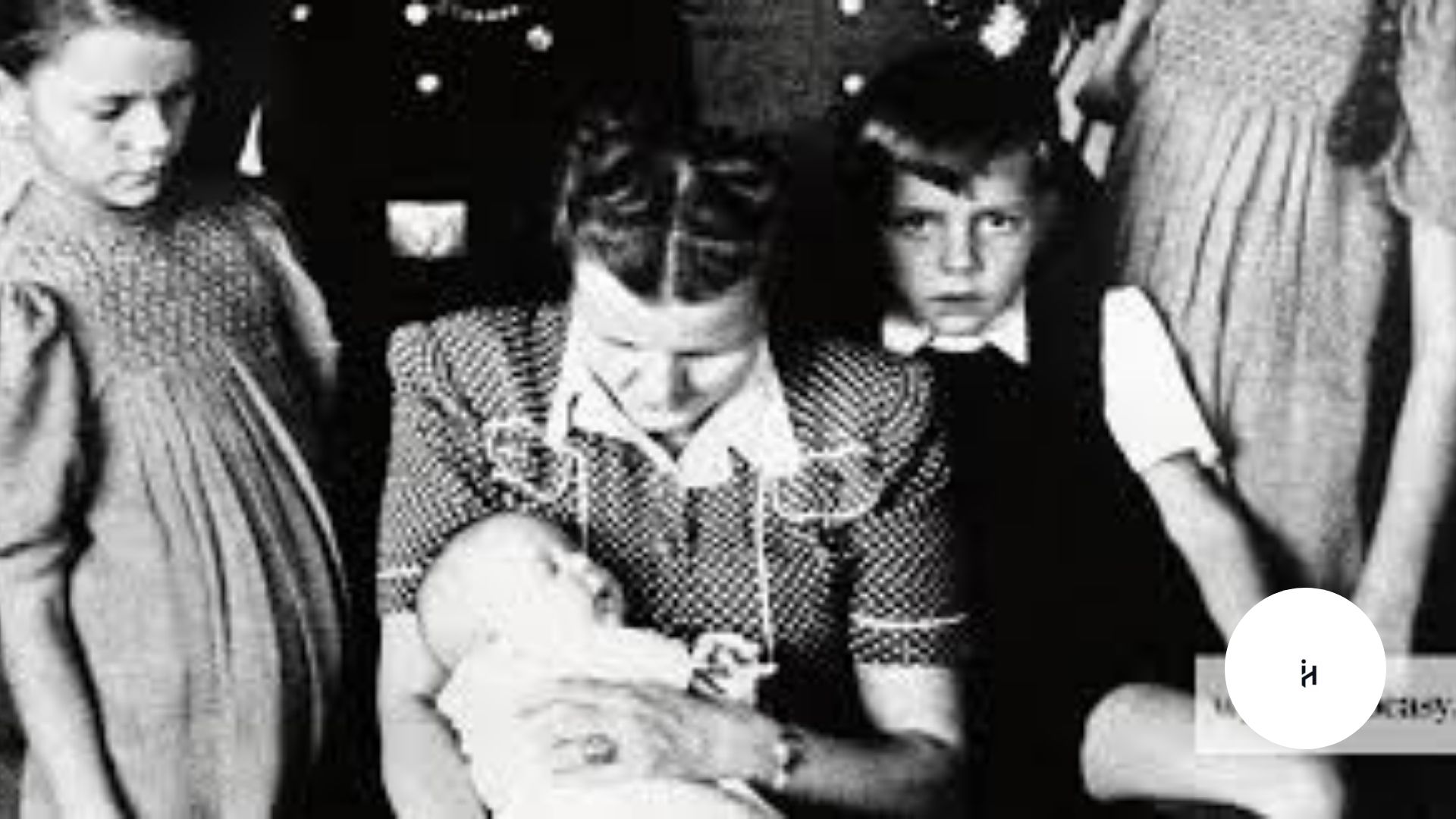
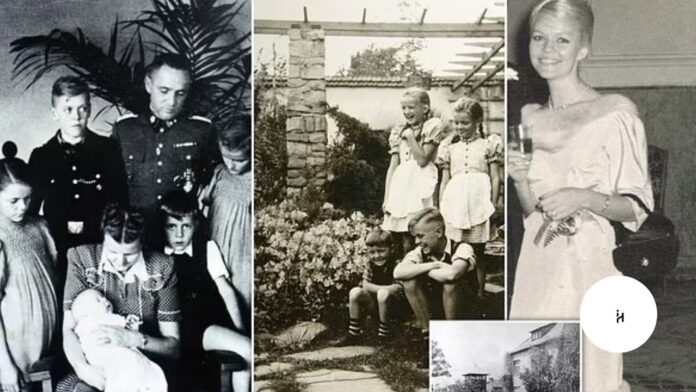
Despite the horrific surroundings, Hedwig Hoss focused on maintaining a “normal” family life. She raised five children with Rudolf Hoss and managed the household with strict discipline. Photographs from the time show the family enjoying picnics, gardening, and birthday celebrations—all within the Auschwitz compound.

Her children later gave interviews describing their childhood as happy, unaware of the horrors around them. This stark contrast between their sheltered upbringing and the surrounding death camp highlights the moral blindness that Hedwig Hoss exhibited.

Her children’s memories do not implicate her directly in crimes, but they do reinforce the image of a woman more concerned with domestic life than with humanity. This façade of normalcy is one of the most haunting elements of her story.

The Fall of the Third Reich and Rudolf’s Arrest

As the war drew to an end, Rudolf Hoss was arrested, tried, and executed for crimes against humanity. During this time, Hedwig Hoss and her children fled to avoid Allied capture. She was eventually found by British forces and interrogated. Though she was never officially charged, she remained under suspicion for many years.

Her post-war statements focused on her family and her suffering as a widow and mother—not on the victims of Auschwitz. This self-centered narrative painted her as a victim rather than an enabler.

The fall of the Third Reich marked the end of her privileged life and exposed the stark reality that had existed just outside her doorstep.

Post-War Life and Attempts to Escape Judgment

After the war, Hedwig Hoss tried to fade into obscurity. She moved under a false name and lived quietly, avoiding media attention. Unlike other Nazi wives who faced trials, she was never formally held accountable.

She gave a few interviews where she maintained her ignorance of the Holocaust and insisted she was only a housewife. These interviews further fueled public outrage, as many viewed her claims as blatant lies.

Her ability to evade justice reflects the limitations of post-war trials and investigations. Many women like Hedwig Hoss slipped through legal cracks, despite benefiting from or facilitating Nazi atrocities.

Public Opinion and Historical Judgment

Public opinion on Hedwig Hoss remains deeply divided. Some see her as a passive wife who simply followed her husband, while others view her as an active participant through her silence and privilege. Modern historians argue that the moral line between bystander and accomplice is thin—especially in the context of genocide.

Documentaries, films, and books have increasingly explored her life, often with critical eyes. The Netflix film The Zone of Interest brought renewed focus to her lifestyle, showing how luxury and horror coexisted.

The legacy of Hedwig Hoss serves as a cautionary tale of what happens when ordinary people normalize extraordinary evil.

Psychological Analysis of Complicity

Hedwig Hoss

Psychologists and historians have studied Hedwig Hoss to understand the mindset that allows such denial and disassociation. Terms like “moral disengagement” and “cognitive dissonance” are often used to describe her behavior.

She may have genuinely compartmentalized her life—blocking out the horrors of Auschwitz to focus on her family. However, this doesn’t absolve her of responsibility. Her emotional numbness and lack of empathy reflect a dangerous psychological state that contributed to the Holocaust’s machinery.

The study of Hedwig Hoss has helped scholars understand how ideologies shape behavior and how “normal” people can become numb to evil.

Pop Culture and Media Representation

The recent film The Zone of Interest depicts a character based on Hedwig Hoss, shining a spotlight on her real-life contradictions. This film portrays her as a cold, calculated housewife who remains indifferent to suffering.

Pop culture has played a significant role in reshaping how the public perceives Nazi wives. Books and films now explore their agency and complicity rather than portraying them as victims.

Hedwig Hoss has become a symbol of historical denial—an uncomfortable reminder of how evil can hide behind a garden, a smile, and a kitchen apron.

Conclusion: Why Hedwig Hoss Still Matters

The story of Hedwig Hoss is not just a historical curiosity—it’s a vital lesson in human psychology, morality, and justice. Her life forces us to confront how easily people can ignore suffering when their comfort is at stake.

She may never have carried out the killings, but her silence, luxury, and support of her husband allowed the Holocaust to continue with less resistance. Her legacy is one of complicity and moral failure, and it continues to provoke debate.

By studying Hedwig Hoss, we remember that evil often thrives not only through monsters but also through enablers—those who choose not to see.

What is Polytheism? An In-Depth Guide to Multiple Deities and Belief Systems

0
Polytheism

Polytheism, the belief in or worship of multiple deities, has shaped human civilization for thousands of years. This religious and philosophical system recognizes a multitude of gods and goddesses, each typically having specific roles or powers.

Polytheism has influenced art, culture, governance, and personal identity in various ancient and modern societies. Whether it’s the pantheon of gods in Ancient Greece, the complex divine hierarchy of Hinduism, or indigenous belief systems, polytheism is deeply interwoven with human history and spiritual exploration.

This blog will explore the core aspects of polytheism, its historical roots, cultural significance, and how it compares and contrasts with other religious systems. The keyword polytheism will be central to our discussion.

The Definition and Core Concept of Polytheism

Polytheism

Polytheism, at its core, is the belief in multiple gods. Unlike monotheism, which centers around a single, all-powerful deity, polytheism allows for a rich tapestry of divine figures. These gods often represent aspects of nature, such as the sun, moon, sea, or agriculture, and human traits like love, war, and wisdom.

In polytheistic systems, gods have personalities, relationships, and stories that form elaborate mythologies. Polytheism reflects a worldview in which divine powers are distributed rather than centralized, and this diversity mirrors the complexities of human life and the natural world.

Some systems are hierarchical, while others treat all gods as equals. Polytheism plays a key role in understanding how early civilizations explained the unexplainable and maintained order in society.

Historical Origins of Polytheistic Beliefs

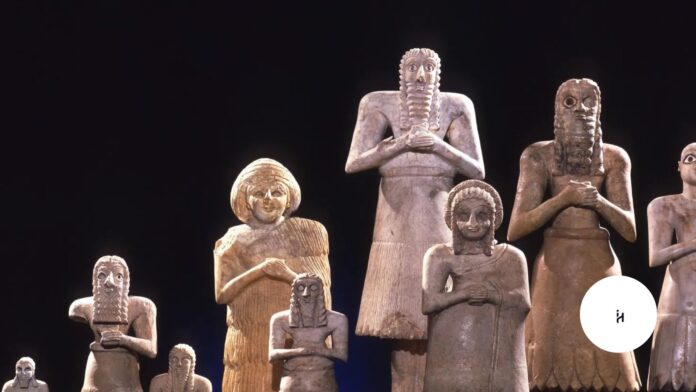
Polytheism dates back to prehistoric times, long before written records. Early humans, observing the forces of nature and the cycles of life and death, began attributing these to supernatural beings. Archaeological evidence from Mesopotamia, Egypt, the Indus Valley, and Mesoamerica reveals detailed pantheons and complex rituals associated with polytheism.

These gods were often linked to natural elements—storms, rivers, fertility—and were worshipped through offerings, temples, and festivals. As societies evolved, so did their understanding of the divine, often creating myths to explain creation, morality, and cosmic order. The keyword polytheism here helps us connect ancient spiritual needs with the sophisticated religious structures that emerged later.

Polytheism in Ancient Civilizations

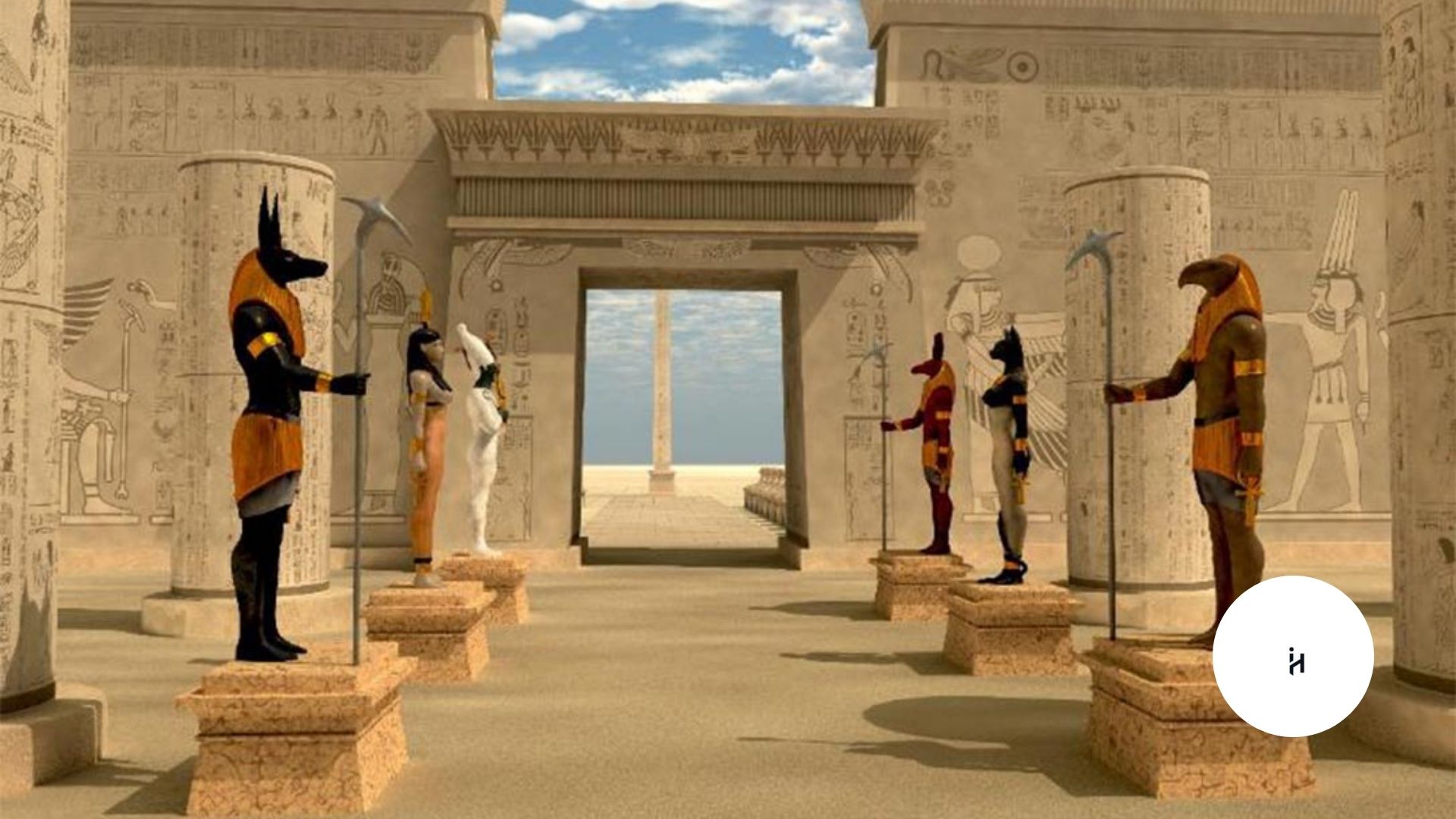
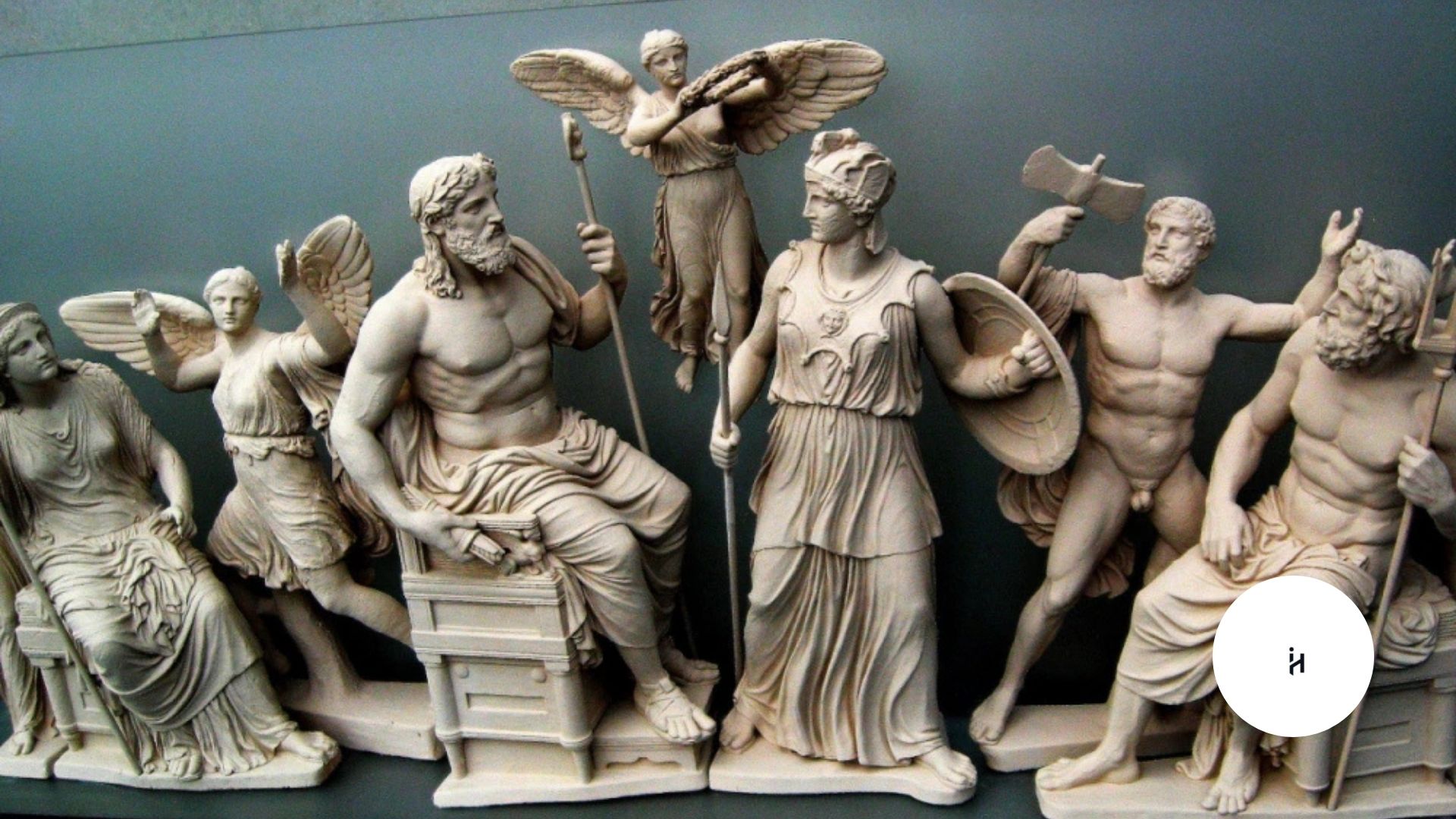
Ancient civilizations such as Egypt, Greece, Rome, and India practiced polytheism as a fundamental aspect of their culture. In Ancient Egypt, gods like Ra, Osiris, and Isis shaped both cosmology and government. Greek mythology introduced deities like Zeus, Athena, and Poseidon, each governing a specific realm.

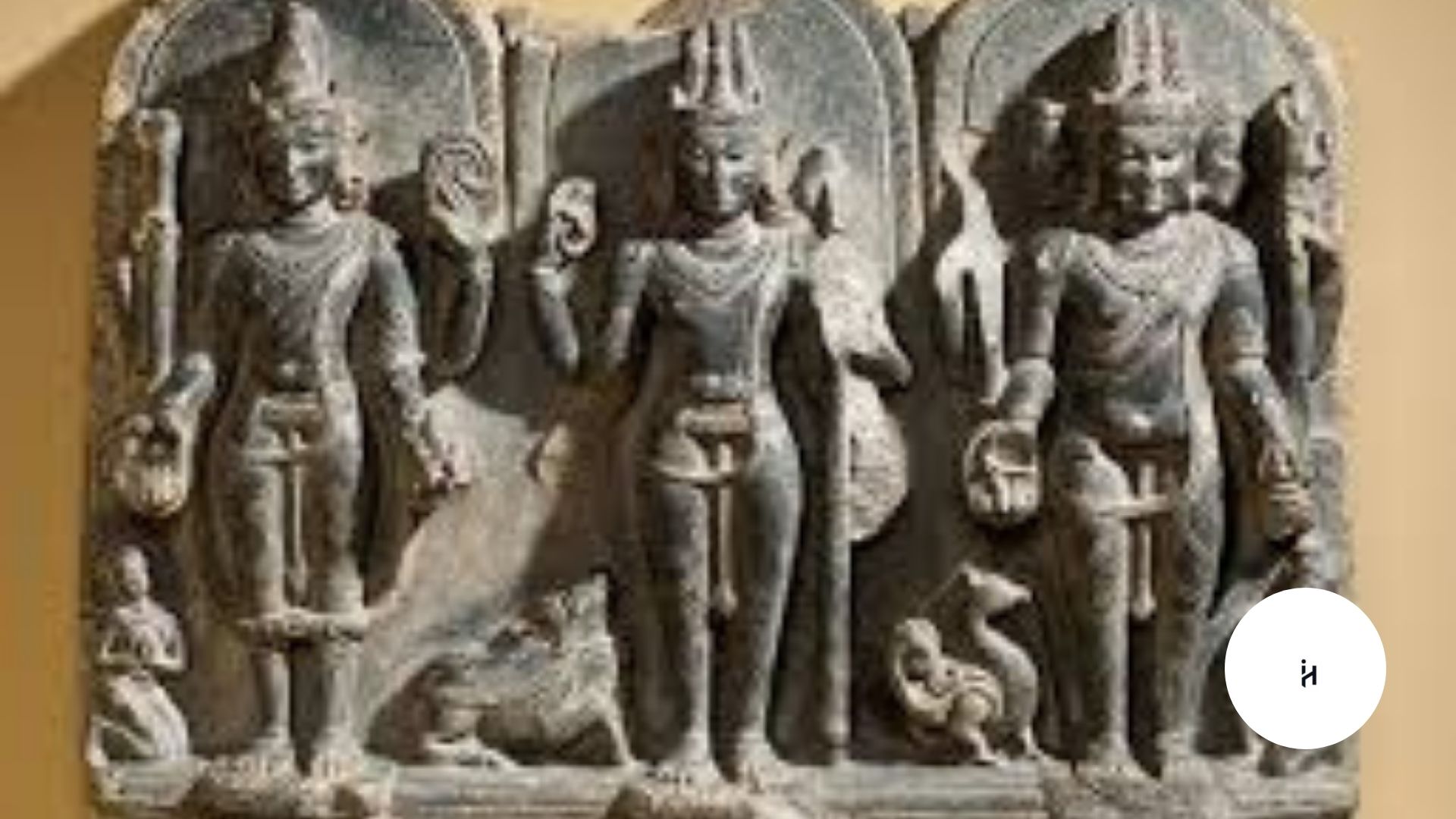
In India, polytheism manifested through an intricate network of gods in Hinduism, including Brahma, Vishnu, and Shiva. The Romans adopted and adapted Greek gods into their pantheon. Polytheism provided a divine explanation for everything, from weather to war, and influenced laws, architecture, and art. The pervasiveness of polytheism in these cultures demonstrates its centrality to human development and social organization.

Major Polytheistic Religions and Pantheons

Polytheistic religions include well-known systems like Hinduism, Shintoism, and various forms of Paganism. Hinduism, still practiced by over a billion people today, includes countless gods and goddesses, each symbolizing different aspects of the ultimate divine reality. Shinto, the traditional religion of Japan, centers around kami—spirits of nature, ancestors, and deities.

In Pagan and Neopagan traditions, multiple deities often represent natural cycles and dualities like life/death or male/female. Indigenous African and Native American religions also exhibit polytheistic structures, with gods governing community and environment. The study of polytheism in these traditions reveals how deeply it is embedded in cultural and spiritual identities worldwide.

Polytheism

Polytheism vs. Monotheism: Key Differences

While polytheism supports the belief in many gods, monotheism promotes the existence of a single deity. These contrasting views lead to significant theological and philosophical differences. Polytheism tends to be more pluralistic, tolerant of multiple interpretations, and focused on rituals that vary between regions and families.

Monotheism often emphasizes orthodoxy, centralized authority, and a unifying religious text. In polytheism, gods can be fallible, emotional, or even contradictory, offering a more human-like portrayal of divinity. Monotheistic systems typically view God as omniscient and perfect. Exploring polytheism in this comparative context helps clarify its unique role in religious history and human imagination.

The Role of Myths and Legends in Polytheism

Mythology is the backbone of any polytheistic system. Myths explain the origins of the world, the actions of gods, and the rules by which humans should live. These stories are not merely tales—they are sacred texts that guide behavior, rituals, and values.

In Greek polytheism, myths like the Odyssey or the story of Prometheus conveyed themes of heroism, justice, and the power of the gods. Norse mythology introduced figures like Odin and Loki to explain wisdom, chaos, and fate.

In Hindu epics such as the Ramayana and Mahabharata, gods interact with humans to teach dharma (righteous living). The richness of polytheism is especially evident in its narrative traditions.

Worship and Rituals in Polytheistic Traditions

Polytheistic worship often involves rituals specific to each deity. Temples, shrines, and home altars serve as sacred spaces. Offerings such as food, flowers, or incense are made to please the gods, seek blessings, or avert misfortune. In many traditions, festivals are celebrated to honor particular deities.

In Hinduism, festivals like Diwali and Navaratri are linked to specific gods. In Ancient Rome, public ceremonies involved sacrifices and processions. The key aspect of polytheism is its diversity—worship practices can be local, seasonal, or highly personalized. Rituals ensure a balance between humans and the divine, maintaining cosmic and social order.

Philosophical Perspectives on Polytheism

Philosophers across time have examined the logic and implications of polytheism. Ancient thinkers like Plato and Aristotle were influenced by polytheistic traditions but sought more abstract conceptions of divinity.

In India, philosophical schools such as Vedanta emerged from a polytheistic context, gradually developing non-dualistic or monistic interpretations of gods. Modern philosophers analyze polytheism in terms of its symbolic, psychological, and sociological significance.

Polytheistic systems allow for a fragmented but accessible understanding of divinity—deities reflect different human experiences rather than a singular, unreachable ideal. This pluralism supports creative expression, moral flexibility, and deeper engagement with the complexities of life.

Polytheism in Contemporary Society

While many modern societies are dominated by monotheistic religions, polytheism remains vibrant. Hinduism is actively practiced in India, Nepal, and among global diasporas. Neopagan movements like Wicca and Druidry are reviving ancient polytheistic practices in the West.

Polytheism also survives through folklore, art, and cultural rituals, even in secular settings. The internet has facilitated communities centered around modern interpretations of polytheistic belief. As people seek personalized spirituality and ecological consciousness, polytheism offers a flexible and holistic path. It encourages reverence for nature, diversity, and the sacredness of everyday life.

Criticism and Misconceptions of Polytheism

Polytheism

Polytheism has often been misunderstood or dismissed, especially by monotheistic or secular societies. Critics have labeled it primitive, superstitious, or morally ambiguous. However, such views ignore the sophistication and depth of polytheistic systems.

These religions have philosophical foundations, ethical teachings, and rich symbolic languages. Another misconception is that polytheism lacks unity or coherence. In fact, many polytheistic traditions acknowledge a supreme or abstract force behind all gods, creating a bridge between plurality and oneness. Understanding polytheism requires moving beyond stereotypes and appreciating its contributions to human spirituality and culture.

The Future of Polytheism: Revival and Relevance

As global consciousness shifts towards inclusivity, diversity, and environmental awareness, polytheism may gain renewed relevance. It offers frameworks for living in harmony with nature, respecting cultural plurality, and honoring feminine and masculine divine energies.

The rise of spiritual eclecticism and postmodern religiosity also supports a resurgence in polytheistic thought. Polytheism allows for coexisting truths, subjective experiences, and community-based rituals. Whether as part of traditional practice or modern spiritual paths, polytheism continues to inspire people around the world. Its adaptability ensures that it remains a meaningful part of our evolving global culture.

A Gentleman in Moscow – A Timeless Tale of Charm, Confinement, and Character

0
A Gentleman in Moscow

The Gentleman in Moscow novel is an extraordinary work of historical fiction by Amor Towles that transports readers to post-revolutionary Russia through the eyes of an aristocratic count sentenced to house arrest in a grand hotel.

The novel, set entirely in Moscow’s luxurious Metropol Hotel, unfolds as a quiet yet powerful exploration of time, identity, and resilience. With elegance and wit, Towles crafts a story that resonates with both literary lovers and casual readers alike.

About the Author – Amor Towles and His Literary Brilliance

Amor Towles, an American novelist, is best known for his bestsellers Rules of Civility and A Gentleman in Moscow novel. Towles’s background in investment banking may seem far from literature, but his love for storytelling shines through his writing. He was educated at Yale and later earned an MA in English from Stanford.

Towles’s refined literary voice brings grace and intelligence to his work. With A Gentleman in Moscow novel, he merges deep historical insight with rich, character-driven narrative, making him a modern master of the genre.

A Gentleman in Moscow

Plot Summary – A Tale Told Behind Hotel Walls

The central character of A Gentleman in Moscow novel, Count Alexander Rostov, is sentenced in 1922 by a Bolshevik tribunal to house arrest in the Metropol Hotel. Deemed unrepentant in his aristocratic ways, he is confined for decades as the world changes beyond the hotel’s walls.

While the Count loses his freedom, he discovers a new sense of purpose in the relationships he forms and the small details of everyday life. This deeply intimate plot showcases resilience and grace under pressure, turning what might seem like confinement into a philosophical awakening.

The Metropol Hotel – A Symbol of Elegance and Isolation

Set entirely within Moscow’s historic Metropol Hotel, A Gentleman in Moscow novel uses the hotel as both a physical and symbolic setting. It represents old-world opulence surrounded by a changing Russia.

While the Count is restricted to the hotel’s interior, his experiences there allow readers to witness decades of Russian history. The hotel serves as a metaphor for safety, decay, and internal transformation. The vivid descriptions bring the setting to life, turning the Metropol into a character in its own right.

Count Alexander Rostov – The Gentleman Himself

The protagonist of A Gentleman in Moscow novel, Count Rostov, is more than just an aristocrat; he’s a man of honor, wit, and remarkable adaptability. Despite being stripped of status and wealth, Rostov never loses his dignity. His philosophical outlook on life, peppered with charm and wisdom, guides him through every twist of fate. Through Rostov’s perspective, readers come to understand the broader social and political upheavals in Russia. His emotional depth and unwavering grace under pressure define the novel’s heart.

Nina, Sofia, and the Power of Relationships

Throughout A Gentleman in Moscow novel, the Count builds meaningful relationships that shape his journey. Nina, a curious young girl, introduces him to the hotel’s hidden corners and returns later with a life-changing request. Sofia, Nina’s daughter, becomes a central figure in the Count’s life, offering a fatherly purpose that redefines his sense of responsibility. These relationships create emotional resonance and serve as a counterbalance to the Count’s isolation, showing how love and connection can flourish even in confinement.

Historical Context – Soviet Russia as a Silent Character

A Gentleman in Moscow novel spans more than thirty years of Russian history, subtly weaving in real historical events and societal shifts. From Lenin’s rise to Khrushchev’s thaw, the novel captures the tension, fear, and ideological battles of the Soviet era.

These events shape the characters’ lives, particularly those within the hotel who face indirect repercussions. Towles masterfully avoids making the book overtly political, yet he provides a lens to view the transformation of a nation through one man’s quiet resistance.

A Gentleman in Moscow

Major Themes – Time, Identity, and Freedom

Central to A Gentleman in Moscow novel are themes that resonate on a philosophical level. The passage of time is a constant companion to the Count, who watches the world change from his window. Identity is questioned and reshaped as he adapts to his new reality. Most importantly, the novel explores the concept of freedom—both external and internal. Towles shows that while physical freedom can be taken, the freedom of thought, spirit, and love remains untouched.

Literary Style – Elegance in Every Sentence

Amor Towles’s writing style in A Gentleman in Moscow novel is nothing short of lyrical. His elegant prose, rich with metaphor and historical allusions, invites readers to slow down and savor every sentence.

Towles pays attention to the rhythm and tone of his narrative, mirroring the refined character of his protagonist. His balance of humor, nostalgia, and philosophical insight elevates the story from simple fiction to literary artistry.

Symbolism and Metaphors – More Than Meets the Eye

Symbolism runs deep in A Gentleman in Moscow novel. The Metropol Hotel represents not just the changing face of Russia but also a place of internal exploration. The Count’s watch symbolizes the passage of time, while the wine cellar and fine dining represent a clinging to lost culture. Even minor objects, like a pair of scissors or a bottle of wine, carry emotional and metaphorical weight. Towles encourages readers to find meaning in the mundane.

Critical Reception – Praised by Critics and Readers Alike

A Gentleman in Moscow

Since its release in 2016, A Gentleman in Moscow novel has received widespread acclaim. Critics praised its refined prose, well-developed characters, and subtle storytelling. The New York Times called it “a novel of elegant charm,” and it appeared on numerous bestseller lists, including The Washington Post and NPR. Readers around the world have embraced its message of hope and dignity, making it a book club favorite and an enduring literary treasure.

Adaptation and Legacy – From Page to Screen

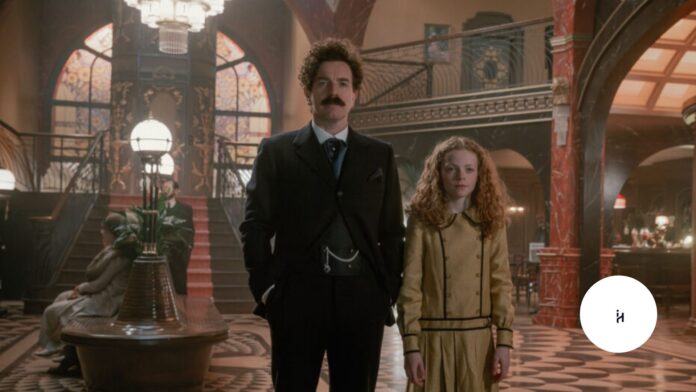
The popularity of A Gentleman in Moscow novel has led to a highly anticipated screen adaptation. Ewan McGregor stars as Count Rostov in a TV series adaptation, bringing the beloved character to life. The legacy of the novel goes beyond its pages, influencing contemporary literature and proving that quiet stories with deep moral cores can still captivate global audiences. The novel’s impact continues to grow as new readers discover its timeless charm.