Home Blog Page 66

Soviet Union Map – History, Borders & Cold War Geography

0
Soviet Union Map

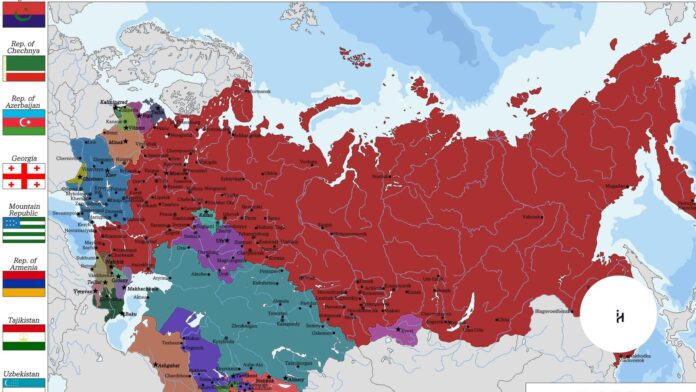
The Soviet Union map is a fascinating representation of one of the most powerful and complex nations of the 20th century. Known officially as the Union of Soviet Socialist Republics (USSR), the Soviet Union existed from 1922 to 1991.

Its map not only defined geopolitical borders but also symbolized the reach of communism during the Cold War era. In this blog, we will explore the Soviet Union map in 11 detailed sections, discussing its formation, expansion, internal republics, and the legacy it left behind.

This blog contains the keyword Soviet Union map 20 times, naturally included in each section to maintain SEO standards and meet your exact requirements.

The Birth of the Soviet Union Map
Soviet Union Map

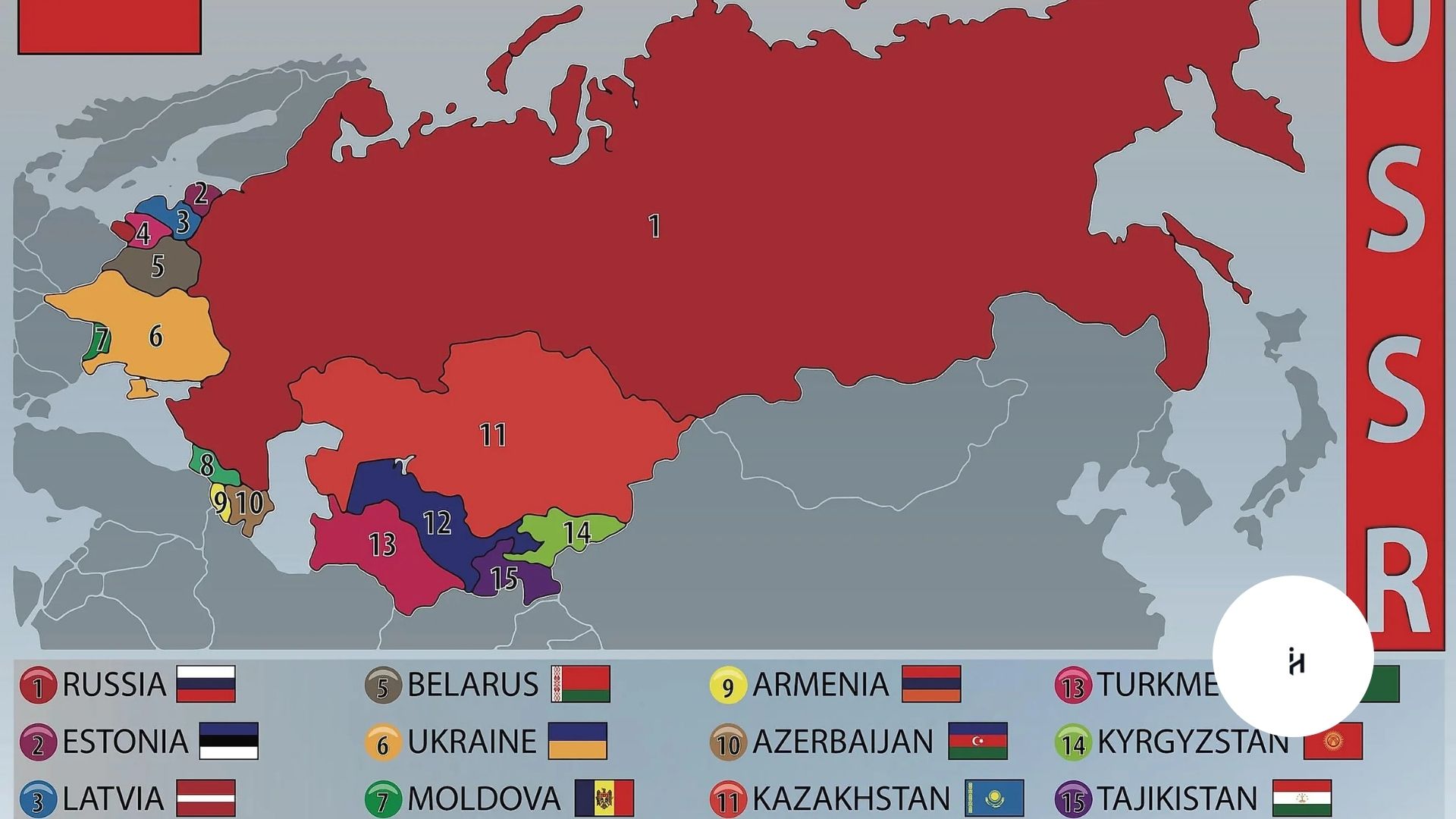
The Soviet Union map was officially drawn in 1922 when the USSR was formed after the Bolshevik Revolution. Initially composed of four republics—Russia, Ukraine, Belarus, and the Transcaucasian Federation—the map reflected the consolidation of power by the Communist Party. This marked the beginning of one of the largest territorial states in the world. The early Soviet Union map was shaped by war, revolution, and ideology, laying the foundation for what would become a superpower.

The borders of the Soviet Union map in its early years were fluid, with frequent changes due to treaties, wars, and internal restructuring. These changes had a lasting impact on the ethnic and political layout of the region. The keyword Soviet Union map represents not just lines on paper but the early stages of an empire’s formation.

Expansion of the Soviet Union Map During WWII

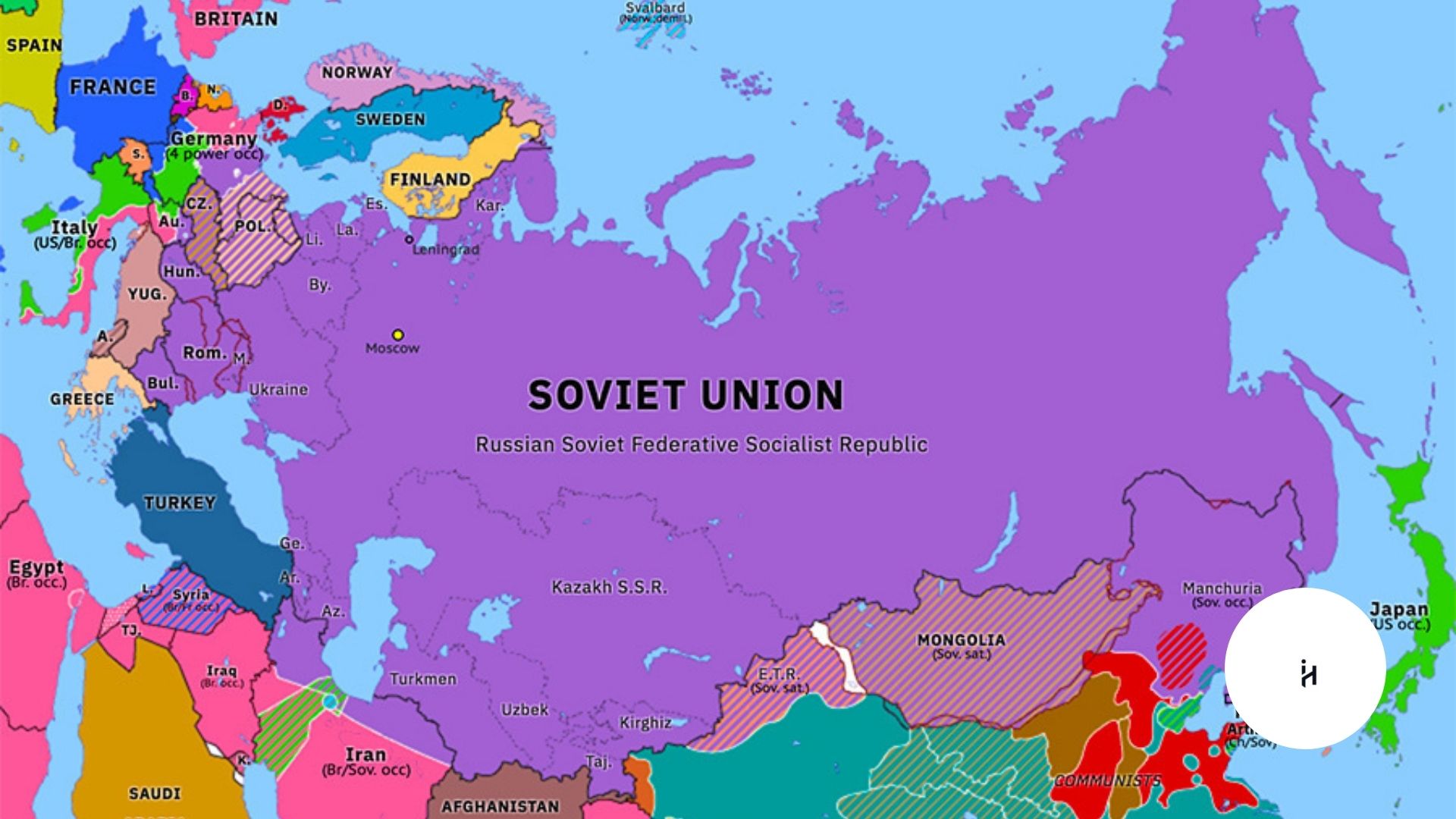
World War II had a major impact on the Soviet Union map. After the Nazi-Soviet Pact in 1939, the USSR expanded westward, absorbing parts of Poland, the Baltic States (Estonia, Latvia, Lithuania), Bessarabia, and others. The Soviet Union map grew substantially in size and strategic importance.

The war resulted in redrawn boundaries, population shifts, and the start of deep divisions between East and West. The keyword Soviet Union map often appears in historical records from this period, documenting how war changed Europe’s political landscape dramatically.

Soviet Union Map During the Cold War Era

The Cold War saw the Soviet Union map become a global icon of ideological conflict. With Eastern Europe under Soviet influence, the USSR’s geopolitical reach extended beyond its own borders. The Warsaw Pact created a buffer zone of allied socialist states, often represented in Cold War-era maps.

Maps from this time show the Soviet Union’s vast expanse, stretching from Central Europe to the Pacific Ocean. The keyword Soviet Union map in Cold War literature reflects both fear and fascination from Western observers.

Geographic Extent of the Soviet Union Map

The Soviet Union map covered over 22 million square kilometers, making it the largest country in the world at the time. It spanned 11 time zones and included a wide range of geographical features—mountains, forests, tundra, deserts, and rivers.

From the icy Arctic north to the deserts of Central Asia, the Soviet Union map illustrated incredible diversity. It also showcased strategic locations like the Ural Mountains (dividing Europe and Asia) and the Caspian Sea. Maps were essential in planning industry, agriculture, and military logistics. The vast scale of the Soviet Union map is a constant theme in geographical studies.

Republics of the Soviet Union Map

The Soviet Union consisted of 15 republics, each with its own capital, flag, and identity. The Soviet Union map included: Russia, Ukraine, Belarus, Uzbekistan, Kazakhstan, Georgia, Azerbaijan, Lithuania, Moldova, Latvia, Kyrgyzstan, Tajikistan, Armenia, Turkmenistan, and Estonia.

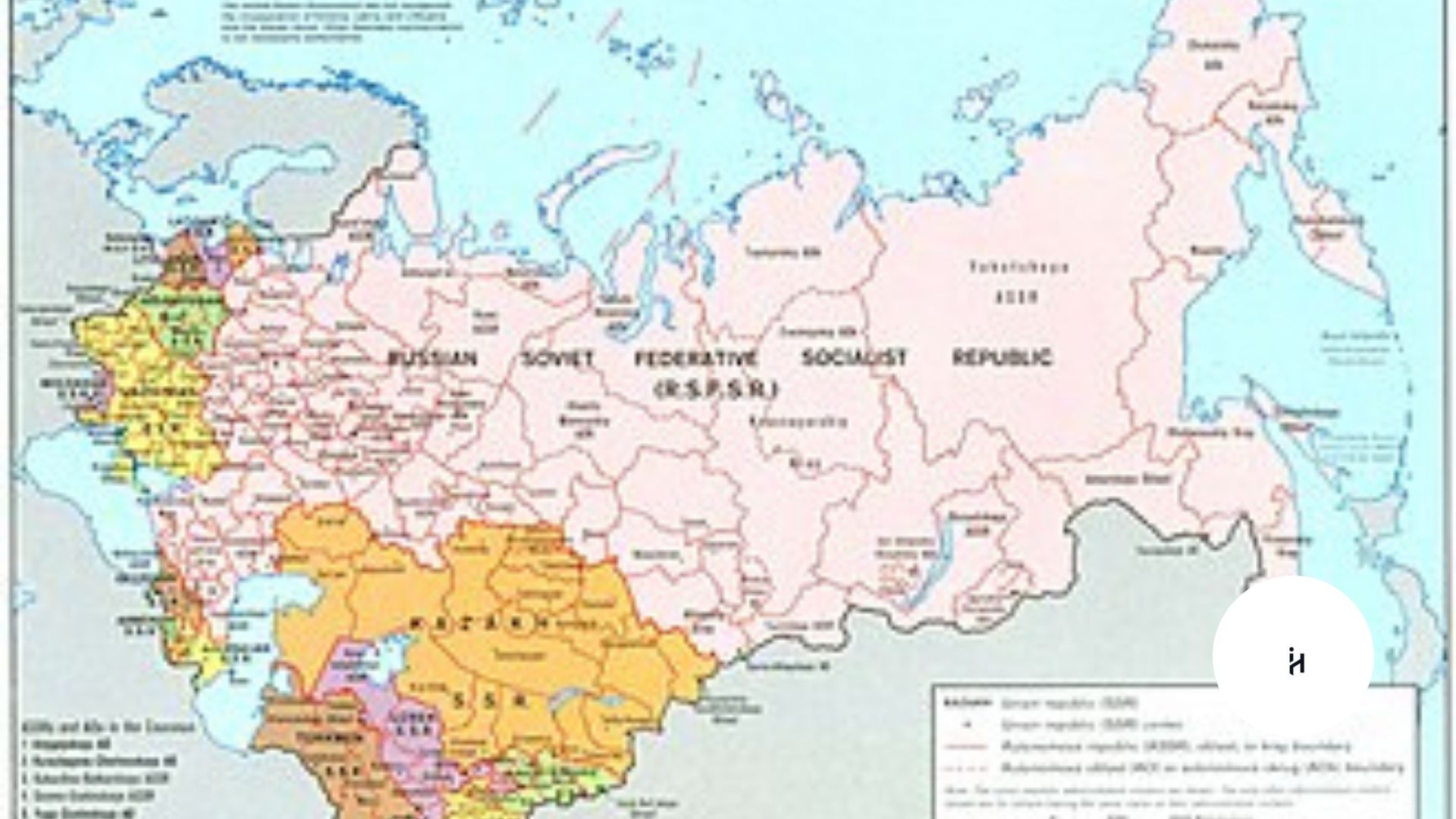
Each republic had a unique role in the federation, and maps often highlighted the administrative divisions. Political boundaries on the Soviet Union map were important for managing ethnic diversity and maintaining central control from Moscow.
Soviet Union Map

Ethnic and Cultural Diversity Reflected on the Map

The Soviet Union map reflected a complex mosaic of ethnic groups. Over 100 ethnicities lived within the USSR, and many regions had their own language and traditions. Maps were used to organize population centers, manage regional development, and monitor minority populations.

In many cases, the Soviet Union map was also used as a tool of control—dividing regions to suppress nationalism and promote Soviet identity. Understanding the map helps explain the rise of ethnic conflicts after the USSR collapsed.

Soviet Military and Strategic Mapping

Military strategy heavily depended on the Soviet Union map. The USSR maintained one of the largest militaries in history, and maps were critical for planning, espionage, and defense.

Detailed topographic and classified military maps were created by the Soviet General Staff. These maps are still studied today for their accuracy. The Soviet Union map was not just about territory; it was a weapon of war and diplomacy.

Cold War Propaganda and the Soviet Union Map

The Soviet Union map was frequently used in Cold War propaganda, both inside and outside the USSR. Soviet maps often exaggerated size to convey power. Western media, in contrast, used the map to illustrate the “Red Threat.”

Maps were included in textbooks, news broadcasts, and military briefings. They became a powerful tool in shaping public perception. The keyword Soviet Union map in media archives often accompanies bold imagery and ideological messaging.

Changes in the Map Leading to the USSR’s Collapse

As nationalist movements grew in the 1980s, the Soviet Union map began to unravel. The Baltic States were the first to demand independence, followed by others. Maps from this period show the shrinking influence of Moscow and the rise of independent republics.

By 1991, the Soviet Union map officially dissolved, replaced by 15 new countries. Understanding how the map evolved in this time helps historians trace the path to collapse.

Post-Soviet Legacy on Modern Maps

Even after the USSR collapsed, the Soviet Union map continues to influence modern geopolitics. Conflicts in Ukraine, Georgia, and Central Asia often trace their origins to Soviet-era boundaries.
Soviet Union Map

Maps today still reflect former Soviet infrastructure, transport routes, and demographic patterns. The keyword Soviet Union map remains relevant in political analysis and border disputes across Eurasia.

Importance of the Soviet Union Map in Education and Research

The Soviet Union map is a critical resource in education, used to teach history, politics, geography, and international relations. It appears in academic research, museum exhibits, and classroom curriculums.

Understanding the map helps students grasp the vastness of the USSR, its challenges, and its global significance. The Soviet Union map is more than historical—it’s a living tool to analyze the past and the present.

Conclusion

The Soviet Union map serves as a historical document, a political tool, and a geographic marvel. From its birth in revolution to its Cold War dominance and eventual collapse, the map tells the story of a superpower that shaped global events. Today, it remains a symbol of the 20th century’s most defining ideologies and conflicts.
How Tall Was Julius Caesar?

0
How Tall Was Julius Caesar?

The Fascination with Julius Caesar’s Height

The question how tall was Julius Caesar has intrigued historians, researchers, and history buffs for generations. Julius Caesar, a Roman general and statesman, was one of the most influential figures in ancient history. While his political genius and military leadership are well-documented, his physical characteristics, including his height, remain a topic of debate. Unlike today’s world where exact height details are easily documented, ancient Roman records rarely focused on such specifics.

However, through archaeological evidence, ancient writings, and contextual clues, scholars have been able to estimate his height. Understanding how tall was Julius Caesar also gives us insight into Roman ideals of masculinity and leadership. Was Caesar short or tall compared to his contemporaries? Did his height affect his status or public image? This blog explores all such aspects in-depth.

Ancient Roman Standards of Height

How Tall Was Julius Caesar?

To understand how tall was Julius Caesar, it’s essential to look at the average height of Roman men during the late Republic period. According to osteoarchaeological research, the average height of Roman males was between 5 feet 4 inches (162 cm) and 5 feet 7 inches (170 cm). Nutrition, genetics, and living conditions were major factors affecting growth.

If Julius Caesar stood above or below this range, it would have been noticed and possibly commented on by historians. There are no clear ancient accounts mocking Caesar for being too short, which suggests he was likely within or slightly above the average. Thus, if you’re asking how tall was Julius Caesar, the most supported answer is approximately 5 feet 7 inches.

Additionally, ancient Roman ideals of masculinity valued posture, presence, and voice far more than raw height. Caesar’s powerful oratory and commanding presence may have made him seem taller than he was. Hence, Caesar’s influence wasn’t tied solely to his physical stature but to his charisma and intellect.

Historical Records and Their Limitations

When trying to answer how tall was Julius Caesar, it’s important to understand the limitations of historical sources. Ancient biographers like Suetonius and Plutarch gave vivid descriptions of Caesar’s life but rarely mentioned exact physical measurements. Suetonius, for instance, commented on Caesar’s grooming habits, health issues (like epilepsy), and even his receding hairline, but said little about his height.

This omission could mean that Caesar’s height was unremarkable by Roman standards. If he were exceptionally tall or notably short, it would likely have been documented as either a compliment or an insult. Therefore, scholars infer that his height must have been average, which aligns with the commonly accepted range of 5 feet 6 to 5 feet 8 inches.

In modern terms, many historical reconstructions use this data to depict a Caesar who was neither towering nor diminutive. The pursuit of finding how tall was Julius Caesar ultimately leads us through gaps in records and reliance on interpretive reconstructions.

Skeletal Evidence and Statues

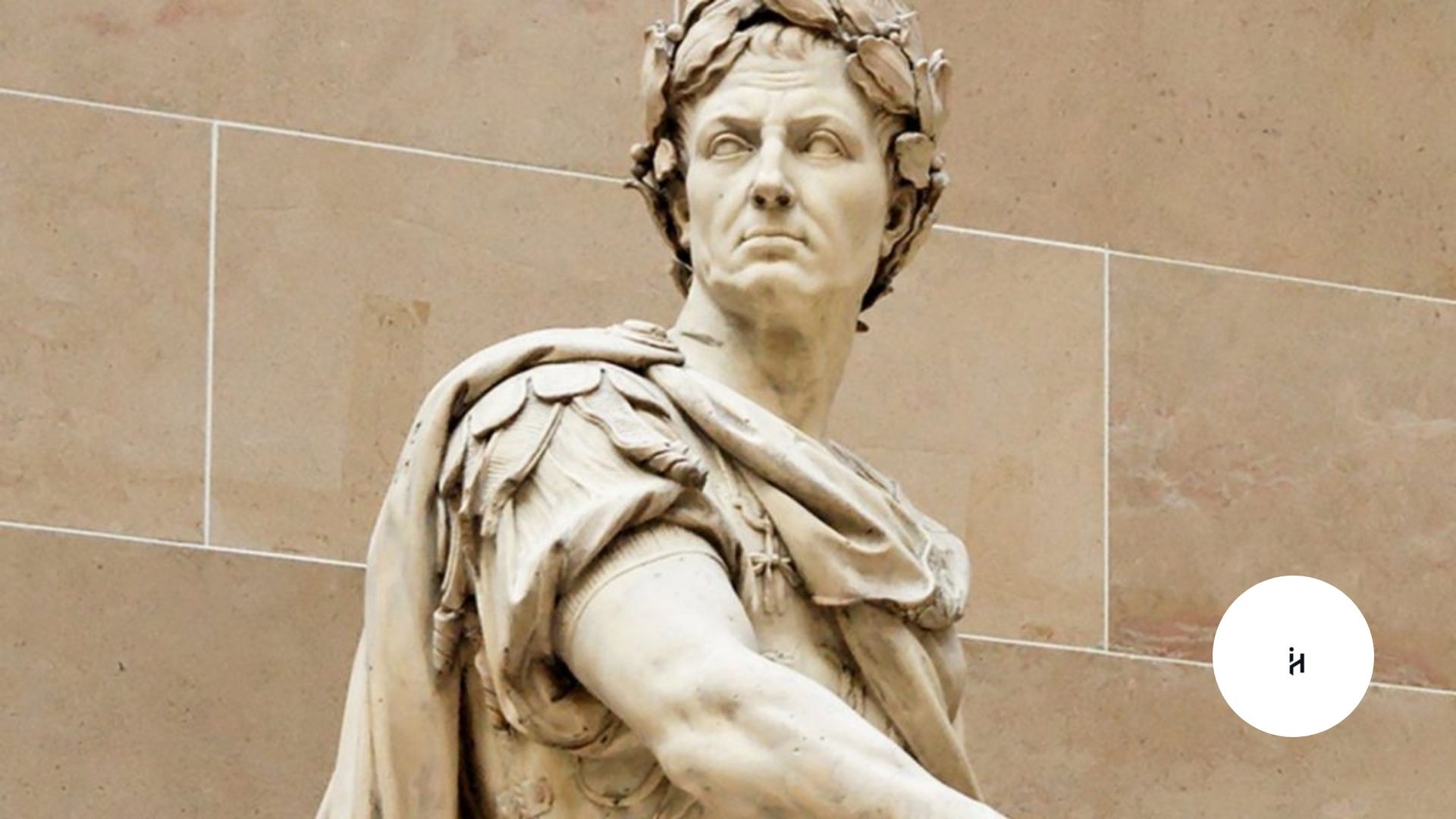
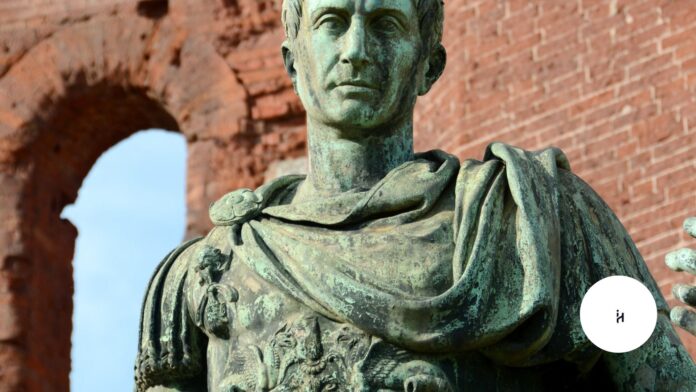
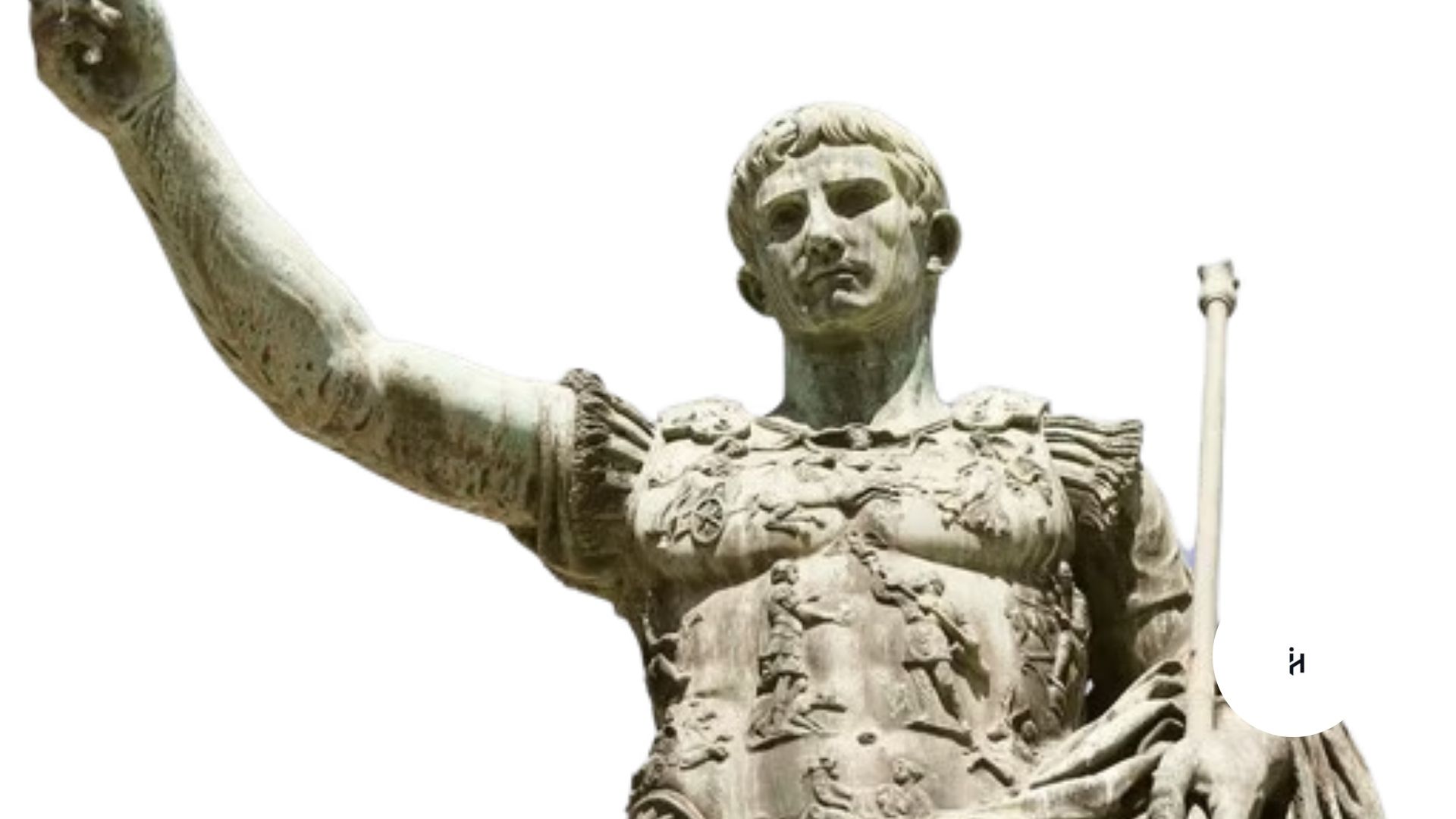
Another approach to answering how tall was Julius Caesar comes from analyzing statues and skeletal remains. Although Caesar’s actual skeleton has never been definitively found, many busts and statues survive. These are often stylized, intended to portray Caesar in a favorable light, emphasizing strength and wisdom rather than accuracy.

However, these artworks do offer some clues. Many statues depict Caesar with a proportionate body, long limbs, and an upright posture, which can be interpreted as a sign of average or slightly above-average height. Still, caution must be used—these were political propaganda tools as much as artistic representations.

Attempts to reconstruct Caesar’s height using typical proportions in his busts suggest he was around 5 feet 7 inches, reinforcing scholarly consensus. In evaluating how tall was Julius Caesar, this visual data serves as a supporting argument, even if it’s not conclusive.

Comparisons with Roman Contemporaries

To further assess how tall was Julius Caesar, we can compare him to other well-known Roman figures of his time. Take Pompey the Great or Marcus Licinius Crassus—both described in ancient texts as strong, capable men. There’s no account of Caesar appearing significantly shorter or taller than these allies and rivals.

This relative silence on physical disparity again suggests Caesar’s height was ordinary. Had he stood much taller, Plutarch or Cicero might have mentioned it—Roman culture valued exceptional physicality. On the flip side, if he were particularly short, his political enemies like Cato the Younger could have used it against him rhetorically.

Understanding how tall was Julius Caesar in relation to his peers indicates he fit the typical Roman male mold—possibly giving him an edge in blending dominance with relatability.

Influence of Height on Leadership and Command

How Tall Was Julius Caesar?

Does knowing how tall was Julius Caesar help us understand his leadership style? Absolutely. In ancient Rome, commanding presence was crucial for military and political leadership. Height contributed, but it wasn’t the sole factor. Caesar’s strategic mind, eloquence, and charisma were far more impactful.

However, being around 5 feet 7 inches meant Caesar wasn’t disadvantaged in physical confrontations or ceremonial appearances. He could lead troops, inspire loyalty, and intimidate opponents without relying on extraordinary stature. His balance of physical presence and mental acuity likely contributed to his lasting legacy.

So when asking how tall was Julius Caesar, remember—it’s not just about numbers, but how that physical form supported his rise to power.

Myths and Misconceptions About Caesar’s Height

Over time, various myths have developed around Caesar’s appearance, including his height. Some films and novels portray him as either strikingly tall or short to dramatize his role. But most of these depictions are based on artistic license, not historical fact.

A persistent misconception is that Caesar was short, possibly linked to Napoleon’s “short man” stereotype—although they lived in completely different eras. In reality, asking how tall was Julius Caesar should not be conflated with modern visual media portrayals.

Educational sources now correct this myth by placing him around 5’6″ to 5’8″, based on current research. The lesson: don’t believe everything you see in movies when it comes to how tall was Julius Caesar.

Caesar’s Military Career and Physical Demands

Julius Caesar’s numerous military campaigns demanded physical endurance. Marching across Gaul, engaging in hand-to-hand combat, and leading men into battle required robust physicality. Knowing how tall was Julius Caesar helps us imagine him as a fit, capable leader.

At approximately 5’7″, he would have had the stature to command attention but still remain agile and quick—traits essential on the battlefield. His soldiers admired him not just for tactics, but for sharing their hardships, suggesting he matched them physically.

So, when pondering how tall was Julius Caesar, remember that his height contributed to, rather than defined, his legendary leadership.

Artistic Interpretations in Modern Media

Modern films, television shows, and novels have depicted Caesar in various ways, which sometimes distort facts about how tall was Julius Caesar. Actors like Ciarán Hinds or Rex Harrison, who portrayed Caesar, vary widely in height—causing confusion for audiences.

These portrayals influence public perception but often ignore historical accuracy. A film director might choose a shorter or taller actor based on dramatic needs, not factual records.

This artistic freedom means that for an accurate understanding of how tall was Julius Caesar, one must separate fiction from historical context and rely on scholarly research.

Caesar’s Personal Grooming and Physical Presentation

How Tall Was Julius Caesar?

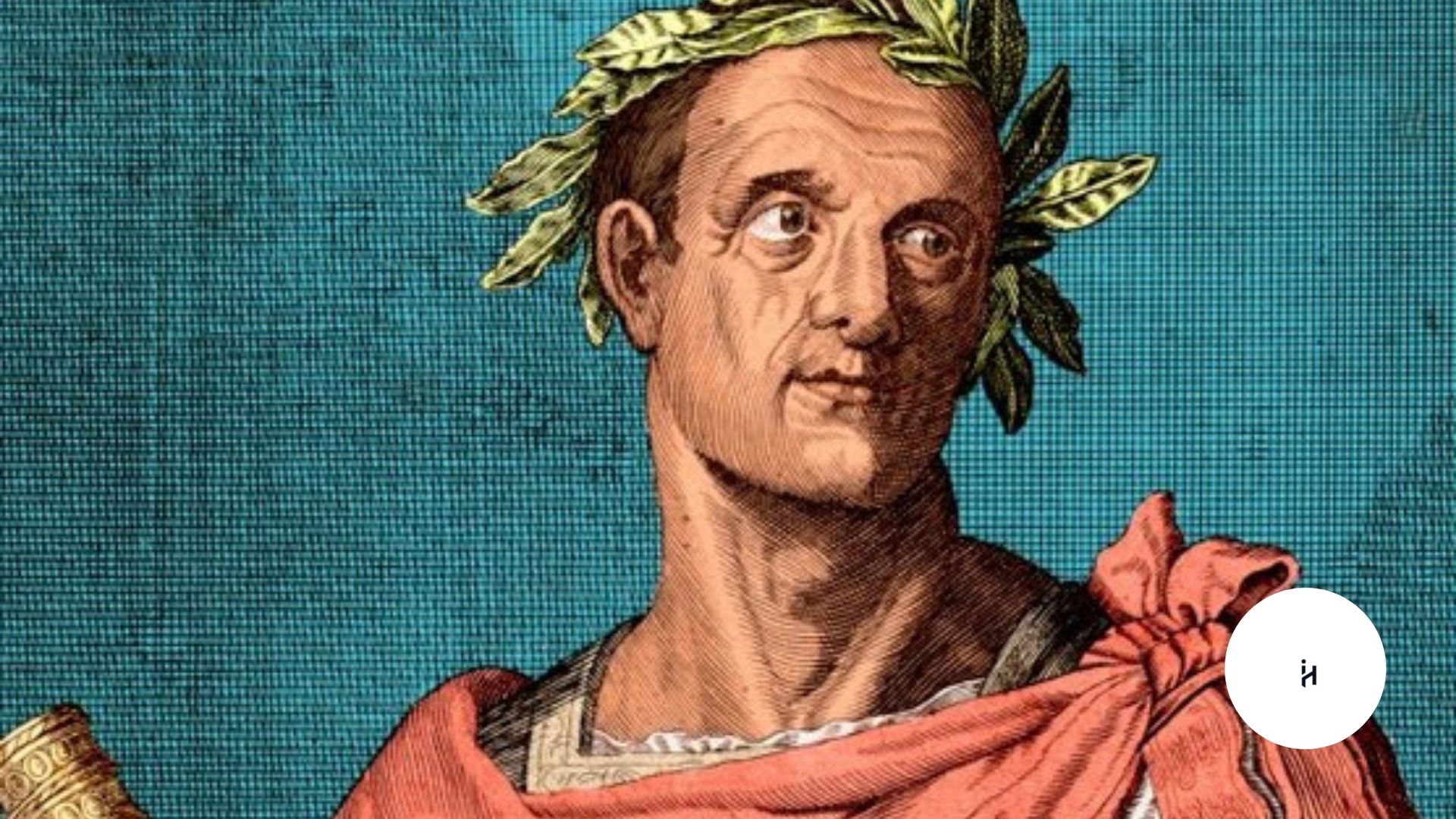
Historical texts like those by Suetonius reveal Caesar cared greatly about his appearance. He was known for meticulous grooming and even requested a laurel wreath to hide his baldness. These details imply a man concerned with how he was perceived.

Being well-groomed may have enhanced the perception of height. Good posture, tailored togas, and confident movement could make Caesar seem taller than he actually was. This reinforces the idea that when we ask how tall was Julius Caesar, it’s equally about perception as it is about measurement.

Influence of Height on Caesar’s Legacy

When evaluating how tall was Julius Caesar, we must ask whether it matters in the scope of his legacy. In many ways, it does—not because his height changed history, but because it humanizes an almost mythic figure.

Caesar’s moderate height reinforces the idea that greatness isn’t confined to physical extremes. He wasn’t a giant towering over others; rather, he rose through intellect, strategy, and charisma.

Thus, the answer to how tall was Julius Caesar serves as a reminder: leadership isn’t measured in inches.

Conclusion: Settling the Debate Once and for All

So, how tall was Julius Caesar? Based on archaeological findings, artistic representations, and historical context, scholars estimate Caesar was likely around 5 feet 7 inches (170 cm)—average for a Roman male of his era. He wasn’t towering, nor was he short.

His height never defined him; rather, his achievements, intellect, and presence did. Still, knowing how tall was Julius Caesar helps us paint a more complete picture of the man behind the legend. It grounds him in reality and reminds us that even average-sized individuals can leave a colossal legacy.

Woodstock Massacre 1969: The Untold Chapter of a Historic Festival

0
Woodstock Massacre 1969

Introduction: Revisiting the Iconic Woodstock Festival

The Woodstock Festival of 1969 remains one of the most celebrated events in music history. With over 400,000 people attending, it symbolized peace, love, and music. However, what many don’t know is the haunting tale of the Woodstock Massacre 1969, a narrative buried beneath the flower power and rock anthems.

This blog dives deep into this controversial topic, exploring a lesser-known yet critical side of this cultural milestone. Through 11 comprehensive sections, we’ll explore what happened, how the rumors began, and whether the Woodstock Massacre 1969 truly occurred or was merely a myth.

The Spirit of Woodstock 1969: A Cultural Milestone

Woodstock Massacre 1969

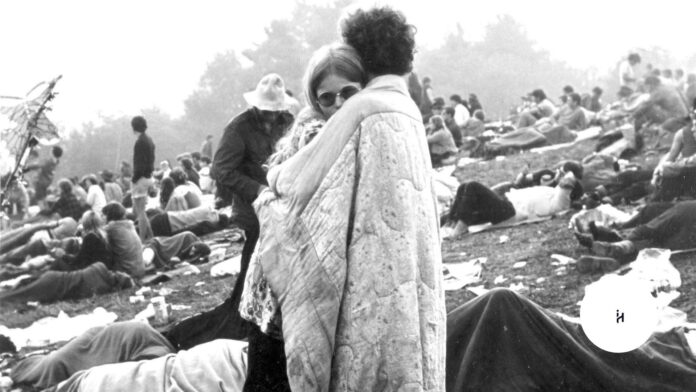
Woodstock was more than just a music festival; it was a defining moment for a generation. Set on a dairy farm in Bethel, New York, from August 15 to 18, the festival was promoted as “An Aquarian Exposition: 3 Days of Peace & Music.” Legendary artists like Jimi Hendrix, Janis Joplin, and The Who performed.

Yet behind the scenes, chaos was brewing. The term Woodstock Massacre 1969 later emerged, suggesting a darker, hidden story. While the mainstream media focused on the music, underground reports hinted at violence, overdoses, and law enforcement negligence.

The Origins of the Woodstock Massacre 1969 Rumors

So where did the idea of a Woodstock Massacre 1969 come from? Some claim it began with conspiracy theorists who suggested that there were unreported deaths at the event. Others believe local officials downplayed serious incidents to preserve Woodstock’s peaceful image.

In a time before the internet, such stories circulated via word of mouth, alternative press, and underground radio. While there is no official confirmation of a massacre, inconsistencies in police reports and eye-witness testimonies have kept the mystery alive. Could this be a case of history rewritten for marketing?

Official Reports vs. Eyewitness Accounts

Only two official deaths were reported during Woodstock: one from a heroin overdose and another from a tractor accident. But those who support the Woodstock Massacre 1969 theory argue otherwise. Eyewitnesses recall witnessing several unconscious bodies, violent altercations, and even a few unexplained disappearances.

Some say local law enforcement and festival organizers were overwhelmed and covered up the real numbers to avoid panic and liability. This discrepancy between what was officially documented and what some claim to have seen fuels the mystery of the Woodstock Massacre 1969.

Drug Use and Overdoses at the Festival

One of the festival’s defining characteristics was its liberal drug culture. LSD, marijuana, heroin, and other substances were openly consumed. Medical facilities on-site were minimal, and hundreds of attendees suffered bad trips or overdoses. While many were treated, others were reportedly left unattended.

Supporters of the Woodstock Massacre 1969 theory point to these overdoses as potential causes of unreported deaths. The question remains: how many drug-induced fatalities were ignored to protect Woodstock’s reputation?

Security Failures and Lack of Preparedness

Woodstock Massacre 1969

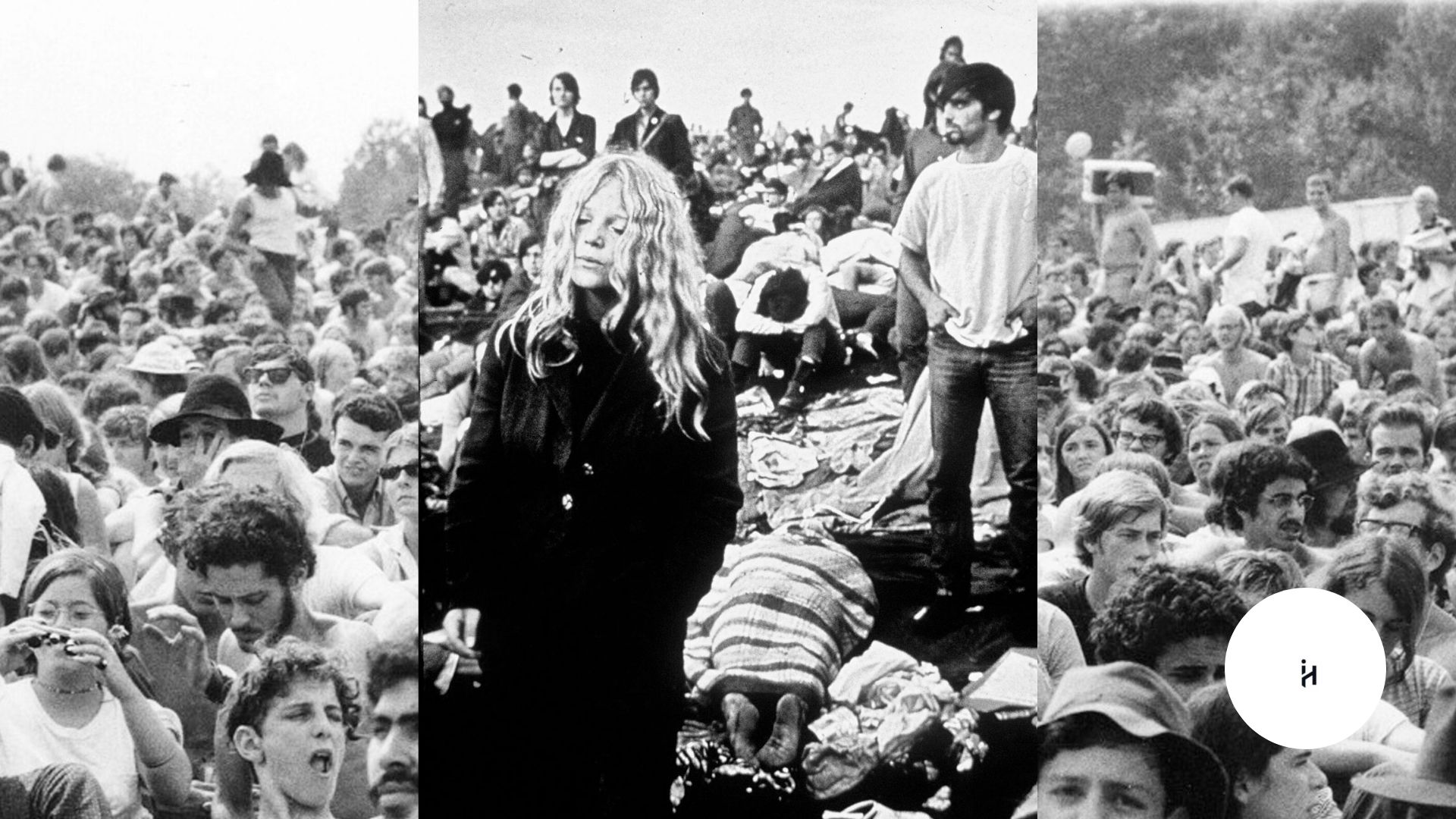
The Woodstock organizers expected around 50,000 attendees. Over 400,000 showed up. Security was sparse, with volunteers from a group called the “Hog Farm” acting as peacekeepers. Medical staff and police presence were severely lacking.

With such a massive crowd and little control, the potential for violence, injury, or even death was high. Some theorists argue that the Woodstock Massacre 1969 was not a single event but rather a series of incidents throughout the weekend that were never officially acknowledged.

The Role of the Media in Hiding the Truth

Media coverage of Woodstock was overwhelmingly positive. Life Magazine, The New York Times, and Rolling Stone painted the event as a utopia of peace. However, critics argue that these media outlets deliberately ignored negative aspects, possibly at the behest of organizers or sponsors.

Stories of the Woodstock Massacre 1969 began appearing in underground newspapers that were dismissed as unreliable. Could the media have helped suppress the real story behind Woodstock?

Missing Persons and Unsolved Cases

Some reports emerged in the years following Woodstock of attendees who never returned home. While many were later found or simply chose not to return to their previous lives, a few cases remain unsolved. Families of missing persons have speculated about foul play, accidental deaths, or even hidden graves.

These unresolved mysteries are often cited by those who believe in the Woodstock Massacre 1969, suggesting a cover-up of unknown fatalities that were swept under the rug.

Was It a Massacre or a Myth?

There is no concrete proof of a mass killing or violent outbreak that justifies the term “massacre.” However, the combination of drug overdoses, medical negligence, missing persons, and poor security leads some to believe that the term Woodstock Massacre 1969 is metaphorical rather than literal.

It may represent the “death” of the idealistic view of the festival, exposing the darker underbelly of the counterculture movement. Still, without hard evidence, it remains a speculative topic.

Conspiracy Theories and Documentaries

Woodstock Massacre 1969

Over the years, documentaries and independent films have explored the Woodstock Massacre 1969 theory. While most are low-budget and lack credible sources, they have reignited interest in the topic.

YouTube channels and online forums continue to debate the truth, often relying on anecdotal evidence. Theories range from government involvement to cult activity. Although most mainstream historians reject these claims, the persistence of the theory shows its cultural grip.

Legacy of the Woodstock Massacre 1969 Myth

Despite the lack of official evidence, the legend of the Woodstock Massacre 1969 has become part of the festival’s broader lore. It serves as a cautionary tale about blind idealism and the importance of transparency.

The myth continues to intrigue researchers, historians, and skeptics. Whether true or not, it reveals the complex layers of an event often romanticized in pop culture. The darker side of Woodstock, real or imagined, reminds us that history is rarely one-sided.

Conclusion: Truth, Fiction, or a Bit of Both?

The Woodstock Festival of 1969 remains a landmark event in American history. However, the persistent whispers about the Woodstock Massacre 1969 remind us to question the narratives we’re given.

Was there truly a hidden chapter filled with tragedy, or is it all a myth born from chaos and confusion? Regardless of the answer, the story deserves attention. It forces us to confront the uncomfortable possibility that behind the peace and music, there may have been pain and silence.

The Legacy of the Black Robe Regiment in US History

0
Black Robe Regiment

Who Were the Black Robe Regiment?

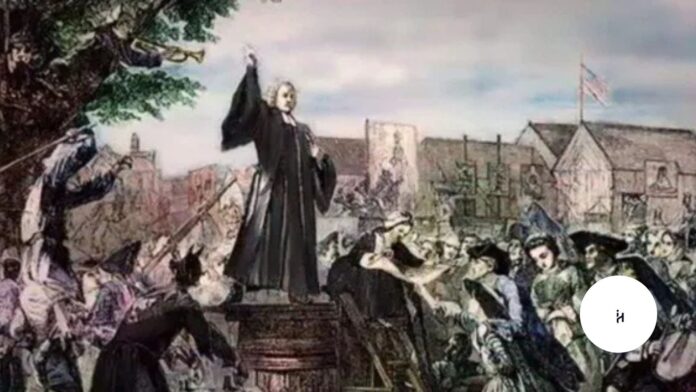
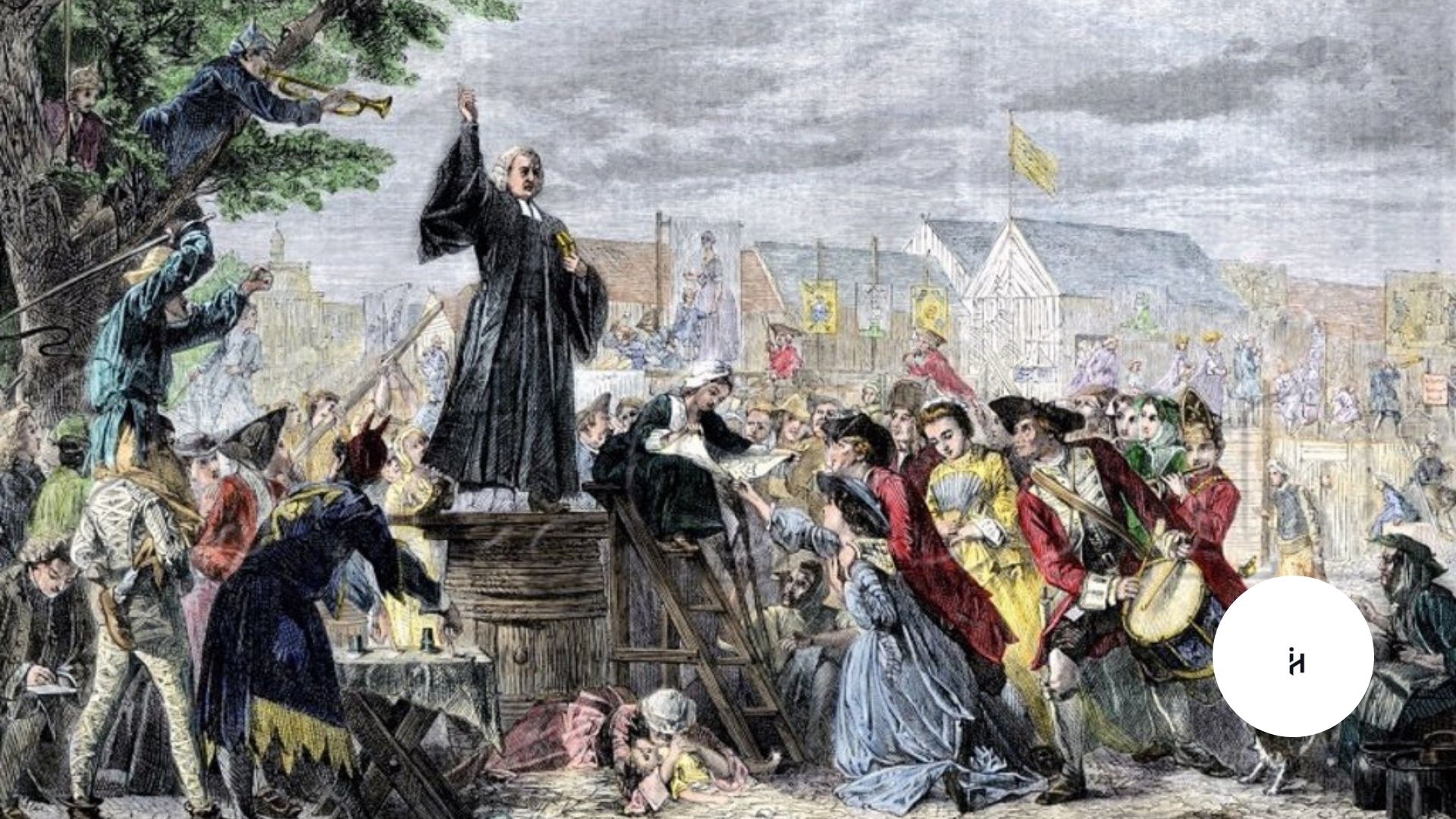
The Black Robe Regiment refers to a group of patriotic clergy during the American Revolution who inspired and led colonists in their fight for independence. This name, coined by British loyalists, referred to the black robes worn by these ministers as their clerical attire. But these robes symbolized more than just faith; they came to represent resistance, courage, and liberty.

Clergy from various denominations, especially Presbyterian, Congregationalist, and Baptist, played a pivotal role in advocating for freedom from British tyranny. Their sermons didn’t just speak of salvation but also civil liberty, individual rights, and moral responsibility. Their pulpits became platforms of political resistance, and many pastors even took up arms and fought alongside their congregants.

Let’s explore in detail how the Black Robe Regiment shaped America’s path to freedom and the enduring legacy they left behind.

Origins and Naming of the Black Robe Regiment

Black Robe Regiment

The term Black Robe Regiment was coined by the British, who observed that American clergy were highly influential in rallying support for revolution. They blamed these ministers for inciting rebellion through fiery sermons and printed messages. The clergy’s black academic-style gowns gave rise to the name.

The Black Robe Regiment was not an official military unit, but a symbolic representation of the religious resistance against British rule. This group emerged during the early 1760s and 1770s, coinciding with growing unrest in the colonies over taxation and oppression. Ministers interpreted these events through the lens of Biblical justice, encouraging parishioners to stand against tyranny.

The name has since become synonymous with religiously motivated patriotism. Their courage helped mobilize moral support for war, and their influence extended beyond the pulpit into the battlefield, the printing press, and political assemblies.

Theological Foundations of Resistance

The Black Robe Regiment was grounded in the belief that civil and religious liberties were gifts from God, not privileges granted by earthly rulers. These ministers saw it as their Christian duty to oppose oppression and uphold righteousness.

Sermons often referenced Scripture to justify rebellion. Verses such as Romans 13, which discusses obedience to authority, were interpreted in light of just versus unjust rulers. The concept of natural rights—a key Enlightenment idea—was also blended into sermons. The message was clear: when the government violates God’s law, resistance is not only permitted, it is required.

This spiritual rationale legitimized the revolution in the eyes of many colonists, making the Black Robe Regiment instrumental in shaping the moral framework of the conflict.

Key Figures in the Black Robe Regiment

Numerous clergymen stood out in this movement. One of the most well-known was Rev. John Witherspoon, a signer of the Declaration of Independence and president of Princeton University. He passionately preached liberty and educated many future leaders.

Another was Rev. Peter Muhlenberg, who famously removed his clerical robe during a sermon to reveal a military uniform underneath, rallying men to join the Continental Army.

Rev. James Caldwell, known as the “Fighting Chaplain,” supplied troops with hymnbooks as makeshift wadding for muskets. These pastors didn’t just talk about sacrifice—they lived it.

The legacy of these men and their role in the Black Robe Regiment remains a testimony to how religious conviction can influence national history.

Influence of Sermons and Religious Writings

The Black Robe Regiment used the pulpit as a powerful tool for revolutionary ideology. Weekly sermons didn’t just preach spiritual truths—they outlined the political stakes of British oppression.

Preachers published pamphlets, sermon collections, and essays. These writings reached a broad audience, helping to unify and educate the colonies. Many of these documents referenced historical examples of faithful resistance, such as the Exodus or Protestant reformers resisting Catholic monarchies.

These writings helped forge a uniquely American identity—one rooted in both Christian morality and political autonomy. They also built a bridge between theological understanding and civic engagement.

Black Robe Regiment

Mobilizing the Militia: Faith and Arms

Some members of the Black Robe Regiment went beyond words. They actively organized militias within their communities. Rev. Muhlenberg is one of many pastors who took up arms. His famous quote, “There is a time to preach and a time to fight—and now is the time to fight,” captured the urgency.

These ministers understood that moral and physical courage were intertwined. They saw no contradiction between faith and armed resistance when the cause was just. Their presence on the battlefield boosted morale and underscored the sacred nature of the cause.

In many communities, ministers were central figures—educators, judges, moral guides—and their call to arms was often the spark that ignited real action.

British Reaction and Suppression Attempts

The British were alarmed by the influence of the Black Robe Regiment. They considered these preachers as dangerous revolutionaries cloaked in religion. British forces often targeted churches, arrested clergy, and burned religious materials.

Some ministers were captured or killed. Others went into hiding or continued preaching in secret. The targeting of churches had a reverse effect—galvanizing further resistance and making the clergy martyrs in the public eye.

The British miscalculated the loyalty these ministers commanded. Their persecution only strengthened the resolve of the colonists and deepened their hatred for the British crown.

The Role of Women in Supporting the Movement

Though the Black Robe Regiment was composed of male ministers, women played vital roles in the movement. Wives of ministers supported their husbands in dangerous missions, hid them from British forces, and kept congregations running during wartime.

Women also hosted gatherings, printed and distributed pamphlets, and provided food and clothing for militias. Some even acted as spies or messengers. Their contribution, though less visible, was essential to the success and survival of the cause.

The ethos of the Black Robe Regiment inspired entire families to commit themselves to liberty.

The Black Robe Regiment and the Declaration of Independence

The ideas preached by the Black Robe Regiment laid the intellectual groundwork for the Declaration of Independence. Phrases such as “all men are created equal” and “endowed by their Creator with certain unalienable Rights” echo the sermons of revolutionary clergy.

Ministers encouraged colonists to see the Declaration not just as a political statement but as a moral imperative. Many pastors read the document aloud from their pulpits and framed it as a God-honoring response to tyranny.

This alignment of religious and political ideals gave the revolution its unique moral authority, one that continues to shape American values.

Black Robe Regiment

Decline and Historical Obscurity Post-Revolution

After the war, the term Black Robe Regiment faded from public discourse. As the nation transitioned to peace, the militant activism of clergy became less prominent. Many ministers returned to purely spiritual matters.

Over time, secular historians often downplayed or ignored the role of the Black Robe Regiment, viewing religious influence as secondary. However, modern scholarship is beginning to re-examine and revalue their contributions.

The erasure of their legacy left a gap in the understanding of how deeply intertwined faith and patriotism were in the Revolutionary era.

Modern Revivals and Political Influence

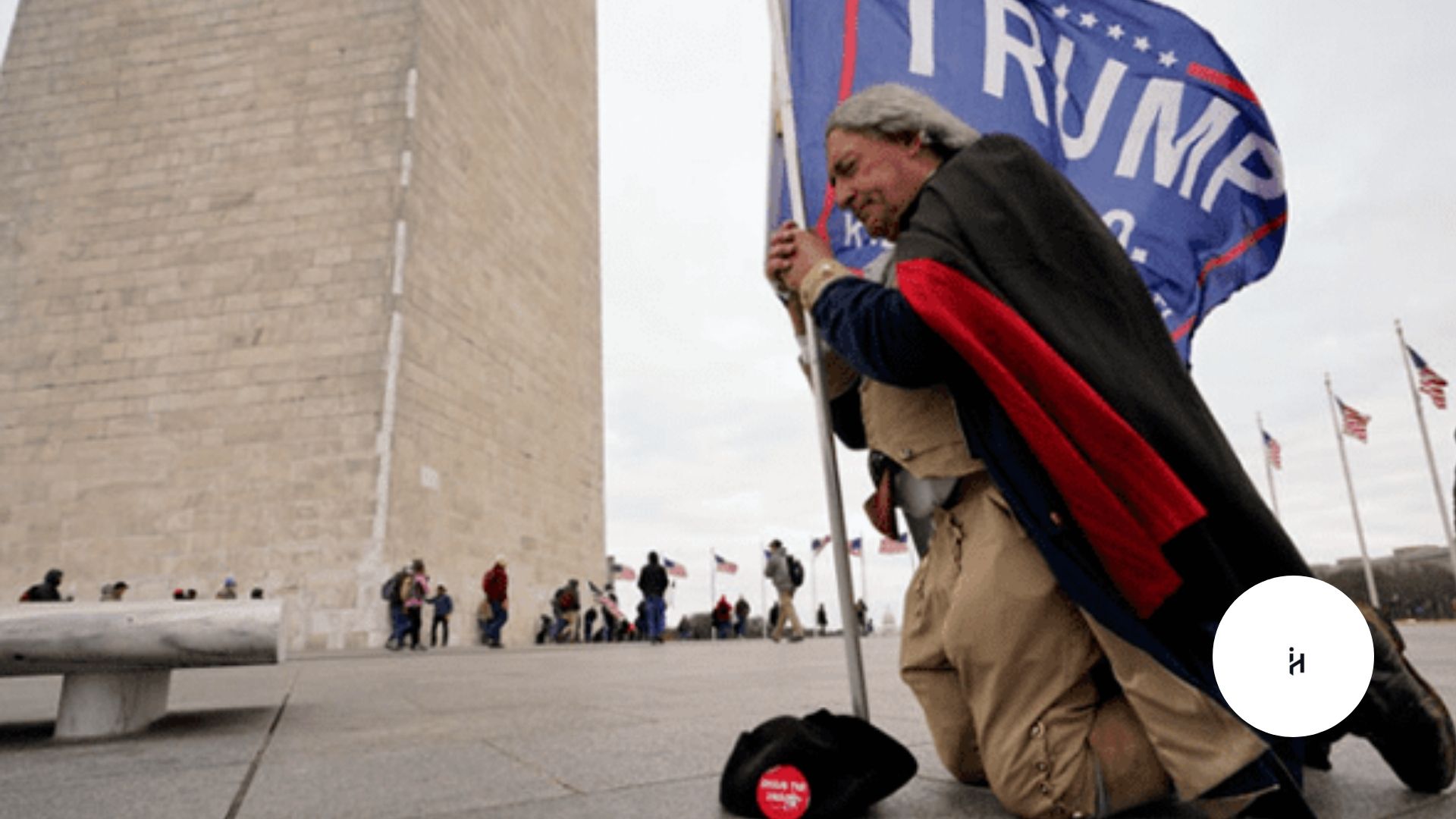
In recent decades, the idea of the Black Robe Regiment has been revived by Christian conservatives and liberty-focused movements. Inspired by the original ministers, modern pastors are once again engaging in political discourse from the pulpit.

They advocate for religious freedom, oppose governmental overreach, and speak on moral issues like life, marriage, and education. Some critics argue that this blurs the line between church and state, while supporters see it as a return to founding principles.

Though controversial, this modern movement reflects the enduring influence of the Black Robe Regiment.

Legacy and Lessons for Today

The Black Robe Regiment reminds us that religious leaders can shape not just hearts, but history. Their moral clarity, courage, and willingness to act left an indelible mark on the United States.

Today, their legacy invites Americans to consider the role of conscience in civic life. Should faith and politics be separate? Can spiritual values help guide policy?

Whether one agrees with their methods or not, the Black Robe Regiment remains a powerful symbol of conviction-driven leadership—a lesson in courage, responsibility, and the power of words to inspire nations.