Home Blog Page 65

Yahweh Meaning – Understanding the Sacred Name of God

0
Yahweh Meaning

The term Yahweh meaning holds profound significance in both religious and linguistic contexts. Rooted in ancient Hebrew scripture, this sacred name for God has echoed through centuries of prayer, scripture, and theological discourse. For many believers, understanding the Yahweh meaning brings them closer to their faith and the divine character of God.

Etymology and Linguistic Roots of Yahweh

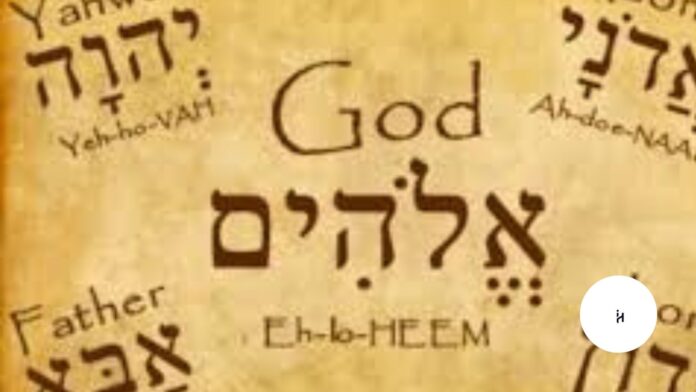
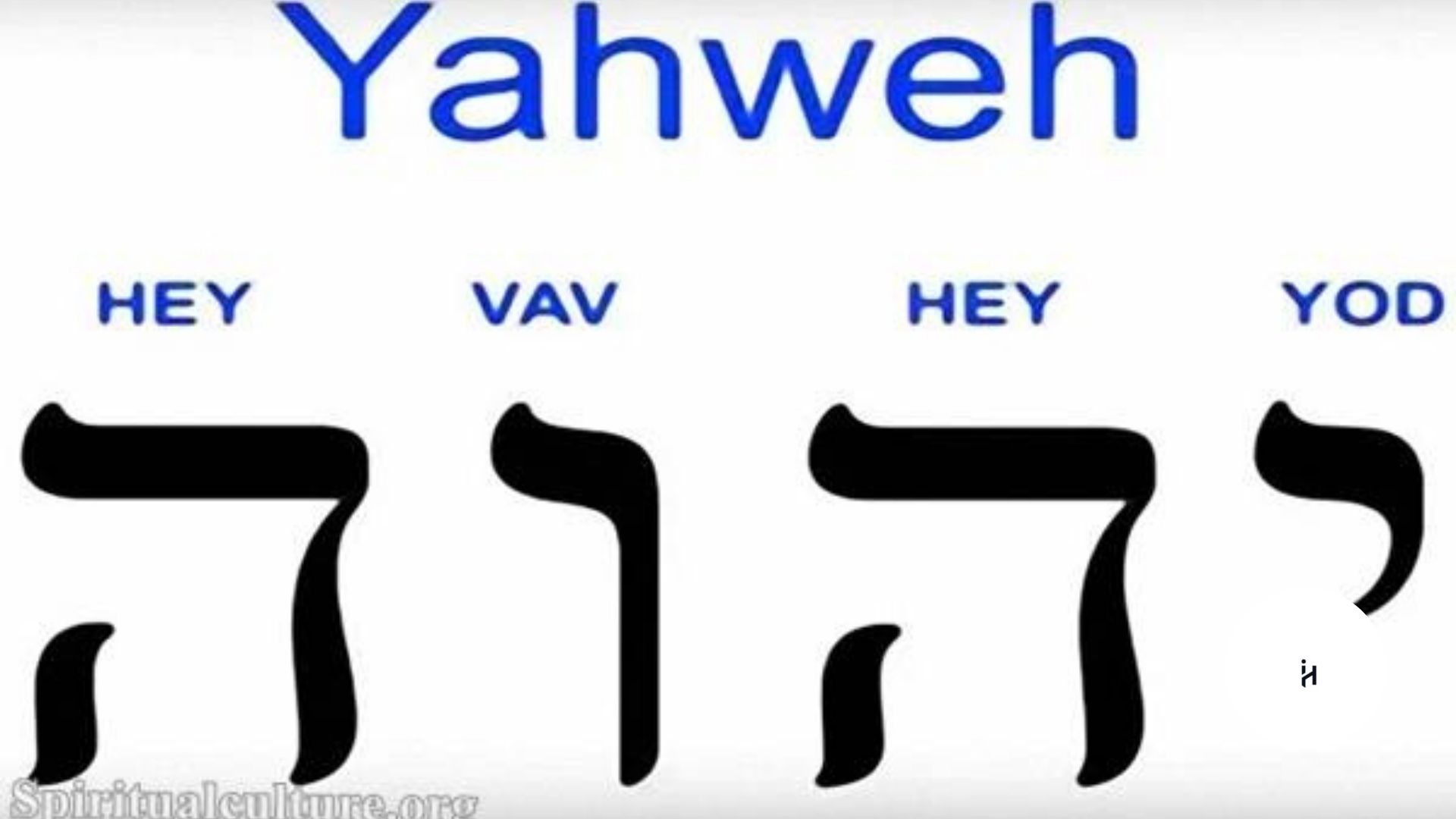
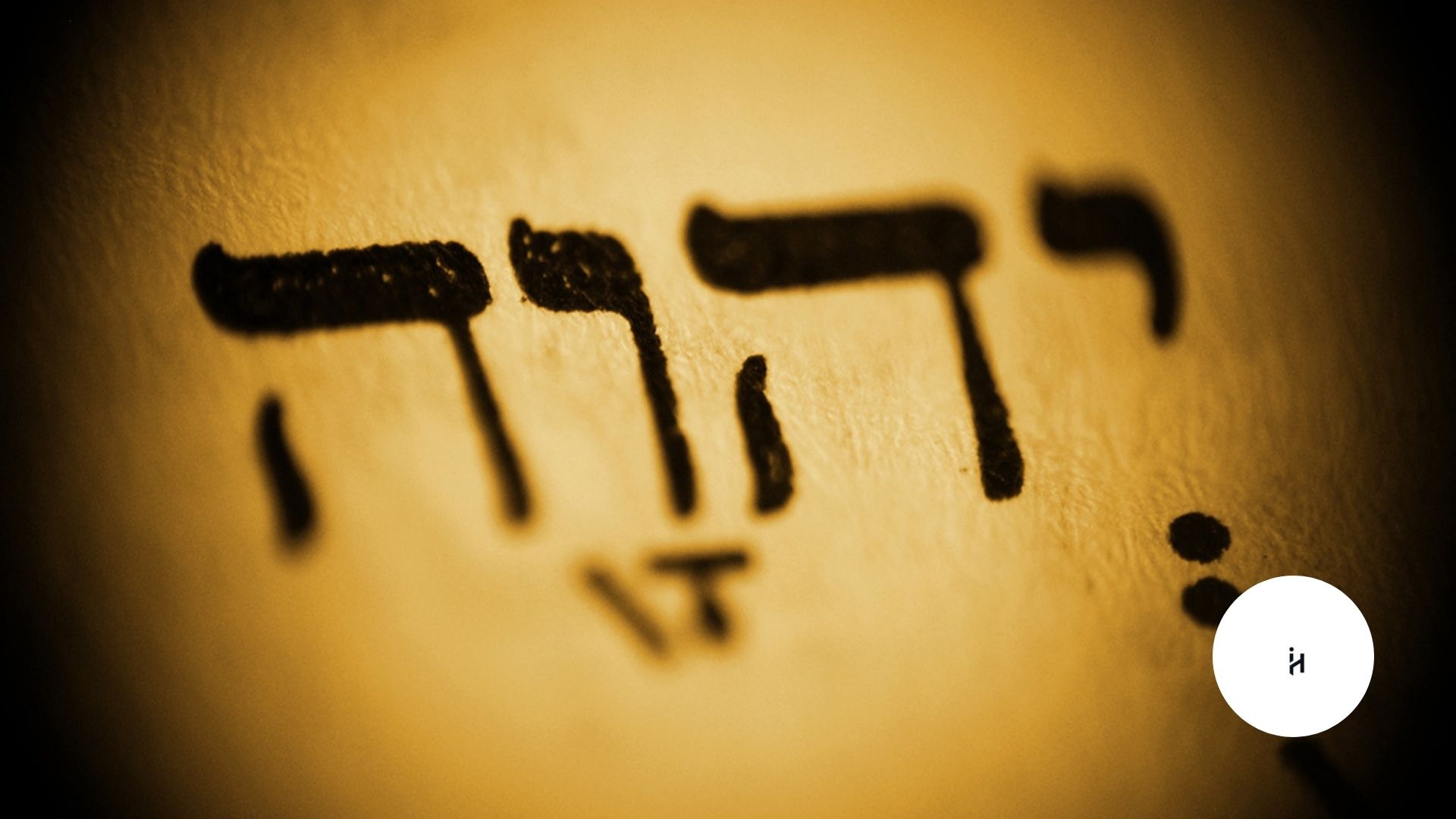
The word Yahweh is derived from the Hebrew tetragrammaton YHWH (יהוה), consisting of four consonants that represent the name of the God of Israel. The precise pronunciation of these letters has been lost over time due to the Jewish tradition of not vocalizing the divine name. Scholars generally agree that “Yahweh” is a likely pronunciation based on ancient linguistic patterns.

The root of YHWH is “hayah”, meaning “to be” or “to exist,” signifying God’s eternal, self-existent nature. This linguistic detail forms the core of the Yahweh meaning – a God who simply is, who exists beyond time, space, and creation.

Yahweh Meaning

Yahweh in the Hebrew Bible

Yahweh appears over 6,800 times in the Hebrew Old Testament, often translated as “LORD” in capital letters in English Bibles. From Genesis to Malachi, Yahweh is portrayed as the personal and covenantal God of Israel. He leads, disciplines, redeems, and blesses His people.

One of the most famous moments where the Yahweh meaning is revealed occurs in Exodus 3:14, when God tells Moses, “I AM WHO I AM.” This statement reflects God’s eternal and unchanging nature, reinforcing the Yahweh meaning as self-existence and sovereignty.

The Significance of the Tetragrammaton (YHWH)

The Tetragrammaton is the four-letter biblical name of the God of Israel. Its holiness is so profound that Jewish tradition forbade its pronunciation, substituting Adonai (Lord) or HaShem (The Name) during readings.

The depth of the Yahweh meaning lies in this tradition. It emphasizes God’s otherness and holiness. The silence around the name added mystery and reverence, signifying that Yahweh is not just a title but the very essence of being and divinity.

Yahweh vs. Other Names of God

While Yahweh is a deeply personal name, other names like Elohim, Adonai, and El Shaddai describe God’s attributes or functions. For instance, Elohim refers to God’s power as Creator, and El Shaddai denotes God as the Almighty.

The Yahweh meaning, however, reflects God’s relational and covenantal nature. It’s the name God used to reveal Himself to Moses and the Israelites, showing that Yahweh seeks a direct relationship with His people, unlike the more general titles used for divine beings.

Theological Implications of Yahweh

Understanding the Yahweh meaning opens the door to deep theological insights. Yahweh is eternal, self-sufficient, and unchanging. These attributes form the foundation of monotheistic theology, particularly in Judaism and Christianity.

Moreover, the use of Yahweh emphasizes that God is personal and knowable, not a distant cosmic force. The name itself is a theological statement: that God exists in Himself and requires nothing to sustain Him.

Yahweh in Jewish Tradition
Yahweh Meaning

In Judaism, the Yahweh meaning carries immense weight. Out of reverence, Jews do not pronounce the name aloud. Instead, they use Adonai during prayers or HaShem in conversation.

Jewish scribes went to great lengths to preserve the Tetragrammaton in scrolls without misusing it. This careful preservation highlights the sacredness of Yahweh and underlines that the name is not just a word—it’s an expression of divine holiness.

Yahweh in Christian Understanding

In Christianity, Yahweh meaning is equally significant. Jesus often referred to God as “Father,” yet New Testament writers recognized the continuity between the God of Israel and the God revealed in Jesus Christ.

Jesus’ declaration in John 8:58, “Before Abraham was, I am,” echoes the Yahweh revelation in Exodus. This bold statement connects Jesus directly with the Yahweh of the Old Testament, shaping Christian theology around the divinity of Christ.

Yahweh and the Concept of Covenant

A key element in the Yahweh meaning is covenant. God revealed Himself as Yahweh when entering into a binding relationship with Israel. This covenant defined Yahweh not just as Creator, but as Redeemer, Lawgiver, and Sustainer.

Throughout scripture, when God’s people obeyed or rebelled, it was Yahweh’s covenant that framed their history. Understanding this aspect of Yahweh helps believers grasp how deeply God desires relationship and faithfulness.

Yahweh in Modern Worship and Songs

In contemporary worship, many songs and prayers now use the name Yahweh to evoke a sense of intimacy and reverence. Artists and worship leaders see value in returning to this ancient and powerful name.

The Yahweh meaning resonates in lyrics that speak of God’s power, faithfulness, and eternal presence. Its use in worship signifies a revival of awe and reverence for the God of Abraham, Isaac, and Jacob.

Yahweh Meaning in Different Bible Translations

Bible translations differ in how they present the name Yahweh. Some use “LORD” in all caps, others retain “Yahweh” in certain verses, while a few (like the World English Bible) use “Yahweh” consistently.

This variation reflects both linguistic choices and theological traditions. The Yahweh meaning, however, remains consistent—whether translated or transliterated—pointing to God’s eternal and unchanging character.
Yahweh Meaning

Why Yahweh Still Matters Today

In a world of changing beliefs and cultural shifts, the Yahweh meaning stands as a timeless truth. For believers, the name Yahweh is a daily reminder of God’s sovereignty, presence, and faithfulness.

Whether you’re praying, studying scripture, or facing life’s challenges, remembering that Yahweh is “I AM” brings peace and perspective. It affirms that the God who revealed Himself to Moses still speaks, leads, and loves His people today.

Jörmungandr – The Midgard Serpent of Norse Mythology

0
Jörmungandr

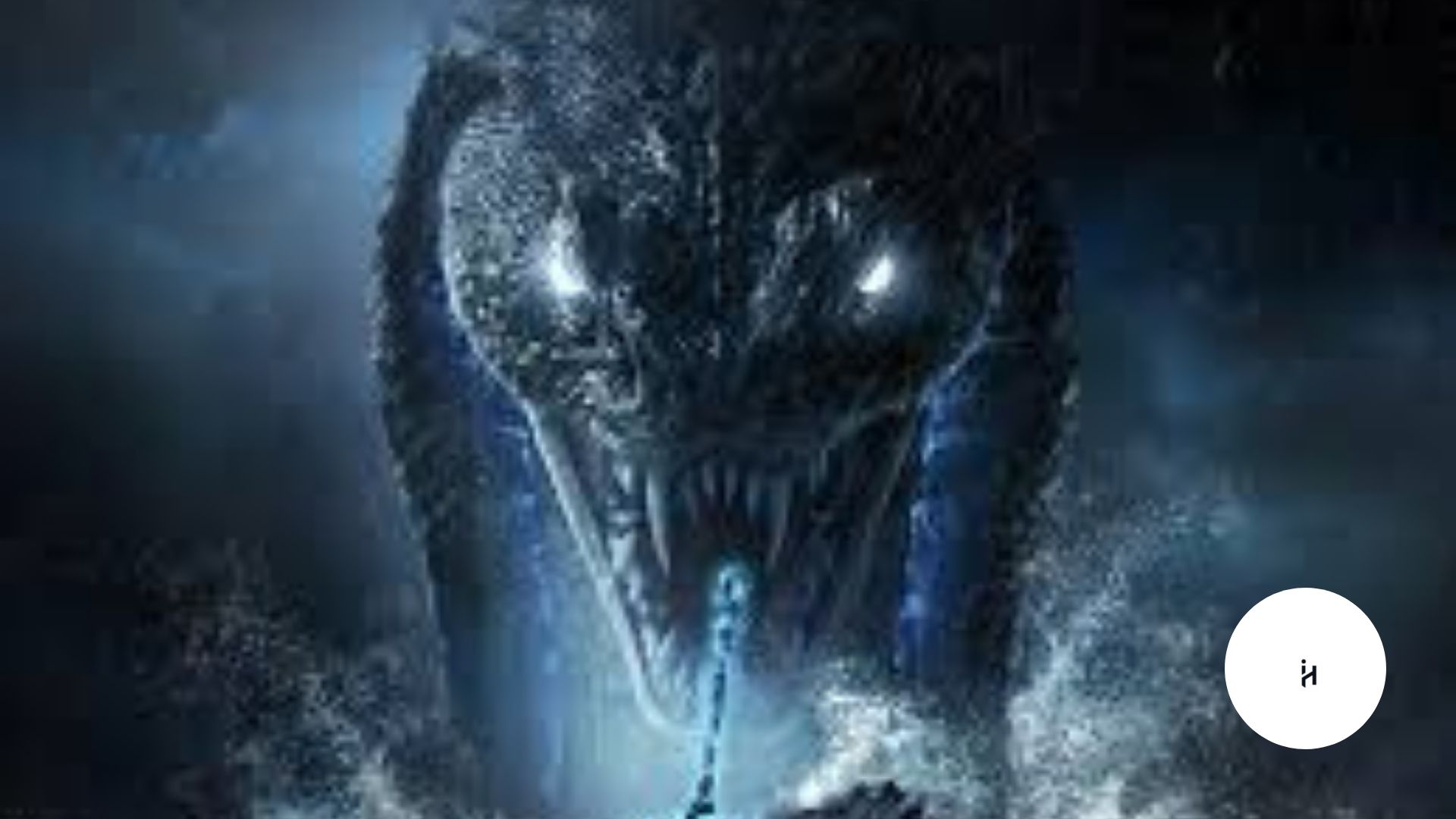
In Norse mythology, few creatures hold as much mystery and power as Jörmungandr, the Midgard Serpent. Often depicted as an enormous sea serpent that encircles the world, Jörmungandr is a figure tied closely to the fate of gods and the end of the cosmos—Ragnarök. This mythical creature is not only a formidable monster but also a symbol of the cyclical nature of time, destiny, and destruction in Norse cosmology.

The keyword Jörmungandr appears throughout this blog to help readers understand its vast significance in mythological literature and culture. From its birth to its eventual destiny during Ragnarök, Jörmungandr’s tale is both terrifying and awe-inspiring.

Origin of Jörmungandr in Norse Mythology

Jörmungandr

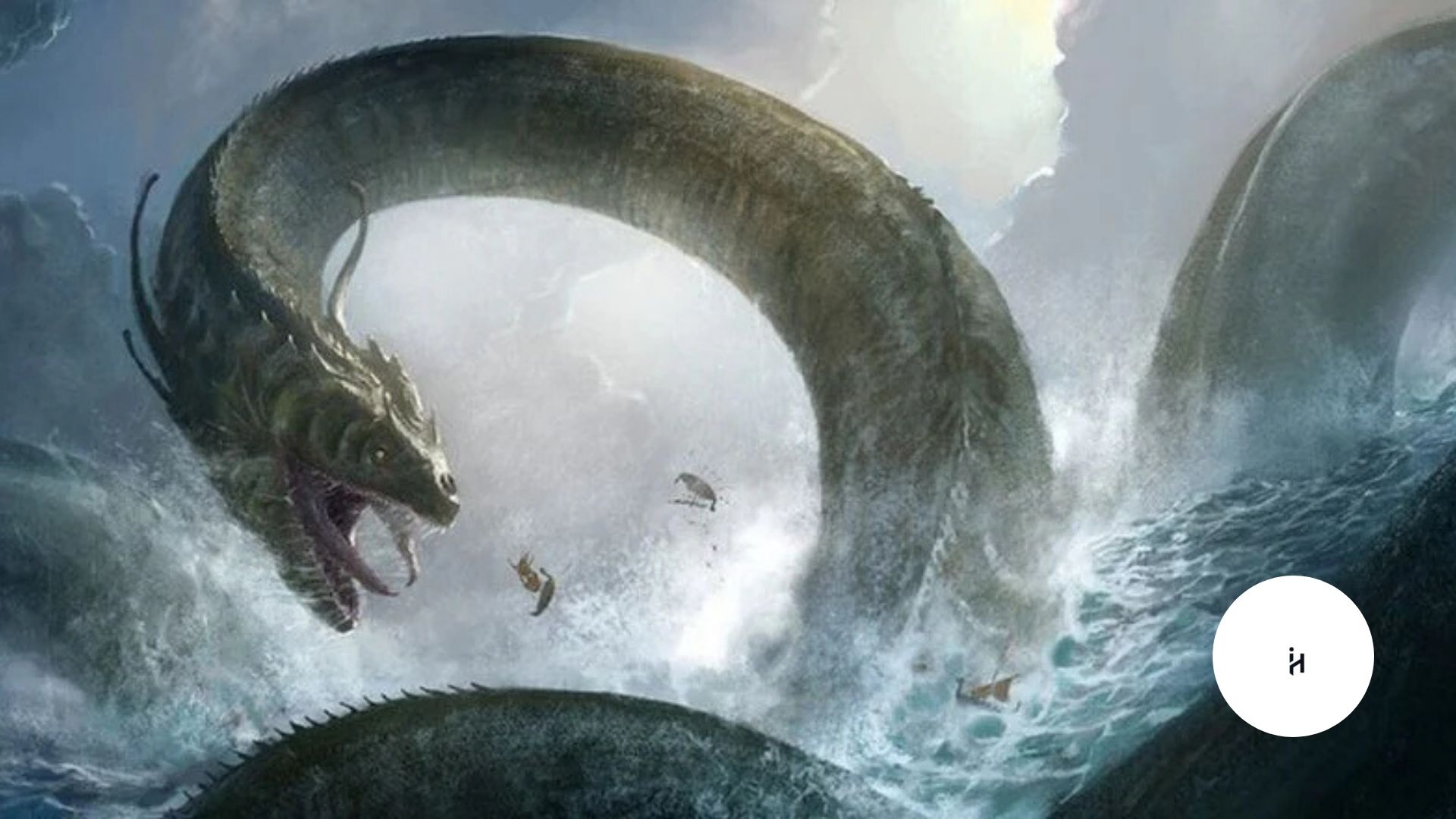
Jörmungandr, also known as the Midgard Serpent, is one of the three monstrous children of the trickster god Loki and the giantess Angrboda. According to Norse mythology, the gods foresaw the destructive power these offspring could possess and decided to deal with them early on. While Hel was sent to rule the realm of the dead, and Fenrir the wolf was chained, Jörmungandr was thrown into the vast ocean that surrounds Midgard (Earth).

Over time, Jörmungandr grew so large that it could encircle the entire world and bite its own tail, creating a perfect ring around Midgard. This image of the serpent swallowing its tail represents infinity and the eternal cycle—a concept present in many ancient cultures.

This origin story establishes Jörmungandr as not merely a beast but a force of nature, destined to influence the events of the cosmos.

Jörmungandr’s Role in Norse Cosmology

In the Norse cosmos, the world is divided into several realms connected by Yggdrasil, the World Tree. Midgard is the realm of humans, and it is surrounded by an impassable ocean. In this ocean lives Jörmungandr, acting as a natural boundary and symbolic guardian.

The presence of Jörmungandr in the ocean is not just literal; it has metaphorical importance. It stands for the uncontrollable forces of nature—deep waters, storms, and the unknown that threatens civilization. Its ever-present form around the world also suggests that chaos is always at the edge of order.

Additionally, the serpent’s tail-in-mouth posture mirrors the Ouroboros, another mythical symbol of self-reflection, wholeness, and cyclicality—highlighting Jörmungandr’s broader symbolic role in Norse cosmology.

Jörmungandr and Thor: The Eternal Rivalry

One of the most famous tales involving Jörmungandr is its rivalry with Thor, the thunder god. Their enmity is depicted in several myths, the most notable being the fishing trip of Thor. In this myth, Thor ventures out to sea with the giant Hymir and uses an ox head as bait. He hooks Jörmungandr, and a colossal struggle ensues.

Just as Thor is about to strike a fatal blow with his hammer Mjölnir, Hymir cuts the line, fearing the end of the world. The serpent disappears back into the depths, and the battle remains unresolved.

This story is not only thrilling but also symbolic. Thor, a god of order and protector of mankind, constantly clashes with Jörmungandr, a creature of chaos. Their rivalry represents the ongoing battle between structure and disorder in Norse thought.

The Symbolism Behind Jörmungandr

Jörmungandr is more than just a mythological beast; it is loaded with symbolism. Its image of a serpent encircling the earth portrays the cyclical nature of existence. Life, death, and rebirth are recurring themes in Norse mythology, and Jörmungandr embodies them perfectly.

The serpent’s connection with the sea also symbolizes the mysterious, often dangerous power of nature. In many cultures, serpents represent knowledge, transformation, and eternity—Jörmungandr encapsulates all of these, acting as a bridge between chaos and the divine.

Its struggle with Thor further enriches its meaning. It’s not just a battle between god and beast, but a cosmic balance between opposing forces—where neither can fully conquer the other until Ragnarök.

Jörmungandr

Jörmungandr in Ragnarök – The End Times

Ragnarök is the Norse apocalypse, a prophecy of doom and renewal. During this great battle, Jörmungandr emerges from the sea, causing massive floods and devastation. Thor faces him once more, and this time, the fight ends in mutual destruction. Thor slays the serpent, but after walking nine steps, he succumbs to the venom released by Jörmungandr.

This event marks the end of both characters and symbolizes the collapse of old powers. The death of Jörmungandr is a turning point in Norse mythology, after which the world is submerged and reborn.

Thus, the serpent’s death is not just tragic but transformative—paving the way for a new cycle of life.

Historical Interpretations of Jörmungandr

Historians and scholars have long studied Jörmungandr for its cultural and spiritual implications. Some view it as a personification of natural disasters like tsunamis or sea storms, while others see it as a representation of cyclical time.

The image of a serpent biting its tail has appeared in many ancient cultures—from the Greek Ouroboros to Egyptian and Hindu traditions. This suggests that Jörmungandr is part of a wider archetype of world serpents that signify continuity and eternity.

In Viking culture, Jörmungandr may also have served as a symbol of fear and awe toward the ocean, which was both a lifeline and a danger for seafaring Norsemen.

Depictions of Jörmungandr in Norse Art

Jörmungandr has been portrayed in many runestones, carvings, and manuscripts from the Viking Age. One of the most common artistic depictions shows it encircling the earth or facing off against Thor with Mjölnir raised.

In the 13th-century Prose Edda by Snorri Sturluson, Jörmungandr features prominently, helping preserve the serpent’s legend for generations. Artistic depictions emphasize its massive size, serpent body, and sometimes even include details like its poisonous breath or glowing eyes.

These images not only bring Jörmungandr to life but also serve as a testament to the Norse people’s respect and fear for the forces of nature it represents.

Jörmungandr in Modern Culture

Today, Jörmungandr continues to inspire art, literature, and pop culture. From video games like God of War, where it is portrayed as an ancient and wise creature, to Marvel Comics, where it clashes with Thor, the serpent has become an enduring symbol.

The fascination with Jörmungandr reflects modern society’s continued interest in mythological archetypes. Whether as a symbol of environmental chaos, a video game boss, or a tattoo design, the Midgard Serpent lives on in many forms.

Its appearance in popular media shows how timeless these myths are, continuing to resonate with new generations.

Jörmungandr

Comparing Jörmungandr to Other Mythical Serpents

Across cultures, similar serpentine figures emerge. In Hindu mythology, the serpent Vasuki wraps around Mount Mandara. In Greek lore, Python is a massive serpent slain by Apollo. The concept of a world serpent is universal.

Jörmungandr stands out for its direct interaction with gods, its apocalyptic destiny, and its oceanic habitat. While other serpents may guard treasures or represent evil, Jörmungandr is more nuanced—a necessary element in a cosmic balance.

This comparison shows the unique role Jörmungandr plays in myth, both as a destructive force and a symbol of unity and eternity.

The Legacy of Jörmungandr in Norse Myth

The tale of Jörmungandr is not just a myth—it’s a lesson in humility, power, and the inevitability of change. The serpent’s life, from its birth to its climactic death, is deeply tied to the fate of gods and the renewal of the world.

Its presence in Norse legends reinforces the cyclical nature of life and the power of nature over even the gods. Jörmungandr serves as a reminder that no force, divine or mortal, can escape the pull of destiny.

Its legacy continues to inspire, reminding us that mythology is not just about gods and monsters—but about understanding our place in the universe.

Final Thoughts: What Jörmungandr Teaches Us Today

As a mythological figure, Jörmungandr challenges our modern perceptions of good and evil, chaos and order. It is not simply a villain to be defeated, but a force to be understood. Its endless loop around Midgard reflects the cycles we experience in life—struggles, transformations, and eventual rebirth.

The story of Jörmungandr is more relevant than ever. In an age of climate change, social upheaval, and renewal, this ancient serpent reminds us that destruction can lead to regeneration, and chaos can birth clarity.

Understanding Jörmungandr offers timeless insights that stretch far beyond Norse mythology—into the very heart of human experience.

Darkly Funny: Dive Into Top Poison Puns

0
Poison Puns

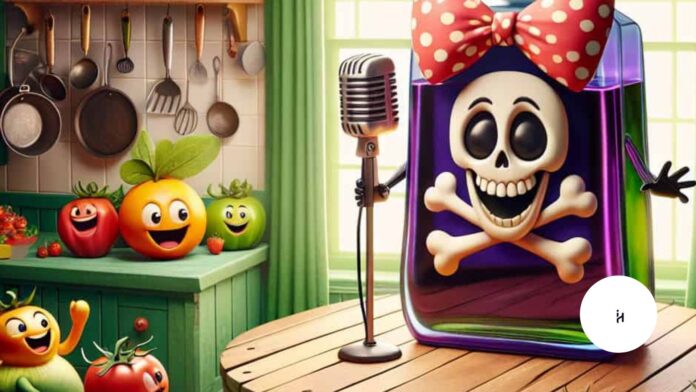
Humor comes in many flavors, but when it has a dark twist, it becomes unforgettable. That’s where poison puns come into play. These cleverly crafted puns walk the line between humor and horror, offering wordplay that’s both amusing and morbid.

Whether you’re a fan of wicked wit or just enjoy a clever double entendre, poison puns are sure to tickle your funny bone—if not paralyze it. In this blog, we’ll explore the best of this venomous humor with 11 engaging sections. Prepare to laugh… at your own risk.

What Makes Poison Puns So Addictive?

Poison puns aren’t your average jokes. They’re a cocktail of dark humor, creativity, and linguistic brilliance. Much like actual poison, these puns are dangerous in the right doses. They sneak up on you, make you laugh, and then leave you wondering if it was okay to laugh at all. It’s this mix of guilt and glee that makes them addictive.

Poison Puns

From the earliest times, humans have feared poison—but they’ve also joked about it. Shakespeare, for instance, was fond of using poison as a plot twist, and today we use it for punchlines. This contradiction is what makes poison puns so unique.

They challenge societal norms while delivering clever wit. Whether you’re joking about a “toxic relationship” or a “lethal dose of laughter,” poison puns are hard to resist.

In our day-to-day language, we often refer to people or situations as “toxic.” That makes poison puns more relatable and culturally relevant than ever. You’re not just joking—you’re making a statement. No wonder they stick.

The Psychology Behind Dark Humor

Why do we laugh at something as grim as poison? It all comes down to the psychology of dark humor. Humans use humor as a coping mechanism, and poison puns are no exception. Laughing at something sinister like poison helps us process fear, stress, and mortality. It’s our way of confronting danger with defiance.

Researchers have found that people who enjoy dark humor tend to score higher in intelligence and emotional resilience. They’re better at separating fantasy from reality and are more comfortable with taboo topics. Poison puns appeal to that crowd perfectly. They offer mental stimulation and emotional release.

Humor, when it’s dark, becomes a safe space to explore themes we usually avoid. Poison, being both literal and metaphorical, becomes the ideal subject. Whether it’s a “deadly sense of humor” or “spilling the toxic tea,” the cleverness in these puns offers both depth and delight.

Classic Examples of Poison Puns

Ready for some actual poison puns? Here are a few classic lines to make you chuckle or cringe:

  • “She had a toxic personality—her hugs were venomous.”

  • “I’m not saying my ex is poison, but the antidote was therapy.”

  • “They served punch at the party… turns out it was just punchline poison.”

These puns work because they blend everyday scenarios with deadly humor. The surprise twist is key. One moment, it sounds normal. The next, it’s lethal—just like actual poison.

Writers, comedians, and meme creators love poison puns because they’re edgy yet clever. You get to bend the rules of language while still making sense. The audience feels smart for catching the reference and amused by its darkness.

Poison Puns in Pop Culture

Poison Puns

Poison puns have snuck their way into movies, songs, and TV shows. Think about DC’s character “Poison Ivy.” Not only is her name a literal toxic plant, but her entire persona is a pun—deadly beauty with a fatal kiss.

In the music world, lyrics like “your love is my drug” or “toxic” by Britney Spears tap into the same theme. These aren’t just metaphors—they’re poison puns wrapped in melody.

Even sitcoms use it. Characters often joke about in-laws or coworkers being “pure poison.” That’s how mainstream and versatile these puns are. They work in horror, romance, and even comedy.

Audiences love dark humor when it’s done right. Poison puns let creators take a morbid idea and give it flavor—whether it’s bitter, sweet, or fatally funny.

Toxic Relationships: Fertile Ground for Puns

Romantic drama has always been ripe for poison puns. People love describing toxic relationships with humor to cope with pain. Jokes like, “She poisoned my heart, then blamed me for the symptoms,” or “Dating him was like drinking slow-acting poison—painful and prolonged,” strike the perfect balance between truth and comedy.

When you’re dealing with emotional fallout, turning that pain into a pun makes it easier to bear. It transforms vulnerability into power. You go from victim to wordsmith.

Social media thrives on this form of humor. Relationship memes are full of poison puns that make light of breakups, betrayal, and emotional manipulation. They help people bond over shared pain—and shared laughter.

Deadly Workplace Puns

Workplace stress is another common theme. And poison puns fit perfectly into the corporate world. “That meeting was so toxic, I needed hazmat gear,” or “My boss’s emails are laced with sarcasm and slow poison,” are just the beginning.

Why do we joke this way? Because the modern workplace can feel draining. Poison puns exaggerate that toxicity into something we can laugh about. They turn passive aggression into art.

From Slack messages to watercooler banter, these jokes offer a release valve. And sometimes, it’s the only antidote to corporate burnout.

Poison Puns in Literature

Authors have used poison as a literary device for centuries, but they’ve also embraced it as a punning opportunity. Agatha Christie, for instance, built entire mysteries around poison. But the clever lines her characters deliver often include poison puns.

Lines like “He died doing what he loved—drinking something suspicious” mix mystery with wit. Even in grim narratives, a dash of dark humor keeps readers engaged. It humanizes characters and adds complexity.

Writers use poison puns to lighten dark plots, create memorable dialogue, or just show off their linguistic skills. It’s a literary tradition that keeps evolving.

The Science of a Good Pun

Poison Puns

Crafting the perfect poison pun involves more than just pairing toxic terms with funny phrases. It’s about timing, context, and cleverness. Wordplay depends on ambiguity—the double meanings that create surprise.

For example, a pun like “Her words were venom, but she claimed it was honesty” relies on the dual meanings of emotional pain and literal poison. That blend creates an “aha” moment, followed by a laugh.

Great puns often have a setup and a twist. The setup feels familiar. The twist poisons your expectations—in a good way. That’s what gives poison puns their deadly charm.

Using Poison Puns in Everyday Speech

You don’t have to be a stand-up comedian to use poison puns. You can inject them into your daily conversations, texts, or even captions. Whether you’re describing a bad day as “mentally venomous” or saying someone’s energy is “pure cyanide,” you’re making mundane language memorable.

These puns work great in light sarcasm or friendly banter. Just remember your audience—some may not appreciate dark humor. But for those who do, you’re guaranteed a laugh or a groan (both are wins).

Practice makes perfect. Start with simple setups and gradually poison your punchlines with style.

Memes and Social Media Poison Puns

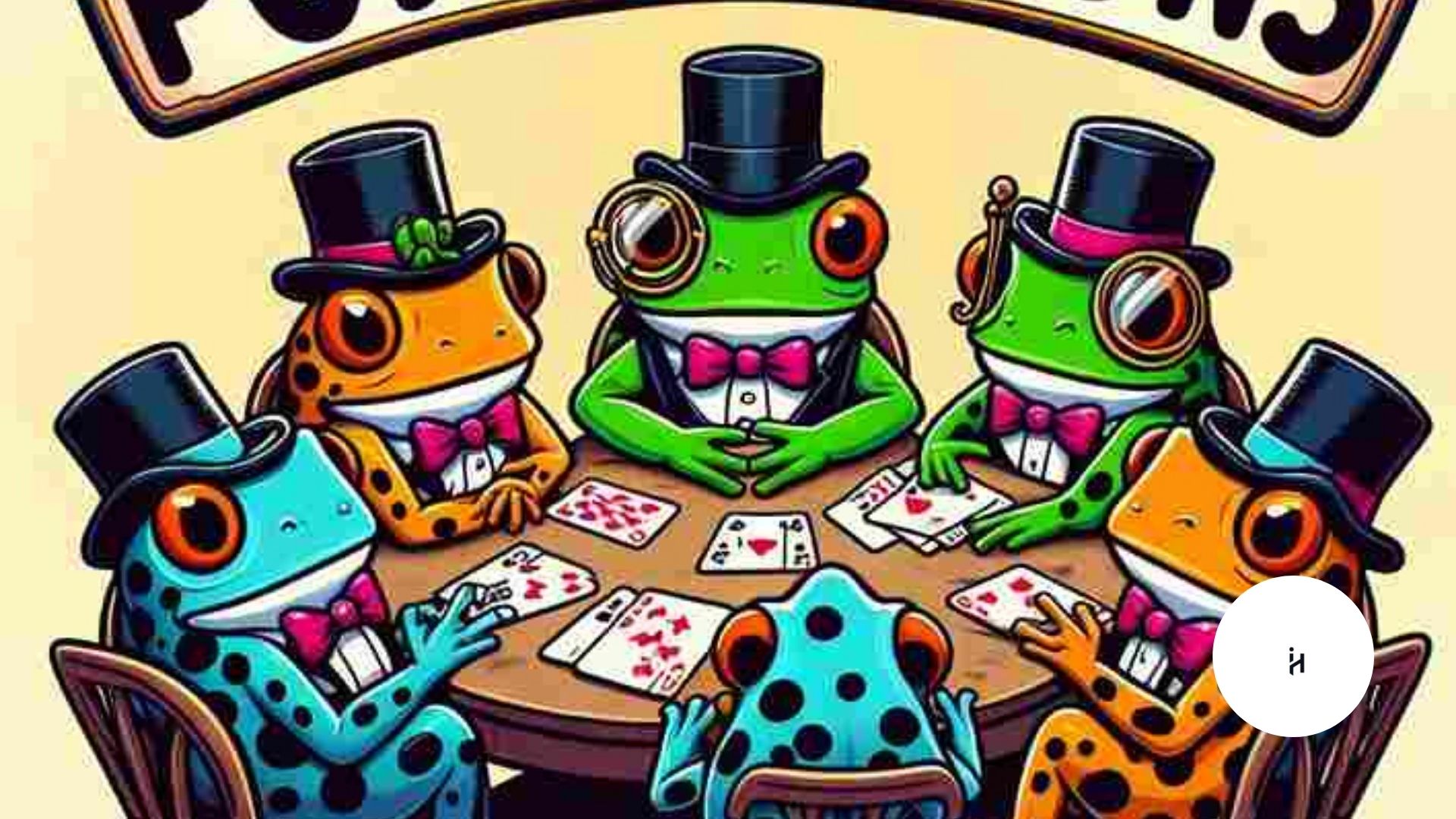
Memes are a breeding ground for clever poison puns. Visual humor combined with sharp wordplay makes these jokes viral. Think of a picture of a frog with the caption: “He’s not just toxic, he secretes it.”

Or a classic “Relationship Status: Taken… by surprise poison.” These lines are quick, deadly, and unforgettable.

Social media thrives on shareable, edgy humor. Poison puns are easy to personalize and turn into posts, comments, or hashtags. They tap into collective experiences like heartbreak, burnout, and betrayal—turning pain into punchlines.

Why We’ll Never Quit Poison Puns

At the end of the day, poison puns aren’t just funny—they’re cultural reflections. They express things we can’t say directly. They soften serious topics. They challenge norms. And they make us laugh in the darkest of times.

In a world that’s increasingly chaotic and overwhelming, poison puns are one of the few things that let us cope with danger using humor. Whether it’s a joke about emotional poison, literal venom, or toxic habits, the pun reminds us that even the deadliest things can be laughed at.

Ray Kroc: The Visionary Behind McDonald’s Empire

0
Ray Kroc

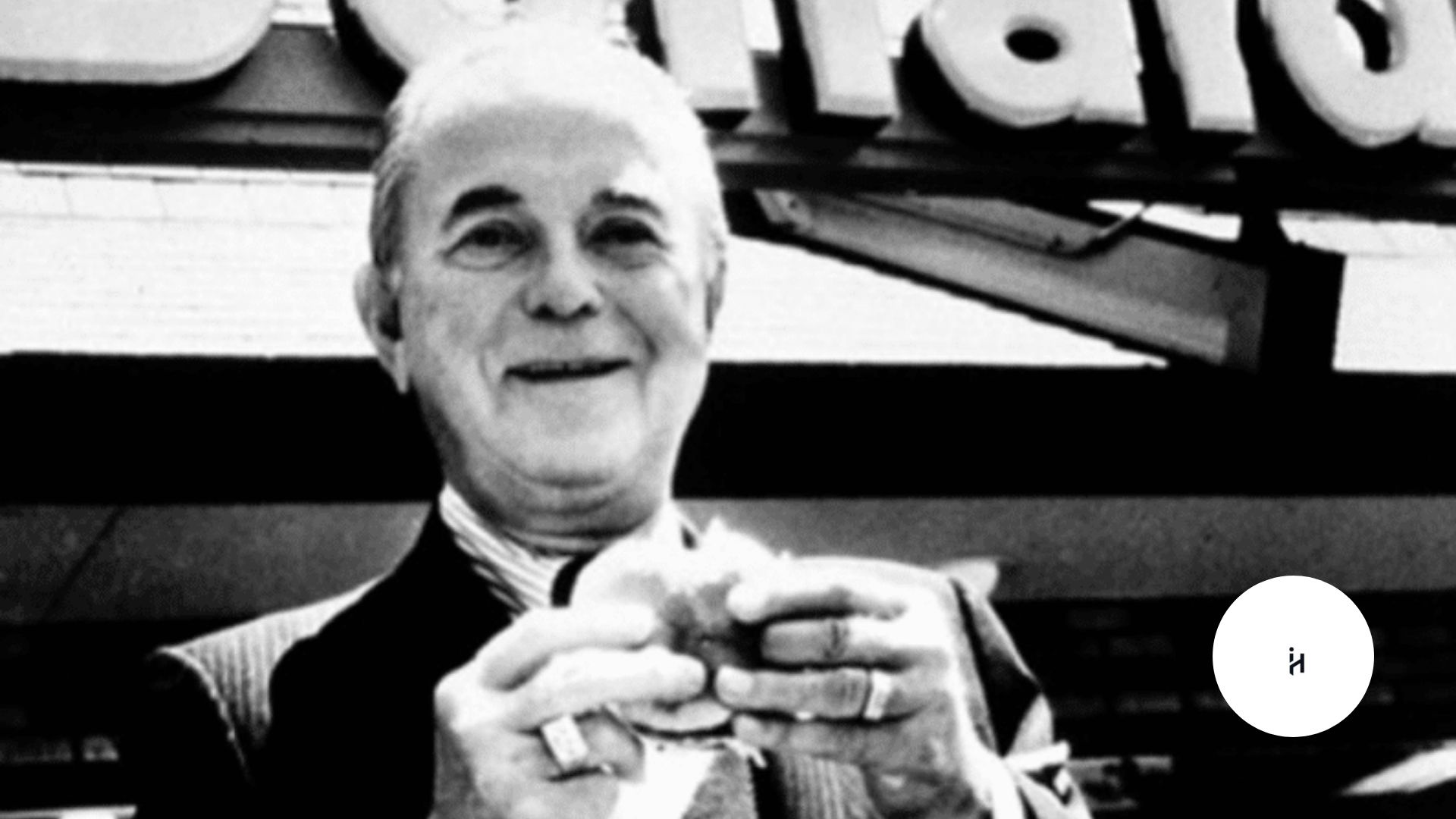
When people think about the golden arches of McDonald’s, they often associate the brand with fast food, affordability, and consistency. But behind this global empire stands Ray Kroc, a man whose vision, resilience, and bold business moves turned a small burger stand into a multi-billion-dollar franchise. In this blog, we dive deep into the life and legacy of Ray Kroc — from humble beginnings to revolutionary success in the fast-food industry.

Early Life and Background of Ray Kroc

Born on October 5, 1902, in Oak Park, Illinois, Ray Kroc was not born into wealth. His parents were of Czech origin and led a modest life. Even as a young boy, Kroc showed an interest in entrepreneurship, often selling lemonade or other items to make extra money. His strong work ethic was evident early on. He dropped out of school during World War I to become a Red Cross ambulance driver by falsifying his age — a decision that reflected his bold personality.

Ray Kroc

Ray Kroc’s youth was filled with various jobs: he worked as a piano player, a paper cup salesman, and eventually found himself in the food service equipment industry. Though he didn’t have a clear path, every experience contributed to the future that awaited him.

It was during his time selling Multimixers — machines that could mix multiple milkshakes at once — that he stumbled upon a unique opportunity in California that would change his life forever.

The keyword “Ray Kroc” became synonymous with innovation, and his early years laid the foundation for his future triumphs.

Ray Kroc’s First Encounter with McDonald’s

In 1954, Ray Kroc was selling Multimixers when he noticed an unusually large order placed by a small hamburger stand in San Bernardino, California. Intrigued, he visited the establishment run by brothers Richard and Maurice McDonald. What he found amazed him: a fast, efficient system of preparing food, which the brothers called the “Speedee Service System.”

Ray Kroc saw a future in this model. Unlike the McDonald brothers, who were content with their single outlet, Ray Kroc envisioned a national — even international — chain. His mind buzzed with possibilities: uniform service, streamlined kitchens, and a menu that could be replicated across the globe. He believed that McDonald’s had the potential to be the future of fast food.

His initial pitch to the brothers was simple yet compelling. He wanted to take the brand and franchise it across the U.S. — and beyond. This marked the beginning of Ray Kroc’s incredible journey with McDonald’s.

The Founding of McDonald’s Corporation

Although the McDonald brothers had invented the original restaurant system, it was Ray Kroc who created the McDonald’s Corporation. In 1955, he opened the first official McDonald’s franchise in Des Plaines, Illinois. This was the first outlet under Ray Kroc’s newly formed McDonald’s System, Inc., which would later become McDonald’s Corporation.

Ray Kroc had big plans. He implemented strict operational guidelines to ensure consistency across all franchises. Every burger, every fry, every milkshake had to taste the same, no matter the location. This dedication to uniformity helped establish McDonald’s as a trustworthy brand.

Ray Kroc also emphasized real estate. He believed that controlling the land where restaurants were built was key to profitability. This strategy not only made McDonald’s more powerful but also turned the company into a real estate empire.

The keyword Ray Kroc reflects innovation and calculated business strategy in this pivotal stage of his career.

Vision and Business Philosophy

Ray Kroc wasn’t just a businessman; he was a visionary. His mantra was simple: “Quality, Service, Cleanliness, and Value.” These four words became the bedrock of McDonald’s success. Ray Kroc believed that a customer should have the same great experience every time they visited McDonald’s — whether in Illinois or in Tokyo.

Ray Kroc also believed in empowering people. He developed training systems like Hamburger University to educate franchisees and staff on delivering the McDonald’s promise. He was obsessed with perfection, often inspecting outlets personally to maintain high standards.

Perhaps one of his most admirable qualities was resilience. Even in the face of criticism, financial hardship, and disagreements with the McDonald brothers, he never lost sight of his goal. For Ray Kroc, mediocrity was not an option.

Ray Kroc

Expanding the McDonald’s Brand Worldwide

The late 1950s and 1960s marked a period of explosive growth for McDonald’s, thanks to Ray Kroc’s aggressive expansion strategies. Within a decade, McDonald’s went from a small American chain to a global symbol of fast food. The company’s expansion began across the United States and soon reached Canada, Europe, and Asia.

Ray Kroc’s franchising model was unique. He ensured that each franchise owner was hands-on in their operation, thereby preserving quality. He also insisted on controlling branding, menu items, and advertising to maintain uniformity across locations.

By the time of Ray Kroc’s retirement, McDonald’s had more than 7,500 outlets worldwide — a staggering accomplishment by any measure. His ability to scale the brand without compromising its core values was a testament to his strategic brilliance.

Relationship with the McDonald Brothers

Though Ray Kroc started his journey with the blessing of the McDonald brothers, their relationship eventually soured. The brothers were more conservative in their business outlook, preferring to maintain a single, successful restaurant rather than risk expansion.

Kroc, on the other hand, wanted to take the brand to unimaginable heights. This difference in vision led to disagreements, and eventually, Kroc bought out the brothers for $2.7 million in 1961. The deal, while fair at the time, would later be viewed as controversial, considering McDonald’s subsequent success.

The McDonald brothers retained the original restaurant but lost the right to use the McDonald’s name. Ray Kroc, ever competitive, later opened a McDonald’s right next to their original store, driving it out of business. This move was criticized by some, but for Ray Kroc, it was simply business.

Ray Kroc’s Role in Shaping Fast Food Culture

Ray Kroc did more than build a company — he revolutionized an entire industry. He brought assembly-line efficiency to food service, standardized customer experiences, and turned dining out into an affordable, everyday activity.

Under Ray Kroc’s leadership, fast food became accessible to everyone, from busy workers to families on a budget. His influence spread beyond McDonald’s as competitors began to mimic his systems and strategies.

The rise of the “fast food nation” can largely be credited to Ray Kroc. His contributions transformed not only how food was served but also how people interacted with brands.

Ray Kroc’s Later Years and Philanthropy

Ray Kroc

After retiring from active business, Ray Kroc turned to philanthropy. He donated millions through the Kroc Foundation to causes like diabetes research, education, and the military. In 1974, he even bought the San Diego Padres baseball team to keep it from leaving the city.

Despite his ruthless business image, Ray Kroc had a compassionate side. He supported medical institutions and contributed to the arts. His third wife, Joan Kroc, carried on his philanthropic legacy, donating billions after his death.

Ray Kroc passed away on January 14, 1984, but his spirit of generosity continued to impact lives around the world.

Legacy and Global Influence

Few entrepreneurs leave a legacy as impactful as Ray Kroc. McDonald’s is now one of the most recognizable brands on the planet. The principles he introduced — consistency, affordability, and scalability — have become industry standards.

His story is a key part of American business history, taught in business schools and management courses. Ray Kroc remains a symbol of how vision and perseverance can create global change.

Even decades after his passing, Ray Kroc’s influence continues to be felt in every McDonald’s meal served.

Portrayal in Media: The Founder Movie

In 2016, the film The Founder brought Ray Kroc’s story to the silver screen. Portrayed by Michael Keaton, the movie delves into Kroc’s complex personality and controversial rise to power. While it dramatizes many events, it effectively highlights the ambitious and often aggressive strategies Kroc used to take over McDonald’s.

The movie rekindled public interest in Ray Kroc, showing both admiration and criticism. It depicted his cunning, his strategic genius, and his difficult decisions — all of which made him a successful yet polarizing figure.

Final Thoughts: Lessons from Ray Kroc

Ray Kroc’s life offers many lessons: think big, work hard, and never settle. His story is not just about burgers and fries; it’s about business acumen, vision, and the courage to take risks.

From a struggling salesman to the mastermind behind a fast-food empire, Ray Kroc is a name that symbolizes modern entrepreneurship. His model of franchising is now used across industries, and his strategies continue to influence CEOs and startups alike.

If there’s one thing we can all learn from Ray Kroc, it’s that determination, paired with vision, can turn even the simplest idea into a worldwide success.