Home Blog Page 64

Spider Rain Mystery: Spiders Falling from the Sky

0
Spider Rain

Introduction to the Strange Phenomenon of Spider Rain

Imagine walking outside and seeing thousands of spiders drifting through the sky like snowflakes. It sounds like a scene from a horror movie, but it’s real.

This bizarre and creepy event is known as Spider Rain, where massive numbers of spiders descend from the sky or are seen floating through the air. It has startled people in places like Brazil, Australia, and even parts of the United States.

The phenomenon of Spider Rain is not just a myth or internet hoax. It’s a documented natural occurrence, and while it may seem terrifying, there’s a scientific explanation behind it. In this blog, we’ll take a deep dive into how Spider Rain happens, where it has been observed, and what it means for the environment and humans.

What Is Spider Rain? A Natural or Supernatural Event?

Spider Rain

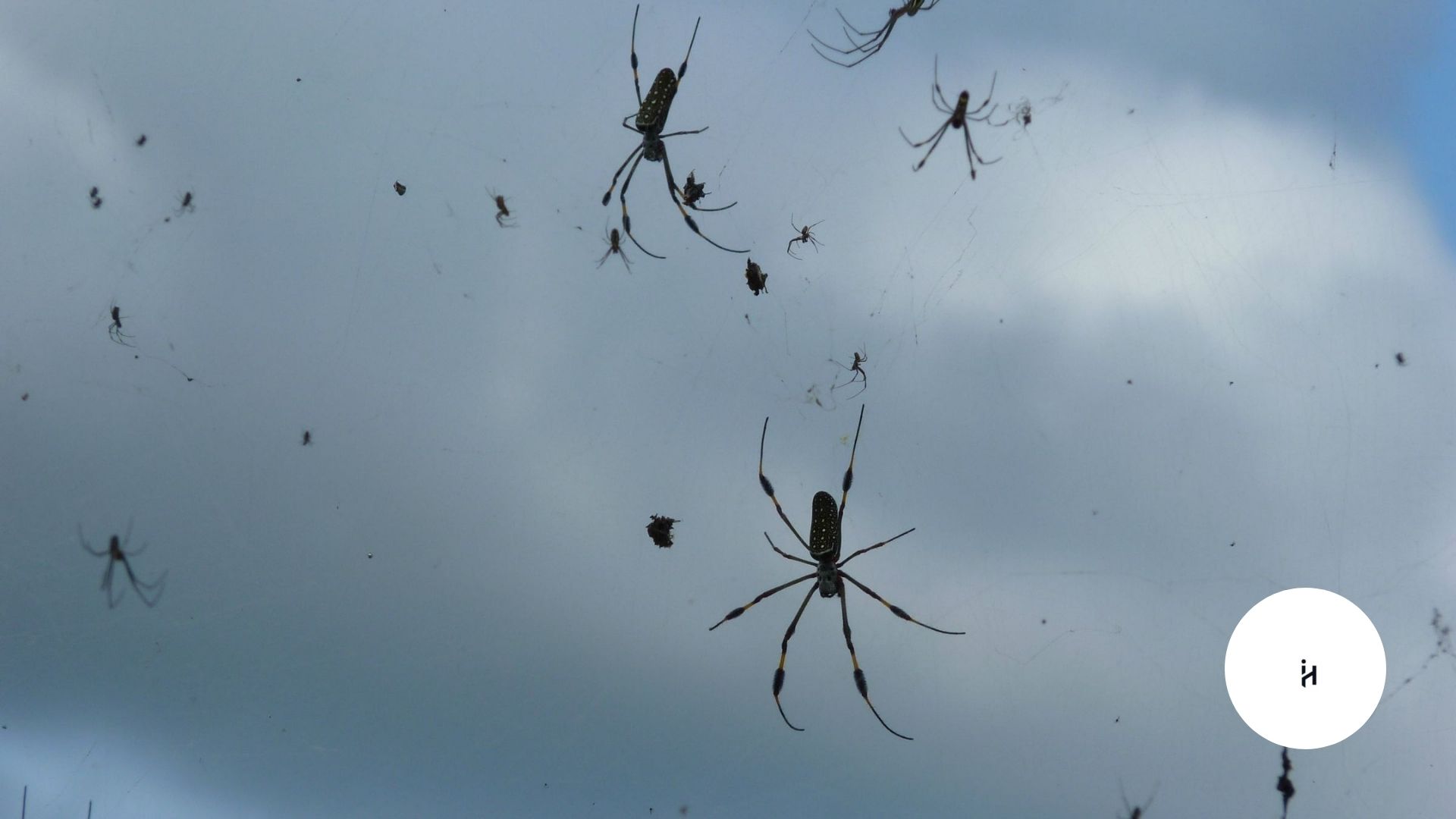
Spider Rain refers to the rare event where large numbers of spiders appear to fall from the sky or cover trees, roads, and fields in dense webs. Often described as a “spider shower,” the phenomenon leaves areas looking like a Halloween set — wrapped in white silk and crawling with tiny eight-legged creatures.

This event is not the result of spiders literally raining down in water droplets. Instead, it is caused by a survival technique called ballooning. Spiders release silk threads into the air, allowing them to catch the wind and travel long distances. During certain weather conditions, especially when it’s warm and windy, thousands of spiders may engage in ballooning at once, creating the illusion of a “rain” of spiders.

The Science Behind Ballooning: How Spiders Take Flight

The most common explanation for Spider Rain lies in ballooning behavior. Small and lightweight spiderlings (and sometimes even adult spiders) use this strategy to move from one location to another, particularly during hatching season or when searching for food.

Here’s how ballooning works:

  1. The spider climbs to an elevated point (like the tip of grass or a fence post).

  2. It lifts its abdomen and releases silk threads into the wind.

  3. Air currents catch the threads and lift the spider off the ground.

  4. The spider then floats through the sky, sometimes for miles.

If thousands of spiders balloon simultaneously, entire regions may appear blanketed by webs — leading people to describe it as Spider Rain. Scientists say this behavior also helps reduce competition for resources by spreading out the population.

Famous Incidents of Spider Rain Around the World

Several cases of Spider Rain have been reported globally, often making headlines and going viral due to their eerie appearance.

1. Goulburn, Australia (2015):

Residents were shocked when black spiders rained from the sky, leaving homes and farms covered in white silk. Locals described it as living in a horror movie.

2. Santo Antônio da Platina, Brazil (2013):

Videos captured thousands of spiders appearing to float in mid-air, clinging to power lines and trees. The footage stunned the internet and brought Spider Rain to global attention.

3. Argentina and Texas:

Similar ballooning events have been reported in these areas, although not as dramatic. Farmers and residents observed dense silk covering the landscape and thousands of tiny spiders roaming freely.

These real-world cases confirm that Spider Rain is not a myth but a remarkable natural occurrence.
Spider Rain

Why Does Spider Rain Happen in Certain Regions?

Spider Rain is more commonly seen in warm, humid regions with open fields and minimal urban interference. The most favorable conditions for ballooning include:

  • High temperatures

  • Low wind speeds with upward drafts

  • Open, treeless landscapes

Regions like Australia, Brazil, and rural parts of the US are perfect habitats for spider species that exhibit ballooning behavior. These spiders are typically from the Linyphiidae family, known for creating massive, shared webs during such events.

Is Spider Rain Dangerous to Humans?

Despite its frightening appearance, Spider Rain is not usually dangerous to humans. The species involved in ballooning events are typically small and harmless. Most are not venomous, and their silk is not sticky like that of orb-weavers.

However, the sight of thousands of spiders can trigger arachnophobia (fear of spiders) in some people. In extreme cases, it can also affect livestock or crop areas by smothering plants, although this is rare.

So while Spider Rain may look scary, it poses minimal threat to human safety.

How the Media and Internet React to Spider Rain

When videos or photos of Spider Rain events surface, they often go viral. Media outlets use sensational headlines like “Spiders Falling from the Sky” or “Spider Apocalypse” to grab attention. Social media users share the content with a mix of horror and fascination.

Unfortunately, this coverage can also spread misinformation, making people believe spiders are raining like water or that it’s a sign of the apocalypse. Scientists often step in to clarify that these are natural ballooning events, not doomsday signs.

Nonetheless, the viral nature of Spider Rain continues to fuel myths and curiosity online.

Cultural Myths and Beliefs About Spider Rain

Throughout history, unusual weather phenomena have inspired myths — and Spider Rain is no exception. In some cultures:

  • Spider Rain is seen as a bad omen or a warning from nature.

  • Others believe it symbolizes change or rebirth, as spiders are often linked to creativity and patience.

In folklore, spiders are considered magical creatures, capable of moving between worlds. Seeing them “descend from the heavens” adds a mystical aura to an otherwise scientific event.

These cultural interpretations often deepen the fear or wonder associated with Spider Rain.

Spider Rain

Can We Predict When Spider Rain Will Happen?

Meteorologists and biologists can’t precisely predict Spider Rain, but they can estimate when ballooning is likely. Key signs include:

  • Warm spring or summer weather

  • Light winds

  • Spider hatching season

  • Web buildup in trees and fields

While not as trackable as a weather system, a combination of environmental cues can alert researchers and locals to the possibility of ballooning events — potentially preventing panic when Spider Rain occurs.

Environmental Impact of Spider Rain Events

Spider Rain can have unexpected positive impacts on the environment. For instance:

  • Natural pest control: Spiders eat harmful insects and keep ecosystems balanced.

  • Biodiversity spread: Ballooning allows spiders to colonize new areas and support ecological health.

While their silk may temporarily blanket the land, it decomposes quickly and poses no environmental hazard. Some farmers even welcome the spiders as natural pest fighters, especially in organic agriculture.

Final Thoughts: Embracing the Wonder of Spider Rain

Though it may send shivers down your spine, Spider Rain is a remarkable display of nature’s complexity. Understanding it helps replace fear with fascination. This phenomenon is not a supernatural curse or apocalyptic warning — it’s simply a brilliant survival strategy by one of nature’s most adaptable creatures.

Next time you hear about Spider Rain, don’t panic. Look closer, learn more, and marvel at the strange and beautiful ways life moves through our world.
Masters of the Air: WWII Drama Brought to Life

0
Masters of the Air

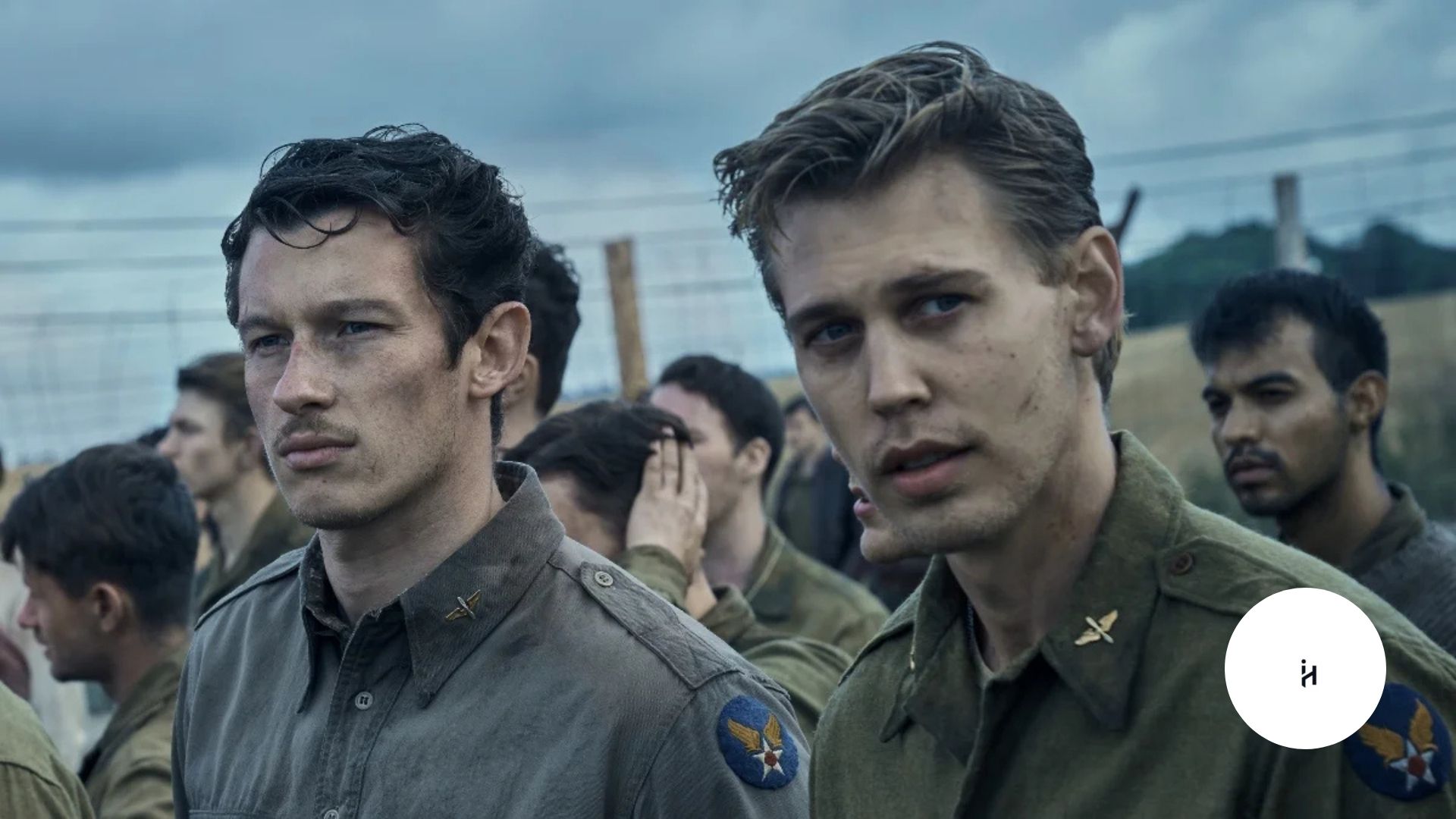
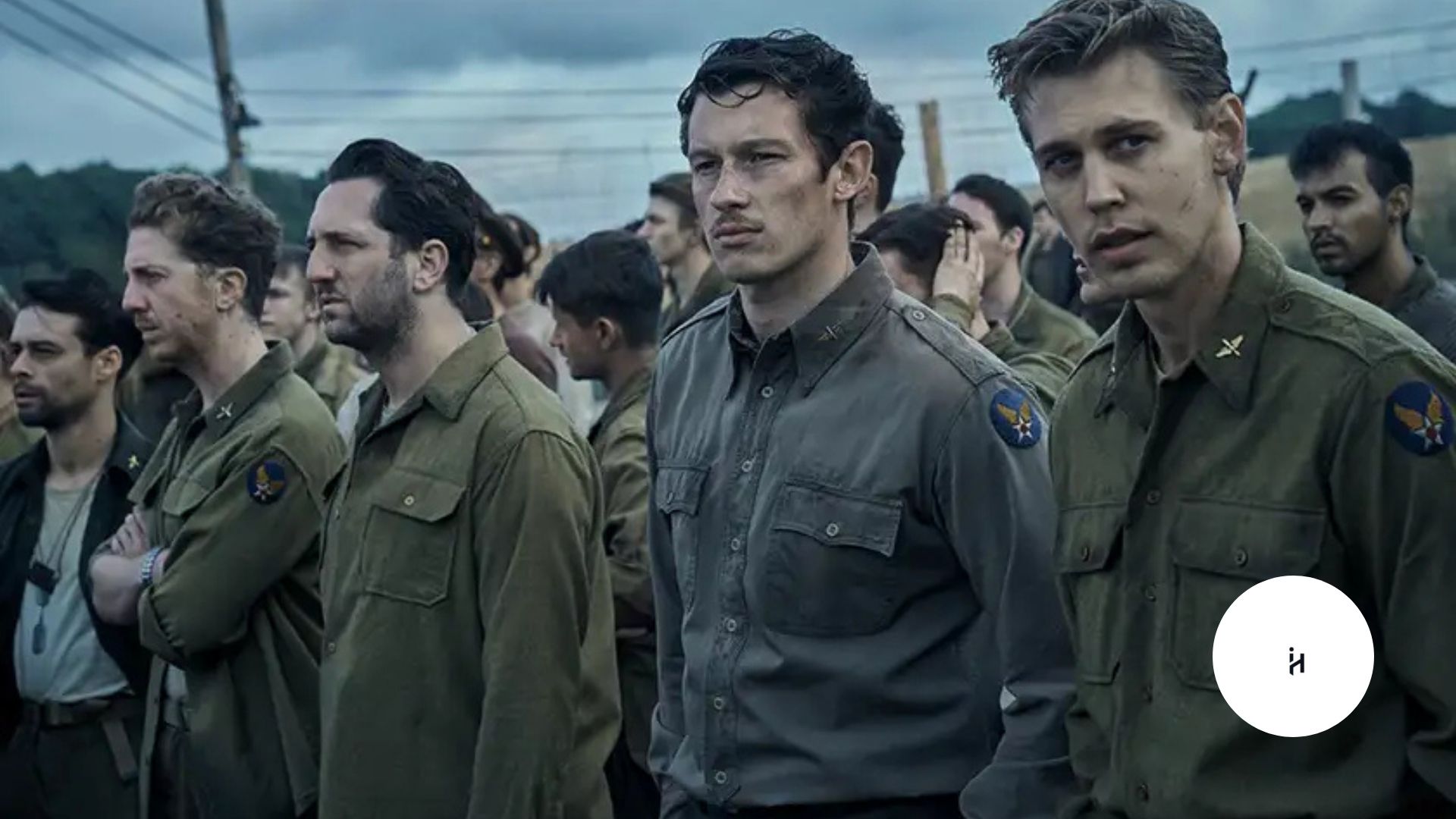
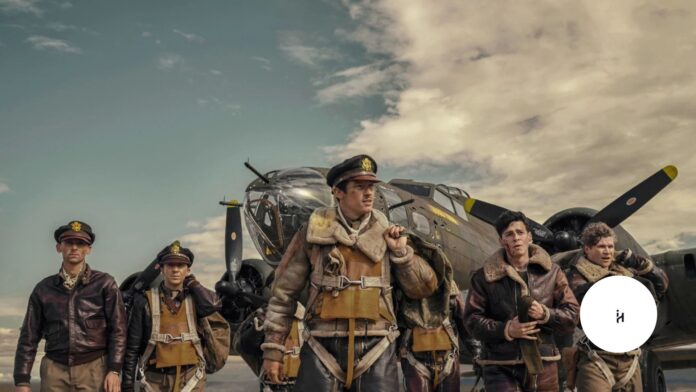
Masters of the Air” is an American war drama miniseries that captures the heroic and harrowing experiences of the Eighth Air Force during World War II. Created by the legendary duo Steven Spielberg and Tom Hanks, the series is based on the 2007 book by historian Donald L. Miller.

Following the success of “Band of Brothers” and “The Pacific,” this new Apple TV+ series takes the narrative to the skies, depicting the brutal air campaigns over Nazi Germany.

With stunning visuals, deep character development, and historical accuracy, “Masters of the Air” is not just another war series—it’s a cinematic tribute to courage and sacrifice. This blog provides a complete breakdown, from historical facts to cast and episode details.

The Storyline: What Is Masters of the Air About?

Masters of the Air

“Masters of the Air” focuses on the real-life missions of the 100th Bomb Group, nicknamed the “Bloody Hundredth.” Stationed in England, this group of American aviators flew B-17 Flying Fortress bombers into enemy territory. The storyline delves into both their professional challenges and personal struggles.

The series offers a deep emotional connection with its characters. We see the young men laugh, love, grieve, and fight—not just against the enemy but also the extreme weather, altitude, and emotional toll of continuous loss. The plot unfolds with authentic pacing, giving viewers enough time to connect with the main characters and understand their emotional arc.

The narrative stays true to Donald L. Miller’s book while adding cinematic drama to heighten the stakes. The battles are intense, and the consequences are real. This storyline is not fictional—it’s rooted in the bravery of real men who risked everything.

“Masters of the Air” is more than just a tale of combat; it’s about resilience, leadership, and camaraderie. For those who love historical dramas or are fans of “Band of Brothers,” this series offers an equally compelling, yet uniquely airborne, perspective of World War II.

The Historical Context: WWII and the 100th Bomb Group

The 100th Bomb Group was part of the Eighth Air Force, stationed in Thorpe Abbotts, England. This unit flew strategic bombing missions deep into Nazi-occupied Europe. Their efforts were critical in disrupting German war production and communications.

“Masters of the Air” gives viewers a window into the strategic importance of air warfare. Unlike the ground-based storytelling in “Band of Brothers,” this series elevates the narrative to the skies, focusing on the dangers of high-altitude bombing missions. Planes faced flak explosions, enemy fighter planes, freezing temperatures, and oxygen deprivation—all depicted with painstaking detail in the show.

The 100th Bomb Group earned their nickname due to the heavy losses they suffered. They were involved in some of the deadliest missions of the air war, including bombing raids over Berlin and Schweinfurt.

The series helps educate viewers about lesser-known aspects of WWII. For instance, it explores the transition from American neutrality to full involvement in the European theater, and the strategic bombing doctrine that came with it. In portraying these historical realities, “Masters of the Air” remains both informative and emotionally powerful.

Masters of the Air

Creators and Producers: Spielberg and Hanks at It Again

Steven Spielberg and Tom Hanks are no strangers to war dramas. After collaborating on Saving Private Ryan and Band of Brothers, they’ve returned as executive producers for “Masters of the Air.” Their involvement guarantees authenticity, attention to detail, and high production value.

The duo worked closely with Donald L. Miller, the author of the book, to ensure historical accuracy. With the backing of Apple TV+ and Amblin Television, the production team had both the budget and vision to bring the skies of WWII to life.

Spielberg and Hanks were deliberate in not repeating past formulas. While “Band of Brothers” was grounded and brotherly, and “The Pacific” was brutal and disorienting, “Masters of the Air” is emotionally elevated, cinematic, and intimate despite its aerial scope.

The producers brought in a skilled writing team, headed by screenwriter John Orloff, to adapt Miller’s work. They also focused on getting the flight scenes right—everything from cockpit dialogue to flak explosions was carefully choreographed using CGI and real flight footage.

The result is a production that feels both epic and personal. The Spielberg-Hanks partnership once again delivers a masterpiece of war storytelling.

Main Cast and Character Breakdown


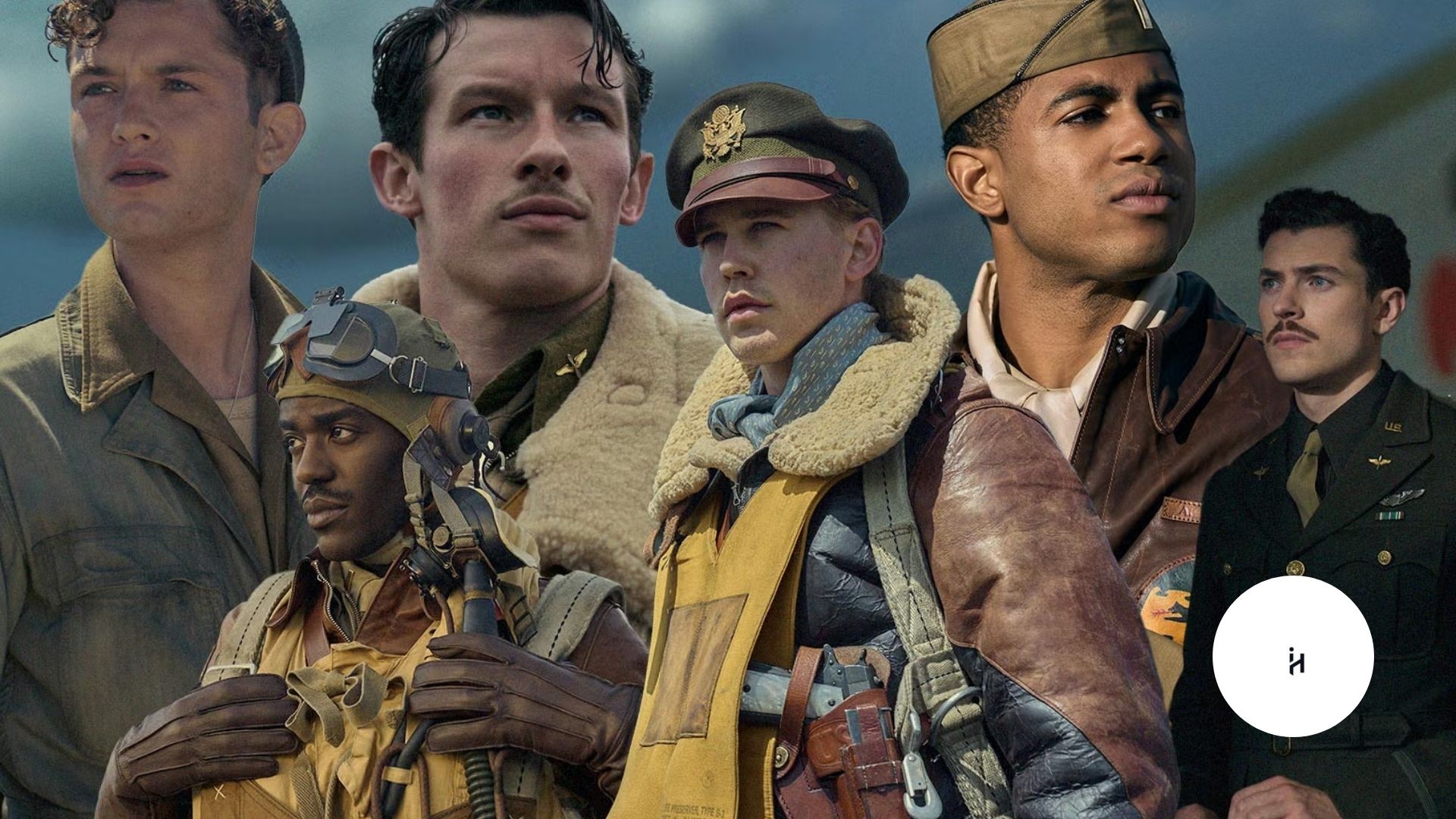
“Masters of the Air” boasts a stellar cast of emerging and established actors. Austin Butler (from Elvis) plays Major Gale “Buck” Cleven, while Callum Turner (from Fantastic Beasts) portrays Major John “Bucky” Egan. Their chemistry drives much of the show’s emotional core.

The cast also includes:

  • Anthony Boyle as Lt. Harry Crosby, the navigator.

  • Barry Keoghan, known for his haunting roles, brings depth to one of the supporting characters.

  • Rafferty Law, Sawyer Spielberg, and Nate Mann round out the ensemble.

Each character is based on a real person. This gives the actors added pressure to honor their historical counterparts. The writing ensures that viewers get more than surface-level portrayals—each character has motivations, backstories, and development arcs.

The actors trained in mock cockpits and studied military procedures to perfect their performances. Many scenes were filmed in tight interiors of recreated B-17s, requiring the cast to fully immerse themselves in the cramped and chaotic environment.

Their performances help the audience connect emotionally with the horrors of air combat and the bonds formed among those who survived it.

Masters of the Air

Cinematic Effects and Visual Style

One of the standout features of “Masters of the Air” is its breathtaking cinematography and CGI. The dogfights, flak bursts, and in-cabin shots are visually stunning and emotionally jarring.

Using the latest VFX technology, the production team recreated the feeling of flying in formation at 25,000 feet. The visuals aren’t overdone; instead, they enhance the realism and heighten the tension.

Camera angles are intentionally intimate. Tight shots inside the B-17s convey claustrophobia, while wide aerial shots show the vastness and vulnerability of flying across enemy territory.

The color grading reflects the mood—dull greys and blues dominate flight scenes, giving a cold, unforgiving atmosphere. In contrast, scenes back at base are warmer but tinged with melancholy.

Practical effects were used wherever possible. Replica aircraft, green screen cockpits, and real explosions added to the authenticity.

“Masters of the Air” proves that war dramas can still push the boundaries of filmmaking while staying grounded in historical reality.

Unraveling the World of the Ancient Scythians

0
Scythians

The Scythians were a powerful group of ancient nomadic warriors who once roamed the vast steppes of Central Asia and Eastern Europe. Their legacy, preserved through historical texts, archaeology, and myth, has fascinated scholars and history enthusiasts for centuries.

Known for their horseback skills, unique art, and fearsome battle tactics, the Scythians played a vital role in shaping early Eurasian history. This blog dives deep into their world, exploring their origin, culture, lifestyle, and the lasting impact they left behind.

The Origins of the Scythians

The Scythians emerged around the 9th century BCE in Central Asia, primarily in the region that is today southern Siberia and Kazakhstan. According to ancient Greek historians like Herodotus, they were believed to descend from a mythical union between Hercules and a serpent-woman.

Scythians

Historically, their true origins are rooted in the Indo-Iranian nomadic tribes of the Eurasian steppes. Their migration into what is now Ukraine and southern Russia marked the beginning of their dominance in the region. Archaeological findings from burial mounds, known as “kurgans”, confirm their presence across a wide geographical area.

These early Scythians had a rich oral tradition and relied heavily on mobility, which became the cornerstone of their cultural identity.

Scythian Society and Tribal Structure

Scythian society was not monolithic but consisted of various tribes and clans with shared cultural and linguistic traits. These tribes often formed loose confederations under a chieftain or king. While they had no formal state structure, their society was organized and hierarchical.

Warriors held the highest status, followed by skilled artisans, herders, and women, who surprisingly had significant roles in both domestic and combat affairs. Notably, Scythian women could become warriors themselves, which some believe inspired the Greek legends of the Amazons.

The Scythians maintained balance and order through clan alliances, rituals, and shared customs passed down through generations.

The Nomadic Lifestyle of the Scythians

The Scythians were quintessential nomads, relying on horseback travel and pastoralism for their livelihood. Their mobility allowed them to traverse vast distances, trade widely, and escape threats with ease. They lived in portable tents known as yurts and moved with their livestock according to seasonal needs.

Horses were central to their way of life—not just for travel, but also for war, status, and trade. Their diet was primarily meat and dairy, and they used felt and leather in clothing, making them well-suited to the harsh climate of the steppe. Despite their mobility, they left behind rich archaeological evidence in burial mounds.

Scythian Warfare and Military Tactics

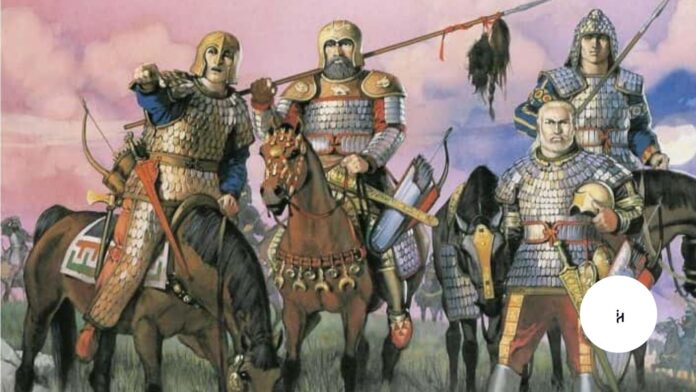
Scythian warriors were feared across the ancient world. Master horsemen and archers, they developed a unique style of mounted warfare. Their signature weapon was the composite bow, which they used with deadly accuracy while riding at full gallop.

They favored hit-and-run tactics, ambushes, and feigned retreats—methods that baffled more structured armies like those of the Persians.

Their armor was typically made from scale-like plates of bronze or iron, and both men and women participated in combat. Herodotus described them as brutal but disciplined warriors. Their fearsome reputation helped deter many invasions and made them sought-after mercenaries in foreign armies.

Scythian Art and Symbolism

The Scythians left behind a rich tradition of art, especially in metalwork. Their decorative style, known as “Scythian Animal Style”, features dynamic depictions of animals—often in combat—symbolizing strength, fertility, and the spiritual world. Gold objects from kurgans include jewelry, weaponry, and ceremonial items that demonstrate remarkable craftsmanship.

The use of motifs such as stags, eagles, and panthers was not only aesthetic but deeply symbolic, often linked to tribal identity or mythological beliefs. Art was not limited to elites; even common items bore ornate designs, showcasing the widespread cultural importance of symbolic expression.

Religion and Spiritual Beliefs

Scythians

Scythian religion was a complex blend of animism, ancestor worship, and polytheism. They revered a pantheon of gods, many of whom were linked to natural forces like fire, sky, and earth. Herodotus noted that they worshipped a deity resembling the Greek Ares, possibly representing war.

Shamans or spiritual leaders played a key role in religious ceremonies, and rituals often involved fire, animal sacrifices, and possibly human offerings. Burial customs were elaborate, with nobles buried alongside servants, horses, and treasures—demonstrating belief in an afterlife. These practices reflect a worldview where the spiritual and material were deeply intertwined.

Trade and Cultural Exchange

Despite being nomadic, the Scythians were deeply involved in trade. They exchanged furs, livestock, and precious metals with Greeks, Persians, and other neighboring civilizations. Greek colonies along the Black Sea, such as Olbia and Chersonesus, became hubs for Scythian commerce. In return, they acquired luxury goods, wine, pottery, and textiles.

These interactions led to cultural exchange—evident in the adoption of foreign artistic styles and writing systems. The Scythians played a critical role in connecting East and West through the steppe routes, early precursors to the Silk Road. This exchange enriched their culture and extended their influence far beyond their immediate territory.

Relationship with the Greeks and Persians

The Scythians had a complicated relationship with both the Greeks and the Persian Empire. While they traded and exchanged ideas with the Greeks, they fiercely resisted Persian expansion. The most notable conflict was Darius I’s failed campaign into Scythian territory around 513 BCE.

The Scythians avoided direct confrontation and used guerrilla tactics to frustrate and exhaust the Persian forces. Greek writers, fascinated by Scythian culture, both admired and mythologized them.

They appeared in Greek literature as both barbarians and noble warriors. These dual perspectives shaped the classical image of the Scythians and secured their place in the ancient imagination.

Scythian Burial Customs and Archaeological Finds

Scythian burial sites, known as kurgans, offer the most detailed insights into their society. These mounds often contain lavish grave goods, including gold, weapons, textiles, and even preserved bodies. The Pazyryk burials in Siberia are particularly famous for their remarkable state of preservation—some bodies were mummified naturally by the permafrost.

Tattoos on mummified remains reveal intricate patterns and deep symbolic meaning. Grave goods varied by social status, indicating a hierarchical society. These archaeological treasures confirm historical accounts and reveal much about Scythian beliefs, craftsmanship, and way of life.

Decline of the Scythians

Scythians

By the 3rd century BCE, the dominance of the Scythians began to wane. A combination of factors contributed to their decline: pressure from other nomadic groups like the Sarmatians, internal tribal fragmentation, and changing trade routes. Their territories were gradually absorbed or overrun by more powerful neighbors.

Some Scythian tribes migrated and assimilated into other cultures, while others maintained semi-independent existence in the Crimea and lower Dnieper region for centuries. However, their cultural influence persisted. Elements of Scythian warfare, art, and nomadic traditions lived on in successor cultures across the Eurasian steppe.

Legacy of the Scythians in Modern Culture

The legacy of the Scythians extends far beyond their era. Their impact on nomadic warfare, metallurgy, and cultural symbolism influenced many later societies. Modern historians and archaeologists continue to study their role in ancient history, uncovering new findings from burial sites across Russia, Ukraine, and Kazakhstan.

The image of the mounted archer—a Scythian innovation—became iconic in Eurasian military history. Additionally, their possible connection to the legendary Amazons continues to captivate popular imagination. Museums around the world showcase Scythian artifacts, keeping their memory alive and reminding us of their role in the human story.

Narcissus: The Myth, Symbol, and Modern Meaning

0
Narcissus

The story of Narcissus is one of the most compelling and enduring myths from ancient Greece. It has inspired poets, painters, psychologists, and philosophers for centuries. The term “Narcissus” has become synonymous with beauty, vanity, and self-obsession.

The legend’s psychological implications are so profound that it eventually gave rise to the term narcissism, a widely discussed concept in both everyday and clinical language.

In this blog, we will explore the full spectrum of Narcissus—from mythological roots to modern psychological interpretations—under 11 clear and deeply explained headings. Whether you are a mythology enthusiast or a psychology student, understanding Narcissus offers insight into human behavior, ancient culture, and the delicate balance between self-love and self-destruction.

Origins of the Narcissus Myth in Greek Mythology

Narcissus

The story of Narcissus originates from Greek mythology and is most notably retold in Ovid’s Metamorphoses. Narcissus was a beautiful young man, the son of the river god Cephissus and the nymph Liriope. He was renowned for his extraordinary physical beauty, which captured the attention of many, yet he rejected all romantic advances.

One of the most significant elements of the myth involves the nymph Echo, who fell in love with Narcissus. However, Narcissus cruelly rejected her. In retaliation, the gods cursed him to fall in love with his own reflection in a pool of water. Enchanted and unable to look away, Narcissus ultimately wasted away and died. From the spot where he perished, a flower—later named the Narcissus flower—grew.

This myth set the stage for the cultural symbolism of Narcissus, which has evolved through literature, art, and psychology.

Symbolism of Narcissus in Literature and Art

The Narcissus myth has served as a deep well of inspiration for artists and writers. It symbolizes vanity, unattainable beauty, and the tragedy of self-obsession. Writers such as Oscar Wilde and painters like Caravaggio have interpreted the myth to express themes of inner emptiness and superficiality.

In visual art, Narcissus is often depicted gazing into the water, consumed by his reflection. The flower named after him symbolizes both beauty and fragility. In poetry, Narcissus represents youth, unrequited love, and the pain of self-infatuation. These interpretations cemented his place in the Western artistic tradition as a cautionary figure.

The Psychological Evolution: From Myth to Diagnosis

The story of Narcissus inspired modern psychology to define narcissism as a personality trait or disorder. In the early 20th century, Sigmund Freud explored narcissism as a component of human development. Later, narcissism was included in the Diagnostic and Statistical Manual of Mental Disorders (DSM).

Narcissistic Personality Disorder (NPD) involves grandiosity, a constant need for admiration, and a lack of empathy. Just as Narcissus was obsessed with his reflection, individuals with NPD may be excessively focused on their self-image and status.

Understanding the transition from a mythological figure to a psychiatric diagnosis shows the enduring relevance of Narcissus in understanding human nature.

Narcissism vs. Healthy Self-Esteem

It is important to differentiate between narcissism and healthy self-esteem. The myth of Narcissus teaches us about the dangers of excess self-love, but self-love in moderation is essential.

Healthy self-esteem involves confidence and self-respect, without needing to dominate or devalue others. Narcissism, on the other hand, is rooted in insecurity and often leads to manipulation and arrogance.

In modern culture, where self-promotion is common, the boundary between self-esteem and narcissism is increasingly blurred. The tale of Narcissus warns us against losing balance and becoming consumed by our own image.

Narcissus Flower: Botanical Facts and Symbolism

Narcissus

The Narcissus flower, commonly known as the daffodil, holds rich symbolic meaning. It is one of the first flowers to bloom in spring and is associated with renewal and rebirth. However, its name ties it directly to the myth and the themes of beauty, fragility, and illusion.

Botanically, the Narcissus belongs to the Amaryllidaceae family and thrives in temperate climates. It is often planted in gardens as a sign of hope and new beginnings. Still, its name serves as a reminder of the story’s darker undertones—warning against superficial beauty and vanity.

Narcissus in Modern Culture and Media

Modern media often references Narcissus in television, film, and literature. Characters who are overly self-absorbed or obsessed with appearance are often described as “narcissistic.” From reality TV personalities to villains in fiction, the archetype of Narcissus is easily recognizable.

In the age of selfies and social media, the myth has taken on new relevance. Platforms like Instagram and TikTok are filled with curated images and personas, echoing Narcissus’ obsession with his reflection. These cultural dynamics make the myth of Narcissus more relevant than ever.

Echo and Narcissus: A Tale of Unrequited Love

The role of Echo in the Narcissus myth is just as important. Echo, cursed by Hera to only repeat the words of others, represents the agony of unreciprocated affection. Her rejection by Narcissus leads her to fade away, leaving behind only her voice.

This subplot adds emotional depth and introduces the concept of unrequited love. It shows that narcissism not only affects the individual but also leaves others emotionally destroyed. The relationship between Echo and Narcissus illustrates the toxic consequences of emotional unavailability and vanity.

Narcissism in Relationships: Red Flags and Recovery

Narcissistic traits often emerge clearly in relationships. Common signs include gaslighting, emotional manipulation, lack of empathy, and an overwhelming need for control. Being in a relationship with someone like Narcissus can result in emotional exhaustion and psychological trauma.

Recovering from such relationships involves rebuilding self-esteem and setting boundaries. Therapy and support groups can help individuals understand the pattern and avoid repeating it. Recognizing the Narcissus archetype in real life is the first step toward healthier connections.

Narcissism and Social Media: A Digital Reflection

Social media has created an environment where narcissistic traits can thrive. Users constantly seek validation through likes, comments, and followers. Curated images and highlight reels promote a distorted self-image, reminiscent of Narcissus staring into the water.

This digital obsession with self-presentation can lead to anxiety, depression, and social comparison. Many researchers argue that platforms are breeding grounds for narcissism. The myth of Narcissus serves as a timeless warning about the dangers of being consumed by one’s reflection—even if that reflection is digital.

Healing the Inner Narcissus: Finding Self-Awareness

Narcissus

Healing from narcissistic traits or experiences involves introspection, empathy-building, and emotional regulation. The myth ends tragically, but in real life, transformation is possible. The key lies in developing self-awareness—seeing oneself clearly without distortion.

Practices like mindfulness, therapy, and journaling can help individuals confront their inner Narcissus. Accepting both strengths and flaws leads to healthier self-perception. The legend teaches us that unchecked self-obsession leads to ruin, but awareness can bring redemption.

Why the Myth of Narcissus Still Matters Today

Even after thousands of years, the myth of Narcissus remains deeply relevant. It provides insight into the human psyche, warns against unchecked ego, and reflects societal dynamics in the age of technology. From ancient poetry to modern psychology, Narcissus continues to shape how we view ourselves and others.

The story is not merely a cautionary tale—it’s a mirror. It asks each of us: Are we truly self-aware, or are we merely admiring a reflection? In an increasingly image-conscious world, the myth of Narcissus challenges us to look deeper and seek authenticity over illusion.