Home Blog Page 62

Mary and George: The Real Story of Power and Seduction

0
Mary and George

The keyword mary and george true story refers to the powerful and controversial relationship between Mary Villiers and her son George Villiers, the 1st Duke of Buckingham. Their names might not echo as loudly as other historical figures, but their influence shaped the English monarchy in the 17th century. This blog will dive deep into the real events behind the headlines and historical whispers—exploring a mother’s ambition and a son’s charm that disrupted a kingdom.

Who Were Mary and George Villiers?

Mary Villiers was a cunning and politically savvy woman from modest nobility who carved her family’s rise to power. George Villiers, her handsome and charismatic son, rose to become the favorite—and likely lover—of King James I. The mary and george true story begins in the English countryside and ends in royal courts, packed with manipulation, seduction, and politics.

Mary understood the power of influence in a male-dominated society and used it to place her son at the center of the English court. George, in turn, charmed his way to power, becoming a duke and the most powerful man in the kingdom after the king. Their bond was more than familial—it was strategic.

Mary and George

The Political Climate of 17th-Century England

Understanding the mary and george true story requires a look at the time they lived in. The early 1600s were politically unstable. King James I, a Scot ruling over England, faced religious and political tension. Court politics were rife with betrayal, hidden agendas, and the constant struggle for royal favor.

Into this volatile environment stepped George Villiers, who would rise above seasoned courtiers thanks to his mother’s guidance and the king’s affection. This was a time when proximity to the monarch meant everything—and the Villiers family knew it.

Mary Villiers: A Mother’s Ambition

Mary Villiers was not a passive mother watching her son rise—she was the mastermind. The mary and george true story shines a light on her exceptional ability to navigate social structures. She taught George court manners, arranged powerful marriages for her daughters, and ensured the Villiers name became synonymous with nobility.

Mary believed in destiny and actively shaped George’s career. She transformed her family from country gentry to one of the most influential dynasties in England. Her story is a testament to maternal ambition turned political strategy.

George Villiers: From Courtier to King’s Favorite

George’s rise was meteoric. With striking good looks, intelligence, and grace, he captured King James I’s attention in 1614. The mary and george true story is filled with speculation about the intimate nature of their relationship—many historians believe the bond went beyond friendship.

George was showered with titles, wealth, and responsibility. By 1617, he was the Earl of Buckingham, and by 1623, a Duke. His closeness to the king angered the nobility and clergy, who saw his power as corrupt and undeserved.

The Controversy Around Their Relationship

Much debate surrounds the mary and george true story due to the rumored sexual relationship between King James I and George. Letters between the two express deep affection, leading some scholars to argue they were lovers.

This speculation added fuel to the fire of George’s unpopularity. In an era when same-sex relationships were taboo, these rumors were dangerous. Nevertheless, they highlight how George’s closeness to the king gave him unprecedented influence.

Mary and George

The Rise to Duke of Buckingham

George Villiers didn’t just remain a court favorite—he became a key political player. His elevation to Duke of Buckingham came with military and diplomatic responsibilities. The mary and george true story features battles, treaties, and court manipulations.

Despite lacking experience, George led military expeditions and negotiated with foreign powers. His failures, particularly in military matters, caused national outrage. Yet, his place beside the king remained secure—thanks in no small part to his mother’s continual networking.

Enemies at Court: Jealousy and Betrayal

George’s power made him many enemies. Nobles resented his rise, and Parliament saw him as a symbol of royal excess. The mary and george true story reflects how favoritism bred hostility, and how George became the most hated man in England by the 1620s.

Assassination plots, smear campaigns, and public protests became part of his daily reality. Mary, ever the strategist, advised her son constantly—but even she couldn’t hold off his growing list of adversaries forever.

The Assassination of George Villiers

In 1628, George Villiers was assassinated by John Felton, a disgruntled former officer. His death shocked the kingdom. The mary and george true story ends in tragedy, with Mary devastated by the loss of her son, and a nation divided over whether to mourn or celebrate his passing.

Mary withdrew from public life, her dreams shattered. Yet, her legacy lived on in the political upheaval George’s death left behind.

The Legacy of Mary and George

The legacy of mary and george true story is one of power, ambition, and caution. Their story has inspired novels, plays, and historical documentaries. George Villiers remains one of the most controversial figures in British history.

Mary’s life is equally remarkable—an unsung architect of power who shaped English politics through her children. Together, they embody the darker side of royal favoritism and the cost of ambition.

Mary and George in Popular Culture

Mary and George

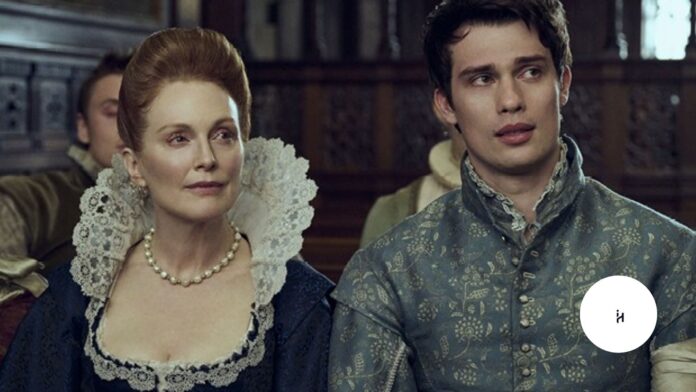
The story has recently resurfaced in popular culture, especially through series and historical dramas. The mary and george true story has captivated modern audiences for its blend of scandal, intrigue, and courtly elegance.

Shows have dramatized their relationship, often highlighting the speculative romance between George and King James. These depictions may exaggerate, but they bring the story to life for new generations.

Final Thoughts: A Cautionary Tale of Ambition

The mary and george true story isn’t just history—it’s a lesson in the cost of power. Their journey shows how ambition can raise a family to the heights of royalty—and how quickly it can all come crashing down.

From a mother’s guidance to a son’s meteoric rise, their tale is both inspiring and tragic. It forces us to consider how personal ambition can shape the course of history—for better or worse.
Six Triple Eight: Black Women’s WWII Legacy

0
Six Triple Eight

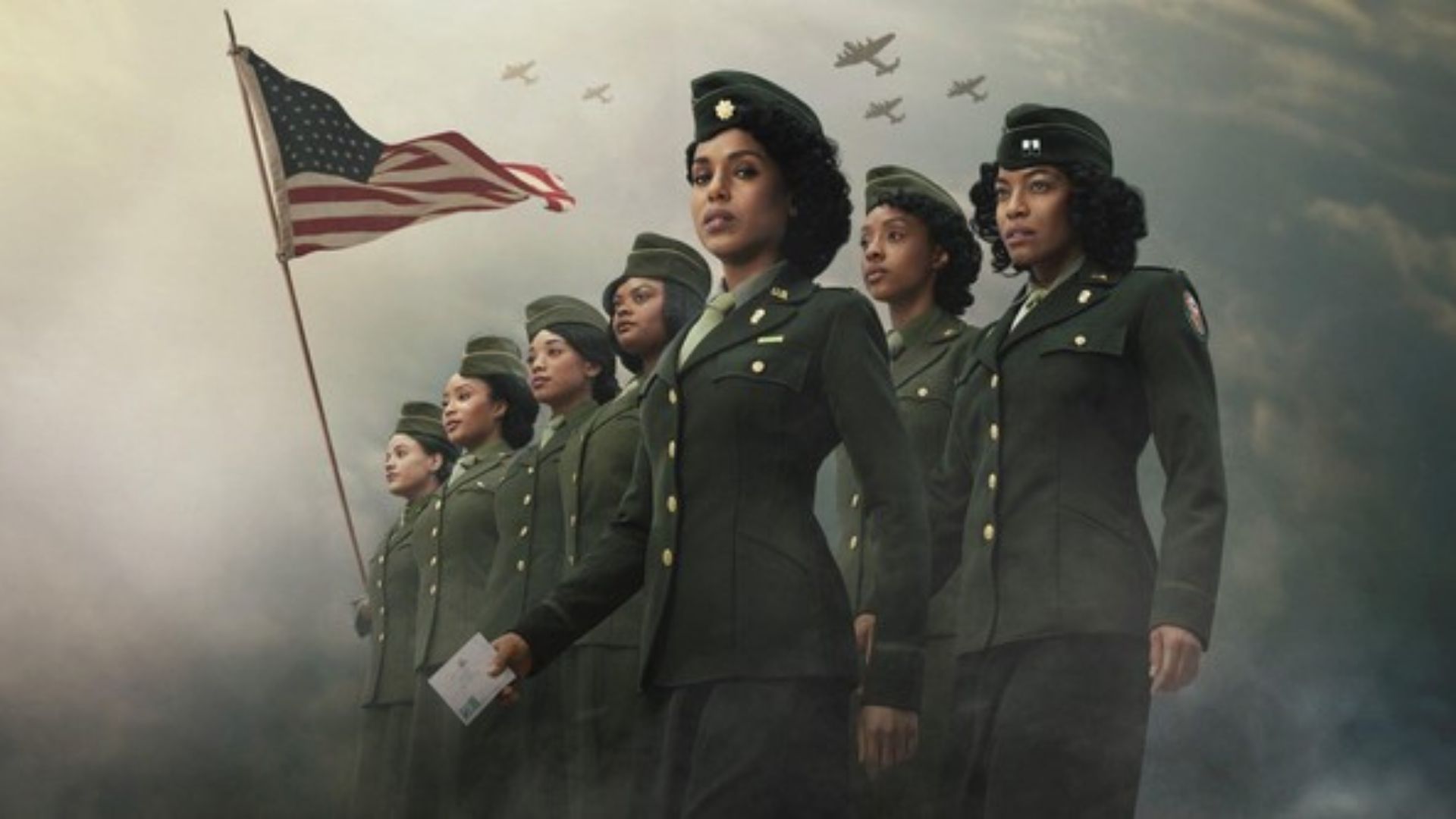
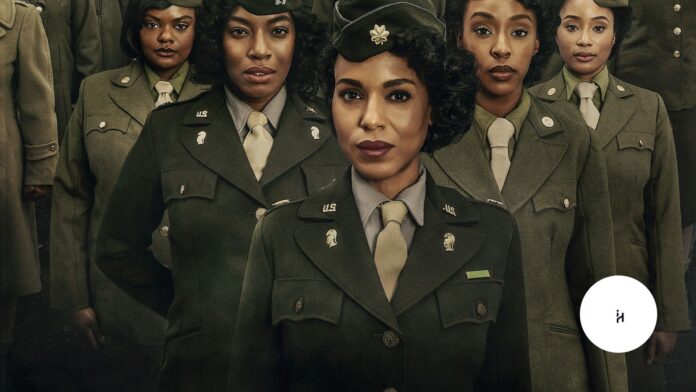
In the vast chronicles of World War II, tales of heroism and sacrifice are abundant. Yet, some stories remain in the shadows—powerful, transformative, and long overdue for recognition. Among these is the story of the Six Triple Eight, officially known as the 6888th Central Postal Directory Battalion.

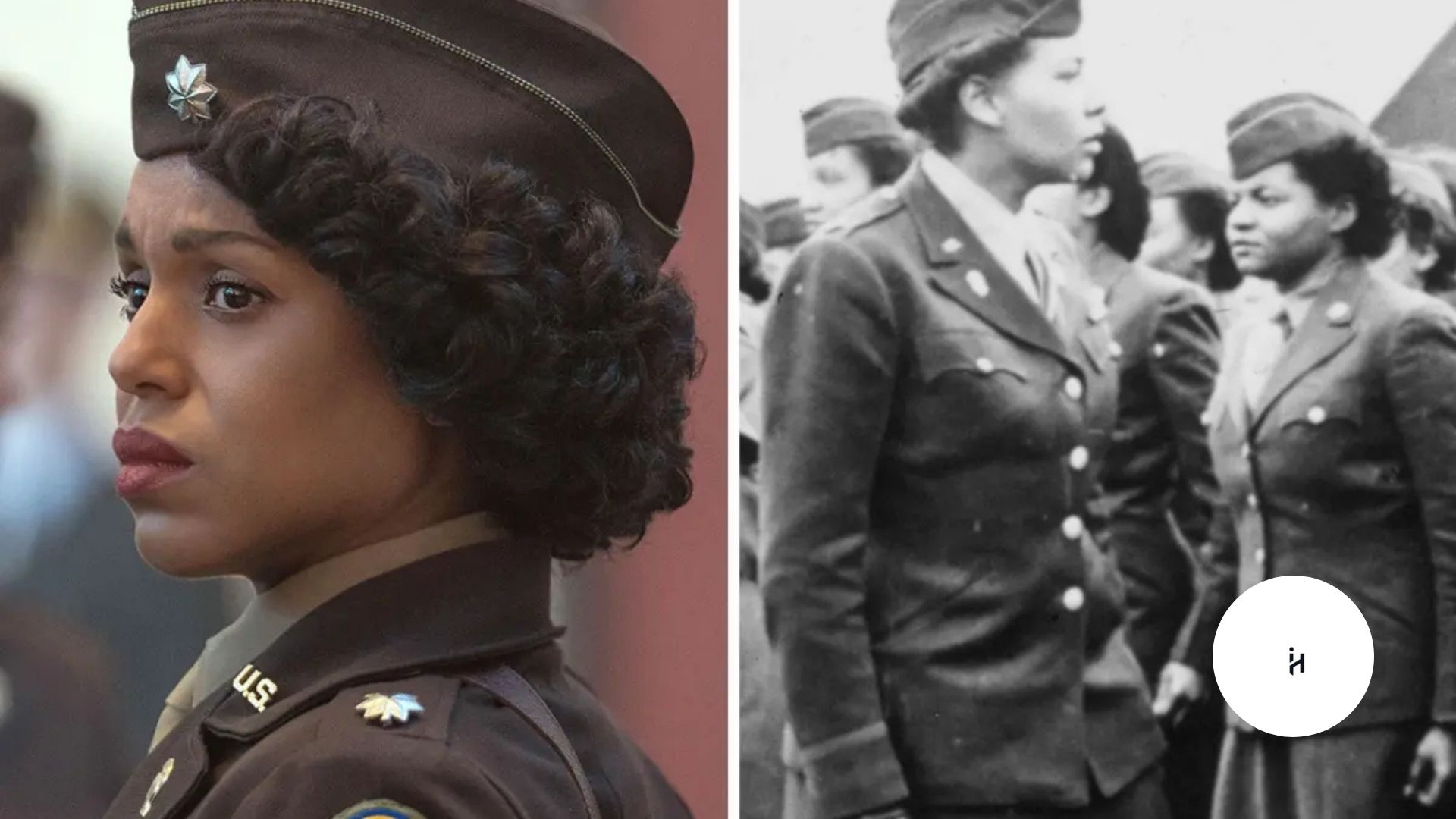
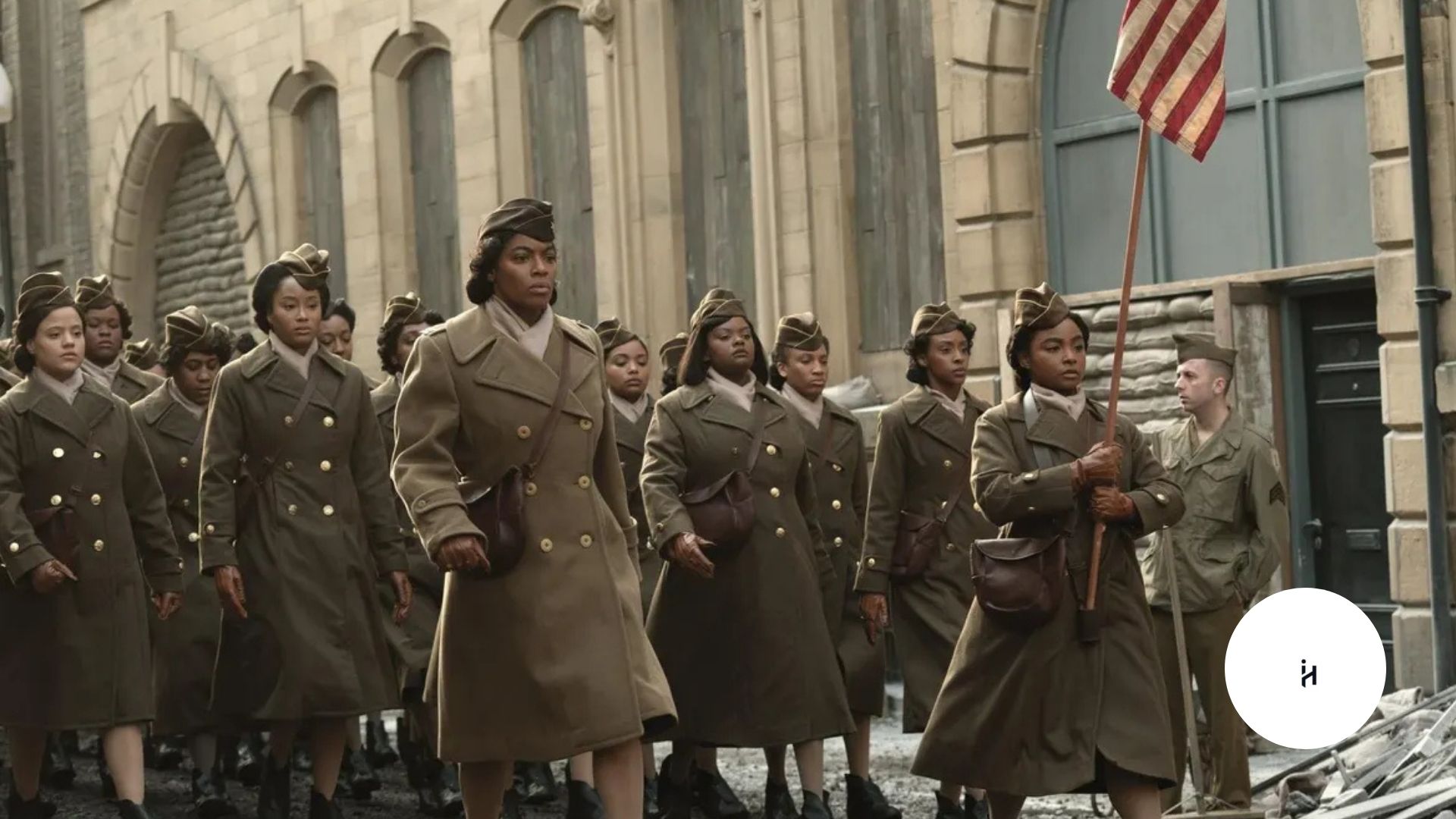
This was the only all-Black, all-female unit deployed overseas during WWII by the U.S. Army. Tasked with the monumental challenge of clearing a massive mail backlog in Europe, they worked under hostile conditions and constant discrimination—but emerged as trailblazers.

This blog dives deep into their courageous journey, shedding light on the experiences and legacy of the Six Triple Eight. As we explore their mission, struggles, triumphs, and post-war recognition, the aim is to honor these unsung heroines who broke gender and racial barriers in service of their country.

Formation of the Six Triple Eight Battalion

Six Triple Eight

In 1945, faced with a massive backlog of mail intended for American troops, the U.S. Army made an unprecedented decision. They assembled a battalion of 855 African-American women from the Women’s Army Corps (WAC).

Known as the Six Triple Eight, their mission was to organize and deliver millions of undelivered letters and packages to soldiers across Europe. This effort wasn’t merely about mail—it was about morale. Letters from home were often the only thread keeping soldiers emotionally tethered during the war. The women of the Six Triple Eight understood this better than anyone, and they approached the mission with urgency and professionalism.

Overcoming Discrimination and Segregation

Despite their noble cause, the Six Triple Eight faced systemic racism and sexism both within and outside the military. From their training to their deployment, they were treated differently than their white counterparts. Segregated housing, limited resources, and the burden of proving their worth in a prejudiced system were daily realities.

Yet, these women remained resilient, committed to excelling despite the odds stacked against them. Their strength wasn’t just in their work—it was in how they held their dignity in the face of injustice.

Deployment to Birmingham, England

The battalion’s first overseas station was in Birmingham, England, where they were immediately faced with warehouses piled high with undelivered mail—over 17 million pieces. Working in shifts around the clock, they created a systematic approach to sort and redirect this overwhelming volume of correspondence.

In just three months, the Six Triple Eight cleared the backlog, a task initially expected to take six months. Their efficiency stunned military commanders and earned them widespread respect—though not always the formal recognition they deserved.

Life in the UK: Adjusting to War and Culture

Living in the UK during wartime presented its own challenges. Black American women were a rare sight, and they attracted curiosity from local civilians. While some British citizens welcomed them warmly, others mirrored the racial prejudices they faced at home.

Nevertheless, the Six Triple Eight adapted quickly. They formed strong bonds with one another, building a sisterhood that helped them navigate the pressures of war, work, and discrimination. These women also made cultural exchanges—sharing African-American traditions while learning about British customs.

Their Second Mission: Rouen, France

After completing their assignment in England, the Six Triple Eight was sent to Rouen, France. There, they encountered another massive mail backlog, but their prior experience had honed their processes.

Once again, they exceeded expectations and completed their mission efficiently. Their time in France further solidified their legacy as dependable, skilled soldiers who could deliver under pressure. Despite limited recognition, their consistent performance highlighted the crucial role of African-American women in military logistics.

Six Triple Eight

The Impact of Their Work on Soldier Morale

Mail might seem minor in the grand scheme of war, but for troops overseas, it was a lifeline. The work of the Six Triple Eight boosted morale across the European theater. Soldiers who received letters from home felt seen, valued, and connected.

By restoring the mail system, this battalion didn’t just deliver envelopes—they delivered hope. Their behind-the-scenes work had a direct impact on the emotional health and fighting spirit of countless service members.

Breaking Racial and Gender Barriers

The Six Triple Eight shattered expectations in a military system unprepared for their excellence. At a time when Black Americans and women were doubly marginalized, these soldiers carved a space for themselves through sheer competence and courage.

They proved that gender and race had nothing to do with capability. Their story stands as a beacon for equality and inclusion in the armed forces and beyond. Though it took decades for formal recognition, their influence on military integration is undeniable.

Returning Home: An Uncelebrated Victory

Despite their achievements, the Six Triple Eight returned home without parades, medals, or headlines. Unlike many other units, their contributions were neither publicized nor immediately acknowledged.

For many veterans, the transition back to civilian life meant returning to a segregated America where their service was overlooked. Still, they remained proud of their work, holding reunions and sharing their stories when given the platform.

Rediscovery and Recognition in the 21st Century

It wasn’t until the 2000s that the Six Triple Eight began to receive widespread attention. Documentaries, books, and community campaigns helped bring their story to light. In 2019, the unit was honored at Arlington National Cemetery, and in 2022, President Joe Biden signed legislation awarding them the Congressional Gold Medal. Though long overdue, these recognitions have cemented their place in history and introduced their story to new generations.

Legacy in Military and Social Justice

Six Triple Eight

The legacy of the Six Triple Eight lives on in today’s U.S. military, where diversity and gender inclusion have become essential values. Their story continues to inspire young women of color to serve with pride and purpose.

Their discipline, unity, and perseverance offer powerful lessons in leadership and social justice. The unit has also become a focal point in discussions around military reform and historical remembrance.

Conclusion: Honoring Their Memory

The story of the Six Triple Eight is more than a military anecdote—it is a symbol of courage, sacrifice, and the relentless pursuit of dignity. These women not only delivered mail; they delivered justice, equality, and hope through their presence and performance.

As historians, educators, and citizens, it is our responsibility to ensure that their story is remembered, shared, and celebrated. Their legacy is a vital part of American history—and one that continues to inspire.

Drew Barrymore Tattoos: A Look at Her Ink Journey

0
Drew Barrymore Tattoos

Drew Barrymore is more than just a talented actress and talk show host—she is also known for expressing her individuality through body art. The phrase “Drew Barrymore tattoos” has become a trending topic among fans curious about the actress’s personal ink journey. Over the years, Drew has acquired multiple tattoos, each reflecting different phases of her life, emotions, and beliefs.

Tattoos are often deeply personal, and in Drew’s case, her ink tells a story of growth, rebellion, self-love, and family bonds. In this blog, we explore every tattoo she has, from floral designs to script pieces, uncovering the meanings behind each. If you’ve ever searched for inspiration or wondered about the messages behind celebrity tattoos, this deep dive into Drew Barrymore tattoos will leave you inspired and informed.

The Cross Tattoo: A Nod to Faith and Balance

Drew Barrymore Tattoos

One of the earliest known Drew Barrymore tattoos is a small cross on her right leg, just above the knee. This symbol, while commonly associated with Christianity, also represents a personal sense of balance and spirituality for Drew.

The tattoo is subtle and not often seen in her public appearances, but fans have spotted it in candid beach photos and during certain fashion shoots.

The placement of the tattoo might suggest that it’s a grounding reminder—a way to keep her rooted amid the chaos of Hollywood. For Drew, who has spoken openly about her struggles with addiction and fame from a young age, the cross could symbolize a turning point in her life or a way to stay connected to her values.

It’s one of the less flashy Drew Barrymore tattoos, but it speaks volumes about her inner strength and resilience.

The Butterfly Tattoo: Symbol of Transformation

Butterflies are often associated with transformation and growth, and Drew’s butterfly tattoo on her lower stomach perfectly reflects that. Among the many Drew Barrymore tattoos, this one stands out for its universal symbolism. Fans have long interpreted it as a representation of her journey from troubled child star to empowered woman.

She got this tattoo in her youth, and over the years it has become an iconic piece that represents her transition from chaos to clarity. The butterfly is also seen as a symbol of rebirth, freedom, and beauty—all qualities that Drew seems to embody as she matures. It’s a beautiful reminder of how far she’s come, which makes it one of the most admired Drew Barrymore tattoos by her fans.

“BREATHE” Tattoo: A Gentle Reminder to Stay Present

On her left wrist, Drew has the word “BREATHE” inked in capital letters. It’s a simple yet powerful tattoo that has resonated with many of her fans. In interviews, Drew has explained that it serves as a daily reminder to stay calm, stay present, and focus on what really matters.

As someone who has faced intense media scrutiny and personal struggles, this tattoo symbolizes mindfulness and emotional grounding. In the fast-paced world of Hollywood, having a visible reminder like this can be essential. Among all Drew Barrymore tattoos, “BREATHE” is probably the one that fans connect with the most on an emotional level.

Cherubs on Her Lower Back: A Tribute to Her Daughters

One of the most heartwarming Drew Barrymore tattoos is the pair of cherubs on her lower back. This tattoo is widely believed to be a tribute to her two daughters, Olive and Frankie. Cherubs represent innocence, protection, and love—qualities that any mother would wish to wrap around her children.

This tattoo is more than just art—it’s a testament to Drew’s motherhood journey. Having children changed her life, and these cherubs symbolize not just her daughters but the transformation she underwent to become the nurturing and protective mother she is today.

The Moon and Stars Tattoo: Embracing the Cosmos

Drew Barrymore Tattoos

Drew Barrymore’s fascination with celestial symbols is reflected in her moon and stars tattoo, located on her right wrist. This piece adds a mystical touch to the collection of Drew Barrymore tattoos, signifying dreams, feminine energy, and the guiding light through darkness.

Celestial bodies often represent hope and direction. For someone like Drew, who has navigated fame from a young age, these symbols might represent the forces that helped guide her through life’s ups and downs. The placement on the wrist makes it easy to see—perhaps a reminder that no matter how dark it gets, the stars are always there.

The Bird Tattoo: Freedom and Self-Liberation

One of the lesser-seen Drew Barrymore tattoos is the bird tattoo on her right forearm. Birds are often seen as messengers of freedom and change. In Drew’s case, it may signify her breaking free from the expectations of Hollywood, her family name, and public perception.

This tattoo represents Drew’s autonomy—her right to choose her path, her peace, and her pace. The bird could be interpreted as her spirit, always flying toward a better version of herself. It’s a deeply symbolic addition to her ink collection and speaks to the idea of personal evolution.

“Olive and Frankie” Script Tattoo: Eternal Love

In honor of her daughters, Drew also has a beautiful script tattoo that spells out their names: “Olive and Frankie.” This tattoo, which sits close to her heart, is perhaps the most meaningful of all Drew Barrymore tattoos.

By choosing to ink her children’s names, Drew has made a permanent declaration of her love and commitment to them. The elegant font reflects her maternal pride, and every time she sees it, she’s reminded of the most important role she’s ever played—being a mother.

The Heart Tattoo: A Symbol of Unconditional Love

Drew has a small heart tattoo on her arm that symbolizes unconditional love. Simple and elegant, this tattoo might be easy to overlook, but its meaning runs deep. Many believe it’s a reflection of the love she holds for herself and others.

As one of the most classic symbols, the heart in Drew Barrymore tattoos shows her emotional side and her capacity for compassion. It’s a piece that aligns perfectly with Drew’s warm personality and her journey toward self-love and acceptance.

“Home is Where We Are” Tattoo: Defining Family

Among her most recent tattoos is the phrase “Home is Where We Are,” which she got to reflect the closeness she shares with her daughters. This phrase embodies the modern definition of home—not a place, but a feeling of togetherness.

It’s one of the more sentimental Drew Barrymore tattoos, offering a glimpse into how she views life, love, and connection. It speaks to the importance of presence over location and is a perfect mantra for those who value relationships over material things.

Drew Barrymore Tattoos

Personal Symbols and Hidden Ink

Drew Barrymore has hinted in interviews that she may have additional tattoos that are either too personal or too small to be publicly visible. These hidden Drew Barrymore tattoos could include initials, symbolic shapes, or dates that hold special meaning.

Such tattoos remind us that ink doesn’t always need to be shared to be meaningful. For Drew, these might represent secret victories, private memories, or spiritual beliefs. It adds a layer of mystery to her tattoo journey and keeps fans guessing about the full story of her body art.

The Future of Drew Barrymore’s Tattoo Collection

As someone who continues to evolve both personally and professionally, Drew Barrymore may very well add more tattoos in the future. Given her love for self-expression and symbolism, fans are excited to see what comes next in the saga of Drew Barrymore tattoos.

Whether it’s a quote, symbol, or tribute to another important moment in her life, her future tattoos are likely to continue her legacy of personal storytelling. Drew’s tattoos are more than ink—they’re milestones, memories, and mantras written across the canvas of her life.

Exploring the Concept of Ménage à Trois in Modern Times

0
Ménage à Trois

The term ménage à trois evokes curiosity and often stirs up intrigue. Translated from French as “household of three,” it typically refers to a consensual romantic or sexual relationship involving three people. While the idea has existed for centuries, it has gained more visibility and acceptance in today’s society.

This blog explores the concept in depth — covering the origins, relationship dynamics, communication, emotional complexities, and more. Whether you’re simply curious or seriously considering a ménage à trois, this guide will walk you through everything you need to know.

Understanding the Meaning of Ménage à Trois

Ménage à Trois

The phrase ménage à trois traditionally referred to a living arrangement or intimate connection between three adults, often romantic or sexual in nature. Unlike cheating or secret affairs, this arrangement is consensual, with all parties involved being fully aware and accepting of the dynamic.

In modern times, this can mean anything from a one-time sexual encounter to a committed triad relationship. Exploring this setup requires understanding the fluid nature of love, sexual orientation, and emotional capacity. A ménage à trois is not always about sex—it can also involve deep emotional connections and shared responsibilities.

Historical and Cultural Origins of Ménage à Trois

The concept is not new. Historical figures like Lord Byron and even some ancient Chinese dynasties embraced triangular relationships. In 18th-century France, where the term originated, high society often engaged in discreet romantic triads.

Literature and films over the years have romanticized these relationships, contributing to their allure. Cultural perceptions vary—some see it as taboo, while others recognize it as an alternative relationship style. Exploring the cultural evolution of ménage à trois helps us understand how society’s attitudes toward love and sexuality are constantly evolving.

Modern Interpretations and Common Misconceptions

In today’s world, ménage à trois doesn’t always mean a one-night stand. It could be a committed triad, a polyamorous unit, or a casual but recurring dynamic. However, it’s often misunderstood. Many assume it’s just a sexual adventure or that jealousy always ruins it.

In reality, communication, trust, and boundaries play crucial roles in making it work. This section clears up myths and highlights how modern relationships are redefining norms to include consensual non-monogamy, where ménage à trois fits in as one form.

Types of Ménage à Trois Relationships

There are several types of ménage à trois dynamics:

  • Hierarchical Triads: One primary couple brings in a third.

  • Equal Triads: All members are equally connected.

  • Emotional vs. Physical Focus: Some focus on emotional bonds, others on physical intimacy.

  • Closed vs. Open Triads: Some triads are exclusive; others allow relationships outside the triad.

Understanding which type fits your needs is crucial for compatibility and emotional well-being. Regardless of structure, clear agreements and emotional awareness are key in sustaining these relationships.

Psychological and Emotional Dynamics

Ménage à Trois

The emotional side of a ménage à trois is perhaps the most complex. People involved must deal with multiple layers of affection, attention, and emotional needs. Jealousy can arise, but it can be managed through honest dialogue. Emotional fulfillment may increase due to the variety of support and intimacy.

However, without emotional maturity, such arrangements can crumble. Therapy or counseling can be helpful in navigating these waters, especially if one or more partners are new to non-monogamous setups.

Communication and Boundaries in Triadic Relationships

Open and honest communication is the backbone of a successful ménage à trois. Partners need to regularly check in, establish boundaries, and express their needs without fear of judgment. Whether it’s rules about physical intimacy, emotional involvement, or time spent together, clarity prevents misunderstandings.

Trust is built when everyone feels heard and respected. Regular discussions, group meetings, or even using tools like shared calendars can keep everyone on the same page. Consent and clarity transform complexity into harmony.

Sexual Compatibility and Exploration

One of the appeals of a ménage à trois is sexual diversity and exploration. However, it’s vital to ensure that all participants are sexually compatible and comfortable. Not all threesomes lead to satisfaction for everyone if expectations differ.

Discussing preferences, limits, and fantasies in advance ensures mutual respect. Safe sex practices, testing, and open conversations about previous partners are also essential to maintain physical health and emotional security.

Benefits of a Ménage à Trois

Many people in triadic relationships report higher levels of satisfaction due to the emotional and physical variety. There is often a greater pool of support, more shared responsibilities, and enhanced communication skills.

For some, it enriches their understanding of love and deepens their connections. Others appreciate the freedom and openness that a ménage à trois offers. These relationships challenge traditional definitions of love, allowing participants to redefine intimacy on their own terms.

Challenges and Risks to Consider

Ménage à Trois

While ménage à trois relationships can be fulfilling, they come with challenges. Jealousy, imbalance in attention, scheduling conflicts, and social judgment are common hurdles. Additionally, not everyone may be emotionally equipped for such dynamics.

It’s important to anticipate potential issues, maintain empathy, and prioritize mental health. When handled carelessly, these relationships can result in heartache, resentment, or loss of friendships. Preparation, emotional intelligence, and external support can mitigate these risks.

How to Introduce the Idea to a Partner

Approaching the topic of a ménage à trois requires sensitivity. It’s crucial to gauge your partner’s openness and comfort level. Avoid pressure or ultimatums. Start by expressing your curiosity, and listen actively to your partner’s feelings and concerns.

If both are open to the idea, discuss boundaries, reasons for interest, and possible outcomes. It’s often helpful to explore literature, attend workshops, or talk to others who have experience. Creating a safe space for open conversation is key.

Is a Ménage à Trois Right for You?

Choosing to enter a ménage à trois should not be taken lightly. It requires maturity, emotional stability, excellent communication, and mutual consent. Ask yourself:

  • Am I emotionally prepared?

  • Can I manage jealousy?

  • Do I communicate openly?

  • Is my current relationship stable?

This type of relationship isn’t for everyone, and that’s okay. The most important thing is honesty—with yourself and your partners. For those who thrive in non-traditional setups, a ménage à trois can be an enriching and empowering experience.