Home Blog Page 61

Shah Alam II – The Decline of Mughal Power in India

0
Shah Alam II

The name Shah Alam II evokes a period of immense transformation and turmoil in Indian history. As the 16th Mughal Emperor, Shah Alam II reigned during a time when the mighty Mughal Empire was gradually losing its grip over the Indian subcontinent.

Born as Ali Gohar, he witnessed and endured one of the most tumultuous eras of Indian politics marked by invasions, shifting alliances, and the rise of colonial powers like the British East India Company. This blog explores Shah Alam II’s life, from his early days to his legacy, covering every major milestone in his story.

Early Life and Background of Shah Alam II
Shah Alam II

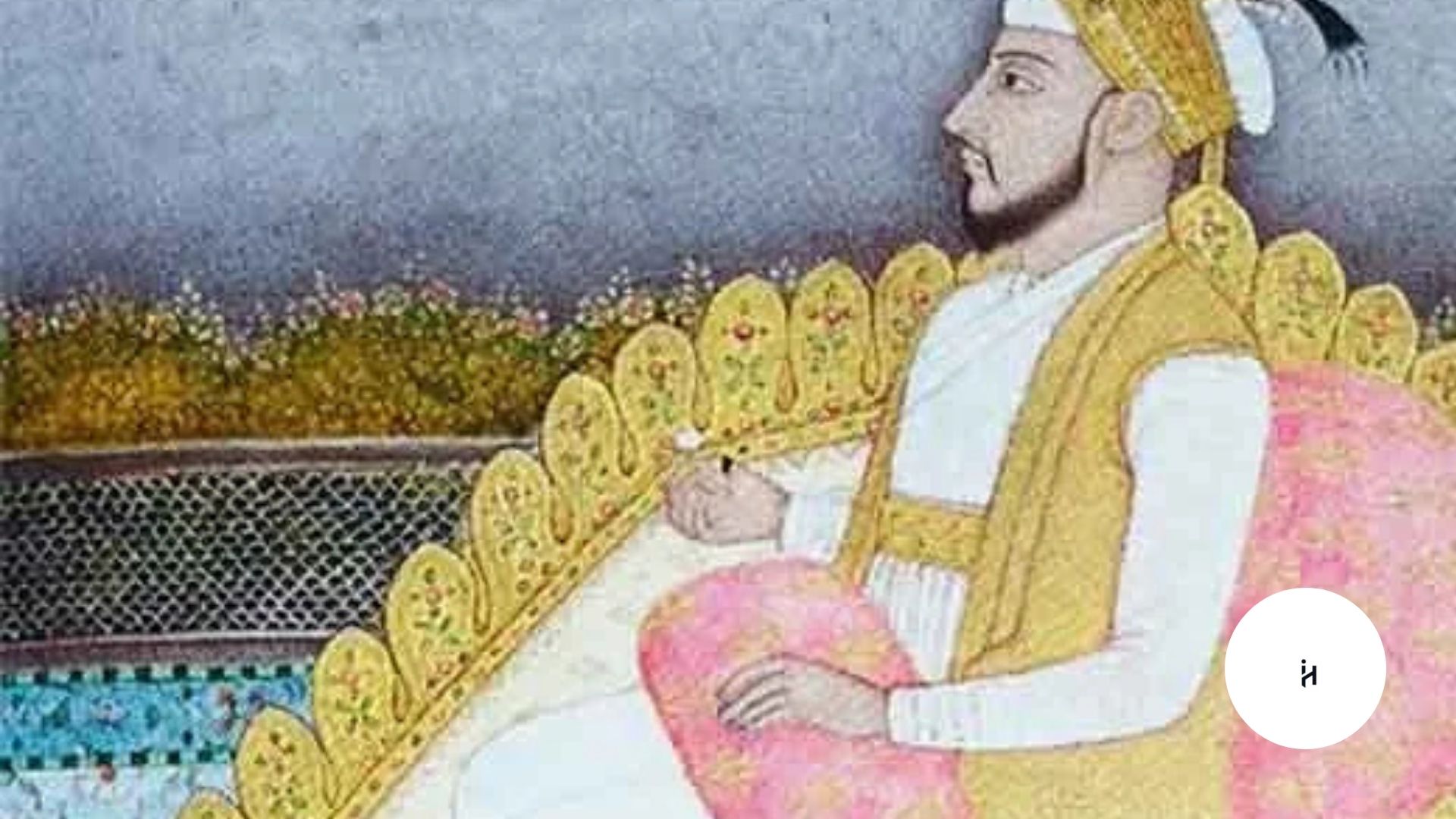
Shah Alam II was born on June 25, 1728, in Delhi. He was originally named Ali Gohar and was the eldest son of Mughal Emperor Alamgir II. From a young age, he was exposed to the intricacies of royal life and governance. His upbringing was marked by scholarly pursuits and military training, typical for a Mughal prince.

However, the Mughal Empire by then was already in decline, with power fragmented and real authority being wielded by regional chieftains and nobles. His formative years were shaped by this weakening structure, which foreshadowed the challenges he would later face during his reign as Shah Alam II.

Ascension to the Throne

Shah Alam II ascended the throne in 1759 after the assassination of his father, Alamgir II. However, his path to power was not easy. He had been in exile in the eastern provinces, particularly Bihar and Bengal, as he feared for his life due to political conspiracies in Delhi.

His claim to the Mughal throne was supported by regional allies and powerful nobles. His reign began during a period of internal instability, and he was never able to assert full control over the empire. This era saw the rising dominance of the British East India Company, which would become a major player in his rule.

The Battle of Buxar and Its Consequences

One of the most defining moments of Shah Alam II’s reign was the Battle of Buxar in 1764. He joined forces with Nawab Shuja-ud-Daula of Awadh and Mir Qasim, the deposed Nawab of Bengal, to challenge the British East India Company. However, their combined forces were decisively defeated.

This battle had profound consequences: Shah Alam II was forced to sign the Treaty of Allahabad in 1765, granting the British Diwani rights (revenue collection) for Bengal, Bihar, and Orissa. This marked the beginning of British economic dominance in India and severely curtailed Shah Alam II’s power.

Relationship with the British East India Company

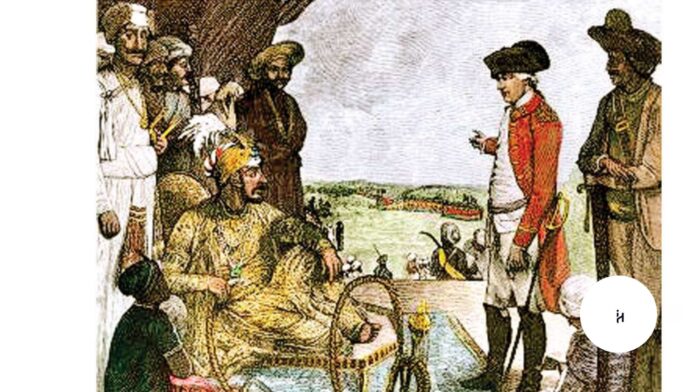
After the Treaty of Allahabad, Shah Alam II became a pensioner of the British East India Company. Though he retained his title as emperor, real power was in the hands of the British. He moved to Allahabad and lived under British protection.

His seal and name were still used on official documents, which gave the British a sense of legitimacy in their expanding control over India. His relationship with the British was one of dependency and humiliation, and it marked the beginning of the puppet-like status of the Mughal emperors in the colonial era.

Return to Delhi and Reoccupation of the Throne
Shah Alam II

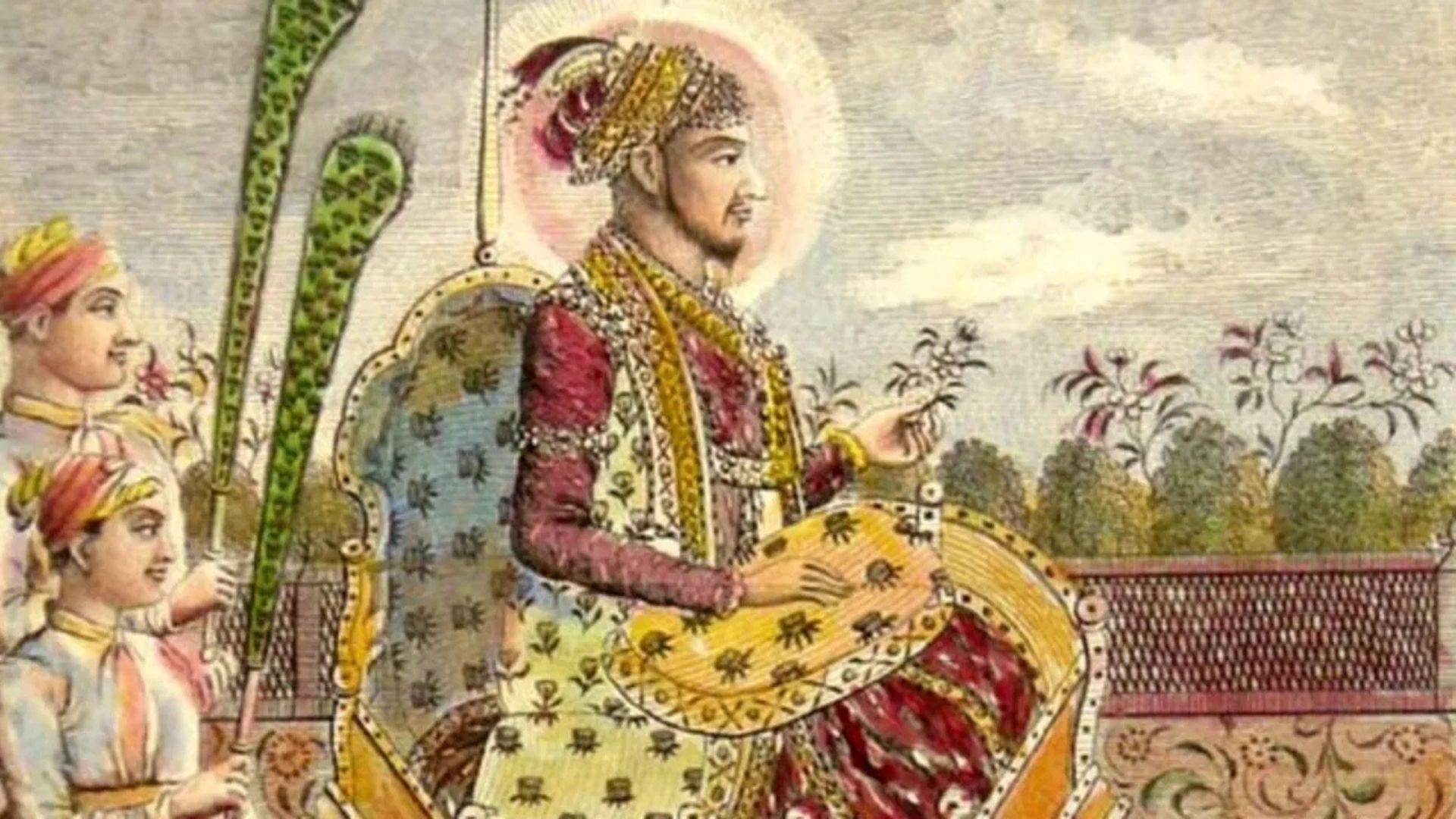
In 1772, with the help of the Maratha Empire under Mahadji Shinde, Shah Alam II returned to Delhi. Though he regained the throne symbolically, he was under the influence of the Marathas rather than the British.

His return marked a brief period of hope for the revival of Mughal prestige. However, the empire was by then reduced to the walls of the Red Fort and a few surrounding districts. Shah Alam II remained a ceremonial figurehead, and his power was nominal at best.

Blinding of the Emperor – A Tragic Episode

One of the most shocking events in Shah Alam II’s life was his blinding in 1788 by Ghulam Qadir, a Rohilla Afghan chieftain. Taking advantage of the emperor’s helplessness and the absence of strong protection, Ghulam Qadir invaded Delhi and looted the royal palace.

In a heinous act of cruelty, he blinded the emperor as a symbol of dominance and revenge. This act shocked the Indian polity and symbolized the complete erosion of Mughal authority. Later, Mahadji Shinde defeated Ghulam Qadir and restored Shah Alam II to the throne, but the emperor never fully recovered from this trauma.

Cultural Contributions and Patronage

Despite his political impotence, Shah Alam II was a patron of the arts and culture. He was himself a poet and wrote under the pen name Aftab. The Mughal court, though diminished, still retained some of its former glory in terms of cultural activities.

Persian literature, miniature painting, and court music continued to thrive under his patronage. His court attracted many poets, scholars, and artists, who contributed to the preservation of Indo-Persian culture during a time of political upheaval.

Family and Personal Life

Shah Alam II had several children and consorts. His family life was deeply affected by the political instability and threats that constantly surrounded him. His son and successor, Akbar Shah II, would eventually take over the title, although with even less power than his father. Much of Shah Alam II’s personal life was defined by exile, betrayal, and loss. Yet, he managed to maintain a semblance of dignity through his commitment to poetry and faith.

Death and Burial

Shah Alam II died on November 19, 1806, in Delhi. He was buried in Mehrauli, near the dargah (shrine) of the Sufi saint Qutbuddin Bakhtiar Kaki. His death marked the end of any serious political role for the Mughal dynasty.

His son Akbar Shah II succeeded him, but by then the British had become the de facto rulers of India. Shah Alam II’s death symbolized the complete transformation of the Mughal Empire from rulers to mere figureheads under colonial oversight.

Historical Legacy and Interpretation
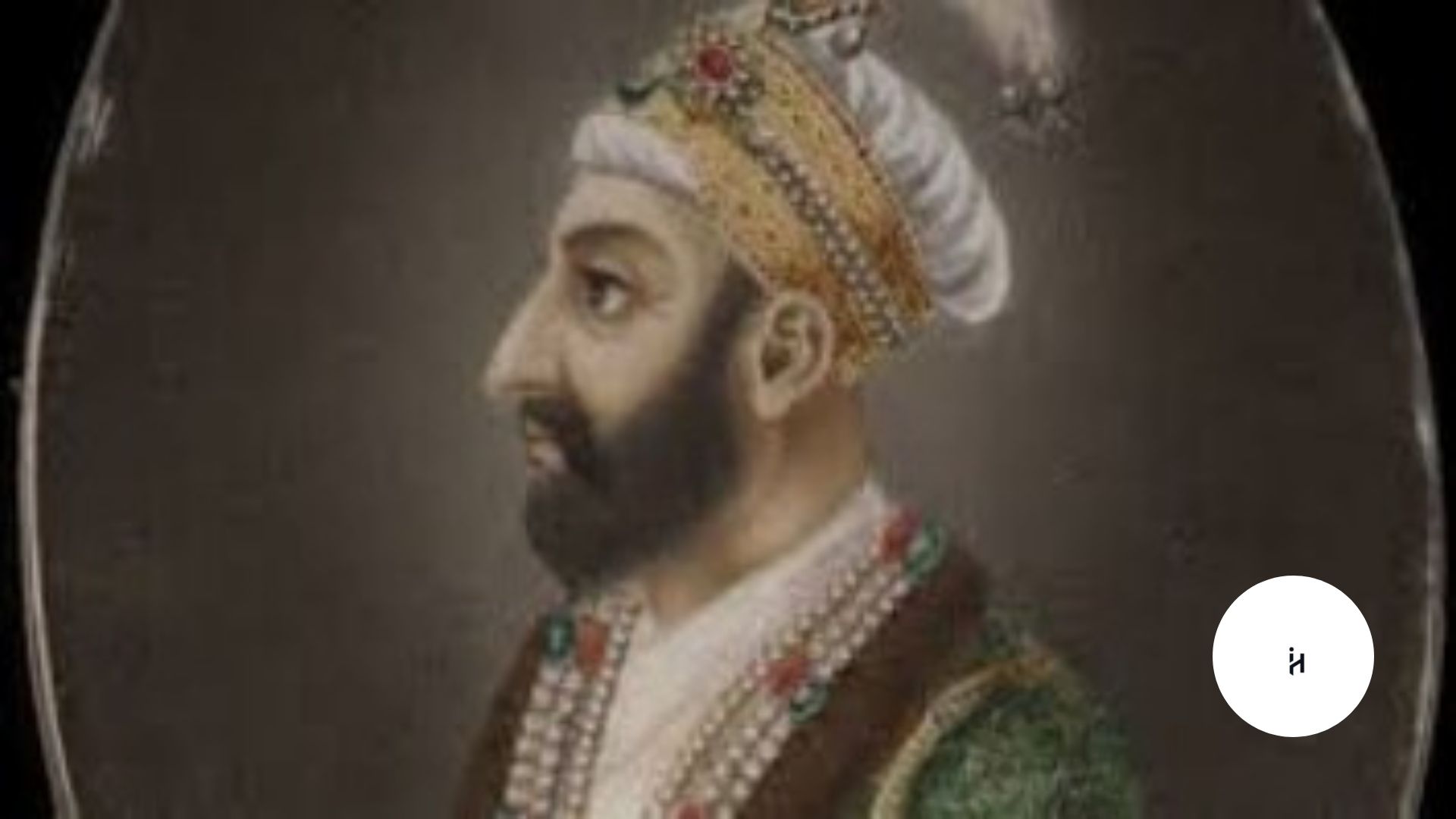
Shah Alam II

Shah Alam II is often remembered as a tragic figure — an emperor in name but powerless in reality. His reign symbolizes the final decline of the Mughal Empire and the rise of British colonial dominance in India. Despite his personal sufferings and political helplessness, he remained an emblem of cultural continuity. His reign is studied not only for its failures but also for its representation of a transitional era in Indian history.

Shah Alam II in Modern Historical Narrative

Modern historians view Shah Alam II with a mixture of sympathy and critique. He is portrayed as a ruler caught between fading imperial grandeur and rising colonial power. His policies, battles, and alliances reflect the complex dynamics of 18th-century India.

In many ways, Shah Alam II’s story is essential to understanding how the once-mighty Mughal Empire dissolved and how foreign powers stepped in to fill the vacuum. His life offers valuable insights into the politics, culture, and colonial transformation of India.


Gladiator 2 Emperors: Who Rules the Arena Now?

0
Gladiator 2 Emperors

The highly anticipated sequel to Ridley Scott’s epic, Gladiator, is finally on its way. Gladiator 2 promises a return to the Roman Empire’s brutal arenas and political machinations. But this time, a new generation of rulers—the Gladiator 2 emperors—step into the spotlight. These emperors not only shape the future of Rome but also command the fates of the story’s heroes and villains. This blog explores who these emperors are, their historical significance, and what roles they might play in this cinematic epic.

Return to Rome: The Setting of Gladiator 2

The film’s setting provides context for understanding the new emperors. Gladiator 2 picks up years after the original, focusing on Lucius, the nephew of Emperor Commodus. Rome remains a center of power and corruption, now transitioning under new rule. This historical backdrop offers rich material for emperor rivalries, political strategies, and moral dilemmas. The Gladiator 2 emperors emerge in this volatile world, making their ambitions, fears, and decisions pivotal to the film’s storyline.

Gladiator 2 Emperors

Emperor Caracalla: A Tyrant in the Making?

Caracalla is rumored to be a central figure among the Gladiator 2 emperors. Historically, he ruled from 198 to 217 AD and is infamous for killing his brother to claim sole power. His rule was marked by cruelty and militarism. In Gladiator 2, Caracalla may be portrayed as a villainous ruler, mirroring Commodus’ cruelty but with more strategic depth. His desire to maintain absolute control will likely put him at odds with Lucius and other key characters, making him a formidable antagonist.

Emperor Geta: The Shadowed Co-Ruler

Geta, Caracalla’s brother, may appear as a tragic figure among the Gladiator 2 emperors. Historically, Geta co-ruled with Caracalla before being assassinated. In the film, he could be a more sympathetic character—possibly an ally to Lucius—trying to bring stability to a crumbling empire. His narrative arc could reflect the classic theme of betrayal in Roman politics, highlighting the brutality of imperial ambition.

Lucius Verus: The New Protagonist’s Lineage

Lucius, now a young man in Gladiator 2, is deeply influenced by the legacy of Maximus and the corruption of Commodus. Though not an emperor himself (yet), his bloodline and royal upbringing position him at the center of imperial politics. As he navigates the shadow of the Gladiator 2 emperors, Lucius may evolve into a leader who challenges the empire’s moral decay, setting up a powerful contrast to the reigning rulers.

Power and Betrayal: Imperial Themes Continue

The Gladiator series thrives on themes of power, betrayal, and vengeance. The Gladiator 2 emperors will likely embody these traits in diverse ways—Caracalla through brute force, Geta through diplomacy, and Lucius through moral rebellion. These dynamics make the imperial court a treacherous ground. The interplay of loyalties and betrayals among the emperors adds emotional and strategic complexity to the film.

Gladiator 2 Emperors

Historical Accuracy vs. Cinematic Drama

While the film takes inspiration from real emperors, it is not bound to historical accuracy. The portrayal of the Gladiator 2 emperors will balance historical facts with fictional flair. For instance, timelines may be compressed, and relationships dramatized. Viewers can expect a rich tapestry of real and imagined events, grounded in the aesthetics and brutality of Roman rule but shaped for modern cinematic appeal.

Political Intrigue and the Senate’s Role

The Senate was a major force in Roman governance. In Gladiator 2, the Senate may once again serve as a foil to the emperors. The balance of power between military emperors like Caracalla and traditional Roman senators will be an ongoing tension. This struggle adds depth to the storyline, giving the Gladiator 2 emperors more than just military battles—they must also win political wars.

The Rise of Christianity and Religious Influence

By the time of Caracalla, Christianity was beginning to influence Roman society. While not fully embraced, religious shifts could play into the personal convictions and public image of the Gladiator 2 emperors. Lucius, in particular, might represent a bridge between the old pagan order and a new moral vision for Rome. Religious conflict and symbolism may enrich the characters’ motivations and dilemmas.

The Spectacle of the Games: Control through Fear

The Colosseum remains central to the film’s visual and thematic identity. The Gladiator 2 emperors may use the arena as a tool for control, much like Commodus did. These games symbolize power, fear, and distraction from civil unrest. Caracalla, with his militaristic style, could expand the brutality of these spectacles to consolidate power. Expect the games to be more violent, emotionally charged, and politically manipulative.

Legacy and Redemption: A New Imperial Vision?

Gladiator 2 Emperors

Lucius’ journey may lead him to challenge the legacy of corruption left by the emperors before him. While he may never officially become emperor, he could be instrumental in ushering in a new era. His internal conflict—honoring Maximus while confronting the Gladiator 2 emperors—forms a potential redemption arc for Rome itself. The film might end with Lucius shaping the empire’s future, either through revolution or reform.

What Gladiator 2 Teaches Us About Power

The enduring message of Gladiator was that honor could survive even under tyranny. Gladiator 2 is expected to deepen this idea by exploring how different rulers—each flawed or idealistic—wield power. The Gladiator 2 emperors represent different philosophies of leadership: fear, loyalty, reform, and ambition. Their stories reflect our own modern struggles with power, justice, and legacy.

How to Join Illuminati: Steps You Must Know

0
How to Join Illuminati

The Illuminati is one of the most mysterious and controversial organizations in the world. Whether it’s tied to conspiracy theories, hidden agendas, or secret power, the question of how to join Illuminati continues to spark curiosity worldwide.

While much of it is clouded in myth, many believe the organization exists in some form—connected to elites, power circles, or secret brotherhoods. In this blog, we’ll explore the background, eligibility, signs, myths, and the supposed steps involved in joining the Illuminati. Let’s dive into this enigmatic journey.

Understanding the Illuminati: Origin and Evolution

The term “Illuminati” originated in the 18th century with a group called the Bavarian Illuminati, founded in 1776 by Adam Weishaupt. Their goal was to promote enlightenment ideals and resist religious and political oppression.

Over time, the group was disbanded, but the idea of the Illuminati lived on in popular culture. It evolved into a powerful symbol of a secretive elite who supposedly control world affairs.

How to Join Illuminati

In modern times, people associate the Illuminati with celebrities, world leaders, billionaires, and influential figures. The belief is that this group pulls strings behind the scenes. Whether or not you believe in its existence, the concept continues to capture attention. If you’re exploring how to join Illuminati, you must first understand its origin and symbolic evolution.

Myths vs. Reality: Separating Fact from Fiction

Many believe the Illuminati sacrifices people, controls governments, or worships dark entities. While these claims are often exaggerated, they form a huge part of the myth. In contrast, others argue that if the Illuminati does exist, it functions more like an exclusive think-tank or elite club, focused on power, influence, and intellectual pursuits.

To discover how to join Illuminati, it’s essential to separate entertainment from information. Most reliable sources suggest it’s not about devil worship or black magic—but about knowledge, networking, and elite access.

Who Can Join? Qualities the Illuminati May Seek

It is believed that the Illuminati doesn’t accept just anyone. Allegedly, they seek individuals who possess influence, wealth, talent, or intellectual brilliance. Some qualities often associated with potential candidates include:

  • High social status

  • Financial stability

  • Public visibility (politicians, actors, musicians, etc.)

  • Unique talents or skills

  • Leadership qualities

So, if you’re researching how to join Illuminati, consider what you offer. If such a society exists, it would likely be interested in people who can contribute to its mission and secrecy.

The Invitation Process: Can You Be Selected?

Rumors suggest that one cannot simply apply to the Illuminati. Instead, the process is based on invitation or discovery. If you meet the qualities mentioned above and attract enough attention through your work or influence, you might receive a discreet offer.

Others claim you can connect with self-proclaimed representatives online or through secret societies with Masonic roots. Whether real or fake, many scammers exploit this desire, promising entry for a fee. Be cautious if you’re serious about how to join Illuminati and avoid frauds pretending to be gatekeepers.

Online Portals and Scam Alerts: Stay Safe

How to Join Illuminati

With rising interest, many websites now claim to offer Illuminati memberships. They often charge you for “registration” or “ritual kits.” However, experts warn these are scams targeting vulnerable people.

No authentic group would openly recruit through flashy ads or social media DMs. While how to join Illuminati might fascinate you, make sure you protect your data, money, and identity from online cons. Always question the source and never pay someone who promises power or wealth in exchange for access.

Symbols and Signs: Are You Already Being Watched?

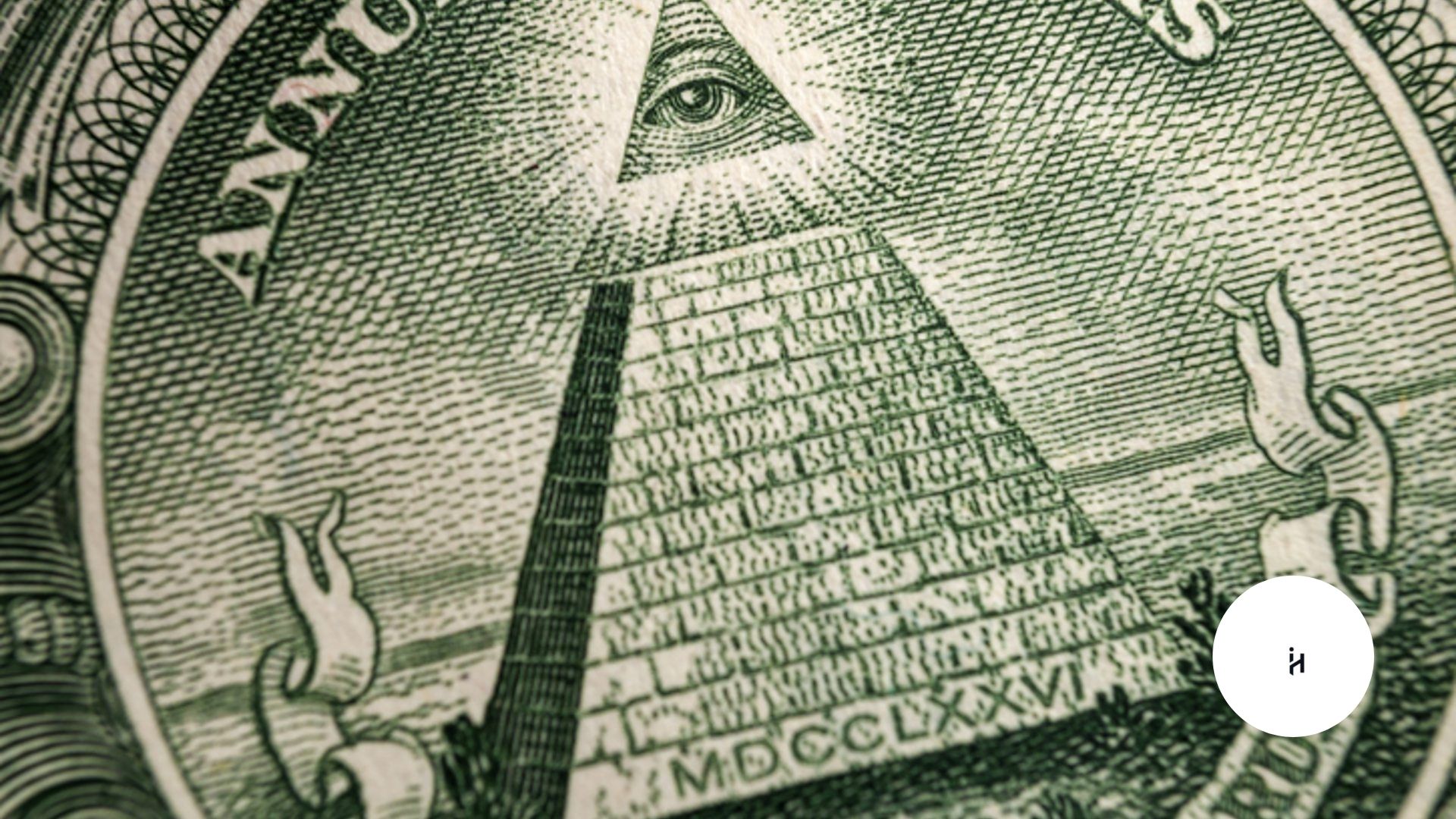
One theory claims that people who display certain signs (like the All-Seeing Eye, pyramid tattoos, or Masonic rings) may attract attention from the Illuminati. If you are successful, creative, and use these symbols, you might unknowingly send a message that you’re ready for recruitment.

While this might sound fictional, some believers insist that the organization watches influencers, searching for aligned individuals. Those studying how to join Illuminati often use symbolism in hopes of being recognized.

Occult and Ritual Knowledge: Real or Imagined?

Some claim that understanding occult knowledge, ancient rituals, or hidden spiritual truths could be a pathway into the Illuminati. Esoteric subjects like astrology, sacred geometry, numerology, and Kabbalah are often linked to this path.

However, whether these are true steps or fictional lore remains debatable. Still, many believe that those serious about how to join Illuminati should immerse themselves in these fields to align with the so-called “philosophy of light.”

Secret Societies Connection: Masons, Rosicrucians, and More

There’s a long-held theory that the Illuminati is connected with other secret societies like the Freemasons, Rosicrucians, or Skull and Bones. These groups are real, with centuries-old traditions of secrecy and elite membership.

Some say joining such societies can be a gateway into the Illuminati, as it demonstrates loyalty, discretion, and intellectual readiness. If you’re looking for how to join Illuminati, becoming part of such traditional networks may be a logical first step.

Social Media and Fame: A Modern Entry Point?

It’s believed that the Illuminati has modernized with the digital age. Now, fame on platforms like Instagram, TikTok, or YouTube may bring you to their radar. Viral content, mass influence, and social reach could be seen as new power symbols.

Some users claim they were contacted after gaining fame. While it could be coincidence, those researching how to join Illuminati often try to grow their public influence, hoping that it draws attention from secret groups.

How to Join Illuminati

Financial Success: Is Wealth a Key?

Money equals power—and in many stories surrounding the Illuminati, wealth is a crucial qualifier. Multi-millionaires, CEOs, and celebrities are frequently rumored to be members.

It’s said that wealth proves your ability to shape systems, influence opinions, and maintain secrecy. So, if you’re pursuing how to join Illuminati, building your fortune may be a good starting point.

Final Thoughts: Is It Worth It?

The allure of the Illuminati is powerful, but before you go down the rabbit hole, ask yourself why. Are you looking for power, wealth, or fame? Or is it simply curiosity? Understanding how to join Illuminati may help you navigate myths, but remember that most of the stories are unverifiable.

Moreover, many who chase this idea end up falling victim to scams or mental stress. Stay grounded and focus on your real-life achievements, connections, and goals.

Cintamani Stone: The Mythical Gem of Divine Power

0
Cintamani Stone

The Cintamani Stone is often called the “wish-fulfilling jewel” in ancient legends. Deeply embedded in Buddhist, Hindu, and esoteric traditions, this mystical gem is believed to hold immense spiritual power and cosmic intelligence. It has fascinated mystics, scholars, and seekers of truth for centuries. But what exactly is the Cintamani Stone?

Is it a myth, a real celestial object, or a powerful symbol of transformation? In this blog, we’ll explore everything from its ancient roots to modern-day interpretations, shedding light on its importance in spiritual practices and metaphysical realms.

The Origins of the Cintamani Stone

The term Cintamani originates from Sanskrit, where “cinta” means thought or desire and “mani” means jewel. It’s often translated as the “wish-fulfilling jewel” and is compared to a philosopher’s stone in Western traditions. Ancient texts describe the Cintamani Stone as falling from the sky or hidden in sacred mountains, closely guarded by celestial beings like Nagas or Dragons.

Cintamani Stone

In Buddhist lore, the Cintamani Stone is held by Bodhisattvas like Avalokiteshvara and Ksitigarbha, while Hindu mythology links it with the divine serpent Shesha and gods like Vishnu. Tibetan legends even describe it as being a stone from Sirius or Orion, used by advanced civilizations such as Lemuria and Atlantis.

This mythical origin has led some researchers to connect the Cintamani Stone to extraterrestrial or interdimensional phenomena, enhancing its mystical appeal. Whether one views it as a metaphorical symbol or a real artifact, its origin remains cloaked in celestial mystery.

The Spiritual Meaning Behind the Cintamani Stone

The Cintamani Stone is not just a mystical gem but a beacon of spiritual awakening. It symbolizes purity of mind, compassion, and the transformation of desire into enlightenment. In spiritual traditions, the stone is said to respond to the vibration of the person who possesses it, aiding those with pure intentions.

The stone is believed to help open the Ajna or third-eye chakra, allowing access to higher realms of consciousness. It’s also considered a bridge between the physical and spiritual world—enabling communication with divine beings and offering protection from negative energies.

Many spiritual seekers meditate with the Cintamani Stone to access universal knowledge or to dissolve karmic burdens. Its vibration is said to purify energy fields, create harmony, and align the user with their higher self.

Connection Between Cintamani and Shambhala

Shambhala, the mythical kingdom hidden in the Himalayas, plays a key role in the story of the Cintamani Stone. According to ancient Tibetan texts, the stone originated from this enlightened realm and was gifted to leaders and spiritual guides to help usher in peace and prosperity.

It is believed that the rulers of Shambhala used the Cintamani to monitor Earth’s spiritual progress. The stone is considered a transmitter of divine intelligence from Shambhala, influencing events on Earth to maintain cosmic balance.

Nicholas Roerich, a Russian philosopher and explorer, claimed to carry a piece of the Cintamani Stone during his expeditions. He believed it was sent from Shambhala to assist in awakening human consciousness during times of crisis.

Symbolism in Buddhist and Hindu Scriptures

The Cintamani Stone appears in numerous sacred texts and iconography. In Buddhism, it is often shown on banners, held by Bodhisattvas, or atop sacred stupas, representing supreme wisdom and compassion. The flaming jewel symbolizes the burning away of ignorance.

In Hinduism, it is considered one of the “ratnas” or jewels that fell from the sky during the cosmic churning of the ocean (Samudra Manthan). This highlights its divine and otherworldly origin.

The stone also symbolizes Dharma (righteousness), Artha (wealth), Kama (desire), and Moksha (liberation), making it a comprehensive spiritual emblem in Indian philosophy.

The Cintamani Stone in Esoteric and Occult Traditions

Cintamani Stone

In Western esoteric circles, the Cintamani Stone is often linked to the Philosopher’s Stone, the Holy Grail, and other mythical objects of power. Some occult teachings refer to it as a stone of ascension, helping in light-body activation and timeline shifts.

It is also said to work in alignment with cosmic cycles and celestial events. In alchemy, it represents the union of spirit and matter—making it highly sought after for soul alchemy and transformation.

Modern esotericists claim the Cintamani Stone acts as a “seed of light” planted across the planet to raise global consciousness. This has led to worldwide placement of stones believed to carry its energy to create a planetary light grid.

Modern-Day Use and Popularity

Today, the Cintamani Stone has gained popularity among spiritual seekers, energy healers, and even UFO researchers. Many claim to feel powerful energy shifts when in possession of or near a Cintamani. Some use it in healing sessions, while others meditate with it to activate their higher chakras.

The rise of crystal healing has contributed to the stone’s appeal. However, true Cintamani Stones are considered rare and sacred. Most commercially available stones labeled as such are either replicas or infused with the intention of the original.

Despite this, many report intense dreams, visions, and rapid spiritual awakening upon connecting with a Cintamani Stone.

Scientific vs. Mystical Perspectives

From a scientific standpoint, there’s little concrete evidence of the Cintamani Stone existing in the way ancient texts describe. However, certain meteorites and rare minerals like moldavite or tektite are believed by some to carry similar energies due to their extraterrestrial origin.

Skeptics argue that the effects attributed to the Cintamani Stone are psychological or placebo-based. Yet, practitioners counter that consciousness itself is non-physical and can interact with energetic frequencies beyond scientific tools.

This divide only intensifies the mystery, drawing even more curiosity toward the Cintamani Stone.

The Cintamani Stone and Chakras

Cintamani Stone

The Cintamani Stone is said to work primarily with the upper chakras—particularly the third eye, crown, and soul star chakras. Its energy is described as high-frequency and celestial, facilitating deep meditation and spiritual vision.

It clears blockages that prevent spiritual awakening, allowing energy to flow freely through the body’s energy centers. This aligns the seeker with divine will and inner truth.

When placed near the heart or third eye during meditation, the Cintamani Stone can evoke feelings of unconditional love, peace, and divine clarity.

Cintamani Stone in Astrology

Astrologically, the Cintamani Stone is associated with celestial bodies like Sirius, Venus, and Uranus—each known for its influence on higher intelligence, love, and revolution. Ancient beliefs tie the stone to lunar and solar cycles, claiming it becomes active during eclipses and solstices.

Some spiritual astrologers recommend using the Cintamani Stone during new moon rituals or planetary retrogrades to gain insight, remove karma, and recalibrate intentions.

It is believed that those under certain star alignments can access deeper benefits from the stone, especially spiritual guides and lightworkers.

Misconceptions and Myths

There are many myths surrounding the Cintamani Stone, such as its ability to grant immortality or instant material wealth. These exaggerations often overshadow its deeper spiritual significance.

Another misconception is that simply owning a Cintamani Stone will change your life instantly. In reality, the stone is believed to amplify existing intentions and vibrational states—it does not override free will or karmic paths.

The commercialization of the stone has led to many fake products, causing confusion and disappointment among buyers. Awareness and discernment are essential.

How to Work With the Cintamani Stone

Working with the Cintamani Stone requires reverence and intention. Cleanse the stone energetically by placing it under moonlight or using sage. Meditation, visualization, and prayer are common practices to activate its power.

Journaling your experiences, dreams, and inner changes is also recommended to track your journey. Use the stone during spiritual retreats, energy healing, or planetary grid work.

It’s essential to understand that the Cintamani Stone serves as a guide, not a shortcut. Its real power lies in its ability to catalyze your inner transformation toward higher consciousness.