Home Blog Page 59

The Path of a Bodhisattva in Buddhism

0
Bodhisattva

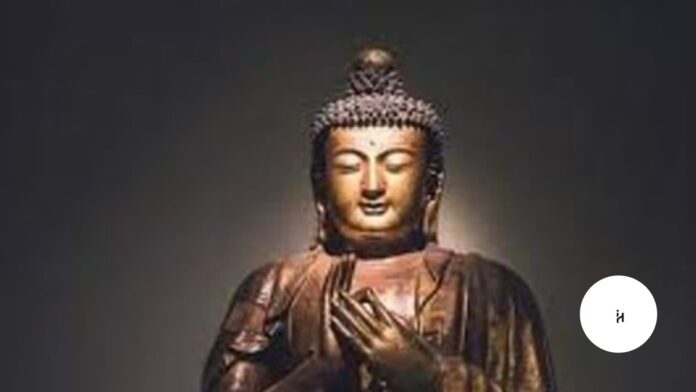
The concept of the bodhisattva holds a central place in Mahāyāna Buddhism. Unlike the traditional path of attaining nirvana and leaving the cycle of rebirth behind, a bodhisattva vows to delay their own enlightenment to help all sentient beings achieve liberation. Derived from the Sanskrit words “bodhi” (enlightenment) and “sattva” (being), a bodhisattva is literally an “enlightenment-being.” This ideal blends deep compassion with wisdom, making the bodhisattva an emblem of selfless service.

The bodhisattva path is not only for monastics. In Mahāyāna traditions, it is seen as a universal ideal that anyone can aspire to. Throughout Buddhist history, countless practitioners have committed to becoming bodhisattvas, walking a path filled with ethical conduct, spiritual discipline, and altruistic actions.

This blog will explore the multifaceted journey of the bodhisattva—from its definition and vows to historical examples, stages, and significance in modern practice. Let us now dive deep into the soul of this noble pursuit.

What Is a Bodhisattva?
Bodhisattva

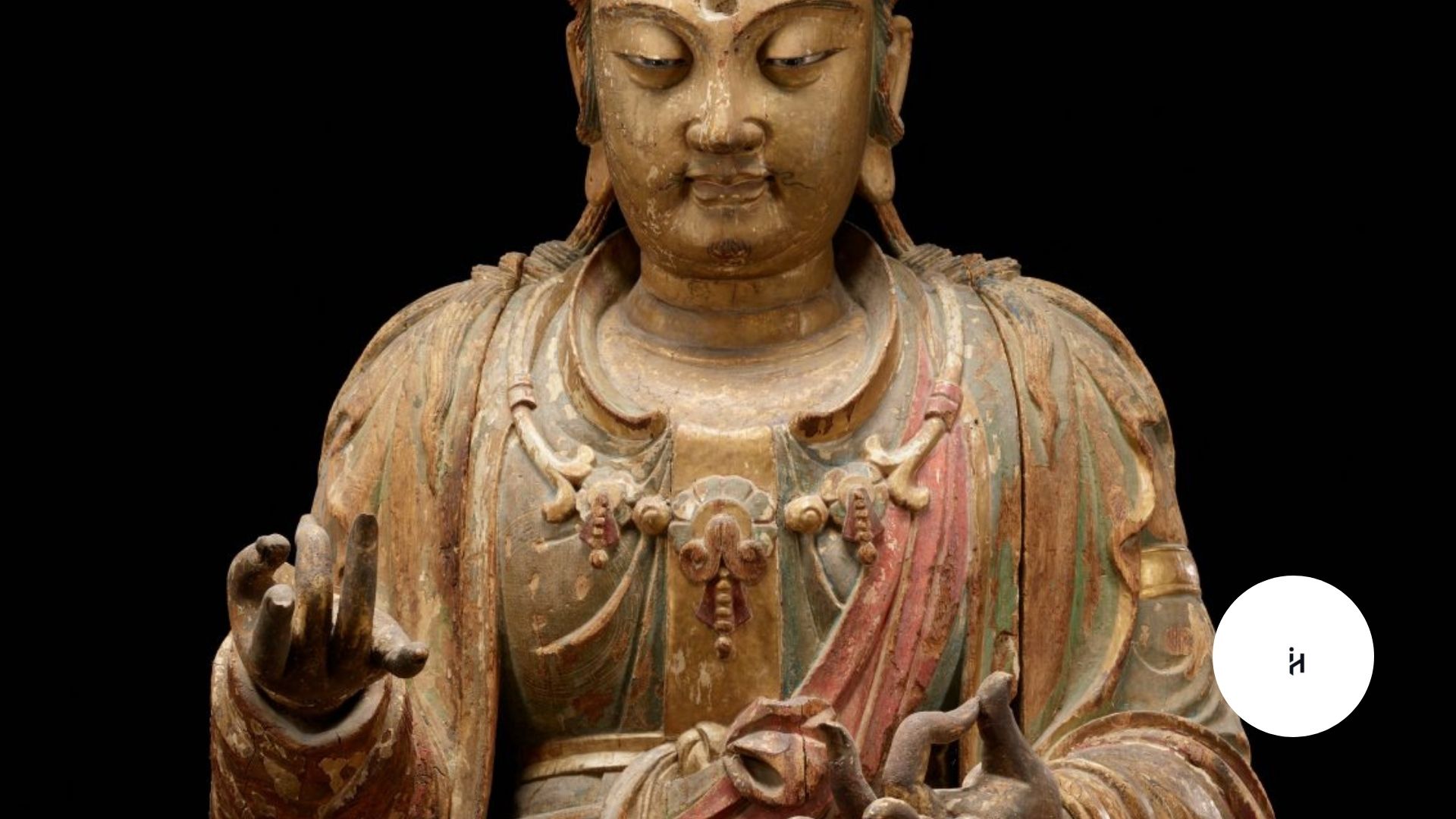
A bodhisattva is someone who seeks enlightenment not for their own sake, but to help others achieve it. While Theravāda Buddhism focuses on the arahant ideal—someone who seeks their own liberation—the Mahāyāna tradition reveres the bodhisattva as the highest spiritual ideal.

A bodhisattva practices generosity, patience, ethical behavior, meditation, and wisdom. These virtues are cultivated to perfection, a process known as the “Six Pāramitās” or perfections. The defining feature of a bodhisattva is their bodhicitta—the compassionate intention to attain enlightenment to benefit all beings.

Historically, even Gautama Buddha is believed to have lived countless lives as a bodhisattva before attaining final Buddhahood. Stories of these past lives are found in the Jataka tales, demonstrating the immense dedication required on this path.

In essence, a bodhisattva is both a spiritual warrior and a compassionate guide, embodying wisdom and selflessness at every stage of their journey.

The Origin and History of Bodhisattva

The concept of the bodhisattva originated in early Indian Buddhism but gained prominence during the emergence of Mahāyāna around the 1st century CE. Ancient texts like the Lotus Sutra and Avataṃsaka Sutra elaborated on the cosmic and transcendent nature of bodhisattvas.

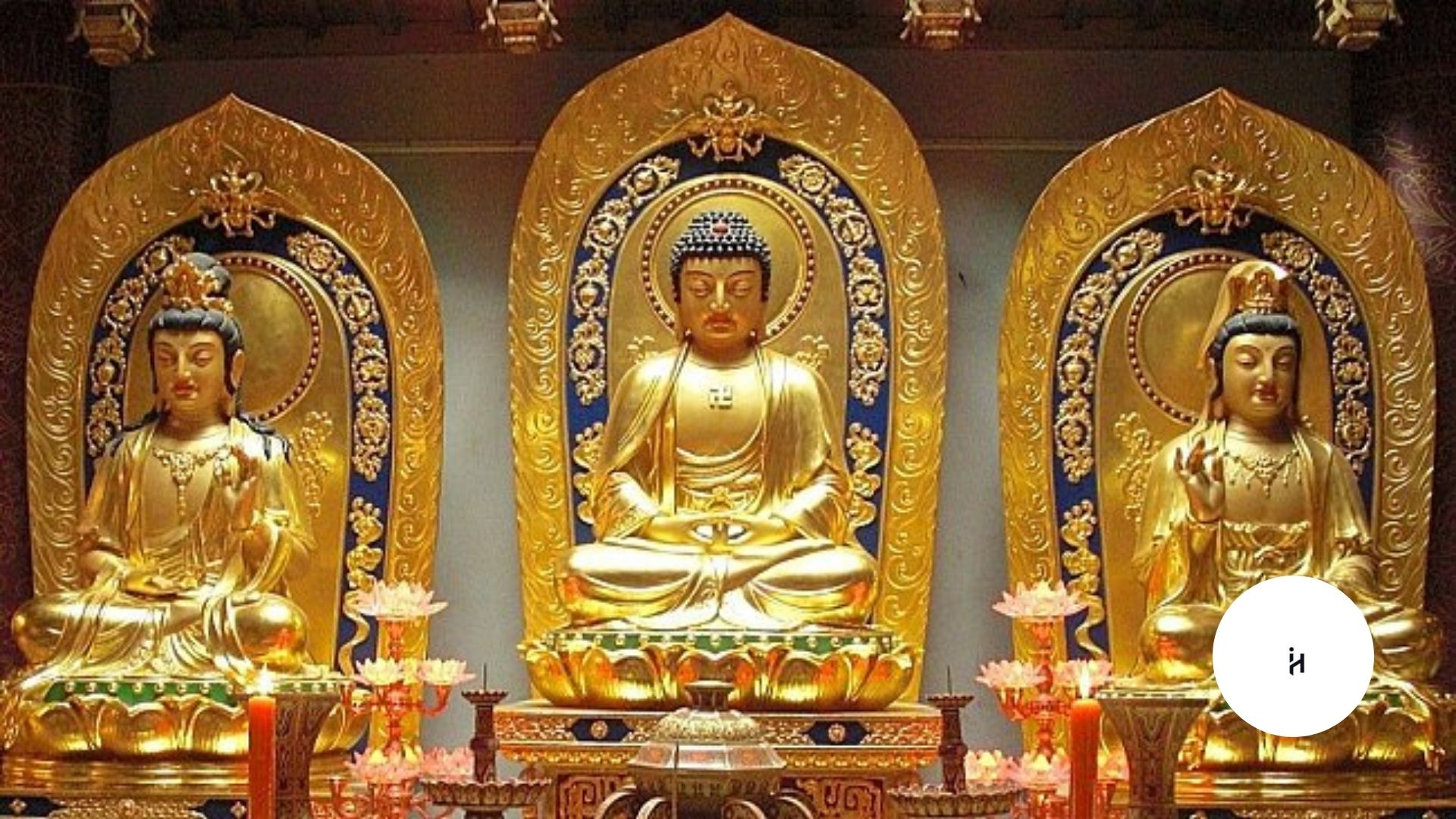
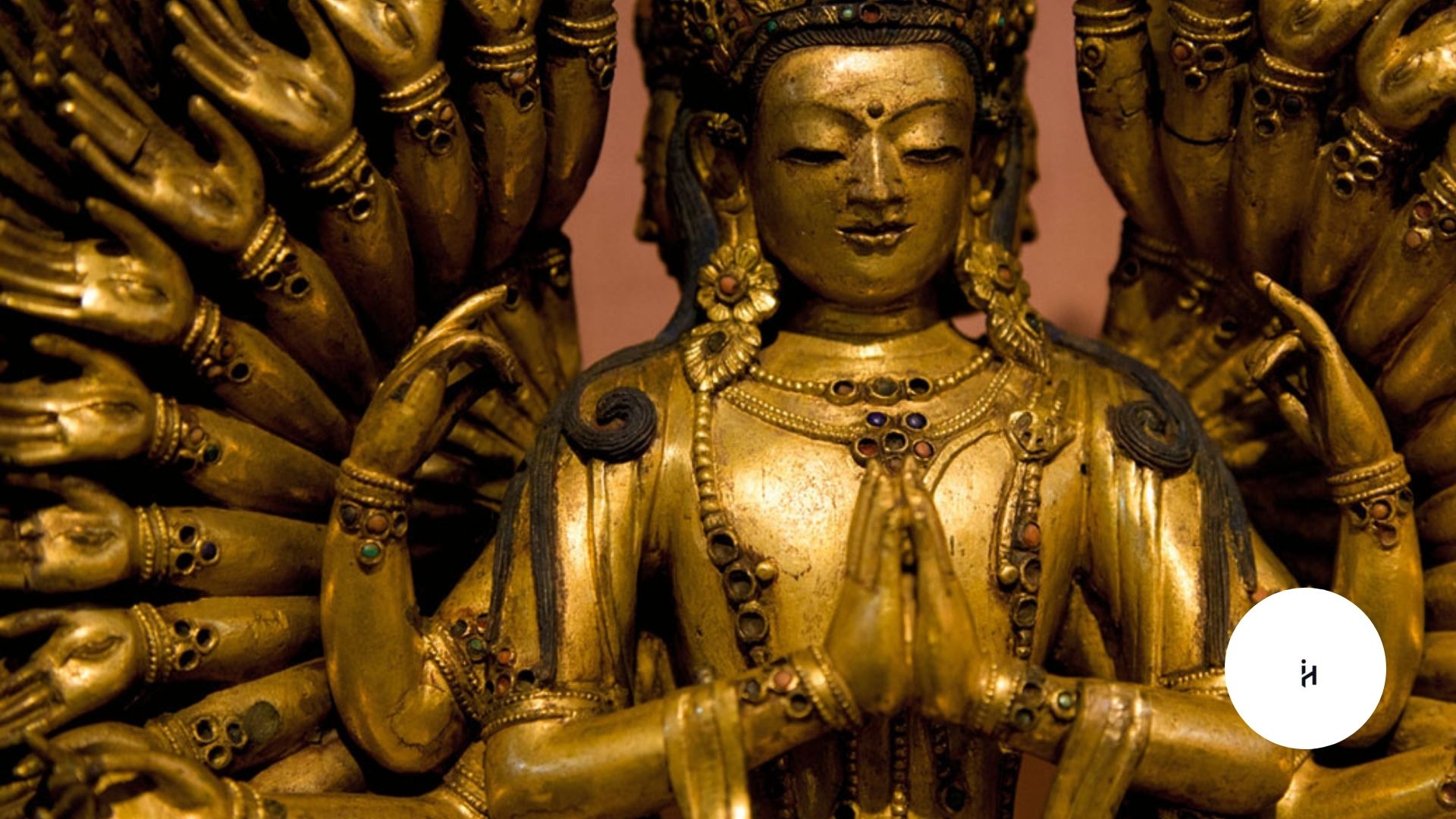
Initially, the term was primarily associated with Siddhārtha Gautama before his enlightenment. But later Mahāyāna literature expanded the term to include celestial bodhisattvas like Avalokiteśvara (embodiment of compassion), Mañjuśrī (wisdom), and Kṣitigarbha (protector of beings in hell).

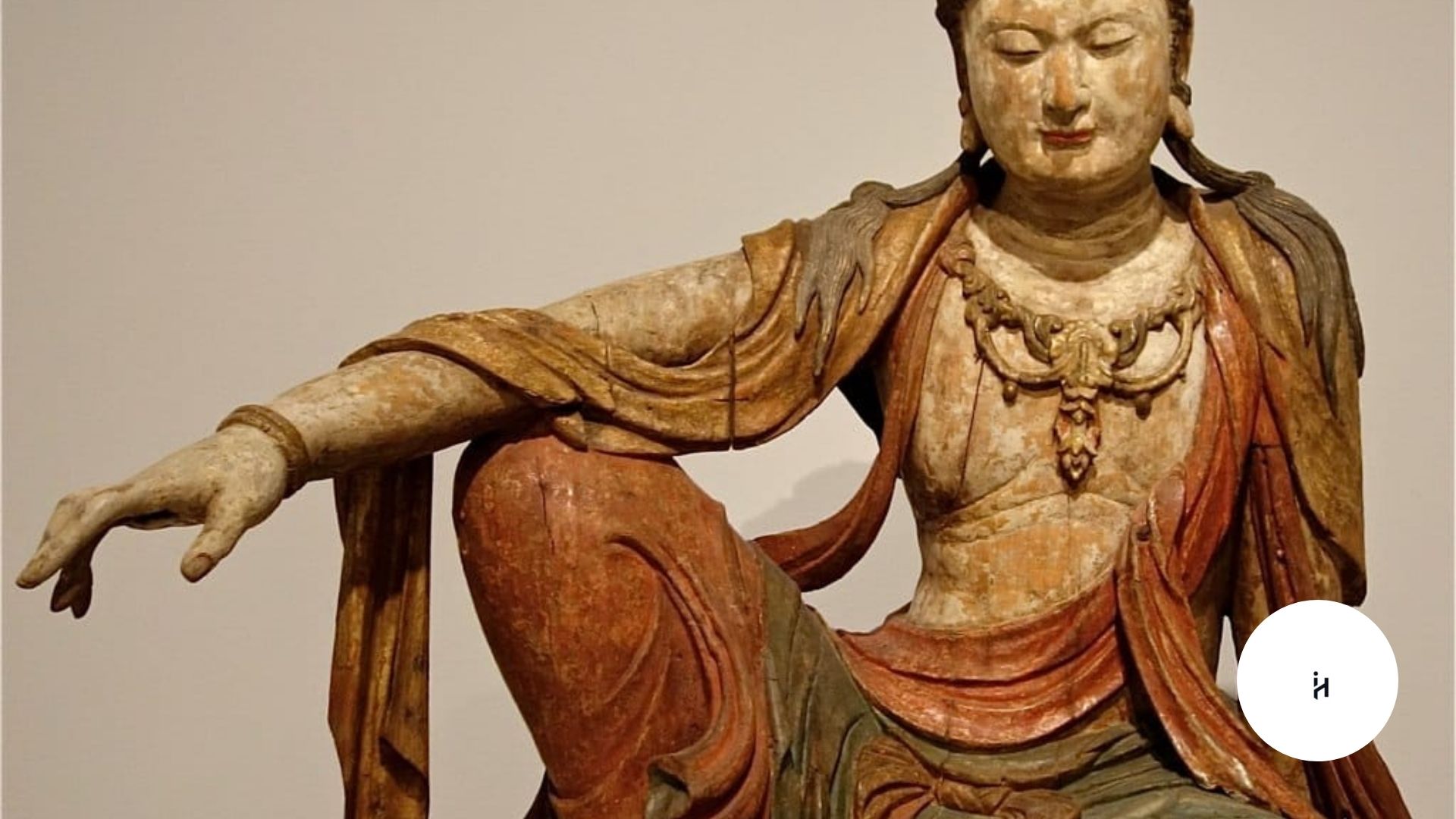
In the early centuries, bodhisattva cults emerged across Asia—from India and Nepal to China, Japan, and Tibet. Art, architecture, and literature flourished under their influence. For example, in Chinese Buddhism, Guan Yin is the popular representation of Avalokiteśvara and revered as the Goddess of Mercy.

Thus, the bodhisattva ideal shaped not just theology but also cultural and devotional practices across Buddhist civilizations.

The Bodhisattva Vow: Commitment to All Beings

At the heart of the bodhisattva path lies the Bodhisattva Vow—a solemn promise to attain Buddhahood for the benefit of all beings. The vow signifies a commitment to develop bodhicitta, the mind of awakening, through tireless compassion.

The typical formulation of the vow reads:

“Beings are numberless; I vow to save them.
Delusions are endless; I vow to end them.
Dharma gates are boundless; I vow to enter them.
The Buddha’s Way is unsurpassable; I vow to become it.”

Taking the vow is a transformative step. It reshapes one’s motivations and actions from ego-centered goals to altruistic intentions. It’s not a one-time ceremony—it’s a lifelong aspiration, renewed daily in practice and contemplation.

Many Mahāyāna practitioners take the vow as part of their entry into the Buddhist path. In Zen and Tibetan traditions, the vow is central to daily liturgy, reminding practitioners of their shared mission with all bodhisattvas past, present, and future.
Bodhisattva

The Six Perfections (Pāramitās) of a Bodhisattva

To walk the bodhisattva path, one must cultivate the Six Perfections or ṣaṭpāramitāḥ. These are:

  1. Dāna (Generosity) – Giving material, emotional, or spiritual support

  2. Śīla (Ethical Conduct) – Practicing moral discipline and non-harm

  3. Kṣānti (Patience) – Developing tolerance and forbearance

  4. Vīrya (Diligence) – Joyful perseverance in spiritual efforts

  5. Dhyāna (Meditation) – Deepening awareness through meditative absorption

  6. Prajñā (Wisdom) – Insight into the nature of reality and emptiness

Each perfection supports the others, creating a harmonious framework for growth. A bodhisattva must engage all six with balance, recognizing that without wisdom, even generosity can become misguided.

Through the perfections, bodhisattvas refine their mind and embody the very teachings of the Buddha in action. They serve as the moral and ethical compass for the world.

Famous Bodhisattvas in Buddhism

Numerous bodhisattvas are honored in Buddhist traditions:

  • Avalokiteśvara (Guanyin/Kannon) – The embodiment of boundless compassion

  • Mañjuśrī – The bodhisattva of wisdom, wielding the sword of insight

  • Kṣitigarbha (Jizō) – Protector of children and beings in lower realms

  • Samantabhadra – Symbolizing great vows and meditation

  • Tārā – The female bodhisattva of protection and liberation

Each bodhisattva manifests in diverse forms to meet beings according to their needs. Their stories, mantras, and iconography inspire practitioners and provide spiritual comfort.

These celestial bodhisattvas function like compassionate deities—guides and protectors on the path to enlightenment.

The Ten Stages of a Bodhisattva (Bhūmis)

The bodhisattva path is traditionally described in Mahāyāna Buddhism as progressing through ten spiritual stages, known as bhūmis. These stages represent the evolution of a bodhisattva’s mind, virtues, and wisdom as they move toward complete enlightenment.

The ten bhūmis are:

  1. Joyful (Pramuditā) – Rejoicing in the commitment to save all beings

  2. Stainless (Vimalā) – Cultivating ethical purity

  3. Luminous (Prabhākarī) – Deepening concentration and wisdom

  4. Radiant (Arciṣmatī) – Burning away defilements with insight

  5. Difficult to Conquer (Sudurjayā) – Overcoming subtle afflictions

  6. Approaching (Abhimukhī) – Entering deeper realization of emptiness

  7. Gone Afar (Dūraṅgamā) – Perfecting the pāramitās with ease

  8. Unshakable (Acalā) – Immovable in wisdom and compassion

  9. Excellent Intellect (Sādhumatī) – Mastering teachings and benefiting others

  10. Cloud of Dharma (Dharmameghā) – Radiating universal wisdom

These stages are not rigid steps but fluid experiences that represent increasing levels of clarity and capability. A bodhisattva at the highest bhūmis is near Buddhahood, capable of manifesting in countless worlds to aid sentient beings.

The bhūmis underscore the profound depth of the bodhisattva ideal—this is not just a moral path, but a cosmic journey of transformation.

Bodhicitta: The Heart of a Bodhisattva

Bodhicitta, or the “mind of awakening,” is the core driver behind a bodhisattva’s actions. It is the deep-seated intention to attain enlightenment not for oneself, but for the liberation of all beings from suffering.

There are two forms of bodhicitta:

  • Relative bodhicitta – The aspiration to help others and cultivate compassion

  • Ultimate bodhicitta – The realization of emptiness and the nature of mind

The two are not separate; they nourish each other. Compassion must be guided by wisdom, and wisdom must be rooted in compassion. Together, they form the bodhisattva’s compass.

Practices to cultivate bodhicitta include:

  • Tonglen (Tibetan practice of giving and receiving suffering)

  • Metta meditation (loving-kindness)

  • Reflecting on the interdependence of all life

Without bodhicitta, the path becomes egocentric. With it, every action—even mundane—becomes a sacred offering to the world. It is the heartbeat of the bodhisattva journey.
Bodhisattva

Differences Between a Bodhisattva and a Buddha

While both bodhisattvas and Buddhas are awakened beings, their roles and stages differ.

A Buddha has completed the path and no longer needs rebirth. They remain free from the cycle of samsara. A bodhisattva, on the other hand, may choose to stay in samsara—postponing final nirvana—in order to help all beings attain enlightenment.

Other distinctions include:

  • Motivation: A Buddha finishes their mission; a bodhisattva continues theirs.

  • Role: Buddhas are teachers; bodhisattvas are active guides in samsara.

  • Spiritual choice: A bodhisattva willingly delays their liberation for others.

That said, all Buddhas were once bodhisattvas. The latter is seen as a noble precursor, while the former is the final culmination of the path. In Mahāyāna belief, it is even more compassionate to stay a bodhisattva than to become a Buddha.

Modern-Day Relevance of the Bodhisattva Path

Though ancient in origin, the bodhisattva ideal holds immense relevance today. In a world filled with suffering, inequality, and ecological crisis, the need for bodhisattva-like action has never been greater.

Modern teachers like the Dalai Lama and Thich Nhat Hanh have brought the bodhisattva path into contemporary life. They emphasize mindfulness, social engagement, and environmental compassion as part of this spiritual journey.

Anyone, regardless of religion or status, can live as a bodhisattva by:

  • Choosing love over indifference

  • Offering help without expecting return

  • Engaging in ethical actions with intention

From healthcare workers to environmental activists, from teachers to parents—those who live for the benefit of others walk the bodhisattva path, whether knowingly or not.

Becoming a Bodhisattva: Can Anyone Do It?

Yes, anyone with sincere intent can become a bodhisattva. Mahāyāna Buddhism teaches that all beings have “Buddha-nature,” the seed of awakening. Becoming a bodhisattva is less about titles and more about intention and action.

Steps to begin the journey:

  1. Generate bodhicitta – Develop the desire to help all beings

  2. Take the Bodhisattva Vow – Formally or informally commit to the path

  3. Study and practice the Dharma – Learn from teachings, meditate, and reflect

  4. Engage in compassionate action – Turn everyday activities into service

The bodhisattva path is not a distant goal—it begins the moment one decides to live with wisdom and compassion. Even small acts, done with great love, build the path under your feet.

The Bodhisattva Path in Different Cultures

Across Asia, the bodhisattva ideal has been embraced and reimagined in unique cultural contexts:

  • China: Guanyin, the feminine form of Avalokiteśvara, is the most loved bodhisattva. Temples, poems, and paintings honor her.

  • Japan: Kannon and Jizō are central figures in Zen and Pure Land Buddhism. Jizō protects children and travelers.

  • Tibet: Avalokiteśvara (Chenrezig) is central, with the Dalai Lama considered his human embodiment.

  • India: Mañjuśrī and Samantabhadra feature in ancient temples and texts, illustrating wisdom and meditation.

In each culture, bodhisattvas have adapted to the people’s needs. They appear in different genders, forms, and stories—but their mission remains the same: to guide beings toward awakening.

The bodhisattva ideal has become a global inspiration, transcending boundaries of culture and creed.

Final Thoughts

The journey of a bodhisattva is one of boundless compassion, profound wisdom, and deep commitment to the well-being of all life. It calls us to move beyond personal liberation and embrace a universal mission. Whether we walk the path in monastic robes or as everyday citizens, the heart of the bodhisattva beats in all who act with love and wisdom.


Tulare Lake: The Lost Giant of California’s Central Valley

0
Tulare Lake

Introduction: The Story of Tulare Lake

Tulare Lake, once a vast freshwater lake in California’s Central Valley, holds a captivating history intertwined with nature, human development, and environmental challenges. At its peak, Tulare Lake was the largest freshwater lake west of the Mississippi River, covering over 690 square miles.

The lake’s expansive waters supported a diverse ecosystem and played a critical role in the lives of indigenous peoples and early settlers. However, over time, human activities transformed the landscape, causing Tulare Lake to vanish almost entirely. This blog explores Tulare Lake’s rich history, its ecological importance, and efforts underway to revive this lost natural treasure.

Geography and Formation of Tulare Lake

Tulare Lake

Tulare Lake was located in the southern San Joaquin Valley, bordered by the Sierra Nevada mountains to the east and the Coast Ranges to the west. It was primarily fed by the Kings, Kaweah, Tule, and Kern Rivers. This natural basin formed over thousands of years through tectonic and hydrological processes.

Seasonal snowmelt from the Sierra Nevada contributed significantly to its waters. The lake fluctuated in size depending on rainfall and river flow, expanding in wet years and shrinking in dry periods. Its geography created a unique wetland habitat that supported a variety of plant and animal species.

The Historical Significance of Tulare Lake

Tulare Lake played a vital role in California’s history. Indigenous tribes such as the Yokuts thrived around its shores, relying on the lake’s abundant fish and wildlife. The lake also served as a natural transportation and trade route. During the 19th century, the arrival of European settlers led to major changes.

They used the lake and its surrounding wetlands for fishing, hunting, and agriculture. Tulare Lake’s fertile floodplains became highly attractive for farming. However, this also led to increasing pressure on the lake’s natural state, setting the stage for its eventual decline.

Ecology and Biodiversity of Tulare Lake

The ecosystem of Tulare Lake was incredibly rich and diverse. It supported hundreds of species, including migratory birds, fish, amphibians, and mammals. The wetlands and marshes surrounding the lake were essential breeding grounds and resting spots for birds traveling along the Pacific Flyway.

Native fish such as the Tule perch thrived in its waters. The lake’s plant life, including cattails and tule reeds, provided habitat and nourishment to many species. The health of Tulare Lake was directly connected to the overall ecological balance of California’s Central Valley.

The Impact of Agriculture on Tulare Lake

The transformation of Tulare Lake began largely with the development of agriculture. By the late 1800s, settlers started diverting rivers for irrigation to support crops like cotton, wheat, and fruits. Levees and canals were built to control flooding and reclaim land from the lakebed.

These water diversions drastically reduced the inflow to Tulare Lake, causing it to shrink year after year. Agricultural expansion eventually led to the lake drying up almost completely by the early 20th century. While this created fertile farmland, it also caused the loss of wetland habitats and disrupted the natural hydrology of the region.

Tulare Lake’s Disappearance and Environmental Consequences

Tulare Lake

By the 1930s, Tulare Lake had largely disappeared, leaving behind a dry lakebed used for farming. This loss of water had severe environmental consequences. The wetlands and wildlife dependent on the lake vanished or were displaced.

The drying lakebed also contributed to dust storms and air quality issues. Furthermore, the loss of the lake changed groundwater levels and disrupted local climate patterns. Tulare Lake’s disappearance is a classic example of how large-scale human modifications to natural water systems can lead to significant environmental degradation.

Cultural Legacy and Indigenous Connection

For the indigenous Yokuts people, Tulare Lake was more than just a body of water—it was central to their culture, spirituality, and sustenance. The lake provided fish, waterfowl, and plants vital for food and traditional practices.

Even after the lake dried, the cultural memory of Tulare Lake persists among tribal communities. Efforts to document and preserve indigenous history increasingly recognize Tulare Lake’s significance. Understanding this cultural connection is key to appreciating the full story of Tulare Lake and respecting its place in California’s heritage.

Modern Hydrology and Flood Management

In recent decades, Tulare Lake has occasionally re-emerged during years of heavy rain and flooding. This is largely due to ongoing water management challenges in the Central Valley. Floodwaters from the Kings and Tule Rivers can temporarily refill parts of the old lakebed.

Modern levees and irrigation canals help prevent permanent flooding but also complicate natural water flow. These periodic flood events highlight the dynamic nature of the Tulare Lake basin and raise questions about future water management strategies in the face of climate change and increased water demand.

Efforts Toward Restoration and Conservation

There is growing interest among environmentalists, government agencies, and indigenous groups to restore portions of Tulare Lake’s wetlands. Restoration aims to bring back some of the lost habitat, improve water quality, and provide flood control benefits.

Projects include wetland creation, river flow improvements, and habitat protection initiatives. While fully restoring Tulare Lake to its original size is unlikely, these efforts demonstrate a commitment to reviving the ecological functions of the lake and enhancing biodiversity in the Central Valley.

Tulare Lake in Popular Culture and Media

Tulare Lake has also captured the imagination of writers, photographers, and filmmakers. Its story symbolizes the tension between nature and human development. Various documentaries and books explore the lake’s history, ecological loss, and cultural importance. Tulare Lake is often referenced as a cautionary tale about water management and environmental sustainability. The imagery of the vast dry lakebed juxtaposed with occasional floodwaters evokes both nostalgia and hope for restoration.

Tulare Lake

The Role of Tulare Lake in California’s Water Crisis

California faces ongoing water scarcity and drought challenges. Tulare Lake’s history offers lessons about water use, conservation, and the risks of overexploitation. The drying of Tulare Lake parallels broader issues of groundwater depletion and river diversion in the state.

Policymakers and scientists look to the lake’s basin as a case study in balancing agricultural needs, urban growth, and ecosystem health. Sustainable water management that respects natural hydrology is crucial to avoiding further losses like that of Tulare Lake.

Future Outlook: Challenges and Opportunities

The future of Tulare Lake involves complex trade-offs between agriculture, urban development, environmental conservation, and indigenous rights. Climate change may increase the frequency of extreme weather events, causing more flooding or droughts in the region.

Adaptive water management strategies will be essential to respond to these changes. Collaborative efforts among stakeholders can transform Tulare Lake’s basin into a model of sustainable coexistence between humans and nature. Though the lake itself remains mostly dry, its legacy inspires hope for a more balanced and resilient future.

Conclusion

Tulare Lake’s story is a powerful example of the interplay between natural ecosystems and human intervention. From its vast waters supporting rich biodiversity and indigenous cultures to its near disappearance under agricultural pressure, Tulare Lake encapsulates many challenges faced by modern environmental management.

Through restoration efforts and renewed appreciation of its ecological and cultural importance, Tulare Lake continues to teach valuable lessons about sustainability, resilience, and respect for nature’s complexity.

9/11: The Day That Changed the World Forever

0
9/11

Introduction: What Was 9/11 and Why It Matters

The term 9/11 refers to the terrorist attacks that took place on September 11, 2001, when four coordinated suicide hijackings targeted major U.S. landmarks. The attacks led to the tragic loss of nearly 3,000 lives and forever altered the geopolitical landscape. Understanding 9/11 is crucial, not only for remembering the victims but also for grasping how global security, politics, and societies evolved afterward.

On that clear Tuesday morning, 19 militants associated with the extremist group al-Qaeda hijacked four commercial airplanes. Two were flown into the World Trade Center’s Twin Towers in New York City, one into the Pentagon in Washington, D.C., and the fourth crashed in Pennsylvania after passengers intervened. This blog will guide you through the details and profound consequences of 9/11 in eleven key sections.

The Morning of 9/11: Chronology of Events

9/11
9/11

On September 11, 2001, the attacks unfolded with horrifying precision. The first plane, American Airlines Flight 11, crashed into the North Tower of the World Trade Center at 8:46 AM. Less than 20 minutes later, United Airlines Flight 175 struck the South Tower at 9:03 AM. At 9:37 AM, American Airlines Flight 77 hit the Pentagon. Meanwhile, United Airlines Flight 93, intended for another target, crashed in Pennsylvania at 10:03 AM after passengers tried to overpower the hijackers.

The timeline of 9/11 reveals not just the devastation but the rapid sequence in which events shocked the world. The collapse of the Twin Towers at 9:59 AM and 10:28 AM marked a tragic climax, leaving an indelible scar on the New York skyline and the global psyche.

The Hijackers and Al-Qaeda’s Role

The terrorist group al-Qaeda, led by Osama bin Laden, orchestrated the 9/11 attacks. The 19 hijackers were selected for their ability to blend in and their extremist commitment. Al-Qaeda’s motive was rooted in opposition to U.S. foreign policies, especially military presence in the Middle East.

Understanding the background of the hijackers and al-Qaeda’s strategy provides insight into the nature of terrorism on 9/11. It was a meticulously planned operation designed to cause maximum casualties and terrorize not only America but the entire world.

Immediate Aftermath: Rescue and Recovery Efforts

The immediate aftermath of 9/11 was marked by heroic rescue efforts. Thousands of first responders, firefighters, and police risked their lives searching for survivors amid the rubble. The chaos at Ground Zero was unprecedented, with rescue workers battling fires, debris, and the threat of additional attacks.

Despite valiant efforts, the death toll was immense. Recovery efforts extended for months, with workers combing through debris to find victims and evidence. The sacrifice and bravery of these responders remain a crucial chapter in the story of 9/11.

The Global Response to 9/11

The world watched in shock and sympathy. Nations across the globe condemned the attacks and expressed solidarity with the United States. NATO invoked Article 5 for the first time, declaring the attack on one member as an attack on all, leading to international military cooperation against terrorism.

The global response to 9/11 ushered in a new era of international security measures, intelligence sharing, and counterterrorism efforts aimed at preventing future attacks.

The U.S. Government’s Immediate Actions

Following 9/11, the U.S. government quickly mobilized. President George W. Bush declared a “War on Terror,” resulting in new security laws, including the Patriot Act, designed to enhance surveillance and law enforcement powers.

The establishment of the Department of Homeland Security and changes in airport security protocols marked significant government actions in response to 9/11, reshaping American civil liberties and safety policies.

9/11

The War in Afghanistan: Pursuit of Al-Qaeda

In response to 9/11, the U.S. launched Operation Enduring Freedom in Afghanistan to dismantle al-Qaeda and remove the Taliban from power for harboring terrorists. This military campaign lasted two decades, becoming America’s longest war.

The war’s connection to 9/11 is pivotal, reflecting the attempt to prevent further terrorist attacks by targeting their base of operations.

The Impact on Civil Liberties and Privacy

The security measures post-9/11 sparked debate on balancing safety and personal freedoms. The Patriot Act expanded government surveillance powers, raising concerns about privacy violations and racial profiling.

This tension between security and liberty remains a significant legacy of 9/11, affecting legislation and public attitudes worldwide.

9/11’s Cultural and Psychological Impact

The trauma of 9/11 deeply affected American society and the world. It changed the way people perceive security and vulnerability. Memorials, films, books, and art have attempted to capture the event’s emotional weight.

The psychological impact included increased anxiety, nationalism, and at times, xenophobia, showing how 9/11 reshaped cultural narratives.

Conspiracy Theories and Controversies Surrounding 9/11

Despite extensive investigations, 9/11 has been the subject of numerous conspiracy theories questioning the official accounts. These range from claims about controlled demolitions to government complicity.

Understanding these controversies is important for a holistic view of the event’s impact on public trust and historical discourse.

9/11

The 9/11 Memorial and Museum

To honor the victims, the 9/11 Memorial and Museum were established at Ground Zero. The memorial features two reflecting pools marking the Twin Towers’ footprints, while the museum documents the attacks’ history and personal stories.

Visiting the memorial is a powerful experience, preserving the memory of 9/11 for future generations.

The Legacy of 9/11: Lessons Learned and Future Outlook

The legacy of 9/11 encompasses changes in security, international relations, and collective memory. While the world continues to face terrorism, the lessons learned have shaped policies aimed at prevention and resilience.

Reflecting on 9/11 helps ensure that the sacrifices made lead to a safer, more informed future.

Mahayana Buddhism: Understanding the Great Vehicle of Enlightenment

0
Mahayana Buddhism

Mahayana Buddhism, known as the “Great Vehicle,” is one of the two major branches of Buddhism, the other being Theravada. It emerged around the 1st century CE and quickly spread across East Asia, influencing the spiritual, cultural, and philosophical landscapes of countries such as China, Japan, Korea, and Tibet.

Unlike the Theravada focus on individual enlightenment, Mahayana Buddhism emphasizes universal salvation and compassion for all sentient beings. This blog explores the history, core teachings, key figures, practices, and impact of Mahayana Buddhism to provide a comprehensive understanding of this influential tradition.

Origins and Historical Development of Mahayana Buddhism

Mahayana Buddhism originated approximately in the 1st century CE as a reform movement within early Buddhism. It arose from various philosophical schools that sought to reinterpret the teachings of the Buddha with an emphasis on compassion and the Bodhisattva ideal.

Early Mahayana texts, such as the Prajnaparamita Sutras, introduced new concepts like emptiness (śūnyatā) and the Bodhisattva path, distinguishing it from the Theravada tradition.

The spread of Mahayana Buddhism was facilitated by the Silk Road and patronage from rulers, enabling it to establish roots in China, Tibet, Korea, and Japan. Its evolution shows adaptability and diversity, reflecting local cultures and philosophies while retaining core Buddhist values.

Mahayana Buddhism

Core Beliefs and Philosophical Foundations

At the heart of Mahayana Buddhism lies the belief in the Bodhisattva ideal, where practitioners vow to delay their own full enlightenment to help all beings achieve liberation. This contrasts with the Theravada focus on the Arhat, who seeks personal nirvana. Mahayana Buddhism introduces the concept of śūnyatā, or emptiness, which teaches that all phenomena lack inherent, independent existence.

This philosophical outlook encourages compassion and wisdom as the path to enlightenment. Additionally, Mahayana Buddhism accepts multiple Buddhas and Bodhisattvas as divine guides, reflecting a broader cosmology and an inclusive spiritual framework.

The Bodhisattva Path and Its Significance

The Bodhisattva path is central to Mahayana Buddhism. A Bodhisattva is an enlightened being who chooses to remain in the cycle of birth and death (samsara) to assist others on their spiritual journeys. This commitment represents Mahayana’s emphasis on altruism and compassion.

The path involves cultivating virtues known as the six paramitas or perfections—generosity, morality, patience, energy, meditation, and wisdom. The Bodhisattva ideal inspires practitioners to transcend selfish concerns, aiming for the liberation of all beings rather than individual enlightenment alone.

Key Scriptures of Mahayana Buddhism

Mahayana Buddhism has a vast and diverse textual tradition. Its sacred texts, collectively called the Mahayana Sutras, include the Lotus Sutra, Heart Sutra, Diamond Sutra, and Avatamsaka Sutra. These texts emphasize the universal potential for Buddhahood and the Bodhisattva ideal.

Unlike the Pali Canon of Theravada, Mahayana Sutras were composed in Sanskrit and other languages and often present more philosophical and devotional teachings. These scriptures have inspired countless interpretations and practices and continue to shape the spiritual lives of Mahayana Buddhists today.

Major Schools and Traditions within Mahayana Buddhism

Mahayana Buddhism encompasses a variety of schools, each with unique interpretations and practices. The most notable are Zen (Chan in China), Pure Land, and Tibetan Buddhism (Vajrayana is often considered a subset but rooted in Mahayana principles).

Zen emphasizes meditation (zazen) and direct experience of enlightenment, while Pure Land centers on devotion to Amitabha Buddha and rebirth in the Western Pure Land. Tibetan Buddhism combines Mahayana teachings with tantric practices, rituals, and a rich monastic tradition. These diverse schools reflect the adaptability and richness of Mahayana Buddhism across cultures.

Mahayana Buddhism and Meditation Practices

Mahayana Buddhism

Meditation plays a vital role in Mahayana Buddhism, with techniques varying by school. Zen Buddhism, for example, prioritizes seated meditation (zazen) to cultivate mindfulness and insight. Tibetan Buddhism incorporates visualization, mantra recitation, and deity yoga, aiming to transform the practitioner’s mind.

Pure Land practice often involves reciting the name of Amitabha Buddha as a form of meditative devotion. Across Mahayana traditions, meditation is a means of developing wisdom and compassion, integral to progressing on the Bodhisattva path.

Role of Compassion and Wisdom in Mahayana Buddhism

Compassion (karuṇā) and wisdom (prajñā) are inseparable in Mahayana Buddhism and form the foundation of its ethical and spiritual framework. Compassion motivates practitioners to help all sentient beings, while wisdom enables the understanding of emptiness and the true nature of reality.

This dual cultivation leads to the ideal Bodhisattva, who acts selflessly with profound insight. Mahayana teachings encourage balancing these qualities to overcome ignorance and attachment, guiding practitioners toward enlightenment.

Influence of Mahayana Buddhism on Art and Culture

Mahayana Buddhism has profoundly influenced the arts across Asia. Its rich iconography includes images of the Buddha, Bodhisattvas like Avalokiteshvara and Manjushri, and elaborate mandalas.

Temples, sculptures, paintings, and literature inspired by Mahayana principles have shaped cultural expressions in China, Japan, Korea, and Tibet. Festivals, rituals, and pilgrimage sites also reflect Mahayana’s spiritual vibrancy. This tradition’s emphasis on compassion and universal salvation resonates in its artistic and cultural legacy.

Mahayana Buddhism’s Spread Across Asia

From its Indian origins, Mahayana Buddhism spread widely across Asia. Missionaries and monks carried its teachings along the Silk Road into Central Asia, China, Korea, Japan, and Tibet. Each region adapted Mahayana Buddhism to local customs and beliefs, resulting in a rich diversity of practice and thought.

In China, it merged with Confucian and Taoist elements, while in Tibet, it integrated tantric elements, forming Vajrayana Buddhism. This spread highlights Mahayana’s dynamic nature and its enduring appeal across diverse cultures.

Mahayana Buddhism

Modern Developments and Global Presence

In the modern era, Mahayana Buddhism has expanded beyond Asia, influencing spiritual seekers worldwide. Globalization, migration, and scholarly interest have introduced Mahayana teachings to the West, where Zen and Tibetan Buddhism are particularly popular.

Contemporary practitioners adapt traditional practices to modern life, addressing ethical, ecological, and social issues. Mahayana Buddhism’s message of compassion and universal liberation continues to resonate in today’s interconnected world, inspiring new generations.

Conclusion: The Enduring Legacy of Mahayana Buddhism

Mahayana Buddhism’s emphasis on compassion, wisdom, and universal salvation distinguishes it as a profound spiritual tradition with a rich philosophical and cultural heritage. Its teachings encourage selflessness and a deep understanding of reality, offering a path toward enlightenment that embraces all beings.

Through its diverse schools, sacred texts, and practices, Mahayana Buddhism remains a vibrant, evolving tradition with global relevance. Whether through meditation, study, or compassionate action, it continues to guide millions on the path to awakening.