Home Blog Page 58

Nicole Kidman Net Worth 2025: A Deep Dive into Her Wealth

0
Nicole Kidman Net Worth

Nicole Kidman, the Academy Award-winning actress, has become one of the most iconic and wealthiest celebrities in Hollywood. With a career spanning more than three decades, her contributions to film, television, and fashion have helped her build an impressive financial empire. In this blog, we will explore Nicole Kidman’s net worth in 2025 and analyze every contributing factor, including her earnings, assets, endorsements, and investments.

Early Life and Career Beginnings

Nicole Kidman was born on June 20, 1967, in Honolulu, Hawaii, but was raised in Sydney, Australia. From a young age, she exhibited a passion for acting, attending drama schools such as the Victorian College of the Arts and Phillip Street Theatre. Her breakout role came in the Australian film Dead Calm (1989), which showcased her incredible talent and caught Hollywood’s attention.

These early roles were not financially lucrative, but they laid the foundation for her future success. Though her initial net worth was modest, her determination and talent opened doors to international stardom.

Her first few Hollywood films like Days of Thunder (1990) and Far and Away (1992) significantly raised her profile and earning power. By the late 1990s, she had become a household name, with income that started reflecting her rising status.

Nicole Kidman’s net worth during this period was slowly building, thanks to both consistent roles and smart career choices.

Nicole Kidman Net Worth

Hollywood Breakthrough and Rise to Fame

Nicole Kidman’s real breakthrough in Hollywood came with films like The Others (2001), Moulin Rouge! (2001), and The Hours (2002), for which she won an Academy Award. Her performances consistently earned critical acclaim, leading to bigger paychecks.

As one of the most bankable actresses in the early 2000s, her fees rose dramatically. For major roles, she began commanding $10 million or more per movie. She also became a fixture at global award shows, which added to her brand value.

By 2010, Nicole Kidman’s net worth had already crossed the $100 million mark, cementing her place among the richest actresses in the industry.

Award-Winning Performances and Their Financial Impact

Awards do more than offer prestige—they directly influence an actor’s marketability and income. Nicole Kidman’s Oscar win for The Hours skyrocketed her demand. She started receiving offers from A-list directors and studios willing to pay a premium for her talent.

Critically acclaimed roles in films like Rabbit Hole (2010), Lion (2016), and Being the Ricardos (2021) earned her multiple Golden Globe and Emmy nominations.

Each of these performances elevated Nicole Kidman’s net worth, not just through salaries, but also through backend profit deals and streaming royalties.

Television Success and Streaming Deals

While Kidman had primarily been a film actress, her foray into television brought her new revenue streams. In 2017, she starred in Big Little Lies on HBO, both acting and producing the series.

She reportedly earned $350,000 per episode in the first season, which increased to $1 million per episode by the second season. Similar deals followed with The Undoing (2020) and Nine Perfect Strangers (2021).

These high-paying television roles added millions to Nicole Kidman’s net worth, especially because she often took on production roles that gave her a share of profits.

Endorsements and Brand Collaborations

Nicole Kidman is a fashion icon, and major brands have been eager to collaborate with her. Over the years, she has worked with Chanel, Neutrogena, Omega watches, and Etihad Airways.

Such endorsement deals have brought in tens of millions. For instance, her long-term contract with Chanel No. 5 was reportedly worth $12 million, making it one of the most expensive celebrity fragrance deals ever.

These endorsements not only boosted Nicole Kidman’s net worth but also solidified her as a luxury brand ambassador.

Real Estate Investments and Luxury Properties

Nicole Kidman Net Worth

Nicole Kidman and her husband, country singer Keith Urban, own an impressive portfolio of properties worldwide. Some of their most notable real estate assets include:

  • A $4.9 million penthouse in Sydney

  • A $3.5 million country estate in New South Wales

  • A $10 million mansion in Nashville

  • A luxury apartment in New York worth $9.6 million

Together, these properties add over $30 million to Nicole Kidman’s net worth, and many of them have appreciated significantly over the years.

Production Ventures and Blossom Films

In 2010, Nicole Kidman launched her own production company, Blossom Films. This gave her creative control and additional revenue streams from producing content.

Blossom Films produced Rabbit Hole, Big Little Lies, The Undoing, and Nine Perfect Strangers. Owning intellectual property rights from these projects means she earns from licensing, distribution, and streaming deals.

This business move was instrumental in significantly increasing Nicole Kidman’s net worth, while allowing her to explore new artistic ventures.

Philanthropy and Social Influence

Nicole Kidman has been a goodwill ambassador for UNICEF and UN Women. While these roles are not focused on financial gains, they have elevated her global profile and goodwill.

She has donated millions to various causes, including women’s health, cancer research, and education initiatives in underprivileged communities.

Her philanthropic efforts show that Nicole Kidman’s net worth is not just about personal gain but also about making a positive impact on society.

Marriage to Keith Urban and Combined Net Worth

Nicole Kidman married Keith Urban in 2006. While both have maintained individual careers, their combined net worth as a power couple is substantial.

Keith Urban himself is worth around $75 million. Together, their investments, properties, and collaborations multiply their financial success.

Their joint ventures, such as real estate and endorsements, further boost Nicole Kidman’s net worth, placing them among Hollywood’s richest couples.

Nicole Kidman Net Worth

Business Acumen and Smart Financial Decisions

Nicole Kidman has always been known for her careful selection of projects and strategic partnerships. She has avoided overexposure while consistently aligning herself with quality productions.

She also works with top-tier financial advisors, ensuring her wealth is invested in diverse portfolios, including stocks, bonds, and sustainable businesses.

Her business acumen has played a key role in growing Nicole Kidman’s net worth, keeping her finances secure and thriving even during industry downturns.

Nicole Kidman Net Worth in 2025: The Final Tally

As of 2025, Nicole Kidman’s net worth is estimated to be around $280 million, making her one of the richest actresses in the world. This massive fortune is the result of:

  • Blockbuster films

  • Television success

  • Endorsements

  • Real estate

  • Production ventures

Nicole Kidman is more than just a Hollywood star—she is a savvy entrepreneur, philanthropist, and cultural icon. Her journey serves as a blueprint for how talent, strategy, and integrity can lead to immense financial success.
Brazzaville: The Vibrant Capital of Congo

0
Brazzaville

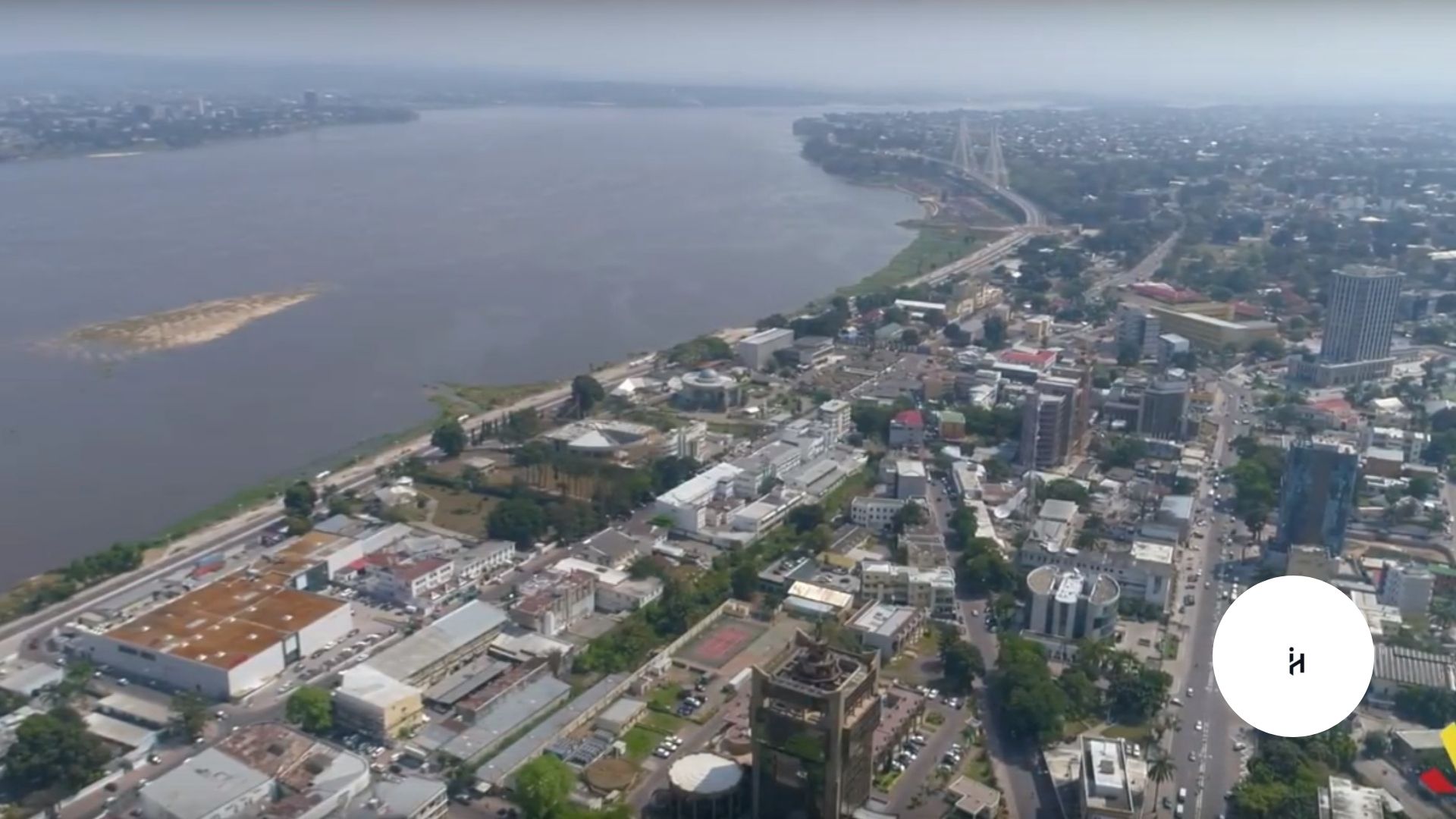
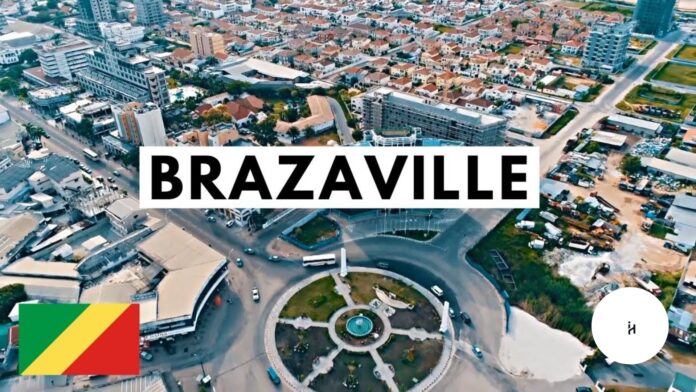
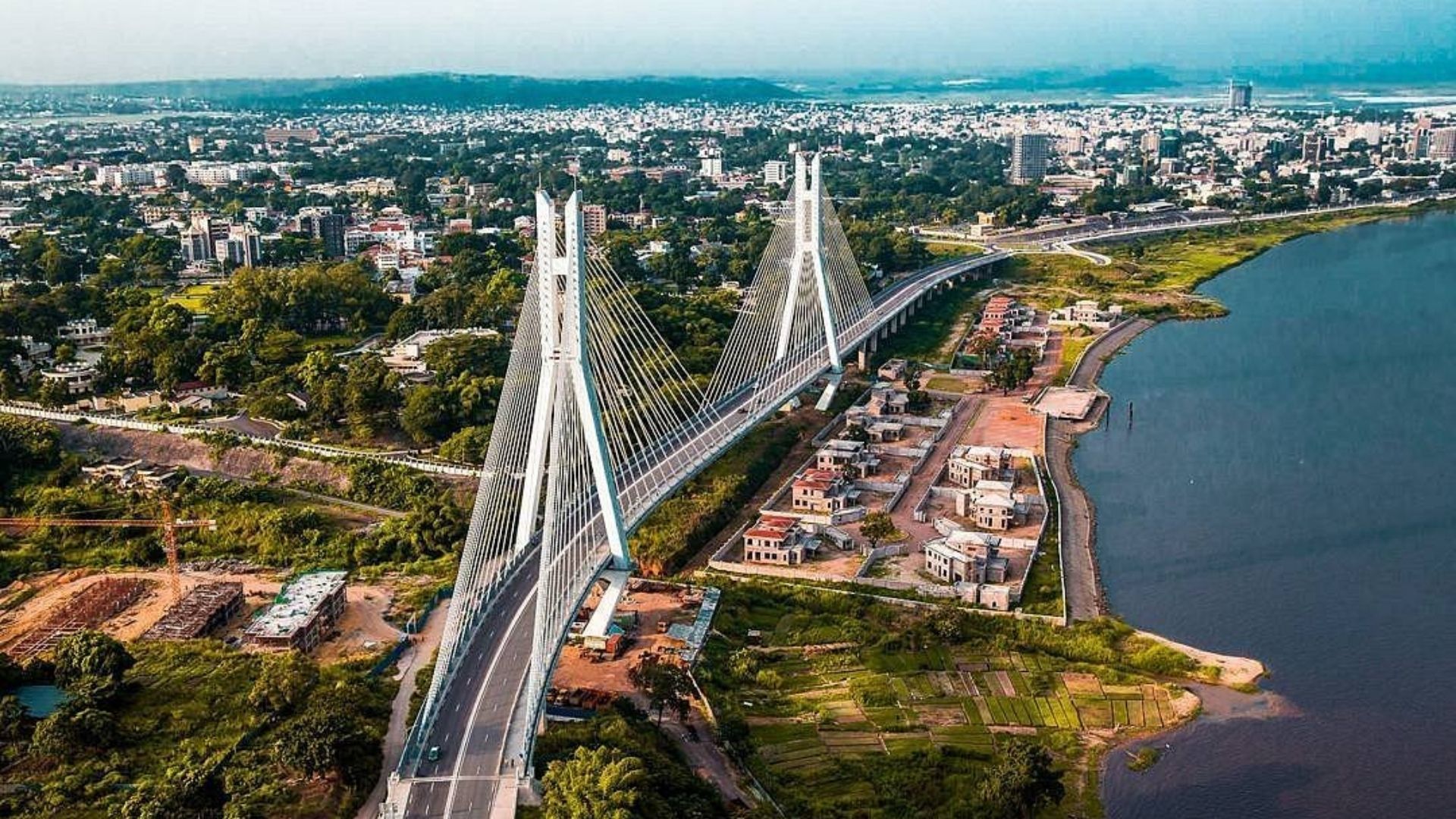
Brazzaville, the capital of the Republic of Congo, is more than just a geographical point on the map. Known as “Brazzaville capital” to distinguish it from other cities, it holds political, cultural, and historical significance for the nation. Located on the north bank of the Congo River directly opposite Kinshasa, Brazzaville is one of the few places in the world where two national capitals face each other across a river.

With its French colonial heritage, growing economy, and thriving arts scene, Brazzaville capital stands as a unique blend of tradition and progress. This blog explores every aspect of Brazzaville that makes it a dynamic capital in the heart of Central Africa.

Historical Roots of Brazzaville Capital

Brazzaville

Brazzaville capital has a colonial past dating back to 1880, when it was founded by the Franco-Italian explorer Pierre Savorgnan de Brazza. Initially a small trading post, the city soon evolved into the capital of French Equatorial Africa.

The colonial history is still visible in Brazzaville’s architecture, administrative layout, and Catholic heritage. During World War II, Brazzaville served as the capital of Free France in Africa, making it a symbol of resistance against Nazi occupation. Understanding this rich history gives context to how Brazzaville capital has developed over the decades.

Geographic Significance and Urban Layout

Brazzaville capital enjoys a strategic location on the Congo River, which makes it a hub for trade and communication. The city lies at the intersection of major roads and railways, connecting the interior of Congo with coastal ports.

Urban planning in Brazzaville follows a French colonial grid, with central administrative buildings, leafy boulevards, and cultural landmarks. The city’s proximity to Kinshasa, just across the river, further enhances its geopolitical significance.

Political Role in the Republic of Congo

As the political center of the country, Brazzaville capital hosts all major government institutions, including the Presidential Palace, the Parliament, and ministries. The city plays a pivotal role in shaping national policies, lawmaking, and diplomatic affairs.

It also serves as the headquarters for many international organizations and embassies. The concentration of political power makes Brazzaville capital essential for the country’s governance and diplomatic relations.

Economic Importance and Development Projects

Brazzaville capital contributes significantly to the national economy through government services, trade, construction, and transport sectors. The city has recently witnessed rapid infrastructure development including new roads, bridges, commercial centers, and modern housing.

The government has initiated several investment projects aimed at turning Brazzaville into a more competitive and economically vibrant city. Local markets, business districts, and entrepreneurial hubs all reflect the city’s economic momentum.

Culture and Local Traditions

The culture of Brazzaville capital is a colorful fusion of ethnic Congolese traditions and French influences. Music plays a big role in the city, especially genres like Soukous and Rumba. The Poto-Poto neighborhood is known for its artists and painters, making it the city’s cultural soul.

Traditional dance, storytelling, and cuisine thrive here, offering both locals and visitors a taste of authentic Congolese life. French is widely spoken, but local languages like Lingala and Kituba are also common.

Brazzaville

Educational Institutions and Research

Brazzaville capital is home to several important educational institutions, including Marien Ngouabi University, the largest and oldest in the country. The city also houses institutes for science, medicine, and agriculture.

These institutions not only provide academic education but also contribute to national development through research and innovation. International collaborations with universities from Europe and Asia are growing, bringing new academic perspectives into the region.

Healthcare and Public Services

Healthcare infrastructure in Brazzaville capital includes public hospitals, private clinics, and international health centers. Although improvements are still needed, the city is at the forefront of healthcare delivery in the Republic of Congo.

Organizations like WHO and Médecins Sans Frontières have operated in the city, especially during public health crises. Ongoing reforms are targeting better access to services, staff training, and improved healthcare policies.

Tourism and Major Attractions

Brazzaville capital offers several attractions for tourists, including the famous Basilique Sainte-Anne, known for its green-tiled roof and modernist architecture. The Nabemba Tower, the tallest building in the country, offers a panoramic view of the city.

Other notable spots include the Congo River rapids, the National Museum, and local markets like Marché Total. The city’s welcoming atmosphere and cultural diversity make it an emerging destination for eco- and cultural tourism.

Transportation and Connectivity

Getting around Brazzaville capital is relatively easy with its network of roads, buses, and taxis. Maya-Maya International Airport connects Brazzaville with major cities in Africa, Europe, and the Middle East.

The Congo River serves as an important waterway, especially for transport to Kinshasa. Future plans include improving public transportation through bus rapid transit systems and better rail connections with inland towns.

Brazzaville

Challenges Facing Brazzaville Capital

Despite its vibrancy, Brazzaville capital faces several challenges including urban overcrowding, inadequate waste management, and economic disparity. Informal settlements continue to grow on the city’s outskirts.

Additionally, political unrest and bureaucratic inefficiencies sometimes hinder progress. However, ongoing urban planning initiatives and international aid are being directed toward solving these issues to create a more resilient urban environment.

The Future Vision for Brazzaville

The future of Brazzaville capital looks promising. The government has laid out an ambitious urban development plan aimed at transforming it into a “smart city” with better digital infrastructure, environmental sustainability, and economic opportunity.

Efforts are being made to enhance education, healthcare, and tourism to attract global investment. As modernization continues, Brazzaville is poised to become a leading city in Central Africa, bridging its rich heritage with a progressive vision.

Master Your Clan with Warframe Dojo Planner

0
Warframe Dojo Planner

Introduction: What is the Warframe Dojo Planner?

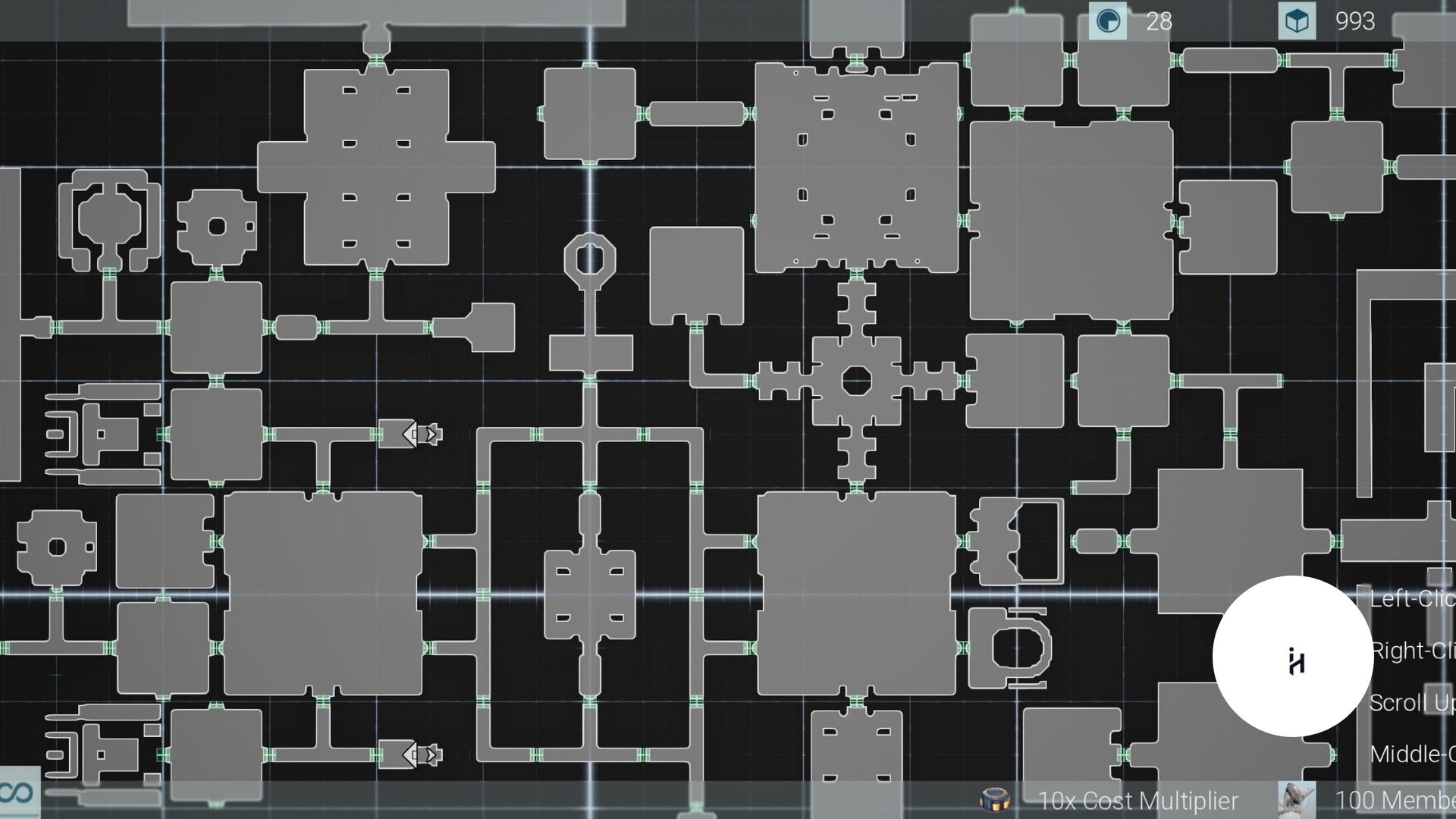
The Warframe Dojo Planner is an essential tool for players who want to build, expand, or redesign their clan dojo with precision and creativity. Within the massive universe of Warframe, clans play a critical role in uniting players, sharing resources, and unlocking powerful weapons and Warframes.

The dojo acts as a headquarters for these clans, offering everything from research labs to dueling arenas. But designing one is no small feat—that’s where the Warframe Dojo Planner steps in.

By using the Warframe Dojo Planner, clan leaders and architects can visualize room placement, ensure functionality, and optimize space without wasting valuable resources. Whether you’re starting a new dojo or improving an existing one, this planner can save you countless hours of trial and error.

In this guide, we’ll walk through all the critical aspects of using the Warframe Dojo Planner effectively. Let’s begin the journey of transforming your dojo into a masterpiece.

Understanding the Purpose of a Warframe Dojo

Warframe Dojo Planner

At the core of Warframe’s clan system is the dojo—a custom-built space station that reflects your clan’s identity and ambition. Here, members can access research technologies, train together, and even host duels and obstacle courses.

A well-planned dojo can make a clan stand out. The Warframe Dojo Planner helps players align their vision with gameplay efficiency. It allows pre-planning of layout, avoiding costly build/removal cycles. A clear understanding of the dojo’s function gives you an edge in efficient planning.

Using a planner ensures the clan achieves both beauty and performance, making the Warframe Dojo Planner an indispensable tool.

Getting Started with Warframe Dojo Planner Tools

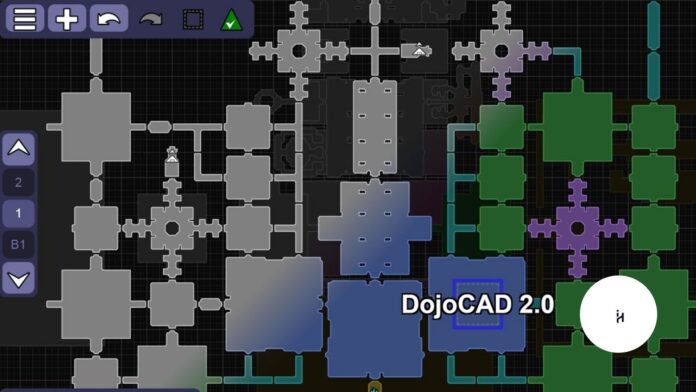
Before building your dojo, familiarizing yourself with available dojo planner tools is crucial. The most popular is the third-party Warframe Dojo Planner web tool that provides a drag-and-drop interface. These tools simulate in-game building and help you visualize the final layout.

The planner also includes room connections, energy flow, capacity costs, and interactive blueprints. By importing your layout ideas into the game, you save time and prevent miscalculations.

The Warframe Dojo Planner empowers leaders to delegate rooms to clan members, ensuring collaboration and structured development.

Dojo Room Types and Their Functions

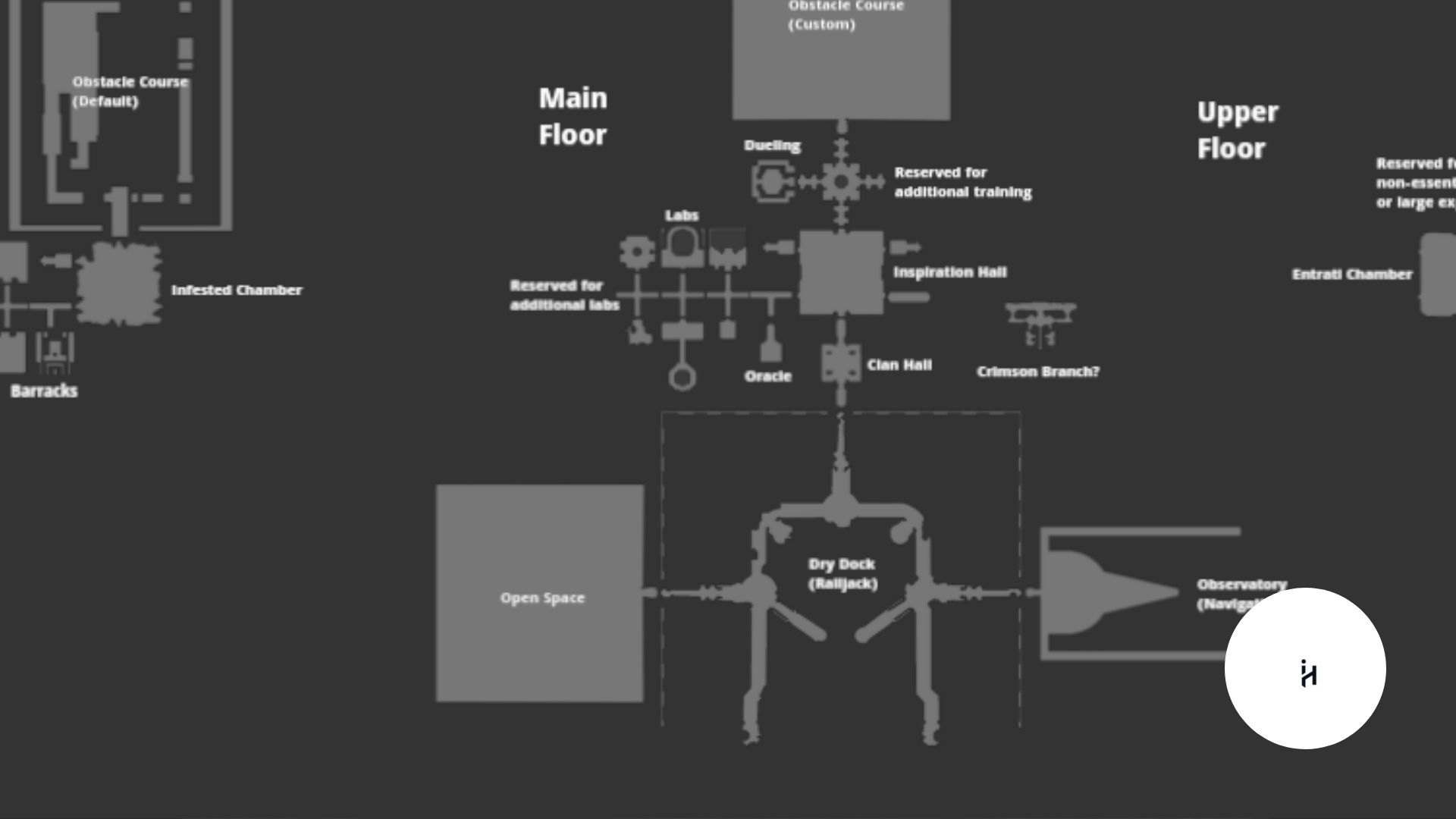
Every room in a Warframe dojo has a purpose. Some are purely decorative, while others are essential for research or movement. The Warframe Dojo Planner allows you to assign and organize each room based on functionality.

Key rooms include:

  • Research Labs (Tenno, Corpus, Grineer, Infested)

  • Trading Post

  • Orokin Lab

  • Obstacle Course

  • Dueling Room

Strategically placing these rooms using the planner ensures accessibility and aesthetics.

With the Warframe Dojo Planner, you’ll never again forget a connector or block off a major corridor. This level of organization gives your dojo an edge in usability and appeal.

Designing Layouts for Aesthetic Appeal

Beyond functionality, the Warframe Dojo Planner allows you to embrace your inner artist. Creating symmetrical layouts, unique themes, or futuristic corridors becomes effortless.

You can use the planner to map themed sections: a tech wing, a garden wing, or a ceremonial hall. Planning symmetry also ensures that your dojo looks cohesive and impressive when viewed by clan visitors or judges during Dojo Contests.

Using lighting, sculptures, and materials strategically with the help of the planner will transform your dojo into a visually stunning space.

Managing Dojo Capacity and Energy

Warframe Dojo Planner

Each room requires capacity and energy to build. Without proper planning, your dojo may hit its limits, halting expansion. The Warframe Dojo Planner helps you manage these resources efficiently.

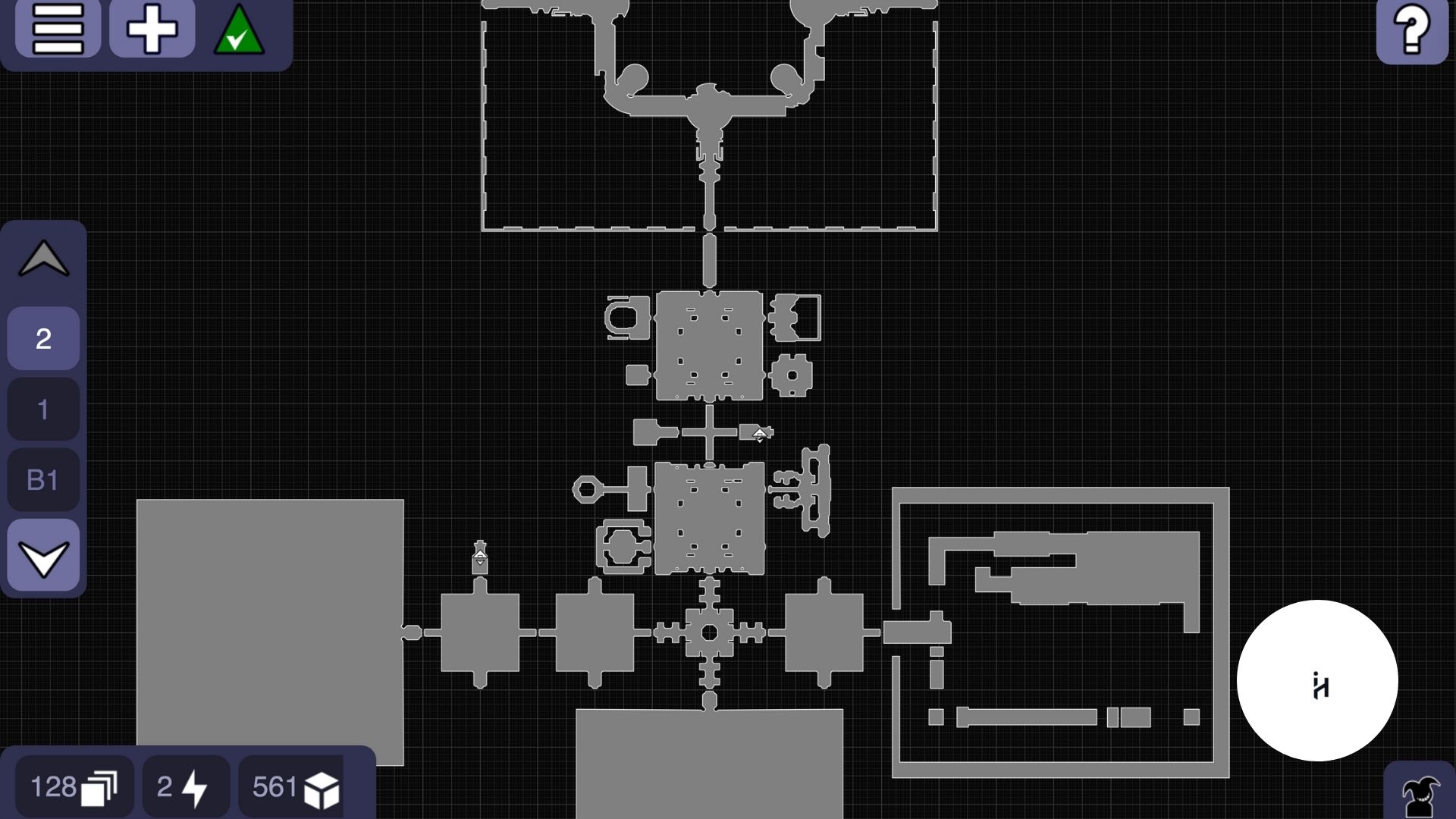
It calculates energy and capacity in real time, ensuring your layout remains buildable. You can prioritize critical rooms, delay decorative ones, or plan power corridors for balanced energy distribution.

Using the Warframe Dojo Planner, you’ll maintain resource control, avoiding the frustration of overbuilds and the need to demolish key sections later.

Strategic Room Connections and Navigation

Nothing is worse than a maze-like dojo that confuses its visitors. The Warframe Dojo Planner allows you to map smart pathways and create intuitive navigation.

You can assign specific rooms to easily accessible hubs, reduce redundant hallways, and create loops or one-way flows to guide traffic. This improves not just form but also function.

A streamlined navigation design, made possible by the planner, enhances user experience and boosts your clan’s reputation during public visits or community events.

Collaborating with Clan Members on Design

Building a dojo is a team effort. The Warframe Dojo Planner helps foster collaboration by sharing layout ideas with other architects or clan leaders.

Some tools let you export blueprints or images to share on Discord or clan forums. Getting feedback allows you to refine and enhance your plans.

This shared design vision ensures all members are aligned, minimizing confusion during construction and promoting a sense of shared ownership in the dojo’s development.

Saving and Editing Multiple Dojo Plans

One of the most powerful features of the Warframe Dojo Planner is the ability to save and edit multiple layouts.

You might want one version focused on research expansion, another for aesthetic beauty, or one for events like dojo contests. With saved templates, you can switch or merge plans without starting over.

These saved blueprints also serve as backups, letting you revisit earlier concepts or track your design evolution.

Avoiding Common Dojo Planning Mistakes

Without the Warframe Dojo Planner, many players fall into traps: poor navigation, blocked rooms, wasted energy, or unnecessary complexity.

Common issues include:

  • Placing vital rooms far from spawn points

  • Creating bottlenecks in corridors

  • Ignoring capacity/energy ratios

  • Inconsistent design themes

By planning ahead with the Warframe Dojo Planner, you dodge these pitfalls and ensure a smooth, strategic build.

Tips for Entering Warframe Dojo Contests

Warframe Dojo Planner

Digital Extremes often holds Dojo Decoration Contests with in-game rewards. Using the Warframe Dojo Planner gives you an edge by allowing perfect symmetry and themed storytelling.

To succeed:

  • Plan your theme from the start

  • Use lighting and elevation wisely

  • Use room placement to tell a visual story

  • Keep camera paths in mind

The planner helps you mock up a contest-ready dojo with polish and professionalism.

Final Thoughts: Why Every Clan Needs a Planner

The Warframe Dojo Planner is more than just a design tool—it’s a clan leadership asset. From efficient layouts and energy management to stunning visuals and contest victories, the planner brings vision to reality.

No matter your clan size or style, using this tool reduces effort, enhances collaboration, and boosts creativity. The days of building blind are over.

Incorporate the Warframe Dojo Planner into your process, and transform your clan dojo into the best version of itself.

Elephant Edison: The Shocking Tale of Topsy the Elephant

0
Elephant Edison

The phrase “Elephant Edison” may seem odd at first glance, but it actually refers to a disturbing historical event involving a famous inventor and an innocent elephant. This story combines science, electricity, animal cruelty, and a battle of innovation that defined the early 20th century. The most notable elephant in this tale is Topsy, whose tragic end became part of a public demonstration by Thomas Edison during his campaign to promote direct current (DC) by discrediting alternating current (AC).

The Origin of Elephant Edison

Elephant Edison

The term Elephant Edison refers to the public execution of Topsy the elephant in 1903 at Luna Park, Coney Island. Topsy was a circus elephant with a history of mistreatment and violent behavior—often due to abuse by her handlers. She was considered a threat and needed to be put down.

Enter Thomas Edison, who was trying to show the dangers of alternating current (AC) electricity, which was being promoted by Nikola Tesla and George Westinghouse. Edison saw an opportunity to demonstrate how lethal AC could be—by publicly electrocuting an elephant.

Though Edison was not directly responsible for organizing the event, his engineers and name were associated with the stunt, and it aligned with his propaganda campaign. Thus, “Elephant Edison” became a symbolic phrase for one of the most disturbing publicity stunts in history.

Topsy the Elephant: A Victim of Circumstance

Topsy was born in the wild in Asia around 1875 and was brought to the U.S. as part of a traveling circus. Early in her life, she endured cruel training methods and was frequently abused by her keepers.

Over time, Topsy became increasingly aggressive, leading to a few fatal incidents. However, historians argue that her violence was provoked by years of torture and maltreatment. The decision to kill her was not based solely on her danger to others, but on public spectacle and financial gain.

The name “Elephant Edison” evokes the tragedy of Topsy’s life—how an animal used for entertainment was discarded with cold brutality.

The War of Currents: Edison vs Tesla

In the late 19th century, a fierce rivalry brewed between Thomas Edison, who championed direct current (DC), and Nikola Tesla, who supported alternating current (AC). This competition became known as the War of Currents.

Edison feared that AC would replace his DC systems, and so he launched a campaign to paint AC as dangerous. He went as far as electrocuting stray dogs, cats, and even a horse to make his point. The climax of this cruel campaign came with the electrocution of Topsy the elephant.

Although the Elephant Edison incident didn’t stop AC from becoming the standard, it highlighted the lengths to which Edison would go in the name of business and influence.

The Public Execution of Topsy

On January 4, 1903, Topsy was led to her death in front of an audience of over 1,500 people. The execution was part of a publicity event at Luna Park, with the promise of demonstrating electricity’s power.

She was fed cyanide-laced carrots, strangled with ropes, and finally electrocuted with 6,600 volts of AC electricity. Her death was captured on film by the Edison Manufacturing Company.

The Elephant Edison film, later titled Electrocuting an Elephant, became one of the earliest examples of snuff cinema and sparked public outrage.

Elephant Edison

Was Edison Directly Involved?

There is debate over whether Thomas Edison personally orchestrated Topsy’s death. By 1903, Edison had distanced himself from the electricity business, which had been taken over by General Electric.

However, the Edison Manufacturing Company, which filmed the event, still carried his name. This branding, combined with his earlier propaganda tactics, forever linked him to the phrase “Elephant Edison.”

Whether or not he directly participated, his past actions made the association inevitable.

Media and Public Reaction

At the time, the media covered the event as a curious public demonstration rather than a tragedy. Some newspapers sensationalized it, while others criticized it as cruel and unnecessary.

Public sentiment slowly shifted as the footage began circulating. The idea of killing an elephant in such a manner started to feel grotesque rather than educational.

Over time, Elephant Edison became a cautionary tale of how science and cruelty should never be mixed. It also laid the groundwork for future animal rights movements.

Elephant Edison in Film and Documentaries

The footage of Topsy’s death has been used in several documentaries and films, including Mr. Death and The Prestige. It often serves as a grim example of ethical lines crossed in the pursuit of technological dominance.

The term “Elephant Edison” is now used in many educational settings to highlight historical moments where human morality faltered in favor of spectacle or propaganda.

This incident remains a key study in the ethics of technology and media representation.

The Legacy of Topsy the Elephant

Topsy’s legacy endures as a tragic symbol of animal abuse and industrial ruthlessness. Her story prompted increased discussions about animal welfare and eventually led to stronger regulations.

Today, the Elephant Edison incident is taught in ethics classes and referenced in animal rights literature. It is a stark reminder of how innocent lives can be lost for entertainment and profit.

Topsy’s grave at Coney Island now serves as a silent witness to this dark episode in history.

Ethical Lessons from Elephant Edison.

Elephant Edison

The story of Elephant Edison offers valuable ethical lessons. It challenges us to question the motivations behind scientific demonstrations and the price of public spectacle.

It also raises questions about the value we place on animal lives and the responsibilities of those in power. Edison’s campaign may have been effective from a business standpoint, but it also showcased the moral cost of unchecked ambition.

Impact on Animal Rights Movements

The cruelty witnessed during the Elephant Edison event fueled early calls for animal protection laws. While it took decades, activists often cited Topsy’s story as a prime example of systemic abuse.

Organizations like the ASPCA and PETA have mentioned Topsy in their historical materials to show how far we’ve come—and how far we still need to go.

The Elephant Edison event may have started as a publicity stunt, but its long-term impact helped fuel meaningful change.

Remembering Elephant Edison Today

In today’s digital age, the Elephant Edison footage is still available online. It continues to haunt and educate viewers worldwide.

Monuments, books, and art installations have honored Topsy and criticized Edison’s association with her death. The term “Elephant Edison” lives on—not as a praise of innovation, but as a warning of its potential misuse.

As we move forward, remembering this story helps ensure that the past is not repeated—and that compassion leads our progress, not cruelty.