Home Blog Page 54

Erome: Explore the Platform Behind Controversial Content

0
Erome

The internet hosts countless platforms for content sharing, but some are more niche and controversial than others. One such platform is Erome — a media-sharing site often associated with adult and explicit content. While it has gained popularity in certain online communities, it has also raised questions about privacy, legality, and ethics.

This blog will explore Erome in-depth through 11 comprehensive headings, each designed to provide insight into different aspects of the platform. Whether you’re a curious observer or someone researching content platforms, this article will cover everything you need to know about Erome.

What is Erome and Why Is It Gaining Attention?

Erome is a free video-sharing platform that allows users to upload, share, and view media, including explicit adult content. Unlike mainstream platforms such as YouTube or Vimeo, Erome has fewer content restrictions, which is both a strength and a weakness. It primarily caters to users interested in uploading amateur adult videos, fetish content, and uncensored footage that would not be allowed on traditional sites.

The simplicity of the interface, combined with minimal censorship, has attracted users who seek an open and freeform digital space. However, this also brings legal and ethical concerns. Erome is often mentioned in conversations around content moderation, digital consent, and the darker side of user-generated content.

Erome

The rise in traffic can be attributed to online forums and social media platforms that link to Erome videos, increasing the site’s visibility. Users appreciate the ease of uploading and watching videos without excessive ads or moderation, something that sets Erome apart from its competitors.

Nevertheless, it’s important to highlight the ongoing debates about the legitimacy of the content being uploaded. Since there is no strict verification process, it’s hard to confirm whether all uploaded videos comply with privacy or legal standards.

Erome’s User Interface and Functionality Explained

Erome has a user-friendly interface that resembles older video-sharing platforms. The homepage usually features trending and recent uploads. Categories are limited, which reflects its raw and uncategorized nature. The upload feature is straightforward—users can drag and drop videos or photos, choose whether to make them public or private, and write a brief title or description.

One of the key attractions is that users don’t need to create an account to browse content. However, uploading requires account creation, which only asks for a username and password—making it easy to remain anonymous. Users can also “like” content, follow other accounts, and leave comments.

Erome does not include advanced features such as live streaming, monetization options, or personalized recommendations like YouTube. The lack of these tools makes the experience less commercial and more community-driven. This minimalist approach has its pros and cons: it’s less cluttered but also more vulnerable to inappropriate or illegal content slipping through the cracks.

The platform also lacks a mobile app, and its mobile website is relatively basic. Videos are hosted using HTML5, which ensures cross-device compatibility but can cause playback issues on older phones or browsers.

From a tech standpoint, Erome uses a basic CDN (Content Delivery Network) to serve its media, which helps with video buffering and load speeds. But security features are minimal. There’s no SSL on all pages, and user data is not encrypted to the level seen on other platforms. This can be a concern for privacy-conscious users.

Types of Content Found on Erome

Erome is known for hosting explicit and NSFW (Not Safe for Work) content, often amateur in nature. Common categories include solo videos, couple activities, fetish videos, voyeuristic clips, and cosplay. There is also a growing collection of GIFs and images. Most of this content is self-uploaded by users, and rarely goes through a moderation process.

What sets Erome apart is the nature of the content: it’s largely amateur and uncensored. Unlike Pornhub or XHamster, which work with verified models and studios, Erome relies heavily on everyday individuals uploading personal content. This leads to a rawer, less polished style of media.

There are two primary types of uploads:

  • Public Content: Available to all visitors.

  • Private Albums: Accessible only through a private link, giving users control over who sees their media.

One major point of concern is non-consensual content. While Erome has community guidelines against such material, the enforcement is weak. Users have reported stolen content, revenge porn, and voyeur videos posted without the subject’s knowledge.

Additionally, the site occasionally features borderline content that may toe the line of legality, raising red flags among digital rights groups. Despite the controversy, the platform has carved out a niche due to its uncensored and free-to-use model.

Erome

Privacy Concerns and User Anonymity on Erome

One of the major attractions of Erome is its support for anonymity. Users can create an account using just a username and password—no email verification is required. While this makes the platform easy to access, it also raises significant concerns about privacy and security.

For viewers, anonymity might seem like a plus. No tracking cookies or ad targeting appears to be enforced as aggressively as on mainstream platforms. However, this also means there is minimal protection for data. Since the site doesn’t implement full HTTPS encryption across all pages, your data could potentially be exposed on public networks.

The real concern arises for content creators. Since many users upload explicit or private videos without any formal authentication, Erome can become a haven for revenge porn or non-consensual uploads. Victims have very little recourse, and there’s no robust reporting or takedown system compared to platforms like Reddit or YouTube.

Moreover, users are often unaware of how long their content remains online. Deleting an account doesn’t guarantee content removal, and links to private albums can still be shared and downloaded. These privacy loopholes make Erome a risky platform for those unaware of the consequences of public sharing.

In summary, while Erome offers freedom and anonymity, it lacks the safety nets needed to protect users from exploitation or data leaks. It’s a classic example of the trade-off between freedom and responsibility in the digital age.

Legal Issues and Content Moderation on Erome

From a legal standpoint, Erome operates in a gray zone. While it claims to prohibit illegal content—such as child exploitation, rape, and other criminal acts—it lacks the infrastructure for proper content moderation. There’s no visible team or AI-driven system actively scanning uploads, which leaves the platform open to misuse.

Several reports have emerged over the years of revenge porn being hosted on Erome, sometimes staying up for days or weeks before being removed. Users have criticized the slow response to content takedown requests, as well as the lack of transparency in handling complaints.

The platform does not require model releases or proof of age for uploaded content. This creates legal vulnerabilities, especially if a subject later claims they didn’t consent to distribution. Without compliance tools like 2257 verification (used in the U.S. adult industry), Erome risks breaching international content laws.

In some jurisdictions, simply accessing or sharing unverified content from such platforms could be illegal. This makes Erome controversial and potentially risky, not only for uploaders but also for viewers. Some countries have even considered blacklisting the domain due to the ease with which questionable content can spread.

If you’re considering uploading content to Erome, it’s vital to understand the legal implications and potential liabilities involved.

Community and Social Features on Erome

Unlike major social networks, Erome has very basic community tools. Users can follow each other, leave comments, and like videos. There’s no messaging system, live chat, or profile bio functionality. This stripped-down approach keeps things simple, but it also limits meaningful interaction between users.

Erome

That said, a few tightly knit communities have formed around niche content categories, particularly in fetish or cosplay genres. Users often share links on Discord, Reddit, or niche forums, directing traffic to their Erome profiles. These external communities often act as the real social layer for the platform.

Comments are public and often unmoderated, which can lead to harassment, spam, or inappropriate remarks. Erome lacks robust tools to filter or report abusive behavior. The community guidelines exist but are loosely enforced, adding to the site’s “wild west” reputation.

Despite the shortcomings, Erome has become a space where amateur content creators can build a small following. The platform’s minimal censorship appeals to those seeking creative freedom in expressing sexuality or identity. Still, the lack of a true community management system makes the site feel impersonal and chaotic at times.

Erome vs Other NSFW Platforms: A Comparison

When comparing Erome to other platforms like Pornhub, XVideos, or OnlyFans, several differences stand out. Unlike these commercial giants, Erome does not focus on monetization, partnerships, or professional production. It is raw, open, and community-driven.

Key differences:

  • Monetization: Erome has no built-in tools to help creators earn money.

  • Moderation: Competitors like Pornhub now require ID verification for uploaders. Erome does not.

  • Content Quality: Erome’s content is often amateur and low-res, while competitors host studio-quality videos.

  • Community: OnlyFans offers a robust creator-fan model. Erome lacks such a structured community system.

While Erome’s open nature can be a strength, it also creates instability. Creators looking to build a career in adult content might prefer OnlyFans or Fansly, which offer legal support and payment processing. Casual users, on the other hand, might appreciate Erome’s freedom and lack of ads.

In essence, Erome serves a different audience—those seeking freedom over polish, anonymity over fame.

The Rise of Erome in Reddit and Forum Culture

One reason Erome has grown in popularity is its integration into Reddit and other adult forums. Many subreddits and threads share Erome links as a way to bypass Reddit’s content hosting limitations. It’s not uncommon to see trending Erome videos being circulated among Reddit communities focused on fetishes or amateur content.

This cross-platform strategy has helped Erome attract a niche but loyal user base. Users appreciate that videos don’t disappear like Reddit uploads often do, and Erome links work reliably without requiring sign-in.

Forum culture has also used Erome as a tool for content curation. Some communities create long lists of themed Erome albums, giving users a deep library to explore. This level of integration has helped Erome thrive without needing traditional advertising or SEO strategies.

However, this also means Erome is heavily reliant on third-party platforms for traffic. A ban from Reddit or similar networks could significantly affect its visibility.

Alien Space Bats: Origins, Tropes & Real-World Influence

0
Alien Space Bats

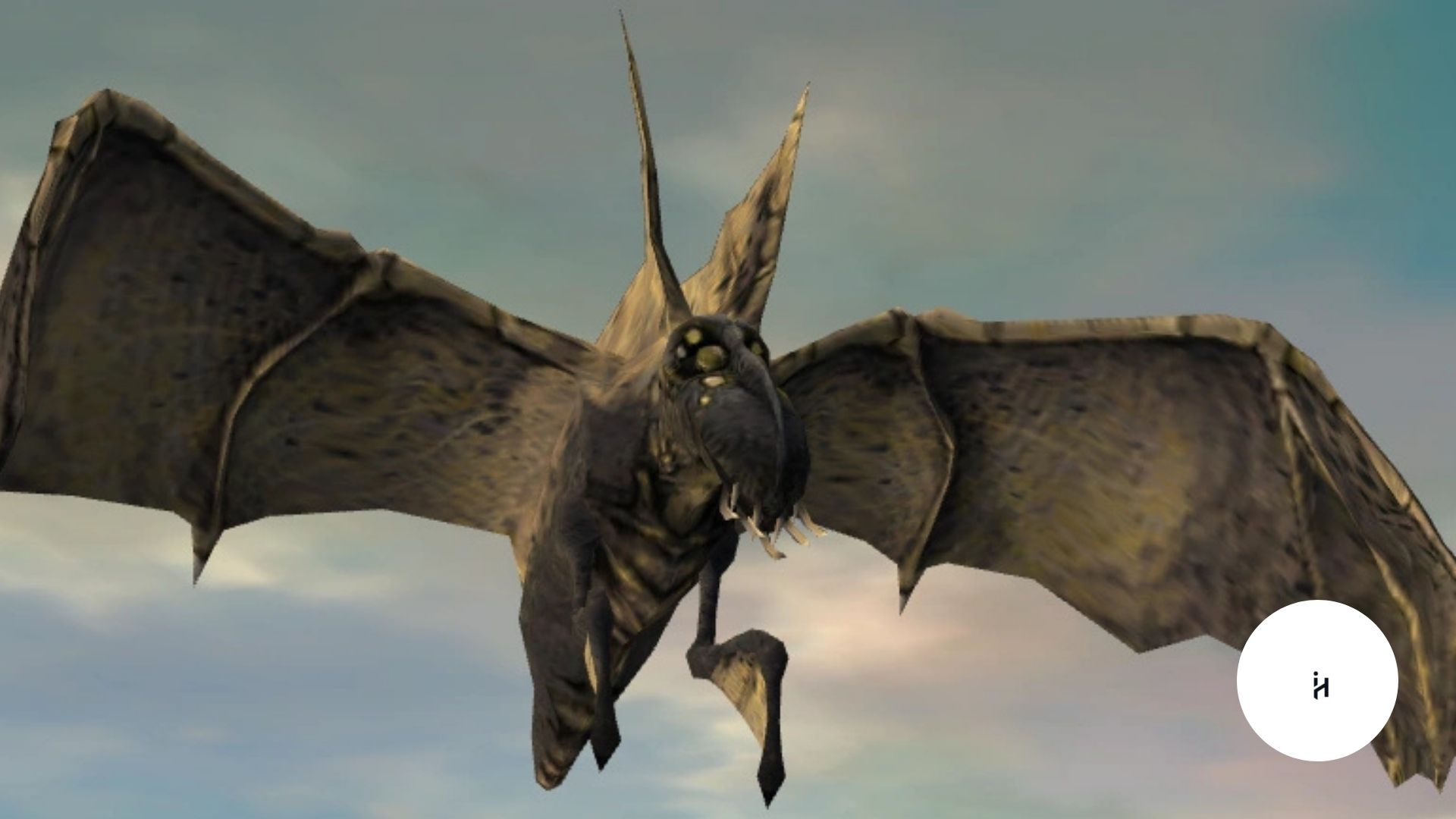
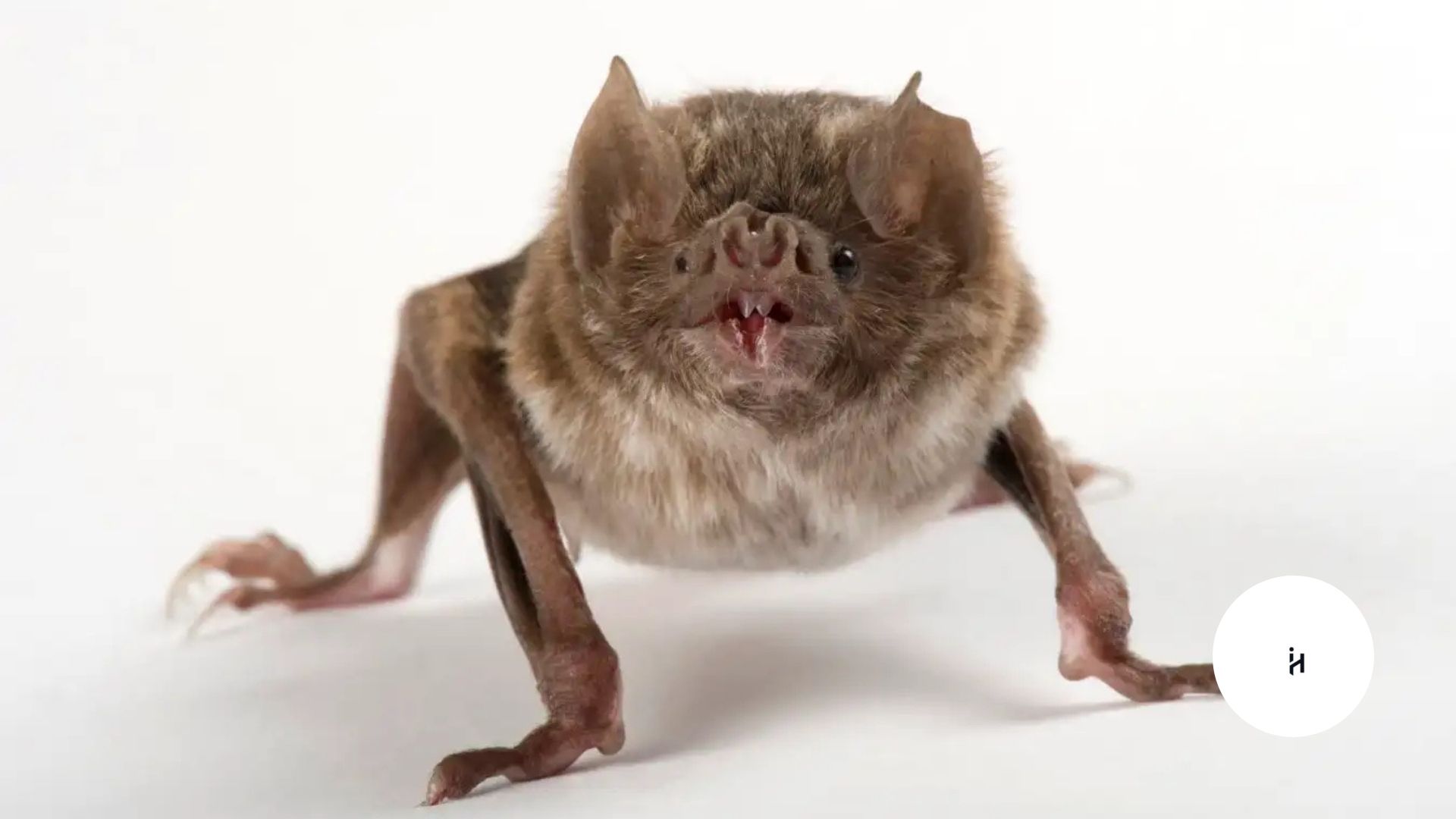
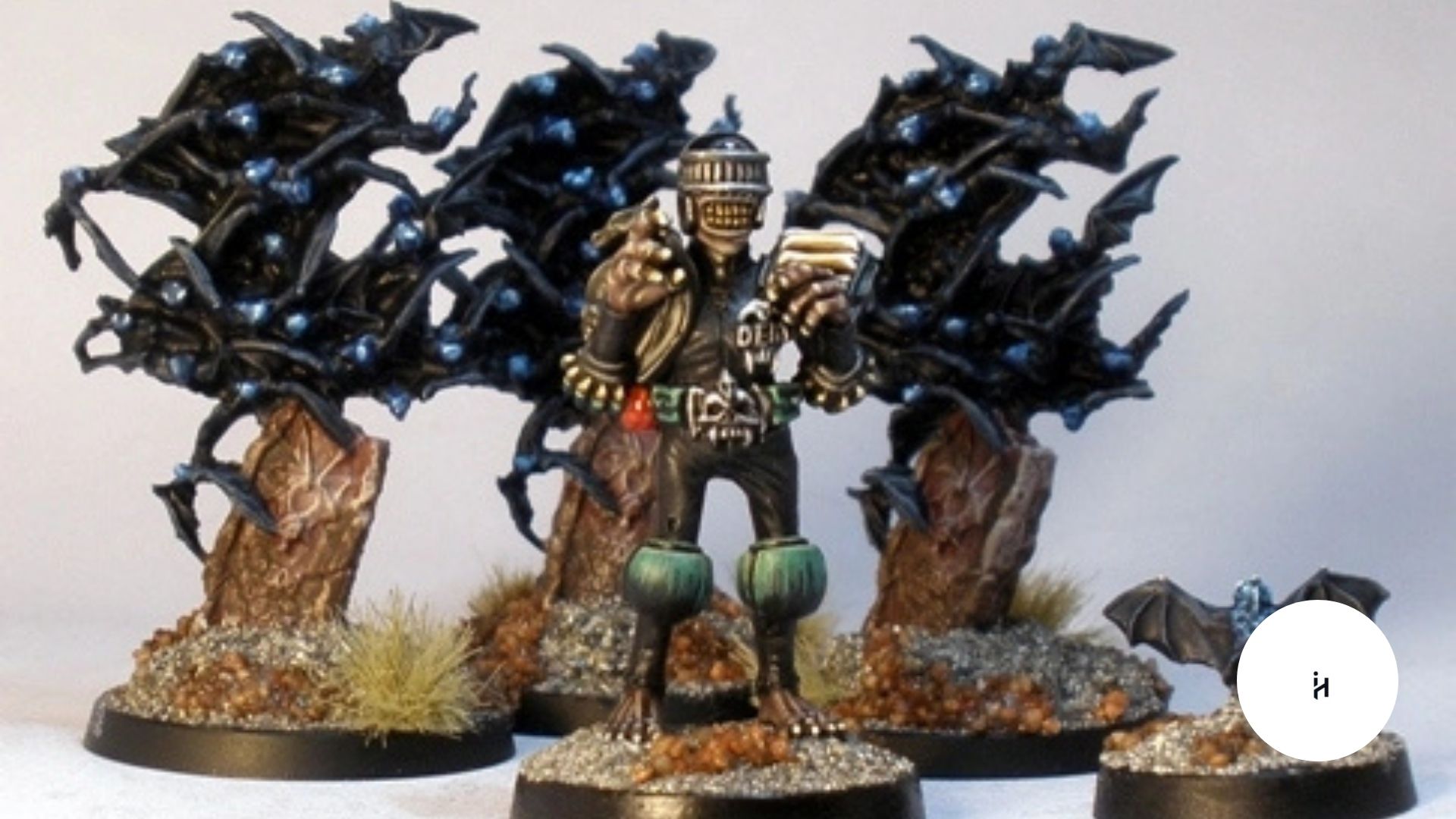
The term alien space bats may sound like a quirky phrase from a science fiction novel, but it carries significant weight in the world of alternate history and speculative fiction. Originally coined to mock improbable scenarios, alien space bats have become a unique trope that represents outlandish or supernatural interventions used to justify wildly divergent historical outcomes.

This blog delves deep into the origins, usage, symbolic meaning, and cultural influence of alien space bats, exploring how a once-sarcastic term has gained traction in both fandom and literary circles.

What Are Alien Space Bats?

Alien Space Bats

At its core, alien space bats refer to an implausible or supernatural force used to create alternate historical scenarios. The term first gained popularity on internet forums dedicated to alternate history discussions. If a scenario defied logic—such as the Roman Empire surviving into the 21st century—it was often jokingly explained by the intervention of “alien space bats.” Essentially, they serve as a narrative device to bridge the gap between reality and fantasy.

Writers use alien space bats either to mock unrealistic settings or to embrace the chaos of speculative fiction. Over time, the phrase evolved from sarcasm into a fully-fledged trope, especially in “what if” literature, time-travel fantasies, and meta-commentary on worldbuilding.

The Origin of the Phrase

The phrase alien space bats is believed to have originated on the Usenet discussion group soc.history.what-if, where members used it as shorthand for scenarios requiring supernatural assistance.

The community used it to critique alternate history plots that relied too heavily on unbelievable turning points. Over time, this phrase was adopted beyond just critique; it became part of the creative toolkit for those writing speculative fiction.

Authors started using the term to directly signal that a scenario was intentionally implausible or relied on some unexplained alien intervention. This transparency allowed more creative freedom while maintaining credibility with readers who understood the reference.

Use in Alternate History Literature

In alternate history, alien space bats are used to justify timelines that couldn’t realistically happen without extraordinary interference. For instance, a world where dinosaurs coexist with modern humans might require alien space bats to explain how such an evolution diverged.

Writers such as Harry Turtledove and S.M. Stirling have occasionally brushed against such ideas, although rarely using the exact phrase. Their works often toe the line between plausible divergence and complete fantasy. Alien space bats give writers license to explore wild possibilities without being bound to historical accuracy.

Alien Space Bats as a Satirical Trope

The term is inherently satirical. It mocks the over-reliance on improbable events in worldbuilding. For example, if Napoleon somehow invaded America and won, without any significant historical justification, a critic might say, “Only alien space bats could make this happen!”

Despite the satire, the term has also been embraced by authors who enjoy twisting reality. The satire often enhances the reader’s experience by making them aware of the boundaries between fantasy and realism. Thus, alien space bats serve as both a literary tool and a critique mechanism.

Alien Space Bats

Symbolic Meaning Behind Alien Space Bats

Symbolically, alien space bats represent creative liberty. They stand for the writer’s freedom to bend logic, space, time, and reality. By invoking them, a writer acknowledges that the rules of our universe can be bent—or even broken—for the sake of storytelling.

They also symbolize the concept of the “deus ex machina,” but with a sci-fi twist. Unlike traditional divine intervention, alien space bats are deliberately absurd, making them a meta-commentary on the nature of plot devices themselves.

Real-World Examples in Pop Culture

Although not always referred to directly, the idea of alien space bats can be found across pop culture. Films like Donnie Darko and Interstellar rely on otherworldly logic that could easily fall under this trope. Similarly, Doctor Who and Rick and Morty often use bizarre external forces to alter timelines.

These examples showcase how alien space bats—whether named or not—are part of a broader cultural lexicon that allows creators to explore bold, imaginative worlds.

Alien Space Bats in Fan Fiction

In fan fiction, alien space bats are frequently used to craft alternate character arcs, settings, or timelines. Fans often embrace the term to humorously justify dramatic changes that wouldn’t be plausible within the original narrative.

For instance, in Harry Potter fan fiction, alien space bats might be blamed for Voldemort turning good or Dumbledore becoming evil. The term gives fanfic writers a kind of creative shield that allows for both exploration and parody.

The Role of Alien Space Bats in Science Fiction

Science fiction writers use alien space bats to explore the boundaries of scientific possibility. Whether it’s through time travel, interdimensional beings, or cosmic manipulation, these “bats” enable authors to envision realities far removed from our own.

They are especially helpful in hard sci-fi, where the rules are rigid, and bending them requires a credible justification. Alien space bats serve as the wildcard that allows even the most logical setting to accommodate impossible events.

Criticism of the Trope

Despite its playful use, the alien space bats trope is not without criticism. Some literary purists argue that it encourages lazy writing, allowing authors to avoid building believable worlds. When overused, it can become a crutch that undermines narrative integrity.

However, defenders argue that, when used intentionally and transparently, alien space bats can be a powerful tool to highlight the absurdity of certain plotlines or to push the boundaries of what storytelling can achieve.

Alien Space Bats

Philosophical Implications of Alien Space Bats

On a deeper level, alien space bats challenge our understanding of causality, probability, and determinism. They raise questions like: What if history wasn’t inevitable? What if one small, absurd change could alter everything?

This philosophical underpinning is what makes the trope so enduring. It suggests that while history is shaped by real forces, fiction has the power to reimagine those forces—sometimes through the most unexpected means.

Future of the Alien Space Bats Trope

As speculative fiction continues to evolve, alien space bats are likely to remain a relevant part of the genre. With the rise of multiverse narratives, artificial intelligence in storytelling, and quantum theories entering mainstream media, the concept of unexplained interventions fits perfectly.

In the future, alien space bats may become more literal—appearing as actual extraterrestrial entities—or remain a tongue-in-cheek reference. Either way, their role in storytelling is secured as a symbol of limitless imagination.

Conclusion

Alien space bats started as a joke but have since become a beloved trope in speculative fiction. Whether used to challenge logic, inspire wild creativity, or offer humorous commentary, they serve as a bridge between reality and possibility. As long as writers and readers enjoy bending the rules of time, space, and reason, alien space bats will keep flying through the literary universe.

Blue People: Truth Behind the Rare Genetic Condition

0
Blue People

Who Are the Blue People?

The term “blue people” refers to a rare group of individuals known for their distinctive blue-tinted skin. While it may sound like science fiction, the phenomenon has a well-documented history, most notably in the case of the Fugate family from Kentucky, USA. This condition has fascinated scientists, historians, and curious minds for generations. It brings together a mix of biology, geography, genealogy, and folklore.

The phrase “blue people” has also appeared in pop culture, art, and even conspiracy theories, but the truth is grounded in genetics and science. In this blog, we will explore who the blue people really are, what causes their unique appearance, and what we can learn from their story.

The Origin of the Blue People in Kentucky

Blue People

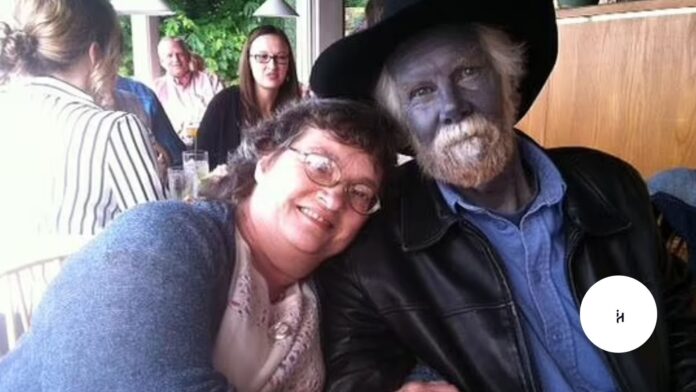
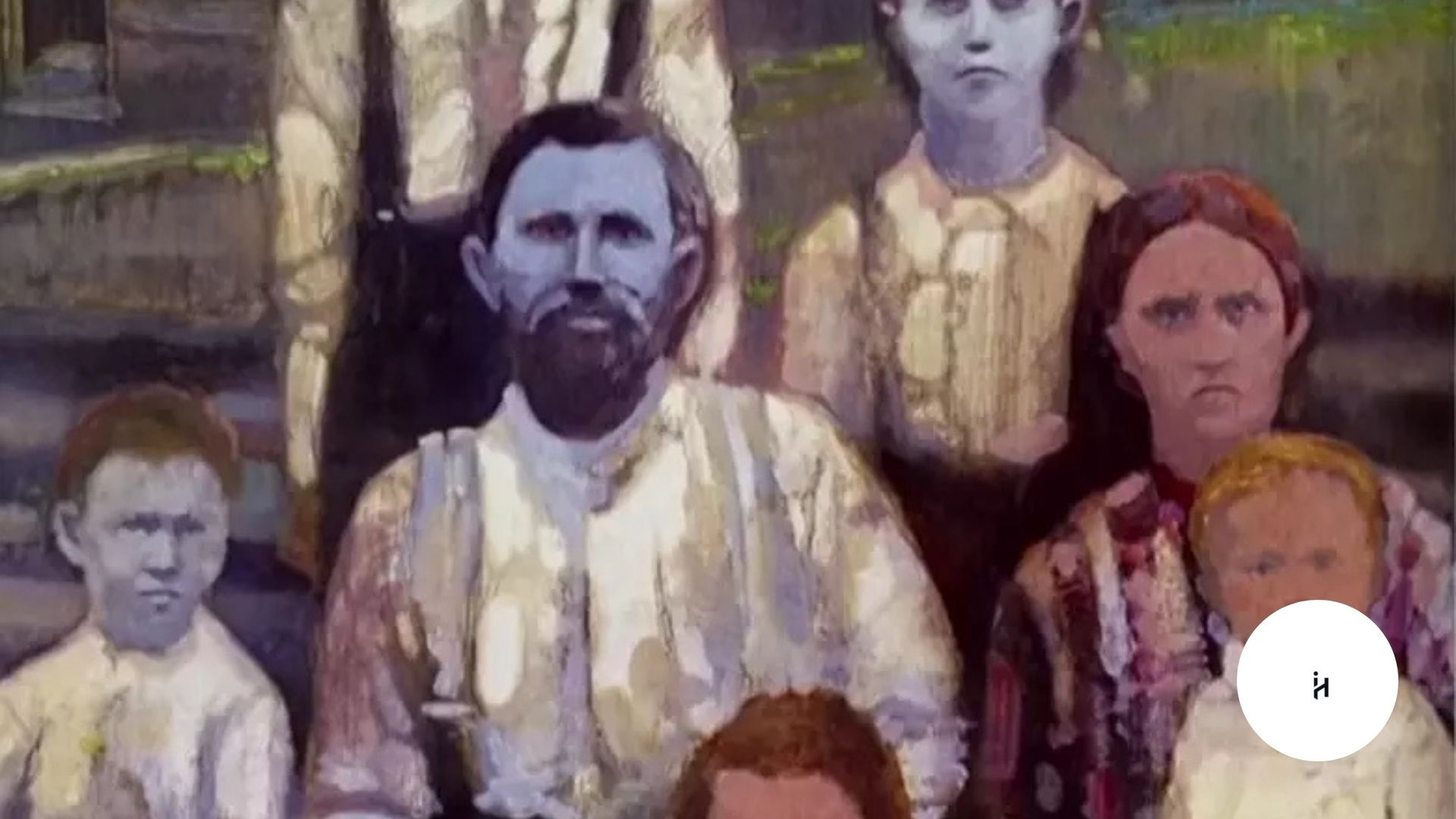
The most famous example of blue people is the Fugate family from the Appalachian region of Kentucky. This family first gained attention in the 19th century due to their distinctively blue skin. The condition was passed down through generations, leading to a community with a noticeable blue hue.

This unusual skin tone was later linked to a rare blood condition called methemoglobinemia, a genetic disorder that affects how oxygen is carried in the blood. The origin of this trait was traced back to a French orphan named Martin Fugate, who settled in Kentucky in the early 1800s. Marrying within the local community, which was geographically isolated, allowed the recessive gene to multiply.

The blue people of Kentucky were not suffering from a skin disease but a blood disorder that gave their skin a blue appearance. Over time, the gene spread less widely due to genetic diversification, but some descendants still carry it today.

What Is Methemoglobinemia?

Methemoglobinemia is the medical condition responsible for the blue skin seen in the blue people. In a healthy individual, hemoglobin carries oxygen from the lungs to tissues throughout the body. However, in people with methemoglobinemia, a higher-than-normal level of methemoglobin is present in the blood.

Methemoglobin is a form of hemoglobin that contains iron in the ferric state and cannot bind oxygen effectively. When this level exceeds 1%, symptoms start to appear, including bluish skin. In severe cases, it can lead to fatigue, headaches, and developmental delays.

There are two types: acquired, usually due to chemical exposure, and congenital, which is hereditary and rare. The blue people of Kentucky suffered from the congenital type due to a lack of enzyme cytochrome b5 reductase that helps convert methemoglobin back to normal hemoglobin.

While this condition might seem alarming, it is usually non-lethal and treatable, often with medications like methylene blue, which restores the blood’s oxygen-carrying capacity.

Genetics Behind the Blue People Phenomenon

The genetics of the blue people reveal a deeper story about how rare traits are passed through generations. The blue hue is caused by a recessive gene, meaning both parents must carry the defective gene for a child to be affected. In the Fugate family’s case, small, isolated communities and intermarriage increased the likelihood of the gene pairing.

Martin Fugate, a French immigrant, carried the recessive gene for methemoglobinemia. When he married a woman who also had this gene, their children had a 25% chance of being born with the condition. Due to the isolation of the Appalachian region and a limited gene pool, the trait became relatively common among their descendants.

DNA studies have confirmed that methemoglobinemia is an autosomal recessive disorder. The specific gene involved is CYB5R3, which provides instructions for making the enzyme necessary to keep methemoglobin levels normal.

This story is an important lesson in human genetics and how geographical and social factors can influence hereditary traits.

How Geography Played a Role

Geographic isolation significantly contributed to the rise of the blue people in Kentucky. The Appalachian Mountains created natural barriers, making it difficult for residents to leave or for outsiders to enter. This led to a closed genetic pool, increasing the chances of recessive traits being expressed.

Blue People

In such isolated environments, families often intermarried within their small communities. This practice, known as consanguinity, was not uncommon due to limited population size. Over time, this led to the accumulation of rare genetic traits like methemoglobinemia.

Additionally, the lack of modern infrastructure in the 19th and early 20th centuries limited medical diagnosis and treatment. For years, the condition remained misunderstood and even stigmatized.

Geography not only influenced the genetics but also the social experience of the blue people. Their unusual appearance became part of local folklore, further isolating them socially.

Public Reaction and Stigma

The blue people were often misunderstood and even ridiculed for their appearance. Their skin color became a source of local legend and misinformation, with some people attributing it to curses or supernatural causes.

This lack of understanding led to social stigma, especially for the younger generations. In some cases, the blue people faced discrimination in schools, workplaces, and healthcare settings. The public’s lack of knowledge about methemoglobinemia contributed to this marginalization.

However, once scientists began studying the Fugate family in the 1960s, public perception started to shift. Medical professionals like Dr. Madison Cawein, a hematologist, helped identify the true cause and offered treatments.

Education and awareness are crucial in eliminating stigma. Today, the story of the blue people is used in medical training to teach about rare genetic conditions and the importance of genetic counseling.

Medical Research and Modern Treatments

Thanks to modern science, we now understand the condition affecting the blue people and can treat it effectively. Researchers have studied the biochemistry of methemoglobinemia extensively, identifying the enzyme deficiencies and genetic mutations involved.

One of the breakthrough treatments came from methylene blue, a compound that helps reduce methemoglobin levels and restore normal oxygen function in the blood. Patients often respond rapidly to a single dose, which turns their skin color back to normal within hours.

Further developments include enzyme replacement therapy and gene-based treatments. Genetic counseling is also available for families who may be carriers of the condition.

Modern-day cases are extremely rare, and because of increased awareness, early diagnosis and intervention are now possible. This makes the blue people a case study in the success of modern genetics and personalized medicine.

Cultural and Pop Culture Influence

The story of the blue people has transcended medical literature and made its way into pop culture. From documentaries to fictional stories, the image of blue-skinned humans continues to capture the imagination.

Some even associate the idea of blue skin with spiritual enlightenment, extraterrestrial beings, or mythical races. Characters like the Na’vi in Avatar and the Smurfs echo this aesthetic, though they are not directly related to the Fugates.

The fascination with unusual skin colors often ties into themes of identity, otherness, and uniqueness. In some ways, the blue people have become cultural icons representing the beauty and complexity of human diversity.

Their story serves as a reminder that truth is often stranger than fiction—and that reality can inspire some of the most creative tales in media and art.

Blue People

Documentaries and News Features

The blue people have been the subject of various documentaries and news features, especially after medical professionals began sharing their findings in the 1960s and 70s. Networks like ABC and National Geographic have aired segments focusing on the Fugate family and their descendants.

These media presentations helped educate the public and remove much of the mystery and stigma surrounding the condition. Interviews with family members and medical experts gave insight into both the science and the human experience behind the condition.

Documentaries also explored the Appalachian lifestyle, isolation, and how geography influenced the genetics. The blend of science and storytelling has made the story of the blue people one of the most compelling medical phenomena in modern history.

Scientific Lessons from the Blue People

The study of the blue people has contributed significantly to the fields of genetics, hematology, and epidemiology. It has helped scientists understand how rare genetic traits can survive and even thrive in isolated communities.

The condition highlights the importance of genetic counseling, especially in small populations. It also showcases the role of carrier screening in preventing the transmission of certain genetic disorders.

In medical education, the blue people are a case study for explaining recessive inheritance, enzyme deficiencies, and blood oxygenation. The case has even influenced protocols for treating unexplained cyanosis (blue skin) in patients.

Their legacy goes far beyond folklore—it is a cornerstone of genetic understanding.

Are There Still Blue People Today?

Yes, descendants of the blue people still exist today, although the condition is now rare due to improved gene flow and awareness. A few individuals in rural Appalachia still carry the recessive gene and occasionally exhibit symptoms if both parents are carriers.

Because the community is no longer as isolated, intermarriage with the wider population has diluted the gene. Genetic testing has helped identify carriers, and treatments are now readily available.

Although you won’t commonly see blue-skinned individuals walking around, the blue people are still a living part of history and genetics. Their presence today reminds us that rare conditions can persist for generations, especially without proper awareness and medical support.

The Legacy and Importance of the Blue People

The story of the blue people is more than just a curious medical case—it is a powerful lesson in science, compassion, and human understanding. Their story teaches us about the importance of genetics, the effects of isolation, and the role that medical research can play in improving lives.

The Fugate family and others like them are symbols of how misunderstood conditions can eventually lead to scientific breakthroughs. Their experience also highlights the importance of inclusivity in healthcare, especially when dealing with rare disorders.

Today, the blue people continue to inspire researchers, artists, and educators. Their legacy lives on in medical textbooks, documentaries, and pop culture references. They are a fascinating example of the intersection of nature, nurture, and science.

The Tragic Tale of Geta and Caracalla

0
Geta and Caracalla

Introduction: The Blood Brothers of Rome

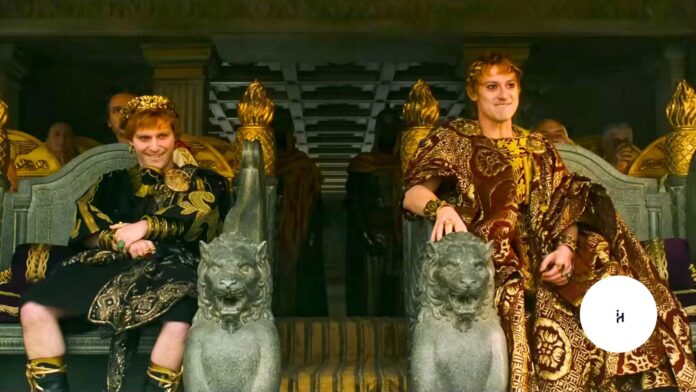
The history of the Roman Empire is filled with tales of ambition, betrayal, and power struggles, but few are as dramatic and bloody as the story of Geta and Caracalla. These two brothers, born into the Severan dynasty, were groomed for power from a young age. Their father, Emperor Septimius Severus, hoped they would rule Rome together in harmony. However, their deep-rooted rivalry turned deadly, resulting in one of the most infamous fratricides in ancient history.

Geta and Caracalla symbolize not just a family torn apart but also an empire destabilized by personal vendettas. From co-emperorship to assassination, their story offers a chilling glimpse into the darker side of imperial Rome.

The Early Lives of Geta and Caracalla

Geta and Caracalla

Lucius Septimius Bassianus, later known as Caracalla, was born in 188 AD, while his younger brother, Publius Septimius Geta, followed in 189 AD. Both sons were raised in a politically charged environment under the watchful eye of their father, Emperor Septimius Severus. They received a robust Roman education, including philosophy, law, and military training. Despite being brothers, Geta and Caracalla grew up with starkly contrasting personalities.

Caracalla was known for his aggressive nature and thirst for power, whereas Geta appeared more refined, intellectual, and diplomatic. These opposing traits would later intensify their rivalry as they vied for dominance. From an early age, Caracalla showed signs of disdain toward Geta, while Geta preferred to stay out of direct confrontation. Still, both knew they were destined for greatness, but not together.

Their father’s ambition to establish a dynasty only made matters worse. He bestowed imperial titles upon both, naming them Caesars and eventually co-Augusti. Rather than uniting the brothers, this joint authority fueled their hatred for one another. Even within the palace walls, they lived separately, surrounded by their respective supporters and advisors.

As the boys matured, their relationship deteriorated, setting the stage for one of Rome’s darkest family dramas.

Septimius Severus’ Vision for Co-Rulership

Septimius Severus, the first emperor of the Severan dynasty, was a shrewd and ambitious ruler. He envisioned a strong imperial lineage and believed that placing Geta and Caracalla on the throne together would ensure a stable future for Rome. To this end, he promoted both sons, granting them the titles of Caesar and eventually co-Augustus, elevating them as co-emperors.

Severus saw unity in dual power. However, his plan failed to account for the deep-rooted jealousy and contrasting temperaments of his sons. He often traveled with them on military campaigns, especially in Britain, trying to forge camaraderie. During his final campaign, he gave them advice that became infamous: “Be harmonious, enrich the soldiers, and scorn all others.”

What Severus could not foresee was that after his death in 211 AD, the very unity he hoped for would collapse. His death left Geta and Caracalla with absolute power but also unchecked hatred. Severus’ failure to designate a clear successor turned his dream into a nightmare, marking the beginning of a deadly imperial feud.

The Failed Co-Emperorship of 211 AD

Following their father’s death in 211 AD, Geta and Caracalla ascended to power as co-emperors. This joint rule was a disaster from the outset. The brothers despised each other to such an extent that the imperial palace was divided into two separate zones, each with its own military guards, court, and advisors.

Roman citizens and senators found themselves forced to choose sides, creating political instability. The rivalry disrupted governance, administration, and decision-making at every level. Public appearances were rare and awkward, as the brothers could barely stand the sight of one another.

While Caracalla focused on military reforms and gaining army loyalty, Geta tried to win over the civilian population and Senate. Their divergent ruling styles made it impossible to cooperate. Tensions reached a boiling point when both reportedly began plotting to eliminate the other.

Ultimately, the experiment of co-rulership proved untenable. It laid bare the Roman Empire’s vulnerability when power was shared among enemies, even if they were blood brothers.

Geta and Caracalla

The Assassination of Geta

In December 211 AD, the rivalry reached its brutal climax. Caracalla, unable to tolerate his brother any longer, orchestrated Geta’s assassination. He invited Geta to a peace meeting, promising reconciliation. Trusting his brother, Geta entered the room unarmed, only to be ambushed by assassins—allegedly in the presence of their mother, Julia Domna.

Geta died in her arms, bleeding from multiple stab wounds. He was just 22 years old. Caracalla immediately claimed sole rule and justified the murder by accusing Geta of plotting against him. However, contemporary historians, including Cassius Dio and Herodian, suggest otherwise.

The murder shocked Rome. Citizens, senators, and soldiers alike were stunned by the cruelty and audacity of Caracalla’s act. It wasn’t merely fratricide—it was a calculated political move to consolidate power. But it would haunt his reign and legacy forever.

Caracalla’s Damnatio Memoriae of Geta

After Geta’s death, Caracalla sought to erase his brother’s existence through damnatio memoriae, a Roman practice of condemning a person’s memory. Caracalla ordered Geta’s statues destroyed, his name removed from official documents, and coins bearing his image melted down.

Thousands of Geta’s supporters and perceived sympathizers were executed. It is estimated that over 20,000 people were killed in the aftermath, including senators, intellectuals, and even palace staff. Caracalla’s paranoia fueled a reign of terror, consolidating power through fear and bloodshed.

Despite these efforts, Caracalla couldn’t fully erase Geta from memory. Historians preserved accounts of his life and tragic end. Ironically, the more Caracalla tried to suppress Geta’s legacy, the more infamous their story became.

Julia Domna: A Mother Torn Between Sons

Julia Domna, the powerful and intelligent wife of Septimius Severus, played a significant role in the story of Geta and Caracalla. As their mother, she had hoped to maintain harmony between her sons. A Syrian-born philosopher and political influencer, she was deeply respected in Roman society and wielded significant behind-the-scenes influence in court.

After Severus’ death, Julia Domna tried tirelessly to mediate the growing rift between her sons. Historical sources suggest she often intervened in disputes and encouraged reconciliation. However, despite her best efforts, she couldn’t quell the deep-seated animosity between Geta and Caracalla. Her greatest tragedy came when she was deceived by Caracalla into arranging the fatal “peace meeting” where Geta was murdered.

Imagine the horror of watching your child die in your arms—this was Julia’s reality. After Geta’s death, she was forced to continue serving in court, now under her surviving son’s authoritarian rule. It is said that she went into a deep depression but continued to fulfill state responsibilities out of duty and survival.

Her life is a tragic reminder that even in the most powerful families, loyalty, grief, and maternal love could not triumph over politics and ambition. Julia Domna’s legacy remains as one of strength and resilience, though forever marked by sorrow.

Caracalla’s Reign After Geta

With Geta and Caracalla no longer sharing the throne, Caracalla assumed absolute power. However, his rule from 211 to 217 AD was marked by tyranny, paranoia, and militarization. After securing the army’s loyalty by increasing their pay and privileges, Caracalla became more reliant on them than ever before, using military force to assert his authority across the empire.

He implemented several reforms, including the Constitutio Antoniniana in 212 AD, which granted Roman citizenship to nearly all free men in the empire. While this move is often seen as a progressive step, many historians argue it was motivated more by fiscal needs—more citizens meant more tax revenue—than by genuine egalitarianism.

Caracalla spent much of his reign on military campaigns, especially in the East. He styled himself as a new Alexander the Great, seeking glory and conquest. However, his popularity declined due to his increasingly erratic behavior, extravagant spending, and the haunting memory of his brother’s murder.

Ultimately, Caracalla was assassinated by his own guards in 217 AD, leaving behind a legacy defined by bloodshed, broken trust, and an empire gripped by fear.

Geta and Caracalla

Public Reaction to the Fratricide

The Roman public, senators, and intellectual elite were deeply disturbed by the events surrounding Geta and Caracalla. Fratricide was not only a personal betrayal but also a religious and moral taboo. The murder within the sacred imperial family shattered public confidence in the throne.

Many Romans sympathized with Geta, who was seen as the more cultured and level-headed of the two brothers. His death created unrest in several provinces, and there were even small uprisings by local commanders who had pledged loyalty to both brothers.

Even the Senate, which normally rubber-stamped the emperor’s decisions, was hesitant in their response. Though they officially denounced Geta and supported Caracalla out of fear, many senators mourned privately. Several historical accounts, such as those by Cassius Dio, contain thinly veiled criticism of Caracalla’s cruelty and instability.

Caracalla’s attempts to rewrite history could not erase the emotional scars left on the empire. For many, Geta became a symbol of innocence and political martyrdom. Public artworks, graffiti, and oral storytelling kept his memory alive long after his name was banned from official records.

The Legacy of Geta and Caracalla

The legacy of Geta and Caracalla remains one of tragedy, rivalry, and historical impact. Their story is emblematic of the dangers of shared power, especially when it falls into the hands of incompatible and ambitious individuals.

While Caracalla’s reign did leave some administrative reforms and military legacies, it is his murder of Geta that defines his historical reputation. He became a cautionary tale of how absolute power, when unchecked by ethics or kinship, can destroy not only individuals but the moral foundation of an empire.

Geta, on the other hand, is remembered as the lost potential—a young man who might have been a stabilizing force in Roman politics if given a chance. Though his memory was officially condemned, historical sources continued to mention him with sympathy and respect.

Their story is still studied by historians, scholars, and political theorists as a critical example of how familial dysfunction can ripple through a nation. Statues, coins, and historical texts serve as fragmented remnants of this dark yet pivotal chapter in Roman history.

Artistic and Literary Depictions

Over the centuries, the dramatic tale of Geta and Caracalla has inspired countless works of art, drama, and literature. From Renaissance paintings to modern historical novels, artists have been drawn to the emotional intensity of their story: brotherly hatred, murder in the palace, and the sorrow of a grieving mother.

Paintings often depict the assassination of Geta, particularly the moment when he dies in Julia Domna’s arms. These images are filled with emotion—Caracalla’s cold stare, Julia’s despair, and Geta’s innocent look of betrayal.

In literature, the brothers have appeared as characters symbolizing ambition versus morality. Playwrights in the 17th and 18th centuries used their story as allegory for royal corruption and political intrigue. In modern times, their story has been featured in documentaries and academic discussions on the nature of tyranny.

The continued interest in Geta and Caracalla shows how timeless their story remains. Whether viewed through the lens of political science or human psychology, it resonates as a chilling reminder of how power can both unite and destroy.

Lessons from the Lives of Geta and Caracalla

The story of Geta and Caracalla is more than ancient history—it offers timeless lessons for leadership, family dynamics, and political ethics. Their tragic narrative underscores the dangers of unchecked ambition, the fragility of power-sharing, and the devastating consequences of personal vendettas in positions of authority.

From a leadership standpoint, the brothers’ failure to cooperate shows how critical mutual respect and communication are for effective governance. Their co-rule could have ushered in a golden age for Rome had they found common ground. Instead, it led to civil unrest, mass executions, and a legacy of fear.

For historians and scholars, their story reinforces the idea that political systems must have clear succession plans and accountability mechanisms. Shared rule between rivals is a risky experiment, especially when emotional tensions are involved.

On a personal level, the saga serves as a poignant reminder of how jealousy and mistrust can destroy even the closest of bonds. The death of Geta wasn’t just the end of a life—it was the collapse of an imperial dream, the shattering of a family, and a dark chapter in Rome’s imperial history.