Home Blog Page 51

Joséphine de Beauharnais: Empress of Elegance and Power

0
Joséphine de Beauharnais

Joséphine de Beauharnais, a name etched into the annals of French history, was far more than just the wife of Napoleon Bonaparte. Born into an aristocratic family, she experienced both the lavishness and cruelty of the French Revolution. Rising from the turmoil, she became the first Empress of the French, admired for her elegance, diplomacy, and enduring influence.

Early Life in Martinique: Roots of a Future Empress

Born as Marie Josèphe Rose Tascher de La Pagerie in 1763 on the Caribbean island of Martinique, Joséphine de Beauharnais grew up in a privileged but unstable environment. Her family, part of the French colonial elite, owned a sugar plantation, but economic and political tensions loomed.

Her childhood was shaped by tropical beauty and the rigid structures of colonial life. She received a basic education but was not formally trained in the aristocratic arts until later in life. Her father hoped she would marry well, and her future seemed destined for nobility.

At age 16, she moved to France to marry Alexandre de Beauharnais. Though initially excited, she would soon encounter personal trials that would shape her inner strength. The early chapters of Joséphine de Beauharnais’s life laid the foundation for a dramatic transformation from colonial girl to European empress.
Joséphine de Beauharnais

Marriage to Alexandre de Beauharnais and Revolutionary Struggles

Joséphine de Beauharnais’s first marriage to Alexandre, a French nobleman and general, was filled with both prestige and hardship. Their union, though initially celebrated, quickly soured due to Alexandre’s infidelity and lack of affection. Despite two children—Eugène and Hortense—the relationship dissolved.

During the French Revolution, Alexandre was arrested and executed by guillotine during the Reign of Terror. Joséphine herself was imprisoned and narrowly escaped the same fate. This turbulent time taught her resilience and diplomacy, qualities she would later use as Empress.

The loss of her husband left her a widow with children in a dangerous political climate. But Joséphine de Beauharnais’s charm and adaptability kept her in Parisian high society, where she mingled with powerful individuals—eventually catching the eye of a rising military star: Napoleon Bonaparte.

The Romance with Napoleon Bonaparte

The love story between Joséphine de Beauharnais and Napoleon Bonaparte began in 1795 and quickly became one of history’s most iconic relationships. Despite being six years older than Napoleon, Joséphine’s elegance and allure captivated him.

Napoleon was passionately in love, often writing letters full of longing and devotion. They married in 1796, though Napoleon’s family disapproved, and their union was not blessed by the Church until years later.

Joséphine de Beauharnais was not initially faithful, and rumors of her affairs strained their relationship. Yet, their bond endured through wars and politics. She became his trusted companion, even as their marriage faced personal and political turmoil.

This union elevated Joséphine’s status, aligning her fate with the man who would soon become Emperor of France.

Coronation as Empress: A Moment of Glory

In 1804, Joséphine de Beauharnais reached the pinnacle of power. On December 2nd, at the Notre-Dame Cathedral in Paris, Napoleon crowned himself Emperor and then crowned Joséphine as Empress of the French.

This symbolic act was more than ceremony—it solidified her position and marked her transformation from widow to monarch. Joséphine wore an opulent gown, and her grace captivated all present. The event was immortalized in a famous painting by Jacques-Louis David.

Despite Napoleon’s military campaigns, Joséphine maintained the imperial court’s cultural brilliance. She was known for her refined manners, fashion, and ability to charm diplomats. As Empress, she became a fashion icon and a symbol of French elegance.

Her reign reflected both strength and grace, reinforcing the name Joséphine de Beauharnais in historical legacy.

Challenges of Infertility and the End of Marriage

One of the most tragic elements of Joséphine de Beauharnais’s life was her inability to bear an heir for Napoleon. Though she had children from her first marriage, their union remained childless, and this became a source of tension.
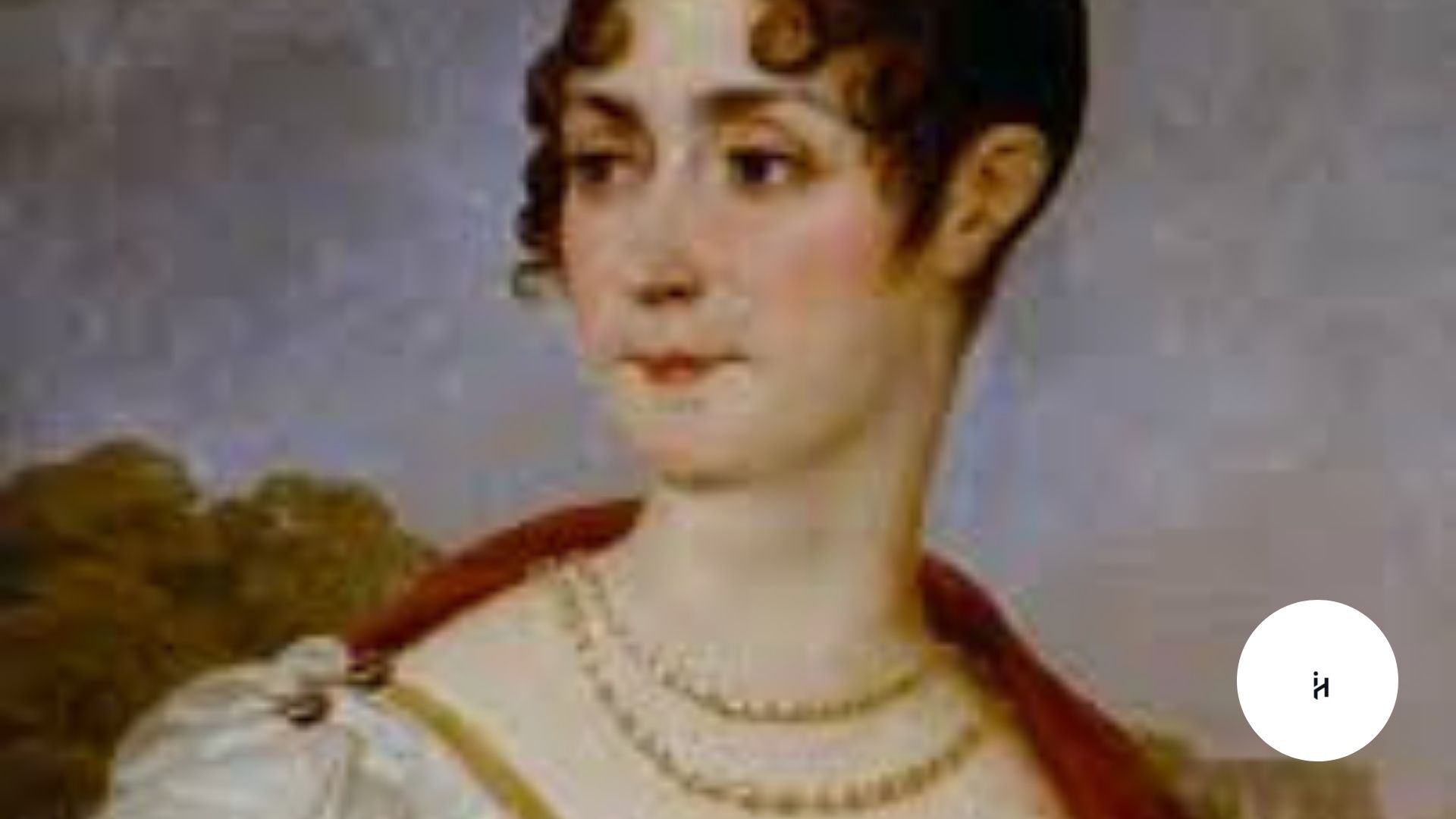
Joséphine de Beauharnais

Napoleon, desperate for a successor, felt compelled to divorce Joséphine in 1810. The separation was heartbreaking for both. Despite the political nature of the decision, they remained emotionally connected. Napoleon even arranged for her to retain her title and live in grandeur at Château de Malmaison.

This chapter showcases Joséphine’s dignity and strength in the face of personal sacrifice. She accepted her fate with grace, knowing that the future of the empire depended on her exit. Joséphine de Beauharnais’s story during this time highlights her selflessness and emotional depth.

Life After Divorce: The Malmaison Years

After her divorce, Joséphine de Beauharnais retired to Château de Malmaison, her beloved estate near Paris. There, she cultivated a life of culture, nature, and diplomacy. Malmaison became a hub of artistic and intellectual activity.

She surrounded herself with painters, writers, botanists, and foreign dignitaries. Joséphine was especially passionate about horticulture, introducing exotic plants and flowers to France. Her rose garden became famous across Europe.

Though no longer Empress, her influence remained strong. She corresponded with royalty and diplomats and continued to be revered in French society. Napoleon himself often visited her, even after remarrying.

This peaceful period allowed Joséphine to reflect on her life while shaping cultural legacies that outlived her reign.

Death and Legacy of Joséphine de Beauharnais

Joséphine de Beauharnais passed away on May 29, 1814, at Malmaison. Her death came shortly after Napoleon’s first abdication and exile. Reportedly, she caught pneumonia after walking in her gardens with Tsar Alexander I of Russia.

Her funeral was a grand affair, attended by numerous dignitaries and her children. She was buried in the church of Saint-Pierre-Saint-Paul in Rueil-Malmaison.

Joséphine’s legacy lived on through her children, who married into European royal families. Her grandson, Napoleon III, became Emperor of France decades later.

History remembers Joséphine not just for her royal status but for her elegance, resilience, and lasting influence on French culture and politics. Her name—Joséphine de Beauharnais—remains synonymous with grace under pressure.

Joséphine’s Children and Their European Influence

Joséphine de Beauharnais had two children—Eugène and Hortense—who became major figures in European history. Her son Eugène married Princess Augusta of Bavaria, founding the Beauharnais line that includes current European royalty.

Hortense married Napoleon’s brother, Louis Bonaparte, and their son, Charles-Louis Napoleon Bonaparte, would become Napoleon III, Emperor of the French in 1852.

Through these unions, Joséphine’s lineage extended into numerous royal houses, including Sweden, Norway, Belgium, and Luxembourg. Her descendants continue to hold noble and royal titles even in modern times.

Joséphine de Beauharnais, through her children, profoundly shaped 19th-century European dynasties.
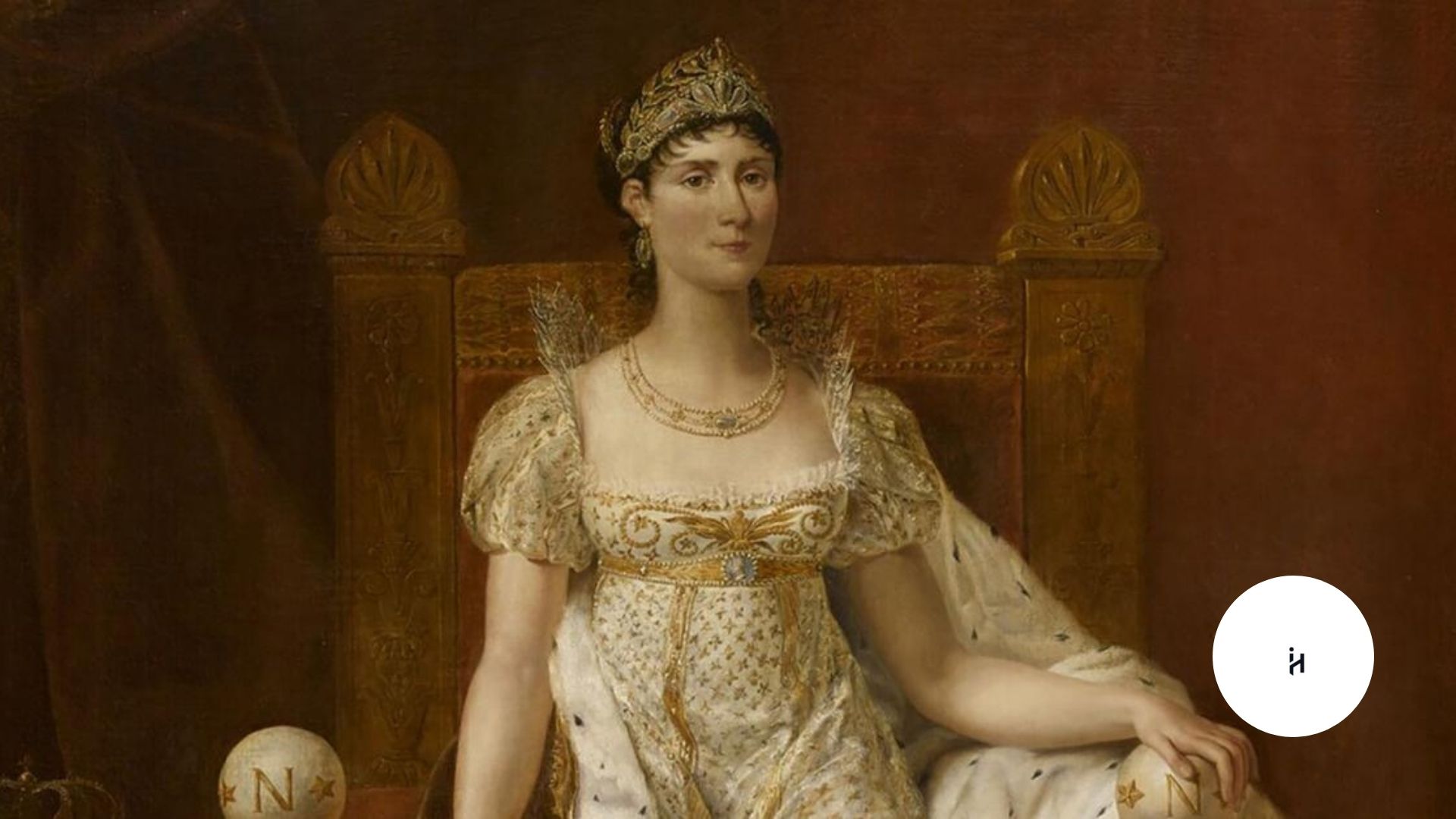
Joséphine de Beauharnais

Joséphine as a Fashion Icon

Joséphine de Beauharnais transformed fashion in post-revolutionary France. Known for her impeccable taste, she introduced the Empire silhouette, a style that emphasized long flowing gowns with high waists and delicate fabrics.

She influenced not only court fashion but also the general Parisian trends. Her wardrobe was extensive, filled with silk, muslin, and jewels. She set the standard for elegance, often working with renowned designers of the time.

Artists adored painting her, and her likeness was featured on coins, portraits, and tapestries. Joséphine’s fashion legacy remains studied by historians and designers alike, confirming her place as a pioneer of modern elegance.

Artistic Patronage and Cultural Contributions

Joséphine de Beauharnais was a major patron of the arts. Her support helped revive French painting, sculpture, and architecture during the Napoleonic era. She commissioned works from renowned artists, including Jacques-Louis David and Antonio Canova.

Her Malmaison estate housed an impressive art collection, reflecting her love of classical antiquity and modern trends. She also supported musicians, composers, and writers, ensuring that France’s cultural prestige remained high.

Joséphine’s legacy includes not just her political role but her enduring influence on art and aesthetics. She remains a symbol of cultured leadership and refined taste.

Final Thoughts: The Enduring Symbol of Joséphine

Joséphine de Beauharnais’s life is a testament to resilience, elegance, and influence. From her beginnings in Martinique to the heart of the French Empire, she navigated love, loss, revolution, and royalty with poise.

Her name continues to evoke a sense of timeless grace and strength. Whether in art, fashion, politics, or family lineage, Joséphine left an indelible mark.

History has rightfully immortalized Joséphine de Beauharnais as more than just Napoleon’s wife. She was a powerful woman in her own right—one who shaped history through intellect, emotion, and vision.
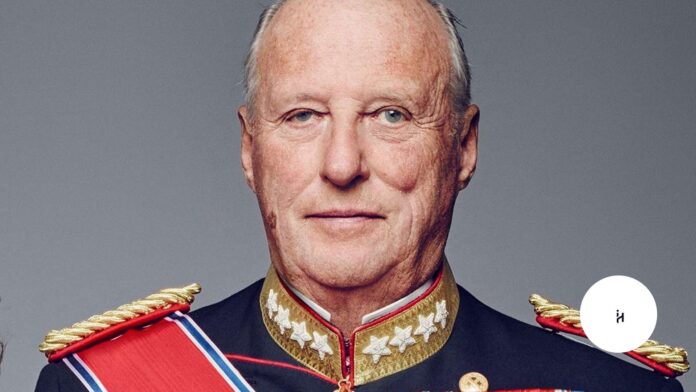
The Legacy and Life of the King of Norway

0
King of Norway

Who is the King of Norway?

The King of Norway is more than a symbolic figurehead. Deeply rooted in the country’s traditions and history, the monarch represents unity and national pride. Norway has had a monarchy for over a thousand years, evolving from Viking chieftains into a constitutional role today. The current King of Norway is King Harald V, who ascended the throne in 1991.

Norway’s monarchy is one of the oldest in the world, and it continues to be cherished by the Norwegian people. Though the role of the King of Norway is mostly ceremonial today, his presence is vital in preserving the country’s cultural identity. This blog will delve into the monarchy’s historical origins, current functions, and the life of King Harald V.

The Historical Roots of the Norwegian Monarchy

King of Norway

The history of the King of Norway begins in the Viking Age with rulers like Harald Fairhair, who is considered the first King of Norway around 872 AD. These kings united various territories into one realm, forming the early foundation of the Norwegian nation.

During the Middle Ages, the monarchy evolved with Christian influence, transitioning from warrior kings to divine rulers. The Kalmar Union in the 14th century saw Norway united under Danish rule, and the monarchy was essentially controlled by Denmark for nearly 400 years.

The 19th century marked a turning point. In 1814, Norway declared independence and created its own constitution. Though a union with Sweden followed, Norway finally gained full independence in 1905 and elected Prince Carl of Denmark as King Haakon VII, establishing today’s royal lineage.

The Role of the King of Norway in Modern Politics

The modern King of Norway serves as a constitutional monarch, meaning he reigns but does not rule. The real power lies with the elected Prime Minister and Parliament. However, the king plays a crucial ceremonial and symbolic role in state affairs.

He formally appoints the Prime Minister, opens Parliament each year, and meets weekly with government officials. He also represents Norway internationally. The King of Norway is seen as a stabilizing figure in times of national or political uncertainty, reminding citizens of their shared heritage.

King Harald V – The Current Monarch

King Harald V, born in 1937, is the present King of Norway. He is a beloved monarch known for his humility, openness, and dedication to public service. He is the son of King Olav V and Crown Princess Märtha of Sweden.

Harald became king in 1991 after the death of his father. One of the most notable aspects of his reign is his inclusive speeches. He once said, “Norwegians are girls who love girls, boys who love boys, and boys and girls who love each other.” This reflected his commitment to diversity and unity.

King Harald V has faced health challenges in recent years but continues to serve with dignity and devotion. His personal interests include sailing, and he even represented Norway in the Olympics.

Queen Sonja – Norway’s First Queen Consort of Common Origin

Queen Sonja, wife of King Harald V, was born a commoner—Sonja Haraldsen—making her the first Norwegian queen consort of common descent. Their marriage in 1968 marked a significant step toward modernization of the monarchy.

Initially, their relationship was controversial, as marrying outside royalty was frowned upon. But King Harald insisted, and after nine years of waiting, they received approval. Queen Sonja is now deeply respected for her work in the arts, education, and social issues.

She actively supports humanitarian causes and has been a symbol of progress and equality in Norwegian society. The King and Queen together represent a monarchy that is both traditional and modern.

Royal Family of Norway – Beyond the Throne

The Royal Family of Norway includes King Harald V, Queen Sonja, Crown Prince Haakon, Crown Princess Mette-Marit, and their children. Crown Prince Haakon is the heir apparent and actively participates in royal duties.

Princess Märtha Louise, the king’s daughter, is also well-known. She has often been in the media spotlight for her spiritual interests and for marrying a controversial American self-styled shaman.

The Norwegian royal family is admired for its humility and relatability. They often engage in public service, cultural events, and charity work, making them a beloved institution among Norwegians.

King of Norway

Powers and Duties of the King of Norway

Although largely symbolic, the King of Norway has certain duties outlined in the Constitution. He signs official documents, sanctions laws, and meets with political leaders. His weekly meetings with the Prime Minister ensure he stays informed about national matters.

He is also the Commander-in-Chief of the Armed Forces and plays a ceremonial role in military affairs. During national crises, such as natural disasters or acts of terrorism, the king provides reassurance and unity through speeches and appearances.

The monarchy also promotes Norwegian interests abroad through diplomatic visits, enhancing the country’s global image.

The Monarchy and Norwegian National Identity

The King of Norway is more than a political figure—he is a national symbol. His image is found on coins, stamps, and government buildings. The monarchy is associated with Norwegian traditions, independence, and unity.

National Day (17th May) celebrations often feature the royal family greeting crowds from the royal palace in Oslo. This visibility reinforces the king’s role as the people’s monarch, deeply embedded in the fabric of society.

The monarchy continues to be widely supported by the population, with opinion polls showing high approval ratings.

Royal Residences: Where the King of Norway Lives

The primary residence of the King of Norway is the Royal Palace in Oslo, a neoclassical building completed in the 19th century. It’s where official functions, state visits, and ceremonies take place.

Other royal properties include Skaugum Estate, where Crown Prince Haakon lives, and Bygdøy Royal Estate, used for recreational purposes. These residences are part of the heritage that reflects Norway’s rich royal history.

The palace is also open to the public during the summer, allowing citizens and tourists to connect with the nation’s monarchy.

King of Norway

How the King of Norway Connects with the People

One key reason for the monarchy’s popularity is the personal connection between the King of Norway and the people. The royal family travels across the country, engaging with communities, charities, and youth programs.

The king delivers Christmas and New Year messages addressing national concerns, social harmony, and the future. These speeches often resonate deeply with Norwegians.

Digital platforms also help modernize this connection. The royal family’s official website and social media share updates, humanizing the monarchy in a digital age.

Global Diplomacy and the King’s International Role

While not a policymaker, the King of Norway plays a diplomatic role in promoting peace and goodwill abroad. He accompanies the Prime Minister on state visits and welcomes foreign dignitaries.

Norway is often involved in peace negotiations and humanitarian efforts worldwide. The monarchy complements these efforts by symbolizing Norwegian values such as equality, freedom, and dialogue.

King Harald V has visited dozens of countries, helping to build strong international relations and promoting cultural and economic ties.

The Future of the Norwegian Monarchy

With Crown Prince Haakon preparing to succeed his father, the future of the King of Norway is in capable hands. Haakon is widely respected, educated, and experienced in international affairs. His wife, Crown Princess Mette-Marit, has championed causes like mental health and youth empowerment.

The younger generation of royals brings fresh perspectives while upholding the institution’s traditions. Norway’s monarchy continues to evolve while staying true to its values.

Though the role is mostly symbolic, the King of Norway remains a vital pillar of national unity, culture, and heritage.

Princess Sophie of Bavaria – Royal Life and Legacy

0
Princess Sophie of Bavaria

Princess Sophie of Bavaria was a distinguished royal figure whose life intertwined with European politics, royal alliances, and historical transitions in the 19th century. Born into the influential House of Wittelsbach, Sophie played a significant role not only in the Bavarian monarchy but also in shaping Austrian imperial affairs through her marriage.

Her life reflects both the opulence and the complexity of European aristocracy. In this detailed blog, we will explore her early life, political significance, relationships, personal character, and enduring legacy.

Early Life and Royal Lineage

Princess Sophie of Bavaria

Princess Sophie of Bavaria was born on January 27, 1805, into the prominent Wittelsbach family, a house with a deep-rooted history in European nobility. She was the daughter of King Maximilian I Joseph of Bavaria and Caroline of Baden, growing up amidst the grandeur and duties of Bavarian royalty. Her upbringing was steeped in tradition, education, and the responsibility that came with her noble birth.

From an early age, Princess Sophie of Bavaria was known for her intelligence and beauty, which made her a desirable candidate for many European alliances. Her family’s legacy included centuries of rulers, scholars, and military leaders. The environment around her shaped her understanding of power, governance, and diplomacy. The strong dynastic ties of the Wittelsbachs played a crucial role in securing her position as a key figure in European affairs.

Marriage to Archduke Franz Karl of Austria

One of the most significant milestones in the life of Princess Sophie of Bavaria was her marriage to Archduke Franz Karl of Austria in 1824. This union symbolized not just a romantic alliance but a strategic political move between Bavaria and Austria. Though Archduke Franz Karl was not a dominant figure in politics, Sophie emerged as a force behind the scenes.

Princess Sophie of Bavaria was known to be ambitious, and many historians believe she was instrumental in grooming her son, Franz Joseph I, for the throne. Her influence within the Austrian court grew steadily after her marriage. Despite challenges, her marriage fortified the relationship between two powerful royal houses and impacted the imperial trajectory of Austria.

Role in the Austrian Court

As a member of the Austrian imperial family, Princess Sophie of Bavaria became a respected yet polarizing figure in court politics. Her assertiveness and political acumen were often seen as intimidating by many within the Habsburg circle. She was not content with a ceremonial role; instead, she actively engaged in matters of state and court decisions.

She supported conservative values and was closely aligned with Prince Metternich’s policies. Her presence at court was formidable, and her views shaped various decisions made during the reign of Emperor Ferdinand I. Princess Sophie of Bavaria held a silent but powerful sway over imperial affairs, often acting as the political conscience of her husband and later, her son.

Mother of Emperor Franz Joseph I

Perhaps the most historically important aspect of Princess Sophie of Bavaria’s life was her role as the mother of Emperor Franz Joseph I of Austria. She had several children, but it was Franz Joseph who would rise to define the Austrian Empire during a tumultuous period. Princess Sophie was deeply involved in his upbringing and education, ensuring he was prepared for leadership.

Her aspirations for her son were ambitious, and she often clashed with other members of the Habsburg family to position Franz Joseph for the throne. When Emperor Ferdinand abdicated during the 1848 revolution, Sophie was a key figure behind Franz Joseph’s accession to the throne. Princess Sophie of Bavaria played the role of a kingmaker, and her legacy is deeply tied to her son’s reign.

Relationship with Empress Elisabeth (Sisi)

Princess Sophie of Bavaria

The relationship between Princess Sophie of Bavaria and her daughter-in-law, Empress Elisabeth of Austria (also known as Sisi), was complex and often strained. Sophie had high expectations for the imperial family and maintained strict codes of behavior. Sisi, known for her free-spirited and unconventional nature, found herself frequently at odds with Sophie’s authority.

Princess Sophie of Bavaria often intervened in matters of parenting, court etiquette, and political engagement, leading to emotional distress for Elisabeth. Letters and journals from the period reveal deep-seated conflicts between the two. Despite the tensions, both women left profound impressions on the Habsburg legacy, albeit in vastly different ways.

Political Views and Influence

Princess Sophie of Bavaria was a staunch conservative, deeply influenced by the values of the Metternich era. She believed in a strong monarchy and opposed liberal movements that threatened the traditional order of the empire. Her influence extended beyond domestic matters, reaching into the broader politics of the Austrian Empire.

During the revolutionary years of 1848, Princess Sophie of Bavaria supported the suppression of uprisings and advocated for strong imperial control. Though she never held an official political role, her advice and presence behind the scenes made her one of the most powerful women in Europe at the time. Her political ideals were centered on preserving aristocratic privilege and imperial unity.

Tragedies in Her Personal Life

Despite her regal stature, Princess Sophie of Bavaria experienced deep personal losses that left a lasting impact on her. Several of her children died young, including her firstborn son, and later, her beloved son Maximilian, who became Emperor of Mexico and was executed in 1867. These tragedies tested her strength and brought sorrow into her otherwise powerful life.

She also witnessed the personal unhappiness of her children’s marriages and the challenges of sustaining unity within the imperial family. These personal experiences humanize Princess Sophie of Bavaria, showing that even those in power are not immune to grief and hardship.

Relationship with Bavaria After Marriage

Though she became an integral part of the Austrian court, Princess Sophie of Bavaria never severed ties with her native Bavaria. She maintained correspondence with her family and kept Bavarian traditions close to her heart. Her influence helped maintain cordial relations between the two regions.

Her dual identity as both a Bavarian princess and an Austrian archduchess gave her a unique perspective and allowed her to act as a bridge between the two houses. Princess Sophie of Bavaria’s legacy in Bavaria remains strong, and she is remembered as one of the most influential women from the House of Wittelsbach.

Princess Sophie of Bavaria

Legacy in European History

Princess Sophie of Bavaria is remembered as a powerful matriarch whose influence shaped the course of European history. Through her children and her political insight, she left a mark on Austria and beyond. Her son, Emperor Franz Joseph I, ruled for nearly 68 years, a reign that would have been impossible without her guidance and ambition.

She has been portrayed in books, films, and scholarly articles as both a powerful strategist and a controlling mother. Regardless of the perspective, Princess Sophie of Bavaria remains a symbol of dynastic ambition and resilience in European aristocracy.

Death and Burial

Princess Sophie of Bavaria passed away on May 28, 1872, in Vienna. Her death marked the end of an era for the Austrian court. She was buried in the Imperial Crypt (Kaisergruft) in Vienna, alongside other members of the Habsburg dynasty. Her tomb is visited by historians and tourists alike, serving as a reminder of her impactful life.

Her funeral was attended by dignitaries and members of the imperial family, showcasing the respect she commanded even in her final moments. Princess Sophie of Bavaria’s passing was not just the loss of a royal figure, but of a key architect of modern Austrian imperial history.

Historical Representations and Popular Culture

In recent years, Princess Sophie of Bavaria has been reexamined through the lens of modern historical analysis and popular culture. From historical dramas to documentaries, she is often depicted as the formidable mother-in-law of Sisi or the mastermind behind Franz Joseph’s rise. These portrayals reflect a renewed interest in strong female figures in history.

Her letters, preserved in archives, reveal the complexity of her thoughts, emotions, and strategies. Princess Sophie of Bavaria is no longer just a secondary royal figure but is increasingly recognized for her powerful influence on European politics and court life. As scholarship continues, her place in history grows ever more significant.

Irish Republic Population Overview and Growth Trends

0
Irish Republic Population

The Irish Republic population has undergone significant changes over the past few decades. From steady growth rates to dynamic shifts in demographics and urban migration, Ireland offers a fascinating case study in modern population development. In this blog, we’ll explore the trends, history, urban-rural distribution, migration effects, and forecasts related to the Irish Republic population. Whether you’re a student, researcher, policymaker, or simply curious, this guide delivers everything you need to know.

Historical Overview of the Irish Republic Population

Irish Republic Population

The population of the Irish Republic has been shaped by centuries of migration, conflict, famine, and recovery. Before the Great Famine in the 1840s, Ireland had over 8 million people. However, post-famine emigration caused a severe population decline, with numbers dropping to just over 2.8 million by the early 20th century.

The Irish Republic population slowly began to recover after independence in 1922. Key census years such as 1951, 1981, and 2002 show gradual increases due to better healthcare, education, and employment opportunities. This historical perspective provides context to Ireland’s current population trends and policy-making.

Current Population Size and Density

As of the most recent census, the Irish Republic population stands at approximately 5.3 million. This marks the highest recorded level since the 19th century. Population density is concentrated around major cities like Dublin, Cork, and Limerick, with urban areas showing higher density compared to rural counties such as Mayo or Leitrim.

The average national population density is about 77 people per square kilometer, which is lower than other EU nations, providing both opportunities and challenges in urban planning.

Demographic Breakdown: Age and Gender

The age and gender composition of the Irish Republic population reveals interesting demographic dynamics. Ireland has one of the youngest populations in Europe, with a median age of 38. Children (ages 0-14) make up about 20% of the population, while seniors (65 and above) comprise around 15%.

Gender ratios are nearly balanced, although women slightly outnumber men in older age groups due to longer life expectancy. This demographic mix directly influences education, healthcare, and pension planning.

Urban vs Rural Population Distribution

Urbanization continues to be a defining factor in the Irish Republic population landscape. Approximately 63% of people now live in urban areas, especially in Dublin, Galway, and Cork. Dublin alone houses over 1.4 million residents.

On the other hand, rural counties are experiencing a population decline or slower growth, often due to younger residents migrating for job opportunities. This urban-rural divide affects everything from transport to education and healthcare accessibility.

Migration and Its Impact on Population Growth

Irish Republic Population

Ireland has transformed from a nation of emigration to one of immigration. The net inward migration over the past two decades has significantly boosted the Irish Republic population.

Immigrants from Poland, Lithuania, Romania, and more recently Brazil and India have contributed to economic growth and cultural diversity. At the same time, the return of Irish emigrants post-financial crisis has played a role in reshaping the workforce and social landscape.

Birth Rate and Fertility Trends

Ireland’s birth rate is among the highest in the EU, though it has been declining gradually. Currently, the birth rate stands at about 11 births per 1,000 people. The average fertility rate is around 1.7 children per woman, slightly below the replacement level of 2.1.

This trend has long-term implications for the Irish Republic population, such as a smaller future workforce and increased pressure on pension systems unless counterbalanced by immigration or policy incentives.

Aging Population and Future Challenges

While Ireland remains youthful compared to other European nations, the number of people aged 65 and older is rapidly rising. This demographic shift presents major challenges for the healthcare system, pension plans, and housing infrastructure.

If current trends continue, seniors will make up nearly 25% of the Irish Republic population by 2050. This growing aging population necessitates urgent attention in public policy, urban planning, and community care services.

Ethnic Diversity and Integration

The Irish Republic population has grown more ethnically diverse, especially since the 2000s. Currently, about 12% of the population are foreign nationals. The largest ethnic minority groups include Polish, British, Indian, Nigerian, and Chinese communities. With diversity comes the need for effective integration policies related to language, education, and employment to ensure cohesive social development.

Population by Province and County

Breaking down the Irish Republic population by provinces, Leinster remains the most populated with Dublin at its core. Munster, Connacht, and Ulster (Republic portion) follow. County-wise, Dublin has the highest population, while counties like Leitrim and Longford have the smallest. Regional disparities highlight issues in infrastructure development and job availability, often driving inter-county migration.

Irish Republic Population

Government Policies and Population Planning

The Irish government plays a vital role in managing population growth and distribution. From the National Planning Framework to Housing for All, strategies are designed to balance urban development, rural regeneration, and environmental sustainability. Effective planning ensures the Irish Republic population continues to grow without overwhelming resources or deepening regional inequalities.

Future Population Projections

Looking ahead, the Irish Republic population is projected to reach around 6 million by 2050, depending on birth rates and migration patterns. Urban centers will likely continue expanding, requiring scalable infrastructure and housing solutions.

Technological advancements, climate policies, and immigration laws will significantly shape these future demographics. Understanding projections helps guide investment in education, transport, and healthcare systems, ensuring long-term national stability.