Home Blog Page 47

What Do Demons Look Like?

0
What Do Demons Look Like?

Ever wondered what do demons look like? Their terrifying features have haunted human imagination for centuries. From ancient myths to religious depictions and pop culture, demons appear in various disturbing and symbolic forms. This blog dives into those details and explores their looks across cultures and beliefs.

The Classic Image of Demons in Popular Culture

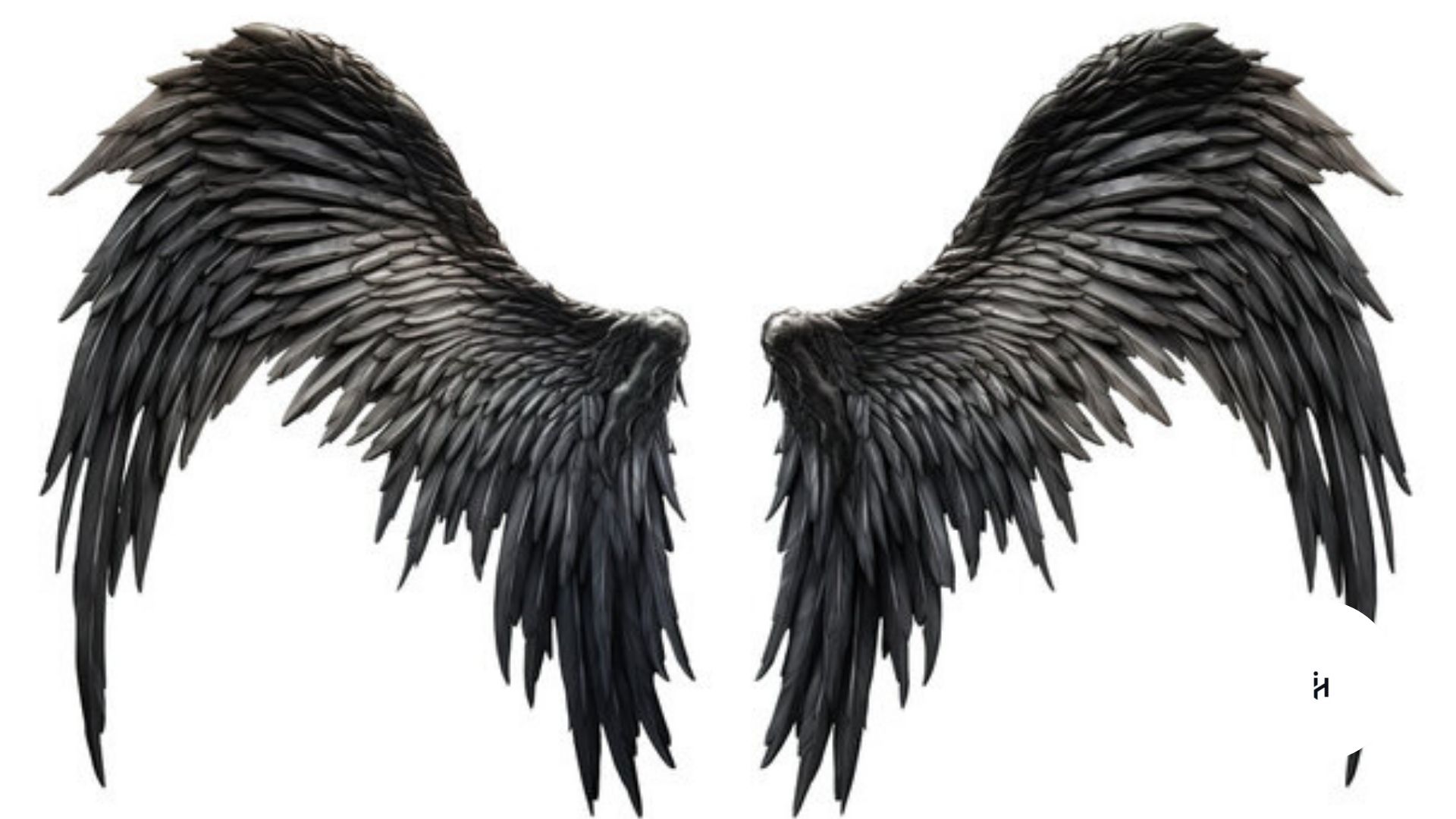
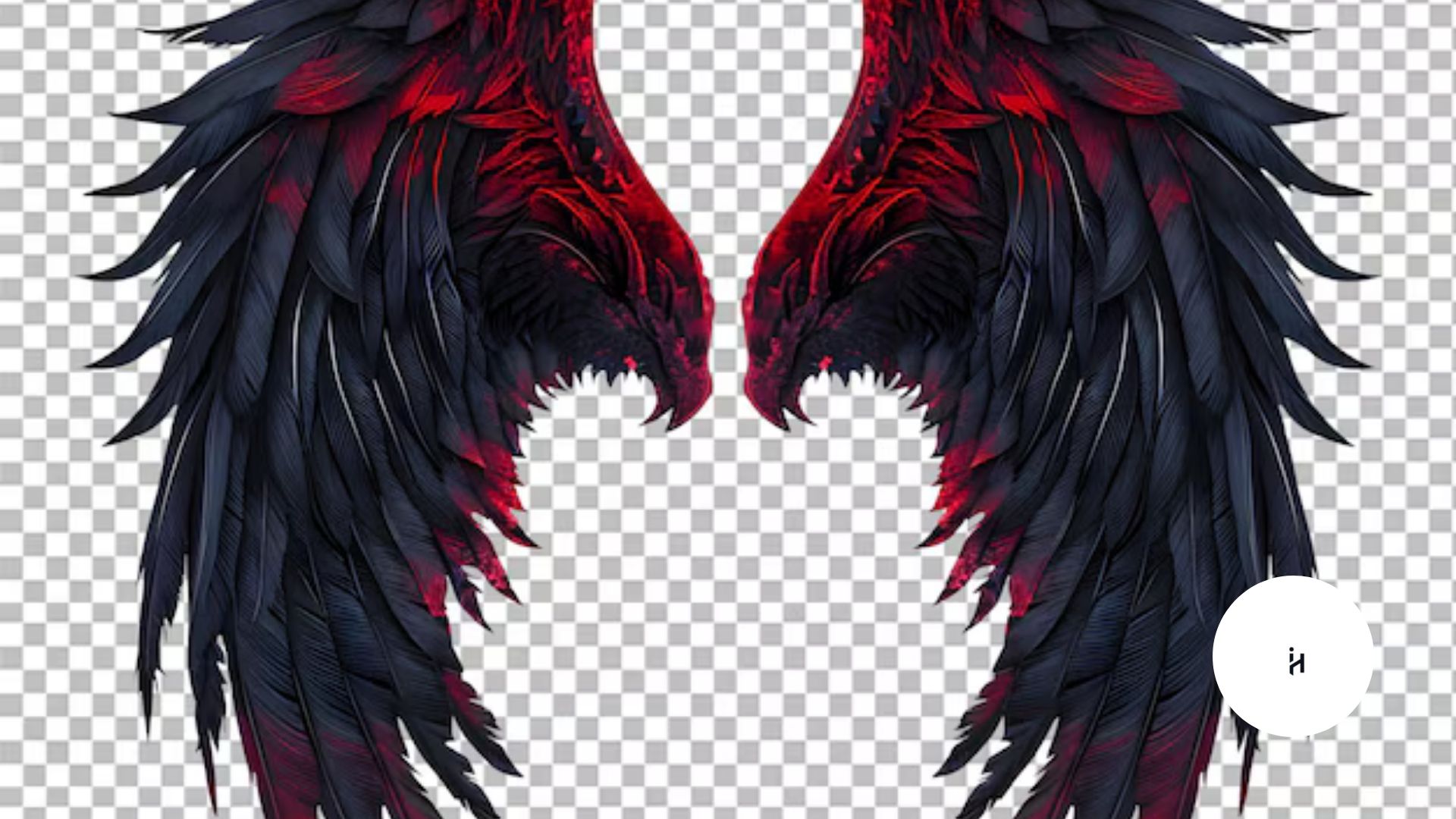
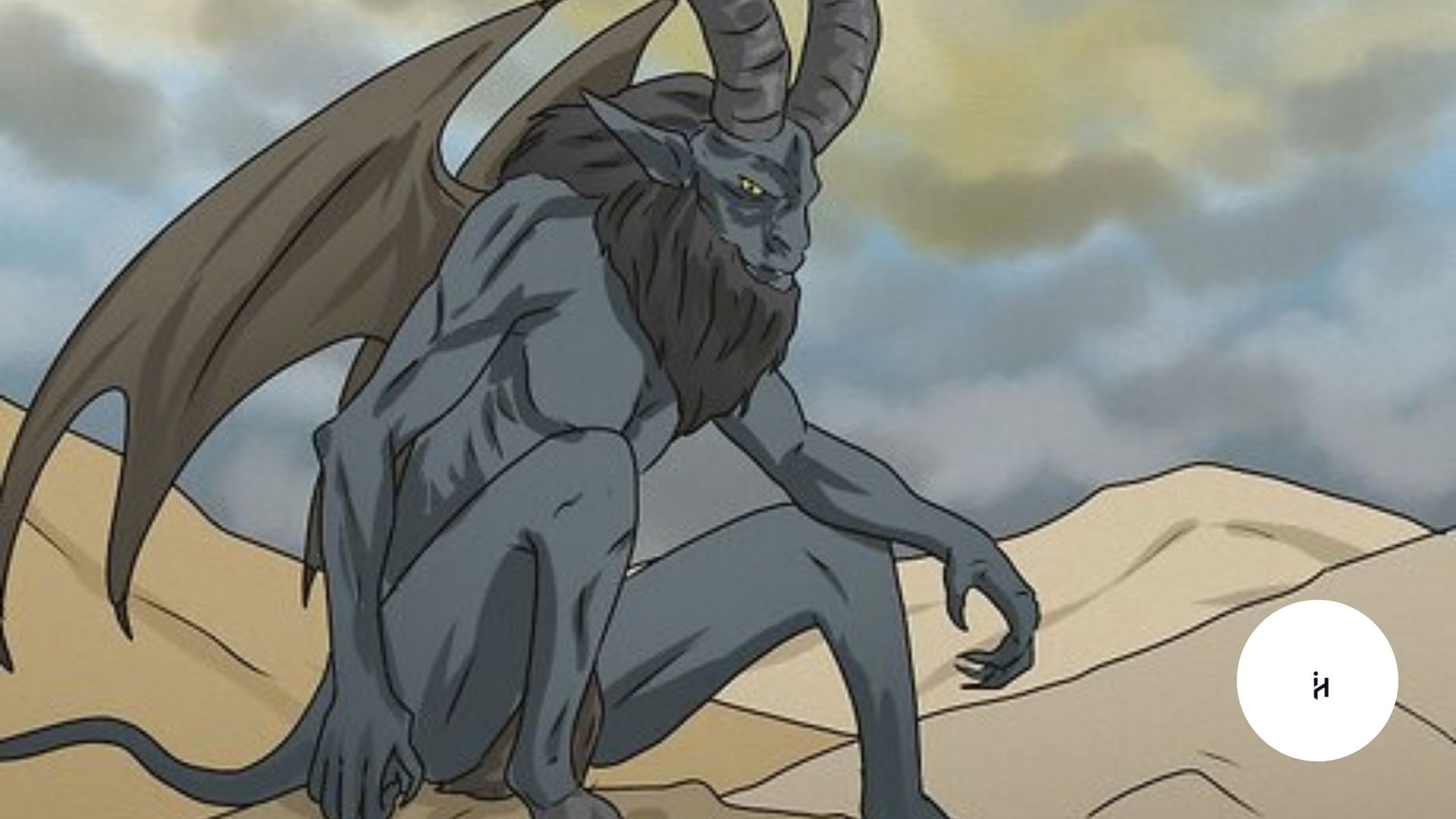
When asking what do demons look like, many people visualize red-skinned creatures with horns, tails, and burning eyes. This common depiction stems largely from Western media and literature. These demonic figures often have wings, sharp claws, and grotesque bodies, symbolizing evil and fear.

Their appearance is meant to evoke dread and terror. Although this version is iconic, it’s just one of many interpretations that exist globally. Understanding this image helps us trace how the media shapes our imagination of demons. It’s essential to remember that the keyword what do demons look like includes many cultural interpretations, not just cinematic ones.
What Do Demons Look Like?

Demons in Ancient Mythology and Folklore

Ancient myths offer diverse answers to the question what do demons look like. In Mesopotamian lore, demons like Pazuzu had animalistic features—a lion’s head, eagle’s wings, and a scorpion’s tail. In Hindu texts, asuras (demonic beings) could shape-shift and often had multiple heads and arms.

In Greek mythology, creatures like the Gorgons were considered demonic and had snake hair and petrifying gazes. These early descriptions represent moral and cosmic chaos. Thus, demons were not only hideous but symbolic of disorder and temptation, expanding the understanding of what do demons look like beyond physical form.

Religious Interpretations: Christian Views of Demons

Christianity heavily influenced the modern answer to what do demons look like. Biblically, demons are fallen angels, so their original form was beautiful and radiant. However, after their fall, many Christians believe they became disfigured—burned, twisted beings with monstrous traits.

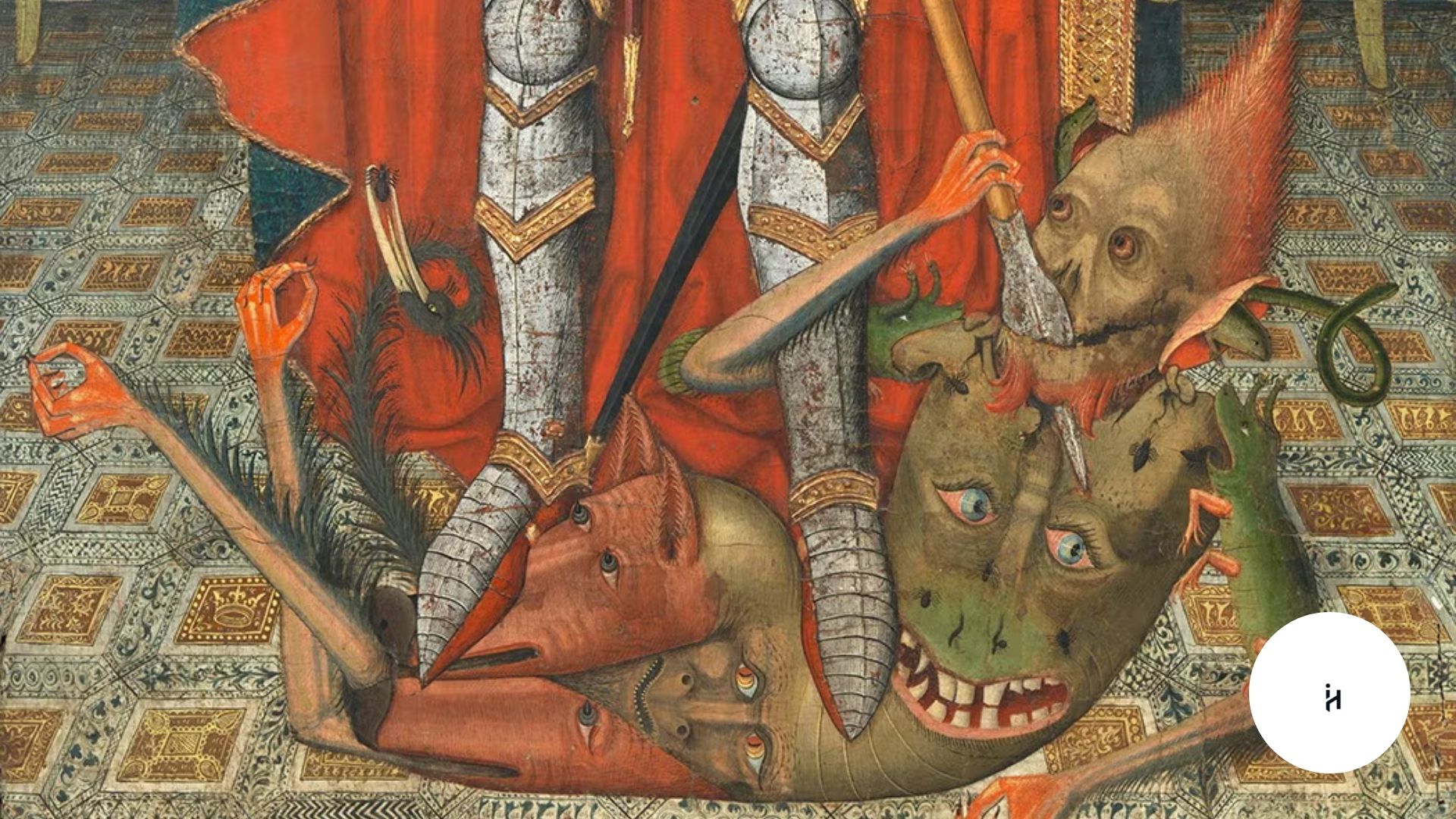
Artists in medieval times depicted them with bat-like wings, sharp fangs, and grotesque bodies, echoing Hell’s torments. These depictions emphasized their rebellion and corruption. Over time, such visuals became widespread in churches, art, and religious texts, reinforcing a fearful image. If you ask a Christian theologian what do demons look like, you’ll hear of spiritual decay made visible.

Demons in Islamic Beliefs and Their Appearance

In Islam, demons are often referred to as jinn or shayatin, and the Qur’an describes them as beings created from smokeless fire. This gives them an ethereal, almost invisible form. However, Islamic folklore and hadiths sometimes describe them with grotesque traits—elongated limbs, burning eyes, or half-animal features.

While jinn can appear in various forms, shayatin are considered evil and often hideous in appearance. For Muslims exploring what do demons look like, the answer often includes symbolic imagery over literal monsters, emphasizing their deceptive and shape-shifting nature rather than fixed terrifying forms.

Asian Demonology: Diverse and Symbolic Forms

Asian cultures bring rich diversity to the topic what do demons look like. In Japan, demons called Oni are massive, horned beings with red or blue skin, wild hair, and tiger-skin loincloths. In China, hungry ghosts are demonic figures with pinhole mouths and bloated bellies, representing insatiable desire.

Tibetan Buddhism portrays demons with multiple arms, skull crowns, and flaming auras to symbolize spiritual obstacles. These appearances are deeply symbolic, reflecting inner chaos, bad karma, or human flaws. Asking what do demons look like in Asia will lead to varied, culturally rooted interpretations rather than a universal look.

Psychological Demons: Inner Monsters Visualized
What Do Demons Look Like?

In modern mental health discussions, what do demons look like can take a metaphorical twist. Demons are seen as manifestations of internal struggles—like depression, addiction, or fear. Artists often visualize them as shadowy figures, dark mist, or distorted human forms to represent these battles.

These “demons” lack a defined physical body but still haunt minds and dreams. The appearance is intentionally abstract, personal, and emotional. This symbolic approach makes the question what do demons look like relevant even in non-spiritual contexts, showing that demons can be both psychological symbols and supernatural entities.

Artistic Representations Through the Ages

Throughout art history, the question what do demons look like has sparked endless creativity. In medieval and Renaissance art, demons were twisted caricatures of animals and humans—symbolizing sin and blasphemy. Hieronymus Bosch, a Dutch painter, filled his canvases with bizarre, nightmarish demons.

In modern art, surrealists portrayed demons as emotional distortions. These artistic expressions vary, but they often share grotesque or chaotic features to elicit emotional reactions. Art gives form to abstract evil, answering what do demons look like not with fact, but with emotional impact and cultural storytelling that changes through the centuries.

Demons in Horror Movies and Entertainment Media

Horror films take liberties with what do demons look like, using fear as the main ingredient. In “The Exorcist,” the demon Pazuzu is shown through disturbing human possession. In films like “Insidious,” demons are shown as black-eyed creatures or blood-red humanoids with devilish grins.

Game developers and comic artists also portray demons with dramatic flair—spikes, smoke, wings, and fangs. These exaggerated depictions focus on shock value and fear. Still, they heavily influence the public’s perception of what do demons look like, blurring the lines between fiction, folklore, and psychological terror.

Eyewitness Accounts and Paranormal Encounters

People who claim to encounter demons often describe disturbing visions that answer what do demons look like in frightening ways. Eyewitness reports include figures with glowing red eyes, shadow bodies, foul odors, and icy presence. Some claim they see half-human,half-animal creatures with menacing auras.

In exorcisms, descriptions often involve contorted human forms, rapid changes in facial structure, or eerie voices. While skeptics argue these are hallucinations or psychological episodes, believers use them as proof. These firsthand stories add a chilling layer to the mystery of what do demons look like, grounded in real fear and emotion.

The Symbolic Meaning Behind Demonic Appearances
What Do Demons Look Like?

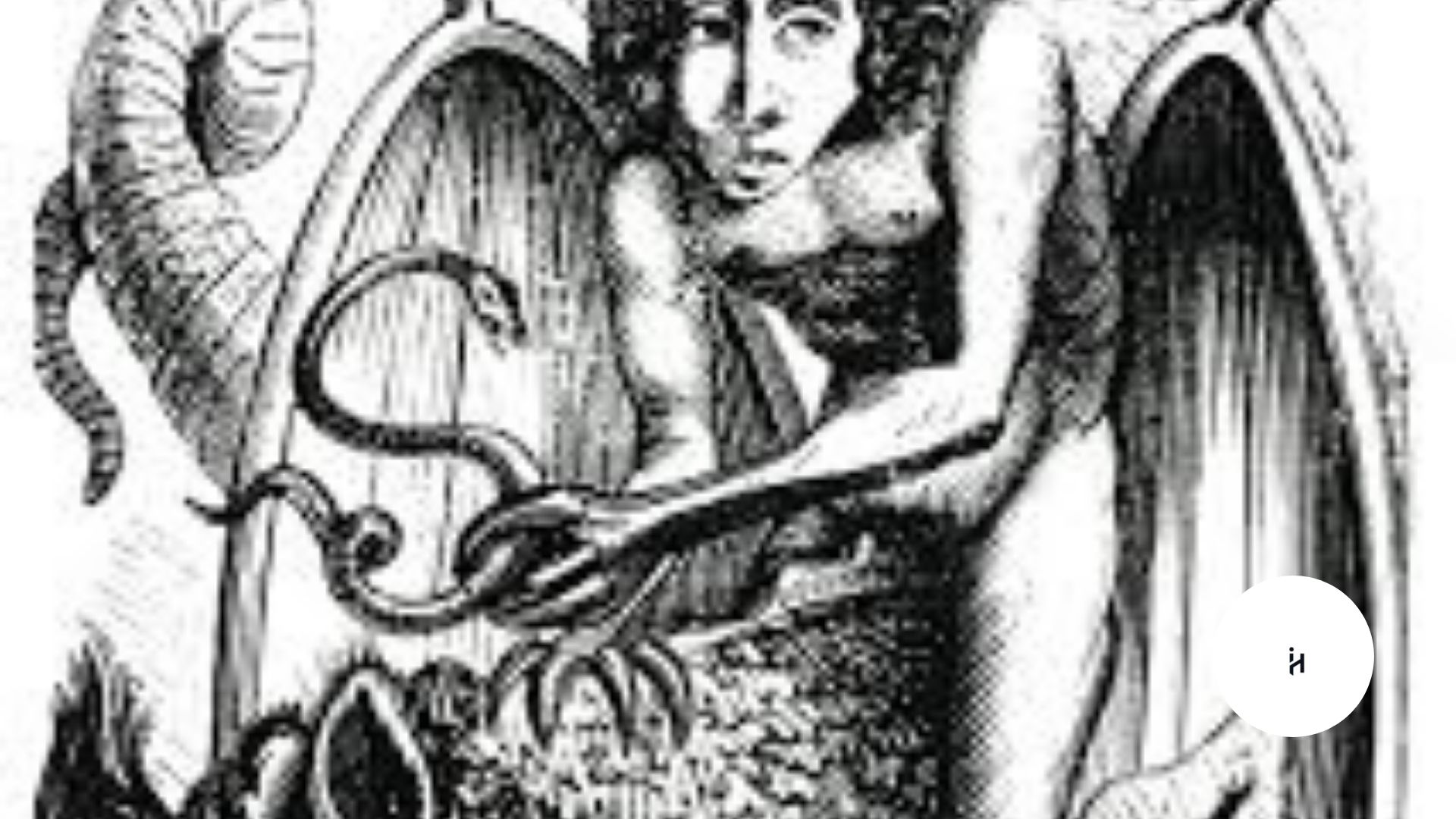
When pondering what do demons look like, it’s helpful to understand the symbolic meaning. Demonic traits often represent human fears—horns for violence, claws for danger, wings for freedom turned to rebellion, and flames for eternal punishment.

Their grotesque appearance can be metaphors for sin, temptation, and moral collapse. In dreams and visions, their looks might be personalized—shifting based on the viewer’s fears or traumas. This symbolism adds psychological and emotional depth to the question what do demons look like, revealing that demons are not just monsters, but mirrors to our inner world.

So, What Do Demons Really Look Like?

After exploring myths, religions, media, and psychology, the answer to what do demons look like remains complex. There is no single form—only countless interpretations shaped by culture, belief, fear, and imagination. Some say demons are spiritual beings without physical form.

Others insist they look like twisted monsters, or even beautiful beings hiding evil. Whether you believe in literal demons or symbolic ones, their appearance often reveals more about us than them. Ultimately, asking what do demons look like is a reflection of human attempts to visualize evil, understand fear, and confront the unknown.
Devilish Wings: A Fiery Favorite for Every Spice Lover

0
Devilish Wings

If you’re a fan of bold flavors and crave that intense kick of spice, then Devilish Wings are your go-to dish. Known for their fiery taste and crispy texture, these wings have become a staple in the world of spicy food. From game nights to family dinners, Devilish Wings offer a mouth-watering experience that’s impossible to forget. This blog will dive deep into everything you need to know about Devilish Wings—from their origin and recipe to cooking tips, variations, and health aspects. Whether you love them grilled or fried, Devilish Wings are sure to fire up your taste buds.

The Origin Story of Devilish Wings

The name Devilish Wings is as intriguing as their flavor. This dish first gained popularity in the American South, where hot sauce and fried foods reign supreme. Inspired by traditional buffalo wings but taken up several notches in heat, Devilish Wings are designed for those who love to test their spice tolerance.

The word “devilish” reflects the fiery sensation these wings leave behind. Over the years, this dish has evolved into a symbol of daring, fun, and culinary adventure. Today, Devilish Wings are a crowd-pleaser at pubs, food trucks, and home kitchens alike.

Devilish Wings

Why Are They Called Devilish Wings?

The term Devilish Wings perfectly describes the extreme heat level and tantalizing spiciness that make this dish stand out. The word “devilish” conveys a mischievous, fiery kick that leaves you both satisfied and reaching for a cold drink.

These wings are typically drenched in a sauce made from hot peppers like habanero, ghost pepper, or Carolina reaper—ingredients not for the faint-hearted. Every bite into Devilish Wings sends your taste buds on a thrilling roller coaster of spice and flavor, earning them a reputation as a dish only the brave dare to try.

Ingredients That Make Devilish Wings Unforgettable

Creating the perfect Devilish Wings starts with selecting the right ingredients. Chicken wings are the base, but the star is the sauce. Common ingredients include hot pepper paste, garlic, paprika, vinegar, cayenne, honey, and butter.

The sauce is the secret to the wings’ fiery flavor. Some versions also add lime juice or mustard to deepen the taste. Marination is key—allowing the wings to soak in spicy mixtures for hours intensifies the flavor. A final glaze of sauce after cooking ensures every bite of Devilish Wings delivers that unforgettable kick.

The Ultimate Devilish Wings Recipe

To make your own Devilish Wings, begin by marinating 2 lbs of chicken wings in a mix of garlic paste, salt, cayenne, and vinegar for at least two hours. Meanwhile, prepare your devilish sauce with melted butter, hot pepper puree, paprika, honey, and a dash of lime.

Bake or deep fry the wings until crispy and golden. Toss them in the hot sauce while they’re still sizzling. Serve hot with celery sticks and a cooling dip. This homemade version ensures you enjoy authentic Devilish Wings in all their spicy glory.

Cooking Methods: Baked vs. Fried Devilish Wings

When it comes to Devilish Wings, how you cook them can change the experience entirely. Baked wings are a healthier option, retaining flavor without the extra oil. Baking also helps the wings stay juicy on the inside and crispy on the outside.

On the other hand, fried Devilish Wings offer a rich, golden crunch that many spice lovers crave. Frying locks in the flavors quickly and adds extra crispiness. Whether you choose baked or fried, the intense spicy sauce remains the heart of what makes Devilish Wings so irresistible.

The Secret to the Perfect Spicy Sauce

Devilish Wings

The sauce is what gives Devilish Wings their identity. It’s more than just heat—it’s a combination of flavors that tickles every corner of your palate. Start with a base of melted butter and mix in hot pepper sauce, garlic powder, smoked paprika, and a touch of sugar or honey to balance the heat.

For extra spice, add habanero or ghost pepper puree. A good Devilish Wings sauce should be thick enough to coat the wings but thin enough to seep into every crispy corner. Always taste and adjust the spice level to your liking.

Popular Variations of Devilish Wings

While traditional Devilish Wings rely on raw heat, many creative spins exist. Some versions include sweet elements like mango or pineapple to balance the spice. Others infuse Asian flavors, incorporating soy sauce, ginger, and chili oil. Barbecue-style Devilish Wings combine smoky flavors with the heat, offering a layered taste.

For those seeking an extreme challenge, “Triple Inferno” versions use multiple hot peppers in one sauce. No matter the variation, the keyword remains the same: Devilish Wings are all about intense, exciting flavors that leave you craving more.

Serving Suggestions for Devilish Wings

To complement the fiery flavor of Devilish Wings, pair them with cooling sides and dips. Classic choices include ranch or blue cheese dip, which balance the heat beautifully. Celery and carrot sticks add crunch and freshness. For drinks, consider milk-based beverages, citrus mocktails, or cold beers to tame the spice.

Devilish Wings are also great party starters—serve them as appetizers or part of a wing platter with various sauces. Presentation matters too: garnish with chopped parsley or sesame seeds for that final restaurant-style touch.

Health and Nutrition Facts

While Devilish Wings are undeniably delicious, moderation is key. A standard serving contains high protein thanks to the chicken, but also includes fats from frying and butter-based sauces. Baking the wings instead of frying can reduce calorie count significantly.

You can also use low-sodium sauces and natural sweeteners like honey instead of sugar. Adding vegetables as sides boosts nutritional value. Devilish Wings are ideal as an occasional indulgence, especially for spice lovers who prioritize flavor but are mindful of health-conscious choices.

Devilish Wings

Tips for Handling the Heat

Eating Devilish Wings can be a fiery experience, especially for first-timers. Start by trying a small piece to gauge the spice level. Keep a glass of milk or yogurt-based dip nearby—they neutralize the heat better than water.

Avoid touching your eyes or face after handling spicy wings. If cooking at home, always wear gloves when dealing with strong chili peppers. Remember, the fun of eating Devilish Wings lies in the challenge. If you can handle the heat, you’ll be rewarded with layers of bold, complex flavors.

Why Everyone Is Talking About Devilish Wings

Devilish Wings have taken the culinary world by storm. Social media is flooded with spicy wing challenges, fiery food reviews, and hot sauce tastings. Their growing popularity comes from the thrill they offer—an adrenaline rush wrapped in a crispy, saucy bite.

Foodies love the balance between danger and delight. Chefs continue to innovate with new sauces and presentations, making Devilish Wings a permanent favorite on menus. Whether you’re a casual diner or a heat-seeking aficionado, Devilish Wings promise a flavor-packed journey you won’t forget.

The Altar is Empty Gungeon – Secrets & Solutions

0
The Altar is Empty Gungeon

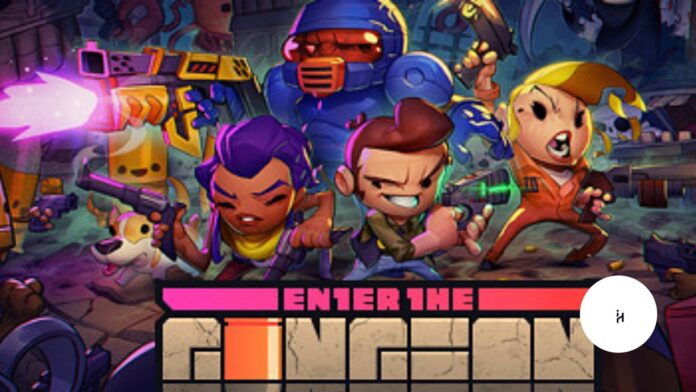
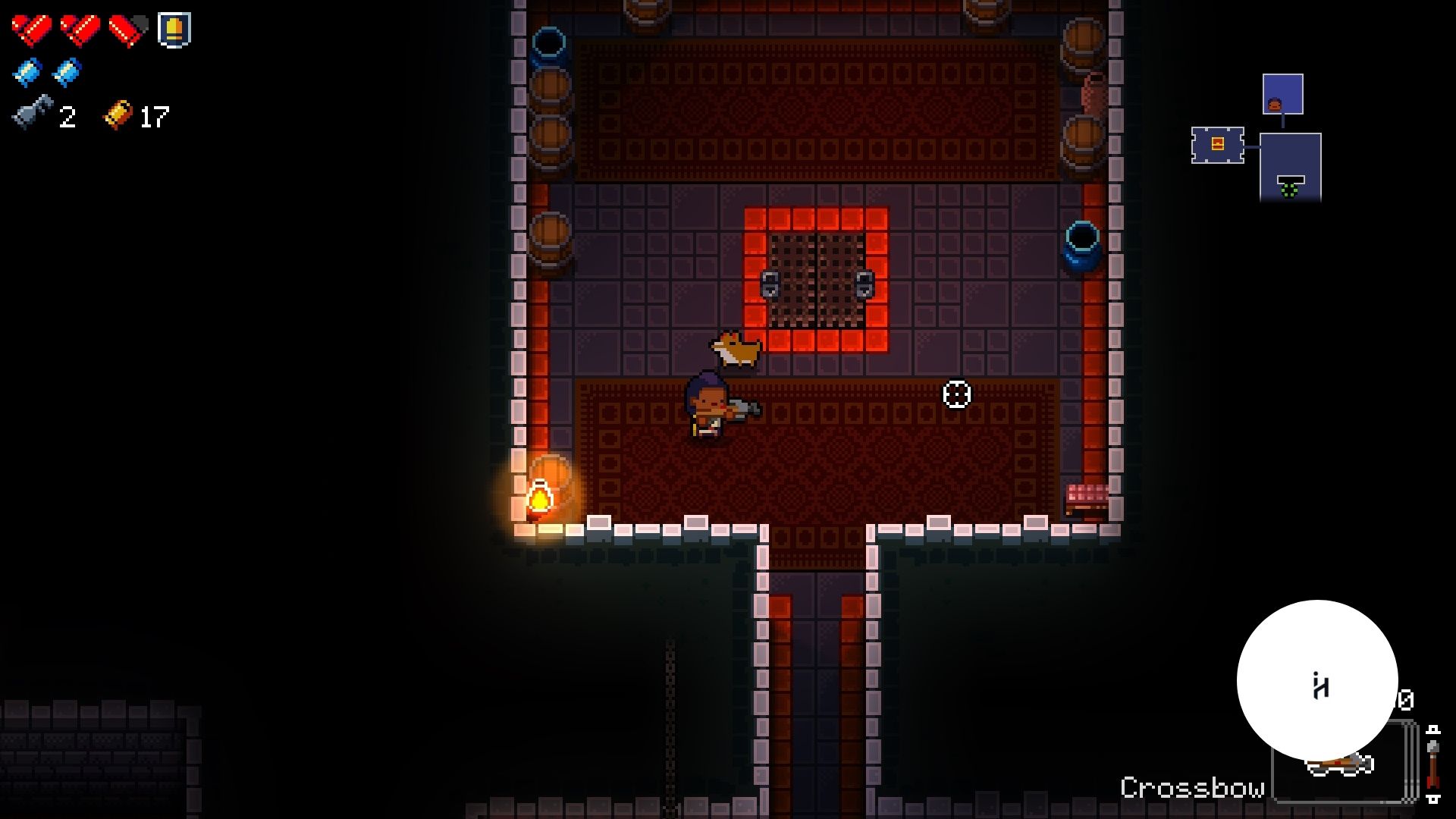
In Enter the Gungeon, a roguelike dungeon crawler beloved by many gamers, a mysterious phrase often encountered is: “the altar is empty gungeon.” This cryptic message appears when players find a specific room with an altar, leading to numerous questions among fans: What does it mean? How do you activate it? What secrets does it hold?

In this detailed blog, we will explore everything about this phrase, its location, functions, requirements, and how to interact with it effectively. Whether you’re a beginner or a seasoned Gungeoneer, understanding the “the altar is empty gungeon” mechanic can significantly enhance your gameplay and unlock unique items and story elements.

What Does “The Altar is Empty Gungeon” Mean?

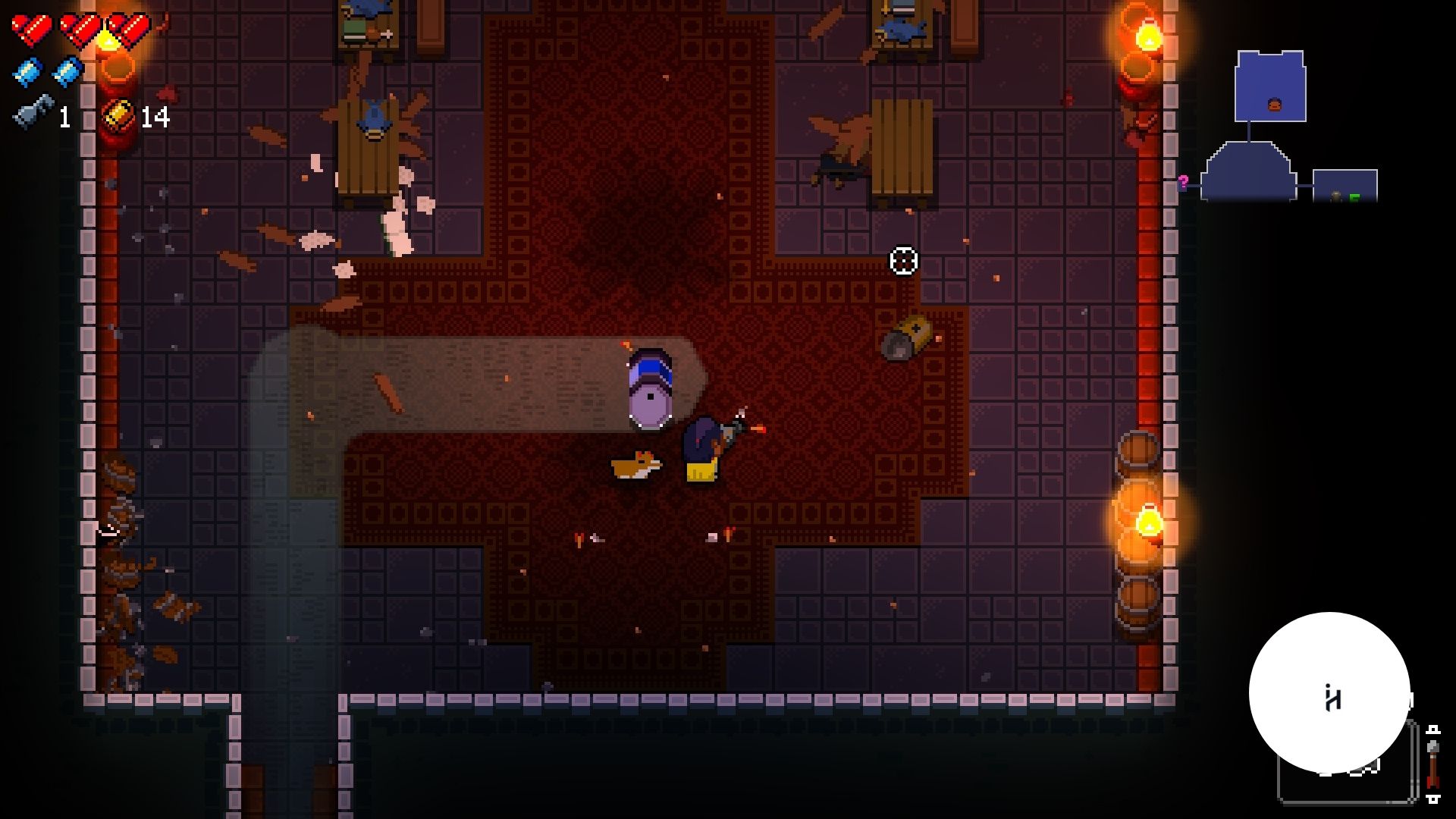
The phrase “the altar is empty gungeon” appears in a secret room found in the Black Powder Mine or other dungeon levels. When approached, the altar emits a glowing, eerie light but seems non-functional — leading to the infamous message.

This simply means that you have not met the necessary conditions to use or activate the altar. The altar is actually part of a hidden mechanic tied to sacrifice, health, and sometimes specific items.

When the game tells you “the altar is empty,” it’s hinting that the altar is waiting for something — a tribute, an offering, or a condition to be fulfilled.

The Altar is Empty Gungeon

Location of the Altar in Enter the Gungeon

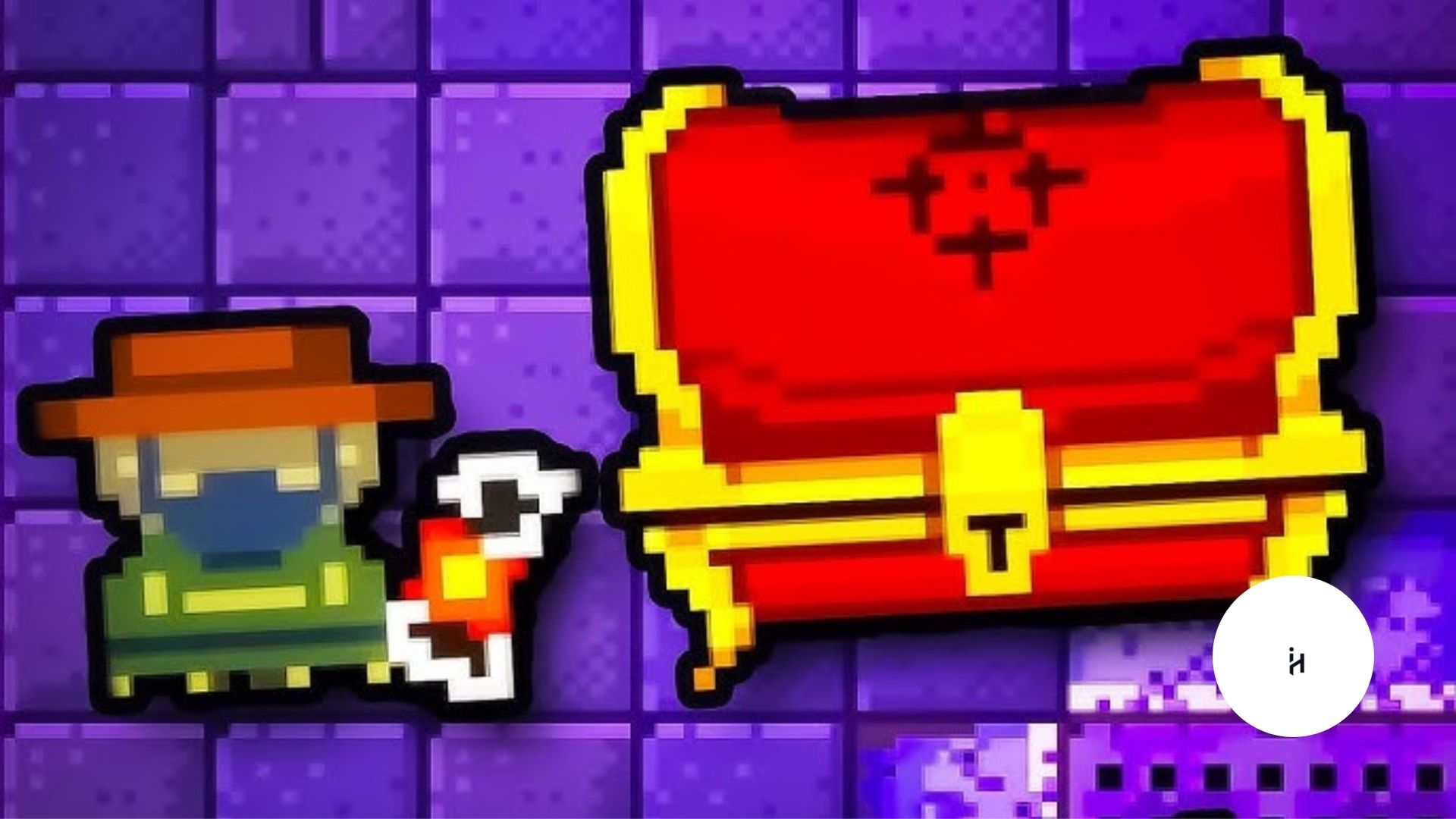
The mysterious altar is typically found in a secret room behind a cracked wall. Players often use a blank or explosive weapon to reveal these hidden rooms.

Most players discover it in:

  • Black Powder Mine (3rd floor)

  • Gungeon Proper (2nd floor)

Once you find the altar room and interact with it, the phrase “the altar is empty gungeon” appears unless you meet the hidden conditions.

Knowing where and how to find it increases your chances of triggering its true purpose.

Requirements to Activate the Altar

To stop the altar from being “empty,” you need to meet specific requirements. The most common one involves:

  • Dropping a gun or item on the altar

  • Having full health and sacrificing one heart container

  • Sometimes, using specific characters or weapons

Once you offer something meaningful, the altar responds. If successful, the message will change, and you’ll be rewarded with powerful items or buffs.

Thus, “the altar is empty gungeon” simply signals your offering is either missing or insufficient.

Rewards You Can Get from the Altar

Once the altar is properly activated, it offers unique rewards. These can include:

  • Stat boosts

  • Special weapons

  • Cursed items

  • Access to secret paths

The game doesn’t make this easy — which is part of its charm. The reward is usually scaled based on what you sacrifice.

If you’re lucky and strategic, the “the altar is empty gungeon” message will turn into something much more exciting and rewarding.

Characters That Influence the Altar

The Altar is Empty Gungeon

Some characters in Enter the Gungeon interact differently with the altar:

  • The Cultist (in co-op) has limited interactions.

  • The Robot cannot offer hearts.

  • The Bullet may trigger different messages.

Each character’s stats and abilities change how they approach the altar. The “the altar is empty gungeon” message might appear simply because a specific character cannot use it.

Knowing how your character works is essential in solving the altar’s mystery.

Altar Lore and Hidden Meanings

Lore lovers will find that the altar connects to deeper parts of Gungeon mythology. Some speculate the altar is tied to the Curse system or Old Gods within the Gungeon’s story.

The game doesn’t fully explain the meaning of “the altar is empty gungeon,” leaving room for interpretation. It may symbolize a failed ritual or an ignored entity, awaiting tribute.

It’s more than a gameplay element — it’s part of the game’s dark, mysterious lore.

Common Mistakes Players Make

Many players assume the altar is broken or irrelevant when they see “the altar is empty gungeon.” Common mistakes include:

  • Ignoring the room after seeing the message

  • Not trying to drop items or weapons

  • Entering with the wrong character

  • Overlooking nearby destructible walls or items

Patience and experimentation are key to unlocking the altar’s real potential.

How to Use Blanks to Discover the Altar Room

To find the altar, you may need to use blanks to reveal hidden rooms. Here’s how:

  1. Clear a room completely.

  2. Look for signs like cracks or unusual wall patterns.

  3. Use a blank to clear hidden entrances.

  4. Enter and interact with the altar.

Doing this correctly often leads to discovering the “the altar is empty gungeon” room — and eventually solving it.

Advanced Strategies for Altar Activation

The Altar is Empty Gungeon

Pro players use these strategies:

  • Sacrifice low-tier weapons to get better ones

  • Use the Clone item to get double rewards

  • Combine with curse-building techniques for unique effects

Some even time their altar offerings for maximum synergy with other rooms or NPCs.

Even if the altar says “the altar is empty gungeon,” advanced players know it just takes the right timing and offering.

Reddit and Community Theories

The Enter the Gungeon community has many ideas about this mystery. On platforms like Reddit, players discuss theories about:

  • The lore behind the altar

  • Hidden game mechanics

  • Secrets tied to DLC content

Some believe the “the altar is empty gungeon” message hides deeper meanings only found after multiple playthroughs.

Exploring these ideas adds richness to the player experience.

Conclusion: The Altar Is Empty, But Full of Mystery

To sum up, “the altar is empty gungeon” is one of the many secrets that make Enter the Gungeon a memorable game. It’s a mix of gameplay challenge and hidden lore.

Once you know how to trigger it, the altar becomes a powerful tool for gaining items and insight. What seems empty is actually full — full of opportunity, challenge, and mystery.

Don’t walk past it. Next time you see the message, think like a Gungeoneer and solve the puzzle.

Iran and Israel War: Full Analysis & Global Tensions

0
Iran and Israel War

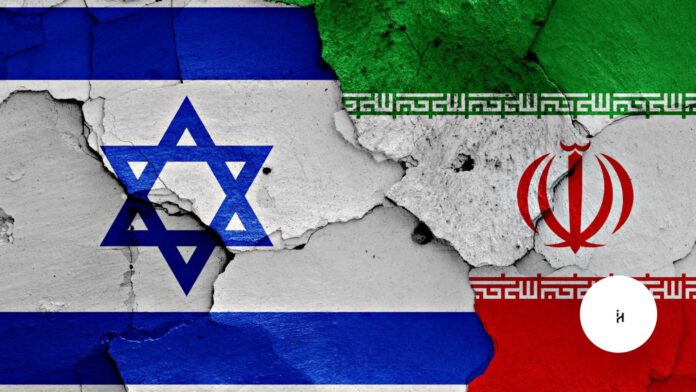
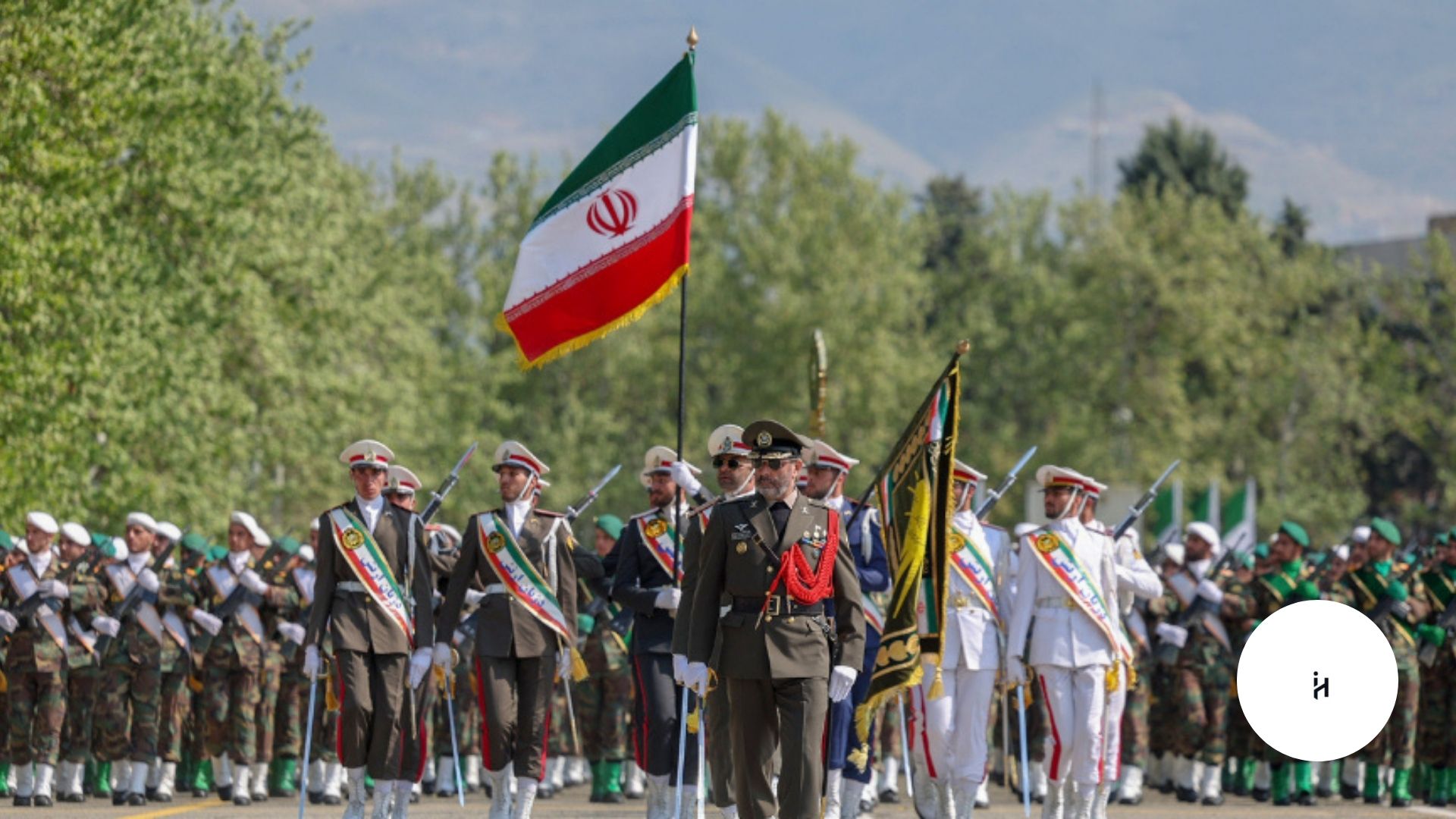
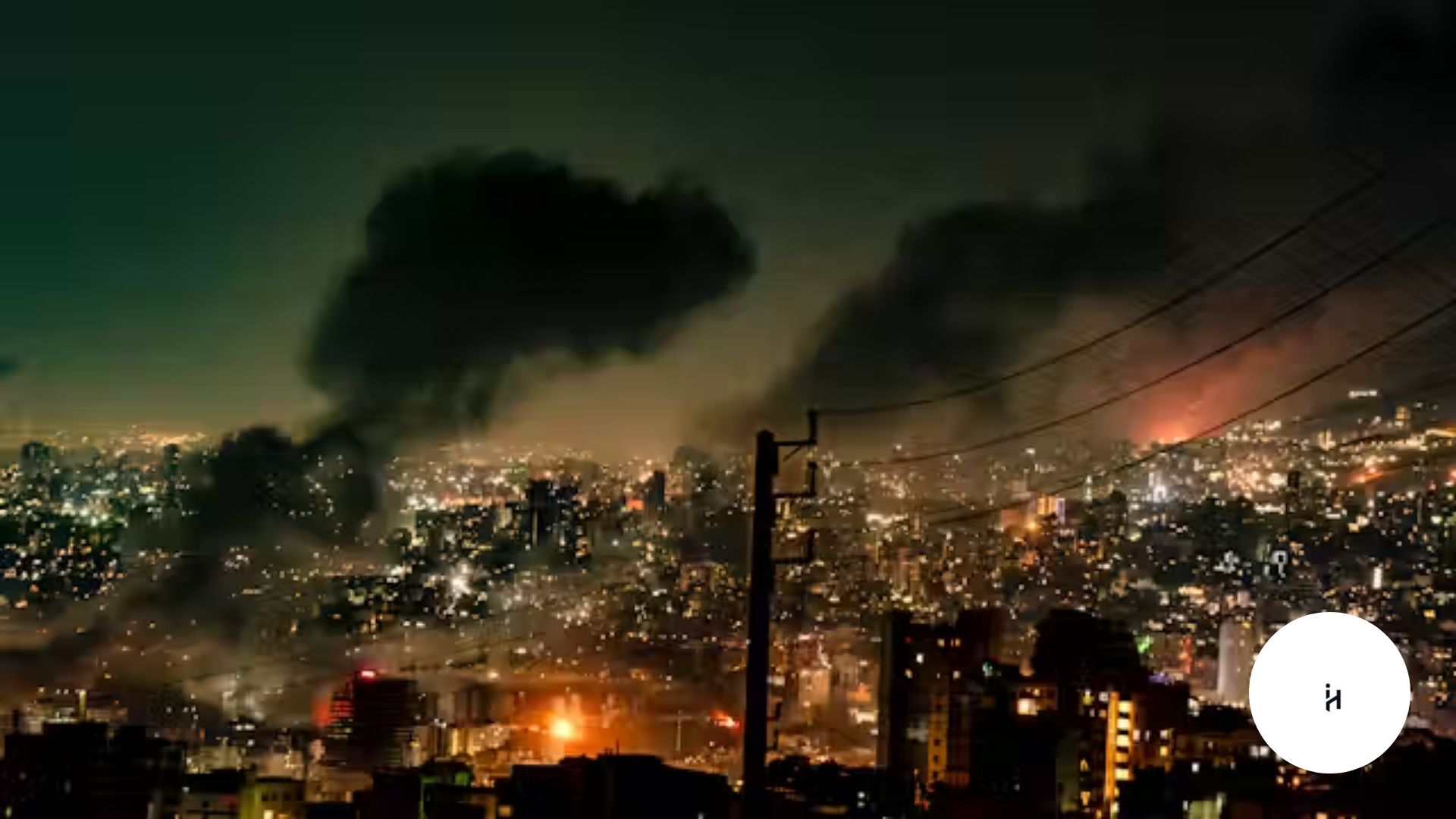
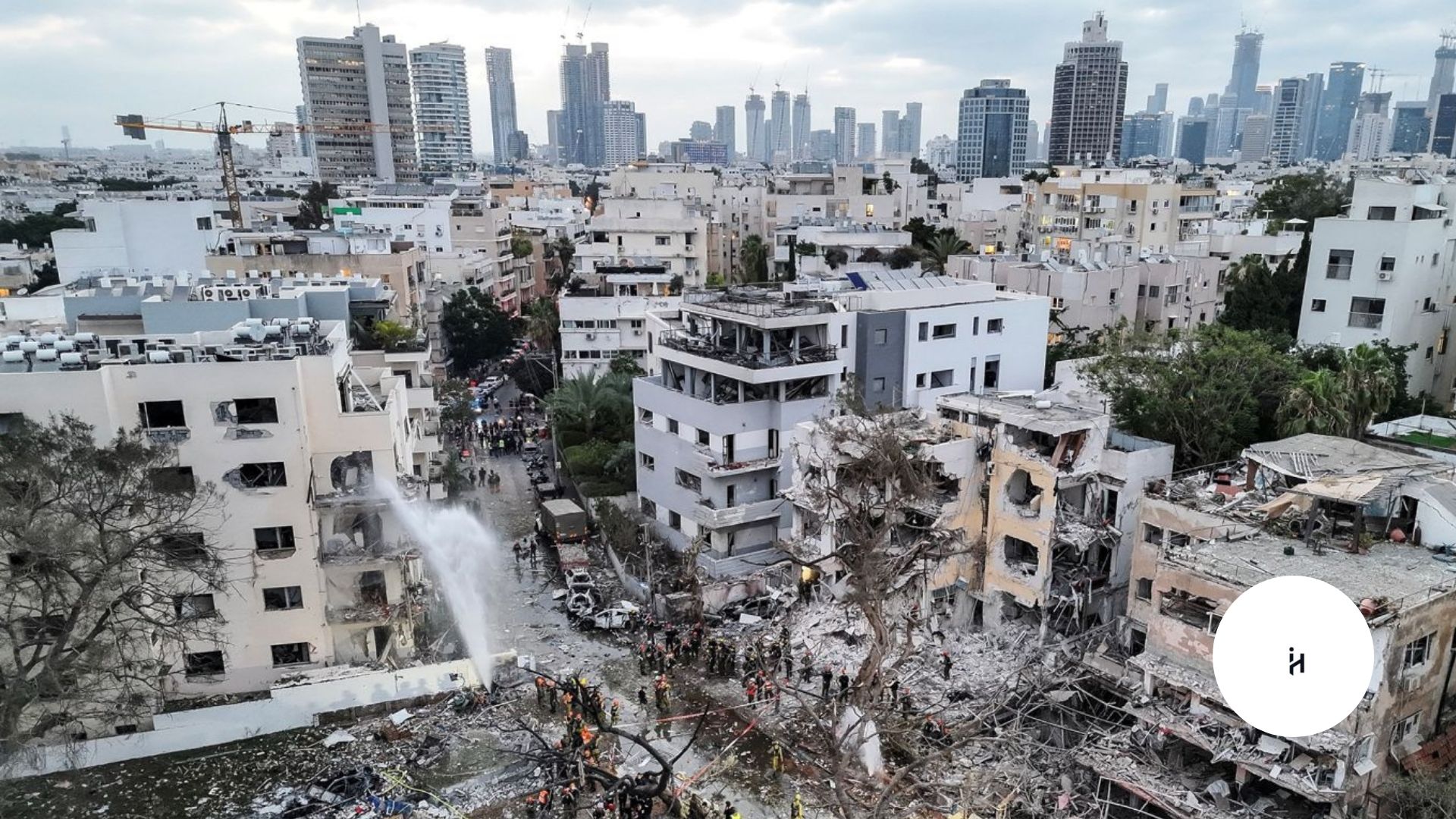
The Iran and Israel war is one of the most pressing geopolitical issues in modern history. Though a full-scale war has not officially broken out between these two Middle Eastern powers, tensions have escalated rapidly through proxy conflicts, cyberattacks, military strikes, and diplomatic hostilities.

The Iran and Israel war is a reflection of deeper ideological, religious, and strategic rivalries that have been simmering for decades. Understanding the roots, developments, and implications of this conflict is crucial for grasping the broader dynamics of Middle Eastern and global politics.

This blog breaks down the Iran and Israel war through 11 comprehensive sections, each offering a detailed analysis to help you better understand the stakes, players, and possible future outcomes.

Historical Roots of the Iran and Israel War

Iran and Israel War

The Iran and Israel war didn’t start overnight. Its foundations go back to 1979 when the Islamic Revolution in Iran drastically shifted the country’s stance toward Israel. Prior to that, Iran and Israel had relatively warm diplomatic relations. After the revolution, Iran adopted an anti-Israel policy, calling for the liberation of Palestine and the destruction of the Zionist regime. This ideological shift was the first major spark that ignited long-term hostility.

Iran began supporting anti-Israel groups such as Hezbollah in Lebanon and Hamas in Gaza, providing them with weapons, training, and financial aid. Israel viewed this as a direct threat to its national security, planting seeds of a prolonged cold war that would grow into something more volatile over time.

Proxy Conflicts: Syria, Lebanon, and Beyond

Rather than engaging in direct warfare, Iran and Israel have fought their battle in proxy wars. Syria is a prime example. During the Syrian Civil War, Iran supported Bashar al-Assad’s regime, while Israel launched multiple airstrikes to destroy Iranian weapons shipments to Hezbollah. Lebanon remains another hotbed for proxy conflict, especially through Hezbollah’s growing power and influence.

In Iraq and Yemen too, Iran-backed militias have been suspected of launching attacks that indirectly target Israeli interests or allies. The Iran and Israel war has thus extended beyond their borders, influencing the broader Middle East landscape and involving multiple actors.

Nuclear Tensions and Red Lines

One of the most critical flashpoints in the Iran and Israel war is Iran’s nuclear program. Israel has long feared that a nuclear-armed Iran would pose an existential threat. This concern led to Israel’s opposition to the 2015 Iran nuclear deal (JCPOA) and later, its approval of sabotage operations against Iranian nuclear facilities.

Israel has repeatedly drawn “red lines,” stating it will not allow Iran to acquire nuclear weapons. Meanwhile, Iran insists that its nuclear program is for peaceful purposes. This nuclear standoff has brought both countries to the brink of direct confrontation several times, with the international community watching closely.

Cyber Warfare: The Silent Battlefield

In recent years, cyber warfare has emerged as a new dimension in the Iran and Israel war. One of the most famous cases was the Stuxnet virus, allegedly developed by Israel and the U.S., which damaged Iran’s nuclear centrifuges. Since then, both countries have engaged in cyberattacks against critical infrastructure, banking systems, and even hospitals.

These silent attacks may not make headlines like traditional wars, but they carry significant consequences. They disrupt economies, threaten public safety, and reveal the evolving nature of modern warfare between Iran and Israel.

Assassinations and Covert Operations

Iran and Israel War

The Iran and Israel war has also been characterized by high-profile assassinations and covert missions. Israel’s Mossad has been accused of eliminating Iranian nuclear scientists, such as Mohsen Fakhrizadeh, in operations resembling action-thriller movies.

Iran, too, has orchestrated revenge operations targeting Israeli diplomats and citizens abroad. These shadow operations deepen mistrust and escalate tensions without officially declaring war. They highlight the high-stakes intelligence war that runs parallel to diplomatic efforts and military posturing.

Role of Hezbollah and Hamas

Hezbollah in Lebanon and Hamas in Gaza are Iran’s most prominent proxies in the Iran and Israel war. These groups have launched thousands of rockets into Israeli territory and engaged in multiple border skirmishes. Iran provides them with strategic support to maintain pressure on Israel from multiple fronts.

In response, Israel frequently targets their leaders, weapons depots, and tunnels through precision airstrikes. These confrontations often result in civilian casualties, drawing international criticism and further complicating peace prospects.

Impact on Civilians and Humanitarian Crisis

While political leaders and military forces wage war, it is often civilians who bear the brunt. The Iran and Israel war has led to countless deaths, forced displacements, and long-term psychological trauma—especially in Gaza, southern Lebanon, and parts of Syria.

Hospitals, schools, and homes have been destroyed, and access to basic needs like water and electricity is often disrupted. The humanitarian impact is massive and largely underreported, making it one of the darkest aspects of the ongoing conflict.

U.S. and Global Involvement

The Iran and Israel war has drawn in global powers, particularly the United States. The U.S. is Israel’s closest ally and has provided military, intelligence, and diplomatic support. On the other hand, Iran has received varying degrees of backing from Russia and China, further internationalizing the conflict.

This global entanglement makes the possibility of a regional war turning into a world conflict more plausible. International diplomacy is crucial, but often inconsistent, as global powers prioritize their own strategic interests.

Media Narratives and Propaganda

Both Iran and Israel have invested heavily in controlling the narrative through media and propaganda. Iranian state media often portray Israel as a genocidal regime, while Israeli outlets emphasize Iran’s support for terrorism and extremism.

Social media platforms have become modern battlegrounds where misinformation, fake news, and biased reporting shape public perception. Understanding these narratives is essential for anyone trying to make sense of the Iran and Israel war beyond headlines.

Iran and Israel War

Economic Ramifications

The Iran and Israel war has significant economic implications. Sanctions on Iran have crippled its economy, while Israel’s defense budget has soared. Oil prices often fluctuate based on tensions in the region, affecting global markets.

Trade routes, especially in the Strait of Hormuz, face constant threats due to Iranian naval activities, which adds further strain to the global economy. Businesses, investors, and everyday consumers around the world feel the ripple effects of this conflict.

The Path Forward: War or Peace?

What lies ahead in the Iran and Israel war? Will it escalate into full-scale war, or can diplomacy still prevail? The future remains uncertain, but there are some positive signs. Peace agreements between Israel and Arab nations (e.g., UAE, Bahrain) may isolate Iran and pressure it into negotiations.

However, unless core issues like the Palestinian conflict, nuclear development, and regional dominance are addressed, true peace may remain elusive. The international community has a pivotal role to play in steering both nations away from the brink of disaster.

Conclusion

The Iran and Israel war is a multifaceted conflict rooted in decades of political, religious, and military rivalry. From proxy wars and cyberattacks to nuclear threats and civilian suffering, the war extends far beyond traditional battlefields. As the world becomes increasingly interconnected, the impact of this conflict is felt globally. Understanding it in depth is not only important for scholars and policymakers but for all global citizens who care about peace, security, and justice.