Home Blog Page 461

Unveiling the Magnificence of Mughal Architecture

0
Mughal Architecture

The magnificent legacy of Mughal Architecture has come down from the days of an empire that ruled all over the Indian sub-continent, giving resounding proof of the most brilliant cultural expression. With this phase, we begin a sojourn to know the magisterial blend of Mughal structural marvels.

The Tapestry of Time:

As we follow the development of Mughal architecture, the huge influence of this artistic vision on its evolution is apparent. It was during the early 16th century when Mughal architecture owed to the newly conquered by the Emperor Babur, the founder of the Mughal Empire, an artistic age called Renaissance. Taking the form of a hybrid of the Persian, Indian, and Central Asian architectural styles, Mughal architecture which reached its peak with its opulence and excellent craft assimilated those features into a distinctive style.

A Portrait of Opulence in Mughal Architecture is the soul of the work.

Craftsmanship Woven in Stone

What can be the essence of Mughal architecture if not its dedication to craft zealously? Whether it is the detailing in the carving on walls, the light that glistens in the marble inlays, or the skill with which they have created their art form, an expert blending of art and craftsmanship is evident in every aspect. It is the care and love that explains the monuments’ thoughtfulness, which gives the aura of eternal beauty and magnificence to them.

Craftsmanship Woven in Stone

Symmetry:

The distinctive mark of the Mughal style is believed to rest on its religious and cultural syncretism, which made it highly individualized and emancipating.

‘Simmetriki’ triumphs in the Mogul realm of architecture. Within these objects, desiring expression is under control, and they each are made according to an exact plan so that the balance and harmony are perfect. This symmetry will be evident from the tiniest details of design like in the layout of gardens through to the rhythmic movement of domes and arches as well as the fundamental layout, where symmetry is not just a guiding principle but its philosophy that permeates all Mughal architecture.

A Glimpse Into History of  Masterpieces Mughal Period

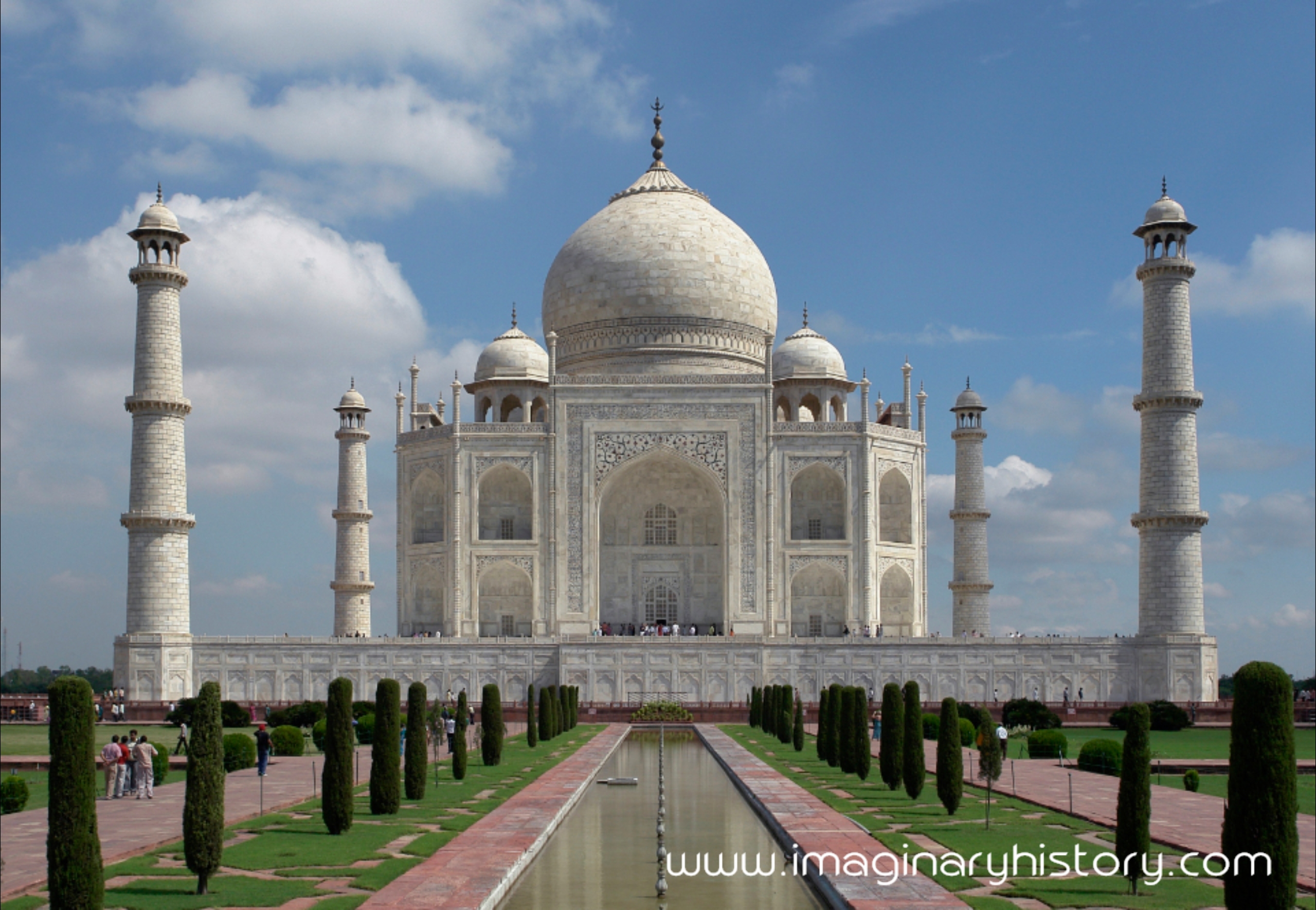
The Taj Mahal: 

The bond that the main character has with her late husband represents the eternal love that exists in relationships. I will not conclude my talk of the Mughal architecture without the mention of the Taj Mahal, which has long been associated with lasting love and commitment. The Taj Mahal, a magnificent mausoleum commissioned by Emperor Shah Jahan in memory of his dearest wife Mumtaz Mahal represents a unique masterpiece of architectural perfection with a ground-cover of glittering white marble reflecting the eternal beauty of a love that has spread over the river of time.Colonial Rule
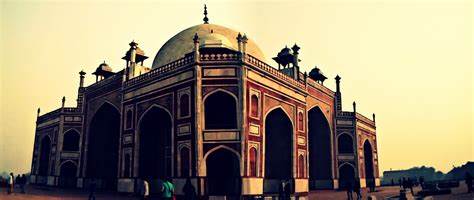
The Red Fort Fabulous edifice of Power and Preeminence in the ancient world.

Stands mighty, up high on the skyline of Delhi, towards the sky, the Red Fort is evidence of the power and luminance of the Mughal empire. Red Fort is a symbol of power and might of the Mughal Dynasty. A long time ago it was the official seat of the Mughal rulers and held witness to the many interesting twists of history.Red Fort

Legacy Lives On The Inheritance of Mughal Style Architecture for Period.

A Living Legacy

Despite having ceased to exist, the Mughal architecture found a way to remain young, it is so wonderful that in this manner, it continues to shape the skylines of not only the Indian subcontinent but also beyond. The obvious Mughal influence is reflected in the intricately carved domes of mosques, as well as the superb designs of government buildings from global attractions. In other words, a museum acts as a portal to the past, opening our hearts and minds to new horizons.

We are caretakers of this marvelous architectural legacy and our commitment ought to be in preservation and celebration to pass on the fine heritage of the Mughal era to the future generations.
Living Legacy, Mughal Architecture

Innovative Engineering in Mughal Aqueducts the marvelous waterways of yesteryear

Revolutionizing Water Management

Aligning the architectural projects of the Mughals with their great monuments, the Mughals, were the first to work on hydraulic engineering and develop intricate aqueducts and water streams to keep their gardens and cities hydrated and well-maintained. Flections of the art of common people, this great work not only responded to the needs of empire agriculture and town development but made developed the unity of the state with the diagonal in engineering.

Architectural Diversity:

Yet the Men of Letters move beyond the landmarks that are an essential part of so many individual lives.

While the Taj Mahal and the Red Fort are probably the most remarkable samples of the Mughal architecture, the latter may be divided into the following categories: mosques, tombs, palaces, and forts. These buildings not only exemplified the stylistic uniqueness and cultural influences of the Mughal period but also acted as a rich canvas of history and culture.

The Patronage of the Arts in Tending to the Exploration and Artistry humanizes the process.

The fundamental elements of Mughal architecture evolved favorably under the patronization of emperors who were the leading patrons of construction themselves commissioned and financed the building of monumental structures. The artists, architects, and craftsmen from all over the empire participated in the creation of these grand projects. Cultural exchanges and a productive process for the masterpieces happened, with the results still standing now as an architectural inspiration.

Conclusion

In a nutshell, Mughal architecture is the ultimate artistic reflection of the creative fervor, inventiveness, and visionary imagination of bygone times. From the very sublime and striking beauty of the Taj Majal to the grand and majestic Red Fort, Mughal Monuments always have been and will remain as magnificent symbols of their cultural heritage and outstanding artistic endeavors. In this process of visiting and cherishing these architectural gems, we have an opportunity to appreciate the deep richness and diversity of history and culture reflected in these magnificent creations as we allow ourselves to be inspired to preserve such national heritage treasures for the enjoyment of future generations.


Hania Amir: A Rising Star’s Journey in the World of Pakistani Entertainment

0
Hania Amir

In the dynamic woven artwork of Pakistan’s media outlet, one name that has been causing disturbances and catching hearts is, in all honesty, Hania Amir. Brought into the world on February 12, 1997, in Rawalpindi, this youthful entertainer has cut a specialty for herself with her ability, beguile, and a practical persona that resounds with fans the nation over and then some.

Early Life and Education:

hania amir

Hania Amir’s process started in the core of Pakistan, where she spent her life as a youngster encompassed by the rich culture and customs of the country. Brought up in a working class family, her childhood was grounded, and her folks imparted in her the upsides of difficult work and diligence. As a little kid, she displayed an enthusiasm for performing expressions, frequently taking part in school plays and widespread developments.

In spite of her tendency towards acting, Hania’s folks underscored the significance of training. She sought after her examinations with devotion, moving on from the Establishment for Headway of Science and Innovation (Quick) in Islamabad. Much to her dismay that her scholarly interests would ultimately cross with her sprouting profession in media outlets.

The Breakthrough Moment:

Hania’s entrance into the universe of amusement happened fortunately. A companion urged her to try out for a supporting job in the 2016 Pakistani film “Janaan.” shockingly, she got the job as well as grabbed the eye of the crowd with her regular acting abilities and on-screen mystique. This obviously the start of Hania Amir’s excursion into the spotlight.

Janaan

Television Ventures:

Following her progress in “Janaan,” Hania changed to TV, where she tracked down significantly more recognition. Her presentation in the famous show sequential “Titli” was a defining moment in her profession. The crowd was charmed by her capacity to convincingly depict a different scope of feelings. Hania’s on-screen presence and the science she imparted to her co-stars procured her a given fan base.

The Young and the Fearless:

What separates Hania Amir isn’t simply her acting ability yet additionally her bold demeanor. In an industry where congruency is much of the time the standard, Hania has been proud of herself. She embraces her imperfections, advocates for confidence, and urges her fans to do likewise. Her online entertainment presence is a blend of excitement and validness, making her engaging to a wide crowd.

Filmography:

Hania Amir’s filmography is a demonstration of her flexibility as an entertainer. From heartfelt dramatizations to extreme thrill rides, she has demonstrated her capacity to succeed in different kinds. A portion of her outstanding tasks incorporate “Parwaaz Hai Junoon,” where she depicted the job of major areas of strength for a lady in the Pakistan Flying corps, and “Na Maloom Afraad 2,” a satire film that exhibited her comedic timing.

Hania Amir Parwaz ha janoon

Challenges and Triumphs:

Like any rising star, Hania Amir confronted her portion of difficulties. The cutthroat idea of media outlets, combined with the examination that accompanies acclaim, tried her strength. Notwithstanding, Hania moved toward these difficulties with beauty and assurance, involving them as venturing stones to additional achievement.

Beyond the Screen:

Hania Amir isn’t simply an entertainer; she is a complex character. Her inclinations reach out past the domains of acting to incorporate singing, style, and social activism. She has loaned her voice to different causes, supporting psychological well-being, mindfulness and ladies strengthening. Her contribution in charity mirrors her obligation to having a constructive outcome on society.

Beyond the Screen:

While Hania Amir’s expert life has been under the spotlight, she has figured out how to keep her own life generally hidden. Her connections and companionships are watched, permitting fans to regard her limits and spotlight on her art as opposed to her own undertakings.

Style Icon:

hania amir style icon

Notwithstanding her acting abilities, Hania Amir has turned into a style symbol, setting style with her stylish and rich decisions. Whether it’s an honorary pathway occasion or an easygoing excursion, her style sense mirrors her lively character and has gathered consideration from design fans.

Future Endeavors:

As Hania Amir keeps on developing in her profession, her fans enthusiastically look for her impending undertakings. Whether it’s on the big screen or little screen, there’s no question that she will keep on making a permanent imprint on the Pakistani media outlet.

FAQs

1. How did Hania Amir start her vocation in the diversion industry?

Hania Amir started her vocation in media outlets by trying out for a supporting job in the 2016 Pakistani film “Janaan.” In spite of having no earlier expert acting experience, she got the job as well as collected consideration for her regular acting abilities and on-screen presence.

2. What are some of Hania Amir’s most striking TV projects?

Hania Amir has been an unmistakable figure on Pakistani TV, with one of her cutting edge jobs being in the show sequential “Titli.” Her presentation in different dramatizations has procured her praise and a committed fan base. A portion of her eminent TV projects incorporate “Titli” and other well known serials that feature her flexibility as an entertainer.

3. Apart from acting, what different interests and gifts does Hania Amir have?

Hania Amir isn’t restricted to acting; she has different interests and gifts. Notwithstanding her effective acting profession, she has investigated singing, design, and social activism. Her contribution in generosity and backing for emotional well-being mindfulness and ladies strengthening shows her obligation to having a constructive outcome past media outlets.

4. How does Hania Amir balance her public and individual life?

Notwithstanding her rising notoriety, Hania Amir has figured out how to keep her own life somewhat hidden. Fans frequently can’t help thinking about how she explores the harmony between her public picture and individual space. Her watched way to deal with connections and kinships permits fans to regard her limits, underscoring her obligation to keeping a solid balance between serious and fun activities.

5. What impending activities can fans anticipate from Hania Amir?

Hania Amir’s fans are dependably anxious to be aware of her impending undertakings. Whether it’s in movies or TV, aficionados are interested about the jobs she will be taking on and the class she could investigate. As her profession keeps on thriving, supporters expect the following energizing section in Hania Amir’s excursion in media outlets.

Conclusion:

Hania Amir’s excursion from a young lady enthusiastically for acting to a praised entertainer and style symbol is out and out motivating. Her commitment, legitimacy, and adaptability have charmed her to fans and industry insiders the same. As she keeps on exploring the powerful universe of Pakistani diversion, one thing stays certain – Hania Amir is an awe-inspiring phenomenon, and her star will just sparkle more brilliant in the years to come.

Historical Interpretation: An Art of Unravelling the Past

0
Historical interpretation

Interpretation in the setting of history involves more than just recounting events; it also involves comprehending the past, assembling its complex jigsaw, and extracting significance from the narratives that have been left behind. The skill of historical interpretation involves fusing perspective, evaluation, and data to put light on the tales of bygone eras. This blog looks into the fascinating field of historical interpretation, exploring its methods, challenges, and importance in forming our understanding of the past.

Historical interpretation

Historical Interpretation Strategies:

A variety of methods are included in historical interpretation, and everyone provides an alternative viewpoint on the past. Among them are:

  1. Assess Primary Sources: Primary evidence like diaries, letters, official documents, and artifacts, offer firsthand knowledge of historical events. Historians assess these documents critically, considering their biases, trustworthiness, and context, to recreate historical events.
  2. Evaluation of Second Sources: Journals, books, and academic publications are a few examples of additional sources that provide analyses and evaluations of historical events. They are evaluated by historians for their accuracy, accuracy, and relevance to their field of study.
  3. History of the Past: The study of historiography focuses on how historical views evolve. Researchers may gain knowledge about changing points of view, presumptions, and methods in historical research by examining the way prior historians have interpreted historical events.Historical interpretation

    Challenges with Historical Interpretation:

    Historical interpretation is not without challenge, despite its significance. Typical obstacles involve the following:

    1. Perspective and Bias: Social, political, and philosophical prejudices that influence how events are recorded and understood are among the viewpoints and biases that historians have to control while working with material from the past.
    2. Inconclusive Evidence: Since historical material is frequently erroneous and partial, researchers must combine multiple sources and use inference and inference to fill in the blanks.
    3. Moderating Understandings: Interpretations of the past are susceptible to change when fresh data becomes available, viewpoints diverge, and social conventions alter. Historians need to be willing to modify their conclusions in the wake of fresh knowledge and comprehension.
    4. Ethical Issues: Understanding the past brings up ethical issues, especially when it comes to how marginalized people, delicate subjects, and contested narratives are portrayed. Historians struggle with how to fairly and accurately portray history whilst considering various points of view. 

      The Importance of Historical Analysis:

      Interpreting the past has an important effect on how we perceive the past and how important it is to the present. Amongst the important ones are:

      1. Understanding Complexity: By historical interpretation, we may comprehend the particulars of historical events, especially their causes, consequences, and larger historical contexts. Examining many viewpoints and interpretations helps us understand historical events more fully.
      2. Arguments in the Present: Debates and arguments in the present on topics like politics, culture, personality, and social justice are informed by interpretations of history. We can learn important lessons and get insights that apply to current issues by examining historical events and their interpretations of them.
      3. Preserving Memories: By providing perspective for historical events, historical interpretation helps to ensure that they are not lost or forgotten. Historians preserve the cultural past and communal memory by collecting and evaluating historical tales.
      4. Promoting Critical Thinking: The method of interpreting history encourages people to examine their presumptions, assess the evidence, and consider various points of view. We gain a deeper, more complex comprehension of the past by interacting with historical interpretations. Seeking a Balance Both Subjectivity and Objectivity to succeed in the Area of Historical Interpretation.Historical interpretation

       The landscape of historical interpretation requires a careful balancing act between facts and evaluation, objectivity and subjectivity. Historians need to examine content critically, challenge presumptions, and recognize the limitations of their judgments. In addition, they have to maintain scholarly rigor while being aware of the moral responsibilities that come with the profession of historical interpretation. This includes recognizing different points of view and narratives.

Accepting the Art of Historical Interpretation: Offering Light for Tomorrow

The fast-changing nature of today’s world means that historical interpretation is always altering due to new evidence locating, technological advancements, and changes in society’s attitudes. Historical interpretation offers us with direction when navigating the complexity of the past by shedding light on our origins and directing our course ahead. We embark on a voyage of discovery as we embrace the art of historical interpretation, revealing the intricate web of human history and its ongoing importance for future generations.Historical interpretation

Final Thoughts!

The process of historical interpretation is complicated and ever-changing, adding to our understanding of the past and its relevance to the present. Historians clarify the specifics of history and add to continuing discussions about our common human experience by using a range of approaches, conquering obstacles, and appreciating its importance. Historical interpretation is still vital to forming a common understanding about our origins and prospects for the future as we work to solve the riddles of the past.

Exploring the Magnificent World of Byzantine Architecture From Dazzling Domes to Intricate Mosaics

0
Byzantine Architecture

Introduction:

The greatness and sophistication of the Byzantine Empire are most clearly demonstrated by Byzantine Architecture, which developed from the 4th to the 15th centuries. Respected for the ornate domes, perfection of mosaics, and architectural creativity, Byzantine architecture survives today in the art and architecture worlds. In this article, we express the amazing history of Byzantine Architectural structures, unique features, and eternal legacy.

The Evolution and Legacy of Byzantine Architecture

The Evolution and Legacy of Byzantine Architecture

Byzantine architecture arose from the Roman Empire of the East, embodying the fusion of Roman, Greek, and Orient traditions. It reached its peak during Justinian I’s rule (527–565 AD), a time of the Byzantine Empire when it was most prosperous. The Byzantine Empire used Constantinople which is now Istanbul as its central architecture, and it housed some remarkable structures like the Hagia Sophia and the Basilica Cistern.

The Unique Architectural Characteristics of Byzantine Structures

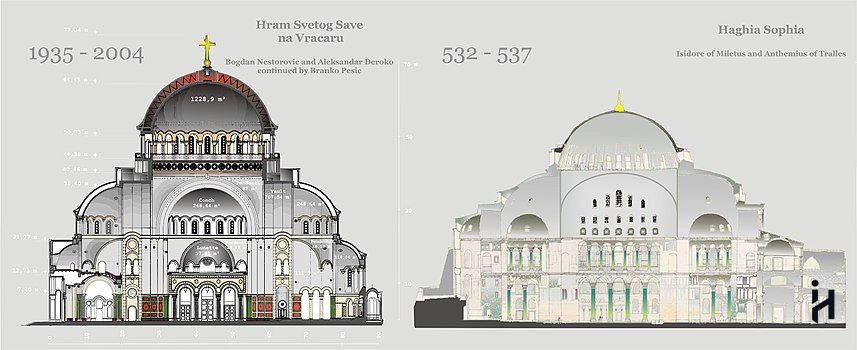
In the Byzantine structure, one can trace several characteristic features that make it stand out from other architecture of the period. Its splendid design element is its vast application of domes, which represent the sky and bring in mind-boggling interiors. The Hagia Sophia, which was built with the biggest central dome in the world, is a perfect example of these ingenious architectural solutions.

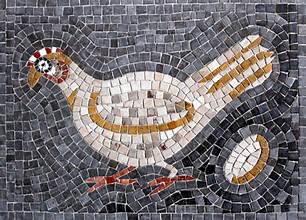
The other attribute of Byzantine architecture worth noting is the usage of intricate mosaics to decorate walls, ceilings, and domes. These mosaics, the precious gold leaf, and colorful glass fragments composed of them were created to depict religious subjects, emperors, and complex geometric patterns, thus enriching the interior of Byzantine churches.

Domes:

The architecture of Byzantium is known for the abundance of rounded domes that remind of the sky and bring about unlimited space inside. These domes are ornately decorated with beautiful mosaics and the formation of arches like the pendentives and squinches are attributed to innovative structural elements.

Domes

Mosaics:

The Byzantine buildings have ceilings and walls embellished with lavish golden leaf mosaics and colored glass tesserae. These mosaics represent religious scenes and imperial figures in a more complex way, merging them into interior spaces to breathe life into them.Mosaics

Centralized Plan:

A great number of Byzantine churches and structures follow the centralized layout based on a central dome or a series of domes that are surrounded by smaller chapels or auxiliary buildings. The master plan of the building sets the tone of tranquility favorable for the place.

Emphasis on Interior Space:

The architectural art of Byzantine takes interior space as a priority, whose heights have elevated soaring interior, thereby inspiring awe and reverence. The combination of light, color, and space alignment leads to the feeling of transcendence and spiritual elevation.

Emphasis on Interior Space

Ornate Decoration:

The Byzantine buildings are characterized by their fancy ornamentations such as elaborate carvings, marble paneling, and the advanced use of decorative bricks. The exteriors are usually decorated with luxurious arches, columns, and sculptural features, exuding the splendor and magnificence of the Roman Empire.

Ornate Decoration

Iconography:

Byzantine architecture often combines religious iconography into its design, which gives such forms as mosaics, frescoes, and sculptures that portray scenes from the Bible, the saints’ lives, and theological concepts. These artworks are a visual anchor thus aiding worship and meditation.Iconography

Adaptation of Roman Elements:

The Byzantine architects built on Roman architectural elements, and aided by arches, vaults, and columns, created new designs that responded to their tastes and structural needs. It has been the mixture of these two styles, Roman and Byzantine as a result of the formation of the original architectural forms.Adaptation of Roman Elements, Byzantine Architecture

Symbolism and Spirituality: The architecture of Byzantine is instruction meaning: information about actions that need to be taken to accomplish a particular task.

Byzantine architects utilized pendentives and squinches; pendentives and squinches lie beneath domes and connect them with the squares of the ground plans. This mechanical wizardry enabled the conception of the skies and clouds above that ignited awe and the feeling of being humbled by nature.

Enduring Legacy: 

The influence of the architecture of the Byzantine reaching far beyond the borders of the Byzantine Empire was a dominant factor in the formation of architectural styles in the following centuries and regions. The Byzantine style can be found in the layout of Orthodox churches, Islamic mosques, and Gothic cathedrals that cover Europe.

Influence and Enduring Legacy of the Hagia Sophia in Byzantine Architecture

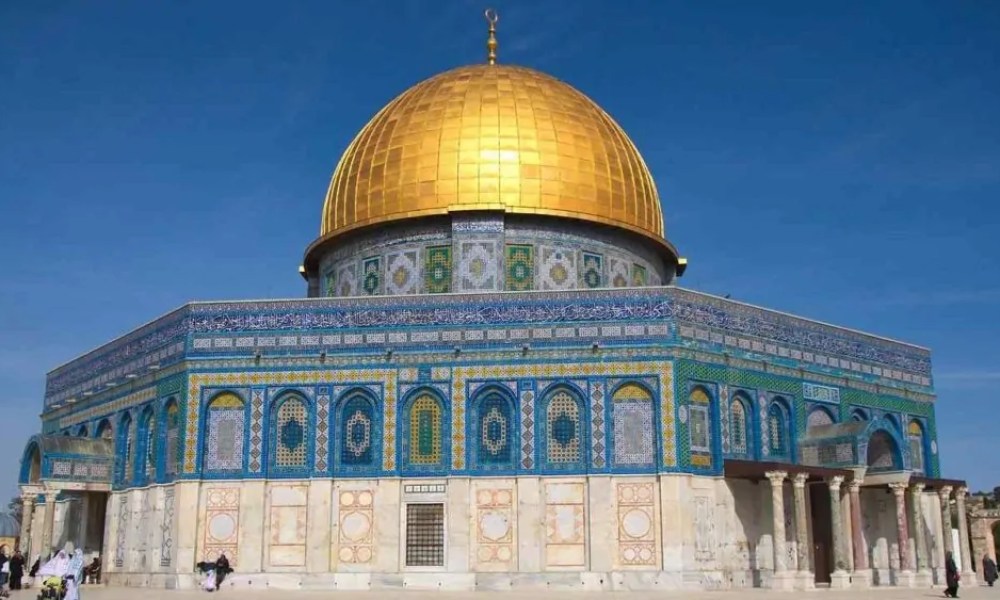
Especially the Hagia Sophia can be perceived as the main legacy of Byzantine architecture as it served as a model for many holy buildings later in history. Its dome’s innovative design led other important buildings in Jerusalem, like the Dome of the Rock, and the Blue Mosque in Istanbul, to be constructed.

Not only this but the Byzantine tradition of decorating buildings lavishly and spiritual symbols remain relevant for many architects and participants of arts who are inspired by the beauty and rich visual language of the time of its flourishing.

Conclusion:

To sum up, the Byzantine structures are proof of the genius, imagination, and spiritual strength of the Byzantine Empire. Its mighty and majestic domes, its gleaming mosaics, and its creativity and ingenuity in how it builds are still amazing for everyone around the globe. The transcendent nature of Byzantine architecture is what we witness as we stand and admire the splendor of the Byzantine architectural marvels. Its legacy lives on by defining the attempts of the civilization to bridge the gap between the earthly and the divine through architectural transformation.