Home Blog Page 458

Taylor Swift and Travis Kelce: A Power Couple Blending Music and Sports

0
Taylor Swift and Travis Kelce

The relationship between global pop icon Taylor Swift and NFL star Travis Kelce has taken the world by storm, creating a unique intersection between the worlds of music and sports. From their first public interactions to their growing bond, their romance has captivated fans and media alike. Whether it’s Swift supporting Kelce at NFL games or Kelce attending Swift’s concerts, their love story is a fascinating blend of celebrity, success, and public intrigue. In this blog, we’ll explore the key aspects of their relationship, how it has impacted their careers, and the cultural significance of their union.

Who is Taylor Swift?

Taylor Swift is a globally renowned American singer-songwriter, known for her storytelling, musical versatility, and record-breaking success. Born on December 13, 1989, in Reading, Pennsylvania, Swift began her career in country music before transitioning into pop and alternative genres. With albums like Fearless, Red, 1989, Reputation, Folklore, and Midnights, she has won multiple Grammy Awards, including Album of the Year four times. Swift is also recognized for her impact on the music industry, business ventures, and philanthropy.

Who is Travis Kelce?

Travis Kelce is an American football player, widely regarded as one of the greatest tight ends in NFL history. Born on October 5, 1989, in Westlake, Ohio, he plays for the Kansas City Chiefs and has won three Super Bowls (LIV, LVII, and LVIII). Kelce is known for his athleticism, leadership, and record-setting performances. Off the field, he is a charismatic personality, hosting the podcast New Heights with his brother, Jason Kelce, and engaging in various media and business ventures.

Taylor Swift and Travis Kelce

How Are They Connected?

Taylor Swift and Travis Kelce began dating in 2023, bringing together two of the most influential figures in music and sports. Their relationship has captivated fans, boosted NFL viewership, and created a unique cultural moment blending pop and athletics.

Introduction: The Intersection of Music and Sports

In the realm of celebrity culture, few events have captured public attention as profoundly as the relationship between global pop icon Taylor Swift and NFL star Travis Kelce. Their union, blending the worlds of music and sports, has not only fascinated fans but also sparked discussions about the influence of celebrity relationships on media, culture, and commerce. This blog delves into the multifaceted aspects of their relationship, exploring its origins, public reception, and broader implications.

The Genesis of a High-Profile Romance

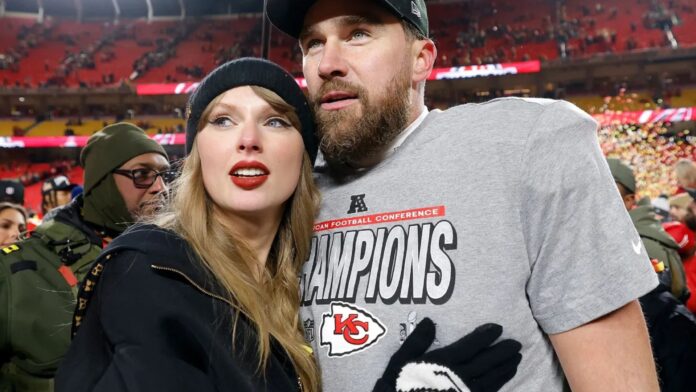
The story of Taylor Swift and Travis Kelce’s relationship began in July 2023, when Kelce attended Swift’s Eras Tour concert at Arrowhead Stadium. During the event, Kelce attempted to give Swift a friendship bracelet with his phone number, a gesture that initially went unnoticed. He later shared this anecdote on his podcast, sparking curiosity and speculation among fans and media alike. By September 2023, rumors of their budding romance intensified as Swift was spotted attending a Kansas City Chiefs game, cheering alongside Kelce’s mother, Donna. This public appearance marked the beginning of widespread media coverage and fan interest in their relationship.

Public Appearances and Media Frenzy

Swift and Kelce’s relationship quickly became a media sensation, with each public appearance fueling headlines. Swift’s attendance at multiple Chiefs games not only showcased her support for Kelce but also led to a surge in NFL viewership, particularly among younger demographics. Conversely, Kelce’s presence at Swift’s concerts, including a surprise on-stage appearance at Wembley Stadium in June 2024, highlighted the mutual support in their relationship. Their appearances together, whether at sporting events or music venues, became focal points for media outlets, reflecting the public’s fascination with their cross-industry romance.

Impact on Their Respective Careers

The Swift-Kelce relationship has had notable effects on both their careers. For Swift, her association with Kelce introduced her to a broader sports audience, potentially expanding her fan base. For Kelce, Swift’s presence at NFL games contributed to increased viewership and merchandise sales, with reports indicating a significant boost in Kelce’s jersey sales following their public outings. The intersection of their fan bases created a unique cultural moment, blending music and sports in unprecedented ways.

Media Portrayal and Public Perception

The media’s portrayal of Swift and Kelce’s relationship has been overwhelmingly positive, often depicting them as a modern supercouple. Their story has been framed as a fairy tale romance, captivating audiences worldwide. However, this extensive coverage has also led to discussions about privacy and the pressures of maintaining a relationship under constant public scrutiny. Despite these challenges, both Swift and Kelce have managed to navigate the media landscape with grace, maintaining a balance between their public personas and private lives.

Cultural and Social Implications

The union of Swift and Kelce transcends mere celebrity gossip, reflecting broader cultural and social dynamics. Their relationship symbolizes the blending of distinct cultural spheres—music and sports—highlighting the interconnectedness of entertainment industries. This crossover has sparked conversations about gender roles, with Swift’s assertiveness and Kelce’s supportive stance challenging traditional norms. Moreover, their relationship has become a touchpoint for discussions on fandom culture, illustrating how celebrity relationships can unite diverse audiences.

Fan Reactions and Social Media Buzz

Fans have played a pivotal role in amplifying the Swift-Kelce narrative. Social media platforms buzzed with reactions to their public appearances, with hashtags trending and fan theories abounding. Some fans expressed excitement over the merging of two influential figures, while others analyzed their interactions with fervent interest. This digital discourse not only reflects the public’s investment in celebrity culture but also showcases the power of social media in shaping narratives and influencing public perception.

Commercial Collaborations and Branding Opportunities

Taylor Swift and Travis Kelce

The relationship between Swift and Kelce has opened avenues for commercial collaborations and branding opportunities. Brands have sought to capitalize on their combined star power, leading to joint endorsements and merchandise. For instance, limited-edition apparel featuring Swift’s lyrics alongside Kelce’s jersey number became highly sought after. These collaborations highlight the commercial potential inherent in high-profile relationships, demonstrating how personal connections can translate into lucrative business ventures.

Challenges of a Public Relationship

Maintaining a relationship in the public eye presents unique challenges. Swift and Kelce have faced relentless media attention, with paparazzi documenting their every move and tabloids speculating on their future. This intrusion necessitates a strong foundation of trust and communication. Both have addressed the pressures of public scrutiny in interviews, emphasizing their commitment to prioritizing their relationship amidst their demanding careers. Their ability to navigate these challenges offers insights into the complexities of celebrity relationships.

Future Prospects and Speculations

As with any high-profile couple, speculation about the future of Swift and Kelce’s relationship is rampant. Fans and media alike ponder possibilities of engagement, marriage, or even collaborative projects. While neither has publicly disclosed plans beyond their current commitments, their continued support for each other’s careers suggests a deepening bond. Regardless of the path they choose, their relationship will likely continue to be a focal point in popular culture, influencing trends and sparking conversations.

Q&A Section

Q1: How did Taylor Swift and Travis Kelce meet?

A: Travis Kelce first expressed interest in Taylor Swift in July 2023 when he attended her Eras Tour concert at Arrowhead Stadium. He later revealed on his podcast that he tried to give her a friendship bracelet with his number. Though unsuccessful at first, his interest sparked curiosity among fans, and the two eventually connected.

Q2: When did Taylor Swift and Travis Kelce start dating?

A: While the exact timeline is unclear, Swift was first seen attending a Kansas City Chiefs game in September 2023. This fueled rumors of their relationship, which was later confirmed as they made more public appearances together.

Q3: How has Taylor Swift relationship affected the NFL?

A: Swift’s presence at Chiefs games led to a massive increase in NFL viewership, merchandise sales, and social media engagement, particularly among younger audiences. Kelce’s jersey sales skyrocketed, and the NFL embraced the publicity by frequently highlighting Swift during broadcasts.

Q4: Has Taylor Swift written any songs about Travis Kelce?

A: While Swift hasn’t officially confirmed any songs about Kelce, fans speculate that future albums may include references to their relationship, as she often draws inspiration from her personal life.

Taylor Swift and Travis Kelce

Q5: Are Travis Kelce and Taylor Swift engaged?

A: As of now, neither Swift nor Kelce have confirmed engagement rumors. However, speculation continues as their relationship deepens and they support each other publicly.

Q6: What impact has this relationship had on their careers?

A: Both Swift and Kelce have benefited from their relationship. Swift gained new fans from the sports community, while Kelce’s popularity surged beyond the NFL, leading to increased sponsorships and media opportunities.

Q7: What challenges do they face as a public couple?

A: Managing a high-profile relationship under constant media scrutiny is challenging. Paparazzi, public expectations, and career demands can put pressure on their relationship. However, both seem to handle the attention well.

Q8: What’s next for Taylor Swift and Travis Kelce?

A: Fans eagerly await updates, whether it’s an engagement, more joint appearances, or potential collaborations. Their relationship continues to evolve, and they remain one of the most talked-about celebrity couples today.

Conclusion: The Enduring Fascination with Celebrity Couples

The relationship between Taylor Swift and Travis Kelce encapsulates the public’s enduring fascination with celebrity couples. Their union offers a narrative that intertwines success, romance, and the blending of distinct cultural realms. As they continue their journey together, they not only captivate audiences but also reflect broader societal themes, from the nature of fame to the dynamics of modern relationships.

For Amazing Updates Keep Visiting ImaginaryHistory.
The Complex Social Structure and Intricate Gender Roles of the Mughal Empire

0
Gender Roles of the Mughal Empire

The rule of Mughals in the Indian subcontinent was in the early 16th century and up to the middle of the 19th century and the empire is notable for its cultural values and an important epitome of India’s history. A part of the social organization, that played an important role in defining this period, was the hierarchy and the specific gender roles indicated in people’s daily activities. Studying the structure of the Mughal Empire’s society and its approaches toward men and women also provides an opportunity to grasp the general outlook on the period and its respective consequences for the successors.

Mughal Empire Social Structure

The caste system in the social status of the Mughal Empire was a clearly defined one that played a large role in such areas as political power, economic status, and interaction between people. Next were the royalty, then the nobility which comprised of the government officials and big landlords. It showed different upward social statuses; businesspeople, blacksmiths, and other workers were under the middle class, while farmers and other general workers were under the lower class.

The social structure outlined here changed with stratification giving a stable structure of governance system to efficiently exercise control over the large empire. The status of people in the social pyramid was preserved by the Mughal emperors like, Akbar and Shah Jahan who started policies that kept the social tiers under its control.

Caste System in the Mughal Empire

Caste System in the Mughal Empire

They adopted the Indian caste system and therefore the social structure of the Mughal Empire was highly based on this caste system. While the Mughal rulers themselves were originating from Central Asia and mainly adherent to the Islamic faith, they had to leave their ways and accommodate the huge caste system of Indian society. The caste system of untouchables and superiors, although dynamic and less strict in its rankings kept on playing a significant part in regulating the society and deciding the part of the Empire one had to perform.

Another way of integrating people of different statuses in the Mughal Empire was through religious tolerance along with the assimilation of different cultures as practiced by rulers like Akbar. Nevertheless, the caste system was still murmuring in the seeds and embedded itself in daily life and the process of seeking justice under the Mughals.

Gender Roles in the Mughal EmpireGender Roles in the Mughal Empire

Social roles based on gender in the Mughal Empire were part and parcel of the society throughout the particular epoch. The sexual division of labor was evident whereby men were primarily involved in political institutions to govern the society while women’s domain was largely in the home. However, the above restrictions did not entirely confine Mughal women to domestic lives as they participated in the construction of the empire’s culture and politics.

Impact of Religion on Social Organization and Gender Relations

This paper shows that religion was vital in the determination of the social relations in the Mughals especially in the relations between men and women. The Mughals were the Muslims they were ruling the region which was largely Hindu, thus religious matters had to be handled appropriately.

The Religious and Cultural Diversity as a Factor of Social Acceptance

Various emperors including Akbar focussed on the policies of tolerance where the differences among the religions of the empire were to be merged. Besides, this approach helped to stabilize the empire and introduce the corridor social order, according to which even people of different religions could find their place in society.

Impact on Social Hierarchy

The division based on religion affected the process of social stratification; Muslim people dominated the administration position due to the Islamic origin of nobility while the Hindus and other minority communities had their relevant places in the social and economic systems. This religious diversity enhanced the cultural texture of Mughal society over time s which resulted in the fusion.

Gender Roles and Religions

This also applied to religious practices that acted as great influences in the fate and destiny of the genders. In the context of Muslim women, Islamic values dictated several aspects of women’s lives which included the seclusion of women (purdah) and the practice of veiling. However, such practices differ by the extremely severe scale in different regions and the classes of women. Hindu women, for their part, had been practicing their own culture, in some cases following Islamic rules and in some cases deviating from those rules.

Women’s Participation in Religious Life

Religion also affected gender roles, especially with regard to the participation of women in religious activities. While married Muslim ladies had certain roles in religious and cultural activities, Hindu women also got involved in religious practices and functions. Nevertheless, the opportunities were limited, but there are prominent examples of women who became religious leaders and affected the spiritual life of the empire.

women roleThis interaction of religion with the structure of the social base of the Mughal Empire shows that gender in the empire and the roles that it played were not as simple as they have been put commonly.

Meaning of the Life of Women in the Mughal Empire

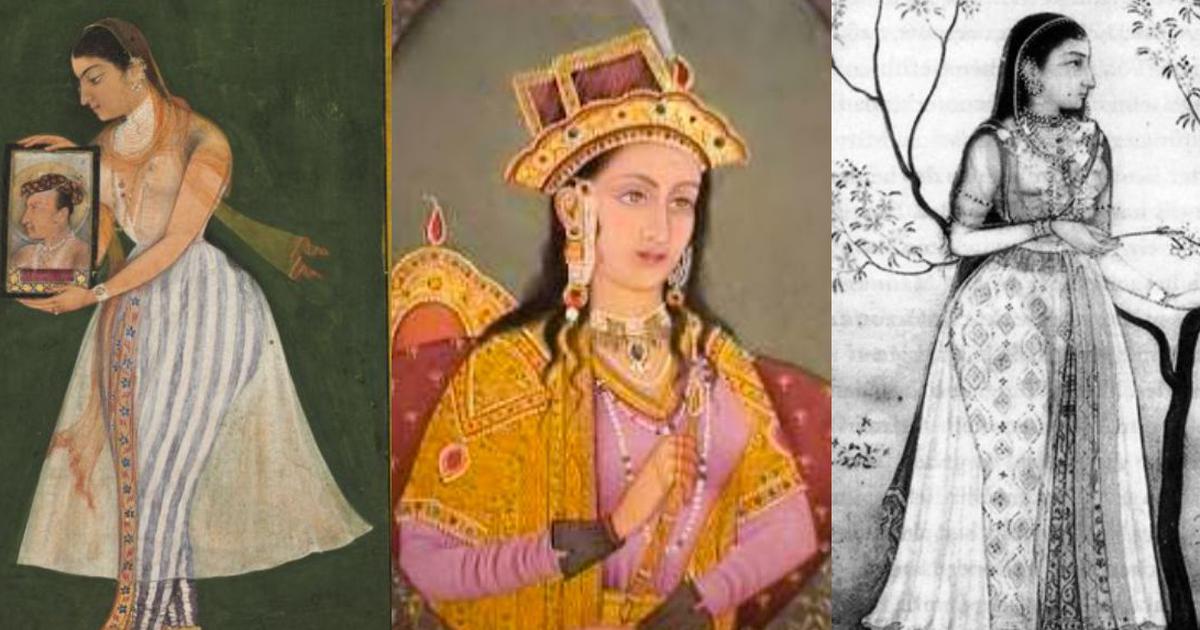
Indian women especially of the royal families within the Mughal empire were empowered and had a say within the empire. Nur Jahan, the wife of Jahangir, and Mumtaz Mahal wife of Shah Jahan are such examples of women who became an important part of Mughal history. Among these women, Nur Jahan was quite influential; she was involved in the management of the empire and had great political insight.

On the other hand and contrary to few empowered queens, the life of most women in the Mughal Empire consisted of purdah or seclusion and veiling.

This practice, stemming from the Islamic and Hindu cultures, curtailed women’s interaction with the wider society. Nevertheless, the jungle depicted in the book also describes the opportunities of some women to free themselves from the strict framework of society and come to the empire’s cultural and intellectual growth.

Education and Employment

The education system existing in the Mughal Empire was also one of the keys to gender dynamics. While education was meant for men, women were given a limited chance of educating themselves. But few women of noble birth learned to read and write, and they were the sponsors of the ‘Fine Arts’ and other branches of literature.

Women’s participation in economic activity was also limited, and most women were housemaids or involved in crafts production. But there were some loopholes, especially among the Muslim women in the urban regions where some of them worked for wages mainly in textiles and medical occupations. These roles were given a certain measure of social mobility and means for earning money as a house, even though it was a limited one.

Civilization Under the Mughals

The Mughal domination of India was accompanied hence by a mixture of traditionalism and Hinduism with the latter being a branch of Christianity. Evidently, religion was not a major issue in the Mughal society, as people of different religions could live and work together. Thus, cultural diversity emerged as an additional advantage to the social structure and proved useful for the bright daily lives of the period.

Civilization Under the MughalsViolations of etiquette were severe while social interactions in daily life were also oriented by social hierarchy and people of different classes had different routines. The nobility were able to indulge themselves with lengthy time spent on leisure and entertainment the lower classes on the other hand were forced to work hard having to engage in agriculture and labor-intensive work.

Conclusion

Therefore, it could be noted that the female status in the Mughal Empire was highly ambiguous and on the border between cooperation and subordination, which shows the heterogeneity and constant changes in the structure of this society. The Indian social structure changed a lot from the caste structure to influencing women of royalty the Mughal period had a powerful impact on India. These aspects therefore serve to enhance knowledge on the Mughal Empire’s contributions to the cultural and social progression of the Indian subcontinent.

Reinhard Heydrich: The Butcher of Prague

0

In the annals of World War II history, some individuals stand out for their atrocities and impact on the war’s course. Often called “The butcher of Prague,” Reinhard Heydrich is one such figure whose name evokes fear and loathing today. Heydrich played a significant role in the Nazi regime, particularly in his brutal actions in Czechoslovakia. The dramatic events surrounding his execution highlight a dark chapter in 20th-century history. Reinhard Heydrich was a prominent figure in Nazi Germany, known for his brutality and involvement in the Holocaust.

-Rise to power:
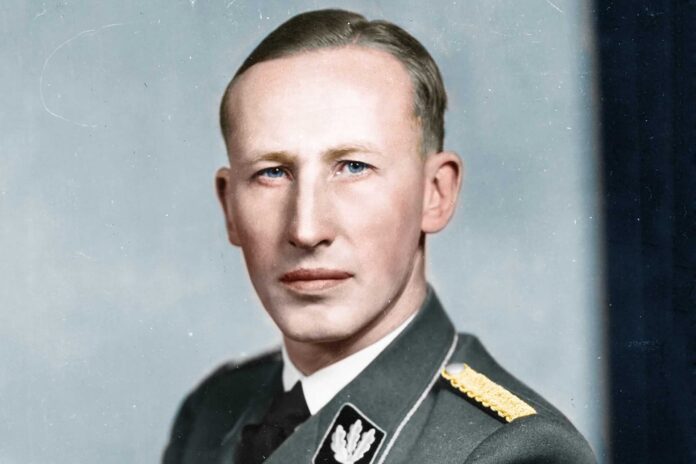
Reinhard Heydrich was born on March 7, 1904 in Halle an der Saale, Germany. From an early age, he displayed intelligence and ruthlessness, qualities that would later serve him well in the Nazi hierarchy. Heydrich’s career took a dramatic turn when he joined the SS (Schutzstaffel) in 1931, rising rapidly in the ranks due to his unwavering loyalty to Adolf Hitler and his willingness to carry out orders with brutal efficiency.


-The Prague butcher:
Heydrich’s tenure as Deputy Reich Ambassador to Bohemia-Moravia (modern Czech Republic) from September 1941 was a time of great suffering for the Czech people and his approach was characterized by systematic intimidation and repression aimed at crushing any opposition and was to strengthen Nazi control of the region Heydrich’s strategies included:

  • Repression: Heydrich used harsh measures to suppress dissent, including mass imprisonment, execution, and deportation to concentration camps. Its purpose was to instill fear and crush any opposition to the Nazi regime.
  • Cultural repression: Czech cultural institutions such as universities, publishing houses, and theaters were closed or heavily censored. The Czech language was sidelined, and persecution focused on cultural elites.
  • Economic manipulation: Heydrich oversaw the ruthless exploitation of Czech resources and forced labor to bolster the Nazi war effort. This economic exploitation further impoverished the local population and fueled resentment.

-The Assassination and Aftermath:
Heydrich’s reign of terror came to an abrupt end on May 27, 1942, when he was targeted by Czechoslovak resistance fighters trained by the British Special Operations Executive (SOE) in a daring assassination attempt Codenamed “Operation Anthropoid”. ended up in a bombing raid as Heydrich drove into Prague an open-top car was fatally wounded Despite initially surviving the attack, Heydrich died a few days later on June 4, 1942.

The aftermath of Heydrich’s assassination was severe and brutal. The Nazi response was swift and ruthless, so retaliation for the murderers’ cache was the demolition of the village of Lidis, the massacre of its inhabitants in which thousands of Czechs were captured and murdered, mostly by the Nazi occupation of Czechoslovakia so led by Heydrich’s heirs Kurt Daluege, It became difficult.


-Anthropoid:
“Anthropoid” is a historical thriller released in 2016, directed by Sean Ellis. The film is based on the true story of Operation Anthropoid, a mission conducted by the Czechoslovak army in 1942 during World War II. The film follows the story of Czechoslovak soldiers Jan Kubis (played by Jamie Dornan) and Josef Gabcik (played by Cillian Murphy) who parachute to their occupied country in Prague Their job is the chief architect of Operation Anthropoid he supports the final solution one of the highest ranking Nazi officers SS-General Reinhard Heydrich was assassinated.
cover page of Anthropoid


-Heritage and Historical Perspectives:
Reinhard Heydrich’s legacy as a Prague butcher is a stark reminder of the atrocities committed under Nazi rule. His methods of intimidation and repression left lasting scars on Czechoslovakia and its people. The dramatic events surrounding his assassination highlight the extent to which opposition groups were willing to attack Nazi tyranny, despite the grave risks involved.

The assassination of Reinhard Heydrich led to brutal reprisals by the Nazis, including the destruction of the Czech village of Lidis and the massacre of its inhabitants These events are depicted in the film’s latter half, deciding which emphasizing the sad results of the missionary work.

Overall, “Anthropoid” is a gripping portrait of a heroic wartime event that had important historical consequences, showcasing the courage and resilience of those who fought against Nazi atrocities.

-Conclusion:
Today, Reinhard Heydrich stands as a symbol of the dark side of totalitarianism and the heroism of those who dared to fight against it. His story is a cautionary tale about the consequences of unchecked power and the enduring importance of vigilance in the defense of liberty and human rights

Epilogue The story of Prague butcher Reinhard Heydrich is a reminder of the depth of human cruelty and the chilling resilience of the human spirit in the face of oppression His actions and consequences continue to echo in our collective memory and wear us to remember the past and strive for a future free from oppression and injustice.


Who founded Lodi dynasty in 1451

0
Who founded Lodi dynasty in 1451

If you are seeking “Who founded Lodi dynasty in 1451” this blog is for you.

Bahlul LodiThe Lodi Dynasty, established in 1451, marked a significant period in Indian history, known for its contributions to the political, cultural, and architectural landscape of Northern India. This article delves into the origins, achievements, and legacy of the Lodi Dynasty, with a particular focus on its founder, Bahlul Lodi.


Historical Context

Before the rise of the Lodi Dynasty, India was a patchwork of regional powers vying for dominance. The Delhi Sultanate, once a formidable empire, had weakened due to internal strife and external invasions. This power vacuum set the stage for the emergence of new dynasties, including the Lodi Dynasty.

Who founded Lodi dynasty in 1451

Lodi Dynasty’s Founding

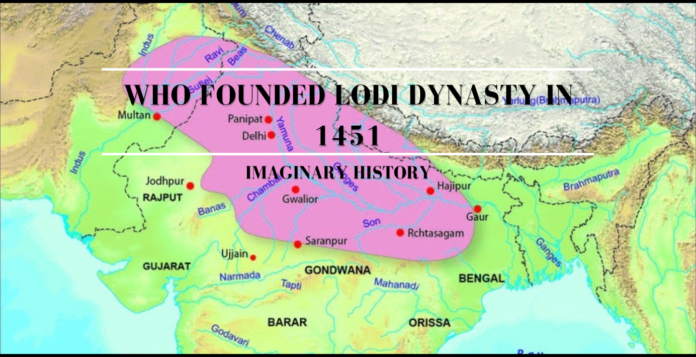
The Lodi Dynasty was founded by Bahlul Lodi in 1451. A Pashtun noble from what is today Afghanistan, Bahlul Lodi took advantage of political disarray to take over Delhi. Thus his reign started off the last dynasty that ruled the Delhi Sultanate before the Mughal Empire came.

Bahlul Lodi: The Founder

Bahlul Lodi.Born into a well-off family, Bahlul Lodi rose through ranks owing to his military and political knowledge as he served under Sayyid dynasty overthrowing the last ruler to form Lodi Dynasty. Through strategic alliances and warfare, Bahlul fought wars expanding their territories hence strengthening his power base.

Political and Military Strategies

Bahlul Lodi’s success can be attributed to his adroit administrative policies and military strategies, which include strengthening his army, forming alliances with the local chiefs and tactical warfare to annex territories. His policies laid a strong foundation for the dynasty, which was further built upon by his successors.

Challenges and Conflicts

There were many challenges faced by the Lodi Dynasty both internal as well as external. There was rampant internal dissent and power struggles in addition to threats from neighboring kingdoms as well as invading forces that had always been posed. Bahlul Lodi managed these vicissitudes through diplomacy coupled with military strength thus ensuring survival plus growth of his dynasty.

Cultural Contributions

However it might have been noted that despite persistent warring, considerable cultural contributions were made during Lodi Dynasty rule. Bahlul Lodi and his heirs patronized art and architecture leading to construction of many monuments exhibiting a mixture of Persian and Indian styles. These developments in art became a basis for their blossoming under the Mughals that followed.

Succession and Legacy

Sikandar Lodi, Bahlul Lodi’s son assumed leadership after his father developed the tradition of expansion and unity. The reign of Sikandar Lodi involved further administrative reforms and cultural patronage while that of Ibrahim Lodi was characterized by the dynasty’s decline which eventually led to their defeat at the Battle of Panipat in 1526 that marked the end of the Lodhi rule and beginning of Mughal era.

Impact on Indian History

India FlagThe influence of Lodi Dynasty on Indian history is deep rooted as it linked Delhi Sultanate to Mughal Empire thereby introducing administrative and cultural policies improved later by Mughals. Besides, its contributions to architecture and urban planning have left indelible marks such as many buildings still exist till date.

Invaluable Insights

Various viewpoints are held by historians and scholars about the Lodi Dynasty. While some see it as a precursor of the Mughal Empire, others stress its unique contributions in the fields of art and architecture. Modern accounts from that era offer a graphic account of difficulties and successes faced by the Lodi rulers.

Conclusion

The Lodi Dynasty was short-lived but had a major impact on Indian history. Bahlul Lodi, its first king, was renowned for his strategic skills, while his successors added to the dynasty’s cultural and administrative achievements thus leaving an indelible mark on the subcontinent. Pondering over this period enables one to appreciate what constitutes medieval Indian politics and culture.

Frequently Asked Questions

Who is the founder of Lodi Dynasty?

The Lodi dynasty was established in 1451 by Bahlul Lodi.

What were some of Bahlul Lodi’s significant accomplishments?

BahlulLodi’s major achievements comprised establishing the dynasty, expanding his empire through alliances and wars, and laying the ground for a stable administration.

What did the Lodi Dynasty do to India?

The Lodi dynasty acted as a link between Delhi Sultanate and Mughal Empire. It therefore contributed towards administrative and cultural practices which influenced subsequent rulers. Additionally, their architectural legacy witnessed when Mughal architectural advancements occurred.