Home Blog Page 408

Are the Greek Gods Real? Unveiling Myth and Reality

0
Are the Greek Gods Real

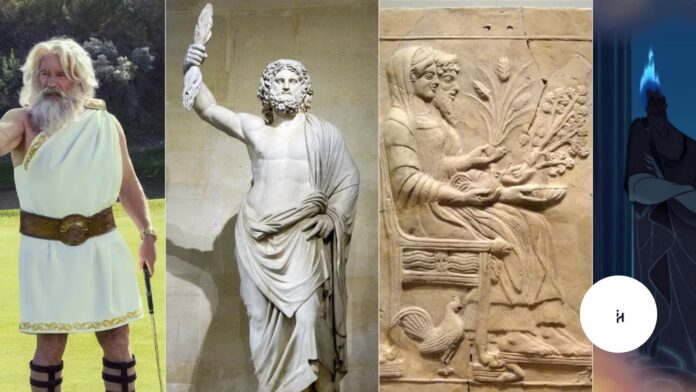
The question “are the Greek gods real” has fascinated historians, theologians, scientists, and spiritual seekers for centuries. With roots buried deep in ancient mythology and culture, Greek gods like Zeus, Hera, Poseidon, and Athena have shaped not only literature and art but also worldviews. This blog will delve into the origins of these deities, the belief systems surrounding them, and whether there is any truth or evidence behind their existence. If you’ve ever wondered about the line between myth and truth, you’re in the right place.

The Origins of Greek Mythology
Are the Greek Gods Real

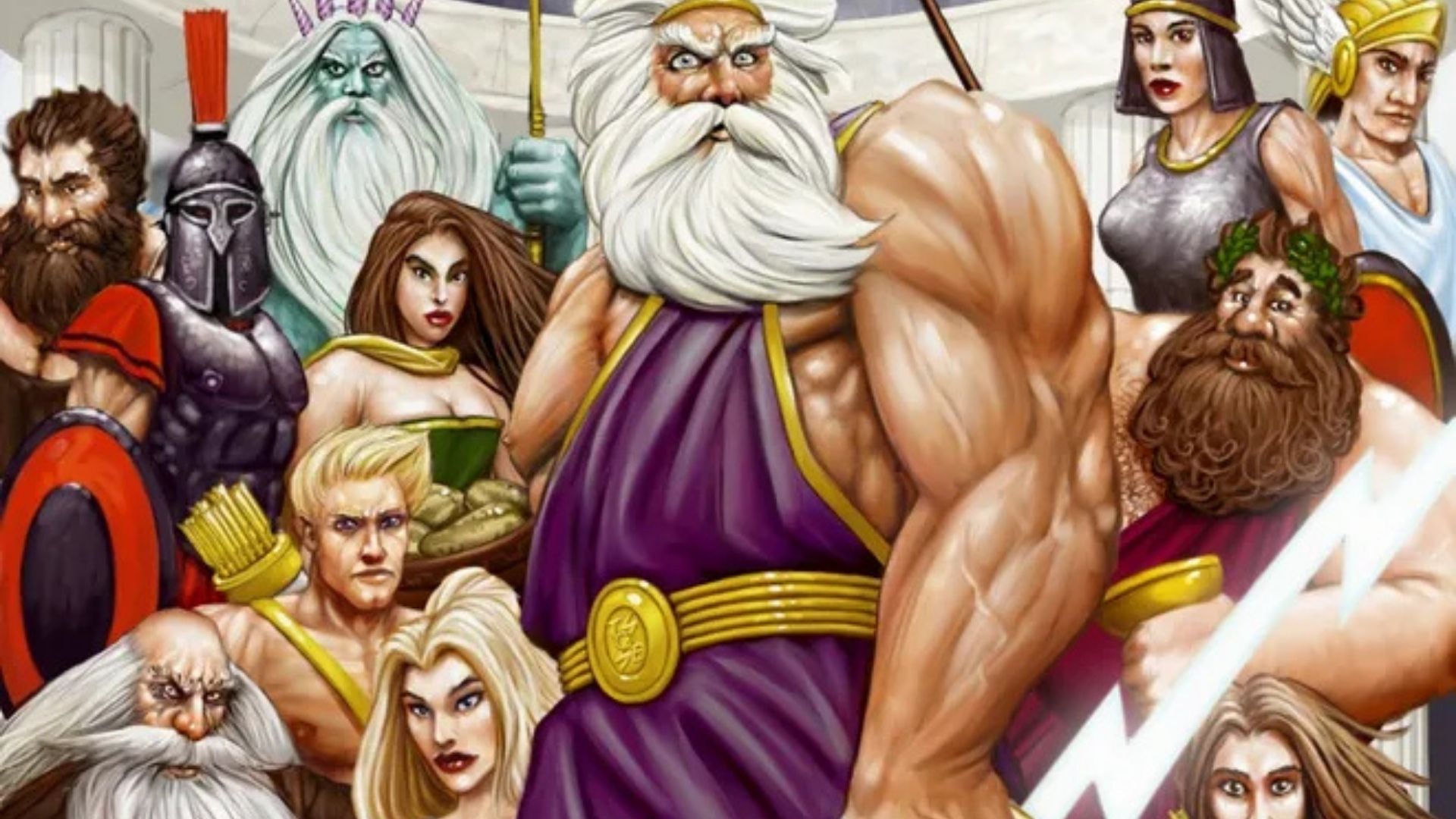
Greek mythology originated over 3,000 years ago, evolving through oral traditions before being recorded in texts like Hesiod’s Theogony and Homer’s Iliad and Odyssey. These tales were more than entertainment—they explained nature, the cosmos, and human behavior. Ancient Greeks believed their gods controlled aspects of life, from weather to emotions. But are the Greek gods real, or are these just symbolic figures born from human imagination?

The question deepens when we realize how consistent mythological themes are across cultures. Zeus and Odin, Hera and Isis—these similarities suggest either a shared psychological archetype or perhaps distant memories of real beings now deified.

The Role of the Greek Gods in Ancient Society

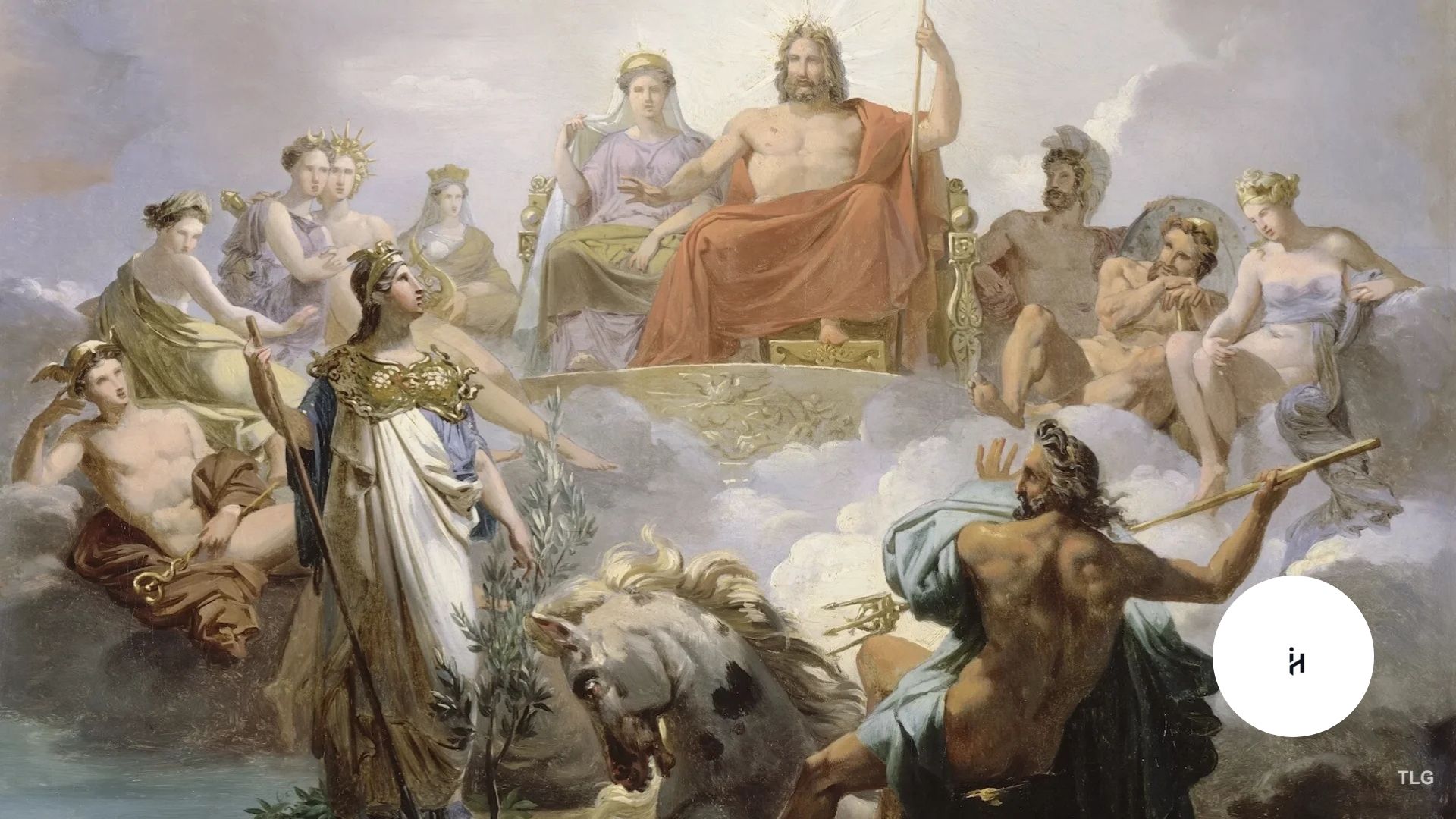
In ancient Greece, the gods were central to life. Every city-state had a patron deity—Athens worshipped Athena, while Sparta revered Ares. Temples, rituals, festivals, and oracles like Delphi were dedicated to divine entities. These practices show that, to the Greeks, the gods were undeniably real.

The question “are the Greek gods real” would have seemed absurd back then. They felt the gods’ influence through war outcomes, crop success, and natural disasters. This cultural saturation made the divine an everyday reality, not just a religious concept.

Symbolism vs Literal Belief

Some scholars argue that the gods represent human traits—Zeus as power, Athena as wisdom, and Aphrodite as love. In this view, asking “are the Greek gods real” is like asking if emotions are real—they are, but not as people with supernatural powers.

However, others insist that ancient Greeks truly believed their gods lived on Mount Olympus and intervened in human affairs. Understanding this dual interpretation—symbolic versus literal—is crucial in evaluating the gods’ “reality.”

Archaeological Evidence and Mythical Claims

Despite extensive archaeological efforts, there is no concrete evidence proving that Greek gods physically existed. Temples, inscriptions, and artifacts reflect worship practices, but not the presence of the gods themselves. Yet, just as we lack direct evidence of many historical events, the absence of proof doesn’t always mean proof of absence.

The ongoing question remains: are the Greek gods real as deities, or were they simply born from the collective psyche and oral tradition?

Comparing Greek Gods to Other Ancient Deities

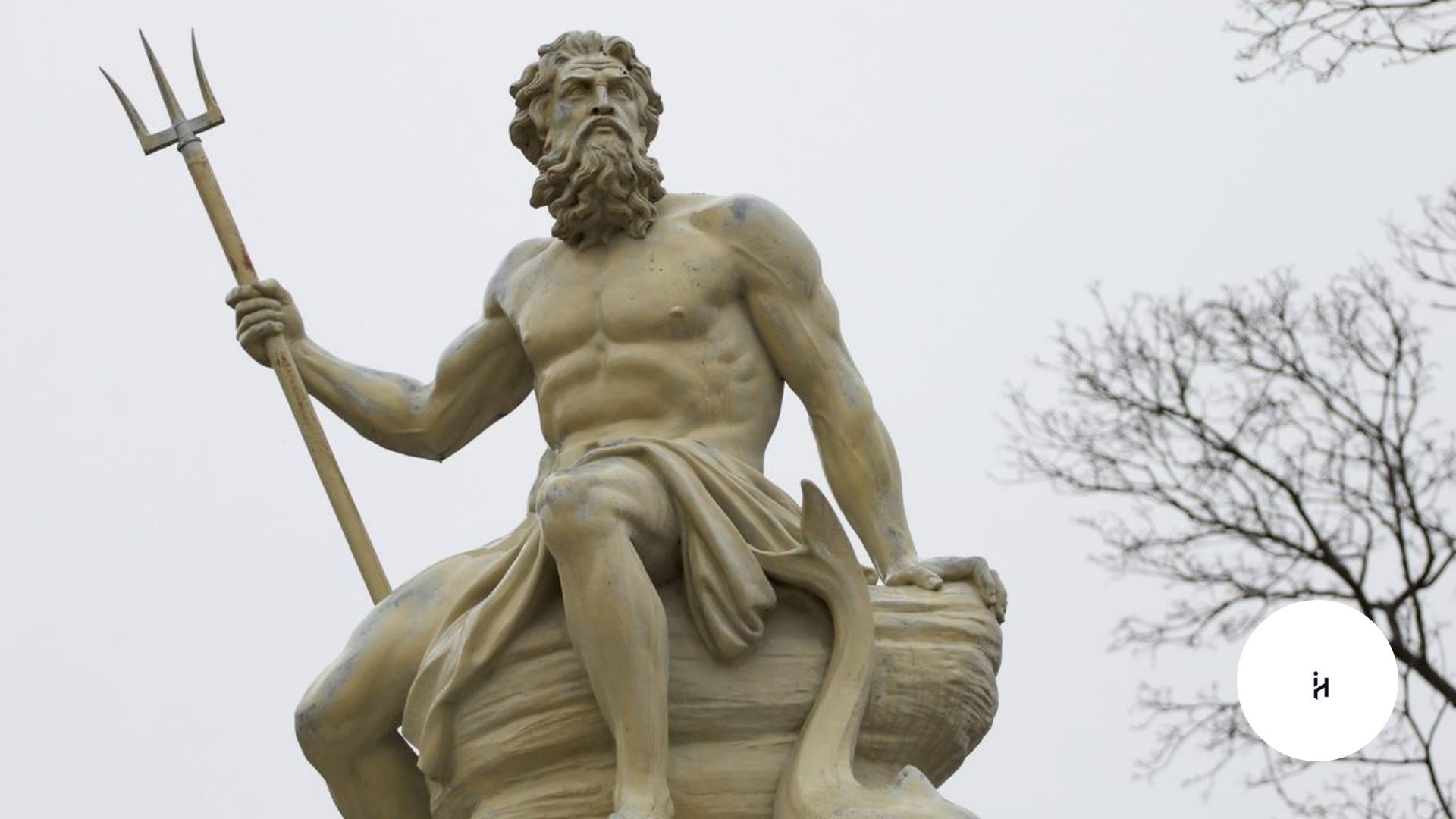
The pantheon of Greek gods has clear parallels in other mythologies—Roman, Norse, Egyptian. For instance, Zeus is similar to Jupiter (Roman) and Thor (Norse). These similarities suggest that ancient civilizations may have had shared archetypes or cultural exchanges.

If the question is “are the Greek gods real,” we must also ask: are any gods real? And why are their stories so similar across civilizations?
Are the Greek Gods Real

Scientific Perspective on Mythological Belief

From a scientific standpoint, the existence of Greek gods cannot be proven empirically. Psychology suggests that humans create gods to understand the unexplainable. Carl Jung even proposed that deities are manifestations of the collective unconscious.

Therefore, from a scientific lens, the answer to “are the Greek gods real” would be no—but they feel real due to the human need for meaning and pattern recognition.

The Role of Greek Gods in Modern Paganism

Interestingly, many modern pagans and neopagans still worship Greek deities. Known as Hellenism or Hellenic Polytheism, these spiritual paths honor the gods as real entities.

For them, asking “are the Greek gods real” isn’t philosophical—it’s part of their lived reality. Rituals, prayers, and festivals still take place today, connecting modern believers to ancient traditions.

Cultural Influence and Immortality Through Stories

Even if one concludes the gods aren’t real in the literal sense, they certainly live on in stories, art, film, and language. Terms like “herculean” or “narcissism” are rooted in myth.

The enduring presence of these figures keeps them “real” in cultural memory. So when we ask “are the Greek gods real,” we might consider how lasting influence can substitute physical presence.

Theological and Philosophical Views

Some philosophers argue that if millions believed in the Greek gods for centuries, there may be a metaphysical truth to them. Plato and Aristotle often referenced these gods in ethical and metaphysical contexts.

This raises deeper questions: If belief shapes reality, then are the Greek gods real within a spiritual framework, if not a physical one?
Are the Greek Gods Real

Myth vs Religion: Where’s the Line?

Over time, myths become “dead” religions, and religions may one day become myths. Christianity, Islam, and Hinduism are living faiths today—just as Greek mythology once was.

This timeline raises a provocative point: are the Greek gods real any less than the gods we worship now? Or is it all about context and timing?

Conclusion: Are the Greek Gods Real?

Ultimately, the question are the Greek gods real may not have a single answer. They may not be real in a scientific sense, but they are deeply real in cultural, spiritual, and psychological terms. Whether they exist as metaphysical beings, archetypes, or timeless symbols, their influence is undeniable.

The Greek gods reflect humanity’s timeless search for meaning, order, and connection to the cosmos. So perhaps they are real—just not in the way we usually define reality.

Plave Face Reveal: Unmasking the Virtual K-Pop Stars

0
Plave Face Reveal

The world of K-pop has seen countless innovations, but nothing quite like Plave—a virtual K-pop boy group made up entirely of animated avatars. Their debut brought a new level of digital artistry to the music industry. But for months, fans have speculated about what lies beneath their animated exteriors. The keyword on everyone’s lips? Plave face reveal.

In this blog, we’ll deep dive into the much-anticipated face reveal of Plave’s members, analyze their journey from anonymity to identity, and explore the fan reactions and future prospects of virtual idols in a highly visual industry.

Let’s uncover what really happened during the Plave face reveal and how it has reshaped perceptions in the K-pop universe.

Who is Plave? – The Rise of Virtual K-Pop

Plave Face Reveal

Plave, often stylized as PLAVE, is a revolutionary South Korean virtual idol group developed by VLAST. The group consists of five members—Yejun, Noah, Bamby, Eunho, and Hamin—who appear as animated characters created using motion capture and real-time voice modulation.

Unlike traditional K-pop groups, the members of Plave exist only in the digital realm. Since their debut in 2023, fans have admired their songs, performances, and interactions—all done via high-tech avatars. However, the mystery of their real-life identities created an air of curiosity that culminated in the Plave face reveal.

Their meteoric rise to fame was largely driven by curiosity and digital innovation, but fans always wondered—who are the real people behind the voices?

The Mystery Behind the Avatars

Since their debut, Plave maintained a strict identity policy. Despite livestreams, variety content, and interviews, the group avoided any direct reference to their real selves.

This secrecy only amplified the speculation online. Reddit threads, Twitter rumors, and fan-made theories dominated discussions. Some fans even analyzed speech patterns, vocal ranges, and gestures to identify the real individuals.

The Plave face reveal became a global talking point, building anticipation for the day the mystery would finally be solved.

Why Fans Were Obsessed with the Face Reveal

In K-pop, fan-idol intimacy is crucial. Traditional idols share behind-the-scenes photos, vlogs, and personal moments. But Plave broke that mold by offering performances without physical visibility.

This made fans both fascinated and frustrated. Curiosity skyrocketed, and hashtags like #PlaveFaceReveal trended regularly.

The mystery acted as both a promotional tool and a fan magnet. When hints of a potential Plave face reveal began to emerge, fans exploded with excitement and theories.

The Big Day: How the Plave Face Reveal Happened

On [insert accurate date once confirmed], Plave finally unveiled the faces behind the digital masks. The reveal wasn’t just a photo drop—it was an orchestrated media event.

VLAST shared a behind-the-scenes video showing the members removing their VR gear and interacting as real humans. Each member introduced themselves by name and face, thanking fans for their support.

The Plave face reveal was conducted with care, preserving the group’s mystique while humanizing the voices fans had grown to love.

Real Identities of the Plave Members

Plave Face Reveal

With the face reveal, fans finally learned the names and backgrounds of each member:

  • Yejun – A former trainee under a major label, known for his dance skills

  • Noah – A vocal powerhouse with underground music roots

  • Bamby – A cheerful personality with a theater background

  • Eunho – A versatile artist with past modeling experience

  • Hamin – The youngest, known for his rap and gaming interests

Each member’s real face and story gave fans a new way to connect, creating an even deeper bond beyond the virtual characters.

Fan Reactions to the Face Reveal

Fan responses were overwhelming and mostly positive. Social media platforms flooded with appreciation posts, memes, and emotional videos.

On YouTube, reaction videos to the Plave face reveal garnered millions of views in just days. Fans expressed joy, surprise, and pride, while praising the group’s decision to finally reveal themselves.

Critically, the reveal strengthened the fanbase. Instead of losing interest, fans became more emotionally invested in the real people behind the avatars.

Media and Industry Response

Major K-pop outlets and digital magazines featured the Plave face reveal as headline news. Critics praised the group for combining innovation with authenticity.

Industry insiders noted how Plave’s success might inspire a wave of semi-anonymous virtual groups. The face reveal was seen as a smart strategy—build mystery, then convert it into engagement.

The event redefined what it means to be a K-pop idol in the AI era.

The Technology Behind Plave

Plave’s entire concept relied on sophisticated tech. The real-time motion capture, facial tracking, and high-fidelity voice sync made fans forget they were watching virtual characters.

The Plave face reveal also showcased the people behind the tech, highlighting how much talent and effort went into each performance.

VLAST shared exclusive behind-the-scenes footage to honor the engineers, stylists, and technicians who made Plave possible.

What’s Next for Plave After the Reveal?

Plave Face Reveal

Now that the faces are known, fans wonder how Plave will move forward. Will the group perform live on stage as themselves? Or will they maintain the digital format?

Early reports suggest a hybrid approach—virtual avatars will remain the group’s public face, but members may participate in fan meets and live interviews as themselves.

The Plave face reveal was not the end of a chapter—it was the start of a new one filled with endless possibilities.

Comparing Plave to Other Virtual Idols

Virtual idols aren’t new—Japan has Hatsune Miku, and K/DA in the West made waves. But none combined K-pop’s polish with digital tech quite like Plave.

The Plave face reveal set them apart by bridging the gap between fantasy and reality. It showed that fans don’t have to choose—they can love the character and the person behind it.

Plave’s strategy could become a blueprint for future idol groups navigating the line between real and virtual.

Final Thoughts – A Bold Step Forward in K-Pop

The Plave face reveal wasn’t just about unmasking identities—it was about redefining fandom, trust, and innovation.

Plave took a massive risk by revealing their real selves after building an entire brand on digital mystery. But that risk paid off. They proved that technology and humanity can coexist in entertainment.

In a world obsessed with authenticity, Plave’s reveal was the most authentic move of all.

The Owl House Season 3 – Everything You Must Know

0
The Owl House Season 3

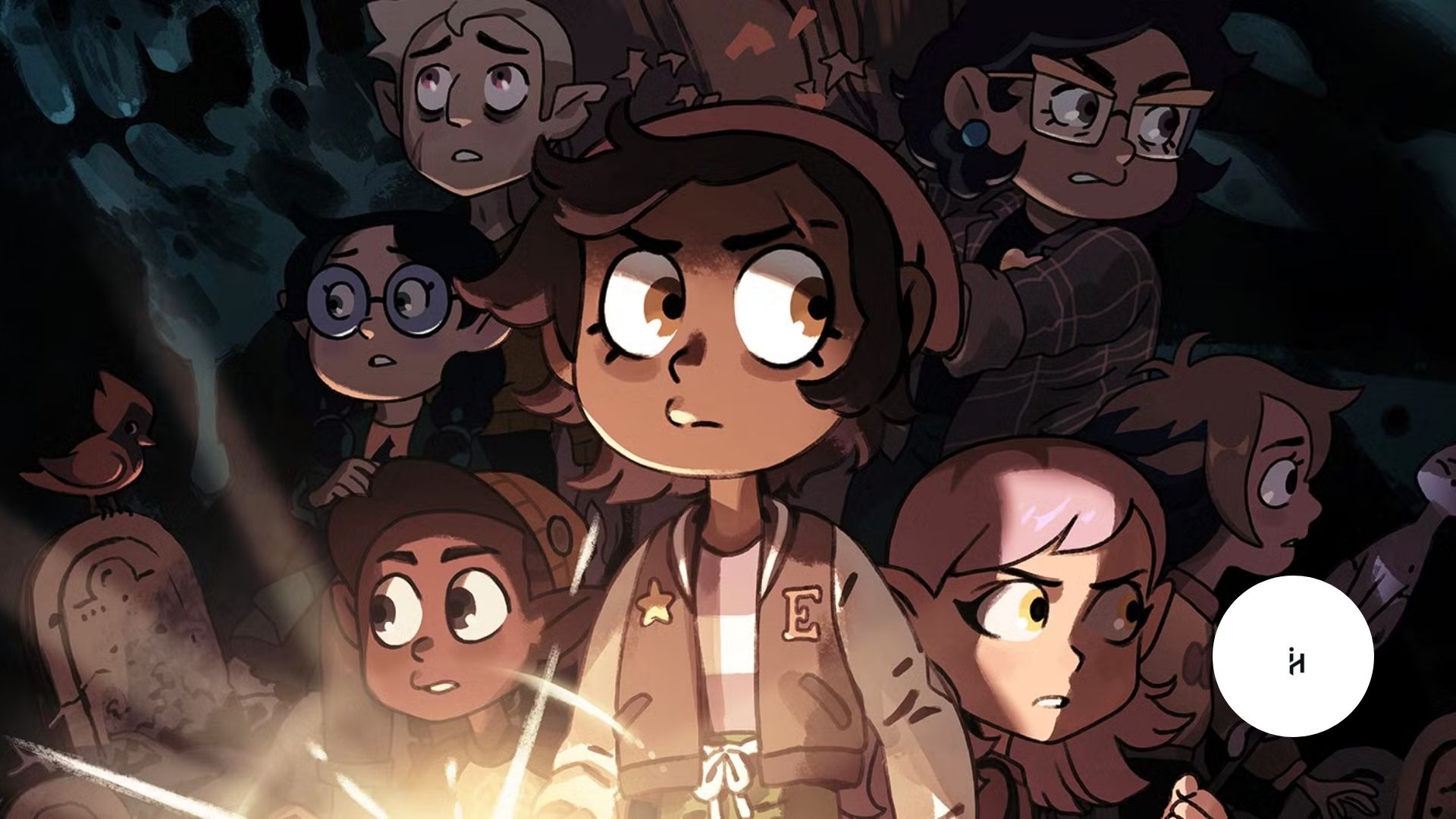
“The Owl House Season 3” has captivated fans with its bold storytelling, rich animation, and emotionally resonant themes. Premiering in 2022, the final season wrapped up Luz’s enchanting journey in the Boiling Isles. Despite being shortened to just three episodes, this season left a deep impact on its fanbase. From complex character arcs to a heartwarming finale, The Owl House Season 3 stands as a triumphant conclusion to a groundbreaking animated series. In this blog, we’ll explore every critical aspect of the third season in detail.

A Shortened Finale: Why Season 3 Has Only 3 Episodes

The Owl House Season 3 surprised fans with its limited format. Unlike Seasons 1 and 2, which featured full-length episodes across multiple weeks, Season 3 was restricted to just three 44-minute specials. Disney Channel made this decision despite the show’s growing popularity, citing scheduling and branding reasons. This left many fans feeling disappointed, but creator Dana Terrace made sure to deliver a powerful story within these constraints.

The Owl House Season 3

Each episode is packed with action, emotion, and character development. Instead of traditional pacing, the story moves rapidly but effectively. The limited episode count demanded a tight narrative arc, leading to intense scenes and quick resolutions. Dana Terrace herself mentioned on social media how hard the team worked to give the story a worthy conclusion.

Despite the shortened format, Season 3 retains the show’s signature wit, diversity, and magical world-building. It also gave the creators an opportunity to experiment with a slightly different structure—more cinematic in tone—while still holding true to the characters fans have grown to love.

Luz’s Return to the Human Realm and Her Struggles

At the end of Season 2, Luz and her friends were forced to flee to the human realm. The Owl House Season 3 opens with Luz struggling to adjust to life away from the Boiling Isles. Her sense of guilt over failing to stop Belos haunts her. Luz’s journey this season is more personal than ever. She battles self-doubt, guilt, and the fear that she might never return to her magical home.

One of the strongest elements of Season 3 is its emotional depth. Luz’s relationship with her mother Camila deepens as they both learn to accept each other’s truths. Camila’s eventual acceptance of Luz’s identity and her magical aspirations is a moving subplot that showcases the show’s progressive storytelling.

Through flashbacks and emotional dialogue, viewers are shown how Luz tries to maintain hope while navigating high school and missing her friends. These moments are essential in connecting the human and magical worlds and provide a broader view of Luz’s personality outside the Boiling Isles.

The Emotional Growth of Amity, Willow, and Gus

The Owl House Season 3 does justice not only to Luz but also to her closest allies. Amity, Willow, and Gus experience significant emotional development. Amity continues to evolve as Luz’s partner and shows more vulnerability than ever before. Her relationship with Luz (Lumity) becomes more central and is treated with respect and tenderness.

Willow’s leadership skills shine, especially in stressful situations. She moves beyond her insecurities and becomes a more confident, grounded character. Gus matures too, offering wisdom beyond his years, especially when the group faces threats both in the human and magical realms.

This season, the group dynamic is incredibly strong. Each member plays a crucial role in battles and decisions. Their trust in each other becomes the foundation of their survival and success. It’s clear that the show values friendship as a central theme—one that fans of all ages can relate to.

Belos Returns: A New Level of Evil

Season 3 brings back Emperor Belos in a terrifying new form. Now a parasitic entity capable of controlling and infecting other beings, Belos is more dangerous than ever. He manipulates Hunter’s mind and later tries to infect the heart of the Titan itself.

Belos’ return adds tension and urgency to the storyline. Despite his weakened state, his desire to cleanse the Boiling Isles of “impurity” remains. His scenes are visually disturbing and emotionally intense, especially when he confronts Luz and her friends.

His defeat becomes symbolic of rejecting colonialist and purist ideologies—an underlying theme throughout the series. Belos represents fear, ignorance, and control, while Luz and her friends symbolize understanding, acceptance, and growth. The final confrontation between Luz and Belos in the last episode is one of the most powerful in the show’s history.

The Owl House Season 3

Hunter’s Identity Crisis and Redemption

One of the standout storylines in The Owl House Season 3 is Hunter’s internal struggle. Having discovered in Season 2 that he is a Grimwalker—a clone created by Belos—Hunter spends Season 3 wrestling with his identity. After escaping to the human realm, he tries to blend in but is plagued by nightmares and self-doubt.

Hunter’s bond with Flapjack, his palisman, is deeply touching. Flapjack’s sacrifice in Episode 2 is one of the most emotional moments in the series. It marks a turning point for Hunter, who finally accepts who he is—not what he was created to be.

His journey from a loyal servant of Belos to an independent, self-aware young man is portrayed with nuance. Season 3 gives him space to grow, mourn, and eventually find peace among friends who accept him unconditionally. His arc is a beautiful example of redemption done right.

Camila’s Role as a Supportive Mother

Camila Noceda’s role in The Owl House Season 3 is one of the most heartwarming. Initially confused and scared for her daughter, she grows into one of Luz’s biggest supporters. Camila’s transformation reflects the show’s core message about love, understanding, and growth.

In the human realm, she provides shelter to Luz and her friends, trying her best to understand their magical lives. She even participates in their plans to return to the Boiling Isles. Her own flashbacks show her struggles as a single parent, making her character more relatable and grounded.

Camila’s speech to Luz in Episode 2, where she apologizes for trying to change her, is one of the show’s most memorable moments. It’s a shining example of how parents can learn and grow too. Her journey is emotional and necessary, adding depth to an already rich narrative.

Titan Magic and the Final Battle

The final episode of The Owl House Season 3 explores Titan magic in great detail. Luz inherits the powers of the Titan, transforming her into a celestial figure capable of confronting Belos. The visual design during this climax is breathtaking, filled with glowing glyphs, energy surges, and symbolic imagery.

The Titan, revealed to have been a father watching over King all along, gives Luz the strength she needs to save the Boiling Isles. The battle is epic but emotional. It’s not just about defeating evil—it’s about protecting love, family, and identity.

This magical showdown is more than just spectacle. It marks the culmination of Luz’s journey from a curious human girl to a true guardian of a magical world. The use of Titan magic ties back to Season 1 and completes the circle in a satisfying way.

King’s Maturity and Sacrifices

The Owl House Season 3

King, the adorable yet powerful demon, shows incredible maturity in Season 3. Though he started off as a comedic sidekick, his evolution into a protector and prince of the Titan is complete. His emotional strength helps Luz and the others stay grounded.

The scenes between King and his father (the Titan) are especially moving. We see a child seeking connection with a lost parent, mirroring Luz’s own story. His decision to help Luz by encouraging her to accept Titan magic is selfless and brave.

King’s transformation from a lonely “king of demons” to a wise and loving friend adds emotional weight to the series. His love for Luz and his home gives him a new purpose, and he plays a vital role in the final battle.

The Ending: A Bittersweet Goodbye

The Owl House Season 3 concludes with a time skip that shows the characters years after the final battle. Luz attends a magical university, Amity becomes a scholar, and the Boiling Isles flourish in peace. It’s a beautiful but bittersweet farewell.

The ending doesn’t feel rushed—it’s earned. We see every major character find their place in the world. There’s closure, growth, and a sense of hope for the future. Luz finally accepts herself fully and embraces her dual identity as both human and witch.

The epilogue is filled with emotional moments, such as rebuilt friendships, matured characters, and lasting love. It honors the fans who followed this journey from the beginning and delivers a farewell that resonates deeply.

Representation and LGBTQ+ Themes

The Owl House Season 3 continues the show’s legacy of strong representation. Luz and Amity’s relationship is shown with care and respect. It’s not tokenized; it’s central to the story. Other LGBTQ+ characters and diverse identities are also explored, reflecting the real world in a magical setting.

Representation matters, and The Owl House breaks new ground by being one of the few animated series to openly showcase queer relationships, nonbinary characters (like Raine), and cultural inclusivity. These elements are not just background—they are essential to the plot.

By staying true to its message, The Owl House Season 3 becomes a beacon for inclusive storytelling. It sets a new standard for animated shows and proves that fantasy and reality can blend in powerful, meaningful ways.

The Legacy of The Owl House

The Owl House may be over, but its impact is everlasting. Season 3 solidified its place as one of the most daring, inclusive, and heartfelt animated shows of its time. It challenged industry norms, built a devoted fanbase, and told a story that will be remembered for years.

Fans continue to create art, stories, and discussions about the show. Its influence reaches beyond the screen, inspiring young creators, queer youth, and animation lovers everywhere. Dana Terrace and her team have left a legacy that proves animation is not just for kids—it’s for anyone who believes in magic, love, and change.

FF16 Muddy Mudder Location

0
FF16 Muddy Mudder Location

Final Fantasy 16 (FF16) is packed with side quests and powerful enemies called Notorious Marks. One of these challenging foes is Muddy Mudder, a Rank B Notorious Mark. Many players struggle to locate this elusive beast, which is why we’ve crafted this comprehensive blog just for you. In this guide, you’ll learn everything about the FF16 Muddy Mudder location, including how to unlock the hunt, where to find it, and how to defeat it efficiently. Whether you’re a completionist or looking to gain valuable resources and XP, this guide has got you covered.

What is Muddy Mudder in FF16?

FF16 Muddy Mudder Location

Muddy Mudder is a powerful Notorious Mark in Final Fantasy 16. This creature is ranked B-level, which makes it moderately challenging, especially for mid-level players. It resembles a swampy, heavily armored beast and is known for its strong physical attacks and mud-based area damage.

The Muddy Mudder isn’t just another enemy—it’s a hunt listed on the Hunt Board in the Hideaway. You’ll need to unlock it and track it using in-game clues. Locating and defeating Muddy Mudder is essential if you want to complete your hunts list and gain valuable resources.

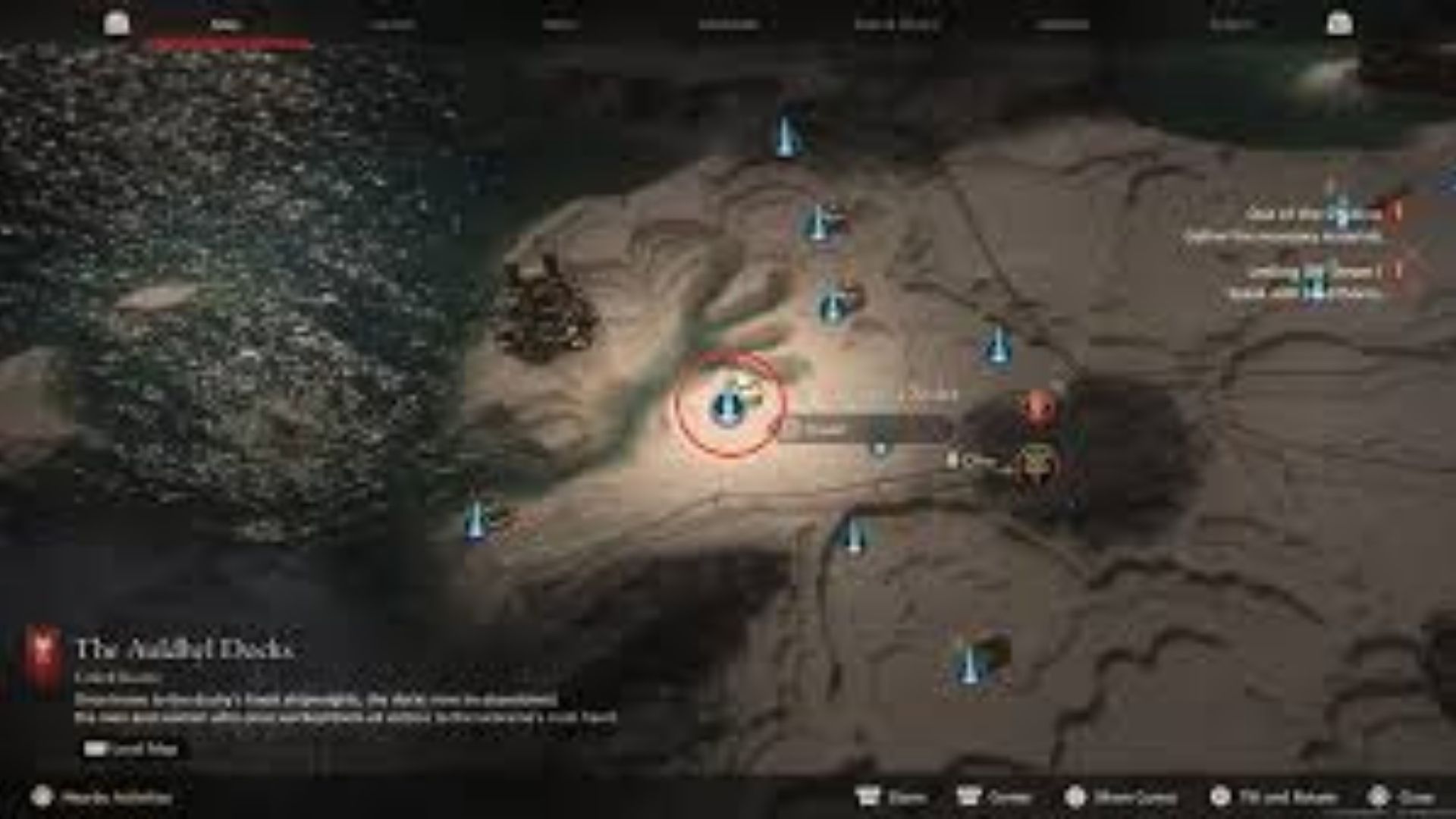
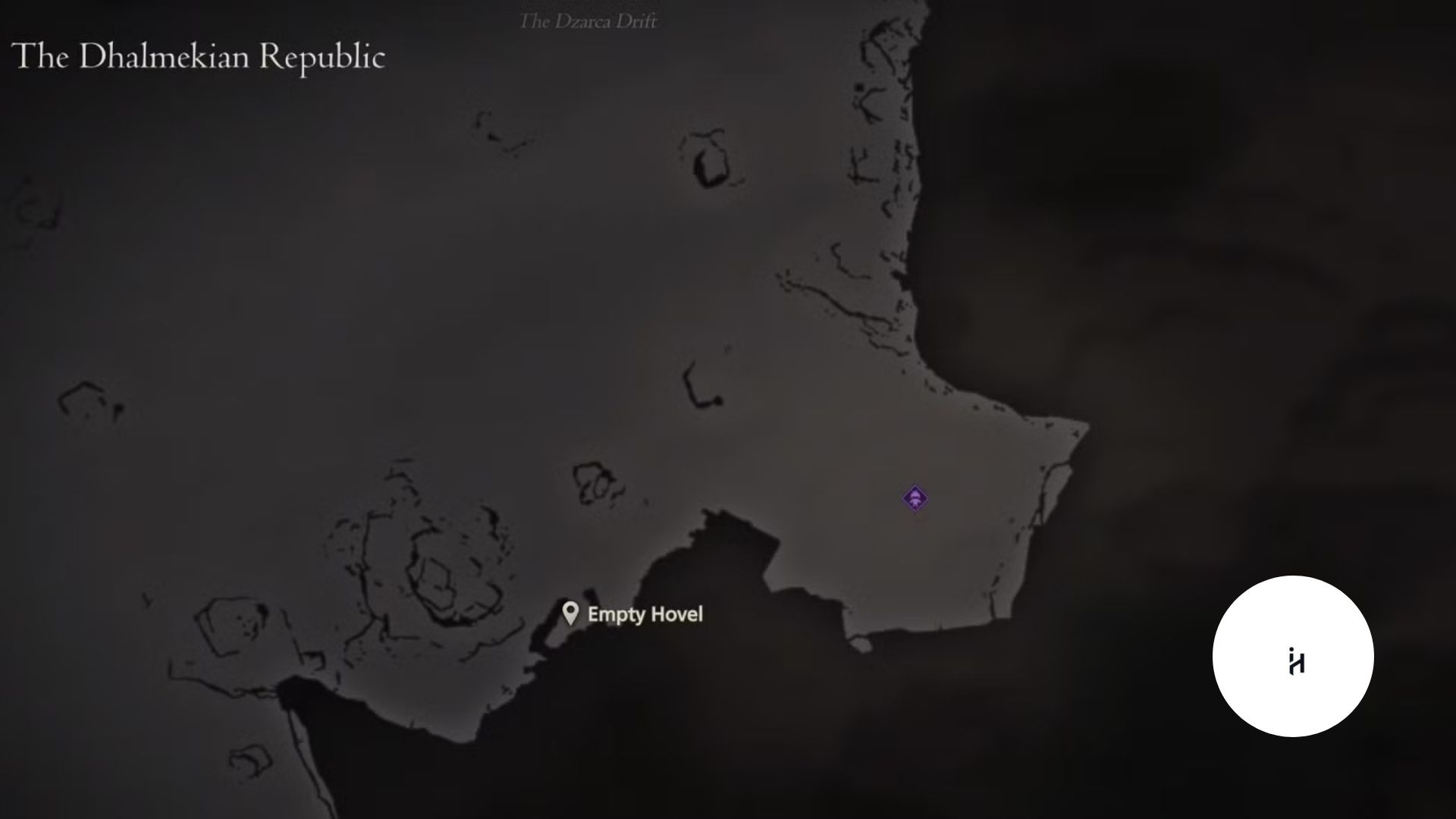
The FF16 Muddy Mudder location isn’t immediately visible on your map, so you’ll have to explore a bit before you can engage it in battle. This blog will break down every step of the process for you.

When Does the Muddy Mudder Hunt Become Available?

The Muddy Mudder Hunt becomes available after completing the main story mission called “Out of the Shadow.” Once you’ve cleared this quest, return to the Hunt Board inside Cid’s Hideaway. You’ll find that new hunts have appeared, including the one for Muddy Mudder.

You’ll know the hunt is available when you see a Rank B mark for “Muddy Mudder” listed with a brief description and no location pinpointed—just a clue. This lack of exact coordinates makes it a mystery, which is why this guide to the FF16 Muddy Mudder location is essential.

Make sure to level up your character and prepare strong gear before heading out.

Clue from the Hunt Board – Decoding the Hint

The Hunt Board provides a cryptic clue about the FF16 Muddy Mudder location. The description mentions the beast “lurking in the swamps of Rosaria,” which refers to the southern region of the game’s early areas.

Here’s what you’ll find in the description:

“A foul beast hides in the wet wilds, covered in muck and slime.”

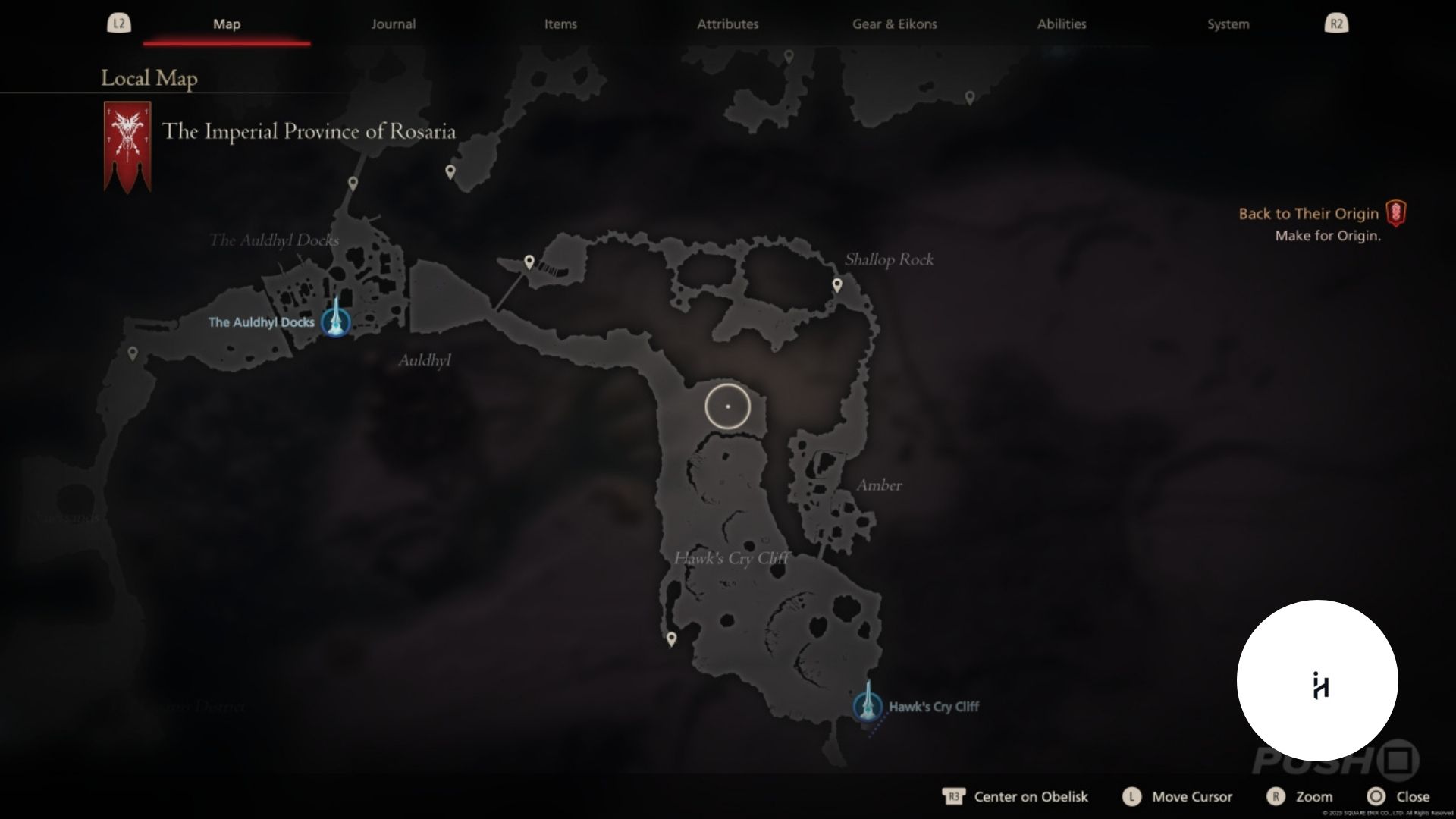
This clue leads you to Rosaria, particularly the Gilded Path and Hawk’s Cry Cliff area. Understanding this clue is essential to narrowing down the search.

How to Reach the Muddy Mudder Location

To reach the FF16 Muddy Mudder location, you’ll need to fast travel to Three Reeds Obelisk in Rosaria. From there, head southwest toward the Sorrowise region.

Follow these steps:

  1. Use fast travel to Three Reeds.

  2. Travel on foot or Chocobo toward Sorrowise.

  3. Keep an eye out for a muddy, swamp-like area.

  4. Eventually, you’ll trigger a cutscene or encounter marker that spawns Muddy Mudder.

The beast usually spawns in the middle of a swamp area, where the terrain is muddy and visibility is low.

Environment of the Muddy Mudder Battle

FF16 Muddy Mudder Location

The battle environment plays a crucial role in your strategy. The FF16 Muddy Mudder location is in a wetland/swamp, which means:

  • Limited mobility

  • Reduced dodge effectiveness

  • Enemies may blend with the environment

You should avoid using fire-based spells unless enhanced, as the watery setting may reduce their effect. This adds a level of realism and difficulty to the battle, making it all the more immersive.

Knowing the environment helps you plan the right Eikons and gear.

Muddy Mudder Attack Patterns

The Muddy Mudder in FF16 uses the following attacks:

  • Mud Splash: An AoE attack that slows and damages

  • Body Slam: High physical damage, knocks Clive down

  • Muck Missile: Ranged mud projectile

  • Quake Slam: Area quake that knocks everything around

The key to defeating Muddy Mudder lies in dodging and countering. Equip Eikons like Garuda for quick slashes and Phoenix for healing abilities.

Once you’ve seen each move once, they become predictable. Dodge timing is essential here.

Best Strategy to Defeat Muddy Mudder

To defeat the Muddy Mudder at its location, use this approach:

  • Equip Phoenix for healing and mobility.

  • Use Garuda’s Gouge to break its stagger bar.

  • Save Limit Break for when it’s stunned.

  • Dodge early and don’t stay in the mud pools.

Patience is key. Don’t rush. Once it’s staggered, unleash everything you have.

This strategy works for players level 35 and above. Lower-level players may struggle and should return later.

Rewards for Defeating Muddy Mudder

Defeating Muddy Mudder at its exact location rewards you with:

  • XP and Gil

  • Ability Points (AP)

  • Crafting materials like Bloody Hide

  • Trophy or achievement if collecting all Notorious Marks

These rewards help you upgrade your gear and unlock higher-tier hunts. If you’re aiming to max out Clive’s abilities, this is an essential battle.

Make sure to use the loot wisely and revisit the Hideaway for upgrades.

Replaying the Battle – Can You?

FF16 Muddy Mudder Location

Unfortunately, you cannot replay the exact same Muddy Mudder battle after it’s been defeated. However, if you missed collecting items, you may still revisit the area for minor enemies and loot.

If you want to battle it again, your only option is New Game+. In that mode, you keep your gear and progress, and enemies are stronger, offering a more intense challenge.

Common Mistakes to Avoid

While searching for the FF16 Muddy Mudder location, many players make these mistakes:

  • Searching too early before the hunt is unlocked

  • Ignoring the environmental hazard

  • Not bringing a proper healing Eikon

  • Fighting without checking enemy attack patterns

To avoid these, always:

  • Confirm that the hunt is on the board

  • Prepare by checking your level and gear

  • Bring potions and ranged attacks

Learning from these mistakes will save time and frustration.

Final Thoughts – Is Muddy Mudder Worth the Hunt?

Absolutely! The Muddy Mudder is a well-designed battle that tests your understanding of the combat system and map exploration. Finding the FF16 Muddy Mudder location is a rewarding experience, especially for those who enjoy challenges.

Beyond the fight, the lore and rewards tie beautifully into the overall FF16 narrative. Plus, checking off each Notorious Mark brings a sense of completion.