Home Blog Page 391

Eunice Winstead: Life, Controversy & Child Marriage Case

0
Eunice Winstead

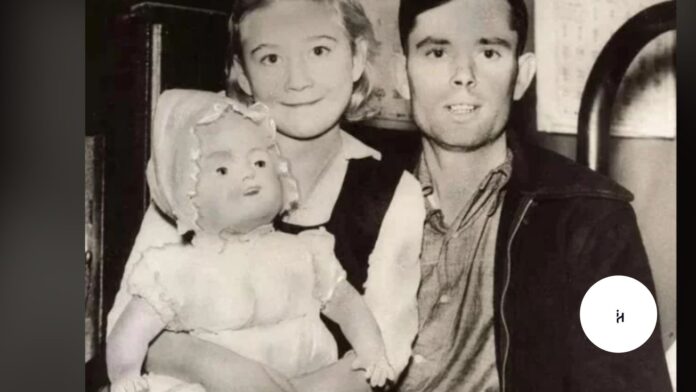
The story of Eunice Winstead is one of the most controversial and eye-opening tales in American history. At just nine years old, she became the subject of national headlines after entering into a legally permitted yet morally shocking marriage with a 22-year-old man.

Her case exposed the flaws in child marriage laws and sparked a wave of legal reform across the country. Today, Eunice Winstead is remembered not just as a child bride, but as a historical figure who unintentionally shaped the fight for stronger child protection laws in the United States. Her legacy continues to echo through history.

Who Was Eunice Winstead? A Glimpse into Her Life

Eunice Winstead

Eunice Winstead was a young girl from Tennessee who became historically known due to her involvement in a controversial child marriage case. Born into a rural setting, Eunice Winstead lived an ordinary life until her early marriage made national headlines. Her story triggered debates about child marriage laws in the United States.

The name Eunice Winstead became synonymous with early marriage and its legal implications. Her case was not just about love or family—it became a turning point in legal history. Eunice Winstead remains a symbolic figure when it comes to advocating for stricter age-of-consent laws in the U.S.

The Shocking Truth Behind Eunice Winstead’s Marriage

The life of Eunice Winstead changed forever in 1937 when she was married at the age of just 9 years old to Charlie Johns, a 22-year-old man. This shocking incident quickly drew public attention. At the time, there were no strong legal frameworks preventing such unions.

The marriage of Eunice Winstead sparked outrage and confusion across the nation. It became a disturbing example of how child rights were often ignored in favor of outdated customs. Today, her case is studied in law and sociology courses to highlight the dangers of child marriage.

How the Public Reacted to Eunice Winstead’s Wedding

The American public was shocked when news broke of Eunice Winstead marrying at age nine. The story was front-page material in newspapers nationwide. Many criticized the lax laws that permitted such a union. Child welfare organizations, educators, and church leaders strongly condemned the event.

The public outcry was immediate and widespread, forcing lawmakers to re-evaluate child protection laws. Eunice Winstead, though just a child herself, became a national figure in the fight against child marriage. Her story was more than just scandalous—it was a wake-up call for the nation.

Legal Loopholes That Enabled Eunice Winstead’s Marriage

At the time of Eunice Winstead’s marriage, Tennessee had no minimum age requirement for marriage if parental consent was given. This loophole allowed her union to occur legally. Child protection laws were not enforced strictly, and traditional customs often overpowered legal safeguards.

Eunice Winstead’s case exposed how the lack of clear legislation could have devastating consequences. Her marriage was technically lawful but morally unacceptable to most. After the backlash, states began to tighten regulations. Eunice Winstead’s experience became a catalyst for reform, leading to significant legal changes over the next few decades.

Eunice Winstead

The Role of Parents in Eunice Winstead’s Marriage

The involvement of parents in Eunice Winstead’s marriage shocked many. Her parents gave their consent, believing that they were ensuring a stable future for their daughter. But their decision reflected broader social and economic pressures rather than personal belief.

In rural America during the 1930s, it wasn’t unheard of for young girls to be married off early, especially in poorer communities. However, the case of Eunice Winstead brought national attention to how parental consent could override the welfare of the child. Her story made many question the limits of parental authority and the need for child-centric laws.

Media Frenzy: How Eunice Winstead Became a National Headline

The media played a major role in spreading the story of Eunice Winstead. Newspapers, radio, and even early newsreels covered the bizarre case of the child bride. Reporters traveled to Tennessee to interview the couple and locals. Eunice Winstead was featured as both a victim and a symbol of outdated traditions.

Journalists were divided—some romanticized the union, while others exposed its grim reality. The nationwide coverage helped push the conversation about child marriage into the spotlight. Thanks to this media storm, Eunice Winstead’s case could no longer be ignored by lawmakers and citizens alike.

Eunice Winstead’s Life After the Marriage Scandal

After the media attention died down, Eunice Winstead continued to live with Charlie Johns. Over time, their life reportedly normalized, and they had children together. However, her early years had already shaped a controversial legacy. Eunice Winstead seldom spoke about her past in public, choosing privacy over public scrutiny.

While she may have lived a quiet life, her name never disappeared from legal textbooks and academic discussions. Eunice Winstead’s story is often cited as a tragic yet powerful example of how societal norms can harm children when laws fail to protect them.

Did Eunice Winstead Ever Speak Out?

In later years, there were a few documented interviews where Eunice Winstead expressed that she felt safe and happy, but her tone remained passive. Some interpret this as coping, while others believe it’s a genuine reflection. Her voice, however, was largely missing from mainstream discussions.

Most narratives about Eunice Winstead came from the media, academics, or legal analysts. The lack of firsthand accounts raises questions about her personal feelings and how much agency she truly had. Even if she never became an activist, Eunice Winstead’s story served as a powerful message to millions across the U.S.

Legacy of Eunice Winstead in U.S. Legal History

Eunice Winstead

The case of Eunice Winstead left a permanent mark on U.S. law. Though it took decades, her story became instrumental in shaping new age-of-consent and child marriage laws across various states. Organizations working to end child marriage often cite her case as one of the earliest, most publicized incidents that showcased legal loopholes.

Eunice Winstead’s story taught lawmakers and the public that even when something is legal, it isn’t necessarily just. Her legacy lives on, not through activism, but as a cautionary tale that continues to inspire reforms aimed at protecting children.

How Eunice Winstead Influences Today’s Activists

Modern child rights activists often reference Eunice Winstead when arguing for stricter laws against child marriage. Her story is a stark reminder that legal permission does not equal ethical acceptance. Organizations like UNICEF, Human Rights Watch, and Girls Not Brides use similar real-life examples to showcase the dangers young girls face globally.

In academic and legal spheres, Eunice Winstead is still discussed to understand the evolution of child protection in the U.S. Her unfortunate marriage gave birth to decades of advocacy. Eunice Winstead, unknowingly, became a beacon of change for generations.

Final Thoughts on Eunice Winstead’s Impact

Eunice Winstead’s story is one of tragedy, controversy, and change. While her childhood was interrupted by a controversial marriage, her experience ignited a much-needed conversation. Her name became a rallying cry for reformers who wanted to protect children from outdated laws.

Today, Eunice Winstead is remembered not just for her circumstances but for the broader impact her case had on U.S. society. Whether seen as a victim or a symbol of change, Eunice Winstead’s life remains relevant in the ongoing battle against child marriage. Her legacy continues to influence how society defines childhood and legal responsibility.
Ättestupa – The Grim Ritual of Elder Sacrifice in Norse Lore

0
Ättestupa

Ättestupa is an old Scandinavian term associated with a controversial and dark legend from Viking history. The word ättestupa refers to steep cliffs where elderly individuals were supposedly expected to sacrifice themselves for the good of their families. While some view this as myth, the concept of ättestupa has sparked debate for centuries.

This ritual allegedly helped reduce the burden of feeding unproductive members in harsh times. Today, ättestupa is often seen as a symbol of ancient cultural beliefs. Whether historical truth or exaggerated folklore, ättestupa remains a captivating and chilling element of Norse heritage.

Origins of the Ättestupa Legend

Ättestupa

The legend of ättestupa originates from ancient Norse culture, specifically from Sweden and Iceland. The term ättestupa literally means “family precipice.” It is believed that during times of famine, elders would willingly end their lives by jumping from these cliffs.

While some historians argue that ättestupa may be mythologized, references in old sagas and oral tradition keep the legend alive. Ättestupa supposedly showed respect for communal survival over individual life. Despite the limited archaeological evidence, the powerful narrative of ättestupa offers a glimpse into the difficult decisions faced in pre-modern societies.

Cultural Context Behind Ättestupa Practices

To understand ättestupa, one must delve into the harsh realities of ancient Nordic life. In the past, communities often faced brutal winters, food shortages, and disease. In this environment, ättestupa was seen as a grim but necessary act. Elders who could no longer contribute may have believed in sacrificing themselves for the greater good.

Though disturbing by modern standards, the idea of ättestupa reflected a collective survival mentality. Whether myth or reality, ättestupa became embedded in Scandinavian folklore, symbolizing self-sacrifice, dignity, and the painful choices required in desperate times.

Historical Evidence of Ättestupa

Historians have long debated whether ättestupa was a real practice or just a legendary tale. While there is little concrete archaeological proof, references to ättestupa appear in sagas and medieval texts. Some cliffs in Sweden are even labeled ättestupa on modern maps, though they may not have been actual death sites.

The absence of physical remains or written laws enforcing ättestupa has led many scholars to dismiss it as folklore. Still, the recurring stories suggest that the idea of ättestupa held symbolic power in Norse society, influencing moral and cultural values for generations.

Ättestupa in Literature and Folklore

The concept of ättestupa frequently appears in Nordic literature and oral stories. Many ancient sagas speak of old men leaping off cliffs to avoid burdening their kin. Folktales kept the ättestupa legend alive through centuries, often dramatizing the elderly’s heroic or tragic last acts.

These stories served to instill values of honor, sacrifice, and family duty. Even if ättestupa was not literally practiced, its role in storytelling gave it lasting influence. The continued retelling of ättestupa tales helped preserve a collective identity rooted in hardship and the perceived nobility of selfless decisions.

Ättestupa

The Symbolism Behind Ättestupa

Symbolically, ättestupa represents the ultimate sacrifice—giving up one’s life for the good of the group. The cliffs associated with ättestupa have come to signify the stark line between survival and death. These acts were seen not as suicide, but as honorable choices made out of love and responsibility.

Ättestupa reflected deep respect for family welfare over personal comfort. In modern times, ättestupa is also used as a metaphor in discussions about aging, social care, and euthanasia. The emotional weight of ättestupa continues to provoke thought about morality, aging, and collective well-being.

Locations Associated with Ättestupa

Several cliffs across Sweden are associated with ättestupa, particularly in regions like Västergötland and Dalsland. Some of these places even carry the name ättestupa, strengthening the belief in their historical significance. These towering cliffs offer a dramatic and eerie setting, reinforcing the legend.

Tourists and locals alike are drawn to these spots, often unaware of the grim tales behind them. While there’s no proof that people actually jumped, the locations remain tied to ättestupa lore. Whether sites of real events or symbolic storytelling, these places carry the haunting essence of ättestupa in Nordic memory.

Modern Interpretations of Ättestupa

Today, ättestupa is largely viewed through a critical and symbolic lens. Many scholars dismiss it as exaggerated myth, while others see it as metaphor for generational struggles. Some artists and filmmakers have revived ättestupa themes to comment on elder neglect, assisted death, or societal abandonment.

Modern interpretations of ättestupa often highlight the emotional and ethical implications rather than historical accuracy. The term is also occasionally used in satire or political discussions, usually to criticize societal systems that fail the elderly. Ättestupa remains a compelling subject, inviting reflection on human dignity and communal ethics.

Ättestupa in Popular Culture

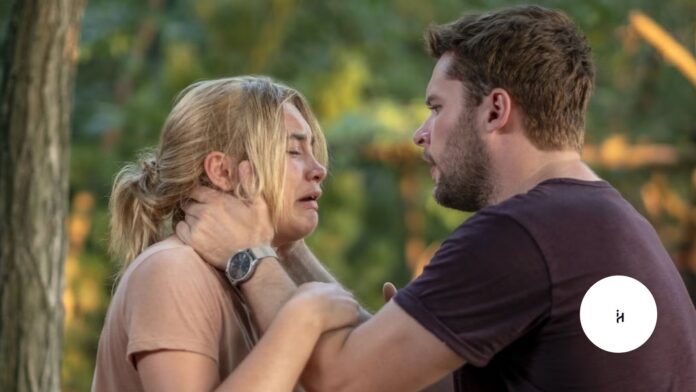
Ättestupa has influenced modern media, including films, books, and TV shows. One notable example is the horror film Midsommar (2019), where a fictionalized version of ättestupa is portrayed. This scene shocked global audiences and revived interest in the ancient legend.

Pop culture often amplifies the darker side of ättestupa, emphasizing the horror and emotional gravity of such a ritual. While not historically verified, ättestupa offers rich creative material for exploring themes like sacrifice, cultural identity, and moral dilemmas. Its presence in modern storytelling keeps the haunting legend of ättestupa alive for new generations.

Ethical Questions Raised by Ättestupa

Ättestupa

The story of ättestupa raises ethical dilemmas about aging, worth, and autonomy. Is it ever justifiable for someone to end their life for the sake of others? Though the idea of ättestupa is rooted in extreme survival conditions, it prompts difficult conversations in today’s society.

Topics such as elder care, euthanasia, and generational obligations are mirrored in the ättestupa legend. It forces reflection on how modern societies value their aging populations. While the literal practice of ättestupa is debated, its ethical implications continue to influence discourse on human rights, dignity, and societal responsibility.

Comparing Ättestupa to Other Cultural Rituals

Though ättestupa is unique to Scandinavian folklore, similar concepts appear in other cultures. In Japan, the practice of ubasute told of elders being left on mountains to die. These rituals, whether myth or truth, share a common thread: the struggle between individual life and community survival.

By comparing ättestupa to global traditions, we gain insight into how different societies historically addressed aging and scarcity. These comparisons suggest that ättestupa was not an isolated concept, but part of a broader human experience. Understanding ättestupa helps contextualize our shared moral and survival challenges.

The Lasting Legacy of Ättestupa

Despite uncertain historical facts, ättestupa has cemented itself in cultural consciousness. The legend remains a subject of fascination, symbolizing themes of sacrifice, aging, and the harshness of survival. It serves as a cautionary tale and moral reflection, reminding us how societies evolve in their care for the vulnerable.

As we face modern challenges related to population aging and social systems, the ättestupa legend takes on new relevance. Whether fact or fiction, ättestupa continues to provoke deep thought and emotional reactions, showing how powerful ancient stories can remain across time and generations.

Inside the Shocking Life of the Most Inbred Family

0
Most Inbred Family

The story of the most inbred family has fascinated and disturbed people across the globe. This phenomenon reveals the impact of extreme isolation and genetic repetition over generations. One family, in particular—the Whitaker family of West Virginia—has captured attention with their isolated lifestyle and unusual genetic traits.

In this blog, we explore their history, behaviors, and the tragic outcomes of extreme inbreeding. The term most inbred family is not just a label; it represents a complex mix of social, psychological, and genetic factors that need understanding. Let’s dive into this disturbing yet intriguing world.

Who Are the Whitakers of West Virginia?

Most Inbred Family

The most inbred family is widely believed to be the Whitakers, living in the rural town of Odd, West Virginia. The family gained public attention when filmmaker Mark Laita documented their lives. The Whitakers live in extreme poverty and isolation, far removed from mainstream society.

Their family tree shows significant inbreeding over generations. Many members communicate with grunts or hand signals due to severe mental and physical disabilities. The Whitakers’ story shines a light on what happens when a family remains genetically closed off for generations—making them arguably the most inbred family in the modern world.

How Did the Inbreeding Begin?

Inbreeding among the Whitakers reportedly started generations ago, largely due to geographic and social isolation. Living in a remote area with limited access to outsiders, the family began marrying within their own bloodline. Over time, siblings, cousins, and even closer relatives became parents to the next generation.

This closed genetic loop resulted in numerous health complications. The most inbred family didn’t start this path intentionally; it was born out of necessity, ignorance, and isolation. Their story emphasizes how lack of education and social contact can lead to severe long-term consequences, eventually creating the most inbred family as known today.

The Role of Isolation in Inbreeding

The most inbred family didn’t just form because of personal choices—it was heavily influenced by isolation. The Whitakers lived far from schools, cities, or healthcare, making it difficult to find non-relatives to marry or reproduce with. In such environments, people often rely on the few individuals nearby—who may also be family.

Over generations, this creates a dangerous genetic pattern. Isolation not only limits social contact but also discourages outsiders from integrating. The most inbred family is a tragic example of how isolation leads to both genetic and societal problems, showing the long-term damage it can cause.

Physical and Mental Health Issues Observed

In the most inbred family, physical and mental disabilities are highly prevalent. Many members of the Whitaker family cannot speak and instead use grunts or gestures. Some have visible deformities, cognitive delays, and severe health issues. These are classic signs of genetic mutations that result from repeated inbreeding.

When close relatives reproduce, harmful recessive genes are more likely to combine, causing rare disorders. The Whitakers face lifelong struggles due to these issues. Understanding the Whitakers helps shed light on why inbreeding can have such dire health effects, making them a textbook example of the most inbred family in recent times.

Most Inbred Family

Media Exposure and Public Reactions

The most inbred family came into the spotlight after a documentary by Mark Laita titled Soft White Underbelly. The video featured raw, unfiltered interviews with the Whitaker family. It drew millions of views on YouTube, evoking a mix of sympathy, shock, and curiosity. While some viewers were empathetic, others expressed horror.

The documentary brought attention to a community many didn’t know existed. Despite the controversy, it helped raise awareness about inbreeding and poverty in isolated American communities. This media exposure has permanently linked the Whitakers with the title of the most inbred family, whether rightly or wrongly.

Genetic Science Behind Inbreeding

From a genetic standpoint, the most inbred family offers a grim case study. Inbreeding increases the likelihood of recessive gene expression, leading to disorders like microcephaly, developmental delays, and speech impairments. Scientists often refer to such cases to explain the consequences of reduced genetic diversity.

When gene pools become too small, harmful mutations can’t be “diluted out” by fresh DNA. This scientific explanation supports the visible symptoms seen in the most inbred family, proving that the more genetically closed a family becomes, the higher the risk of inherited disease. It’s a tragic intersection of biology and circumstance.

Life in Odd, West Virginia

The town of Odd, West Virginia, is home to the most inbred family and offers little in terms of modern development or opportunity. With no major industries or educational facilities nearby, families like the Whitakers grow up with minimal exposure to the outside world.

Odd’s geography contributes to its isolation—dense woods, poor infrastructure, and few visitors. The locals are tight-knit, which has its benefits, but also increases the risk of inter-family marriages. The environment is a key factor that allowed the most inbred family to emerge and continue this pattern for generations, unchecked and unnoticed by the outside world.

Ethical Questions and Filmmaker Criticism

While documenting the most inbred family, Mark Laita received backlash for allegedly exploiting the Whitakers’ condition. Some critics argue that showcasing their disabilities without proper support is unethical. Others believe the exposure brought much-needed attention to their struggles.

It raises serious ethical questions: Should such vulnerable individuals be filmed? Are they capable of giving informed consent? The debate continues, but one thing is certain—publicizing the most inbred family walks a fine line between education and exploitation. It’s essential to approach such topics with empathy, respect, and a commitment to protecting the dignity of those involved.

Government and Social Services Response

Most Inbred Family

Despite being labeled the most inbred family, the Whitakers have had very little assistance from government or social services. Their living conditions are poor, healthcare is nearly nonexistent, and education is minimal. After the documentary, some donations poured in, but systemic help was still lacking.

Their situation reflects a larger failure in rural social support networks. The case of the most inbred family should have prompted a stronger response from local authorities, but little has changed. It highlights the ongoing neglect of impoverished, rural communities that need intervention the most—not just for inbreeding issues, but for basic survival.

How Society Can Prevent Inbreeding

Preventing future cases like the most inbred family involves a mix of education, accessibility, and community support. First, public awareness about the dangers of inbreeding must be taught in schools. Second, rural communities need better access to transportation, healthcare, and education.

Third, governments should monitor isolated regions to ensure families are not trapped in generational cycles of poverty and ignorance. If the Whitakers had been reached decades earlier, the cycle might have been broken. Society has a duty to prevent future instances of the most inbred family by promoting inclusion, education, and medical support in remote areas.

Lessons Learned from the Whitakers’ Story

The tale of the most inbred family is disturbing, heartbreaking, and eye-opening. The Whitakers are not just subjects of curiosity—they are human beings who suffered due to isolation, poverty, and a lack of intervention. Their lives should remind us of the importance of outreach, education, and human compassion.

While their story may shock the world, it also holds valuable lessons. We must learn to protect vulnerable populations from similar fates. The most inbred family serves as a warning about what happens when entire communities are forgotten and allowed to suffer in silence for generations.

Veibae IRL: The Real Face Behind the Famous VTuber

0
Veibae IRL

Veibae IRL has become a hot topic among fans of VTubers and online streaming communities. Known for her mischievous personality and iconic succubus avatar, many have been curious about the real person behind the virtual character. While her digital persona gained massive popularity on Twitch and YouTube, Veibae IRL is an entirely different story.

From leaked face reveals to personal background details, fans are hungry for insight into the woman behind the screen. In this blog, we’ll take a deep dive into Veibae IRL—covering her identity, lifestyle, real-life controversies, and what sets her apart in the VTuber universe.

Who is Veibae and Why is She So Popular?

Veibae IRL

Veibae is a British VTuber known for her entertaining streams, unique voice, and provocative humor. Her succubus avatar and flirtatious energy have gained her millions of followers. But the fascination with Veibae IRL has grown just as fast. Fans want to understand the person beyond the screen—her origins, real voice, and personality.

Veibae IRL represents a curiosity in the VTuber community where fans seek authenticity in a world of fantasy. The mystery surrounding her offline identity only fuels the interest, making Veibae IRL one of the most searched VTuber-related terms online today.

The Mystery of Veibae IRL Identity

Veibae IRL has always been surrounded by mystery. Despite being active on various platforms, she rarely shares personal information. Her real name hasn’t been officially revealed, and any attempts to unmask her have stirred debates online. The desire to uncover Veibae IRL stems from fans’ need to connect with the creator behind the avatar.

While some respect her privacy, others dig deep to unveil her true background. This secrecy makes Veibae IRL even more compelling, adding layers to her digital identity and maintaining her allure as both a character and real-life individual.

Face Reveal: Did Veibae Show Her Real Face?

The most talked-about topic regarding Veibae IRL is her face reveal. A few alleged photos surfaced online, claiming to show her real appearance. While some believe these images are authentic, others argue they are either old or fake.

Veibae herself hasn’t confirmed any of the leaks, keeping the curiosity alive. The idea of a face reveal brings excitement and tension, with fans eager to put a real face to the voice. Whether confirmed or not, these discussions keep the topic of Veibae IRL trending across social media platforms and forums worldwide.

Veibae IRL Voice: Real or an Act?

One fascinating element of Veibae IRL is her voice. Her seductive tone is a signature trait of her VTuber persona. However, many fans have questioned whether it’s her real voice or just an act. Some claim to have heard her speak in a different tone during accidental audio reveals.

These moments only intensified interest in Veibae IRL. Whether she’s using a voice changer or simply performing, her voice adds another layer to the mystery. Fans continue to debate the authenticity of her vocals, making the Veibae IRL experience even more intriguing.

Where is Veibae IRL From?

Veibae IRL is believed to be from the United Kingdom. Her accent and occasional references to UK culture support this theory. However, she has never officially confirmed her location. This vague background fuels even more curiosity about Veibae IRL.

Is she British by birth or just residing there? Her anonymity allows her to maintain a boundary between her personal and professional life. While fans continue to guess and speculate, her location remains just one of the many pieces in the Veibae IRL puzzle that keeps her audience captivated and engaged.

Veibae IRL

Veibae IRL Relationship with Sodapoppin

Veibae IRL gained more media attention when she was romantically linked to Twitch streamer Sodapoppin. The duo’s chemistry on streams sparked speculation about a real-life relationship. Eventually, both confirmed their bond, taking the Veibae IRL story into a new direction.

Fans became more invested in her personal life, further blurring the lines between her VTuber identity and real self. This relationship shed more light on Veibae IRL, offering glimpses into her genuine personality and life outside the fantasy realm. Yet, she still manages to maintain an air of mystery even while in the spotlight.

Veibae IRL Before Fame

Before becoming a VTuber icon, Veibae IRL led a relatively unknown life. Rumors suggest she was active in various online communities and had interests in gaming, anime, and digital art. Some fans have unearthed old usernames and forums possibly linked to her early days.

These breadcrumbs add depth to the Veibae IRL narrative. Knowing her origins helps fans understand how she transformed into one of the most popular VTubers today. Her journey from obscurity to internet fame is an inspiring tale for aspiring creators and a core reason why Veibae IRL remains a hot topic.

Privacy and Online Identity: Veibae’s Balance

Veibae IRL showcases the delicate balance between fame and privacy. As a VTuber, she enjoys creative freedom while hiding her real-life identity. But as she grows more famous, the line becomes harder to maintain. She must constantly protect her personal data from leaks and unwanted attention.

Veibae IRL is a testament to how internet personalities navigate this complex space. By controlling what she reveals and what she withholds, Veibae maintains both intrigue and boundaries, preserving the fantasy while acknowledging there’s a real person behind the avatar.

Controversies Surrounding Veibae IRL

With fame comes controversy, and Veibae IRL is no exception. From voice authenticity debates to backlash over past statements, she’s faced criticism over the years. Some accused her of manipulating her persona, while others defended her right to privacy.

The internet’s divided reaction makes Veibae IRL a case study in digital celebrity culture. Whether it’s about her leaked photos, voice, or relationship drama, her name constantly stirs online discourse. Despite the ups and downs, Veibae IRL remains resilient, continuing to entertain her fans while maintaining a strong digital presence.

Veibae IRL

Veibae IRL Fanbase and Their Curiosity

Veibae IRL has one of the most dedicated fanbases in the VTuber world. These fans support her content while also being deeply curious about her true identity. They dissect every stream, post, and comment for hints about her personal life.

This intense loyalty plays a huge role in her success. Veibae IRL isn’t just about her avatar; it’s about the entire mystery surrounding her. Fans feel a connection with the unseen, and this emotional investment is what fuels the continued popularity of Veibae IRL in the ever-evolving landscape of online entertainment.

Final Thoughts: The Future of Veibae IRL

As Veibae continues to grow in popularity, the buzz around Veibae IRL will only get louder. Whether or not she ever fully reveals her identity, the fascination will remain. Her ability to keep fans hooked both as a character and as a person is rare.

The combination of talent, mystery, and charisma ensures that Veibae IRL will be talked about for years to come. Whether she embraces more of her real-life persona or keeps the veil of secrecy intact, Veibae IRL remains a powerful figure in digital entertainment and VTuber culture