Home Blog Page 387

Understanding the Dark Web in 2025 – Full Guide and Insights

0
Dark Web

The dark web is a hidden section of the internet that isn’t indexed by standard search engines like Google or Bing. Often misunderstood and associated with illegal activities, the dark web actually includes both legal and illegal content. Accessible only through special software such as Tor, the dark web protects users’ privacy and anonymity.

In this blog, we’ll explore how the dark web works, its dangers, myths, and how you can stay safe while navigating it. Whether you’re curious, cautious, or simply researching, this detailed guide offers everything you need to know about the dark web.

What is the Dark Web?

Dark Web

The dark web refers to a part of the internet that is not visible to traditional browsers or indexed by search engines. It requires specific software, like Tor (The Onion Router), to access. Unlike the surface web, where everyday websites live, the dark web is layered in encryption and anonymity.

While it has a reputation for being a hub of illegal trade, it also serves as a platform for whistleblowers, journalists, and those seeking privacy. Understanding the dark web helps differentiate between its legitimate and criminal uses, revealing the complexity of this digital underground world.

How the Dark Web Works

The dark web functions through a special browser like Tor that routes user data through multiple encrypted layers, hence the term “onion routing.” This process makes tracking users almost impossible, allowing both visitors and website operators to remain anonymous.

Unlike the traditional web, dark web sites use “.onion” domains, which can’t be accessed without the Tor browser. This secure network was originally developed by the U.S. Navy and is now used worldwide. Knowing how the dark web operates is crucial for understanding its potential risks, uses, and the reason for its growing popularity.

Difference Between Surface Web, Deep Web, and Dark Web

The internet is commonly divided into three layers: the surface web, deep web, and dark web. The surface web includes everything indexed by search engines—like news sites or social media. The deep web consists of unindexed content, such as academic databases or private company portals.

Finally, the dark web is a hidden segment that requires special tools for access. Although often confused with the deep web, the dark web has distinct characteristics, including anonymity and encrypted communication. Understanding these differences helps you grasp how the dark web fits into the broader digital landscape.

Legal and Illegal Uses of the Dark Web

The dark web is known for illegal activity, but it also serves legitimate purposes. Activists, whistleblowers, and journalists use it to share sensitive information without government surveillance. On the flip side, it’s also home to illicit markets dealing in drugs, stolen data, and weapons.

While browsing the dark web is not illegal in many countries, engaging in unlawful transactions is. It’s essential to recognize both sides of this network. The dark web can empower digital privacy but also harbor dangerous and illegal content depending on how it is used.

Common Myths About the Dark Web

Many myths surround the dark web, fueling fear and misinformation. One common myth is that it’s only used by criminals. In reality, many people use the dark web for privacy reasons. Another myth is that visiting the dark web is illegal, which is untrue in most countries.

It’s also often believed that the dark web is massive; however, it’s a small fraction of the overall web. Clearing up these myths can help people better understand the real purpose of the dark web and approach it with informed caution and awareness.

Dark Web

How to Access the Dark Web Safely

To access the dark web, you need the Tor browser, which allows encrypted and anonymous browsing. Before accessing it, install a reliable VPN for extra protection. Avoid clicking unknown links, downloading files, or revealing personal data.

Only visit verified “.onion” sites from trustworthy sources like the Hidden Wiki. Using strong cybersecurity practices can reduce risks while browsing. The dark web can be dangerous without proper precautions, but it can also be a valuable tool when accessed safely and responsibly with privacy-focused intent.

Dangers and Risks of the Dark Web

The dark web poses various risks, including exposure to malware, scams, and illegal content. Hackers may target users to steal information or infect devices with viruses. Fake marketplaces and phishing sites are common.

Law enforcement agencies monitor parts of the dark web, which may lead to legal trouble if users unknowingly interact with illicit services. Additionally, psychological harm may arise from stumbling upon disturbing content. Navigating the dark web without proper knowledge can lead to serious consequences. It’s essential to be cautious and take cybersecurity seriously while exploring it.

Famous Dark Web Marketplaces

Over the years, several notorious marketplaces have operated on the dark web, such as Silk Road, AlphaBay, and Dream Market. These platforms allowed users to anonymously trade illegal goods and services, from drugs to fake IDs.

Law enforcement has shut many of them down, but new ones often replace them. These markets have shaped the image of the dark web, highlighting both its risks and its resilience. Studying these cases helps understand the law enforcement efforts and how the dark web continues to evolve despite repeated crackdowns.

Who Uses the Dark Web and Why?

Users of the dark web range from privacy advocates and journalists to hackers and criminals. Activists in oppressive regimes use it to avoid censorship. Journalists use it to communicate with sources securely. On the other hand, cybercriminals exploit the anonymity for illegal trade.

Companies and governments also monitor the dark web to detect data breaches and threats. Understanding who uses the dark web gives insight into its diverse functionality, showing it’s not just a playground for crime but a tool for privacy, communication, and surveillance alike.

How Law Enforcement Tracks the Dark Web

Dark Web

Though the dark web is designed for anonymity, law enforcement has developed tools to investigate and track illegal activities. Agencies like the FBI and Europol have infiltrated marketplaces and arrested key operators. Techniques such as undercover operations, malware tracing, and blockchain analysis help identify users.

While it’s difficult, it’s not impossible to get caught on the dark web if you’re involved in criminal activities. Staying informed about how authorities track these networks shows how the dark web is under increasing scrutiny and not as untraceable as once thought.

Should You Visit the Dark Web?

Visiting the dark web is not illegal in itself, but it comes with significant risk. If you’re a journalist, researcher, or activist, it might offer value in terms of privacy and secure communication. However, casual browsing without precautions can expose you to malware or legal issues.

If you do choose to explore, use tools like Tor and a VPN, and never provide personal data. Whether or not you should visit the dark web depends on your intent, knowledge, and understanding of its benefits and dangers.

Did Ozzy Osbourne Pass Away? The Shocking Rumor Explained

0
Did Ozzy Osbourne Pass Away

Rumors about celebrity deaths spread fast, and recently, fans were left stunned asking: Did Ozzy Osbourne pass away? Known as the Prince of Darkness, Ozzy has battled health issues in recent years, but is he really gone? This blog uncovers the truth about his status and clears up any confusion.

Let’s dive deep into the facts behind the trending topic “Did Ozzy Osbourne pass away?” and understand where these rumors originated from. Is there any truth, or is it just another case of internet misinformation targeting rock legends?

Who is Ozzy Osbourne?

Did Ozzy Osbourne Pass Away

Before we tackle the question, “Did Ozzy Osbourne pass away?”, let’s first recall who he is. Ozzy Osbourne rose to fame as the lead vocalist of the legendary heavy metal band Black Sabbath. Born in Birmingham, England, he became a music icon with his distinct voice, gothic persona, and wild lifestyle.

Over decades, he built a solo career just as successful, earning global recognition. His name remains synonymous with heavy metal, and despite controversies, he continues to influence artists worldwide. That’s why the question “Did Ozzy Osbourne pass away?” caused such a massive reaction.

The Origin of the Death Rumors

So, where did the rumors start? The phrase “Did Ozzy Osbourne pass away?” trended after several misleading social media posts went viral. A few fake celebrity death reports triggered widespread panic among fans.

Some websites published clickbait articles falsely claiming Ozzy had passed. With no credible sources cited, these rumors spread like wildfire. Unfortunately, it’s not the first time Ozzy has been the subject of a death hoax. Every time the question “Did Ozzy Osbourne pass away?” appears, fans rush to verify the news—often only to discover it’s untrue.

Ozzy Osbourne’s Health Struggles

The persistent question, “Did Ozzy Osbourne pass away?”, often gains traction due to his real health concerns. In recent years, Ozzy has faced multiple medical challenges—he was diagnosed with Parkinson’s disease in 2019, had spinal surgery, and battled pneumonia.

These health scares have slowed him down but never taken away his spirit. Although he stepped back from touring, he continues to appear in interviews. His honesty about his condition may fuel speculation, but no, the answer to “Did Ozzy Osbourne pass away?” remains a definitive no.

Ozzy’s Public Appearances Prove He’s Alive

Another strong response to “Did Ozzy Osbourne pass away?” lies in his recent public appearances. Ozzy and his wife Sharon are often seen attending events, and he occasionally posts updates on social media.

Most recently, he made a virtual appearance on a podcast, discussing his new music and life. These activities prove he is still with us. So, next time you hear “Did Ozzy Osbourne pass away?”, check his official channels first. If he’s posting and talking to fans, it’s clear the rock legend is alive and kicking.

Sharon Osbourne Responds to Rumors

Did Ozzy Osbourne Pass Away

Sharon Osbourne, Ozzy’s wife and manager, has addressed death hoaxes multiple times. Whenever the question “Did Ozzy Osbourne pass away?” surfaces online, Sharon is quick to clarify the facts. She’s often expressed frustration at fake news spreading fear among their fans.

In interviews, she firmly denies any such tragic claims and reassures everyone that Ozzy is doing well, even if he’s dealing with health issues. Her public rebuttals help squash the rumors and provide peace of mind. So, trust Sharon when answering, “Did Ozzy Osbourne pass away?”—her answer is no.

How Fake News Fuels Celebrity Death Hoaxes

The digital age makes it easier than ever for misinformation to spread. The phrase “Did Ozzy Osbourne pass away?” often gains traction due to viral posts, AI-generated content, or satirical news sites.

These hoaxes prey on fans’ emotions and generate traffic by spreading panic. It’s essential to verify such news from trusted sources like BBC, CNN, or official family statements. Being a victim of multiple death rumors is not new for Ozzy or other celebrities. But in this case, the answer to “Did Ozzy Osbourne pass away?” is still no.

Fans React to the Viral Death Claims

When the rumor “Did Ozzy Osbourne pass away?” surfaced, fans flooded social media with reactions. Hashtags like #RIPOzzy and #OzzyForever trended briefly, only to be followed by relief when the truth came out.

The emotional impact highlights how beloved Ozzy remains to millions. Many fans demanded accountability from fake news sites and urged others to stop spreading unverified claims. This global outcry shows the deep connection between Ozzy and his fan base, proving once again that people take the question “Did Ozzy Osbourne pass away?” very seriously.

Ozzy’s Legacy in Rock Music

One reason the question “Did Ozzy Osbourne pass away?” hits so hard is due to his legendary status in rock. Ozzy Osbourne helped shape the genre with Black Sabbath, pioneering heavy metal music.

His solo albums like Blizzard of Ozz and Diary of a Madman remain classics. Over the years, he has inspired generations of artists with his unique voice and dark themes. His legacy extends beyond music into pop culture. That’s why even the rumor “Did Ozzy Osbourne pass away?” causes shockwaves across the world.

What Ozzy Himself Says About Death

Did Ozzy Osbourne Pass Away

Interestingly, Ozzy Osbourne has often joked about death in interviews. Addressing the rumors, he once said, “I’m not dead, just ugly!” This humor helps fans deal with questions like “Did Ozzy Osbourne pass away?” more lightly.

He’s openly talked about his mortality but remains strong-willed and mentally sharp. In recent podcasts, he’s addressed his desire to keep creating music, no matter his age. He wants to be remembered for his art, not false headlines. His resilience is proof enough that the answer to “Did Ozzy Osbourne pass away?” is no.

The Importance of Fact-Checking News

Whenever someone asks “Did Ozzy Osbourne pass away?”, it highlights the need for better fact-checking. Social media has become a breeding ground for rumors, and people often share without verifying.

Always confirm with trusted news outlets or official sources before reacting. Many celebrities like Ozzy become targets of such hoaxes because of age or illness. But spreading false news can cause unnecessary distress to fans and families. Next time you see “Did Ozzy Osbourne pass away?” trending, take a moment to check before you believe.

Final Answer: Is Ozzy Osbourne Dead?

Let’s settle this once and for all—Did Ozzy Osbourne pass away? No, he did not. The rumors are entirely false, and the rock legend is still alive. While he faces health battles, Ozzy continues to inspire fans with his strength, humor, and music.

His presence on social media, public statements by Sharon Osbourne, and recent interviews confirm his status. So, if you come across the question “Did Ozzy Osbourne pass away?”—you now have the facts. Ozzy’s still rocking, and the Prince of Darkness isn’t done just yet.

Inside the Dark World of an Inbred Family: Reality Uncovered

0
Inbred Family

The term inbred family refers to a group where close relatives reproduce within their own family, often resulting in significant genetic, mental, and physical challenges. This blog aims to shed light on what it truly means to be part of an inbred family, the causes behind such situations, and the long-term consequences.

From genetic defects to social exclusion, the inbred family dynamic is often hidden but deeply troubling. Through facts, examples, and research, we’ll uncover the truth behind this controversial topic. Keep reading to learn everything you need to know about the shocking life of an inbred family.

What Does “Inbred Family” Really Mean?

Inbred Family

An inbred family refers to a family where intermarriage or sexual relationships happen between close blood relatives, such as siblings, cousins, or parents and children. This results in a gene pool that lacks diversity. When this cycle continues over generations, the chances of inheriting recessive genetic disorders dramatically increase.

An inbred family often faces severe physical and cognitive impairments due to these repeated gene combinations. Though inbreeding occurs in various cultures and societies, it is typically considered taboo and illegal in many parts of the world due to its dangerous consequences.

The Genetic Risks of an Inbred Family

The inbred family structure significantly raises the risk of genetic diseases. Children born from close biological relatives are more likely to inherit two copies of harmful recessive genes. This can lead to severe disabilities, deformities, or even early death.

Common genetic disorders in inbred families include cystic fibrosis, hemophilia, and congenital heart defects. With each generation, the risk increases, creating a cycle of health complications. Medical experts strongly warn against inbreeding due to these inherited risks. Despite this, some isolated communities still continue the practice due to tradition or lack of awareness.

Psychological Effects on Inbred Family Members

Beyond physical issues, the inbred family often deals with severe psychological trauma. Children in such families may suffer from cognitive impairments, developmental delays, and emotional instability. These individuals might struggle with basic communication, social interaction, and emotional regulation.

Additionally, the guilt and shame associated with being from an inbred family can lead to depression and anxiety. In some cases, these families isolate themselves from society, worsening mental health outcomes. Psychological support is essential for any family or child affected by the trauma of inbreeding.

Real-Life Cases of Inbred Families Around the World

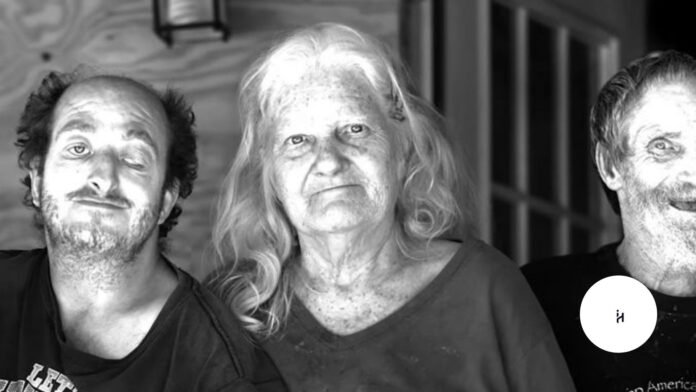
Perhaps the most infamous example of an inbred family is the Whittaker family from West Virginia. Their story gained media attention for the extreme physical and mental consequences of inbreeding.

Isolated and cut off from the modern world, the Whittakers became a shocking representation of what can happen when generations of close relatives reproduce. Cases like this are rare but serve as strong warnings. Across the globe, other smaller communities also have histories of inbreeding, often due to geographical isolation or rigid cultural practices.

Inbred Family

Social Isolation and the Inbred Family

Many members of an inbred family experience rejection or exclusion from society. This isolation can be due to visible deformities, cognitive disabilities, or simply the social taboo surrounding their family history.

Often, such families live in remote areas where they are shielded from judgment but also deprived of education, healthcare, and community support. Children born into these families may never attend school or interact with outsiders. As a result, the cycle of isolation, ignorance, and inbreeding can continue unchecked for generations.

Legal and Cultural Views on Inbred Families

The idea of an inbred family is not only frowned upon socially but is also illegal in many countries. Laws against incest exist to protect future generations from genetic harm. However, some regions and cultures still allow cousin marriages, which may fall into a legal gray area.

In parts of the Middle East, Africa, and South Asia, cousin marriages are culturally accepted and even preferred. While not always harmful, repeated inbreeding over generations increases risks. Governments and healthcare systems must work together to educate families on these dangers.

Medical Challenges Faced by Inbred Families

Doctors often face difficulties diagnosing and treating members of an inbred family due to the rarity and complexity of their health conditions. Many of these individuals suffer from multiple congenital anomalies that require lifelong care.

Some may be non-verbal, unable to walk, or have severe learning disabilities. Treatment becomes especially challenging when the family is isolated and lacks access to modern medical facilities. Early intervention, genetic counseling, and continuous care are crucial for improving the quality of life for inbred individuals.

The Role of Geography in Inbred Family Cases

Geography plays a critical role in the existence of an inbred family. In many cases, these families live in remote, rural, or mountainous areas where access to new bloodlines is limited. Isolation, poverty, and lack of transportation contribute to the rise of inbreeding.

When a community is cut off from the rest of the world, the only available partners are often relatives. Over time, this leads to a closed gene pool and the rise of genetic disorders. Breaking this cycle requires both education and accessibility.

How Inbred Families Impact Future Generations

Inbred Family

The children of an inbred family often face a life of hardship, both physically and socially. Genetic diseases, low IQ, and developmental delays are common, affecting their ability to lead normal lives.

Moreover, the stigma surrounding inbreeding means that these children might be bullied or excluded, limiting educational and professional opportunities. Without intervention, these issues can persist through multiple generations. Breaking this cycle requires awareness campaigns, social integration, and access to proper healthcare and counseling.

Breaking the Silence: Talking About Inbred Families

The subject of an inbred family is highly taboo, often left unspoken due to shame or discomfort. However, silence only deepens the problem. Open discussions in schools, medical facilities, and communities are crucial to spreading awareness about the dangers of inbreeding.

Educational programs can inform people about genetics, reproductive health, and the importance of marrying outside one’s immediate family. Removing the stigma allows affected individuals to seek help and support, rather than suffering in silence.

Hope and Rehabilitation for Inbred Families

Rehabilitation for an inbred family is possible through social support, medical care, and public awareness. NGOs, governments, and health workers can play a huge role in helping such families reintegrate into society.

Providing access to education, genetic counseling, and regular medical check-ups can break the cycle of generational suffering. Most importantly, empathy and understanding must replace judgment. Every human deserves dignity, and with the right tools, even an inbred family can move toward a healthier, happier future.

Medieval Torture Methods and Instruments in the Dark Ages

0
Medieval Torture

Medieval torture was a gruesome aspect of the justice system during the Middle Ages. Medieval torture aimed to extract confessions, punish criminals, and instill fear. The use of medieval torture was not just a punishment but a public spectacle. This dark practice spanned centuries, evolving into cruel and inventive methods.

From iron maidens to the rack, medieval torture symbolized power and control. Across Europe, medieval torture was seen as justice by the rulers. Medieval torture chambers were hidden beneath castles and dungeons. The Church and royalty endorsed medieval torture for heresy and treason. Medieval torture remains a disturbing chapter in history.

The Iron Maiden: A Symbol of Medieval Torture

Medieval Torture

The iron maiden is one of the most infamous devices of medieval torture. It was a standing coffin lined with spikes designed to pierce the body without killing instantly. Medieval torture devices like this were used to create extreme psychological and physical suffering.

The victim would be locked inside the iron maiden during medieval torture sessions. This method of medieval torture caused slow bleeding and immense pain. The iron maiden showcased how brutal medieval torture could be. Legends around medieval torture often feature this device. Though debated by historians, its symbolism in medieval torture is undeniable and terrifying.

The Rack: Stretching the Limits of Human Pain

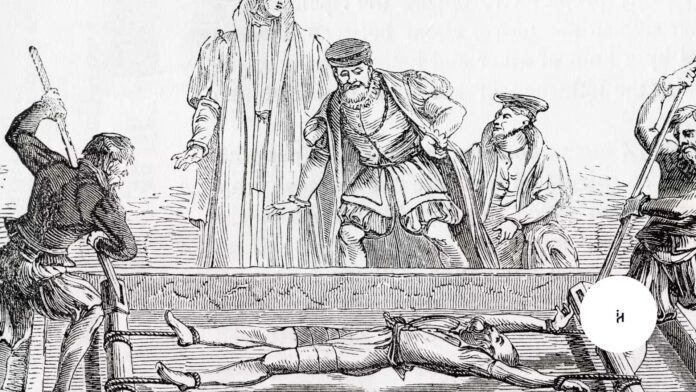
The rack was a terrifying medieval torture device used to dislocate limbs. Victims were tied at the wrists and ankles, then slowly stretched by turning rollers. Medieval torture using the rack often led to permanent injury or death. This method of medieval torture was used on suspected traitors and heretics.

The pain of medieval torture on the rack was excruciating and unavoidable. Courts sanctioned medieval torture to force confessions or silence enemies. The rack became a dreaded symbol of medieval torture and fear. It demonstrates how far medieval torture would go to control society. This torture reflected utter brutality.

The Thumbscrew: Crushing Bones for Confession

The thumbscrew was a small but devastating tool of medieval torture. It involved placing a victim’s fingers or thumbs in a vice-like device and twisting until bones shattered. Medieval torture devices like this caused extreme pain without killing. The thumbscrew was portable and easy to use, making it a favorite among medieval torture officials.

Victims of medieval torture often confessed under such agony. Medieval torture was not just about punishment but also humiliation. The thumbscrew represented how medieval torture could be personalized and precise. Such medieval torture tools show how pain was engineered with purpose. It was ruthless efficiency.

The Heretic’s Fork: No Escape from Pain

The heretic’s fork was a particularly cruel form of medieval torture. It consisted of a metal rod placed between the chin and chest or chin and neck, making sleep or movement impossible. This medieval torture device forced victims into constant wakefulness. Medieval torture aimed to psychologically break a person before physical harm.

Victims of medieval torture would often go mad from this method. The heretic’s fork was used against religious dissenters and accused witches. It demonstrated how medieval torture blended mental and physical pain. With medieval torture, even rest became a luxury. The heretic’s fork left emotional scars too.

The Breaking Wheel: Public Spectacle of Medieval Torture

Medieval Torture

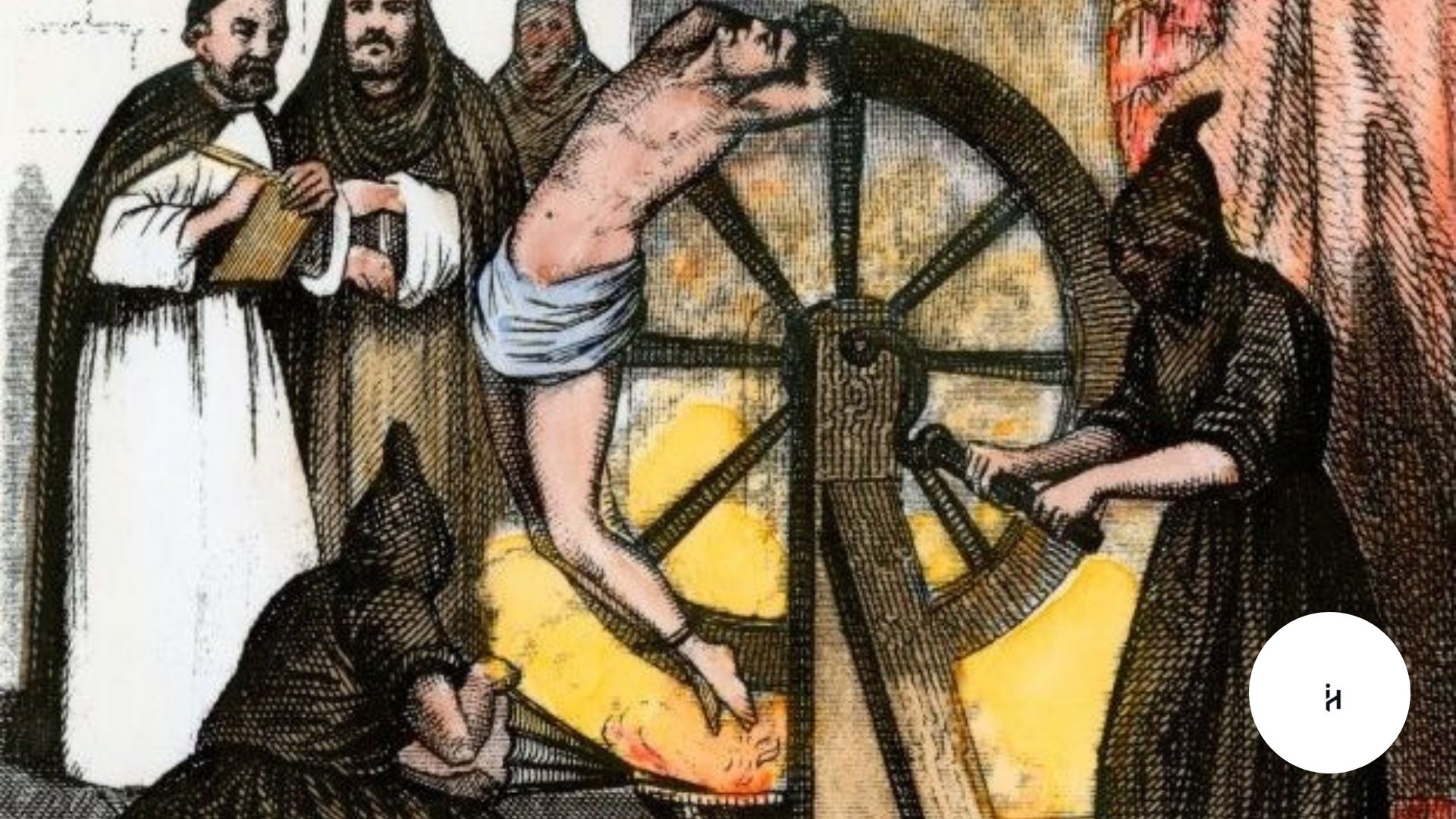
The breaking wheel was a brutal execution method used in medieval torture. Victims were tied to a large wooden wheel and bludgeoned with a hammer, breaking their bones. Medieval torture often served as public warnings, and this was no exception. The breaking wheel made medieval torture a public event.

Villagers watched as the condemned suffered under medieval torture. This form of medieval torture could take hours or even days. It illustrated the cruelty accepted in society. Religious and political crimes often led to medieval torture by wheel. The wheel remains one of the darkest medieval torture practices in Europe.

The Spanish Chair: Fire and Flesh in Medieval Torture

The Spanish chair was a horrific medieval torture device made of metal or wood, fitted with spikes and heated by fire. Victims of medieval torture would be strapped into it, their skin slowly burned. Medieval torture methods like the Spanish chair caused agonizing injuries.

It was often used for interrogating prisoners during medieval torture sessions. The combination of spikes and heat made medieval torture almost unbearable. Few could withstand the torment of such medieval torture. The Spanish chair showed how fire was weaponized in medieval torture. It represented how science and sadism merged in medieval torture practices.

The Brazen Bull: Medieval Torture Through Fire

The brazen bull was a hollow brass statue where victims were locked inside and roasted alive. Used in ancient times and sometimes mentioned in medieval torture contexts, it symbolizes extreme cruelty. Medieval torture embraced both new and old techniques. The bull’s head had tubes to amplify screams into “bull-like” sounds.

Medieval torture devices like the brazen bull were meant to entertain as well as punish. The method combined fire, fear, and spectacle—key elements of medieval torture. While rarely used, it illustrates the mindset behind medieval torture. It was gruesome, theatrical, and devastating. Medieval torture left no limits to cruelty.

The Scavenger’s Daughter: Compressive Medieval Torture

The scavenger’s daughter was a compression device used during medieval torture. Victims were folded forward at the waist, knees, and head, then bound in iron, crushing the body. This medieval torture method contrasted with the stretching rack. It compressed rather than extended. Medieval torture was versatile in its designs.

The scavenger’s daughter caused internal bleeding and immense pressure pain. It was used in England during the 16th century for suspected traitors. Medieval torture relied on such inventions to extract confessions. The psychological terror before its use was intense. Few devices in medieval torture were as claustrophobic and crushing.

Water Torture: Silent Suffering in Medieval Times

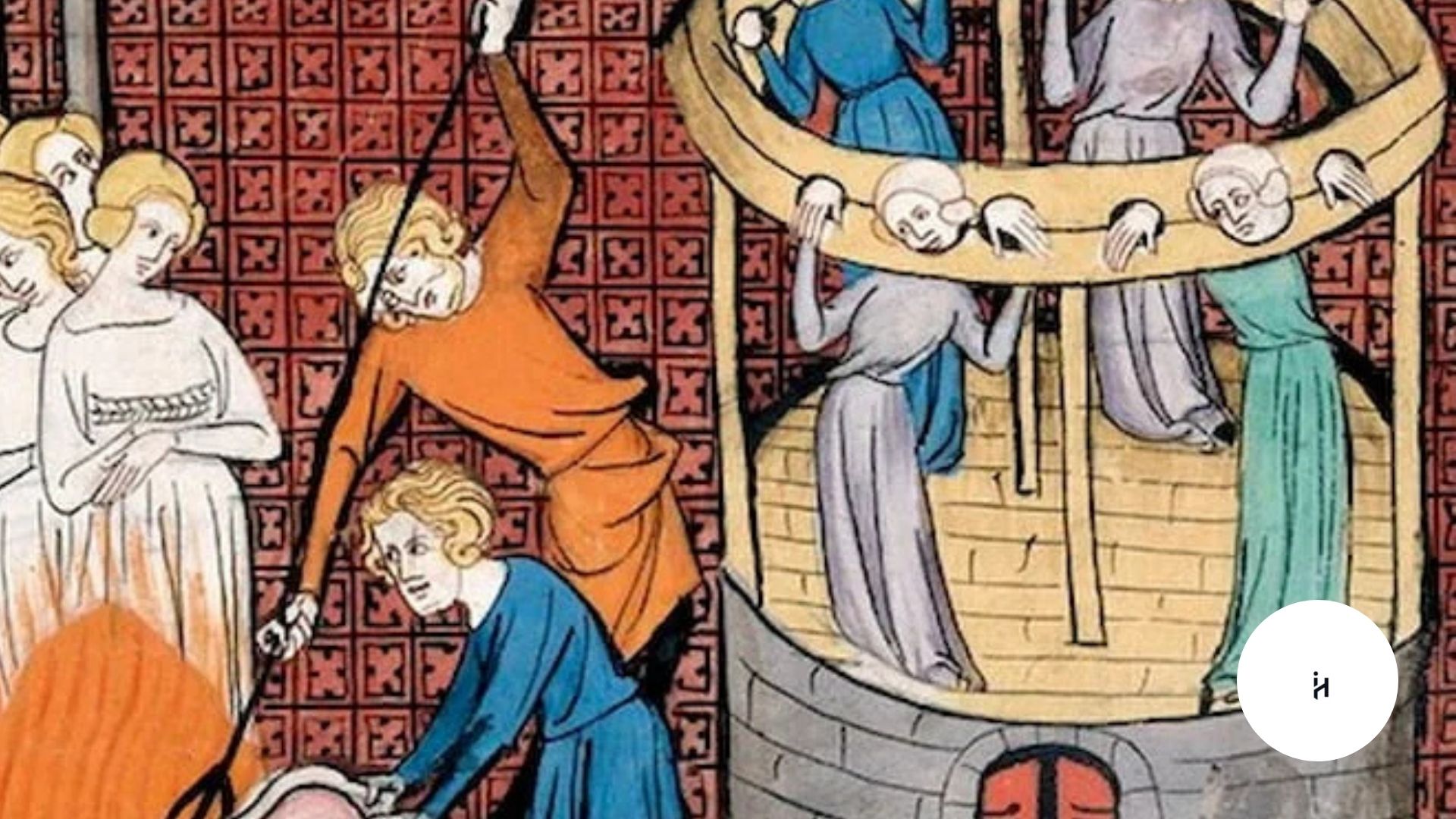
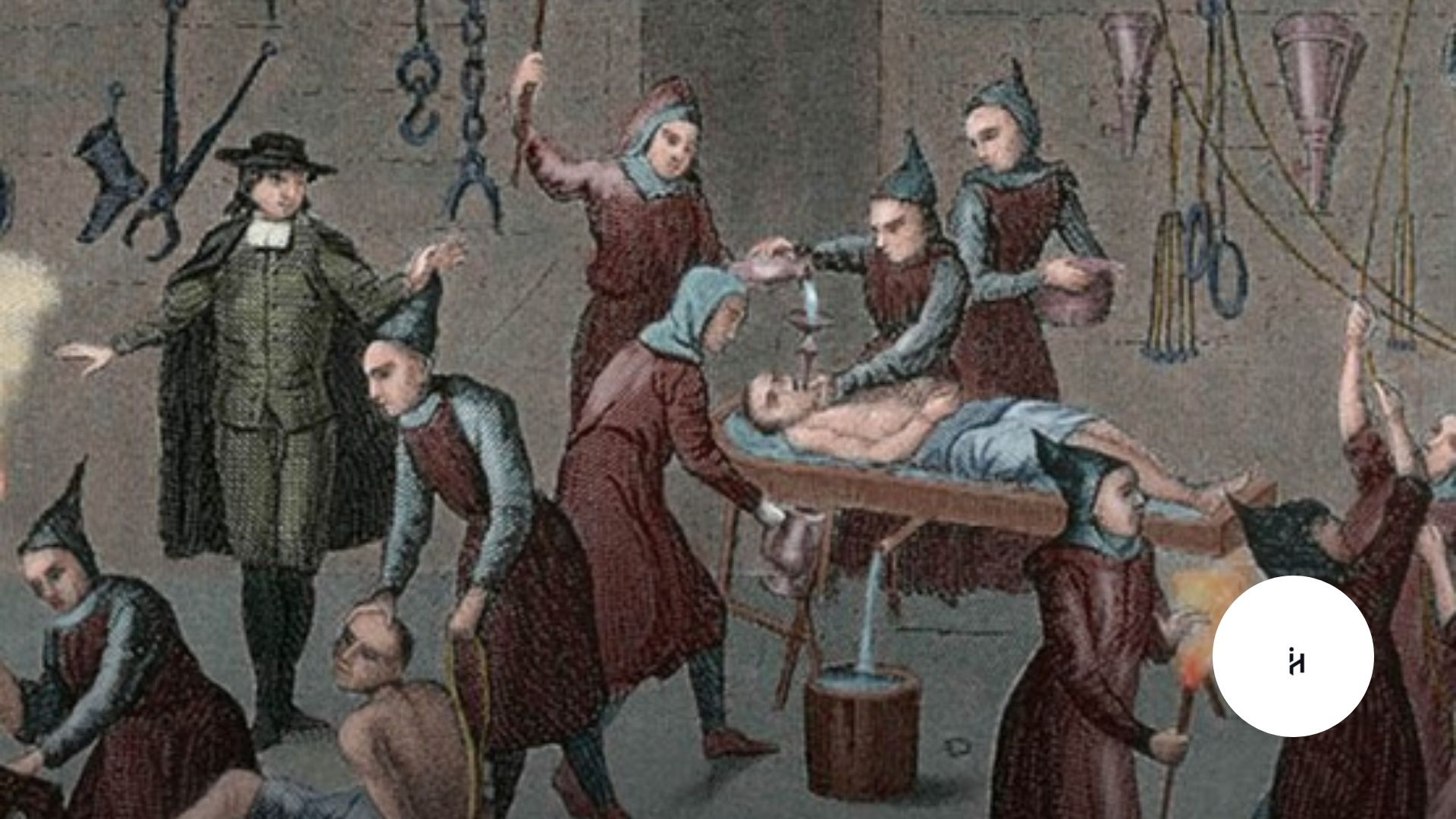
Water torture in the medieval torture arsenal included drowning, forced ingestion, and water drip techniques. Victims were slowly broken down mentally and physically. Medieval torture using water left no visible wounds but deep trauma. The psychological impact of medieval torture like this was immense.

Medieval Torture

Waterboarding-type methods were precursors to modern techniques. Medieval torture chambers often featured water pits or basins. It was used by inquisitors and secular courts alike. The silent nature of water torture made it ideal for discreet medieval torture. Victims of medieval torture often feared water-based punishment the most. It broke the will and spirit.

The Pear of Anguish: Pain from Within

The pear of anguish was a device inserted into the mouth, rectum, or vagina and expanded using a screw mechanism. This horrifying tool of medieval torture caused tearing and internal injury. Medieval torture didn’t shy away from targeting the most vulnerable parts. Used for punishing liars, homosexuals, or heretics, it was a cruel punishment.

This method of medieval torture combined pain with shame. The pear of anguish represented how intimate and invasive medieval torture could become. It showed a brutal understanding of anatomy. Medieval torture’s ingenuity often crossed into pure evil. The device exemplified pain, secrecy, and torment.

Legacy of Medieval Torture in Modern Times

Though centuries have passed, the impact of medieval torture still haunts modern culture. Medieval torture influenced how we perceive justice, cruelty, and power. Museums across Europe still display medieval torture devices. Books and films depict the horrors of medieval torture.

The legacy of medieval torture teaches us the importance of human rights. Modern societies use it as a lesson against abuse of power. Medieval torture reveals the darkest corners of human nature. We remember medieval torture to ensure history doesn’t repeat itself. The brutality of medieval torture still fascinates and horrifies us today. Its shadow remains very real.