Home Blog Page 361

The Life and Legacy of Arthur Jones – The Fitness Innovator

0
Arthur Jones

Introduction: Who Was Arthur Jones?

Arthur Jones was an American inventor, entrepreneur, and fitness pioneer best known for creating the Nautilus exercise machines. Born in 1926, Jones transformed the fitness industry with his revolutionary approach to strength training and exercise efficiency.

His innovations changed how people viewed muscle development and training intensity. He believed in science-based fitness and spent decades studying human performance.

His unique ideas led to the rise of the High-Intensity Training (HIT) movement. Jones’ methods continue to influence modern exercise science, making him one of the most significant figures in fitness history.

Arthur Jones

Early Life and Background of Arthur Jones

Arthur Jones was born in Arkansas in 1926 and grew up with a deep curiosity about biology and mechanics. His early fascination with wildlife and engineering later shaped his ideas about human anatomy and physical conditioning.

Before becoming known in the fitness world, he worked as a filmmaker, aviator, and animal collector. His adventurous life gave him a broader understanding of motion, strength, and muscle function.

These experiences formed the foundation for his future innovations in exercise equipment. The early life of Arthur shows how curiosity and experimentation guided his lifelong mission to improve human performance.

The Birth of Nautilus – Revolutionizing Fitness Equipment

Arthur Jones founded Nautilus, Inc. in the early 1970s, introducing a new generation of exercise machines that transformed the fitness industry. The Nautilus machines used a unique cam design that provided variable resistance through a full range of motion, matching the body’s natural strength curve.

This innovation made workouts more effective and safer compared to free weights. he design principles emphasized efficiency and proper muscle engagement. Nautilus equipment quickly gained popularity in gyms worldwide.

The company’s success established Arthur Jones as a visionary who merged engineering and anatomy to create smarter training methods.

High-Intensity Training (HIT) – Arthur Jones’ Exercise Philosophy

Arthur Jones developed the High-Intensity Training (HIT) concept, which focused on performing short, intense, and infrequent workouts for maximum results. He argued that most people overtrained and wasted effort.

His philosophy suggested that a few properly executed, intense sets were more beneficial than long, repetitive sessions. HIT encouraged maximum effort and controlled movements to stimulate muscle growth effectively.

He tested and refined these ideas through scientific research and athlete training. Many professional bodybuilders, including Mike Mentzer, adopted his principles. Even today, HIT remains a popular approach for individuals seeking efficient and result-driven fitness routines.

Arthur Jones and His Impact on Bodybuilding

Arthur Jones played a major role in shaping modern bodybuilding techniques. Before his innovations, most training relied on free weights and high-volume workouts. With the introduction of Nautilus machines and HIT philosophy, he provided bodybuilders with a more scientific and effective approach to training.

Many top athletes of the 1970s and 1980s, including Casey Viator and Sergio Oliva, used his methods to improve performance. His emphasis on intensity and recovery changed how professionals structured their workouts. His influence continues to be seen in gyms worldwide, proving his lasting legacy in bodybuilding.
Arthur Jones

The Relationship Between Arthur Jones and Mike Mentzer

Arthur Jones and Mike Mentzer, a professional bodybuilder, shared a close professional relationship based on their belief in High-Intensity Training. Mentzer became one of the most prominent advocates of Jones’ training system, refining and promoting HIT throughout his career.

The two collaborated on several fitness experiments, demonstrating the effectiveness of brief, intense workouts. He admired Mentzer’s scientific mindset and disciplined approach.

Their partnership helped spread HIT principles beyond Nautilus and into mainstream fitness culture. The mutual respect and shared vision between him and Mike Mentzer remain a key chapter in strength training history.

Arthur Jones’ Other Inventions and Business Ventures

Apart from Nautilus, Arthur Jones was an inventor with wide-ranging interests. He created the MedX machines, advanced medical and rehabilitation equipment designed to improve spinal health and muscular strength.

His engineering creativity extended beyond fitness; Jones also developed aircraft and filmed wildlife documentaries. As an entrepreneur, he invested in aviation and animal preservation projects, including his private zoo in Florida.

His curiosity and passion for innovation made him a true pioneer in multiple fields. Arthur Jones’ diverse ventures reflected his belief in combining science, technology, and nature to enhance human understanding and well-being.

Arthur Jones’ Personal Life and Fascination with Wildlife

. He had a remarkable personal life filled with adventure and exploration. He was passionate about wildlife, often traveling to Africa and South America to study and film exotic animals.

His love for nature led him to establish animal reserves and rescue programs. Jones owned a private aircraft fleet, which he used for both business and animal transportation.

Despite his fame in the fitness world, Arthur Jones preferred living away from public attention, focusing instead on his research and conservation efforts. His adventurous lifestyle mirrored his creative spirit and deep curiosity about the natural world.

Controversies and Criticism Around Arthur Jones’ Methods

Although Arthur Jones revolutionized fitness, his methods were not without controversy. Many traditional trainers criticized his HIT philosophy, arguing it oversimplified training principles.

Some viewed his strong opinions as confrontational, especially his public criticism of conventional bodybuilding techniques. However, Jones remained confident in his scientific approach and continued to test his theories through research.

Despite criticism, his work forced the fitness community to reconsider long-held beliefs about exercise volume and recovery. His willingness to challenge norms contributed to his reputation as both a rebel and a revolutionary thinker in the fitness industry.
Arthur Jones

Later Years and Passing of Arthur Jones

In his later years, Arthur Jones retired from active business but continued to influence fitness enthusiasts and researchers. He sold Nautilus in the mid-1980s but remained involved in developing MedX equipment.

Even in retirement, his writings and lectures inspired new generations of trainers and scientists. Arthur Jones passed away in 2007 at the age of 80, leaving behind a legacy of innovation and discovery.

His ideas continue to shape modern strength training, rehabilitation, and fitness philosophy. Today, he is remembered not just as an inventor but as a visionary who changed how people train.

The Enduring Legacy of Arthur Jones in Modern Fitness

Arthur Jones’ legacy remains deeply embedded in today’s fitness world. His inventions laid the foundation for modern resistance training machines and evidence-based exercise programs.

Concepts like variable resistance and high-intensity training have become essential parts of contemporary fitness routines. Many modern fitness machines still use principles derived from Arthur Jones’ designs.

His influence extends beyond gyms, shaping rehabilitation and sports science as well. Decades after his passing, trainers, athletes, and researchers continue to study and apply his ideas. His work proves that innovation and scientific thinking can forever transform human performance.

For Amazing Updates, Keep Visiting ImaginaryHistory.

Diego Pavia Parents: Roel Pavia and Antoinette Padilla

0
Diego Pavia family

In this blog, we explore in depth the lives of Diego Pavia’s parents, their background, influence, and role in his journey. Many fans know Diego Pavia as a rising star in college football, but fewer know about the family foundation that supported him.

We will look at who Roel Pavia and Antoinette Padilla are, the family dynamics, culture, and anecdotes that reveal more than just surface facts. Through 11 headings, each with substantive detail, you’ll get a fuller picture of the parental bond behind Diego’s athletic rise.

Who Are Diego Pavia’s Parents

Diego Pavia Parents

Diego Pavia was born on April 30, 2001, in Albuquerque, New Mexico. His father is Roel Pavia, and his mother is Antoinette Padilla. Both come from Hispanic or Latino heritage, shaping part of Diego’s cultural identity. They remain relatively private, but some stories are public, such as how Antoinette has been a steadfast supporter of Diego’s ambitions.

Parental Background & Ethnicity

Roel and Antoinette’s roots lie in Hispanic descent; Diego identifies with this cultural heritage. Their background contributes to the sense of identity Diego carries as a Hispanic American in college athletics. Although details about their upbringing are scarce publicly, the family’s cultural values reportedly shaped how they raised their children.

Mother: Antoinette Padilla’s Role

Antoinette Padilla played an especially active role in Diego’s upbringing. In interviews and stories, Diego has credited her for instilling a “winner’s mentality” and providing emotional support. She is also said to have attended nearly all of his games, reinforcing her presence in his athletic life. One revealing anecdote: when Diego was six, his mother reportedly altered his birth certificate so he could play earlier than allowed.

Father: Roel Pavia’s Influence

Roel Pavia, though less discussed in the media, is part of Diego’s support system. As Diego’s father, he shares in the family’s athletic ethos. Some sources mention that Diego has siblings (brothers and sisters) who also had athletic interests, which may reflect paternal encouragement. While Roel often remains behind the scenes, his presence in the family structure has supported Diego’s development from youth onward.

Siblings & Family Dynamic

Diego is not an only child. He has two older brothers, Roel Jr. and Javier, and a younger sister, Abrielle. His brothers engaged in sports (e.g., Roel Jr. in football and wrestling) and played a role in pushing Diego competitively. The dynamic is one of typical sibling rivalry but also mutual support, which helped mold Diego’s character.

Challenges & Sacrifices by the Family

Diego Pavia Parents

Behind the successes lie challenges the family had to overcome. Diego and his mother once faced a hurdle due to age eligibility; his mother changed his birth record so he could start playing earlier.

Such stories hint at how much the family sacrificed to give him opportunities. Financial, time, and emotional commitment from his parents and siblings likely played roles behind the scenes. Although public details are limited, the family’s sacrifices are implicit in every victory and milestone Diego achieves.

Parental Support in the Athletic Journey

From his high school days at Volcano Vista to college transitions, Diego has acknowledged that his mother attended nearly every game. The consistent support from both parents provided stability and encouragement.

During times of doubt or pressure, parental reassurance likely helped Diego push forward. The family’s belief in him, with Roel and Antoinette backing his choices, allowed him to take risks like transferring or advocating for eligibility.

Public Anecdotes & Viral Moments

A lighter but well-publicized moment: before a big game, Diego reportedly made a bet with comedian Theo Von that if Vanderbilt beat South Carolina, Von would get a date with his mother, Antoinette Padilla.

This playful wager drew media attention. Later, Diego clarified that there was a condition—Von had to also ask singer Tate McRae for a date. Though humorous, this moment spotlighted how much people admire Antoinette and sparked curiosity about her role in Diego’s life.

Parental Impact on Diego’s Character

The way Diego competes, works, and responds to challenges is often attributed to his parents’ influence. He frequently refers to his mother when discussing perseverance and mindset. The resolve, discipline, and humility he shows align with what many expect from a strong family foundation. Whether in wins or losses, the grounding in respect, gratitude, and cultural identity comes back to how his parents shaped his worldview.

Diego Pavia mother

Legacy & Continuing Influence

As Diego’s career progresses, his parents’ legacy moves with him. Their values—of hard work, humility, support, and cultural pride- will continue to influence his decisions, both on and off the field.

Diego often acknowledges them in interviews and carries the weight of representing his family. The pride his parents likely feel becomes part of his motivation. Should Diego reach professional levels, the foundational role of Roel and Antoinette will remain central to his narrative.

What We Don’t Know & Open Questions

Despite the public bits, many details about Roel Pavia and Antoinette Padilla remain private. For example: their upbringing, professional careers (beyond Antoinette being reported as a nurse), their education, how they met, and how they balance family and media attention.

Also, how they manage pressures as their son becomes a public figure. In the future, more interviews or profiles may fill these gaps. For now, we see them through Diego’s reflections, public stories, and media glimpses.

For Amazing Updates, Keep Visiting ImaginaryHistory.

Kyren Lacy Death: What We Know (2000–2025)

0
Kyren Lacy Death

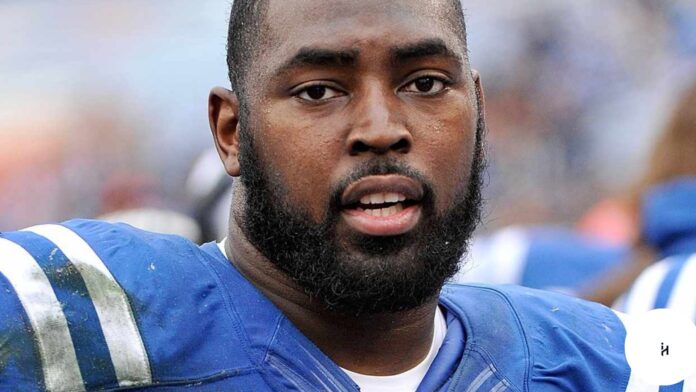
The news of the death of Kyren Lacy stunned the sports world. Lacy was a promising college football wide receiver poised for an NFL future, but legal troubles and personal turmoil cast a dark shadow over his final months. In April 2025, Lacy was found dead in his car after a police pursuit, in what authorities call an apparent suicide.

His passing came just as he was scheduled to face a grand jury over a fatal car crash from late 2024. This article unpacks the life, the case, and the aftermath of Kyren Lacy’s death, aiming to present fact-based, respectful coverage of this tragic event.

Early Life and Rise in Football

Kyren Lacy Death

Kyren Pierre Lacy was born on December 27, 2000, in Thibodaux, Louisiana. He attended Thibodaux High School, where he showed strong skills as a wide receiver, catching the eyes of college scouts. He started his college career at the University of Louisiana, then transferred to LSU for greater opportunity.

Over his time in college football, he accumulated impressive stats—over 160 receptions, more than 2,300 receiving yards, and 26 touchdown catches. His talent and work ethic suggested a bright NFL future before the events that culminated in Kyren Lacy’s death.

The December 2024 Crash That Sparked Legal Trouble

On December 17, 2024, a collision in Lafourche Parish, Louisiana, resulted in the death of a 78-year-old man named Herman Hall. Authorities alleged that Lacy, driving a Dodge Charger, was speeding, crossing into oncoming lanes, and passing improperly.

Police claimed he fled the scene without rendering aid. That incident became central in criminal proceedings against him. The December crash remains a key pivot in understanding Kyren Lacy’s death because it triggered the legal and emotional pressures that followed.

Arrest, Charges, and Bail

In January 2025, the Louisiana State Police issued an arrest warrant for Lacy over the December crash. He surrendered and was arrested on January 12. He faced charges including negligent homicide, felony hit-and-run (with death), and reckless operation of a vehicle.

He was released on bond—around $151,000—while awaiting further legal process. The weight of these charges loomed over him as Kyren Lacy’s death drew closer, and many observed how the legal burdens affected his public image and mental state.

Evidence, Disputes, and His Defense

As the case progressed, Lacy’s legal team challenged the official narrative. They presented video and surveillance evidence claiming Lacy’s car was about 70 yards behind the fatal crash at the moment of collision, suggesting he didn’t cause it.

His attorney also alleged that the investigation showed bias and procedural flaws. The prosecutorial case was contested, and supporters argued a grand jury might decline to indict him. All that debate over culpability underscores how the legal drama is intertwined with Kyren Lacy’s death.

The Imminent Grand Jury and Pressure

A grand jury hearing was scheduled shortly after Lacy’s death. It was to review whether prosecutors would move forward with charges in the December crash. At that time, anticipation and stress from both the legal system and public scrutiny gravely affected him.

Friends, family, and observers noted that this looming grand jury likely intensified his mental burden. The pressure of the legal spotlight is widely seen as one of the forces leading toward the moment that ended in Kyren Lacy’s death.

Events Leading to the Final Night

Kyren Lacy Death

Two days before his scheduled grand jury appearance, reports say Lacy got into a verbal dispute with a family member, discharged a firearm into the ground, and fled. Authorities pursued him for several miles by vehicle.

His car later crashed, and when officers approached, they found he had sustained a self-inflicted gunshot wound. The circumstances of those final hours set the stage for Kyren LLacy’s death, closing his life in a tragic confrontation with his own pain and law enforcement.

The Apparent Suicide and Discovery

Law enforcement in Harris County, Texas, ruled that Lacy died by suicide in his car during the pursuit. No gunshots were fired at officers after the crash. He was declared dead at the scene. The timeline and mechanics remain under review, but as it stands, those final actions ended the legal battle and life narrative in one traumatic moment. This is the literal and somber moment of Kyren Lacy’s death.

Reaction from Family, Friends, and Teammates

Kyren’s passing unleashed an outpouring of grief. LSU, his former teammates, and coaches released condolences. His father posted a message urging parents to monitor mental health. Malik Nabers, a teammate, publicly criticized the justice system’s treatment of Lacy. His agent called him a “special talent” and asserted the investigation had failed him. The outpouring shows how Kyren Lacy’s death impacted not only sports fans but also personal networks who believed in him.

Media Coverage, Public Debate, and Criticism

Media accounts varied—some framed Lacy as guilty, others as a young man under siege. His attorney accused investigators and the press of conducting a “witch hunt,” citing the use of his mugshot and prejudicial coverage.

Social media debates raged over mental health, criminal justice, and athlete pressures. The public conversation surrounding Kyren Lacy’s death sparked criticism of media responsibility, fairness, and how we talk about troubled, high-profile individuals.

Kyren Lacy Death

Broader Discussion: Mental Health and Athlete Pressure

Many observers connected Lacy’s death to mental health issues. Black male suicide rates have risen in recent years. Experts note that young athletes often face the enormity of expectation, public scrutiny, and difficulty expressing emotional distress.

The intersection of career dreams, legal crisis, and identity stress creates a fragile space. In reflecting on Kyren Lacy’s death, the need for stronger mental health support in athletic programs becomes undeniable.

Legacy, Lessons, and What Remains Unclear

Kyren Lacy’s death leaves more questions than answers. The full truth of the December crash, the grand jury decision, and the final emotional state may never be fully resolved. But his story serves as a caution and call to action about the fairness of legal processes, media coverage, athlete support systems, and mental health awareness. The memory of Kyren Lacy’s death can become a catalyst for change—if people learn from it rather than just mourn it.

For Amazing Updates, Keep Visiting ImaginaryHistory.

Véronique Barbier: Belgian TV Anchor and Life Journey

0
Véronique Barbier

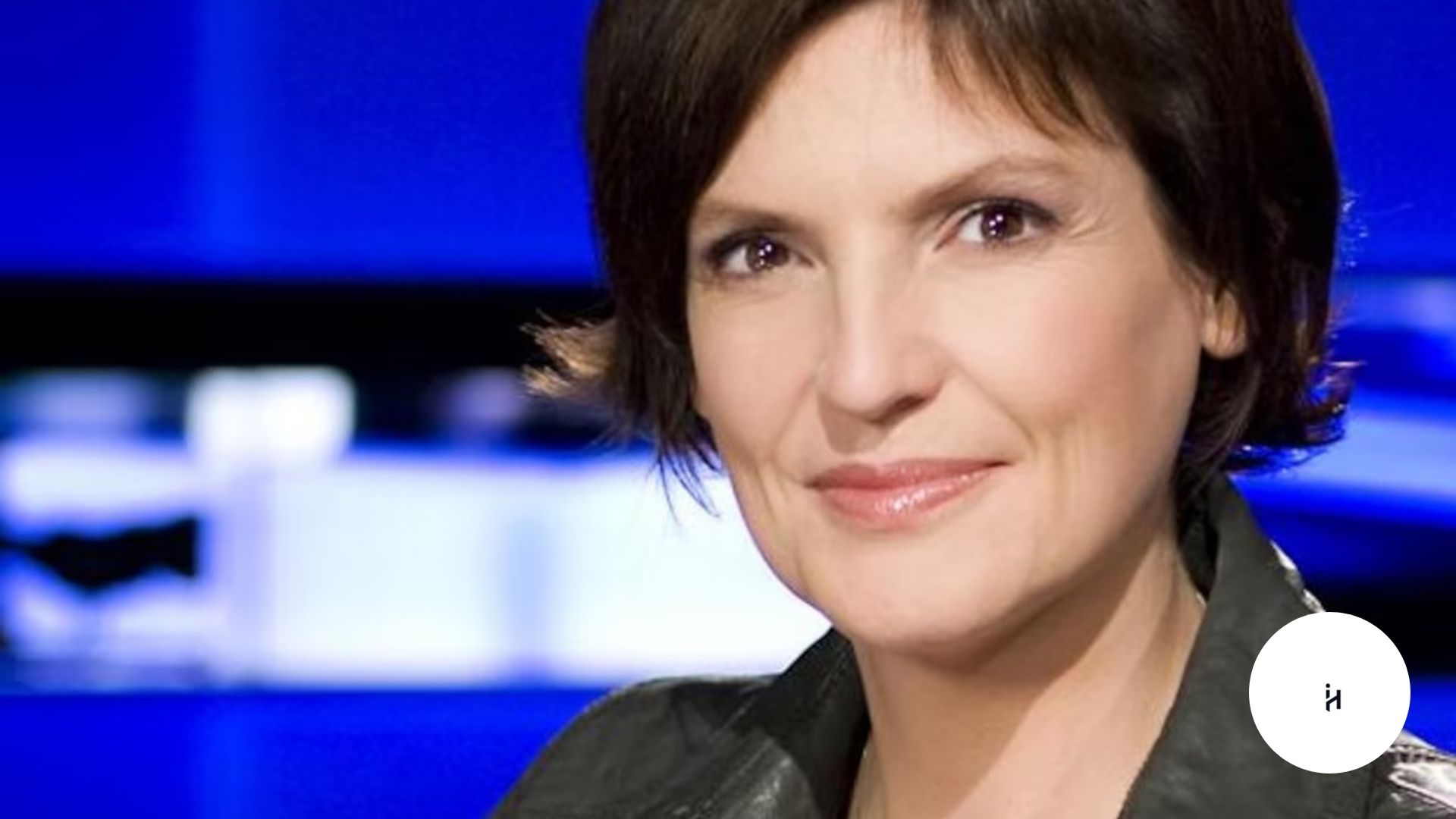
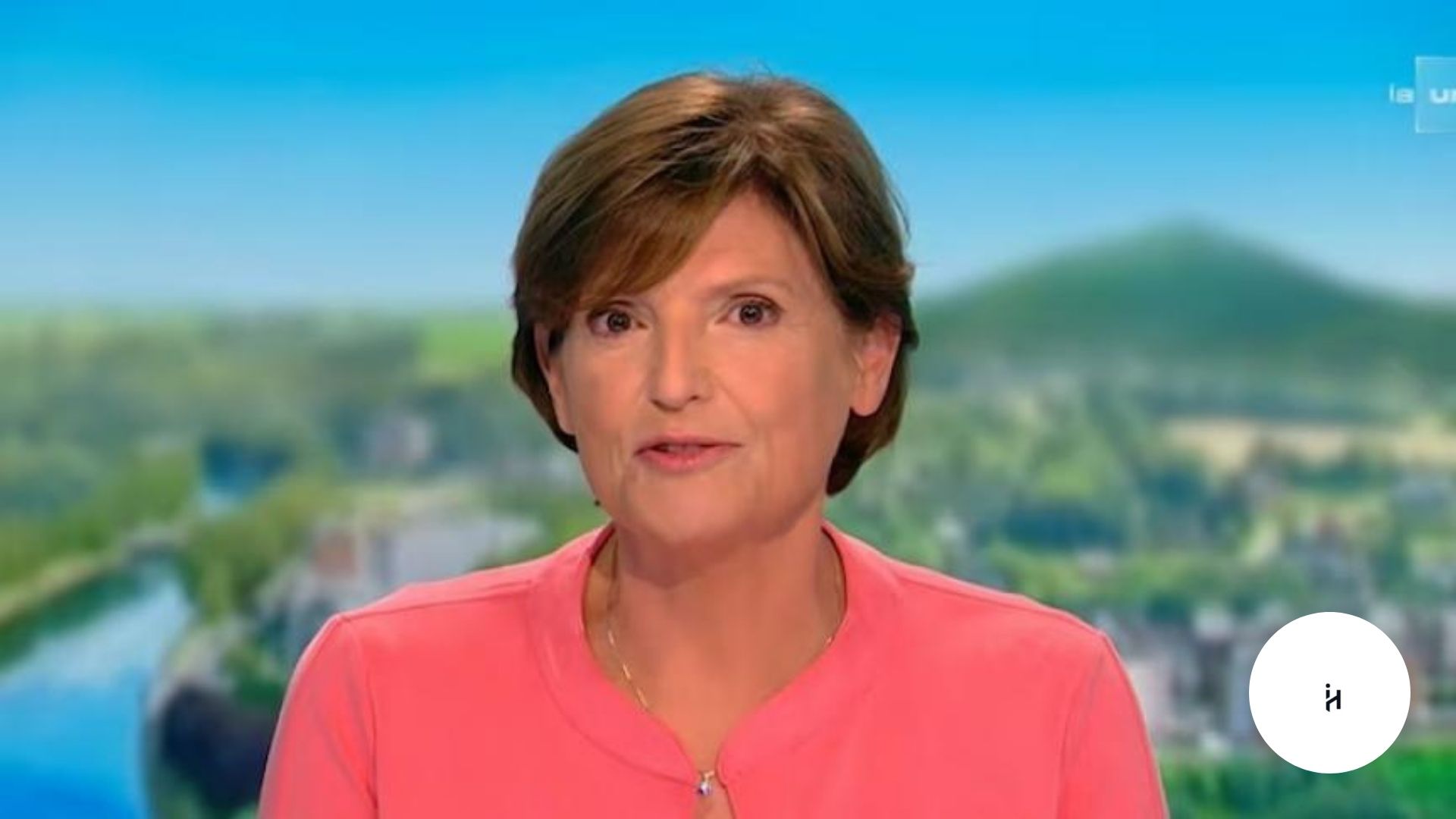
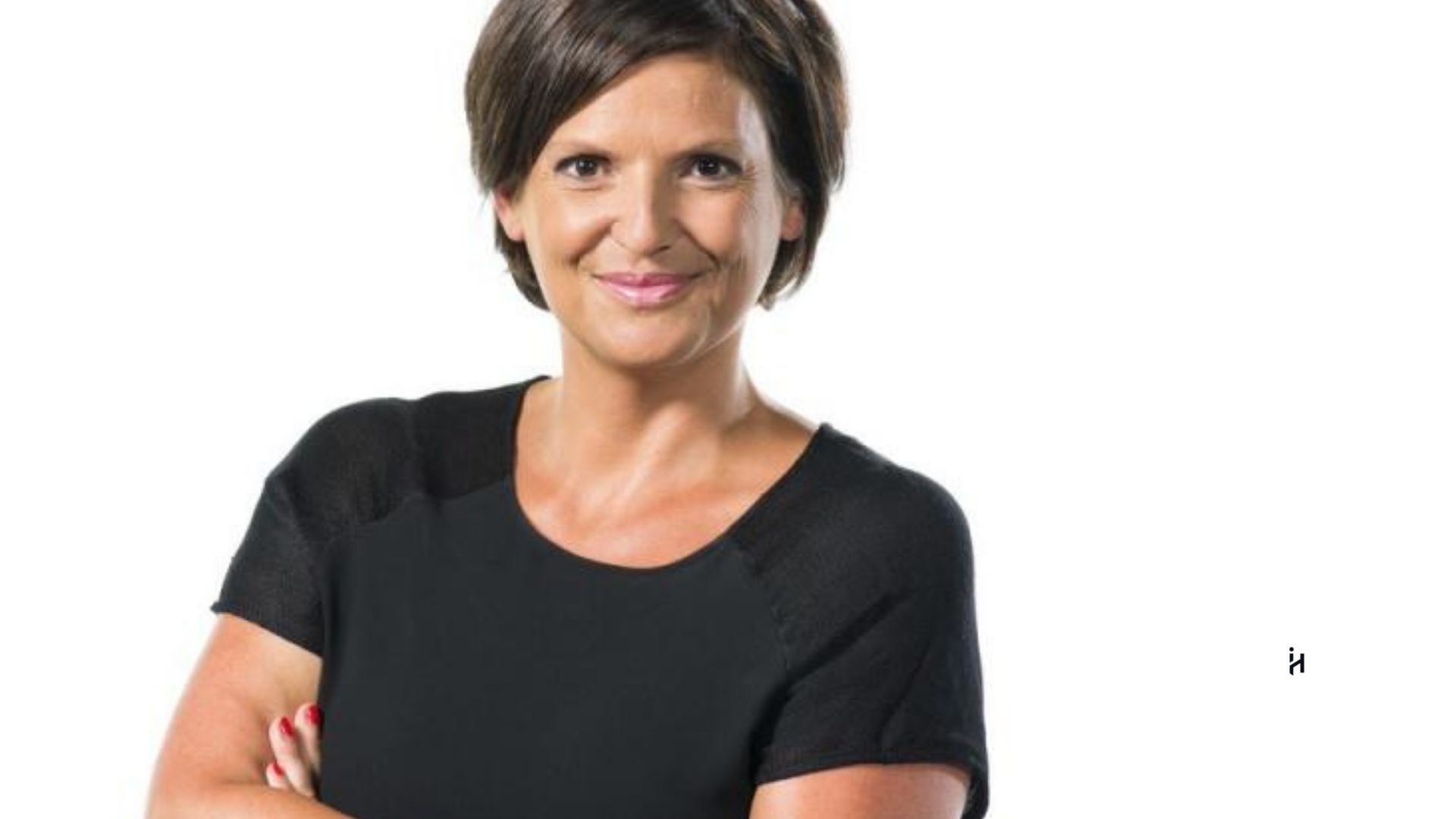
Véronique Barbier is a prominent Belgian television journalist and presenter who has been a familiar face in Belgian media for years. She is known for anchoring the midday news bulletin on RTBF and for her resilience in confronting serious health challenges.

Over time, she has built a reputation for professionalism, sincerity, and an ability to connect with audiences. In this blog, we explore eleven aspects of her life — from early beginnings to her advocacy and personal trials — to present a well-rounded portrait of Véronique Barbier.

Early Life and Belgian Roots

Véronique Barbier

Véronique Barbier was born in Belgium in 1970. Growing up in a culturally rich environment, she developed an early interest in communication and public affairs. Her Belgian roots have shaped her identity, fostering a sense of connection to her country’s linguistic, social, and political landscape.

That background likely influenced her later decision to pursue journalism in Belgium. Her formative years provided her with exposure to multiple cultural currents, and this foundation has underpinned her career in media.

Education and Journalistic Training

Though detailed public records of her education are limited, Véronique Barbier’s trajectory suggests a solid grounding in media, communications, or related fields. Many journalists in Belgium attend institutions offering specialized training in journalism, broadcasting, or political science.

That kind of training would have equipped her with skills in news writing, interviewing, ethics, and media law. Her competence on screen and ability to handle complex subjects indicate she benefited from rigorous preparation before entering the profession.

Entry into Television and Early Broadcasting

Véronique Barbier’s early television career saw her gradually taking on roles in reporting, production, and anchoring. Through perseverance and quality work, she earned assignments in news broadcasting.

Over time, she became a trusted face for viewers, demonstrating poise, clarity, and credibility. Her presence on Belgian television expanded as she gained experience, establishing a name in an industry where many start behind the scenes before stepping in front of the camera.

Role at RTBF and Daily News Anchoring

One of Véronique Barbier’s notable roles is presenting the daily midday news bulletin (“Journal de 13h”) on RTBF, the public broadcaster in the French-speaking part of Belgium. In that position, she replaced Ophélie Fontana for that bulletin.

Her work involves delivering news on politics, society, and current events to a broad public. Anchoring such a central program demands consistency, journalistic integrity, and the ability to adapt to breaking stories — attributes that Barbier has demonstrated.

Film, Television Appearances, and Acting Work

Véronique Barbier

Beyond journalism, Véronique Barbier has been involved in television and film projects. According to IMDb, she has credits in projects like Unité 42 (2017) and Bossemans et Coppenolle (2016), among others.

These additional roles show her versatility and willingness to cross into entertainment or dramatic media. Such engagements may help her visibility and rapport with broader audiences, bridging news and popular culture.

Personal Life and Family Connections

Véronique Barbier is married to Olivier Maroy, a Belgian media figure also known for his work in broadcasting and journalism. Wikipedia: The relationship between two public figures in the same industry presents both opportunities and challenges: a shared understanding of media life, but also public scrutiny. Her family life often remains more private than her professional life. Nonetheless, the partnership likely offers mutual support, especially through personal trials.

Health Struggles: The Cancer Diagnosis

Perhaps one of the most significant chapters of her life is her battle with cancer. In 2017, during a routine check, Véronique Barbier learned she had bilateral breast cancer and underwent a double mastectomy.

She publicly confronted the diagnosis with courage, sharing her journey and emphasizing the importance of early detection. Her transparency about health challenges has resonated with many and highlighted her resilience in the face of adversity.

Recent Relapse and Public Announcement

In June 2025, Véronique Barbier made headlines again when she announced a relapse of her cancer. She stated that treatment would require a lengthy absence from presenting the news, possibly until early 2026.

Her announcement included an appeal for self-care and gratitude for public concern. This relapse underscores the unpredictability of serious illness and the ongoing struggle even for those who seem professionally strong.

Media Impact and Public Influence

Through her work in broadcasting and her public openness about life challenges, Véronique Barbier holds influence in Belgian media and society. Her anchor role gives her reach into homes daily, while her personal disclosures foster connection and empathy.

Many view her as more than a journalist, as a public figure capable of raising awareness about health, women’s issues, and media integrity. Her influence extends beyond the news desk into moral and social engagement.

Véronique Barbier

Challenges and Criticisms

As a high-profile media figure, Véronique Barbier inevitably faces scrutiny, challenges, and criticisms. Journalists must balance impartiality with empathy; public health disclosures can invite speculation or intrusion.

Managing one’s image, sustaining credibility, and navigating media politics are daily hurdles in her career. Moreover, her health interruptions may affect continuity, public trust, or organizational demands. Still, she appears to address such pressures with dignity and resilience.

Legacy, Future Directions, and Inspiration

Véronique Barbier’s legacy combines journalism, personal courage, and public service. Even amid health challenges, she remains committed to her profession and to transparency. Looking forward, she may return to broadcasting, expand advocacy (particularly in cancer awareness), or mentor young journalists.

Her story inspires viewers who see in her a model of strength, authenticity, and dedication to journalism’s social role. Her journey illustrates how public figures can humanize serious issues while maintaining professional excellence.

For Amazing Updates, Keep Visiting ImaginaryHistory.