Home Blog Page 358

Katie Porter: Advocate, Politician, Progressive Leader

0
Katie Porter

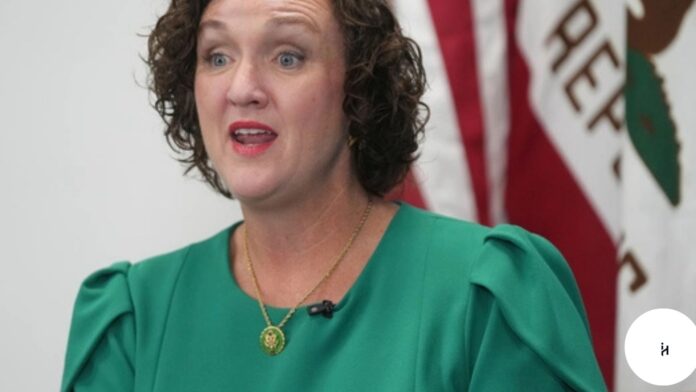
Katie Porter is a lawyer, academic, and politician known for her fierce advocacy in consumer protection and her dynamic presence in U.S. politics. Rising to prominence through sharp interrogations in Congressional hearings and relentless focus on accountability, she has built a reputation as a progressive voice willing to confront corporate power.

This blog explores her life, beliefs, accomplishments, and the challenges she has faced. Through eleven detailed sections, we’ll trace how Katie Porter’s background shaped her, how she operates in the political arena, and what her future role might be.

Early Years and Influences (Family, Upbringing)
Katie Porter

Katie Porter was born on January 3, 1974, in Fort Dodge, Iowa, and raised on a farm in southern Iowa. Her father worked in agriculture and later banking, while her mother co-founded a quilting business and a TV program.

Growing up during the farm crisis of the 1980s exposed her to economic struggle and community instability, shaping her empathy for ordinary people. These early experiences instilled in Porter a sense of justice, accountability, and a hunger to confront powerful forces.

Education and Legal Training

Porter completed her undergraduate studies at Yale University in 1996, majoring in American Studies. She then attended Harvard Law School, earning her J.D. in 2001 and graduating magna cum laude. At Harvard, she studied under Elizabeth Warren and focused on bankruptcy and consumer law. Her legal training equipped her with deep insight into how debt, banking, and corporate structures affect everyday individuals.

Academic and Early Career Roles

After law school, Porter clerked for Judge Richard Arnold on the U.S. Court of Appeals. She practiced bankruptcy and consumer law in private and public settings, including at Stoel Rives LLP and as project director for the Business Bankruptcy Project. She later entered academia, teaching at the University of Iowa and at UC Irvine, where she founded a consumer protection clinic. Those academic roles allowed her to research financial regulation and shape future advocates.

Consumer Protection and Bank Oversight Work

Porter’s reputation as a consumer advocate grew when, in 201,2, California’s Attorney General Kamala Harris appointed her the independent monitor for the state’s share of the $25 billion mortgage settlement, overseeing enforcement against banks. She held banks accountable for failing to deliver promised relief to homeowners. In this role, she demonstrated that powerful institutions must fulfill legal obligations, reinforcing her image as someone willing to challenge financial elites and protect the vulnerable.

Entry into Electoral Politics

In 2017, Porter announced her candidacy for California’s 45th congressional district. In the 2018 general election, she defeated incumbent Republican Mimi Walters, flipping a district held by Republicans for decades. Her campaign emphasized accountability, anti-corruption, and lowering costs for families. Winning that seat marked her rise on the national stage as a new progressive contender.
Katie Porter

Congressional Tenure and Major Initiatives

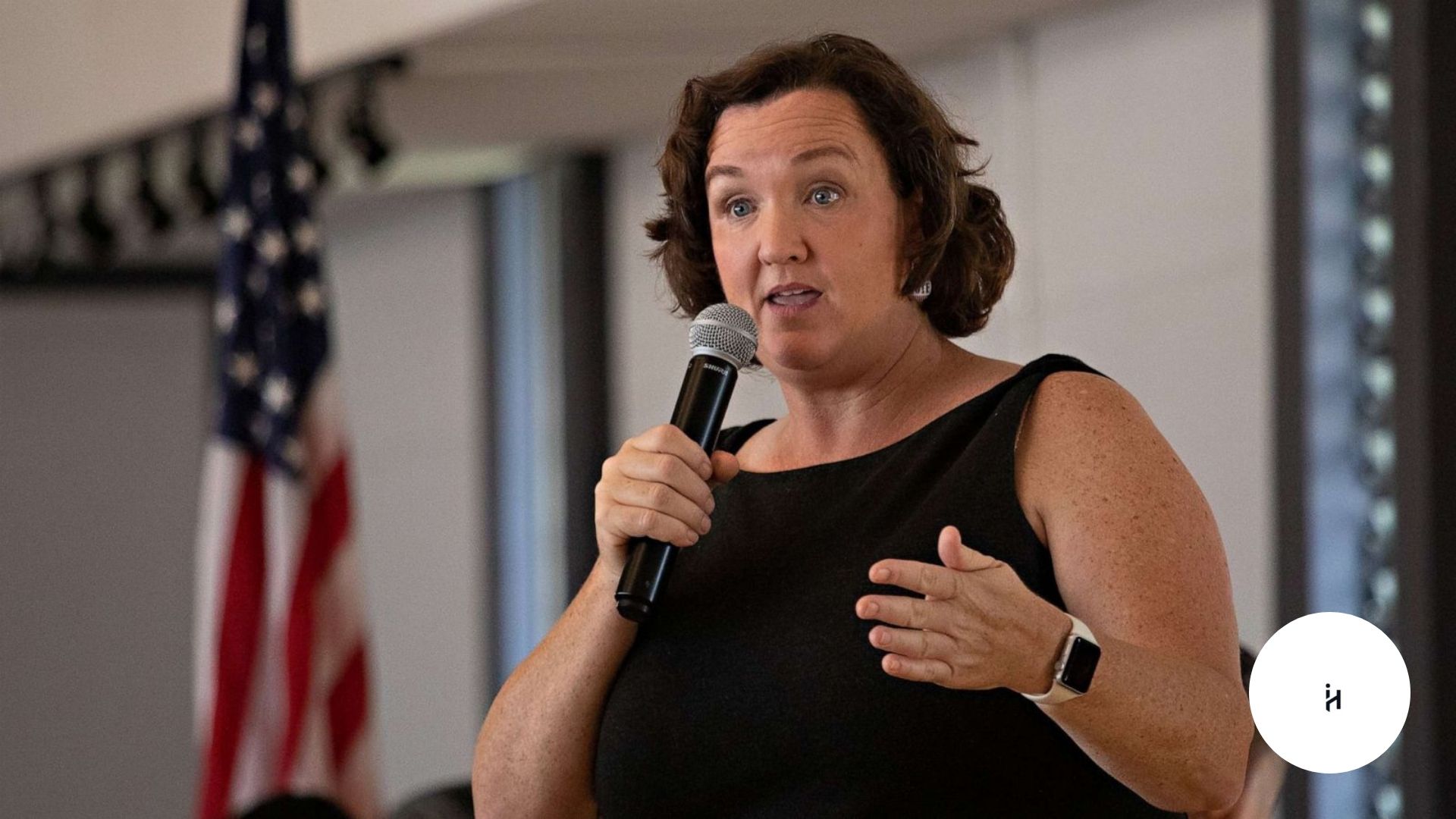
During her time in the U.S. House (2019–2025), Porter became known for incisive oversight and aggressive questioning of executives using her whiteboard. She focused on issues like pharmaceutical pricing, insurance abuses, campaign finance reform, and oversight of federal agencies. She also supported impeachment proceedings and joined key House committees, seeking to improve transparency and accountability in government.

Policy Positions and Advocacy Focus

Porter champions progressive policies such as Medicare for All, stronger consumer protections, expansion of health access, and judicial ethics reform. She has called for stricter rules on the Supreme Court, accountability in pharmaceutical pricing, and curbing the influence of corporate money in politics. On foreign policy, she has taken positions on Syria and criticized U.S. military aid to Azerbaijan in certain contexts. Her platform blends economic justice with institutional reform.

Senate Campaign and Election Challenges

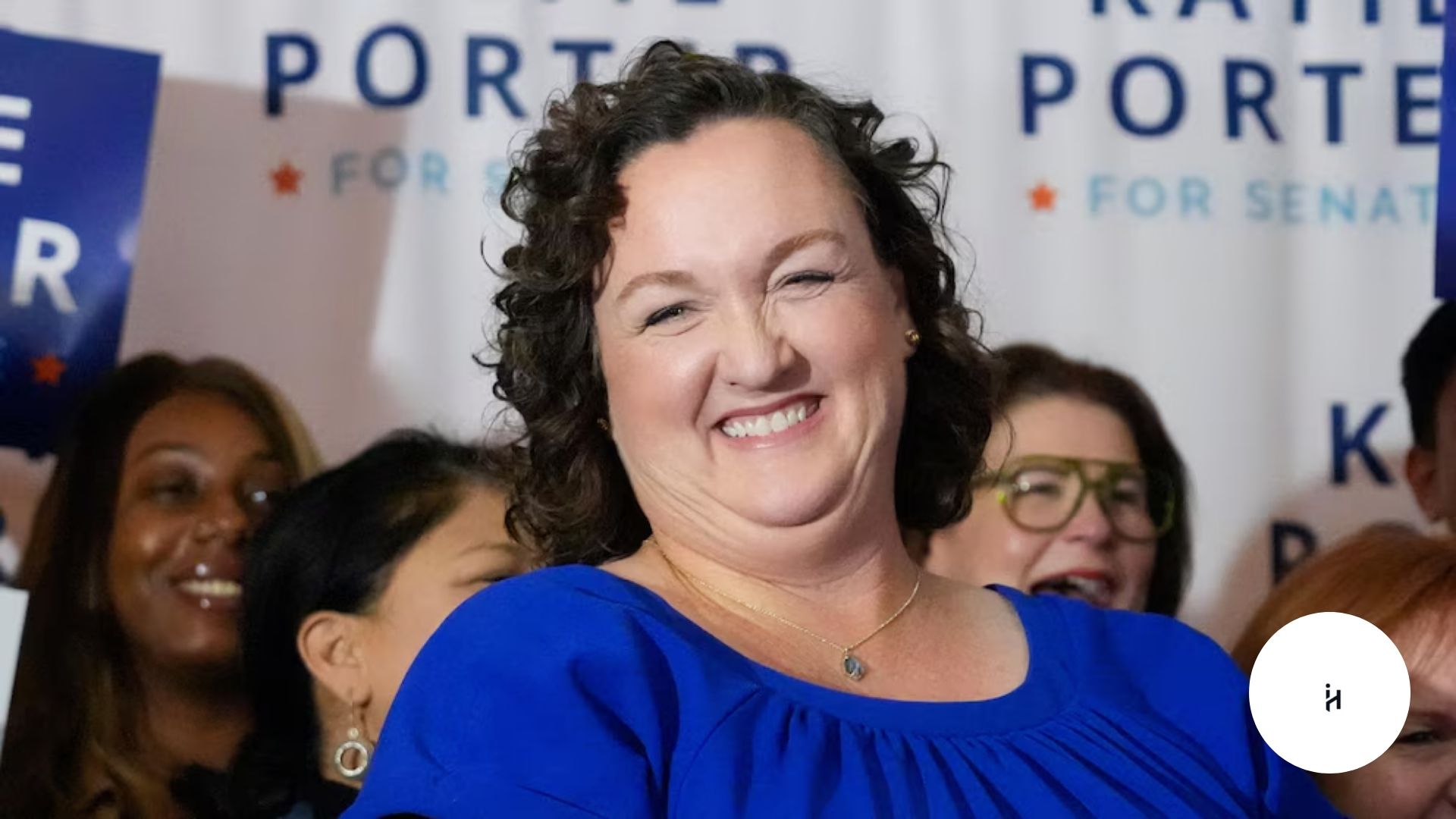
In 2023, Porter declared her run for California’s U.S. Senate seat. She entered a crowded race against heavyweights like Adam Schiff and Barbara Lee. Despite strength in fundraising and grassroots appeal, she failed to advance from the nonpartisan primary, placing third. That Senate bid showed both her ambition and the limits of breaking into entrenched political machinery.

Run for California Governor
Katie Porter

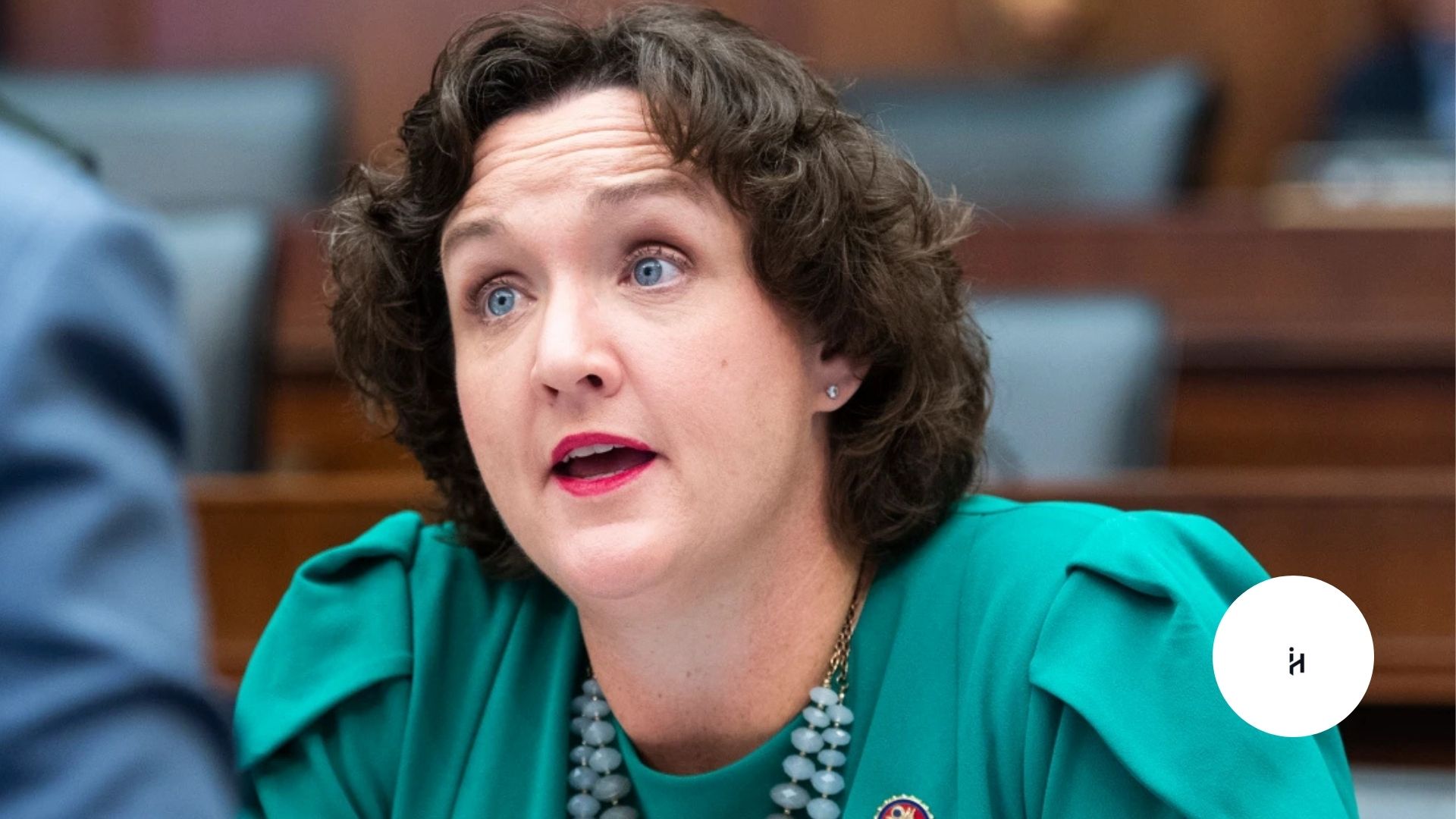
Porter has since shifted her focus and is now a candidate for California’s 2026 gubernatorial election. Her campaign emphasizes independence from corporate interests, lower costs, housing reform, and protecting rights statewide. Entering this race marks her effort to lead at a higher level, proving she can translate her national profile into state executive influence.

Personal Life and Challenges

Porter has three children and was previously married; she filed for divorce in 2013 amid a contentious split. Her role as a single mother informs her political lens on family, childcare, and healthcare. She also has navigated personal and public scrutiny, confronting challenges with transparency and resilience. Her willingness to share struggles enhances the perception of authenticity.

Legacy, Impact, and Future Prospects

Katie Porter’s legacy lies in her emphasis on accountability, consumer rights, and bold questioning of established power. She has inspired a new generation of progressive legislators and activists. Her policy work and visibility often force institutions to respond. Looking forward, as she vies for statewide office, she faces the test of scaling her message to a broader electorate. Whether she wins or not, Porter is likely to remain a formidable voice in American politics.

For Amazing Updates, Keep Visiting ImaginaryHistory.
Joan Bennett Kennedy: Life, Struggles, Legacy Unveiled

0
Joan Bennett Kennedy

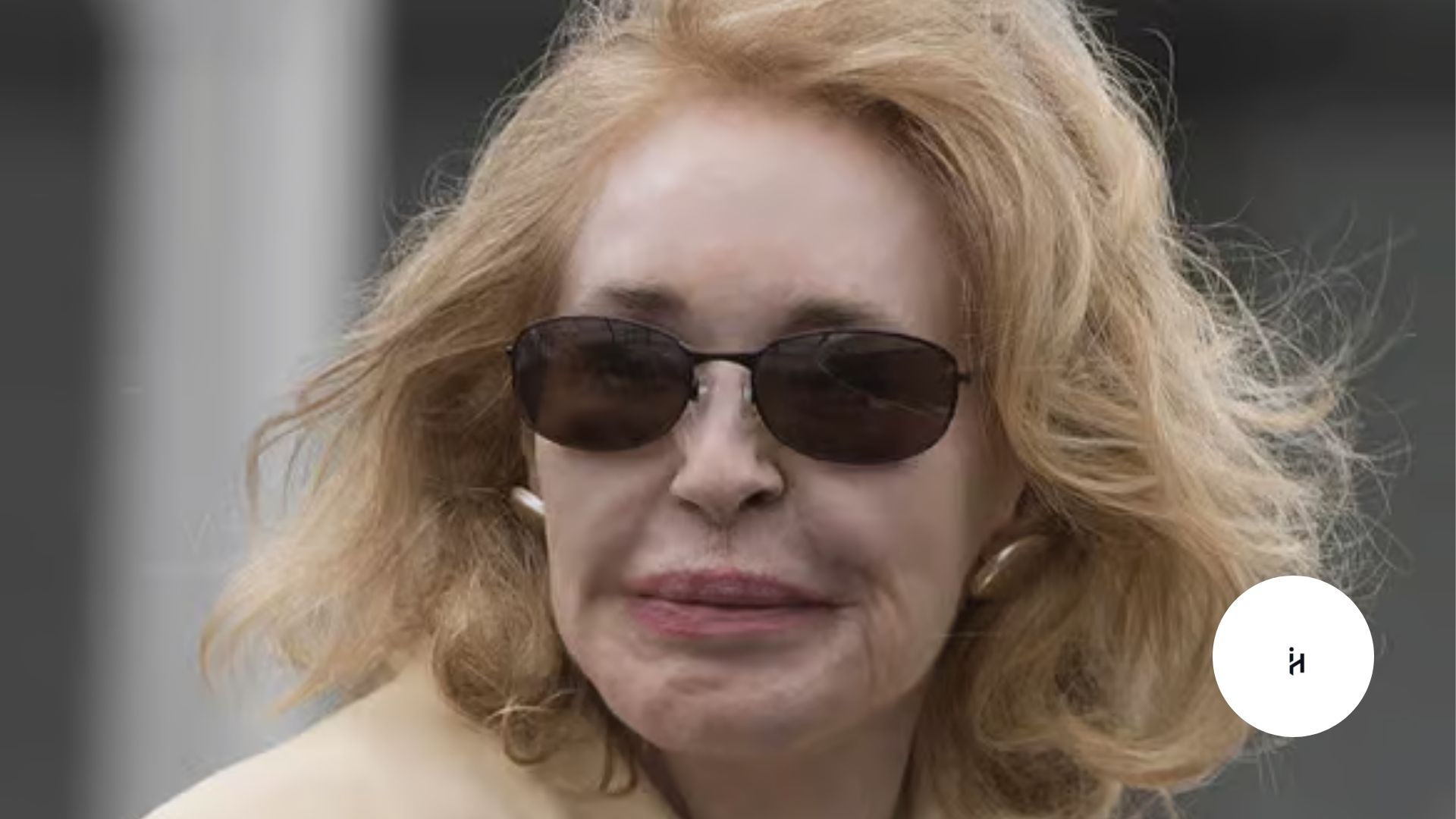
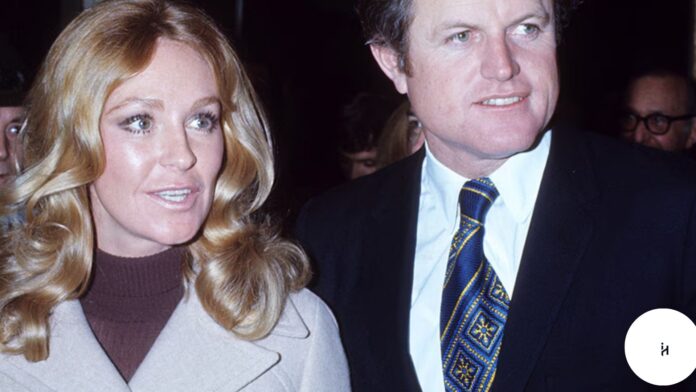
Joan Bennett Kennedy was more than a name linked with the Kennedy political dynasty. She was born Virginia Joan Bennett in 1936 and rose into the public eye through her marriage to Senator Edward “Ted” Kennedy.

While privileged, her life was not free of trials. She became known for her musical talents, personal struggles with addiction, and later as an advocate for mental health. Her story blends glamour, pain, resilience, and quiet reinvention. In this blog, we explore eleven facets of her life in depth — from her early years to her lasting legacy.

Early Years and Family Background

Joan Bennett Kennedy

Joan Bennett Kennedy was born on September 2, 1936, in New York City, into a Roman Catholic family with roots in upper-middle-class society. Her father, Harry Wiggin Bennett Jr., was involved in advertising, and her mother, Virginia Joan Stead Bennet, came from a socially active family.

She had one sister, Candace (“Candy”). Joan grew up in Bronxville and took up piano studies early, showing a talent for classical music. Her background helped shape her confidence, but the pressures of a prominent family would later weigh heavily on her life.

Education and Musical Passion

Joan Bennett Kennedy attended Manhattanville College, where she met members of the Kennedy family. She also studied piano and had d deep interest in classical music — an artistic calling she maintained throughout her life.

Later in life, she earned a Master’s degree in Education from Lesley College (now Lesley University). Her musical passion led her to publish The Joy of Classical Music: A Guide for You and Your Family in 1992, blending her love for music and her desire to educate others.

Meeting Ted Kennedy and Courtship

Joan was introduced to Edward “Ted” Kennedy by his sister Jean while both families had links to Manhattanville College. Their courtship was somewhat expedited. Under pressure from the Kennedy family, rumors suggest Ted’s father encouraged the match. The two married on November 29, 1958. Their marriage symbolically united Joan’s musical, social, and intellectual strengths with the Kennedy political legacy.

Marriage, Life and Public Role

After marriage, Joan Bennett Kennedy became publicly visible as a senator’s wife and part of the famed Kennedy clan known as “Camelot.” She accompanied Ted on many public events and campaign trips, often serving as a hostess or public figure due to her poise and social grace. She also faced the challenges of fitting in within a highly political, high-pressure family where expectations were enormous. Behind the scenes, however, her personal sacrifices and emotional burdens began mounting.

Personal Struggles: Miscarriages and Health

Joan suffered several miscarriages during her marriage, which brought emotional strain and grief into her life. Moreover, their children faced health challenges: Ted Jr. was diagnosed with cancer and lost a leg to bone cancer as a child.

Coping with these burdens while maintaining a public image exacted a heavy toll. These personal traumas, though less visible in the public eye, would shape Joan’s inner life and later vulnerabilities.

Joan Bennett Kennedy

Addiction, Public Scandals, and Recovery

By the 1970s, Joan Bennett Kennedy’s struggles with alcoholism became public. She was arrested for driving under the influence, and her substance abuse issues drew media scrutiny.

In one episode in 2005, she was found disoriented on a sidewalk after a fall tied to intoxication. Over time, she pursued treatment, entered sober periods, and made efforts at recovery under the care of her children. Her journey illustrated both public scandal and private courage.

The Chappaquiddick Incident’s Impact

In 1969, Ted Kennedy was involved in the Chappaquiddick car accident, which left one woman dead and raised questions about his conduct and responsibility. His wife, Joan Bennett Kennedy, weathered the fallout, media pressure, and public judgment.

Her loyalty was tested amid widespread condemnation and skepticism about her husband’s political future. This crisis marked a turning point — setting in motion strains in their marriage, intensifying Joan’s emotional burden and public visibility as her role shifted from supportive spouse to one under indirect scrutiny.

Separation, Divorce, and Reinvention

By 1978, Joan and Ted were separated, and their divorce was finalized in 1983. While separated, Joan moved to Boston and began cultivating a life somewhat apart from the public glare. Post-divorce, she gradually redefined her identity outside the Kennedy name — focusing on her music, education, and personal stability. She also engaged in writing and public service in modest ways, rather than seeking spotlight fame.

Later Years: Quiet Life and Legacy Work

In her later years, Joan Bennett Kennedy maintained a relatively private life. She lived in Boston’s Back Bay and occasionally participated in family gatherings, but she largely avoided major public platforms.

She remained invested in classical music, education, and mental health awareness. Her early work on The Joy of Classical Music stood as one example of her efforts to bridge art and public life. Wikipedia+1 Over time, she became regarded as one of the last surviving figures of the “Camelot” Kennedy era.

Joan Bennett Kennedy

Contribution to Mental Health & Addiction Advocacy

Through her public admissions and recovery journey, Joan Bennett Kennedy humanized addiction, especially at a time when it was heavily stigmatized. Her openness invited conversations about alcoholism, mental illness, and healing.

Though she was never a full-scale activist, her example brought visibility to the lived experience of struggle and redemption. She quietly supported causes, encouraged others to seek help, and helped destigmatize talking about vulnerabilities in high society. Her legacy here is one of empathy, resilience, and moral strength.

Legacy, Death, and Remembrance

Joan Bennett Kennedy passed away peacefully at her Boston home on October 8, 2025, at age 89. Her death marked the closing chapter of a life marked by public attention, private struggle, and personal reinvention. She is remembered not just as Ted Kennedy’s first wife, but as a musician, learner, and survivor.

Her children, grandchildren, and many who knew her reflect on her resilience, grace in suffering, and the progress she made. Today, Joan Bennett Kennedy remains a complex figure — one whose life story offers lessons about identity, healing, and growing beyond one’s circumstances.

For Amazing Updates, Keep Visiting ImaginaryHistory.
Derrick Groves: Rise, Crimes, Escape, and Ongoing Manhunt

0
Derrick Groves

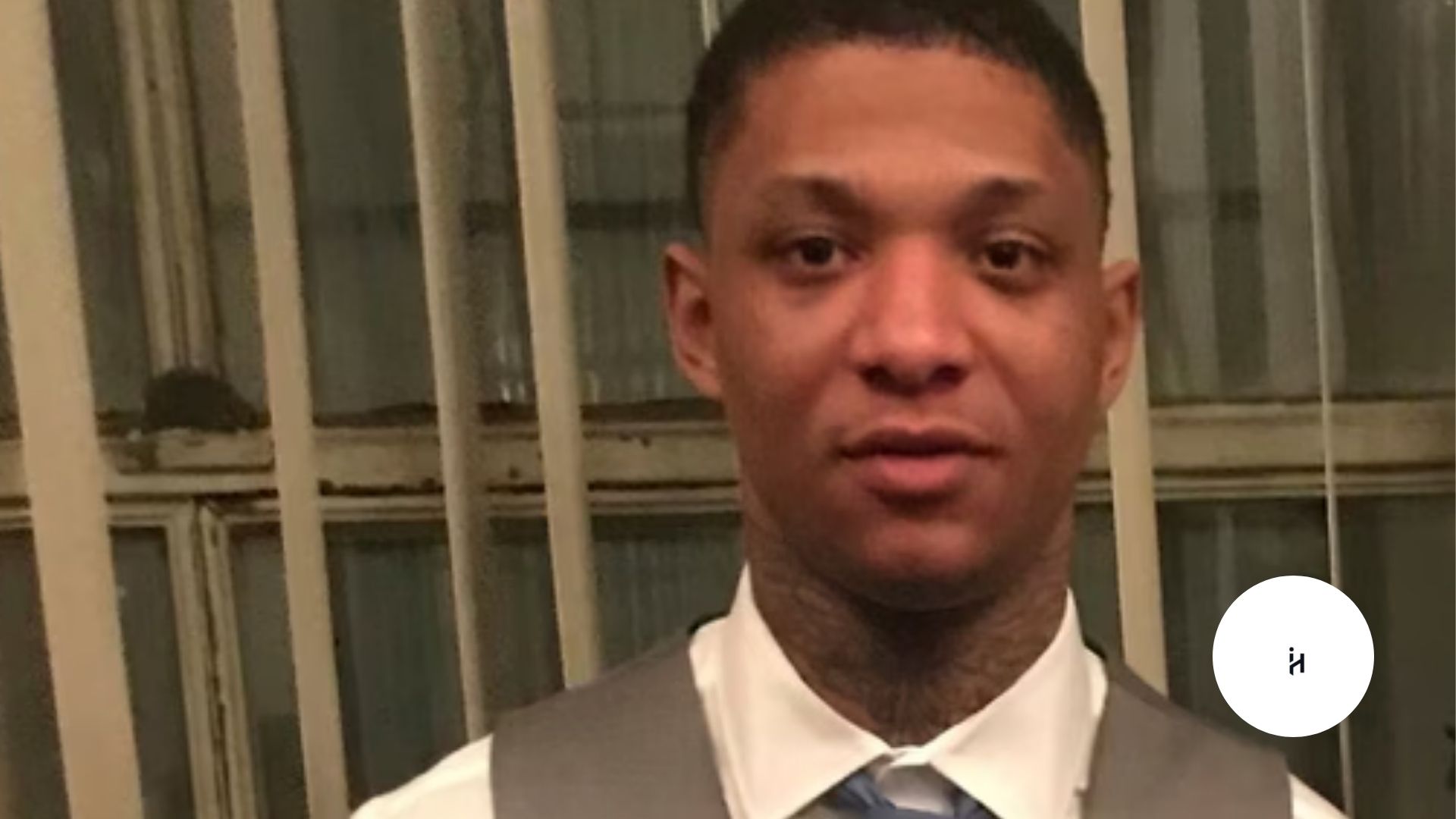
Derrick Groves—also known by the alias “Woo”—has become a notorious and controversial figure in recent years. His story spans tragic family history, multiple criminal convictions, dramatic trials, and a daring jailbreak that left him a fugitive.

The saga of Groves raises questions about justice, security, and community trauma in New Orleans. In this blog, we explore his life, crimes, escape, and the ongoing search to bring him back into custody. Below are 11 detailed sections offering a fuller, factual picture of Derrick Groves and his impact.

Early Life and Family Background

Derrick Groves

Derrick Groves was born June 19, 1997, in New Orleans, Louisiana. He grew up in a troubled environment in the Lower Ninth Ward, a part of the city marked by socioeconomic challenges.

His grandmother, Kim Groves, was murdered in a notorious case in 1994 at the orders of a corrupt police officer, which left a deep mark on his family’s history. That event and other early losses reportedly shaped his mistrust of law enforcement and his mindset entering adulthood.

Schooling, Influence & Early Criminal Activity

Groves dropped out of school around the ninth grade, curtailing formal education. In his teenage years, he became involved in drug dealing, including heroin distribution in the Lower Ninth Ward.

His behavior attracted law enforcement attention early. His social media activity also drew scrutiny, reportedly showing familiarity with firearms and sometimes boasting about violent acts. Those early moves foreshadowed his later involvement in serious crimes.

First Major Charges & Legal Battles

At age 17, in 2014, Groves was charged with attempted second-degree murder. He was held in custody for nearly two years before being acquitted by a jury. That early case raised questions about his environment, legal representation, and whether the justice system was a deterrent or trigger in his later decisions.

The 2018 Mardi Gras Day Shootings

One of the most infamous acts attributed to Groves occurred in 2018 on Mardi Gras Day, during a family block party in New Orleans. Prosecutors claim Groves and an accomplice opened fire using AK-47 style rifles, killing Jamar Robinson and Byron Jackson, and wounding others. That event became central to his most serious criminal case and the focus of multiple trials.

Derrick Groves

Trials, Convictions & Retrials

The legal proceedings in Groves’ case were complex. After an initial conviction, changes in Louisiana law requiring unanimous jury verdicts forced retrials. The second retrial in October 2024 resulted in a unanimous conviction on two counts of second-degree murder and two counts of attempted second-degree murder. Prosecutors relied on eyewitnesses, ballistic tests, cell phone records, and Groves’s own social media posts to build their case.

Additional Charges & Sentencing Delays

Aside from the 2018 murders, Groves faced other manslaughter and battery charges, including an admission of battery of a correctional officer while in detention. Delays in the court system, suspensions of attorneys, and recusal of judges prolonged the timeline before he could be formally sentenced. As of his escape, his life sentence had not yet been finalized.

The 2025 Jail Break and Escape

On May 16, 2025, Groves was one of ten inmates who escaped from the Orleans Parish Justice Center. The escape happened through a hole behind a toilet, aided by the shutdown of water systems, removal of fixtures, and possibly inside help. Other escapees were quickly recaptured, but Groves remains at large as of recent updates. His escape has triggered a high-profile manhunt.

How He Avoided Capture (So Far)

Groves has evaded capture by maintaining a low profile, leveraging his local ties, and reportedly receiving assistance from acquaintances. Authorities believe he is moving across neighborhoods, staying in the lower Ninth Ward area, and possibly being sheltered by contacts.

Allegations exist that a former jail employee, who was also a romantic partner, helped coordinate communications to evade detection. A reward (up to $50,000) is now offered for credible leads.

Community Reactions & Social Media Support

Despite his convictions, some segments of the public have expressed support for Groves on social media, using hashtags like #StayFreeWoo. Many supporters reference the murder of his grandmother and systemic injustice as reasons for sympathy. Meanwhile, victims’ families and law enforcement appeal for his capture, hoping the verdicts bring closure. This mix of support and condemnation underlines tensions in New Orleans’ social fabric.

Derrick Groves

Impacts on Law Enforcement & Jail Reform

Groves’s escape has sparked scrutiny of jail security practices, staffing, infrastructure, and oversight in New Orleans. State leadership has ordered investigations, reforms, and audits of pretrial detention systems.

The case highlights how delays in sentencing can expose vulnerabilities: had Groves already been fully incarcerated in a secure facility, the escape might have been prevented. The breach has pressured city officials and the sheriff’s office to justify their funding, policies, and oversight.

Future Prospects & What to Watch

What happens next is uncertain but critical. Authorities assert they will not relent until Groves is recaptured. Most escapees in U.S. prisons are recaptured within a year, but the longer he remains free, the harder tracking becomes. If caught, Groves will almost certainly receive life sentences without parole and possible additional charges for escape. Meanwhile, his case will continue stirring debates about criminal justice reform, prison security, community trauma, and how to break cycles of violence in vulnerable neighborhoods.

For Amazing Updates, Keep Visiting ImaginaryHistory.
Dolly Parton Age, Career, and Timeless Legacy

0
Dolly Parton Age

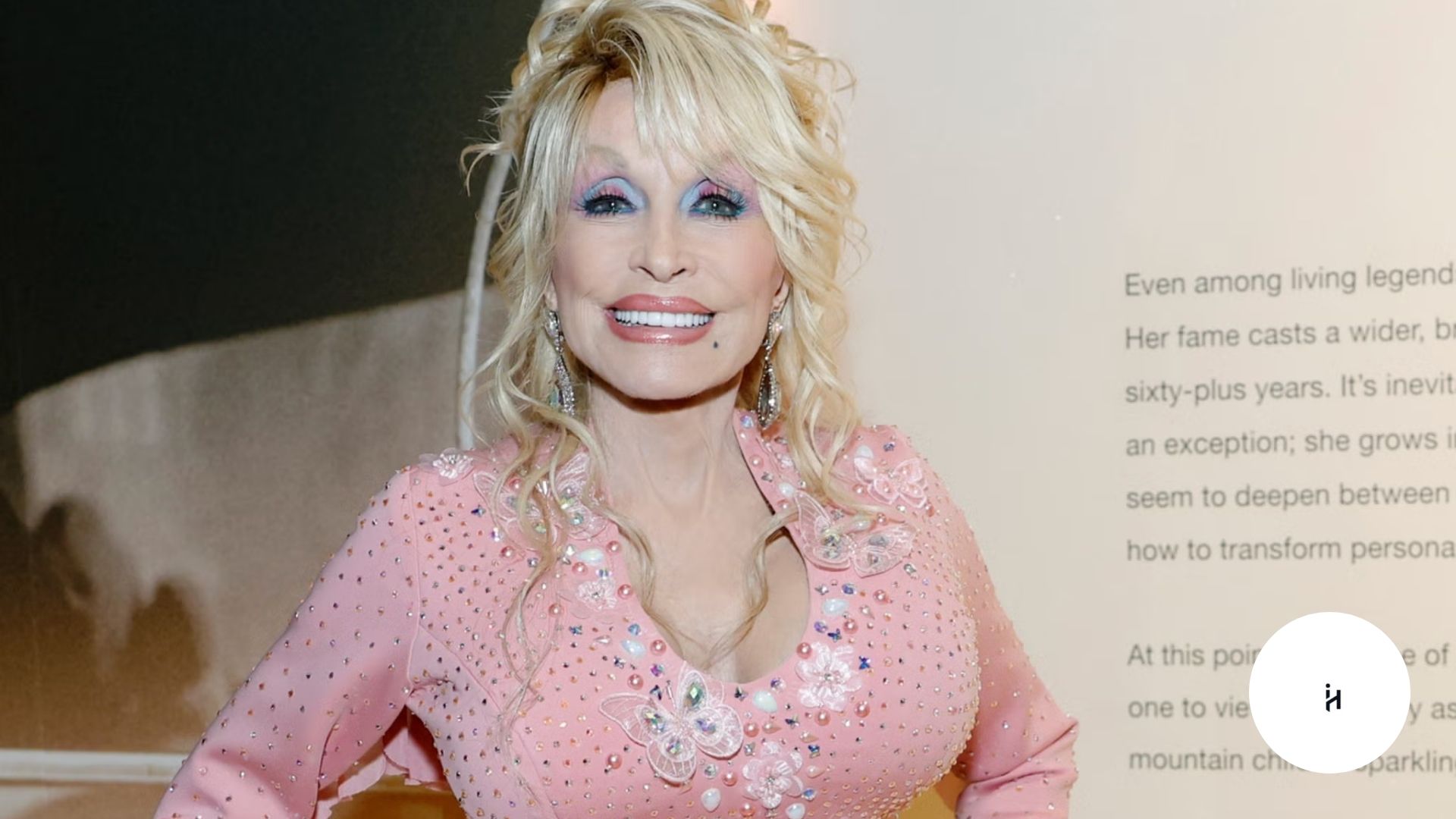
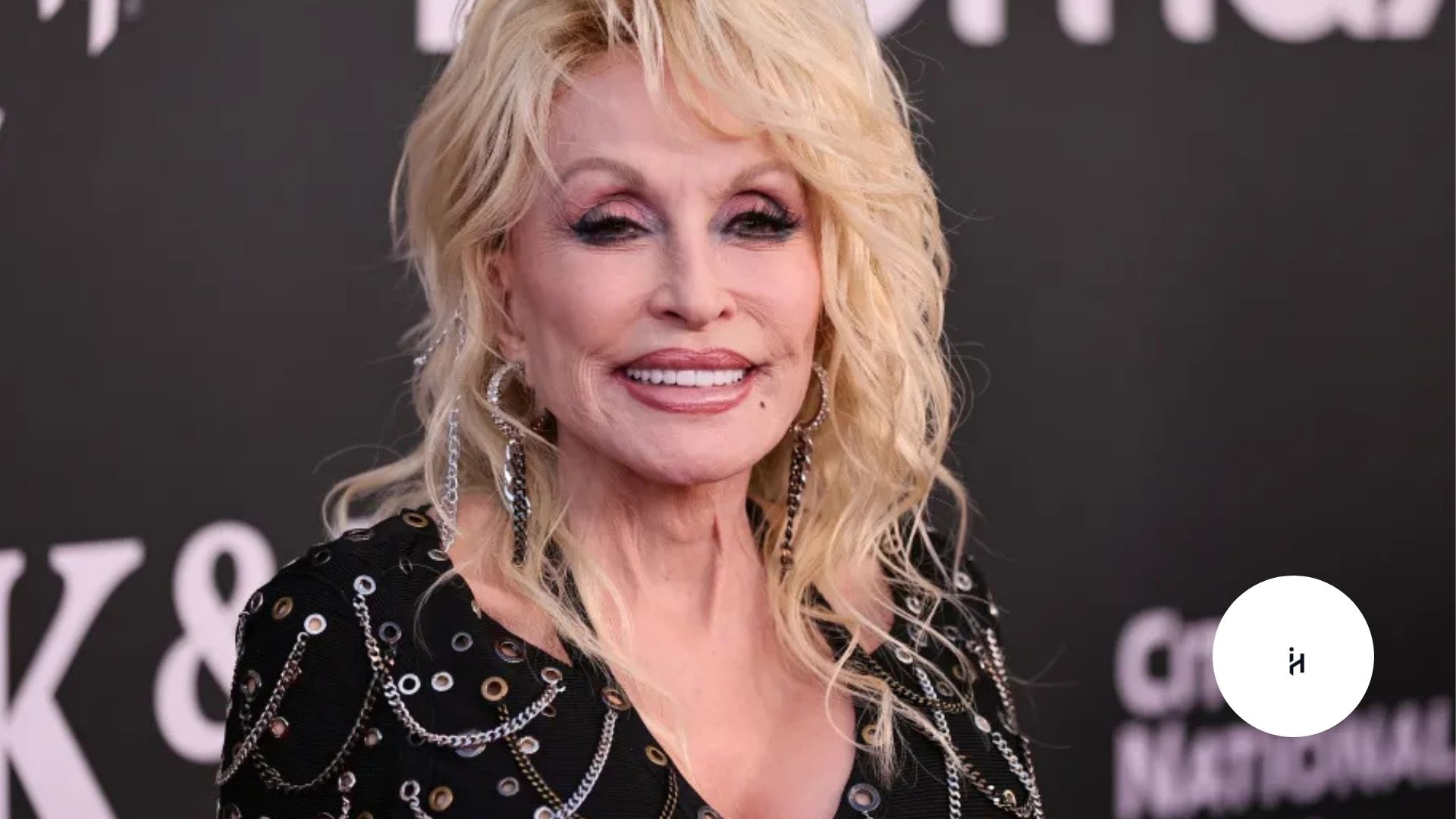
Dolly Parton, the queen of country music, continues to inspire millions with her talent, humor, and kindness. Born on January 19, 1946, Dolly Parton’s age is 79 years (as of 2025). Despite her years, she remains full of energy and creativity, proving age is just a number. From humble beginnings in Tennessee to global stardom, her story embodies passion and perseverance. Dolly’s charm, philanthropic heart, and timeless voice make her one of the most beloved entertainers in history. Her journey shows how hard work and self-belief can turn dreams into an everlasting legacy.

Early Life and Family Roots in Tennessee

Dolly Parton Age

Dolly Parton was born in Sevierville, Tennessee, as the fourth of twelve children in a poor yet loving family. Growing up in a one-room cabin, her family’s musical background greatly influenced her future career. Even as a child, Dolly performed in church and local radio shows, revealing her natural singing talent.

Her early life taught her the value of hard work, humility, and gratitude. These lessons shaped her character and helped her stay grounded even after achieving worldwide fame. Dolly Parton’s age may reflect decades of experience, but her spirit remains as youthful as ever.

Dolly Parton’s Age When She Started Singing

Dolly Parton began her music career at an incredibly young age. She wrote her first song at just five years old and started performing on local radio by age ten. By the time she turned 13, she made her first appearance at the Grand Ole Opry in Nashville.

Her career took off quickly after high school when she moved to Music City to chase her dreams. Looking back, Dolly Parton’s age during these milestones shows how early dedication can lead to extraordinary success. Her teenage years laid the foundation for one of the greatest musical careers ever.

Rising Stardom in the 1960s and 1970s

The 1960s marked the true beginning of Dolly Parton’s rise to fame. She joined Porter Wagoner’s television show, which introduced her to a national audience. Together, they recorded several duets, but Dolly’s solo career soon soared.

Her hit songs “Jolene” and “I Will Always Love You” became international classics. By the 1970s, Dolly Parton was in her late twenties, yet she had already become a household name. Her success during this period not only redefined country music but also paved the way for women in the industry. Dolly’s voice and songwriting remain timeless.

Dolly Parton’s Transition to Hollywood Stardom

During the 1980s, Dolly Parton’s career expanded beyond country music into Hollywood. She starred in the hit film 9 to 5 (1980), for which she also wrote and performed the theme song. The movie’s success proved her versatility as an entertainer.

Over the years, Dolly appeared in several other films, including Steel Magnolias and The Best Little Whorehouse in Texas. Even as her career evolved, Dolly Parton’s age never limited her creativity. She became a symbol of empowerment, showing women that they could shine in multiple industries without compromising their identity.

Dolly Parton’s Musical Achievements and Awards

Dolly Parton Age

Throughout her career, Dolly Parton has received more than 50 Grammy nominations and 11 Grammy Awards, along with countless other honors. She has written over 3,000 songs, a remarkable achievement that few artists can match.

Songs like “Coat of Many Colors” and “9 to 5” reflect her storytelling brilliance and emotional depth. Dolly Parton’s age represents not decline but decades of dedication to her craft. Her name is synonymous with excellence, creativity, and sincerity. Each award she’s received is not just for her music but for the inspiration she provides to fans around the world.

Her Enduring Influence on Country and Pop Music

Dolly Parton’s impact on both country and pop music is undeniable. She was one of the first female artists to successfully cross over between genres without losing authenticity. Her lyrics often blend heartache, hope, and humor — emotions that resonate across generations.

Even as Dolly Parton’s age approaches 80, her music remains relevant, streamed by millions worldwide. She continues to inspire younger artists like Miley Cyrus and Kacey Musgraves. Dolly’s influence proves that true artistry transcends time and trends, keeping her one of the most admired figures in modern music history.

Philanthropy and the Imagination Library Project

Beyond her music, Dolly Parton is celebrated for her generosity. In 1995, she launched the Imagination Library, a nonprofit that provides free books to children. To date, it has distributed over 200 million books worldwide.

Her philanthropic work also includes scholarships, disaster relief, and support for healthcare. Dolly Parton’s age has only strengthened her compassion for others. She believes giving back is one of life’s greatest rewards. Through her humanitarian efforts, Dolly continues to change lives, proving that her legacy extends far beyond the stage and screen.

Dolly Parton’s Personal Life and Longtime Marriage

Dolly Parton married Carl Dean in 1966, and their relationship has stood the test of time. Despite being private, their marriage is one of the longest-lasting in Hollywood. Carl prefers to stay out of the spotlight, but Dolly often describes him as her biggest supporter.

They renewed their vows on their 50th anniversary in 2016, a true testament to their enduring love. Even as Dolly Parton’s age advances, her relationship remains strong, grounded in respect and humor. Their marriage showcases how balance and privacy can keep love alive in the entertainment world.

Dolly Parton Age

Dolly Parton’s Secret to Staying Young and Energetic

Fans often wonder how Dolly Parton maintains her youthful energy and radiant personality. Her secret lies in staying positive, maintaining faith, and doing what she loves. Dolly says laughter, gratitude, and creativity keep her feeling young.

She continues to work, write songs, and perform because music fuels her spirit. Dolly Parton’s age may be 79, but her outlook on life remains refreshingly young. Her dedication to health, beauty, and optimism reminds us that true youth comes from within, not from the number of birthdays we celebrate.

Legacy and Future Projects Beyond 2025

Even as she approaches eight decades of life, Dolly Parton shows no sign of slowing down. She continues to release albums, write books, and collaborate with artists across genres. In recent years, she’s ventured into rock music and even a Christmas special.

Dolly Parton’s age may suggest retirement, but her creativity says otherwise. Her enduring legacy inspires musicians, dreamers, and humanitarians alike. As she continues to reinvent herself, Dolly remains a shining example of timeless talent, proving that age can never define passion, purpose, or success.

For Amazing Updates, Keep Visiting ImaginaryHistory.