Home Blog Page 354

Malcolm Brogdon Wife: The Story of Victoria Janowski

0
Malcolm Brogdon Wife

Who Is Malcolm Brogdon’s Partner?

Malcolm Brogdon is known on the court, but behind him stands a quietly influential figure: his wife, Victoria Janowski Brogdon. Their relationship remains low-key but deeply rooted in mutual respect, shared values, and complementary paths.

She has her own story—academic, professional, and personal—that intersects with his life in meaningful ways. In this blog, we will delve into Victoria’s background, what she does, their journey together, and how she shapes life outside the spotlight of basketball. This isn’t about idle gossip but about real people.

Malcolm Brogdon Wife

Early Life and Family Roots of Victoria

Victoria Janowski grew up in Atlanta, Georgia—a southern upbringing that shaped much of her early worldview. Her family background is more private, and there are no widely published details about her parents or siblings.

What is known is that she pursued education seriously and was active in campus leadership and athletics. Her roots, especially her Polish heritage (through her family), later became relevant in surprising ways. This formative period laid the foundation for her ambitions and the kind of person she is today.

Academic Journey and University of Virginia

Victoria attended the University of Virginia (UVA), the same institution where Malcolm studied. At UVA, she earned a degree in English Language and Literature. Beyond academics, she was engaged in extracurricular leadership: she served as vice chair of the Black Student Alliance and participated in the sports council.

She also played collegiate volleyball, showing athletic versatility in her own right. Her time at UVA was more than just schooling—it was where paths crossed and shared values were cemented.

Professional Life and Career Moves

After UVA, Victoria’s career path took her into both legal and corporate domains. She worked as a litigation paralegal before eventually joining BSE Global in their global partnerships team.

Her professional roles show a blend of analytical skill, organizational aptitude, and international outreach. She not only remains a figure in Malcolm’s story but sustains her own identity in her work. Her ability to balance a private life while operating in demanding roles reflects her professionalism and supportiveness.

The First Encounters: How They Met

Though neither Victoria nor Malcolm has publicly narrated a detailed “first meeting” story, many accounts place the start of their interaction at UVA, where both were students.

Over time, their bond deepened, likely through shared social and academic circles. They kept things mostly private in those early days, not seeking attention. Their friendship turned romantic, evolving gradually into the committed partnership they now maintain.

Engagement and Marriage in 2020
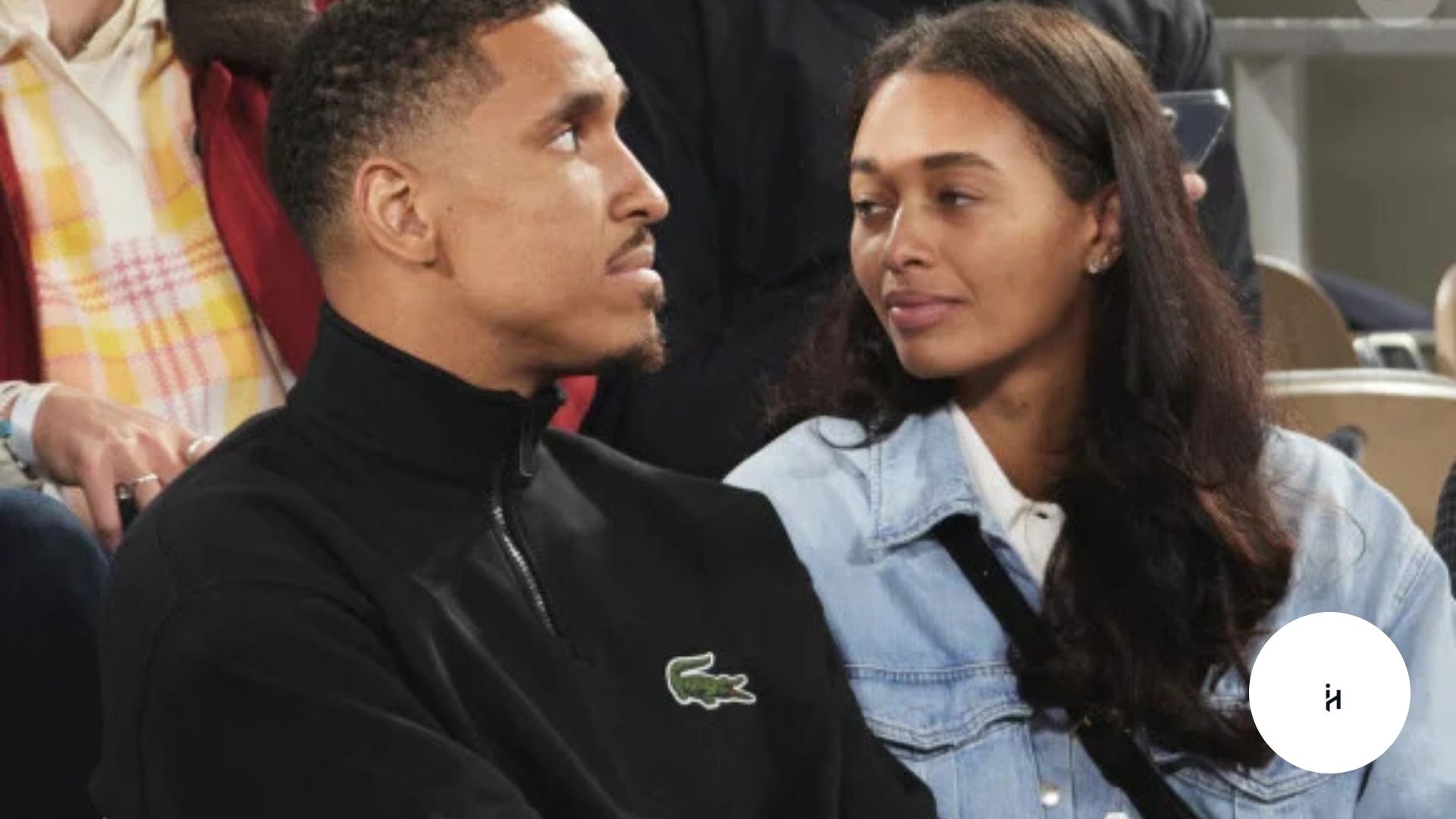
Malcolm Brogdon Wife

In 2020, Malcolm and Victoria made their union official by marrying, though they had kept the relationship relatively shielded until then. At that point, Victoria also adopted the Brogdon surname in public references, becoming Victoria Brogdon.

The wedding was modest and intentionally low-profile, consistent with how they manage their personal lives. Their decision to share that step was more about solidifying a lifelong partnership than seeking attention. UrbanMatter+1

Personal Life and Public Privacy

Victoria and Malcolm intentionally maintain boundaries between their public and private lives. They rarely share intimate details—especially about family or day-to-day routines—in the media or on social platforms.

This disciplined privacy allows them room to live authentically away from constant scrutiny. When they do appear publicly—at events or philanthropic functions—the focus tends to be on their joint goals rather than sensational headlines. Their partnership is rooted in mutual respect rather than exposure.

Role in Malcolm’s Life: Support, Partnership, Growth

Victoria plays more than just a “spouse” role; she’s a confidante, sounding board, and partner in navigating life off the court. As Malcolm’s career demands travel, pressure, and attention, having someone stable and thoughtful beside him matters enormously.

Their shared academic background and overlapping values foster understanding. She offers balance and perspective, helping ground him amid the ups and downs of a public athlete’s life. Their interactions, though low-profile, suggest a deep emotional and intellectual connection.

Polish Roots & Dual-Nationality Context

One interesting dimension of Victoria’s heritage is her Polish roots. Her family comes from a Polish background, and she holds Polish citizenship. Because of this, Malcolm applied for Polish citizenship himself in 2024, potentially allowing him to represent Poland in international basketball. This tie gives their relationship an international strand beyond the U.S. It also highlights how her lineage and personal history can open new avenues in Malcolm’s life.

Malcolm Brogdon Wife

Children, Future Plans, and Family Ambitions

As of now, the Brogdons have kept news of any children private or unconfirmed. However, in a 2025 interview, Malcolm mentioned life beyond basketball with his wife, Victoria, and two daughters when discussing his future.

Whether that statement reflects existing daughters or intentions remains a point of speculation. They seem to prefer letting family matters unfold with discretion. What is clear is that they likely envision a life together rooted in growth, mutual support, and shared goals.

Legacy, Public Perception & Impact

Though Victoria is not a household name in sports media, her presence and role command respect among those who follow Malcolm’s journey. She stands as a strong example of how a spouse can contribute quietly yet meaningfully.

The public sees her in event photos, philanthropic outings, or social media glimpses—but always undergirded by competence, character, and discretion.

Their relationship reinforces a model: not every partner needs the spotlight; sometimes, influence is strongest when exercised behind the scenes. Their joint path continues to shape perceptions about successful couples in high-pressure arenas.

For Amazing Updates, Keep Visiting ImaginaryHistory.

Candice Swanepoel Children: Anacan & Ariel Overview

0
Candice Swanepoel Children

Candice Swanepoel is widely known as a South African supermodel, but beyond the runway, she plays a cherished role as a mother. Her children, two sons named Anacan and Ariel, are a central part of her life.

Over the year, she’s shared glimpses of their growth, the choices she makes for them, and how balancing motherhood with her career remains evolving. In this article, we explore real information about her kids, their background, and impact—not just gossip. We avoid superficial repetition and instead aim for clarity and substance.

Early Life of Her Firstborn

Candice Swanepoel Children

Candice welcomed her first son, Anacan, on October 5, 2016. The name is inspired by Brazilian heritage and is a nod to the Amazonian indigenous culture. When Anacan was about five months old, Candice relocated from Brazil to New York with him. People.com+1 From the start, she has spoken about raising him with balance, giving him exposure yet protecting his privacy.

Arrival of Her Second Son

Her second son, Ariel, entered the world on June 19, 2018. Uniquely, Ariel was born at home, which Candice revealed via social media. The name “Ariel” carries both Hebrew and unisex appeal, meaning “lion of God,” and Candice has noted its cross-cultural resonance. With a gap of under two years between her sons, Candice has said the early years were intense but rewarding.

How Their Names Were Chosen

The story of their names reflects Candice’s connection to culture and family. For her first child, she and her then-partner added an “n” to “Anaca” to simplify pronunciation in English-speaking contexts.

Meanwhile, Ariel was chosen for its meaning and gender-neutral appeal—Candice has spoken about enjoying its flexibility across languages. The pairing of Anacan and Ariel also shows a pattern: both names begin with “A,” giving them a connection without being identical.

Their Childhood Shared Moments

Though Candice tends to keep personal moments private, she has occasionally shared glimpses of her sons. In one Instagram post, she published a black-and-white clip of her children relaxing by a pool and in a hammock. In another campaign, both boys joined her in a shoot for Vogue’s winter 2025 issue. Through such moments, she shows their sibling bond and how they accompany her in some work settings.

Candice’s Views on Parenting

Candice has often expressed that motherhood changed her deeply. She describes raising her boys with emotional openness, teaching them empathy and gratitude. She also emphasizes allowing them to have space and not pushing them into modeling unless they genuinely want it. In interviews, she speaks candidly about the challenges: preparing for two under two was “intense,” but she regards it as fulfilling.

Candice Swanepoel Children

Education & Early Learning

Candice has not revealed a strict formal schooling plan in public, likely because she values privacy. What is known is that she supports exposure to multiple languages; she herself speaks English, Afrikaans, and Portuguese, and may encourage linguistic and cultural awareness in her children. She has also stressed fostering creativity rather than prescribing rigid paths. As they grow, she seems committed to giving them options rather than imposing her world on them.

Their Appearances in Her Work

On occasion, Candice involves her sons professionally but sparingly. Anacan appeared in a 2017 campaign for Gap tied to the Every Mother Counts project. In 2025, both boys featured with her in the Vogue winter issue shoot. Her approach seems selective—letting them participate when it feels natural, rather than making them a constant part of her brand.

Their Bond as Brothers

Candice often mentions the bond between Anacan and Ariel with affection. She calls Anacan a caring big brother, frequently kissing and hugging Ariel. She describes Ariel as “joyful,” “easygoing,” and sometimes the more carefree of the two. In public statements, she emphasizes that the boys will always have each other—and that connection is something she values.

Living Between Places

Candice splits her time between different cities and countries, and this influences her sons’ upbringing. After Anacan’s birth, she moved from Brazil to New York with him for better opportunities.

She has homes or bases in Brazil and New York, and sometimes works in Europe too.  This mobility gives her children exposure to multiple cultures, though it also means she has to juggle stability, schooling, and family life thoughtfully.

Candice Swanepoel Children

Challenges She Faces as a Mom

Being a globally active model and entrepreneur while raising young children brings significant challenges. Candice has admitted to feeling pressure about how to balance work and motherhood without compromising either.

 She has navigated judgment on public breastfeeding, privacy boundaries, and protection from overexposure in the media. She often says there is no perfect formula and that every day brings learning, adjustments, and love.

Future Outlook for Anacan & Ariel

Looking ahead, Candice appears to hope her sons grow into their own identities. She has mentioned she wouldn’t force them into modeling, but would support them if they were passionate and confident.

With exposure to the fashion world, media, and varied cultures, they likely will have broad options. Candice’s goal seems to be to give them foundations—empathy, curiosity, freedom—so they can choose paths suited to themselves.

For Amazing Updates, Keep Visiting ImaginaryHistory.

Drew Struzan – The Legendary Artist Behind Iconic Posters

0
Drew Struzan

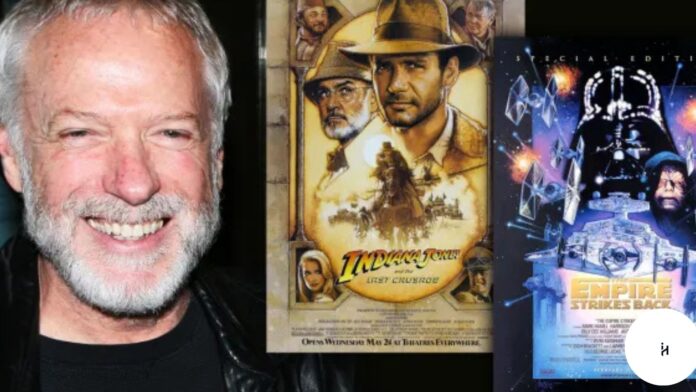
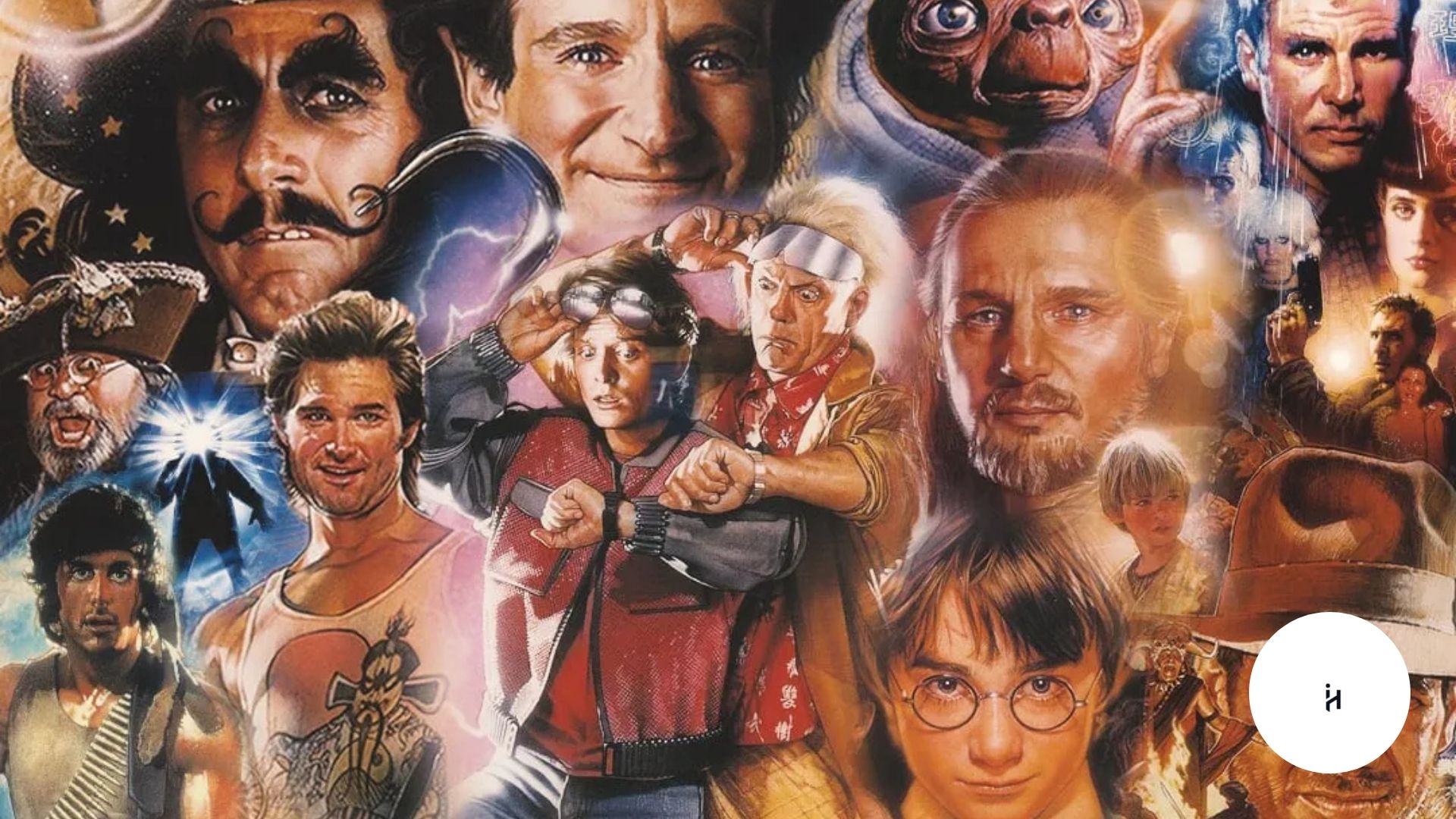
In an era dominated by digital art, Drew Struzan remains a symbol of authenticity and craftsmanship. His film posters have become cultural icons, shaping the visual identity of countless movies. Known for his detailed brushwork and emotional storytelling, Struzan’s art continues to captivate generations.

His posters for Star Wars, Indiana Jones, and Back to the Future remind us that hand-painted art can create deeper connections than computer-generated images. This article explores his life, style, techniques, and influence on modern cinema and visual art.

Early Life and the Artistic Journey Begins

Drew Struzan

Drew Struzan was born in 1947 in Oregon City, Oregon. From a young age, he showed an extraordinary interest in drawing and painting, often creating portraits of people around him. Growing up in a modest family, he used art as a form of escape and expression.

Struzan later attended the Art Center College of Design in Los Angeles, where he mastered fine art and illustration. His dedication and natural talent quickly made him stand out. These early experiences built the foundation for a lifelong career that would reshape poster art forever.

Breaking Into the World of Illustration

Before entering Hollywood, Drew Struzan started as a commercial illustrator in the 1970s. He designed album covers for major artists, including Alice Cooper and The Bee Gees. His ability to blend realism with emotion set him apart from other illustrators.

Struzan’s album art taught him how to capture mood and personality skills that later defined his movie posters. This period also introduced him to the demanding pace of commercial art, preparing him for the fast deadlines and creative challenges of the film industry.

The Star Wars Era and a New Kind of Fame

Drew Struzan’s collaboration with Star Wars in the late 1970s changed everything. George Lucas admired his work, leading to Struzan’s involvement in the saga’s promotional art. His posters for Star Wars: A New Hope, The Empire Strikes Back, and Return of the Jedi became legendary.

He captured the spirit of adventure and the emotional depth of the characters in a way photography never could. His unique style turned Star Wars posters into collectible artworks that fans still treasure today, solidifying his place in cinematic history.

Working with Spielberg and Lucas: A Creative Golden Age

The 1980s marked Drew Struzan’s golden era. He collaborated with directors like Steven Spielberg and George Lucas on blockbusters such as Indiana Jones, Back to the Future, and E.T..

These partnerships allowed him to explore creativity at its highest level. Struzan’s ability to communicate emotion and story through color, light, and composition helped define the visual identity of modern cinema. His work didn’t just advertise films; it told their stories in a single frame, a rare skill that earned him respect across Hollywood.

The Signature Style That Made His Art Instantly Recognizable

Drew Struzan

Drew Struzan’s style is defined by warm tones, detailed portraits, and a painterly texture that evokes nostalgia. He often worked in acrylics and colored pencils, layering elements to achieve a luminous, cinematic look.

His posters balance realism with fantasy, inviting viewers to feel both the character’s emotions and the film’s atmosphere. Struzan’s signature lies in his subtle storytelling; each poster feels alive, as if it breathes the movie’s soul. This timeless quality makes his art instantly recognizable even decades later.

Behind the Brush – His Unique Artistic Process

Unlike digital designers, Drew Struzan began every piece by sketching ideas on paper. After finalizing a composition, he transferred it to a large board and painted using acrylics and airbrush techniques.

He worked closely with directors and studios but retained full creative freedom over the final look. Struzan often said he painted “what the film feels like, not what it looks like.” This emotional approach explains why his posters capture so much more than faces; they capture the spirit of the story itself.

Challenges in the Age of Digital Art

As digital design gained dominance in the late 1990s, hand-painted posters started disappearing. Drew Struzan faced fewer commissions as studios shifted toward photo-manipulated designs.

However, his work endured as audiences and filmmakers began to miss the warmth of traditional art. Directors like Guillermo del Toro and Frank Darabont continued to request his work, keeping his legacy alive. Struzan’s persistence proved that true art transcends trends, inspiring a renewed appreciation for analog craftsmanship in a digital world.

Retirement and the Continuing Legacy of His Work

In 2008, Drew Struzan officially retired from commercial work, though he occasionally returned for special projects. His retirement did not mark an end but a continuation of influence.

Exhibitions of his art have toured globally, and collectors pay high prices for his original pieces. The passion and detail in his posters continue to inspire new artists and illustrators. Even after stepping away, Struzan remains a benchmark of quality and storytelling in visual art. His work defines what timeless movie posters should look like.

Influence on Modern Artists and Pop Culture

Drew Struzan

Drew Struzan’s impact reaches beyond Hollywood. Modern illustrators, comic book artists, and digital designers all cite him as a major influence. His art shaped how people imagine heroes, villains, and cinematic worlds.

Pop culture has embraced his style from fan-made tributes to official re-releases of his classic posters. Even contemporary films attempt to capture his emotional realism. Struzan showed that art can elevate marketing into something meaningful, an art form that lives far beyond a film’s release date.

The Human Side – Personality and Philosophy

Behind the fame, Drew Struzan is known for his humility and deep love of art. He believes that creating from the heart is more important than pleasing trends or markets. His philosophy revolves around authentic painting with honesty and emotion.

Despite working with Hollywood’s biggest names, he remains grounded, often crediting his success to hard work and faith. This human touch is visible in every brushstroke. His posters not only advertise stories they also reflect his own belief in the power of imagination and hope.

Why Drew Struzan’s Art Will Always Matter

Drew Struzan’s legacy endures because his art connects emotion with memory. His posters aren’t just promotional; they are visual time capsules. They remind audiences of the excitement, wonder, and magic of going to the movies.

Struzan’s influence ensures that future generations will continue to value the power of painted imagery. In a world of fast, digital visuals, his work stands as a reminder that art made with patience and passion never fades. Drew Struzan didn’t just paint posters; he painted emotion, adventure, and history itself.

For Amazing Updates, Keep Visiting ImaginaryHistory.

William Daniels: A Life in Stage, Screen and Legacy

0
William Daniels

William Daniels is one of those rare performers whose career spans multiple eras, genres, and platforms. Born in 1927, he has worked on stage, film, television, and as a voice actor. He’s known for roles as a teacher, a founding father, a doctor, and even a talking car.

Through decades of commitment and adaptability, Daniels built a reputation for gravitas, dignity, and depth in his work. In this blog, we’ll take a closer look at his background, rise, major roles, awards, personal life, and the lasting influence he continues to exert.

Early Life and Roots in Brooklyn

William Daniels

William David Daniels was born on March 31, 1927, in Brooklyn, New York. His father worked as a bricklayer and his mother as a telephone operator. From a young age, he performed in a family singing-and-dancing troupe, becoming part of “the Daniels family” act. That early exposure to performance helped shape his comfort on stage and his love for the arts, setting the foundation for a lifetime career in acting.

Training, Education, and Early Theater Work

Although Daniels had early performance experience, he also pursued formal education. He attended Northwestern University to study drama and hone his skills. After his schooling, he gravitated toward theater and Broadway, building his résumé in stage productions.

In 1943, he made his Broadway debut in Life with Father, sharing the stage with veteran performers. Over time, he built a strong reputation in theatrical circles before widening into film and television.

Transition into Film and Screen Roles

Daniels’s film debut came in Ladybug Ladybug (1963), where he played a school principal in a drama about fear and panic. He then appeared in A Thousand Cows (1965), reprising a role that originated on stage. One of his memorable early screen moments was playing Dustin Hoffman’s father in The Graduate (1967). These roles helped him transition credibly from stage to screen and introduced him to a wider audience.

Defining Broadway and Musical Roles

While Daniels had success in film and television, Broadway remained a major home for him. He starred in musicals and plays like 1776, A Thousand Cows, and On a Clear Day You Can See Forever.

His portrayal of John Adams in 1776 became one of his signature parts — he later reprised the role for the film version. Critics respected his ability to combine musical talent with serious dramatic presence, and these theater roles enriched his versatility.

Television Success: Dr. Mark Craig & KITT

In the 1980s, Daniels achieved notable TV success. He starred as Dr. Mark Craig in the medical drama St. Elsewhere (1982–1988), a role that earned him two Emmy Awards. Simultaneously, he provided the voice for KITT, the intelligent car in Knight Rider, from 1982 to 1986.

That vocal performance became iconic, even though he rarely appeared on screen in that show. His ability to carry serious drama and also lend his voice convincingly to a sci-fi element showcased his range.

William Daniels

Beloved Role: Mr. Feeny in Boy Meets World

Perhaps his most widely recognized role is that of George Feeny in Boy Meets World (1993–2000). As Mr. Feeny, he played a stern but caring teacher and mentor to a group of young students, notably Cory Matthews.

That role resonated deeply with fans for its moral grounding, wit, and warmth. He also reprised the role in Girl Meets World, the sequel series, making cameo appearances that connected generations.

Leadership and Service: Screen Actors Guild

Beyond acting, Daniels contributed to his profession through leadership. From 1999 to 2001, he served as president of the Screen Actors Guild (SAG). During his presidency, he pressed for better compensation for actors, especially around commercials on cable and broadcast television. Although the changes that resulted were debated, his tenure showed that he cared deeply about actors’ rights and the structural aspects of the entertainment industry.

Awards, Honors & Critical Recognition

Over his long career, Daniels received many accolades. He won two Emmy Awards for St. Elsewhere for his performance as Dr. Craig. On stage, he earned an Obie Award for The Zoo Story in 1960. He also earned praise from critics for both his theater and screen work, and was respected by peers for the dignity and consistency of his performances.

William Daniels

Personal Life: Marriage and Family

William Daniels met actress Bonnie Bartlett while they were students, and they married in 1951. Their marriage has endured for many decades, making them one of the longest-lasting couples in Hollywood. They adopted children and supported one another’s careers over the years. While Daniels often played formal or stern characters, accounts suggest that in private, he valued humor, respect, and loyalty in his personal relationships.

Later Years, Legacy, and Ongoing Influence

Even in his later years, Daniels remained active and connected to his audience. He made surprise appearances, such as on Dancing with the Stars, reprising his persona as Mr. Feeny. He acknowledges that his iconic roles continue to resonate with newer generations.

People.com+1 His legacy lies not just in the volume of his work, but in the dignity, consistency, and respect he brought to every part he played. Scholars and fans often point to Feeny’s mentorship and Daniels’s ethical approach as an enduring model.

Lessons from William Daniels’s Career

What can actors, creators, or fans learn from Daniels’s life? First, longevity in the arts often comes from adaptability — Daniels moved from stage to film to TV to voice work. Second, integrity matters: he avoided gimmicks and cultivated respect.

Third, embracing leadership roles (as with SAG) can amplify one’s impact beyond performance. Finally, his ability to mentor and inspire on screen (for example, as Mr. Feeny) suggests that the roles we choose can reflect deeper values. His career is a demonstration that talent, patience, and character can combine to build lasting influence.

For Amazing Updates, Keep Visiting ImaginaryHistory.