Home Blog Page 33

TF Card Explained: Features, Uses, Benefits, and Differences

0
TF Card Explained

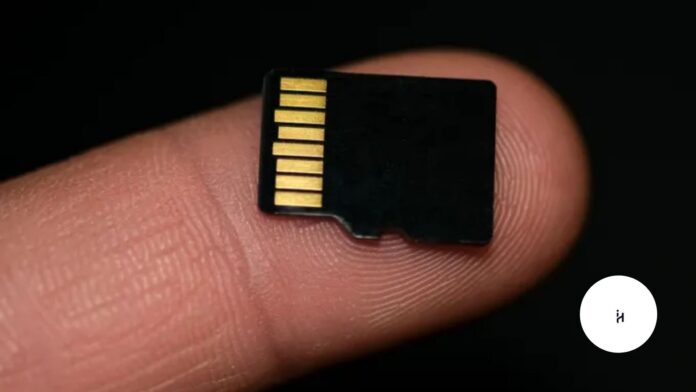
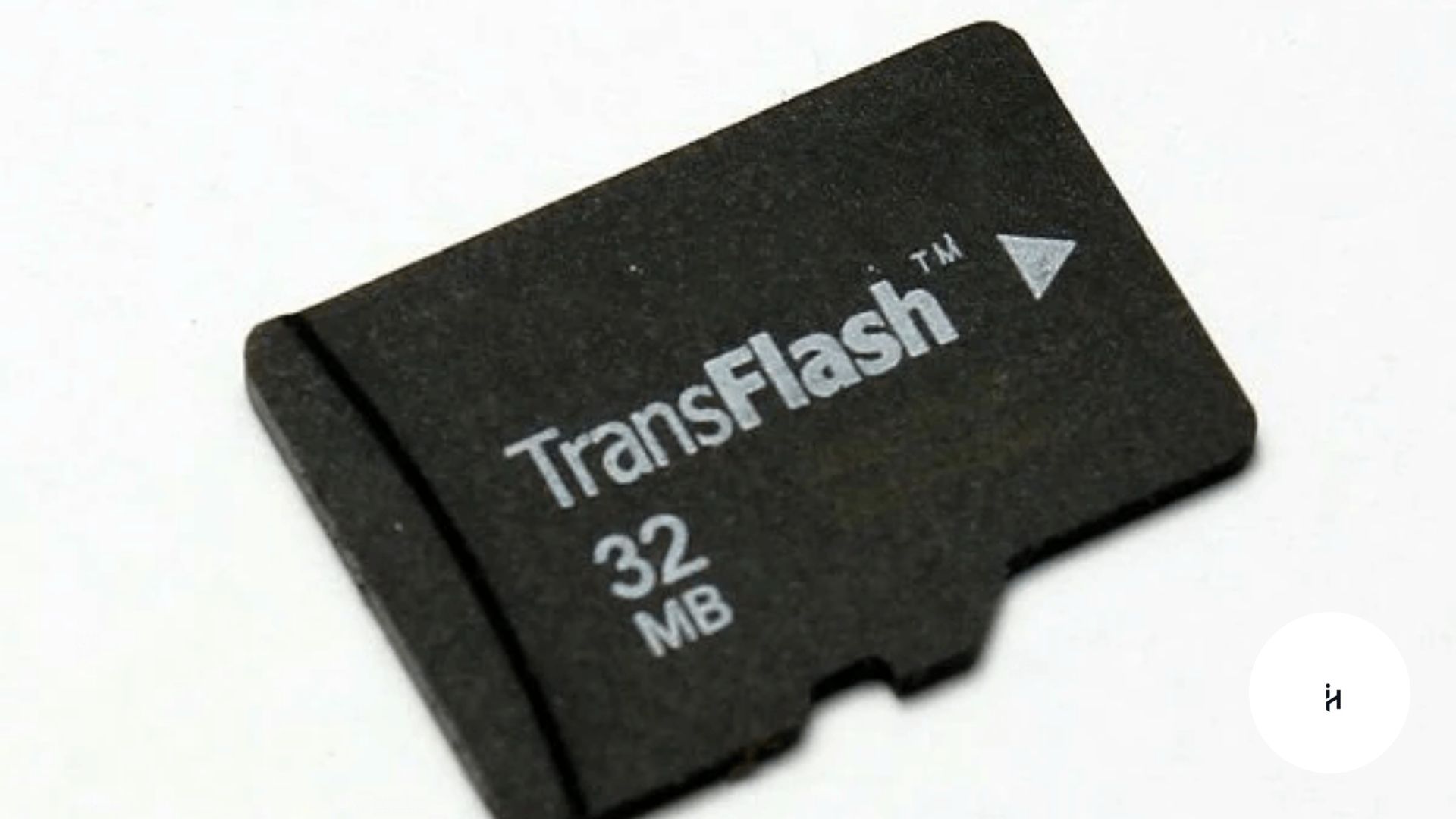
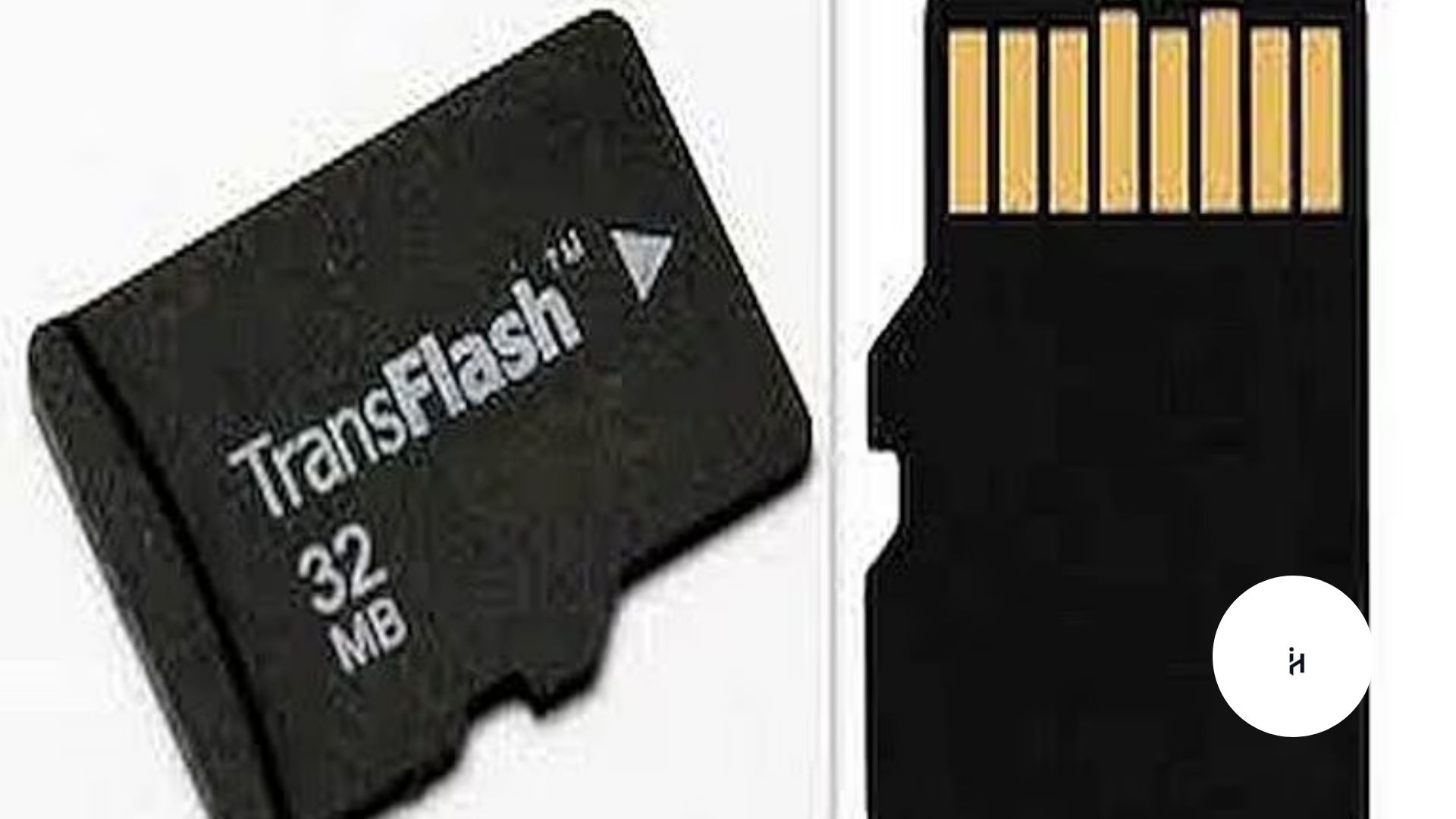
A TF card, short for TransFlash card, is a compact memory card used for storing data in portable devices. Originally developed by SanDisk, the TF card is commonly used in smartphones, GPS devices, drones, dashcams, and tablets. It was later renamed microSD when adopted by the SD Association.

The main appeal of a TF card lies in its small size and high data storage capabilities. If you’re running low on space or need a portable storage solution, a TF card is one of the best options available. Its compatibility with various devices makes it extremely versatile and useful.

History and Development of the TF Card
TF Card Explained

The TF card was introduced by SanDisk in 2004 as the world’s smallest flash memory card. Shortly after its release, the SD Association adopted it and rebranded it as a microSD card. Despite the new name, the TF card term is still widely used, especially in technical and retail circles.

Originally designed for mobile phones, its compact size quickly made it a favorite across industries. Over the years, the TF card has seen improvements in speed and storage capacity, ranging from 128MB to 1TB. Its evolution reflects the growing need for lightweight, portable, and high-capacity data storage.

Key Features of a TF Card

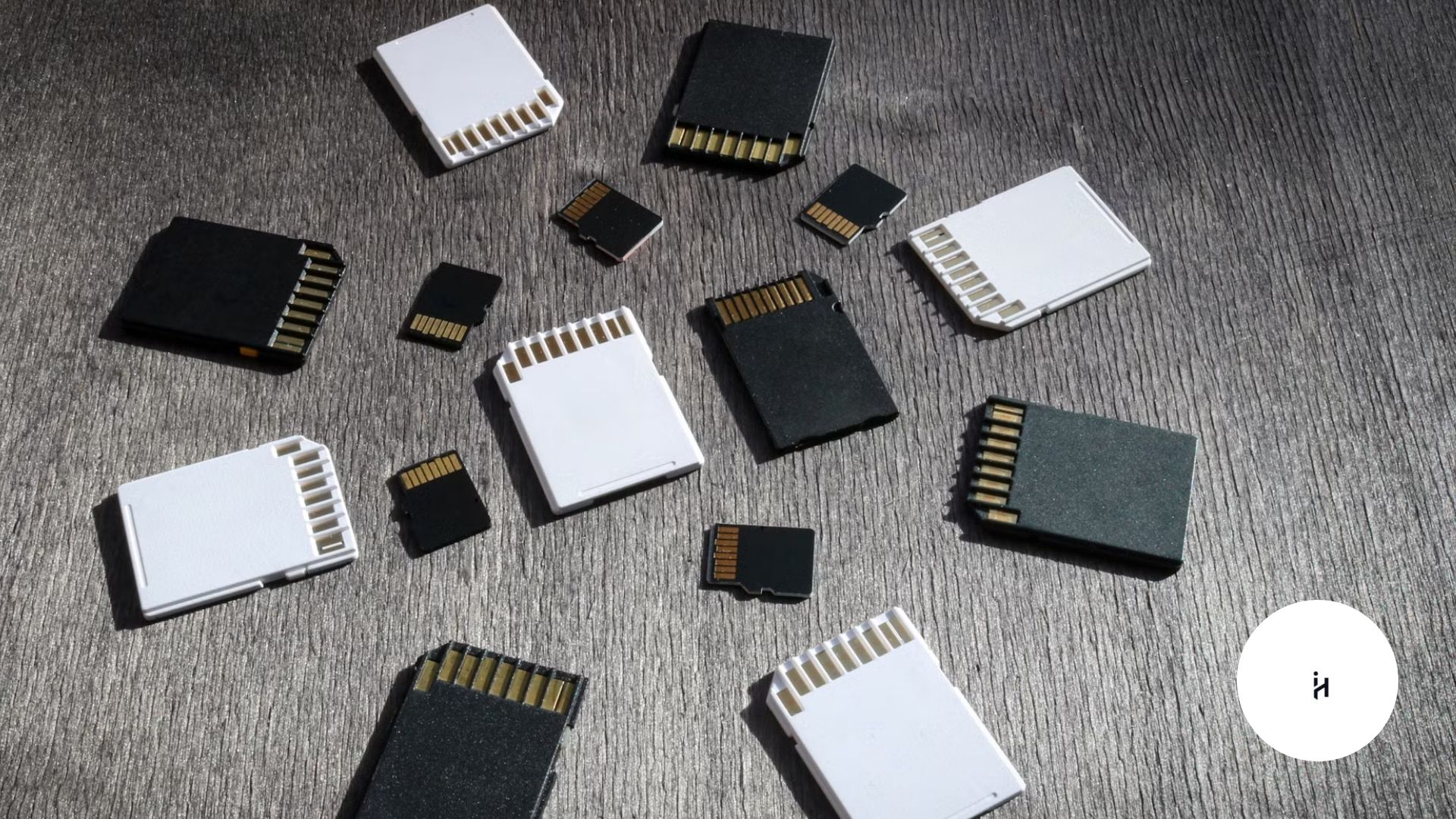
TF cards are designed with portability, speed, and compatibility in mind. These cards typically measure just 11mm x 15mm, making them ideal for small devices. Despite their size, TF cards offer storage options from a few megabytes to several terabytes.

They support different speed classes, such as Class 10 and UHS-I, for faster data transfers. Another notable feature of a TF card is its durability—it’s usually water-resistant, shockproof, and X-ray proof. Thanks to these features, a TF card is perfect for action cameras, drones, and smartphones that require reliable performance in tough environments.

Common Uses of a TF Card in Daily Life

TF cards are widely used in consumer electronics. The most common usage is in smartphones for storing apps, photos, videos, and files. Many digital cameras and camcorders also rely on TF cards to save high-resolution images and videos. In drones and dashcams, TF cards ensure continuous video recording without interruptions.

Portable gaming consoles like the Nintendo Switch also support TF cards for game storage. Additionally, TF cards are used in Raspberry Pi projects, security cameras, and GPS units. Whether you’re a tech enthusiast or a casual user, a TF card offers convenience, speed, and expandability in everyday tasks.

TF Card vs MicroSD Card: Are They the Same?

Many people ask whether a TF card is the same as a microSD card. The answer is yes—TF card is the original name given by SanDisk before it became part of the SD Association. After the transition, the term “microSD” became more commonly used.

However, both names refer to the same physical card. The key takeaway is that all microSD cards are TF cards, but not all TF cards may support the additional features newer microSD cards offer, such as SDHC or SDXC standards. In practical use, there is no major difference between the two today.

Storage Capacities Available in TF Cards
TF Card Explained

TF cards come in various storage capacities, catering to different user needs. Early versions had capacities of just 128MB or 256MB. Today, you can find TF cards with storage ranging from 2GB to 1TB or more. The three main categories include microSD (up to 2GB), microSDHC (2GB to 32GB), and microSDXC (32GB to 2TB).

High-capacity TF cards are ideal for HD video recording, professional photography, and app storage. When choosing a TF card, always consider how much storage you actually need and check your device’s compatibility. Not all devices support higher-capacity TF cards or all speed classes.

TF Card Speed Classes and What They Mean

Speed classes are crucial when choosing a TF card. They determine how fast data can be written or read from the card. Common speed classes include Class 4, Class 10, UHS-I, UHS-II, and V30/V60 for video recording. A Class 10 TF card offers minimum write speeds of 10MB/s, making it suitable for full HD video.

UHS cards can offer even faster speeds, ideal for 4K recording and gaming. If you’re using the TF card for professional work like drone videography or DSLR photography, choose a high-speed TF card to avoid lag, buffering, or corrupted files.

How to Insert and Format a TF Card

Inserting a TF card is straightforward. Most smartphones, cameras, and tablets have a dedicated TF card slot or a combo SIM/TF slot. Use the ejector tool or manually open the flap and insert the card until it clicks. Once inserted, go to the device settings and choose “Format TF card” before use.

Formatting ensures your TF card is optimized and free of errors. It’s also a good habit to format the card periodically to maintain speed and performance. Be sure to back up any important data before formatting, as it will erase everything stored on the TF card.

How to Choose the Right TF Card for Your Needs

Choosing the right TF card depends on your usage. If you’re using it in a smartphone for general file storage, a 32GB Class 10 TF card may be enough. For 4K video recording in a drone or GoPro, opt for a V30 or UHS-I TF card with 64GB or more.

Always check your device’s compatibility with speed classes and maximum storage limits. Brands like SanDisk, Samsung, Kingston, and Lexar are reliable choices. Buying a TF card from a trusted brand ensures better speed, durability, and fewer chances of data corruption or hardware failure in the long term.

Common Problems and Solutions with TF Cards

Like any storage medium, a TF card can face issues. Common problems include the card not being recognized, data corruption, or slow speeds. These can often be fixed by reformatting the card, updating the device’s firmware, or using a card reader to check on a computer.
TF Card Explained

If the TF card is not detected at all, it may be physically damaged. Always avoid cheap, counterfeit TF cards, as they are more likely to fail. Regularly backing up your data and avoiding abrupt ejections from devices can significantly increase the TF card’s lifespan and reliability.

How to Care for and Extend the Life of Your TF Card

Proper care can extend your TF card’s lifespan. Avoid exposing it to moisture, extreme temperatures, or magnetic fields. Always eject the TF card safely before removing it from any device. Don’t overfill the card—keeping at least 10% space free helps maintain its speed.

Format the card in the device where it will be used, rather than on a different system. Store unused TF cards in protective cases to avoid physical damage. By following these simple tips, your TF card will last longer, perform better, and safeguard your precious data, whether it’s media files or critical documents.

The Future of TF Cards in Modern Technology

Despite the rise of cloud storage and internal memory, the TF card remains highly relevant in modern tech. Newer models are offering faster speeds, larger storage capacities, and better durability. Innovations in edge computing, mobile gaming, and AI-powered devices still rely on fast, removable storage.

As more IoT and 5G-enabled gadgets enter the market, TF cards will continue to be crucial in data storage. Their role in emerging tech like drones, action cameras, and smart wearables ensures that the demand for reliable TF card solutions won’t fade anytime soon. The TF card’s future looks compact, powerful, and indispensable.
What Do Different Emojis Mean: A Simple Emoji Guide

0
What Do Different Emojis Mean

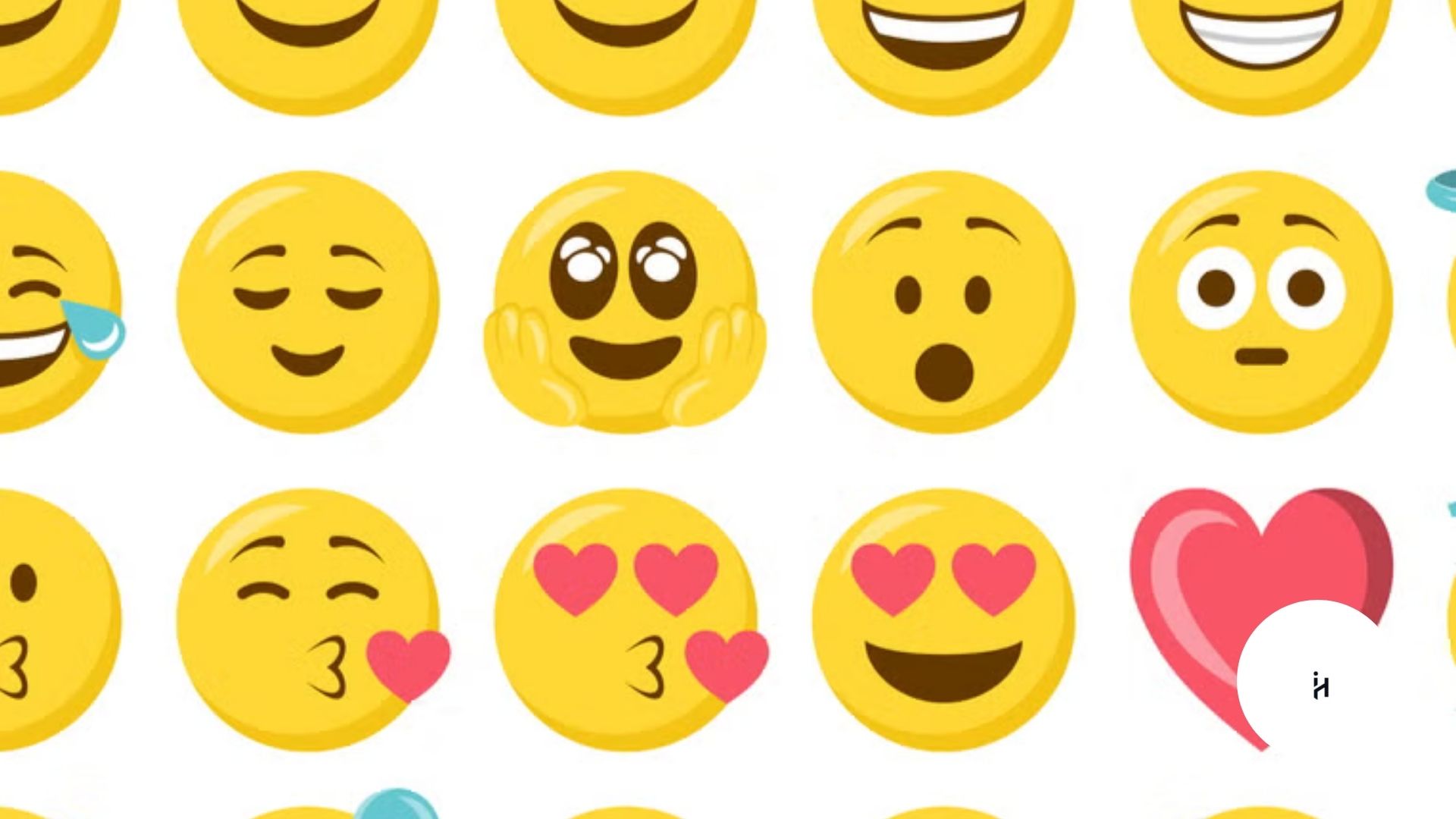
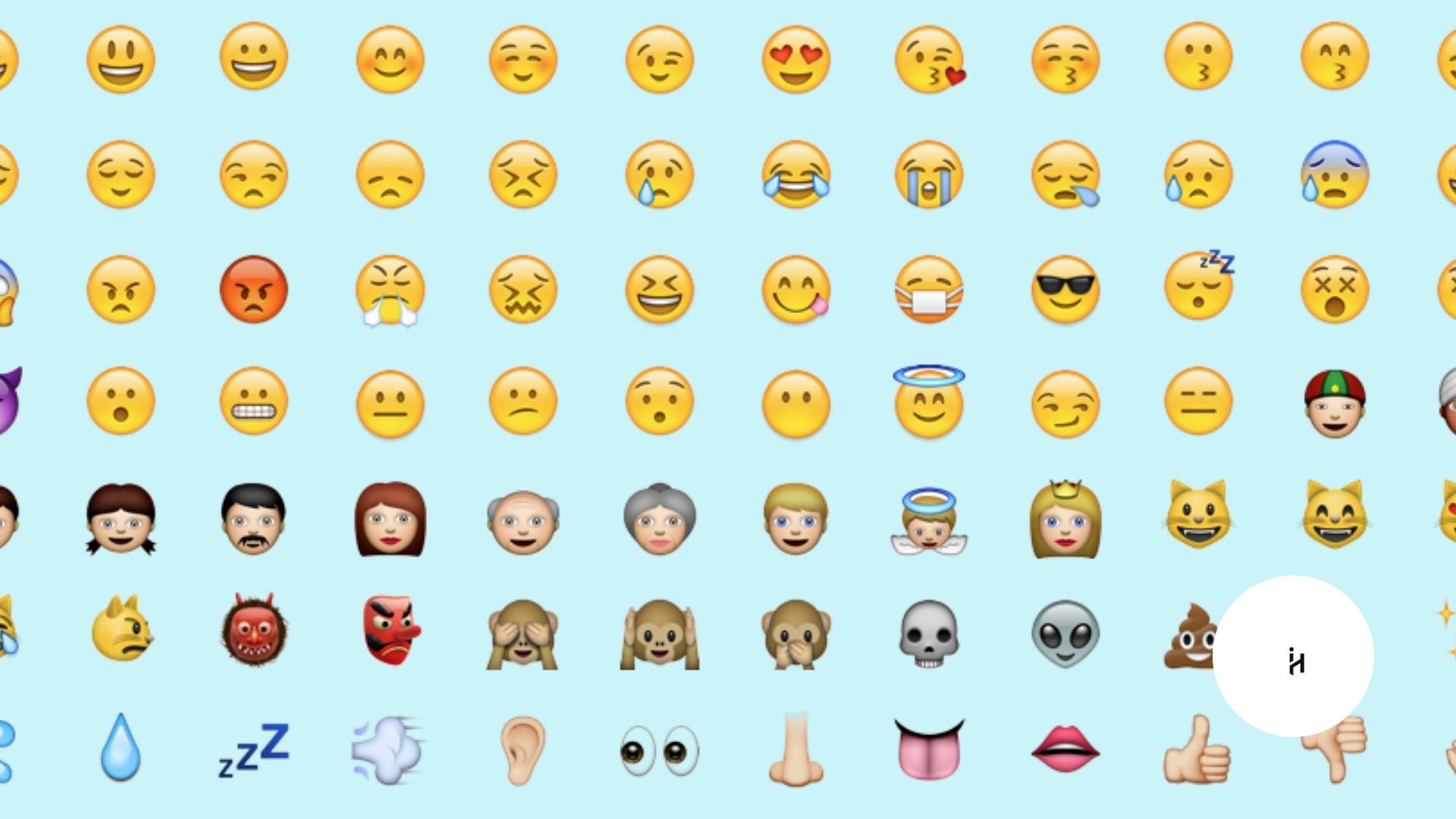
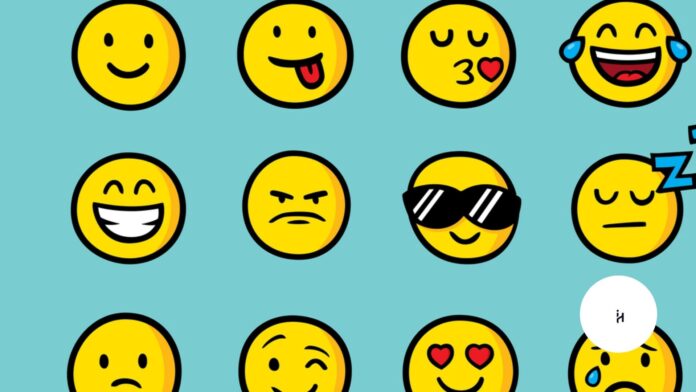
Ever wondered what do different emojis mean? With thousands of emojis used daily in chats, texts, and social media, it’s easy to get confused. Emojis are more than cute icons—they represent emotions, ideas, and even hidden messages. In this guide, we’ll explore what do different emojis mean, from smiley faces to symbols and gestures. Whether you’re texting friends or writing social captions, understanding what do different emojis mean can improve how you express yourself digitally. Let’s dive into the world of emojis and unlock their meanings!

😊 Smiling Face with Smiling Eyes Emoji Meaning

What Do Different Emojis Mean

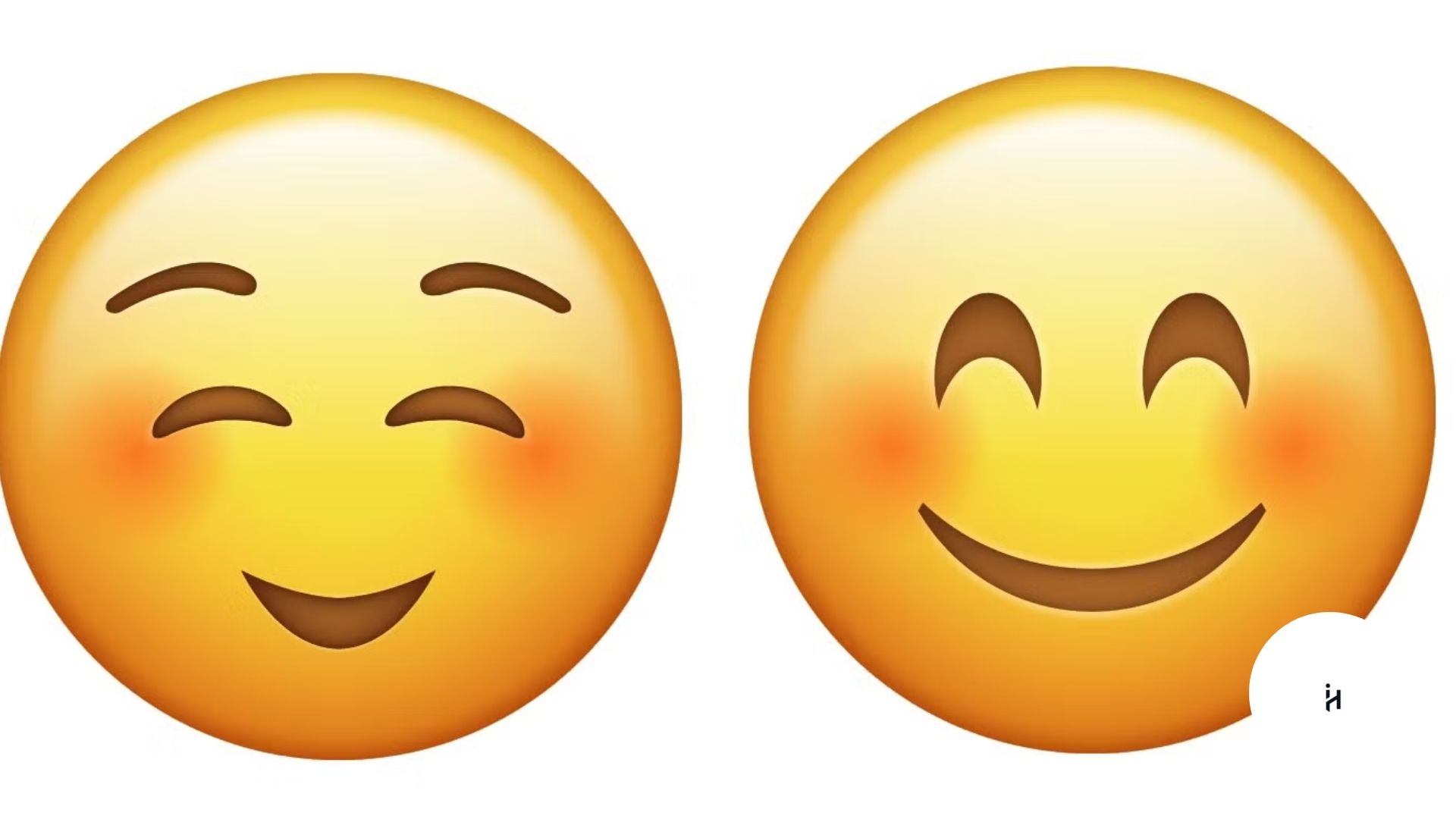
The 😊 emoji is often used to express warmth, positivity, or gratitude. If someone sends you this emoji, they’re likely happy or thankful. Understanding what do different emojis mean includes knowing how subtle this smile is—gentler than 😄 but warmer than 🙂. It’s perfect for soft compliments or kind messages. This emoji works well in both casual and professional contexts. When learning what do different emojis mean, it’s important to notice the emotional nuance behind each smile. 😊 can also imply humility or friendliness, depending on the situation.

😂 Face with Tears of Joy Emoji Explained

The 😂 emoji is one of the most popular, representing laughter or something extremely funny. When someone finds something hilarious, they often use this emoji. To fully grasp what do different emojis mean, know that 😂 expresses intense amusement. It’s commonly seen in memes, group chats, and funny replies. Unlike a simple 😆 or 😅, this emoji shows uncontrollable laughter. When figuring out what do different emojis mean, remember this one adds drama to humor and often replaces words altogether.

❤️ Red Heart Emoji Meaning in Conversations

The ❤️ emoji symbolizes love, affection, and strong emotional bonds. It’s often used in romantic, friendly, or even supportive contexts. When learning what do different emojis mean, you’ll notice that ❤️ conveys much more than just “I love you.” It can also express solidarity, gratitude, or even respect. Many people use it to thank others or show appreciation. If you’re analyzing what do different emojis mean, the red heart stands out as one of the most versatile and powerful.

😍 Smiling Face with Heart Eyes Meaning

When someone sends the 😍 emoji, they’re usually showing admiration, attraction, or love. Understanding what do different emojis mean helps you identify emotions quickly, and 😍 is perfect for expressing adoration. Whether it’s for a person, pet, food, or experience, this emoji says “I love this!” This emoji is commonly used in reactions on social media, particularly when complimenting someone. Learning what do different emojis mean means noticing how visuals replace text in emotional expression.

😎 Smiling Face with Sunglasses Meaning

The 😎 emoji represents coolness, confidence, or a laid-back attitude. If someone uses it, they’re likely feeling self-assured or proud. When exploring what do different emojis mean, you’ll see 😎 often used with achievements or sarcastic comments. It’s commonly found in social media captions, especially those that celebrate success or share a confident message. Decoding what do different emojis mean requires looking at tone and context—this emoji fits casual, witty, or ironic conversations well.

😢 Crying Face Emoji and Its Hidden Meanings

What Do Different Emojis Mean

The 😢 emoji represents sadness, disappointment, or sympathy. To understand what do different emojis mean, recognize that 😢 is softer than 😭 but still emotional. It’s often used when talking about personal struggles, bad news, or empathy. This emoji may not always represent the sender’s feelings but can be a response to someone else’s pain. As you explore what do different emojis mean, you’ll find that emotional emojis like 😢 require context for full clarity.

🙏 Folded Hands Emoji Meaning and Use

The 🙏 emoji is often interpreted as prayer, gratitude, or asking for forgiveness. However, its meaning can vary across cultures. When exploring what do different emojis mean, 🙏 could also mean a “thank you” or “please.” People use it in spiritual posts or when requesting something politely. This emoji holds respectful tone and is common in both personal and professional messages. Learning what do different emojis mean involves understanding cultural and emotional intent behind such symbols.

💀 Skull Emoji Meaning in Modern Slang

💀 has evolved from symbolizing death to representing “I’m dead” from laughter or shock. In modern texting culture, it’s more humorous than morbid. Knowing what do different emojis mean helps you decode trends—💀 is popular on platforms like TikTok and Twitter. People use it to exaggerate how funny or ridiculous something is. Although it still holds its traditional meaning, today’s use shows how what do different emojis mean can change over time with digital slang.

🥺 Pleading Face Emoji Meaning

The 🥺 emoji shows vulnerability, innocence, or a pleading tone. Often used to beg, flirt, or express sadness, it’s one of the most emotionally charged emojis. Understanding what do different emojis mean means seeing how subtle expressions like 🥺 convey complex feelings. People use it when asking for favors, sharing bad news, or expressing soft emotions. It’s often paired with emotional words or dramatic storytelling. As you learn what do different emojis mean, you’ll see how 🥺 enhances emotional impact.

👀 Eyes Emoji and Its Implications

The 👀 emoji signals interest, curiosity, or attention. Whether it’s gossip, anticipation, or drama, this emoji fits perfectly. Knowing what do different emojis mean helps you use 👀 in scenarios that involve secrets, exciting news, or watching something unfold. People use it to hint at suspense or tease upcoming announcements. In conversations, it can also mean “I see you” or “I’m watching.” When decoding what do different emojis mean, 👀 shows how subtle cues influence digital conversation.

What Do Different Emojis Mean

🔥 Fire Emoji Meaning in Pop Culture

The 🔥 emoji is used to describe something “hot,” whether it’s a person, idea, outfit, or performance. It’s widely used in music, sports, and fashion contexts. To fully grasp what do different emojis mean, recognize 🔥 as a stamp of approval or admiration. It shows excitement, intensity, or greatness. Social media users often use 🔥 when reacting to photos, achievements, or trends. If you’re diving into what do different emojis mean, 🔥 stands out as one of the trendiest and most positive.

Conclusion

Now that you’ve explored what do different emojis mean, you can communicate better across digital platforms. From hearts and smiles to skulls and fire, emojis help us say more with less. As online communication continues to evolve, understanding what do different emojis mean is essential for clarity and emotional expression. Keep this guide handy and enhance your messages with meaning!

Abraham Lincoln Death: A Tragic Turning Point in U.S. History

0
Abraham Lincoln Death

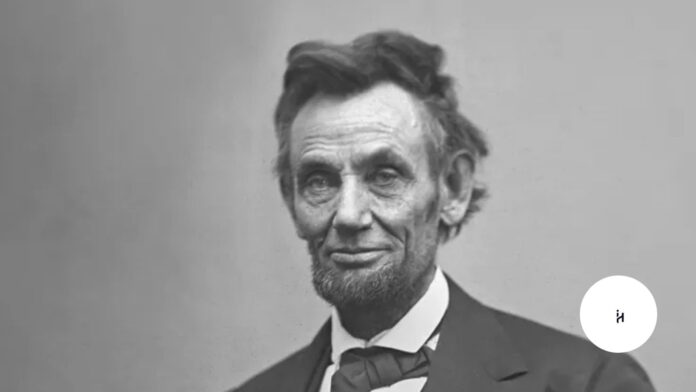
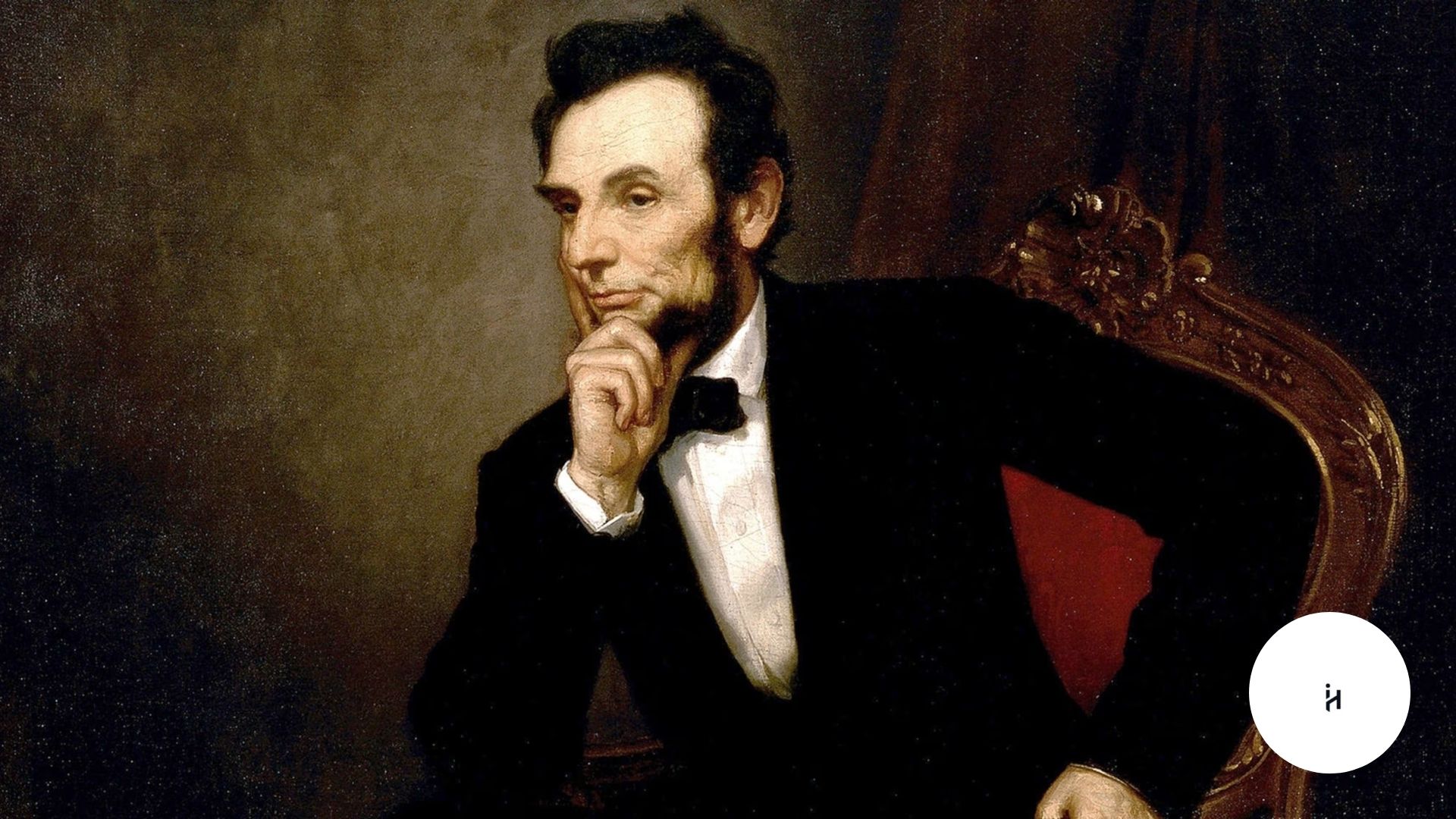
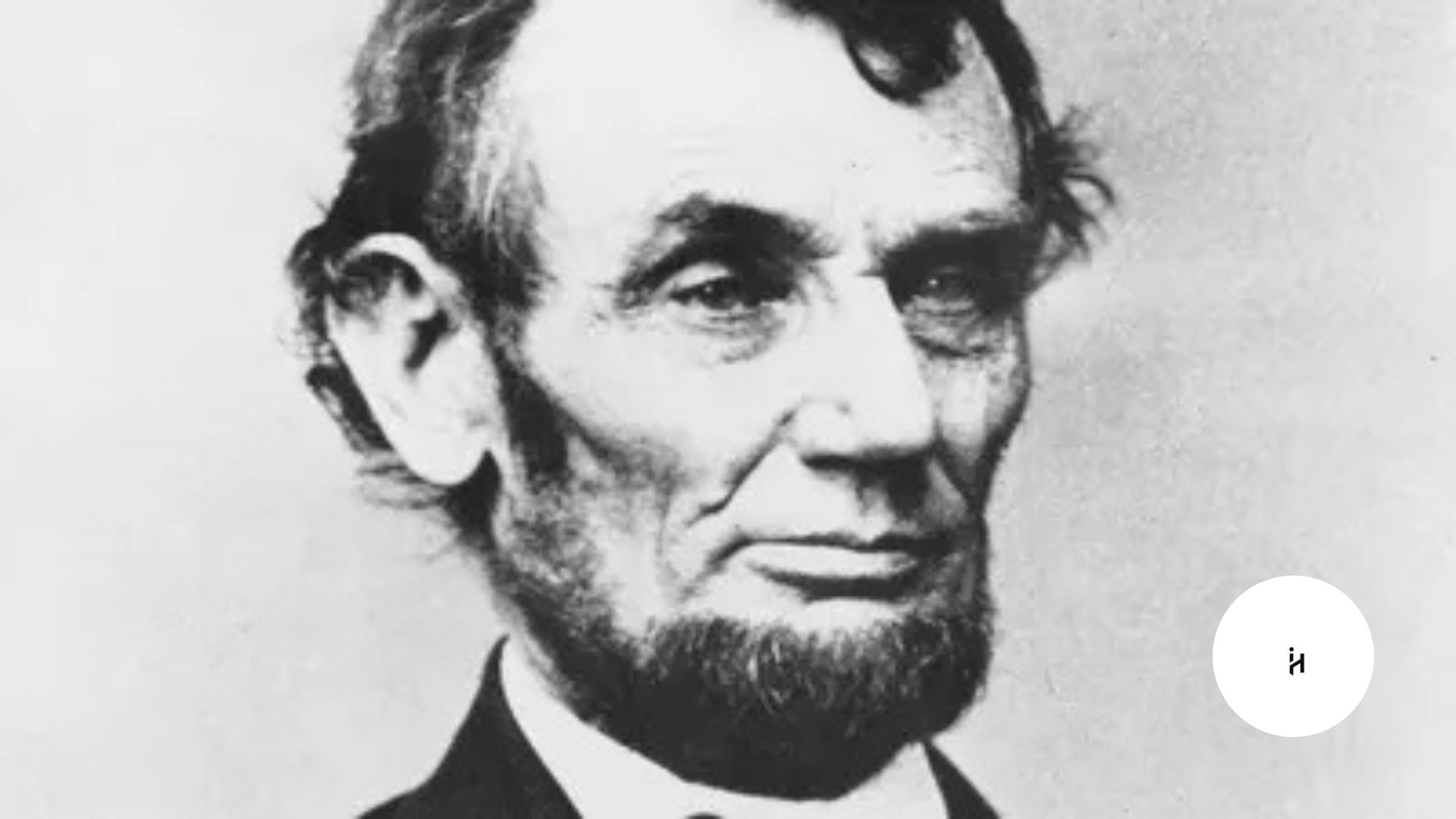
The Abraham Lincoln death is one of the most defining and tragic events in American history. On April 14, 1865, just days after the Civil War ended, President Lincoln was shot by John Wilkes Booth while attending a play at Ford’s Theatre in Washington, D.C. His untimely demise shocked the nation and altered the course of history.

As the first U.S. president to be assassinated, the Abraham Lincoln death became a pivotal moment, influencing politics, civil rights, and the national psyche for generations. In this blog, we explore every detail surrounding the tragic Abraham Lincoln death.

The Night of the Assassination at Ford’s Theatre

Abraham Lincoln Death

On April 14, 1865, Abraham Lincoln attended a play at Ford’s Theatre titled Our American Cousin. John Wilkes Booth, a Confederate sympathizer, seized this opportunity to carry out a shocking act. Sneaking into Lincoln’s private box, Booth shot the President in the back of the head at close range.

The Abraham Lincoln death scene was chaotic, and the audience was horrified. This calculated attack was not just a personal vendetta, but a political statement. The Abraham Lincoln death marked a dark day for a country that had just begun to heal from war.

Who Was John Wilkes Booth?

John Wilkes Booth, an actor and Confederate supporter, became infamous for orchestrating the Abraham Lincoln death. He was part of a larger conspiracy to revive the Confederacy by eliminating its top leaders. Booth believed killing Lincoln would throw the Union into chaos.

Known for his charm on stage, Booth used his acting connections to gain access to the president. The Abraham Lincoln death wasn’t just a random act; it was the result of a deeply rooted ideological hatred. Understanding Booth’s motives helps us grasp the full impact of the Abraham Lincoln death.

The Moments After the Shooting

After the gunshot rang out, Booth jumped onto the stage and fled the theater, shouting “Sic semper tyrannis!” Lincoln, gravely wounded, was immediately attended by doctors in the audience. He was carried across the street to the Petersen House.

The news of the Abraham Lincoln death spread rapidly throughout Washington. Crowds gathered outside the house, praying for a miracle. Unfortunately, the bullet had caused irreversible brain damage. The night of the Abraham Lincoln death became a haunting memory that still echoes through American history.

Lincoln’s Final Hours and Last Breath

Lincoln remained unconscious for nine hours before passing away at 7:22 AM on April 15, 1865. His deathbed was surrounded by close friends, cabinet members, and Mary Todd Lincoln. Doctors did everything they could, but the head wound proved fatal.

The silence in the room after the Abraham Lincoln death was deafening. Secretary of War Edwin Stanton famously said, “Now he belongs to the ages.” The Abraham Lincoln death was more than just a loss—it was the end of an era and the start of a new, uncertain chapter for America.

The Nation Mourns Its Fallen Leader

Abraham Lincoln Death

News of the Abraham Lincoln death devastated the country. People from all walks of life grieved together. Public buildings were draped in black, and church bells rang across the United States.

Lincoln, the man who led the Union through its darkest days, had paid the ultimate price. Mourners lined the streets to catch a final glimpse of their beloved president. The Abraham Lincoln death united a fractured nation in grief. It was clear that the man who had preserved the Union was now a martyr for freedom and equality.

Mary Todd Lincoln’s Reaction to the Tragedy

Mary Todd Lincoln was sitting beside her husband when the assassination took place. Her screams echoed through the theater as she witnessed the brutal act. In the days following the Abraham Lincoln death, Mary fell into a deep state of mourning and emotional instability.

She isolated herself and suffered greatly from the loss. The Abraham Lincoln death not only affected the nation but also destroyed the heart of a grieving wife and mother. Her sorrow reflected the personal toll of the assassination beyond the political implications.

The Hunt and Capture of John Wilkes Booth

After committing the Abraham Lincoln death, Booth fled on horseback, sparking one of the largest manhunts in U.S. history. For 12 days, he was pursued through Maryland and Virginia. Eventually, Union soldiers cornered him in a tobacco barn in Virginia.

When he refused to surrender, they set the barn on fire, and Booth was shot. His death brought some closure, but the Abraham Lincoln death had already changed the nation forever. Capturing Booth became symbolic justice for a grieving country desperate for accountability.

The Funeral Procession and National Farewell

Lincoln’s body was embalmed and placed in a special funeral train that traveled from Washington, D.C., to Springfield, Illinois. The Abraham Lincoln death was honored through elaborate ceremonies in multiple cities.

Millions of Americans gathered to pay their respects. The journey lasted over two weeks, with thousands filing past his open casket. The Abraham Lincoln death became a unifying moment for a nation deeply wounded by war and division. The funeral procession served as both a farewell and a call to continue Lincoln’s vision of unity.

The Legacy of Abraham Lincoln’s Assassination

The Abraham Lincoln death left a lasting legacy on American history. It prompted a reevaluation of presidential security and ignited a nationwide conversation about justice and reconciliation.

Abraham Lincoln Death

Lincoln’s vision of a united America and equality for all became his enduring legacy. The Abraham Lincoln death also led to a stronger resolve to continue Reconstruction and honor the principles he championed. Today, Lincoln is remembered not only as a great leader but also as a martyr who died for a cause greater than himself.

How the Assassination Changed American Politics

The Abraham Lincoln death dramatically shifted the political landscape. His successor, Andrew Johnson, struggled to carry on Lincoln’s vision for Reconstruction. Radical Republicans took a more aggressive approach, causing further political tension.

The assassination emboldened some and frightened others. The Abraham Lincoln death symbolized the vulnerability of democracy and the high cost of leadership. It showed how one act of violence could reshape an entire nation’s trajectory. The effects of his death continue to influence how American politics are viewed and studied today.

Remembering Abraham Lincoln Today

Today, the memory of the Abraham Lincoln death is preserved through memorials, museums, and history books. The Lincoln Memorial in Washington, D.C., stands as a tribute to his enduring legacy.

His life, ideals, and tragic death continue to inspire leaders around the world. The Abraham Lincoln death serves as a reminder of the sacrifices made in the pursuit of unity and justice. It’s not just an event in the past—it’s a lesson for the future. Remembering him helps us honor the values he stood for and the dreams he gave his life for.

Tom Lehrer’s Life and Legacy in Satire and Song

0
Tom Lehrer

Tom Lehrer, the brilliant satirical songwriter and mathematician, remains a cultural icon decades after he retired from the spotlight. Born in 1928, Tom Lehrer gained fame in the 1950s and 1960s for his razor-sharp wit, clever lyrics, and piano-based songs.

Though his musical career was relatively short, it left a lasting impact. From politics to science, nothing was off-limits. Despite his fame, Tom Lehrer later chose to return to academia and kept a low public profile. Yet, his songs continue to inspire and entertain. His unique blend of humor and intellect made Tom Lehrer a true original in American music.

Early Life and Academic Brilliance

Tom Lehrer

Tom Lehrer was born on April 9, 1928, in New York City. A child prodigy, he began playing piano at an early age and entered Harvard University at just 15 years old. While studying mathematics, Tom Lehrer developed a passion for music and satire.

He quickly became known for his humorous songs and clever wordplay, even performing at campus events. Lehrer’s dual talent in both academics and music made him stand out. These formative years laid the groundwork for his future success as a performer. Tom Lehrer’s academic and artistic talents blended to create something truly special and long-lasting.

Musical Debut and First Albums

Tom Lehrer released his first album, Songs by Tom Lehrer, in 1953. Recorded in a single afternoon, it featured sharp, satirical songs that quickly gained a cult following. He sold the records by mail, which was unusual at the time, but his music spread fast among college students and intellectuals.

Lehrer’s unique mix of satire, dark humor, and clever rhymes set him apart. His early success proved that intelligent comedy had a strong audience. This debut marked the beginning of Tom Lehrer’s brief but impactful career in music, making him a household name among fans of musical satire.

The Rise of Satirical Fame in the 1960s

The 1960s were a defining era for Tom Lehrer. During this decade, he released That Was the Year That Was, an album filled with songs commenting on current events. Lehrer took on political figures, social issues, and cultural changes with unmatched sharpness. His ability to entertain while delivering biting satire gained him widespread acclaim.

Songs like “Pollution” and “The Vatican Rag” made headlines. By blending humor with critique, Tom Lehrer became a pioneer in musical satire. His boldness in tackling controversial subjects earned him respect and criticism alike, solidifying his legacy as a fearless, thought-provoking artist.

Tom Lehrer’s Unique Musical Style

Tom Lehrer was known not just for his lyrics, but also for his distinctive musical style. He combined classical piano techniques with upbeat, Broadway-like melodies to contrast his often dark and humorous subject matter. His enunciation, phrasing, and timing were impeccable, allowing every witty line to land perfectly.

Tom Lehrer’s songs felt like mini-performances, rich with theatrical flair and intellectual humor. While many focused on love or politics, Lehrer dared to write about math, chemistry, and nuclear war—all while making people laugh. His style has influenced generations of comedians and musicians, ensuring Tom Lehrer remains relevant and admired.

Political and Social Commentary Through Songs

Tom Lehrer

Tom Lehrer wasn’t afraid to use music to critique society. His songs tackled racism, war, pollution, and hypocrisy with biting wit. Unlike many musicians of his time, he didn’t try to sugarcoat or moralize—instead, he used sarcasm and irony. “National Brotherhood Week” exposed shallow social unity, while “Send the Marines” mocked U.S. foreign policy.

With each song, Tom Lehrer revealed uncomfortable truths, forcing listeners to think while they laughed. His approach made satire accessible to a broad audience. Even decades later, Tom Lehrer’s songs remain strikingly relevant in our ongoing political and social conversations around the world.

The Mathematics Behind the Music

Though celebrated for his music, Tom Lehrer was also a gifted mathematician. After retiring from music, he returned to teaching math at institutions like MIT and UC Santa Cruz. He specialized in topics such as statistics and logic, often making classes entertaining with humor.

Tom Lehrer also contributed to mathematics education through television programs and lectures. His dual expertise proved that science and art need not be separate. He once joked that he gave up music for math because it was more socially acceptable. Today, Tom Lehrer is remembered equally for his intellectual brilliance and satirical genius.

Retirement from Public Performance

In the early 1970s, Tom Lehrer quietly stepped away from the stage. He explained that political satire became obsolete once reality surpassed absurdity. Lehrer never sought the spotlight, preferring the solitude of academic life. Despite his retreat, his music never stopped gaining fans.

Occasional interviews and reissues of his albums kept his legacy alive. Tom Lehrer’s withdrawal from public life only added to his mystique, making fans even more intrigued by his work. His decision to leave show business on his own terms reflected the independence and wit that characterized his entire career in music and academia.

Cultural Impact and Modern Relevance

The cultural footprint of Tom Lehrer extends far beyond the 1960s. His songs continue to appear in classrooms, comedy shows, and political commentary. Artists such as “Weird Al” Yankovic and Tim Minchin cite him as a major influence. Even newer generations discover Lehrer’s work on YouTube and streaming platforms.

His satire remains fresh, sharp, and eerily accurate. Whether addressing science, politics, or absurd human behavior, Tom Lehrer’s observations still resonate. He opened the door for intelligent comedy in music and proved that humor can be both entertaining and enlightening. His legacy is more relevant than ever today.

Tom Lehrer

Tom Lehrer’s Songs Released to the Public

In 2020, Tom Lehrer made headlines once again—this time by releasing all his lyrics and music into the public domain. He did this to ensure his songs could be freely used and shared, without legal barriers. It was a fitting move from someone who always valued free thought and public engagement.

Fans and educators welcomed the gesture, using Tom Lehrer’s material in new, creative ways. This act solidified his place as a generous and forward-thinking artist. By giving away his life’s work, Tom Lehrer once again demonstrated that his legacy transcends profit and belongs to everyone.

Celebrating Tom Lehrer’s Enduring Legacy

Today, Tom Lehrer is celebrated as more than just a musician—he’s an intellectual icon. His legacy bridges comedy, education, and activism. His fearlessness in mocking authority and his brilliance in turning complex ideas into clever songs have inspired countless creatives.

Though he performed for only a brief period, the influence of Tom Lehrer spans generations. Libraries, schools, and streaming platforms continue to introduce his music to new audiences. His sharp commentary, unmatched wit, and commitment to truth make him one of the greatest satirical voices in American history. Simply put, Tom Lehrer is timeless.