Home Blog Page 30

What is a Glioma? Causes, Symptoms & Treatment Options

0
Glioma

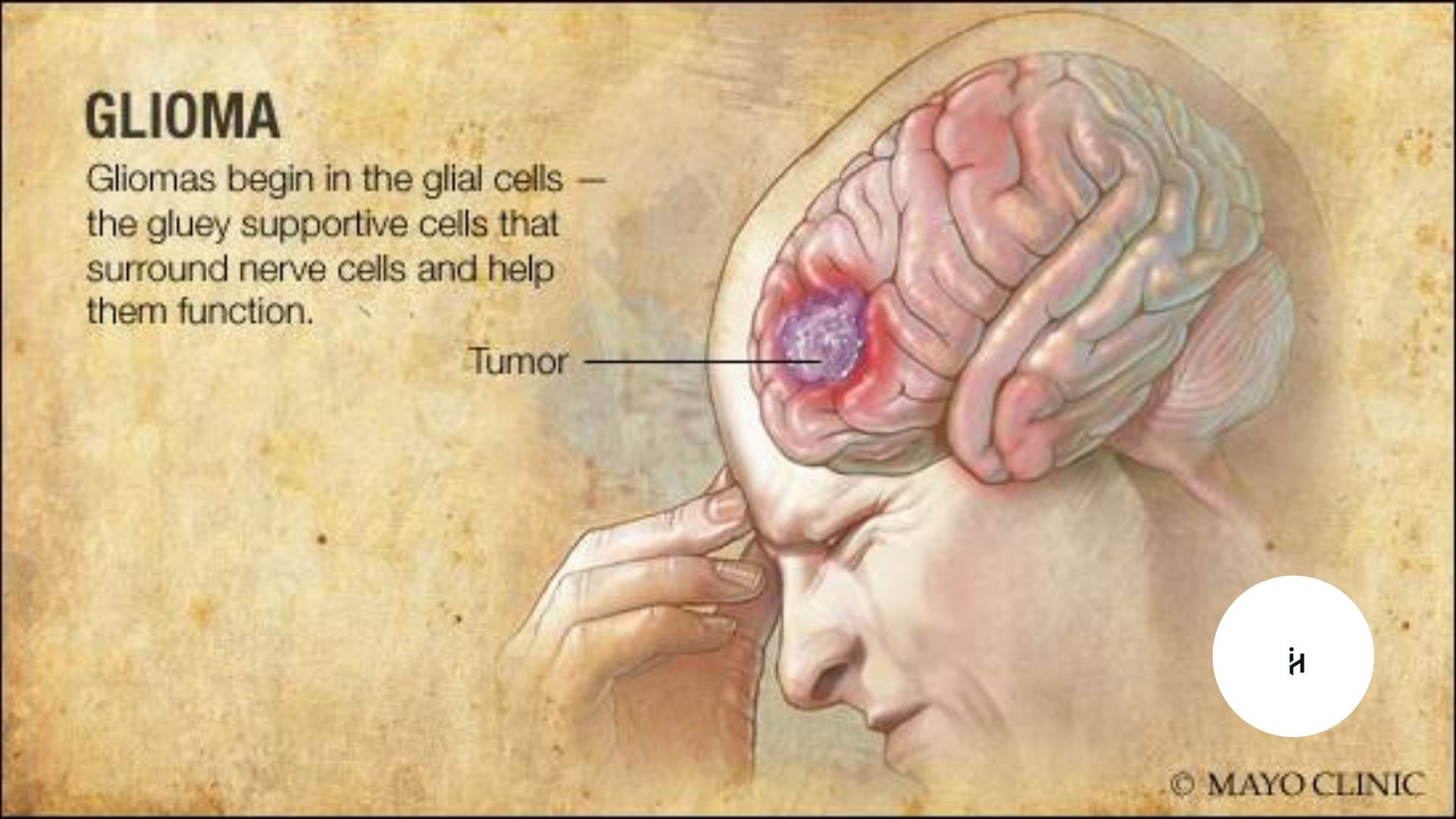
Gliomas are a type of brain tumor that begins in the glial cells, which support nerve function in the brain and spinal cord. These tumors vary in severity, from low-grade (slow-growing) to high-grade (aggressive).

What is a glioma? It’s a question often asked by those newly diagnosed or caring for someone who is. Understanding this condition is crucial to exploring treatment options, recognizing symptoms early, and managing life with a brain tumor. This blog will break down everything you need to know about gliomas—from types to treatment options—so you can feel more informed and empowered.

Understanding the Basics of Gliomas
Glioma

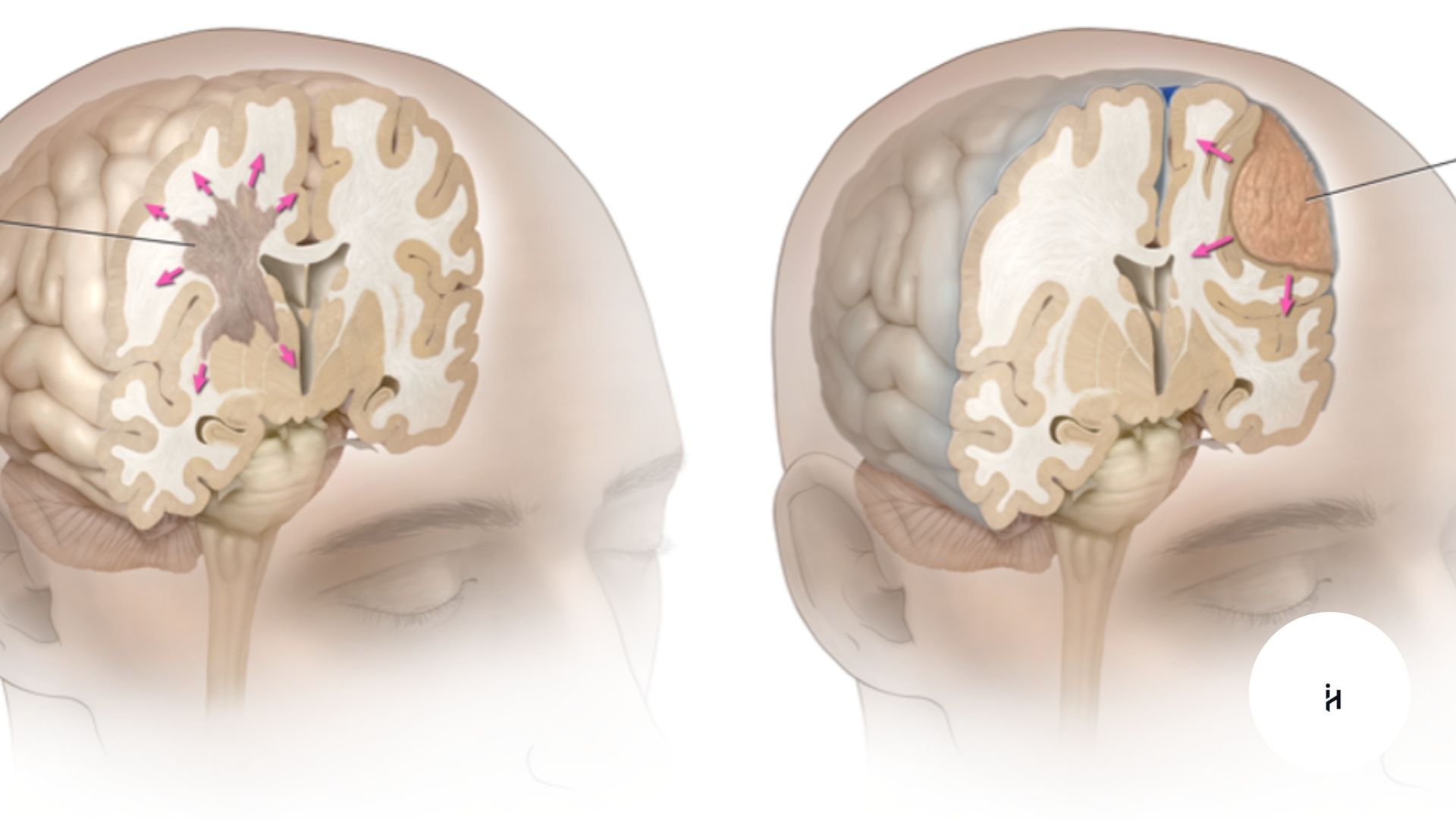
Gliomas are brain tumors that originate from glial cells, which are vital for protecting and supporting neurons. These tumors can affect various areas of the brain and spinal cord. Depending on the specific type, a glioma can grow slowly or aggressively.

While some gliomas are benign, most are malignant and may require treatment such as surgery, radiation, or chemotherapy. Early detection and a clear diagnosis are important to improve outcomes. Learning about how gliomas form, and how they impact the brain, provides a solid foundation for exploring treatment options and coping mechanisms.

Different Types of Gliomas

There are several types of gliomas, each categorized by the kind of glial cell they originate from. The most common types include astrocytomas, oligodendrogliomas, and ependymomas. Astrocytomas arise from star-shaped astrocyte cells, while oligodendrogliomas originate from cells that form the myelin sheath.

Ependymomas develop in the lining of the brain’s ventricles. Each type behaves differently in terms of growth rate and treatment response. Knowing the type of glioma helps doctors create a targeted treatment plan. Understanding these categories can also ease patient anxiety and aid in making informed decisions.

What Causes Gliomas to Develop?

The exact cause of gliomas remains unknown, but several factors may increase the risk. These include genetic mutations, exposure to radiation, and having a family history of brain tumors. Research suggests that changes in DNA may trigger abnormal cell growth in the brain.

In some rare cases, inherited genetic conditions such as Li-Fraumeni syndrome may contribute to glioma formation. Lifestyle and environmental factors are still being studied. Although many patients have no clear risk factors, understanding possible causes helps in recognizing the disease and discussing preventive options with healthcare providers.

Symptoms That May Indicate a Glioma

Symptoms of gliomas depend on their size, location, and growth rate. Common signs include persistent headaches, nausea, seizures, vision problems, speech difficulties, and changes in behavior or personality. These symptoms occur as the tumor exerts pressure on different areas of the brain.

Sometimes, symptoms develop gradually, which can delay diagnosis. Recognizing unusual or worsening neurological issues early is essential. If you or someone you know experiences these symptoms consistently, it’s important to consult a medical professional for further investigation and possibly an imaging scan to rule out serious conditions.

How Gliomas Are Diagnosed by Specialists

Diagnosing a glioma usually begins with a neurological exam and a detailed medical history. Imaging tests such as MRI or CT scans are used to locate and assess the tumor. In some cases, a biopsy is required to determine the type and grade of glioma.

Advanced imaging techniques can provide detailed views of the brain and help in planning surgical procedures. Diagnosis also involves evaluating cognitive and motor skills to measure the tumor’s impact. Early and accurate diagnosis is critical for determining the best treatment strategy and improving long-term outcomes for patients.

Understanding Glioma Grades and Stages
Glioma

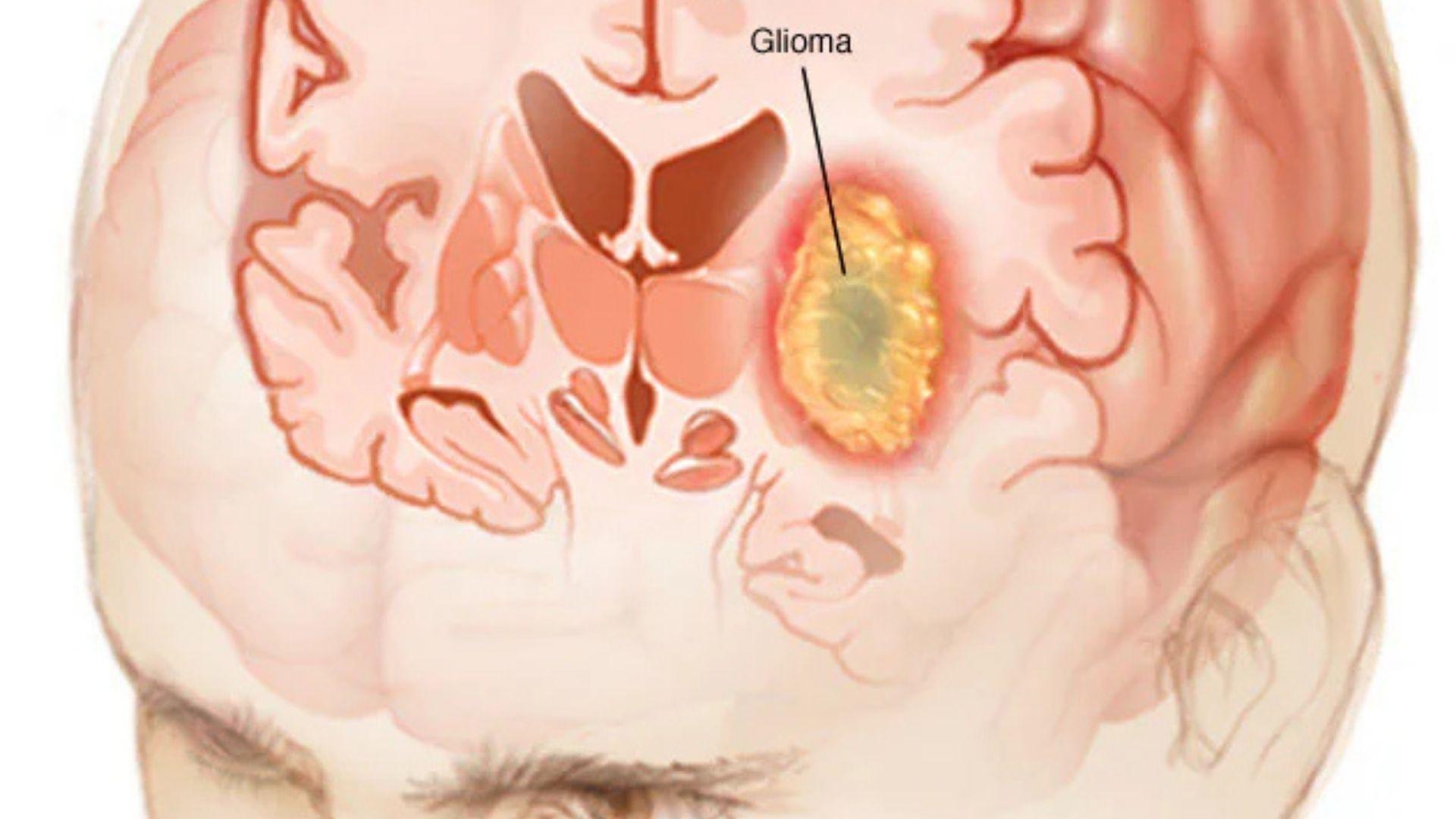
Gliomas are classified into four grades by the World Health Organization (WHO), ranging from Grade I (least aggressive) to Grade IV (most aggressive). Grade I tumors are slow-growing and often benign, while Grade IV gliomas, such as glioblastoma multiforme, are highly malignant.

The grade helps doctors predict the tumor’s behavior and plan the appropriate treatment. Understanding these grades is essential for patients and families as it impacts survival rates, treatment intensity, and overall prognosis. A higher grade usually means a more aggressive treatment approach is necessary to manage the disease effectively.

Treatment Options for Glioma Patients

Treatment for gliomas depends on the type, size, grade, and location of the tumor. Common approaches include surgical removal, radiation therapy, and chemotherapy. In some cases, targeted drug therapies or immunotherapy may be considered.

Surgery aims to remove as much of the tumor as possible without damaging healthy brain tissue. Radiation and chemotherapy help kill remaining cancer cells. Treatment plans are often customized and may involve a combination of these methods. Ongoing clinical trials also offer new hope for advanced treatment options. Regular follow-ups are vital to monitor progress and adjust treatment as needed.

Living with a Glioma Diagnosis

A glioma diagnosis can be life-changing, affecting both physical and emotional health. Patients often experience fatigue, cognitive challenges, and mood changes during and after treatment. It’s important to work with a care team that includes neurologists, oncologists, psychologists, and rehabilitation therapists.

Mental health support and counseling can help patients and families navigate the emotional aspects of diagnosis and recovery. Staying informed, maintaining a healthy lifestyle, and engaging in support groups can also improve quality of life. Many people find strength in connecting with others who understand the unique challenges of living with a brain tumor.

Potential Complications and Prognosis

Complications from gliomas can include increased intracranial pressure, seizures, or loss of brain function depending on the tumor’s location. The prognosis varies widely based on the tumor’s grade and how early it’s detected.

Low-grade gliomas may have a better outlook with long-term survival, while high-grade gliomas like glioblastoma have a more guarded prognosis. Ongoing advancements in treatment and early detection are improving outcomes. Every case is unique, so discussing individual factors with a healthcare provider is essential. Monitoring symptoms and staying consistent with treatment plans can help manage complications effectively.

The Role of Clinical Trials in Glioma Research
Glioma

Clinical trials play a crucial role in advancing glioma treatment. These research studies test new therapies, including medications, surgical techniques, and radiation protocols. Participation in clinical trials gives patients access to cutting-edge treatments not yet widely available.

It also contributes to medical research that could benefit future patients. Many trials focus on improving survival rates and reducing side effects. Doctors can help patients determine if a trial is suitable based on their condition. Staying informed about current research developments is a proactive step toward finding better treatments for this complex brain tumor.

Support Resources for Glioma Patients and Families

Receiving a glioma diagnosis can be overwhelming, but support is available. Many organizations offer resources such as educational materials, support groups, counseling, and financial assistance. Groups like the American Brain Tumor Association (ABTA) and the National Brain Tumor Society provide up-to-date information and emotional support.

Online forums and local groups allow patients and caregivers to share experiences and coping strategies. Connecting with others can help reduce feelings of isolation and stress. Accessing these resources empowers patients and families to face their challenges with strength, resilience, and a better understanding of their journey.


Kelley Mack – Biography, TV Shows, Career, Age & More

0
Kelley Mack

Kelley Mack is a rising American actress known for her captivating roles in film and television. Her passion for acting, vibrant screen presence, and evolving career have earned her a strong fanbase.

From indie films to mainstream series, Kelley Mack continues to make her mark in Hollywood. This detailed blog explores her journey, achievements, and personal life in depth. Whether you’re a fan or a curious reader, here’s everything you need to know about Kelley Mack, her professional path, and her contributions to the entertainment industry.

Who is Kelley Mack? An Introduction to the Rising Star

Kelley Mack

Kelley Mack is a talented American actress widely recognized for her roles in both independent films and TV series. Born and raised in the United States, Kelley Mack quickly gained attention for her natural acting talent and expressive performances.

She began her journey in the world of acting with short films and student projects before transitioning into professional roles. Kelley Mack’s dedication, charisma, and strong screen presence make her one of the most promising young actresses to watch today. Over time, Kelley Mack has established herself as a rising star in the entertainment industry.

Kelley Mack’s Early Life and Family Background

Kelley Mack was born in the United States and grew up in a supportive family that nurtured her creative ambitions. From an early age, Kelley Mack showed a passion for the arts, often participating in school plays and community theater.

Her family encouraged her to pursue her dreams, and their support played a significant role in her decision to become an actress. Kelley Mack’s early life was filled with inspiration and creative exploration, setting the foundation for her future career. Her family background helped shape her values and commitment to her craft.

How Kelley Mack Started Her Acting Career

Kelley Mack’s acting journey began with student films and low-budget projects where she honed her skills. Her first break came when she was cast in several indie films, where Kelley Mack impressed audiences with her emotional depth and versatility.

These early roles helped her gain experience and recognition within the acting community. Kelley Mack’s persistence, training, and auditions eventually led to bigger opportunities in television and streaming platforms. Over time, Kelley Mack’s performances evolved, allowing her to take on more complex and prominent roles. Her journey reflects hard work, growth, and dedication.

Kelley Mack’s Breakthrough in “The Walking Dead”

Kelley Mack gained major attention for her role as Addy in AMC’s hit series The Walking Dead. This was a turning point in her career, where Kelley Mack was introduced to a global audience.

Her portrayal of Addy was both emotional and empowering, earning praise from fans and critics alike. Appearing in multiple episodes, Kelley Mack became a fan favorite, and her performance stood out among a large ensemble cast. The Walking Dead gave Kelley Mack the visibility and experience needed to elevate her career to the next level.

Top Movies Featuring Kelley Mack

Kelley Mack has also made her mark in the world of cinema. Some of her notable film appearances include roles in The Complex, Dementia 13, and other indie projects. These films gave Kelley Mack the opportunity to showcase her acting range and connect with diverse audiences.

Her work in films often involves intense character portrayals, and Kelley Mack’s ability to bring authenticity to her roles has been widely appreciated. Her film career continues to grow as she takes on more challenging and unique roles in the industry.

Kelley Mack

Television Shows Starring Kelley Mack

In addition to The Walking Dead, Kelley Mack has appeared in various other television series and projects. Her credits include appearances in shows like It’s Always Sunny in Philadelphia, Mr. Student Body President, and more.

Each performance by Kelley Mack adds another layer to her growing reputation as a versatile actress. Her roles range from dramatic to comedic, proving her flexibility in front of the camera. Kelley Mack’s consistent presence on television demonstrates her ability to adapt to different genres and character types, which is vital for a lasting career in acting.

Kelley Mack’s Acting Style and Talent

Kelley Mack’s acting style is defined by emotional realism, strong character connection, and an authentic presence on screen. She often immerses herself in the personality and psychology of her characters, which makes her performances more relatable and compelling.

Kelley Mack believes in the importance of character development and script analysis, and she approaches each role with passion and integrity. Her training and natural talent contribute to the depth and power of her performances. Whether in drama, horror, or comedy, Kelley Mack brings a unique and captivating energy to every project.

Personal Life and Interests of Kelley Mack

Outside of acting, Kelley Mack enjoys a range of creative hobbies and personal interests. She is passionate about writing, music, and travel, and she often shares glimpses of her personal life with her fans through social media.

Kelley Mack is known for her down-to-earth personality and strong connection with her audience. While she keeps her private life relatively low-key, Kelley Mack’s fans admire her authenticity and dedication to personal growth. Her interests outside of acting help her stay balanced and inspired as she navigates her career in Hollywood.

Kelley Mack on Social Media and Fan Interaction

Kelley Mack is active on platforms like Instagram and Twitter, where she engages with her growing fanbase. Her social media presence offers a behind-the-scenes look into her projects, thoughts, and personal milestones.

Kelley Mack often shares updates, behind-the-scenes photos, and insights into her acting process. Fans appreciate her authenticity and openness online, which has helped her build a strong and supportive online community. Kelley Mack uses her platform to inspire others, promote her work, and stay connected with audiences across the world.

Awards and Recognition Earned by Kelley Mack

Kelley Mack

Although still early in her career, Kelley Mack has received recognition for her acting skills and dedication. She has been praised in various film festival circuits and independent award events. Kelley Mack’s performances have earned her a loyal following and respect within the industry.

As her career continues to grow, more awards and honors are likely to follow. Kelley Mack’s commitment to her craft and continuous improvement are key factors in her ongoing success. With every role, Kelley Mack strengthens her position as a respected actress in the film and television world.

What’s Next for Kelley Mack?

Looking ahead, Kelley Mack is expected to take on more ambitious and diverse roles across film, television, and streaming platforms. As the industry continues to evolve, Kelley Mack is well-positioned to grow her career even further.

She’s currently involved in several upcoming projects, which promise to highlight her talent and expand her acting range. Fans are eagerly waiting to see what Kelley Mack does next, and there’s no doubt she will continue to impress. With her passion, discipline, and growing popularity, Kelley Mack’s future in entertainment looks incredibly bright.

The Chilling True Story of Arne Johnson

0
Arne Johnson

The name Arne Johnson remains one of the most intriguing figures in American criminal history. In 1981, Johnson was involved in a shocking murder case that later became known as the “Devil Made Me Do It” trial. What made this case so unique was its alleged paranormal aspect, involving demonic possession.

Arne Johnson claimed that he killed under demonic influence, making his trial the first U.S. case where demonic possession was used as a defense. The story of Arne Johnson fascinated both the legal world and paranormal enthusiasts. It later inspired movies, books, and endless debate on truth and belief.

Who Is Arne Johnson?

Arne Johnson

Arne Johnson is an American man whose murder trial in 1981 became internationally famous. He was charged with the killing of his landlord, Alan Bono. Born in Brookfield, Connecticut, Arne Johnson was described as kind and quiet before the incident.

His life took a terrifying turn when he claimed to be possessed by a demon that led to the crime. The Arne Johnson case shocked many due to its deep connection with the paranormal. The involvement of famous demonologists, Ed and Lorraine Warren, brought even more attention to the mysterious circumstances surrounding Arne Johnson.

The Murder of Alan Bono

On February 16, 1981, Arne Johnson fatally stabbed Alan Bono during what was described as a violent argument. Witnesses claimed that Johnson acted strangely before the attack. Bono, the landlord of Johnson’s girlfriend, suffered multiple stab wounds and died on the spot.

What set this crime apart was Arne Johnson’s claim that he had no control over his actions due to demonic possession. This sparked national interest, especially since Johnson had no criminal history. The murder marked the beginning of one of the most bizarre legal and paranormal investigations involving Arne Johnson.

The Paranormal Connection

What made the Arne Johnson case truly unique was its deep link to the paranormal. Before the murder, Johnson had attended several exorcisms of a young boy named David Glatzel, his girlfriend’s brother. After one such exorcism, Johnson reportedly challenged the demon to enter him instead.

Witnesses, including the Warrens, believed that the demon accepted Arne Johnson’s invitation, which led to the tragic murder. This bizarre claim gained national headlines. The idea of demonic possession being used as a legal defense made Arne Johnson a household name in paranormal and legal circles alike.

Ed and Lorraine Warren’s Involvement

Famed demonologists Ed and Lorraine Warren played a critical role in the Arne Johnson case. They had already been investigating the Glatzel family due to David’s alleged possession. After Johnson’s arrest, the Warrens supported his claim of demonic influence, stating that Johnson was indeed possessed at the time of the murder.

Their involvement brought credibility to the supernatural claims for some, while others dismissed it as publicity. Regardless, the Warrens’ testimony and presence in court helped bring international media attention to the Arne Johnson trial, further blurring the lines between legal truth and paranormal belief.

The Legal Defense Strategy

Arne Johnson

During the trial, Arne Johnson’s attorney attempted a never-before-seen legal defense—not guilty due to demonic possession. This was the first time such a defense was introduced in U.S. history. The judge, however, dismissed the idea, stating that demonic possession was not a valid legal argument.

Instead, the defense relied on self-defense and lack of intent. Despite public fascination, the court maintained a strict separation between supernatural belief and law. Nevertheless, the bold legal move ensured that Arne Johnson’s name would go down in history for attempting to merge the paranormal with judicial reasoning.

The Verdict and Sentencing

On November 24, 1981, the court found Arne Johnson guilty of first-degree manslaughter, not murder. He was sentenced to 10–20 years in prison but served only five due to good behavior. The relatively light sentence sparked debate, with some believing that the demonic possession theory influenced public sympathy.

Throughout his sentence, Arne Johnson maintained that he was not fully responsible for the killing. His calm behavior in prison supported his earlier reputation as a kind, gentle person. The case ended legally, but the public’s fascination with Arne Johnson continued, especially within paranormal communities.

Life After Prison

After serving five years, Arne Johnson was released from prison in 1986. He went on to live a quiet life, eventually marrying his girlfriend, Debbie Glatzel, who had supported him throughout the trial. They had children and tried to put the tragic past behind them.

Despite the dark history, Arne Johnson lived peacefully and stayed away from the media spotlight for many years. Occasionally, he gave interviews to clarify his side of the story. The legacy of Arne Johnson, however, remained deeply rooted in pop culture, especially among paranormal enthusiasts who continued to debate the case.

“The Conjuring: The Devil Made Me Do It”

The story of Arne Johnson gained renewed attention with the release of the 2021 film, The Conjuring: The Devil Made Me Do It. The movie dramatized the events surrounding the trial and the alleged possession.

While based on real events, the film took creative liberties to enhance the horror. Still, it introduced a new generation to the chilling tale of Arne Johnson. The film’s success brought the case back into the public eye, and many viewers were surprised to learn that it was inspired by true events. Once again, Arne Johnson became a widely discussed figure.

Media and Public Reaction

The public reaction to Arne Johnson’s case was divided. Some believed in his innocence due to possession, while others saw it as a clever legal tactic. News outlets, documentaries, and books explored both the psychological and supernatural aspects. The controversy surrounding Arne Johnson made him a media sensation.

Arne Johnson

Interviews with witnesses, friends, and family added more layers to the mystery. Some supported the Warrens’ claims, while skeptics debunked the idea of possession altogether. Regardless of belief, the public remained fascinated by Arne Johnson and the case that blurred the line between crime and the supernatural.

Skepticism Around the Case

Many skeptics dismissed the Arne Johnson case as a mix of media hype and opportunism. Critics argued that the Warrens capitalized on the tragedy for fame, and that Johnson’s defense was a creative excuse to avoid harsher punishment.

Psychologists claimed that mental health could explain his behavior more accurately than demonic possession. Others questioned the timeline and authenticity of the exorcism stories. While believers stood firm in their support of Arne Johnson, skeptics used the case as a reminder of how easily public opinion can be influenced by drama and mystery, rather than facts and evidence.

Legacy of Arne Johnson

Today, the legacy of Arne Johnson continues to provoke curiosity. His trial was a legal first, and his story became a staple in paranormal lore. Whether you believe in demons or not, the Arne Johnson case forces one to ask how much we really understand about the human mind and unseen forces.

His story lives on in books, films, and podcasts. For some, he’s a victim of supernatural forces; for others, he’s simply a man who made a tragic choice. No matter the interpretation, Arne Johnson has left a mark in both legal and paranormal history.

Prima Nocta: The Myth, History, and Cultural Debate

0
Prima Nocta

The term Prima Nocta has stirred curiosity, controversy, and cinematic drama for decades. Often depicted in popular films and literature as a medieval law allowing feudal lords to claim the first night with a serf’s bride, Prima Nocta has long captured imaginations.

But was it real or merely a myth born of misunderstanding or propaganda? In this blog, we’ll examine the origins, the historical evidence (or lack thereof), and the sociocultural implications of Prima Nocta. Join us as we unravel this fascinating topic and uncover the truth behind Prima Nocta, separating myth from documented reality.

What is Prima Nocta? Definition and Interpretation

Prima Nocta

Prima Nocta, also known as jus primae noctis, is a Latin phrase meaning “right of the first night.” It allegedly allowed feudal lords in medieval Europe to sleep with subordinate women on their wedding night.

While Prima Nocta has become a symbol of feudal oppression, many scholars argue there’s no credible historical evidence supporting its legal existence. Despite this, the phrase continues to provoke emotional reactions and features in various cultural portrayals. The legend of Prima Nocta speaks more to perceptions of power and control than to any verifiable medieval custom.

Historical Origins of the Prima Nocta Legend

The legend of Prima Nocta likely originated during the Middle Ages, but historical records remain vague or contradictory. Most references to Prima Nocta come from later periods, often from sources with political or religious agendas.

Some medieval texts suggest that the practice was symbolic or exaggerated, rather than legally enforced. The earliest mentions are found in French and Scottish folklore, though scholars debate their authenticity. Ultimately, Prima Nocta appears more as a narrative tool used to criticize feudalism than as an actual legal statute implemented by lords.

Was Prima Nocta Ever a Real Law?

Despite widespread belief, there’s no conclusive legal documentation proving that Prima Nocta was formally recognized. Most evidence comes from anecdotal stories or satirical sources. Historians have examined legal records, charters, and feudal contracts with no legitimate findings supporting the actual enforcement of Prima Nocta.

Some scholars believe the myth gained traction as a metaphor for abuse of power, rather than reflecting any actual legal right. Therefore, many experts conclude that Prima Nocta is more legend than fact, crafted to dramatize the oppressive aspects of medieval rule.

Prima Nocta in Medieval Society and Folklore

Even if Prima Nocta wasn’t a law, it clearly impacted folklore and oral traditions. Many stories from France, Spain, and Scotland depict feudal lords invoking Prima Nocta as a threat or act of dominance. These tales, passed down over generations, reveal how deeply rooted the myth became in cultural memory.

In some cases, communities developed customs like mock rescues or symbolic defenses to “protect” brides, reinforcing belief in Prima Nocta even in the absence of written laws. This shows how folklore can shape public perception, sometimes more powerfully than documented history.

Cultural Representations of Prima Nocta in Films and Literature

One of the most famous portrayals of Prima Nocta appears in the movie Braveheart, where the English king authorizes it in Scotland. Though historically inaccurate, the film embedded the term into popular consciousness. Literature, plays, and even operas have included themes of Prima Nocta to highlight themes of injustice or rebellion.

These depictions often serve to exaggerate the brutality of medieval lords and justify resistance. Over time, Prima Nocta has evolved into a symbol of tyranny, frequently used by writers and filmmakers to evoke outrage and moral conflict.

Prima Nocta

The Church’s Stance on Prima Nocta

The Catholic Church, which held significant influence in medieval Europe, did not support or condone Prima Nocta. In fact, many clerics condemned the idea as immoral and sinful. Church records show no acknowledgment of such a right being practiced or permitted.

If anything, marriage was seen as a sacred institution that the Church fiercely protected. Therefore, the association of Prima Nocta with medieval society is more myth than doctrine. The absence of ecclesiastical endorsement is another strong argument against the historic validity of Prima Nocta.

Modern Myths and Misconceptions About Prima Nocta

The internet has helped spread many myths, and Prima Nocta is no exception. Memes, articles, and conspiracy theories often treat the concept as historical fact. However, historians repeatedly debunk the idea, citing lack of reliable sources.

Some online forums even associate Prima Nocta with colonial practices, although such links are speculative at best. It’s crucial to approach claims about Prima Nocta critically and understand the difference between legend and verified history. The endurance of this myth highlights how compelling – and misleading – stories of power can be.

Why Did the Prima Nocta Myth Persist?

The Prima Nocta myth persists because it resonates with larger themes of oppression, abuse, and rebellion. Its emotional impact makes it a compelling narrative, especially when criticizing elite power structures. In revolutions and political discourse, Prima Nocta has been used as a rhetorical device to vilify ruling classes.

The legend appeals to moral sensibilities, highlighting the imagined brutality of the past. This explains why, even without proof, Prima Nocta continues to be referenced, taught, and believed. It fulfills a psychological and cultural need to define villains in history.

Scholarly Perspectives on Prima Nocta

Modern historians, anthropologists, and sociologists largely agree that Prima Nocta is a myth. Academic journals and historical texts have analyzed its origins, finding no credible evidence in law codes or court cases.

Some argue that misinterpretations of taxes, fines, or wedding-related fees may have evolved into the myth of Prima Nocta over time. Others see it as propaganda, used to undermine specific regimes or ideologies. These perspectives reinforce the importance of distinguishing between storytelling and historical documentation when analyzing topics like Prima Nocta.

Prima Nocta and Modern Legal Symbolism

Prima Nocta

Even though Prima Nocta is widely accepted as myth, it has influenced modern discussions on legal abuse and exploitation. It serves as a symbol of unchecked authority and the violation of personal rights.

Legal theorists sometimes reference Prima Nocta when critiquing outdated laws or patriarchal systems. In this way, the legend lives on not as a real policy but as a cautionary tale. While it’s crucial to understand that Prima Nocta didn’t exist as law, its symbolic value in legal and ethical discussions is significant.

Final Thoughts: Truth Behind Prima Nocta

In conclusion, Prima Nocta is best understood as a powerful legend rather than historical truth. While captivating and dramatic, the idea that feudal lords legally claimed the first night with a peasant bride is unsupported by evidence.

The myth has played a significant role in art, politics, and social commentary, reflecting broader fears of tyranny and abuse. Today, Prima Nocta continues to spark debate, teach lessons about power, and remind us how myths can shape our understanding of history. When separating fact from fiction, Prima Nocta remains a fascinating study in how narratives endure.