
Home Blog Page 14

Ceedee Lamb Girlfriend: Everything About His Love Life Today

0
Ceedee Lamb Girlfriend

CeeDee Lamb, the star wide receiver for the Dallas Cowboys, has not only made headlines on the football field but also captured public attention with his personal life. Fans and media alike have been curious about his romantic relationships, particularly his connection with Crymson Rose.

From their college days at the University of Oklahoma to a viral moment during the 2020 NFL Draft, their relationship has been closely followed. In this blog, we will explore who Crymson Rose is, how their relationship unfolded, the public reactions, and what their current status is, providing a comprehensive look into CeeDee Lamb’s love life.

Who Is Crymson Rose?
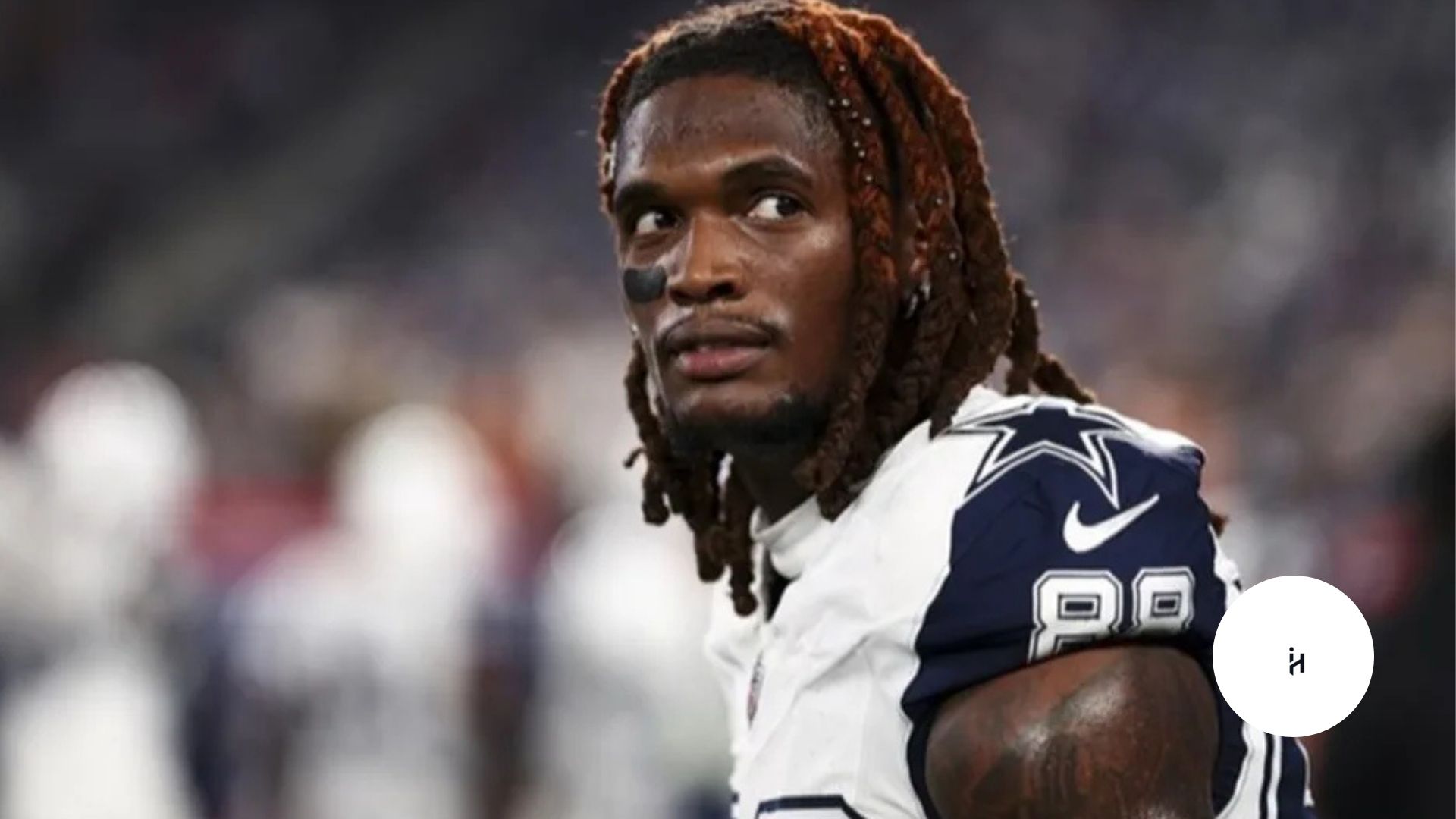
Ceedee Lamb Girlfriend

Crymson Rose is a former college basketball player and model who gained public attention as the girlfriend of NFL star CeeDee Lamb. She attended the University of Oklahoma, where she played basketball, and was previously in a relationship with NBA player Trae Young during their high school years. Rose’s presence in Lamb’s life became widely recognized during the 2020 NFL Draft, where a viral moment involving her and Lamb captured the public’s eye 21Ninety.

Their College Connection

Lamb and Rose met at the University of Oklahoma, where they both pursued their athletic careers. While Lamb played football for the Sooners, Rose was a member of the women’s basketball team. Their shared experiences in college sports likely helped them bond and develop a strong relationship.

The Viral Draft Day Moment

During the 2020 NFL Draft, a moment between Lamb and Rose went viral when she grabbed his phone while he was on a call with the Cowboys. Lamb quickly took the phone back, leading to widespread discussion and memes on social media. Rose later clarified that she was simply trying to answer a call from Lamb’s agent.

Public Reaction and Media Coverage

The incident during the draft attracted significant media attention, with many outlets covering the moment and speculating about the couple’s relationship. While some found the situation humorous, others criticized the public airing of what they considered a private moment. Despite the attention, both Lamb and Rose handled the situation gracefully, with Lamb defending Rose’s actions.

Relationship Timeline
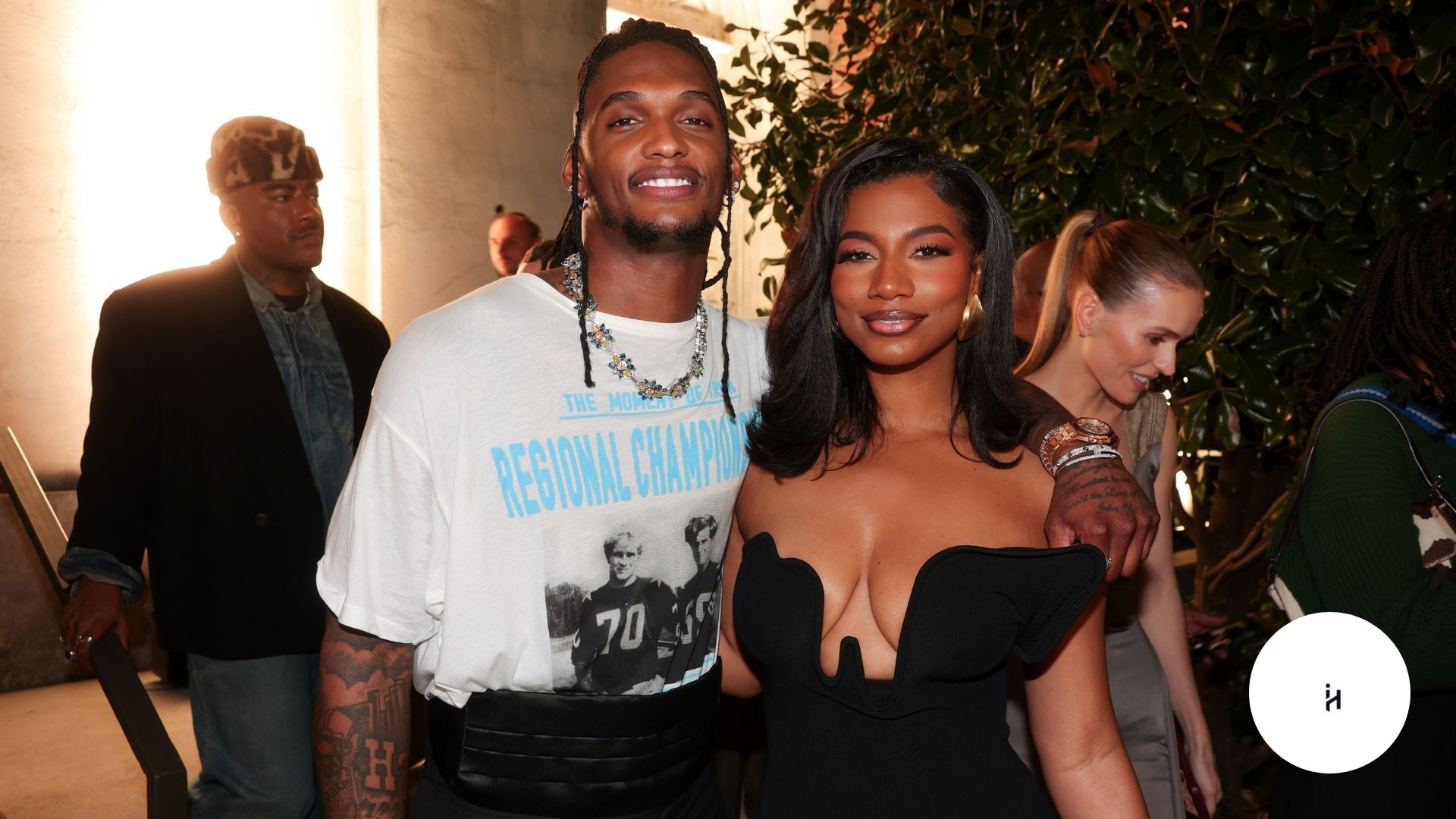
Ceedee Lamb Girlfriend

Following the draft incident, Lamb and Rose’s relationship was closely followed by fans and the media. They were seen together at various events and shared moments on social media, showcasing their bond. However, reports in 2024 indicated that the couple had parted ways, with Lamb being reportedly single at that time.

Crymson Rose’s Personal Life

After her relationship with Lamb, Rose has kept a relatively low profile. She has been active on social media, sharing personal insights and experiences. In April 2024, Rose announced her engagement to MMA fighter Antonio Lopez, marking a new chapter in her personal life.

CeeDee Lamb’s Career Highlights

CeeDee Lamb has established himself as a premier wide receiver in the NFL. Drafted by the Dallas Cowboys in 2020, he quickly became a key player for the team. In 2023, Lamb led the NFL in receptions and earned First-team All-Pro honors. He continued his success in 2024, earning his fourth consecutive Pro Bowl selection.

Post-Draft Developments

Following the draft, Lamb’s career trajectory soared, culminating in a record-breaking four-year, $136 million contract extension with the Cowboys in 2024. This deal included $100 million guaranteed and a $38 million signing bonus, making him one of the highest-paid receivers in the league.

Public Perception and Memes

The phone-grabbing incident during the draft became a popular meme, with many fans and media outlets sharing and commenting on the moment. While some found humor in the situation, others viewed it as an invasion of privacy. Despite the mixed reactions, the incident highlighted the intense scrutiny public figures face in their personal lives.

Ceedee Lamb Girlfriend

Current Status of Their Relationship

As of 2024, reports indicated that Lamb and Rose had ended their relationship. Lamb was reportedly single, focusing on his career and personal growth. Rose, on the other hand, had moved on and announced her engagement to Antonio Lopez, signaling a positive turn in her personal life.

Frequently Asked Questions About CeeDee Lamb’s Girlfriend

Q1: Who is CeeDee Lamb’s girlfriend?

A1: CeeDee Lamb was romantically linked to Crymson Rose, a former college basketball player and model. She gained media attention due to her relationship with Lamb, especially during the 2020 NFL Draft when a viral moment involving her occurred.

Q2: How did CeeDee Lamb and Crymson Rose meet?

A2: They met at the University of Oklahoma, where Lamb played football and Rose was part of the women’s basketball team. Their shared college sports environment helped them connect and develop a relationship.

Q3: Are CeeDee Lamb and Crymson Rose still together?

A3: No, as of 2024, reports indicate that they have parted ways. Lamb is reportedly single, while Crymson Rose has moved on and announced her engagement to MMA fighter Antonio Lopez.

Q4: What was the viral moment involving them?

A4: During the 2020 NFL Draft, Crymson Rose grabbed Lamb’s phone while he was on a call with the Cowboys. The moment went viral on social media, sparking memes, discussions, and media coverage about their relationship.

Final Thoughts

The relationship between CeeDee Lamb and Crymson Rose, marked by the viral draft day moment, captivated fans and the media alike. While their romantic relationship has ended, both have continued to thrive in their respective careers. Their story serves as a reminder of the challenges public figures face in maintaining privacy and the impact of social media on personal moments.

For Amazing Updates, Keep Visiting ImaginaryHistory.
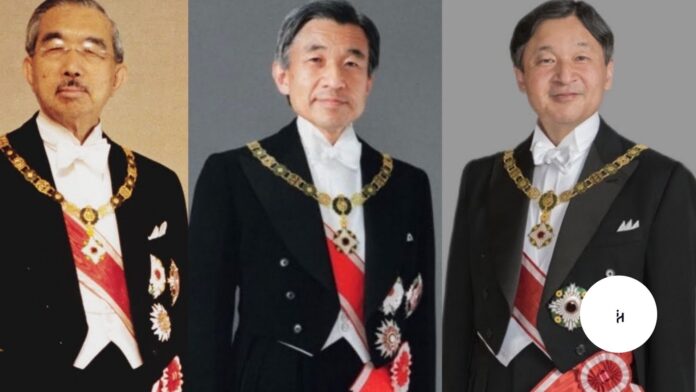
Tenno Heika Banzai: History, Meaning and Cultural Impact

0
Tenno Heika Banzai

The phrase Tenno Heika Banzai carries powerful historical and cultural significance in Japan. Translated roughly as “Long live His Majesty the Emperor,” it was once widely used as a patriotic expression.

Beyond its literal translation, the phrase reflects centuries of devotion to the emperor, Japan’s symbolic head of state. Today, it serves as a reminder of tradition, loyalty, and unity, though its usage has evolved with time. To understand Tenno Heika Banzai, one must examine its origins, role in Japanese society, and influence in modern culture.

The Linguistic Meaning of Tenno Heika Banzai

Tenno Heika Banzai

The phrase Tenno Heika Banzai is composed of three important parts. “Tenno” means Emperor, “Heika” is an honorific for “Your Majesty,” and “Banzai” means “ten thousand years” or “long life.” Together, the phrase translates to “Long live His Majesty the Emperor.”

While simple in structure, its meaning goes far beyond language. For centuries, this expression was a declaration of loyalty, respect, and reverence toward the emperor. It has a ceremonial tone that connects deeply with Japanese cultural identity and remains an important part of historical and national consciousness.

Origins of the Phrase in Japanese Tradition

The origins of Tenno Heika Banzai can be traced back to the ancient concept of emperor worship in Japan. The emperor was considered a descendant of the sun goddess Amaterasu, giving him divine authority.

Expressions of long life and loyalty were common throughout Japanese history. By the late 19th century, during the Meiji Restoration, the phrase became standardized as a patriotic cheer.

It symbolized not only devotion to the emperor but also national pride. Its deep roots make it more than just a slogan; it reflects centuries of political, spiritual, and cultural tradition.

Tenno Heika Banzai During the Meiji Era

The Meiji Era (1868–1912) transformed Japan into a modern nation. During this time, Tenno Heika Banzai gained prominence as the government emphasized national unity and loyalty to the emperor.

Soldiers, students, and citizens alike used the phrase during ceremonies and official gatherings. It became a rallying cry of modernization and nationalism.

The government promoted it to strengthen the emperor’s symbolic role, uniting the people under one identity. This period marked the beginning of the phrase’s widespread popularity, cementing its place in Japan’s collective memory and cultural history.

Symbolism of Loyalty and National Unity

At its heart, Tenno Heika Banzai symbolizes loyalty and unity. The emperor served as a figure that transcended political divisions, providing a sense of shared identity. The phrase was not only a cheer but also a public declaration of devotion to the nation’s core values.

Citizens saw it as an expression of pride and respect toward the emperor’s symbolic role. By shouting Tenno Heika Banzai, people affirmed their connection to Japan’s traditions, culture, and spiritual foundation. This symbolic meaning remains a key reason why the phrase still resonates in collective memory.

Military Usage in the Early 20th Century

Tenno Heika Banzai

During the early 20th century, especially in wartime, Tenno Heika Banzai became closely linked to the Japanese military. Soldiers often shouted it before going into battle or during ceremonies to express courage and loyalty.

It symbolized devotion to the emperor as the embodiment of the state. While it inspired patriotism, the phrase also became associated with wartime propaganda.

Its use on the battlefield added an intense emotional weight. For many, it became a final declaration of duty and honor, connecting the fate of soldiers directly with loyalty to the emperor.

Tenno Heika Banzai and World War II Significance

World War II brought Tenno Heika Banzai to its most dramatic and controversial prominence. Japanese soldiers often shouted it in their last moments, especially during kamikaze missions.

Civilians also used it in rallies and ceremonies, reflecting a spirit of sacrifice. While the phrase inspired loyalty, it also became linked with militarism and wartime propaganda. After Japan’s defeat, the phrase carried heavy historical weight. Its wartime usage shaped global perceptions, making it a complex expression that represented both devotion and the darker realities of nationalistic fervor.

Post-War Japan and the Changing Perception

After World War II, the meaning of Tenno Heika Banzai changed significantly. With the emperor stripped of political power and redefined as a symbolic figure, the phrase lost much of its militaristic association.

While still used in ceremonial and traditional settings, it became less common in everyday life. Japanese society shifted toward democracy and peace, distancing itself from the wartime past. Yet, the phrase still carries respect when used during imperial events. Today, it reflects cultural continuity rather than political power, reminding people of history while symbolizing national tradition.

Modern Ceremonial Usage in Japan

Today, Tenno Heika Banzai is still heard during imperial ceremonies, weddings, and state occasions. It is often chanted three times in unison by crowds to show respect for the emperor. For example, during imperial enthronements, the phrase symbolizes continuity and loyalty.

While not used in daily conversation, its ceremonial presence ensures that it remains part of Japanese tradition. Modern Japanese people may view it more as a cultural expression of heritage rather than a political statement. Its survival in ceremonies shows the balance between honoring tradition and embracing contemporary values.

Tenno Heika Banzai in Popular Culture and Media

Tenno Heika Banzai

Beyond politics and ceremonies, Tenno Heika Banzai has appeared in literature, films, and documentaries that depict Japanese history. In movies about World War II, the phrase is often used to recreate authentic moments of military history.

It also appears in books that explore the cultural and psychological aspects of Japan during wartime. While sometimes controversial, these portrayals help educate modern audiences about the phrase’s significance.

Its presence in popular culture demonstrates its lasting imprint on collective memory, ensuring that new generations continue to learn about its meaning and context.

Global Perceptions and Historical Legacy

Globally, Tenno Heika Banzai is often associated with World War II. For many outside Japan, it symbolizes the intense nationalism of that era. However, scholars and historians encourage a broader understanding.

The phrase existed long before the war, rooted in respect for the emperor and national identity. While its wartime usage shaped its image, its deeper meaning lies in centuries of tradition. Its legacy is therefore complex, representing loyalty, unity, and history, but also carrying the weight of militarism. This dual perception makes it a fascinating subject of study worldwide.

For Amazing Updates, Keep Visiting ImaginaryHistory.
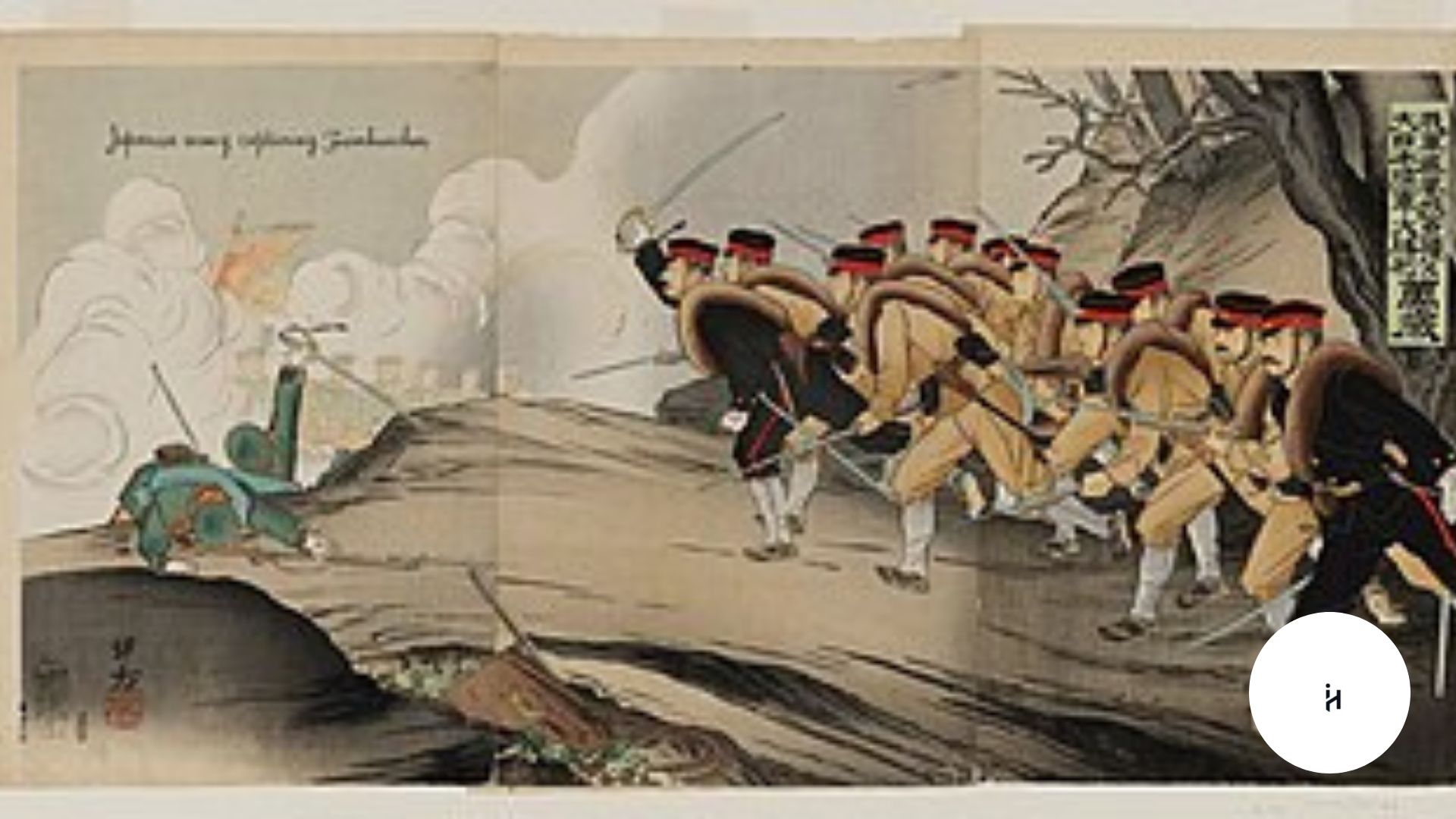
Comprehensive Tone Words List for Writing and Literature

0
Tone Words List

In literature, essays, and everyday communication, tone plays a vital role in shaping meaning. A tone words list can help writers and readers better understand emotions, attitudes, and perspectives expressed in text.

Tone words give depth to storytelling, add clarity to arguments, and guide readers in interpreting content.

Whether you’re analyzing a poem, writing a novel, or crafting professional communication, having a well-organized word list at hand can make a significant difference. In this blog, we provide a detailed collection of tone words to enrich your vocabulary and strengthen your writing.

What Are Tone Words and Why Do They Matter in Writing

Tone Words List

Tone words are specific terms that convey the author’s attitude, emotion, or perspective toward the subject. Having a tone words list allows writers to select language that reflects intent, whether it is excitement, sadness, or neutrality.

For instance, choosing a word like “admiring” instead of “neutral” immediately shifts how readers interpret the text. Tone words matter because they influence mood, encourage empathy, and enhance communication.

In literature, they deepen storytelling, while in academic writing, they establish authority. A structured tone words list provides the flexibility to adapt writing styles, helping readers interpret meaning more accurately.

The Importance of Using a Structured Tone Word List

Using a structured tone word list helps writers avoid repetition and improve word choice. Instead of reusing the same adjectives like “happy” or “sad,” writers can draw from a broader list that includes “ecstatic,” “joyful,” “melancholy,” or “mournful.”

A structured list also supports clarity, making writing more engaging and less predictable. Educators often provide a tone words list to help students analyze literature and recognize authorial intent.

In professional writing, tone words establish the right voice for branding, marketing, or communication. Ultimately, a strong list becomes a toolkit that makes writing versatile, expressive, and effective across contexts.

Why Tone Words Matter in Literature and Communication

Tone words shape how a reader feels and reacts to content. They reveal the writer’s attitude and create an emotional connection between the message and the audience. Using the right words from a tone words list allows writers to control the atmosphere, highlight key ideas, and influence how readers interpret text. From positive encouragement to critical analysis, tone words are essential tools in expressing intent and clarity.

How to Use a Tone Word List Effectively in Writing

When using a tone words list, it’s important to match the context of your writing. Academic essays may require formal or analytical tone words, while creative stories may use playful or suspenseful ones. A good practice is to choose words that best reflect the emotions you want your audience to experience. By using varied tone words, writers can avoid repetition and keep their work engaging.

Tone Words List

The Complete Tone Words List Without Explanation in Headings

Here is a categorized tone words list you can use for writing, literature analysis, and communication:

Positive Tone Words

Affectionate, Amused, Appreciative, Cheerful, Compassionate, Confident, Encouraging, Enthusiastic, Friendly, Hopeful, Humorous, Joyful, Loving, Optimistic, Proud, Respectful, Sentimental, Sympathetic, Warm

Negative Tone Words

Abrasive, Angry, Apathetic, Bitter, Cold, Condescending, Critical, Cynical, Defensive, Depressed, Disappointed, Disrespectful, Frustrated, Harsh, Hostile, Indifferent, Irritated, Malicious, Mocking, Resentful

Neutral Tone Words

Calm, Candid, Clinical, Detached, Direct, Formal, Informative, Matter-of-fact, Neutral, Objective, Serious, Sincere, Straightforward, Technical, Unbiased

Humorous and Playful Tone Words

Amusing, Bantering, Comical, Entertaining, Ironic, Lighthearted, Playful, Sarcastic, Satirical, Whimsical, Witty

Serious and Formal Tone Words

Authoritative, Cautious, Ceremonial, Diplomatic, Earnest, Logical, Official, Respectful, Scholarly, Solemn, Thoughtful

Dark and Pessimistic Tone Words

Bleak, Depressing, Despairing, Foreboding, Gloomy, Grim, Hopeless, Melancholy, Mournful, Ominous, Pessimistic, Tragic

Inspirational and Uplifting Tone Words

Adventurous, Aspirational, Brave, Determined, Empowering, Excited, Grateful, Inspiring, Motivated, Passionate, Reassuring, Triumphant, Visionary

Examples of Tone Words in Literature and Essays

Great authors use tone words to create memorable stories. For instance, Charles Dickens often used bleak tones to describe poverty, while Jane Austen favored witty and playful tones to highlight social dynamics. Academic essays may lean on formal and objective tones, while motivational speeches often rely on inspiring and empowering words.

How Students Can Benefit from a Tone Word List in Studies

Students analyzing novels, poems, or essays can benefit from a detailed tone words list by identifying the author’s attitude more accurately. It also helps improve essay writing, as varied tone choices prevent monotony. Teachers often emphasize tone analysis as a skill in exams, making this list an essential study resource.

Tone Words List

Tone Words in Professional Communication and Business Writing

In business writing, tone words are just as important. A professional email requires a formal and respectful tone, while marketing materials may use enthusiastic and encouraging tones to attract customers. Choosing words carefully ensures clear, effective, and persuasive communication.

The Role of Tone Words in Creative Writing and Storytelling

Creative writers use tone words to build atmosphere and emotional impact. A horror story may use dark and ominous tones, while a romance novel could be filled with loving and sentimental tones. By consulting a tone words list, authors can experiment with different styles and moods.

How a Tone Word List Improves Vocabulary and Expression

Regularly using a tone word list helps writers and students expand their vocabulary. Instead of repeating common words like “happy” or “sad,” they can select from richer options such as joyful, hopeful, gloomy, or resentful. This variety makes writing more engaging and precise.

Conclusion: Why You Should Keep a Tone Words List Handy

Whether you are a student, writer, or professional, a tone words list is an indispensable tool for effective communication. It not only enriches your vocabulary but also helps in setting the right emotional atmosphere. By mastering tone words, you gain the ability to influence readers, clarify meaning, and elevate your writing style.

For Amazing Updates, Keep Visiting ImaginaryHistory.

Oshiya in Japan: The Fascinating World of Train Pushers

0
Oshiya in Japan

Oshiya refers to train pushers in Japan who ensure passengers can board extremely crowded trains during rush hours. These uniformed staff members play a unique and important role in Japanese public transportation.

The word oshi means “to push,” and ya denotes a person, so the term literally translates to “pusher.” Their work may seem unusual to people outside Japan, but in a country with one of the busiest train systems in the world, oshiya became essential.

They represent both efficiency and discipline in Japanese commuting culture, making them a fascinating part of everyday life.

The Origins and History of the Oshiya Role in Tokyo

Oshiya in Japan


The oshiya system began in Tokyo in the early 20th century, when trains became overcrowded due to rapid urban growth. By the 1960s, as Japan’s economy boomed, train networks faced overwhelming demand, especially in Tokyo and Osaka.

To keep schedules punctual, railway companies introduced oshiya staff. These workers, often students or part-timers, wore uniforms and gloves, helping passengers board safely.

The presence of oshiya became a symbol of Japan’s dedication to punctuality and order. While some might see it as uncomfortable, the system ensured trains departed on time, keeping the country’s busy workforce moving efficiently.

The Unique Duties and Responsibilities of an Oshiya

The primary duty of an oshiya is simple yet important: pushing passengers into train cars during peak commuting hours. However, their role goes beyond just pushing. They ensure doors close properly, prevent accidents, and help keep schedules running without delay.

Oshiya must also be polite, calm, and respectful, even when the job appears physically demanding. They wear uniforms, gloves, and caps to remain professional and visible.

Their presence reassures passengers that boarding will be organized. Despite the unusual nature of their work, oshiya are essential to the smooth functioning of Japan’s public transport system.

How Oshiya Ensure Safety in Overcrowded Train Stations

While oshiya are famous for pushing people, safety is their top priority. Overcrowded stations can be chaotic, but oshiya help manage passenger flow to reduce the risks of accidents.

By guiding and pressing gently, they ensure no one gets caught in the train doors. They also maintain order on the platforms, keeping lines organized and preventing dangerous crowd surges.

In cities like Tokyo, where millions commute daily, such safety measures are vital. Oshiya may look like they are only forcefully pushing, but their training teaches them balance, awareness, and consideration, ensuring safe yet efficient boarding for everyone.

The Experience of Commuters When Assisted by Oshiya

For commuters, the experience of being pushed by an oshiya can be surprising, even uncomfortable at first. However, in Japan, people generally accept it as a normal part of daily life.

Trains are often so crowded during rush hours that without oshiya, many passengers would miss their ride. For office workers, students, and travelers, Oshiya makes sure schedules remain reliable.

While foreign visitors may find the practice unusual, Japanese commuters value punctuality more than personal space. Many see oshiya as helpful figures who keep the system moving, allowing millions of people to reach their destinations on time.

Differences Between Oshiya in Japan and Other Countries

Oshiya in Japan

Oshiya are mostly unique to Japan, though similar practices exist in a few other countries with crowded train systems. In cities like Beijing and Shanghai, train attendants sometimes help push passengers into carriages.

However, Japan is the country most associated with oshiya because of its strict punctuality and massive train usage. Unlike in many countries, where delays are common, Japan’s railway culture demands near-perfect timing.

This is why ooshiyare is important in maintaining schedules. Their polite and disciplined manner also distinguishes them, making the Japanese oshiya system both efficient and culturally unique compared to others worldwide.

The Decline of Oshiya and Changing Transportation Trends

In recent years, the number of oshiya has decreased. Modern train designs with larger capacities, improved scheduling, and better passenger management systems have reduced the need for pushers.

Additionally, teleworking and flexible office hours have lessened rush hour congestion. While oshiya are still present in Tokyo’s busiest stations, they are not as common as they were during the 1970s and 1980s.

This decline reflects how Japan continues to modernize its infrastructure. However, Oshiyayaya remains a cultural icon, often appearing in documentaries, travel videos, and discussions about Japanese efficiency and dedication to order.

Public Perception of Oshiya in Japanese Society

In Japan, oshiya are generally respected and accepted. While being pushed into a crowded train may feel unpleasant, commuters understand that it is necessary for maintaining schedules.

Many see oshiya as helpful professionals who make a challenging situation more manageable. Foreigners, however, sometimes view oshiya with shock or amusement, as the practice seems unusual compared to other countries.

Despite this, most Japanese appreciate the role of oshiya in keeping the world’s busiest railway system punctual. Their polite and disciplined approach ensures that even in uncomfortable moments, respect and efficiency remain central to the commuting experience.

Oshiya as a Symbol of Japanese Discipline and Punctuality

Oshiya in Japan

Beyond their physical role, oshiya represent core Japanese values of discipline, punctuality, and efficiency. Japan is famous for trains that rarely run late, and oshiya play a part in maintaining this reputation.

They embody teamwork and responsibility, working not just to move people but to uphold an entire system’s reliability. Oshiya also reflects the country’s cultural attitude toward collective order over individual comfort.

This makes them more than just train pushers; they are symbols of how Japan balances modern urban challenges with traditions of respect, politeness, and commitment to community harmony.

Cultural Representation of Oshiya in Media and Pop Culture

Oshiya has become a recognizable symbol in global media and pop culture. Tourists often mention them in travel documentaries, and they sometimes appear in Japanese dramas, films, or anime as comic or exaggerated characters.

Their presence represents both the challenges and the efficiency of Japanese urban life. Foreign media often portray oshiya as surprising or amusing, but within Japan, they symbolize dedication and hard work.

Their cultural image combines humor with respect, making them one of the most iconic parts of Japan’s railway system, even as their actual presence in stations continues to decline.

The Future of Oshiya in Japan’s Modern Train System

The future of Oshiya depends on how Japan continues to modernize its public transportation. With advancements in train technology, crowd management, and digital systems, the need for oshiya may continue to decline.

However, in the busiest stations of Tokyo and Osaka, their role will likely remain, at least during peak hours. Even if the number of oshiya decreases, their cultural significance will endure.

They will always be remembered as a symbol of Japan’s unique approach to handling urban challenges. The oshiya story reflects adaptation, resilience, and the fascinating ways culture shapes everyday solutions.

For Amazing Updates, Keep Visiting ImaginaryHistory.