Home Blog Page 119

Discovering the Iconic History of Lahore

0

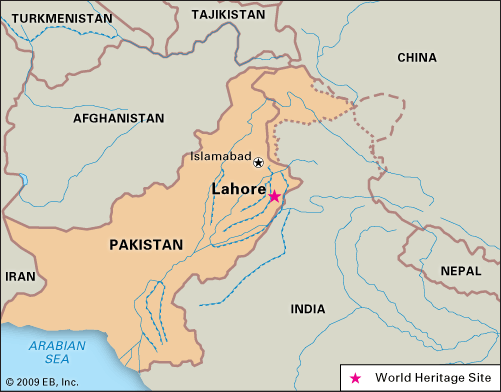
Introduction: History of Lahore, the coronary heart of Pakistan, is a city full of records, subculture and wonder. From its historical roots to its modern-day vibrancy, Lahore has captivated the hearts and minds of the people for centuries. In this weblog, we embark on a journey via Lahore’s charming records, iconic websites, amazing monuments and thrilling information.

Lahore’s Historical Journey: Lahore’s history is a rich mosaic of civilizations and empires:

  1. Ancient Origins: Lahore’s history dates back over a millennium, with ancient origins that can be traced to the Loh people, who founded the city.
  2. Mughal Splendor: Lahore flourished under Mughal rule, becoming a cultural hub and a capital of grandeur. The Lahore Fort and Shalimar Gardens are remnants of this era’s architectural magnificence.
  3. British Influence: Lahore became a part of British India during colonial rule. The city’s architecture and institutions bear the influence of this period.
  4. Post-Independence: Lahore became a part of Pakistan upon the country’s creation in 1947. It remains a symbol of Pakistan’s cultural richness and diversity.

Iconic Places and Monumental Marvels:

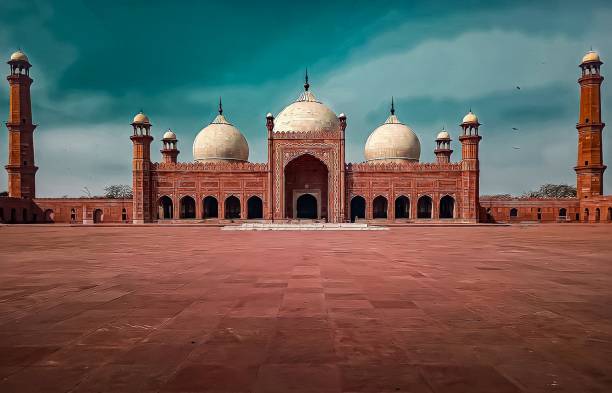
  1. Badshahi Mosque: This architectural masterpiece, built at some stage in the Mughal generation, is one of the international’s largest mosques and exudes grandeur and beauty.Badshahi Mosque, History of Lahore
  2. Lahore Fort: A UNESCO World Heritage Site, Lahore Fort’s difficult layout and historical importance make it a have to-visit vacation spot.Lahore Fort
  3. Shalimar Gardens: These enchanting gardens are a testament to Mughal horticultural prowess, featuring terraced levels, flowing water, and lush greene.
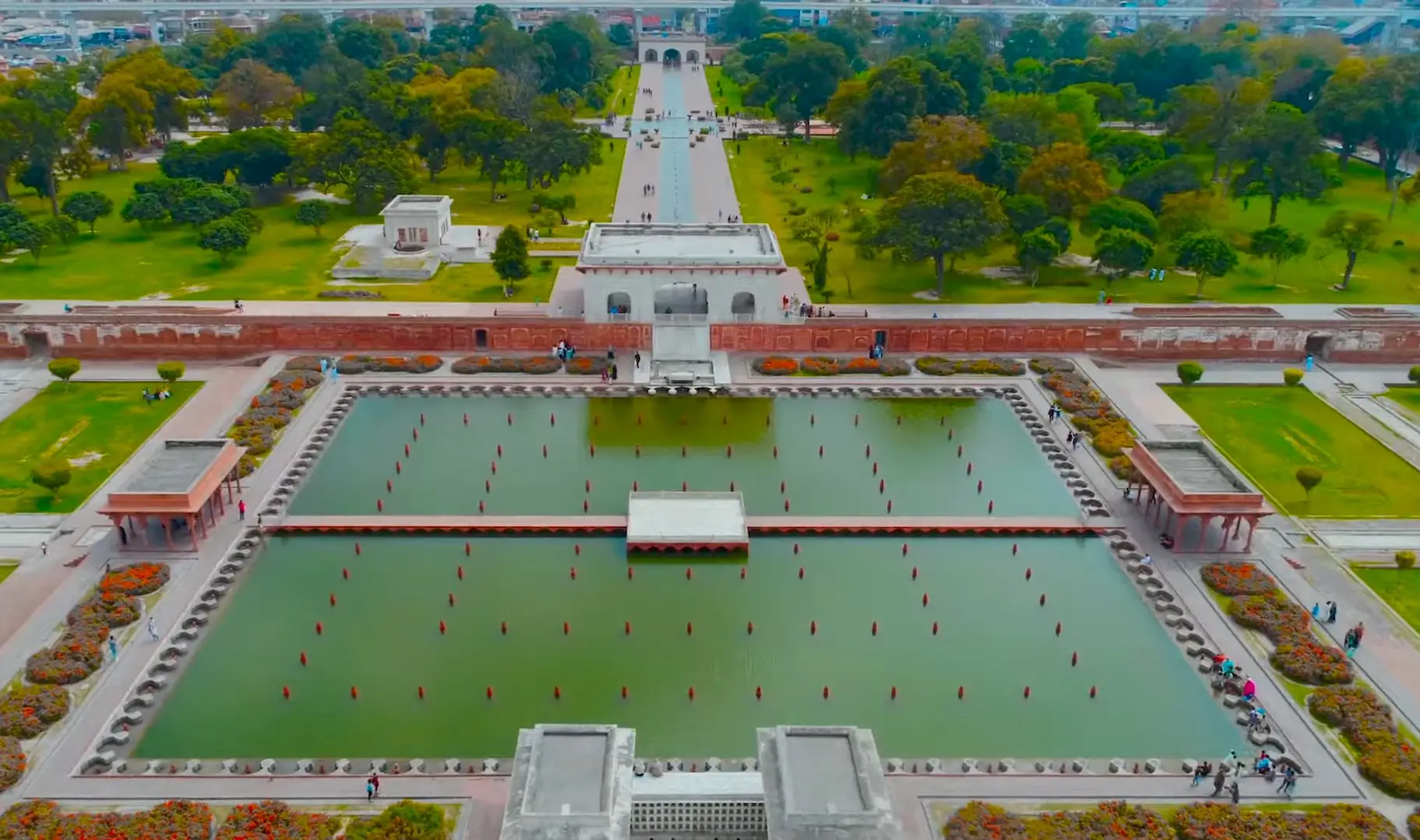
Shalimar

Fascinating Facts about Lahore:

  1.  A Food Paradise: Lahore is known for delicious dishes like biryani, nihari and the iconic Lahori Chaga.
  2. Cultural Festivals: The annual Lahore Literature Festival and Basant Festival highlight Lahore’s cultural vibrancy and artistic spirit.
  3. Education Centers: Lahore is home to renowned educational institutions such as the Punjab University and the Lahore University of Management Sciences (LUMS).

Conclusion:

History of Lahore, a complex web of cultural diversity, architectural excellence and deep identity. As we delve into the pages of Lahore’s history, exploring its iconic sites and monumental wonders, and uncovering its fascinating facts, we are transported to a city that cherishes its past while embracing the promise of its future. I will go. With its undying appeal and fascinating charm, Lahore remains a symbol of Pakistan’s wealthy background and the soul of the country.
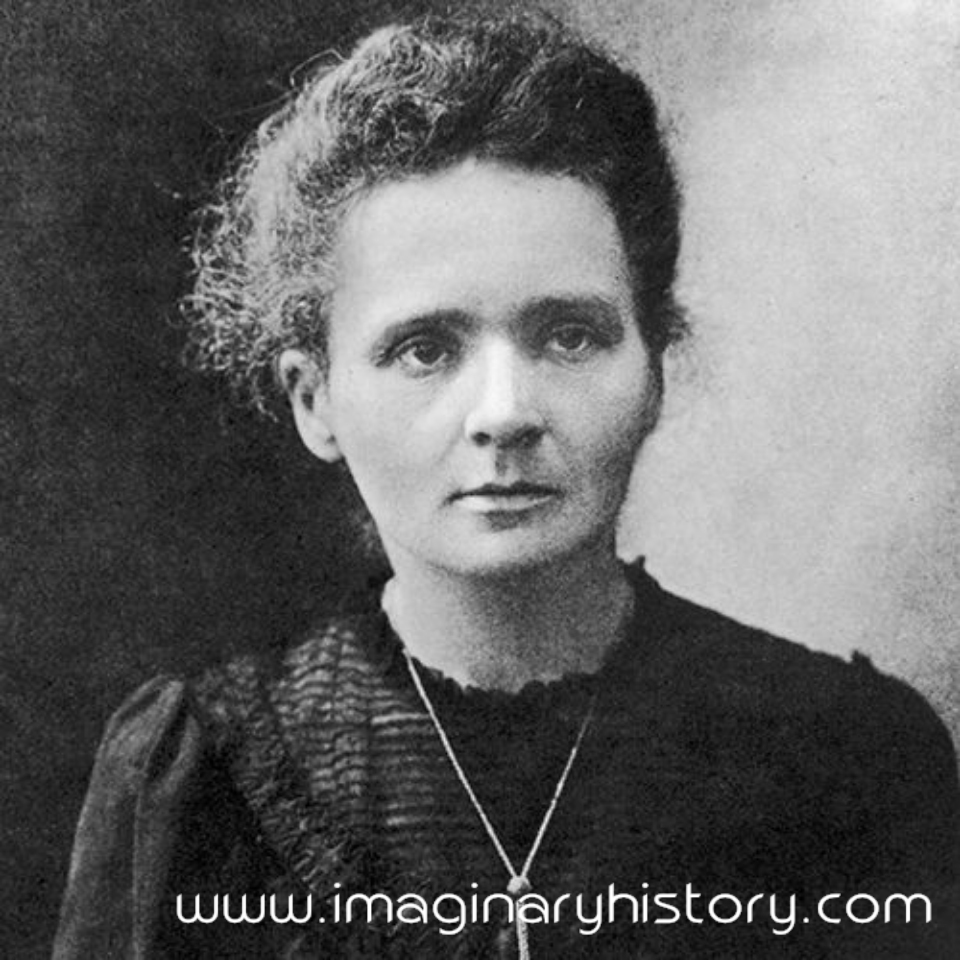
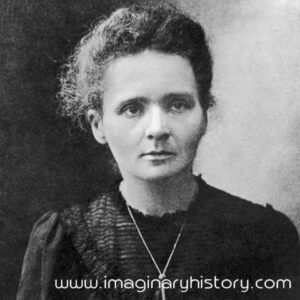
 

Marie Curie: A Trailblazer in Science – Biography, Remarkable Inventions, and Fascinating Facts

0
Marie Curie

Title: Marie Curie: A Trailblazer in Science – Biography, Remarkable Inventions, and Fascinating Facts

Introduction:

Marie Curie, a trailblazer in the field of science, made a lasting impact with her innovative breakthroughs and unwavering resolve. This article reveals the remarkable life story of Marie Curie, her revolutionary creations, and intriguing details that shed light on her exceptional achievements.


Marie Curie

Marie Curie’s Biography:

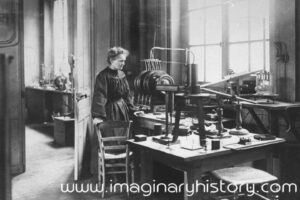
Marie Skłodowska Curie, born in Warsaw, Poland on November 7, 1867, demonstrated a strong desire for knowledge from a young age. Despite encountering financial difficulties, she remained committed to education and eventually relocated to Paris to further her studies at the Sorbonne. It was during this time that she embarked on a transformative scientific journey that would reshape the field of science as we know it today.


Marie Curie

Transformative Inventions and Discoveries:

Marie Curie’s scientific contributions have been nothing short of revolutionary:

Radioactivity: Curie and her husband, Pierre Curie, conducted research that resulted in the identification of radioactivity. They were the ones who coined this term. This significant breakthrough served as a basis for future developments in the field of nuclear physics.


Marie Curie

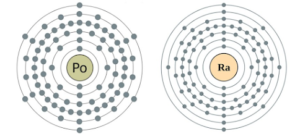
Polonium and Radium: Marie Curie’s careful efforts resulted in the discovery of two previously unknown elements, polonium and radium. Through her investigation into these elements, she revealed their distinct characteristics and practical uses.


Marie Curie

X-ray Services: In World War I, Curie implemented portable radiography teams, delivering X-ray facilities that significantly enhanced the diagnosis and treatment of soldiers on the battlefield.


Marie Curie

Captivating Facts:

  1. Nobel Prizes:Marie Curie is the only person in history to have received Nobel Prizes in two different scientific fields. She won the Nobel Prize in Physics (1903) alongside Pierre Curie and Henri Becquerel, and the Nobel Prize in Chemistry (1911) for her work on radium and polonium.
  2. Pioneering Woman Scientist:Curie shattered gender barriers by becoming the first woman to win a Nobel Prize and the first person to win Nobel Prizes in multiple sciences. Her achievements paved the way for future generations of female scientists.
  3. War Efforts:During World War I, Curie used her scientific expertise to develop mobile X-ray units that played a crucial role in diagnosing injuries on the battlefield.

Marie Curie

Conclusion:

Marie Curie has made a lasting impression on the scientific community and the world as she transitioned from a determined young woman to an iconic scientist. Her unwavering quest for knowledge, revolutionary innovations, and groundbreaking findings serve as inspiration for scientists and individuals across generations. By delving into Marie Curie’s life story, remarkable creations, and fascinating details, we pay tribute to her trailblazing legacy that altered the trajectory of science and cleared paths for future explorers and inventors.


Pablo Picasso: An Insight into the Biography, Revolutionary Contributions, and Intriguing Trivia

0
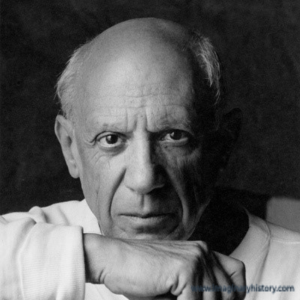
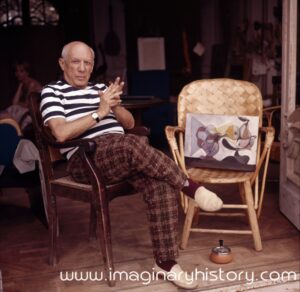
Pablo Picasso

Title: Pablo Picasso: An Insight into the Biography, Revolutionary Contributions, and Intriguing Trivia

Introduction:

Pablo Picasso, a renowned artistic genius, left an everlasting impact on the realm of art with his inventive techniques and unparalleled creative prowess. This article delves deep into the fascinating life story of Pablo Picasso, highlighting his groundbreaking artistic contributions and revealing captivating facts that shed light on his extraordinary legacy.


Pablo Picasso

Biography of Pablo Picasso:

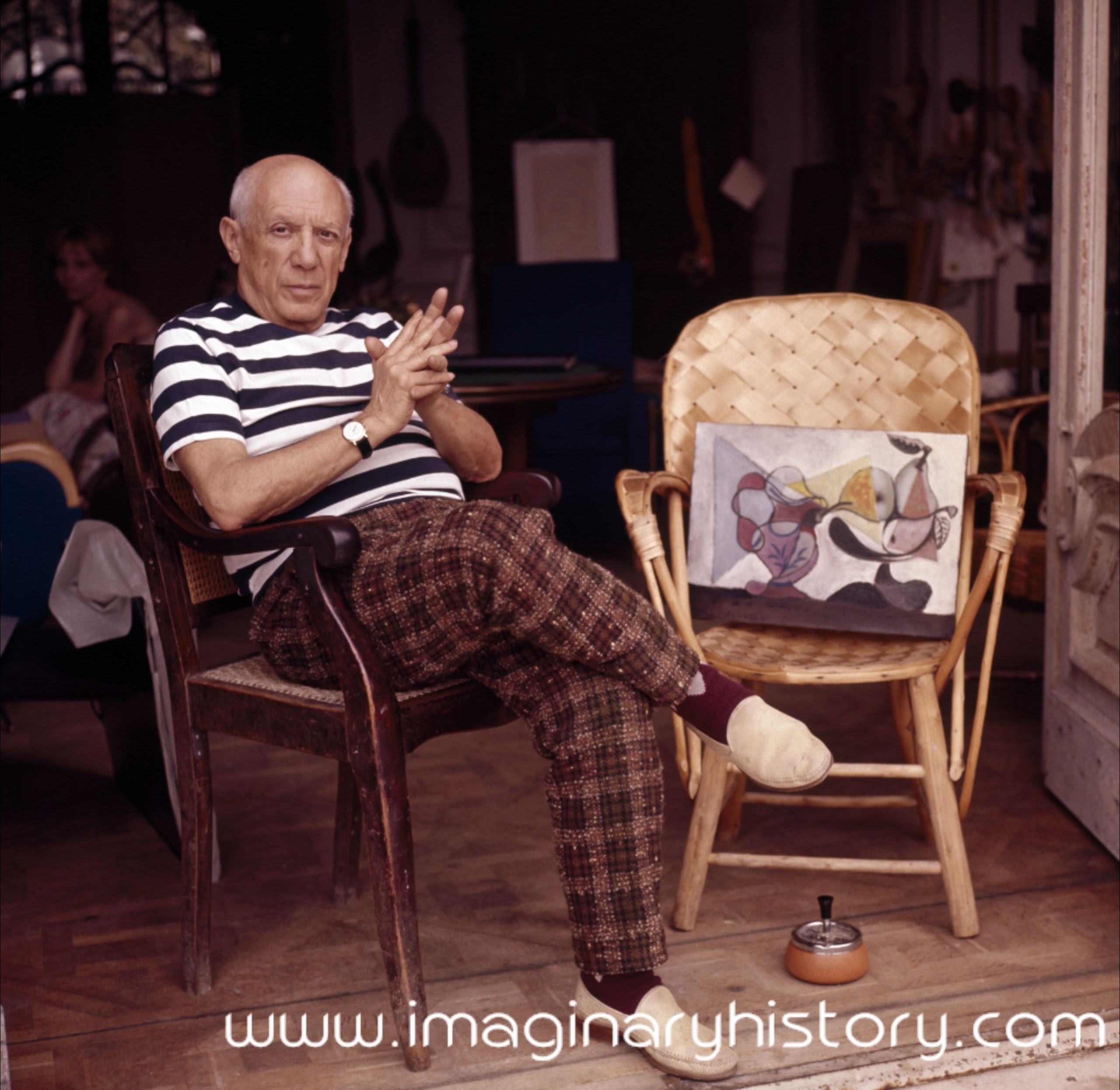
Born on October 25th, 1881 in Málaga, Spain, Pablo Diego José Francisco de Paula Juan Nepomuceno María de Los Remedies Ciprian ode la Santísima Trinidad Martyr Patricio Clito Ruíz y Picasso (phew!), known simply as Pablo Picasso, showcased his artistic aptitude from an early age. He went on to become one of the most influential artists in the 20th century.


Pablo Picasso

Revolutionary Artistic Innovations:

Pablo Picasso’s creative journey was marked by various innovative breakthroughs that transformed the world of art:

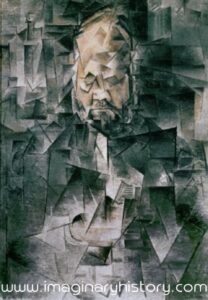
Cubism: Alongside Georges Braque, Picasso co-founded Cubism – a revolutionary art movement that challenged conventional perspective and representation. This movement emphasized geometric shapes, multiple viewpoints, and abstract forms.


Pablo Picasso

Collage: Picasso introduced collage as a significant art form, utilizing various materials to create multidimensional works that broke free from the confines of traditional two-dimensional art.


Pablo Picasso

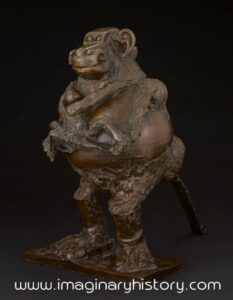
Invention of Sculpture: Picasso’s exploration of three-dimensional forms led to his innovative approach to sculpture. He transformed everyday objects into unique sculptures, challenging conventions.

Pablo Picasso

Fascinating Facts:

  1. Blue Period:Picasso’s early Blue Period was marked by somber and melancholic themes, often painted in shades of blue. This phase reflected his emotional turmoil and empathy for society’s downtrodden.
  2. Guernica:One of Picasso’s most iconic works, “Guernica,” denounced the horrors of war and the bombing of a Basque town during the Spanish Civil War. The painting’s emotional intensity and symbolism are deeply moving.
  3. Versatile Talents: Picasso’s talents weren’t confined to painting alone. He explored ceramics, poetry, and even designed costumes and sets for theatrical productions.
  4. Ever-Changing Styles:Picasso’s art underwent several distinct phases, including the Rose Period, African art-inspired Period, and the Surrealist Period. Each phase showcased his adaptability and willingness to explore new artistic horizons.

Conclusion:

The lasting influence of Pablo Picasso showcases the strength of imaginative self-expression and originality. Throughout his career, Picasso consistently pushed boundaries and sought out fresh concepts, leaving an indelible mark on the art community. By delving into Picasso’s life story, innovative creations, and intriguing trivia, we can gain a deeper understanding of this artist whose brilliance continues to mesmerize and motivate art enthusiasts worldwide.


Albert Einstein: Biography, Laws, Inventions, and Fascinating Facts

0
Albert Einstein

Introduction:

When you think of the greatest minds in the history of science, Albert Einstein name shines through. His revolutionary contributions to physics changed our understanding of the universe. This blog explores Einstein’s biography, his groundbreaking laws, notable inventions, and interesting facts that highlight his extraordinary life and achievements.


Albert Einstein


Biography of Albert Einstein:

Albert Einstein was born in Ulm, Germany on March 14, 1879. From an early age, he displayed a keen curiosity and unconventional way of thinking. Einstein faced difficulties in his early education, but his talents in mathematics and physics were evident, and he entered the Swiss Federal Institute of Technology in Zurich.


Albert Einstein

Einstein’s law of relativity:

Einstein’s theory of relativity was the foundation of modern physics and changed our understanding of space, time and gravity. These laws include:

Special Theory of Relativity: Introduced in 1905, this theory states that the laws of physics are the same for all unaccelerated observers and that the speed of light is constant in all coordinate systems.

General Theory of Relativity:

Published in 1915, this theory revolutionized our understanding of gravity. She describes gravity not as a force, but as a curvature of space-time caused by mass and energy.

Notable inventions and contributions:

Einstein is best known for his theory, but he also made important contributions in several areas, including: Photoelectric Effect: Einstein’s work on the photoelectric effect helped establish the idea that light can behave both as a wave and as a particle, and laid the foundation for quantum mechanics.

Brownian Motion:His work on the random motion of particles suspended in liquids confirmed the existence of atoms and molecules and provided evidence for the theory of motion of matter.


Albert Einstein

Interesting facts:

Nobel Prize:

Einstein won the Nobel Prize in Physics in 1921 for his description of the photoelectric effect, which influenced both theoretical and experimental physics.

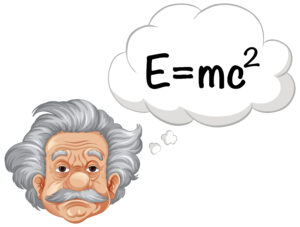
E=mc²:

His famous E=mc² equation summarizes the relationship between mass and energy and represents Einstein’s groundbreaking insight into the fundamental nature of the universe.


Albert Einstein

Citizenship and activity:

Einstein obtained Swiss citizenship in 1901 and American citizenship in 1940. He also advocated for peace and civil rights and used his platform to address global issues.

Conclusion:

Albert Einstein achievements as a scientific visionary and thinker are immense. His theory of relativity revolutionized physics, and his contributions to various fields continue to influence scientific thought. Pondering on Einstein’s biography, laws, inventions, and interesting facts reminds us of the power of human intelligence, curiosity, and innovation to shape our understanding of the universe. His amazing journey will inspire generations to come.