Introduction:
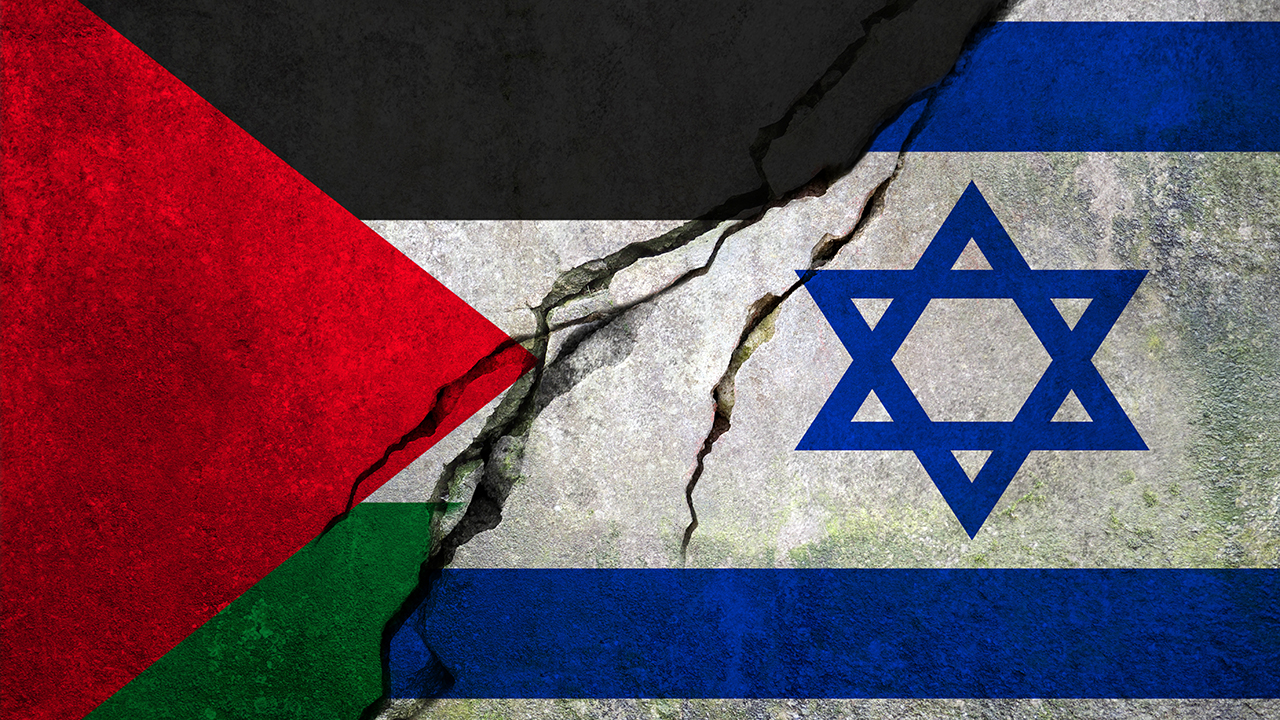
This blog focuses on the historical context of the Palestinians, the founding of Israel there, the ongoing conflict, the defensive steps taken by Hamas, the international response including the UN ceasefire, and everything in detail about the long and multilateral geopolitical conflict deeply rooted in history, shaped by religious, cultural, and regional factors known as the Palestinian-Israeli conflict.
History of Palestine:
Palestinian history is closely intertwined with the region’s rich and complex past. Palestinians are Arabs with historical ties to the land known as Palestine which includes modern-day Israel, the West Bank, and the Gaza Strip The population includes a variety of religious and ethnic groups, primarily Arab Muslims, Christians, and Jewish minorities.
Throughout history, the area has been under different rulers including the Ottoman Empire and the British Order. During the Zionist movement of the late 19th and early 20th centuries, the Arab population increased dramatically. Meanwhile, Jewish emigration to Palestine surged, driven by the desire for a national homeland. This motivation spurred their efforts.
Israel’s establishment and occupation of Palestine:
The establishment of the State of Israel in 1948 marked a turning point in the history of the region. Following the UN partition process, Israel declared independence, leading to war with neighboring Arab countries. The war displaced and expelled hundreds of thousands of Palestinians, creating a refugee crisis that persists to this day
Over the years, Israel has expanded its territory through various military conflicts, including the 1967 Six-Day War, which occupied the West Bank, East Jerusalem, and the Gaza Strip. The establishment of settlements in these occupied territories has become a contentious issue, violating international law and exacerbating tensions between Israelis and Palestinians.

Hamas defense statements:
Hamas, a Palestinian political and militant organization, was founded in 1987, emerging in response to partisanship. Although the group’s tactics have been widely criticized, it also provides social services and presents itself as a defender of Palestinian rights. Hamas’ use of rocket attacks and other protests has been a controversial issue, with critics highlighting civilian casualties and its impact on regional stability.
Palestine Defensive Steps Against Israeli Terrorism:
1. Countermeasures:
– Militant groups: Palestinian militant groups such as Hamas and Islamic Jihad offered armed resistance to perceived Israeli occupation. These protests are believed to be a means of defending Palestinian rights and territories.
– Guerrilla warfare: Some Palestinians have engaged in guerilla warfare, including rocket attacks and mortar attacks, in response to Israeli military action.
2. Public Protest:
– Nonviolent demonstration: Palestinians, supported by activists and international observers, organized nonviolent protests to voice their grievances and oppose Israeli policies. This includes protests against Israeli settlements and the construction of separation barriers.
– Civil disobedience: Some Palestinians engage in civil disobedience, refusing to comply with Israeli policies such as settlement expansion or land confiscation.
3. Political Diplomacy:
– International advocacy: Palestinian leaders make diplomatic efforts to gain international support for their cause. This involves actively seeking recognition of a Palestinian state and vehemently condemning Israeli actions in international forums, such as the United Nations. Moreover, it entails fostering alliances with sympathetic nations, leveraging diplomatic channels, and mobilizing global support through strategic campaigns and advocacy efforts.
– Peace process: Despite differences of opinion on the effectiveness of peace talks, some Palestinian leaders have engaged in negotiations to achieve a diplomatic solution to the conflict.
4. Legal Functions:
– International courts: Palestinians can legally pursue and file cases in international courts and institutions. This includes efforts to highlight alleged war crimes and human rights abuses committed by the Israeli military.
5. Humanitarian Assistance:
– Service delivery: Despite challenges, the Palestinian authorities and NGOs continue to provide essential services to citizens, especially in conflict-affected areas. This is often a way of coping and resisting perceived Israeli oppression.
6. International Cooperation:
– Global advocacy: Palestinian activists and supporters have been involved in advocacy campaigns to raise awareness of the Palestinian cause around the world. This includes calling for boycotts, divestments, and sanctions against Israel (the BDS movement).
7. Community resilience:
– Reconstruction efforts: Palestinians work to rebuild infrastructure and communities after conflict, demonstrating their resilience to adversity.
Palestine-Israel Religious Issue:
The Palestinian-Israeli conflict is closely linked to religious aspects, especially those related to Judaism and Islam. The religious aspect of this conflict contributes to its complexity and emotional resonance for many in the region. Key articles on the religious dimension of the Palestinian-Israeli conflict include:
Judaism and its relationship to the land
For many Jewish Israelis, the Land of Israel (including the West Bank and East Jerusalem) holds deep historical and religious significance and is considered the biblical homeland that God promised to the Jewish people.
Jerusalem, especially the Western Wall and the Temple Mount, is the center of Jewish religion and is important in Jewish history.
Islam and Palestinian Identity
The Al-Aqsa Mosque in Jerusalem is one of the holiest sites in Islam. It is considered the third holiest place after Mecca and Medina. Stone pillars in the same vicinity are also of great importance. The connection between land and Islamic holy sites plays a central role in shaping Palestinian identity and resistance to what many Palestinians perceive as the Israeli occupation.
Religious extremism and war
There are elements of religious nationalism on both sides that contribute to the conflict. Some Israeli settlers see their presence in the West Bank as fulfilling a biblical imperative, while some Palestinian groups frame their protests in religious terms. Hamas is a Palestinian extremist political movement with both political and religious overtones. His bill explicitly references Islamic principles in its opposition to the existence of Israel.
The complex backdrop of the Palestinian-Israeli conflict arises from the combination of religious identity, historical issues, and territorial disputes. To achieve lasting peace, addressing not only political and territorial matters but also delving into the deep-rooted religious and cultural aspects shaping Israeli and Palestinian behavior is crucial.
How the world reacts to the conflict:
The international community has been involved in efforts to resolve the Palestinian-Israeli conflict for decades. Peace initiatives, diplomatic negotiations, and resolutions have been proposed, but a complete and lasting solution remains elusive. The conflict has sparked global protests and debate, with people expressing solidarity for the Palestinian and Israeli causes.
“For Israel, peace means security, and we must stand with all our might to defend its right to exist, its territorial integrity. I see Israel as one of the world’s great democratic bases and what.” they can make a wonderful example of it, as they do.” to transform a desert land into an abode of fraternity and democracy.”
Martin Luther King Jr.
“Palestine belongs to the Arabs in the same sense that England belongs to the British or France belongs to the French. The imposition of the Jews on the Arabs is wrong and inhuman… Certainly if the proud Arabs.” reducing them would be a crime against them.” humanity as Palestine is.” It could be returned to the Jews in part or in whole as their national home.”
Mahatma Gandhi.
“There can be no peace without justice, and there can be no justice without the return of those displaced by the 1967 war, including an independent Palestinian state with Jerusalem as its capital.”
Nelson Mandela.
“Israel will not achieve real security and stability by occupying the Palestinian people. It is in the interest of both Israel and the Palestinians to move in peace.”
Yasser Arafat.
The United Nations ceases war and peace efforts:
The United Nations has an important role in mediating ceasefires and promoting peace in the region.
Several resolutions have been passed over the years calling for an end to the war, the withdrawal of Israeli troops from the occupied territories, and the establishment of a two-state solution. However, the implementation of these resolutions has proved difficult, and the conflict continues.
Moreover, recent ceasefire efforts by the United Nations aim to stem the cycle of violence and create the conditions for meaningful dialogue between the parties involved. However, as is often the case with such wars, an effective cessation of these hostilities depends on the willingness of both sides to control the issues and engage in constructive dialogue.
Security and territorial integrity:
One of Israel’s main goals is to ensure its security and territorial integrity. Throughout its existence, Israel has faced threats from neighboring and non-state actors. Memories of past conflicts, such as the Arab-Israeli war, contribute to a focus on security. Israel seeks to establish defensive borders and maintain control of settlement zones to protect its citizens from potential security threats.
Wars On Palestine-Israel Issue:
 1-Arab-Israeli War (War of Independence)
The term “Arab-Israeli War” generally refers to the series of conflicts between Arab states and Israel that occurred after the establishment of the State of Israel in 1948. These conflicts were important in shaping the Middle geopolitical situation in the 1990s. Here is an overview of the major Arab-Israeli wars;
Background:
– On May 14, 1948, Israel declared independence.
– The Arab states opposed the creation of Israel and tried to prevent its formation.
Participants:
– Egypt against Israel, Jordan, Syria, Lebanon and Iraq.
Impact:
– Israel survived and was able to expand its territory beyond the established borders of the United Nations.
– An armistice was signed between Israel and neighboring countries.
2. Suez Crisis (1956)
Background:
Egyptian President Gamal Abdel Nasser nationalized the Suez Canal, causing tensions between Britain, France and Israel.
Participants:
Israel, backed by Britain and France, and Egypt.
Impact:
International pressure on the US. and the Soviet Union led to the withdrawal of foreign troops.
The United Nations Emergency Force (UNEF) was deployed to monitor the withdrawal.
3. Six-Day War (1967)
Background:
Tensions were heightened by border disputes, water rights, and geopolitics.
Participants:
Between Israel and Egypt, Jordan, and Syria.
Impact:
Israel won fast and hard, capturing the Sinai Peninsula, the West Bank, East Jerusalem and the Golan Heights.
The war had profound consequences, giving way to continuing conflicts and territorial disputes.
4. Yom Kippur War (1973)
Background:
Egypt and Syria launched a surprise attack on Israel during the Jewish holiday of Yom Kippur.
Participants:
Between Israel, Egypt, and Syria.
Impact:
At first, the Arab forces gained the advantage, but Israel eventually repelled the attack.
The conflict led to new diplomatic efforts by Israel and Egypt, such as the Camp David Accords.
5. Lebanese Civil War (1975-1990) and Israeli intervention
Background:
Civil strife erupted in Lebanon, involving various factions.
Israel intervened to protect its northern border and counter Palestinian influence.
Impact:
Israel’s involvement in Lebanon continued for years, interspersed with conflict and intervention from time to time.
These wars and conflicts have had a lasting impact on the Middle East, contributing to the tensions there and shaping the geopolitics of the region the Arab-Israeli conflict is a complex and multifaceted affair historical, political, and religious issues are deeply rooted.
Recognition and right of residence:
Israel seeks recognition by the international community and its Palestinian neighbors as a legitimate sovereign state. The historical context of the establishment of Israel in 1948, and the ideological foundation of Zionism, emphasize the right of the Jewish people to self-determination and homeland The right of Israel to exist as a state if recognition is an integral part of its diplomatic and geopolitical objectives.
Coexistence and economic well-being:
Although security concerns are paramount, many in Israel yearn for peaceful coexistence with their Palestinian neighbors. Israelis and Palestinians have proposed economic cooperation and mutual development to promote stability and improve living conditions Some in Israel advocate a two-state solution, believing in a peaceful and economically vibrant Palestinian state that can survive along with Israel.
Conclusion:
The Palestinian-Israeli conflict is a deep and complex issue with no easy solution. This requires a nuanced understanding of historical grievances, geopolitical realities, and Israeli and Palestinian aspirations. The international community, including the United Nations, continues to play an active role in facilitating dialogue, addressing human rights concerns, and working toward a peaceful resolution that respects all people’s rights and aspirations. It is important to note that approaches to conflict management vary widely, with what one group sees as safe, another may adopt violence. The complexity of the Israeli-Palestinian conflict requires a nuanced understanding of the historical, political, and cultural factors at play. Lasting resolution requires dialogue, empathy, and acknowledgment of legitimate grievances on both sides.







 Born on June 24, 1987 in Rosario, Argentina, Lionel Andrés Messi showed signs of maturity at an early age. Joining the FC Barcelona La Masia academy youth team at the age of 13, Messi’s talent immediately caught the attention of football enthusiasts and professionals with the development coming in 2004 when he made his Barcelona first team when aged 17, he became the youngest player to represent the club at that time.


