Home Blog Page 116

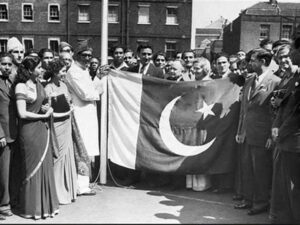
Struggle of Muslims for the Independence of Pakistan

0
India-Pakistan partition

Introduction:

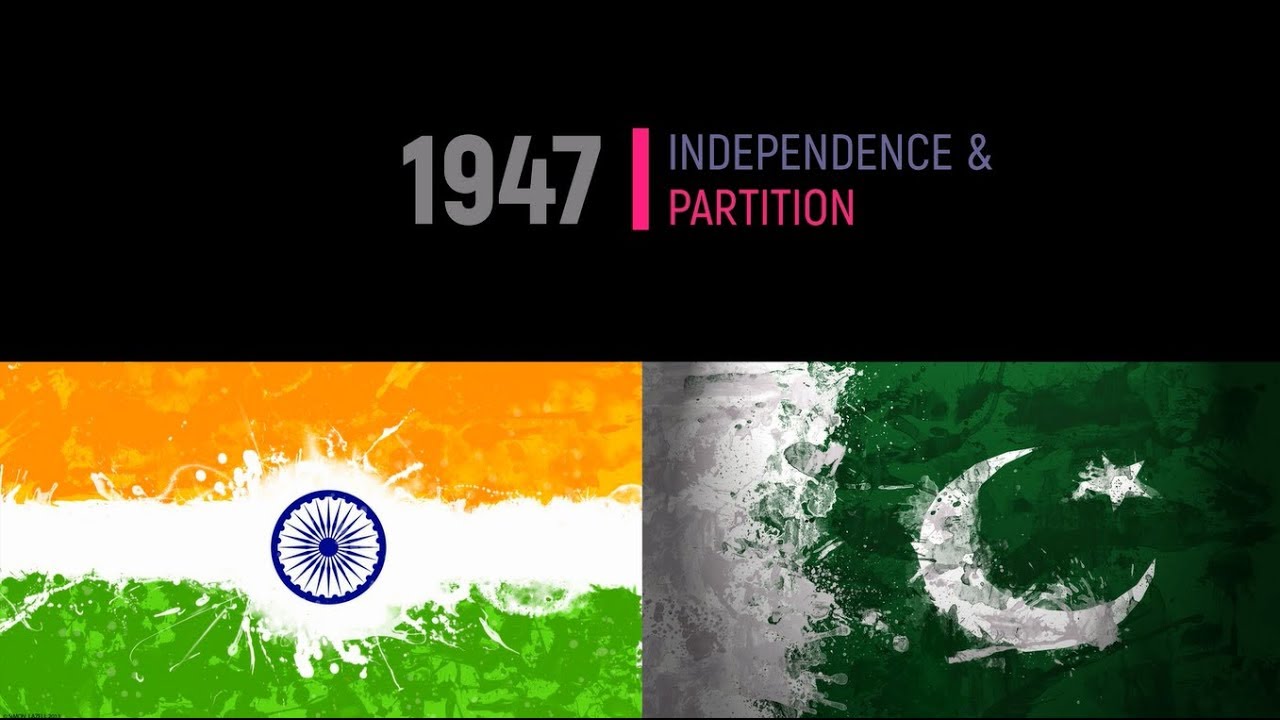
The year 1947 marked a watershed second in statistics because the Indian subcontinent underwent a seismic transformation—the partition that induced the introduction of Pakistan. For Muslims, this warfare for independence changed into no longer just a political upheaval however a deeply poignant adventure closer to the conclusion of a homeland wherein they’ll exercise their rights and maintain their fantastic identification.

The Quest for a Separate Homeland:

The call for for a separate Muslim nation gained momentum with the introduction of the All-India Muslim League and the tireless efforts of visionary leaders like Muhammad Ali Jinnah. The Lahore Resolution of 1940 crystallized the concept of an impartial Muslim state, paving the manner for the eventual beginning of Pakistan.
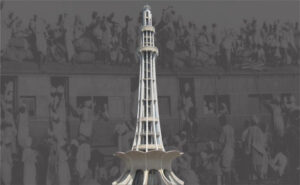
The-Lahore-Resolution-1940

Mounting Tensions and Communal Violence:

As the chance of partition loomed, tensions between Hindu and Muslim groups escalated. The communal violence that ensued was deeply harrowing, with both sides witnessing heartbreaking atrocities. Families were torn aside, and communities fractured, leaving scars that could undergo for generations.
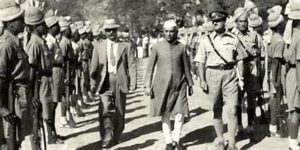
India-Pakistan partition

Mass Migration and Human Tragedy:

The partition led to one of the most important mass migrations in human history. Millions of Muslims migrated from India to the newly shaped Pakistan, at the same time as Hindus and Sikhs moved in the opposite course. The adventure became marred by using giant suffering, loss of lifestyles, and the tragic displacement of limitless households.
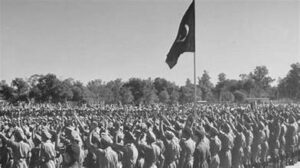
India-Pakistan partition

The Role of Sacrifice and Leadership:

The war for Pakistan’s independence changed into characterised with the aid of sacrifice and unwavering leadership. Figures like Liaquat Ali Khan, Fatima Jinnah, and infinite others played pivotal roles in navigating the tumultuous direction in the direction

Legacy of Independence:

The creation of Pakistan on August 14, 1947, marked the end result of the Muslims’ hard struggle for self-dedication. It additionally added to the fore the challenges of kingdom-constructing and the want to forge a cohesive identity amidst diverse linguistic, cultural, and regional backgrounds.

Reflections on Identity and Unity:

The conflict for Pakistan’s independence invitations reflection on the iconic themes of identity and solidarity. The advent of the state turned into no longer merely a geopolitical event however a profound statement of the rights and aspirations of a spiritual network searching for to chart its destiny.

Conclusion:

As we reflect in this pivotal bankruptcy in history, let us recognize the resilience and determination of those who played a role in shaping the future of Pakistan. The battle for independence, with all its complexities and sacrifices, serves as a poignant reminder of the profound human choice for autonomy and the enduring quest for a place to name home.India-Pakistan partition
Exploring China: A Land of Rich Culture and Diversity

0
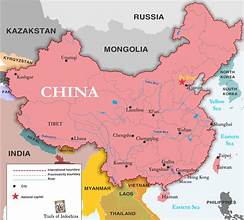
China

Introduction:

China, a vast country in East Asia, boasts a rich history and diverse cultural heritage. From the Great Wall to bustling cities, it’s a land of contrasts and wonders waiting to be explored.

Dynamic Cities:

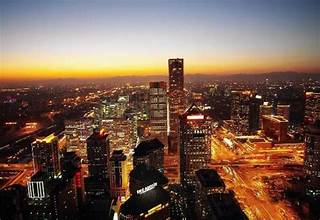
China is home to some of the world’s most populous and dynamic cities. Beijing, the capital, blends ancient traditions with modern skyscrapers. Shanghai dazzles with its futuristic skyline and vibrant nightlife. Guangzhou charms visitors with its historical sites and bustling markets.

Dynamic Cities

Great Wall of China:

One of the most iconic landmarks globally, the Great Wall stretches over 13,000 miles. Built centuries ago for defense, its majestic beauty and historical significance draw millions of tourists each year.

Great Wall of China

Cultural Diversity:

China’s cultural diversity is as vast as its land. With 56 recognized ethnic groups, each with its traditions, languages, and cuisines, the country is a melting pot of cultures and traditions.

Culinary Delights:

Chinese cuisine is renowned worldwide for its variety and flavors. From spicy Sichuan dishes to delicate Cantonese flavors, exploring Chinese cuisine is a delightful journey for the taste buds.

Natural Beauty:

Beyond the bustling cities, China offers breathtaking natural landscapes. From the serene Guilin’s karst mountains to the picturesque Yangtze River, nature lovers will find endless beauty to explore.

Traditional Festivals:

China celebrates a myriad of colorful and vibrant festivals. The Lunar New Year, Dragon Boat Festival, and Mid-Autumn Festival are just a few where traditions, folklore, and customs come alive.

Innovation Hub:

China is rapidly emerging as a global leader in technology and innovation. With a booming tech industry and advancements in various fields, it continues to shape the future.

Ancient History:

China’s history spans thousands of years, marked by dynasties, emperors, and cultural revolutions. Exploring ancient temples, palaces, and artifacts provides glimpses into this rich past.

Transitioning Economy:

In recent years, China’s economy has undergone significant growth and transformation. It has shifted from an agrarian society to a global economic powerhouse.

Conclusion:

China’s allure lies in its blend of ancient traditions and modernity, diverse landscapes, and rich cultural tapestry. Exploring this multifaceted country promises a journey filled with wonder, history, and discovery.

China is a country of vast landscapes and diverse cultures. From the Great Wall to bustling cities and rich history, there’s something for every traveler to experience and enjoy.

Biography of Quaid e Azam

0
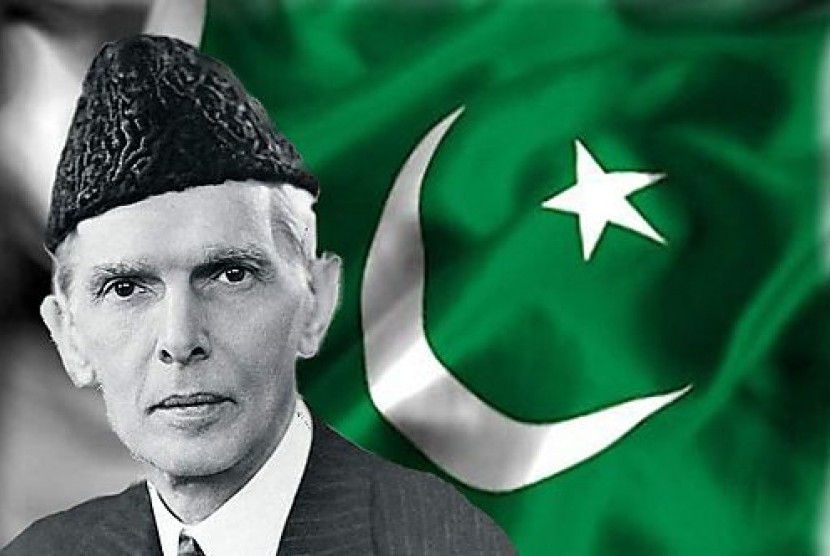
Quaid e Azam

Introduction

Quaid-e-Azam, an iconic determine in South Asian history, played an instrumental position within the introduction of Pakistan. Understanding his life journey entails delving into the historical backdrop that shaped his endeavors.

quaid e azam early-life

Early Life

Childhood:

Born on December 25, 1876, in Karachi, Quaid-e-Azam, whose delivery call turned into Muhammad Ali Jinnah, belonged to a outstanding merchant family. His early years were marked by means of a disciplined and intellectually stimulating environment.

Education:

His education in Karachi and later in England honed his legal acumen. He acquired a robust understanding of law, which became a cornerstone of his future endeavors.

Role in Politics

Entry in Politics:

Jinnah commenced his political career in Bombay, advocating for the rights of the Indian Muslim community. His entry into the Indian National Congress marked the beginning of his political activism.

Leadership:

His pragmatic approach and eloquence in articulating the Muslim League’s vision established him as a prominent leader. Jinnah’s leadership was characterized by his unwavering commitment to the ideals of equality and self-determination.

Achievements

Independence Movement:

Quaid-e-Azam’s pivotal role in the struggle for independence galvanized the masses. His advocacy for a separate nation for Muslims led to the Lahore Resolution of 1940, laying the foundation for Pakistan.

Quaid e Azam Independence Movement

Formation of Pakistan:

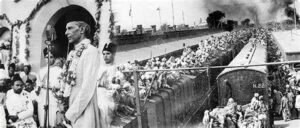
The culmination of his relentless efforts was realized on August 14, 1947, when Pakistan emerged as an independent nation. Jinnah’s vision and diplomatic finesse paved the way for a new sovereign state.

Quaid e Azam Formation of Pakistan

Leadership Legacy:

Jinnah’s legacy transcends the founding of Pakistan. His principles of unity, faith, and discipline continue to resonate, serving as a guiding light for the nation.

Personal Life

Family:

Behind the statesman was a devoted family man. His marriage to Rattanbai Petit and subsequent relationships portrayed a personal life filled with love and dedication.

Personal Traits:

Jinnah’s determination, integrity, and unwavering commitment to his principles were defining traits that shaped his character.

Conclusion

Quaid-e-Azam Muhammad Ali Jinnah’s impact on history remains unparalleled. His leadership during a tumultuous era secured a homeland for millions and continues to inspire generations.


FAQs

  • What was Quaid e Azam’s full name?

Quaid-e-Azam’s full name was Muhammad Ali Jinnah.

  • What role did Quaid e Azam play in the formation of Pakistan?

He was the driving force behind the creation of Pakistan and served as its first Governor-General.

  • Did Quaid e Azam have any significant personal influences?

His family, particularly his wife, played a significant role in his life.

  • What values did Quaid-e-Azam prioritize?

Unity, faith, and discipline were the core values he espoused.

  • How is Quaid-e-Azam remembered today?

He is revered as the founding father of Pakistan and his principles continue to shape the nation’s ethos.

Exploring the Rich History of the Netherlands

0
Netherlands

Introduction to the Netherlands

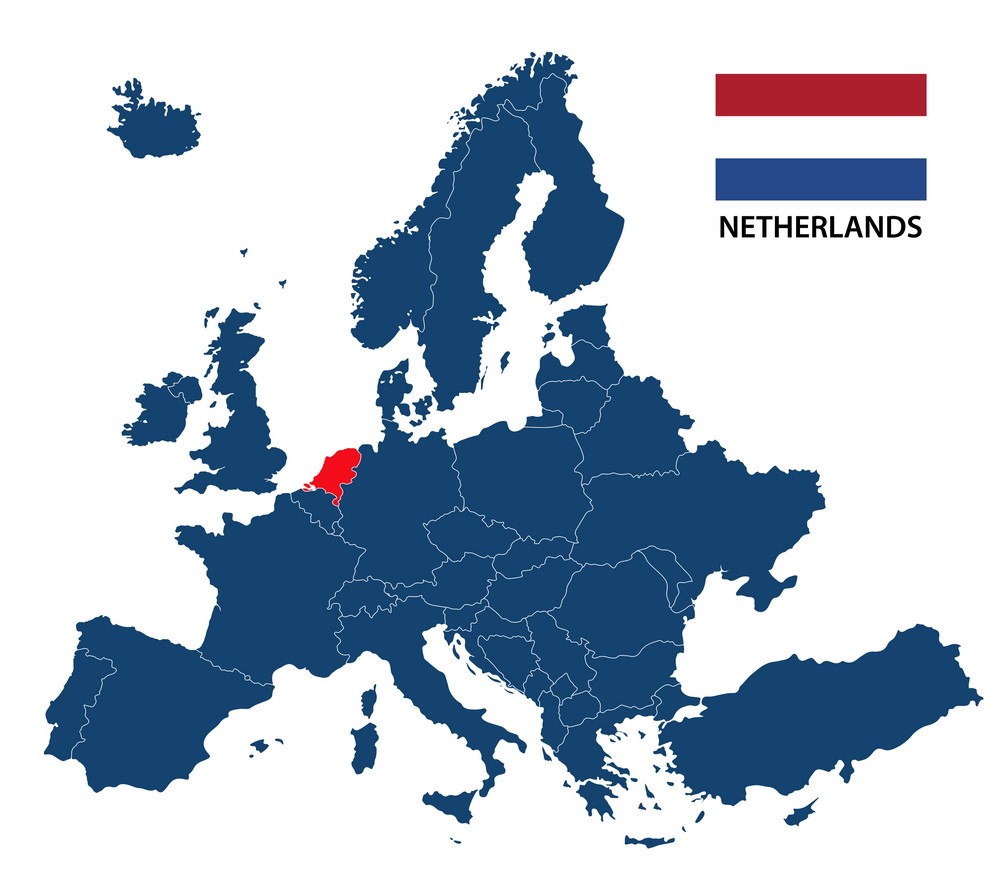
The Netherlands, often referred to as Holland, is a captivating country known for its picturesque landscapes, rich cultural heritage, and progressive outlook. Situated in northwestern Europe, this small yet vibrant nation is a tapestry of iconic windmills, stunning tulip fields, and charming canal-laden cities.

netherland early beginingsEarly Beginnings

The history of the Netherlands strains again hundreds of years. In historical times, the vicinity became inhabited through Celtic and Germanic tribes. The Romans also left their mark, introducing roads and cities.

The Dutch Golden Age

The seventeenth century was the Golden Age of the Netherlands. It turned into a time of incredible wealth, artwork, and maritime prowess. Dutch explorers like Willem Janszoon discovered new lands, while artists like Rembrandt and Vermeer created masterpieces.

Tulip ManiaTulip Mania

During the 17th century, the Netherlands experienced “Tulip Mania,” a fascinating period when tulip bulbs became so valuable they were used as currency. Consequently, this craze led to a booming market until it eventually crashed.


World War II and Anne Frank

The Netherlands faced occupation during World War II. Anne Frank, a young Jewish girl, hid from the Nazis in Amsterdam, and her diary remains a poignant reminder of that dark period.

Must-Visit Places in the Netherlands

  • Amsterdam

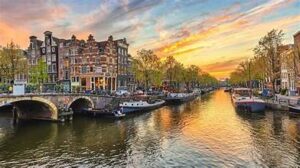
The capital city, Amsterdam, is a tapestry of historic charm and modern allure. Explore the UNESCO-listed canal belt, visit world-class museums like the Van Gogh Museum, and revel in the vibrant nightlife.


Amsterdam

  • Keukenhof Gardens

A paradise for flower enthusiasts, Keukenhof Gardens is an explosion of colors with meticulously landscaped gardens showcasing a diverse array of tulips and other blooms.


Keukenhof Gardens

  • Zaanse Schans

Step back in time at Zaanse Schans, an open-air museum dotted with well-preserved windmills, wooden houses, and artisanal workshops. Moreover, this site provides insight into Dutch rural life in the 18th and 19th centuries.


Zaanse Schans

  • The Hague

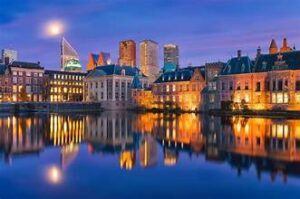
As the seat of the Dutch government, The Hague is a city of contrasts. From regal palaces to contemporary architecture, this city offers a blend of history, politics, and culture.


The Hague

Cuisine and Culinary Delights

  • Dutch Cheese

The Netherlands is famed for its cheese, particularly Gouda and Edam. Cheese markets like Alkmaar’s showcase the country’s cheese-making traditions and offer delightful tastings.


Dutch Cheese

  • Stroopwafels

A Dutch delicacy, stroopwafels are thin waffles filled with caramel syrup. Freshly made at local markets, these sweet treats are a must-try for visitors.


Stroopwafels

  • Herring

Sample raw herring, a quintessential Dutch snack. Served with onions and pickles, it’s a unique culinary experience.

Herring

Diversity and Culture

  • Dutch Festivals

Experience the vibrant Dutch festivals celebrating everything from flowers to music, like King’s Day, when the country turns orange to honor the monarch’s birthday.


Dutch Festivals

  • Art and Museums

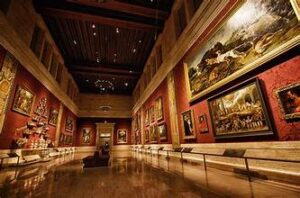
Art aficionados will revel in the Netherlands’ art scene, with masterpieces by Rembrandt and Vermeer housed in museums like the Rijksmuseum and Mauritshuis.

Art and Museums

  • Multilingual Society

The Dutch are known for their proficiency in languages, with most people speaking excellent English alongside Dutch and often other languages, creating a welcoming atmosphere for visitors.

Conclusion

The Netherlands, with its blend of natural beauty, cultural richness, and warm hospitality, offers an unforgettable experience. From the vibrant tulip fields to the historic windmills and eclectic cities, this charming country continues to captivate travelers from around the globe.


FAQs

1. Is the Netherlands a safe country to visit?

The Netherlands is generally considered safe for tourists, with low crime rates and a welcoming atmosphere.

2. What’s the best time to visit the tulip fields?

Moreover, spring, particularly April and May, is the ideal time to witness the stunning blooms of the tulip fields.

3. Are credit cards widely accepted in the Netherlands?

Yes, credit cards are widely accepted in most establishments across the country.

4. Can I explore the countryside by bike?

Absolutely! Cycling is a popular and convenient way to explore the Dutch countryside, with many bike rental options available.

5. Are there vegetarian-friendly options in Dutch cuisine?

Yes, many restaurants in the Netherlands offer vegetarian and vegan dishes, catering to different dietary preferences.