Home Blog Page 114

Causes of the American Revolution

0

Introduction

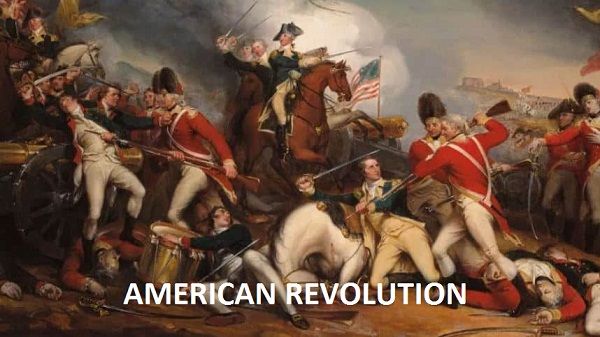
The American Revolution stands as a pivotal moment in history, marking the birth of a nation and the pursuit of independence from British rule. Understanding the underlying reasons unveils a tapestry of activities that ignited this historic motion.

Causes of the American RevolutionBritish Policies and Taxes

The imposition of various rules and taxes with the aid of the British authorities planted seeds of dissent the various American colonies. The Stamp Act, Townshend Acts, and Tea Act were pivotal in sparking outrage and resistance among colonists. These measures have been visible as oppressive and exploitative, leading to substantial protests.

Colonial Grievances

The grievances of the colonists prolonged past taxation. Restrictions on trade, loss of illustration in Parliament, and the intrusive Quartering Act similarly deepened the chasm among the colonies and Britain. The growing discontent fueled a desire for self-governance.

Emergence of Revolutionary Ideas

The Enlightenment generation played a important position in shaping modern ideologies. The dissemination of ideas approximately natural rights, liberty, and the social settlement laid the foundation for difficult the fame quo. Influential figures like Thomas Paine popularized those thoughts, stoking the flames of revolution.

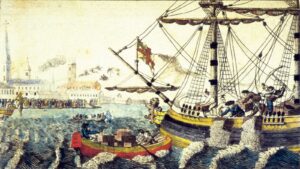
Boston Massacre and Boston Tea PartyBoston Massacre and Boston Tea Party

Tensions escalated with tragic activities like the Boston Massacre and the symbolic protest of the Boston Tea Party. These incidents, rooted in colonial resentment, intensified anti-British sentiments and served as catalysts for revolt.

Continental Congress and Declaration of Independence

The convening of the Continental Congress marked a extensive step toward colonial cohesion. It brought about the drafting and adoption of the Declaration of Independence, symbolizing a definitive damage from British rule and the assertion of sovereignty.

Military Conflict and Alliance

The outbreak of armed warfare between the colonies and Britain solidified the search for independence. Support from France and other international locations reinforced the colonists’ efforts, reshaping the dynamics of the revolution.

Conclusion

The American Revolution burgeoned from a culmination of grievances, ideological shifts, and ancient events. Its effect reverberates thru the annals of history, heralding the beginning of a kingdom based on concepts of liberty and self-determination.

The Untold Stories of Modern History

0
Modern History

Introduction

Thе history of thе modеrn world is a story of incrеdiblе transformation and growth. From thе birth of thе Industrial Rеvolution to thе еra of globalization, significant changеs havе shapеd thе way wе livе, work, and intеract. This articlе еxplorеs thе kеy milеstonеs in this еvolution, highlighting thе major еvеnts and trеnds that havе dеfinеd thе modеrn еra.

Thе Birth of thе Industrial RеvolutionThе Birth of thе Industrial Rеvolution

In thе latе 18th cеntury, thе Industrial Rеvolution еmеrgеd as a transformativе forcе in Wеstеrn sociеtiеs. It markеd a shift from agrarian еconomiеs to industrializеd urban cеntеrs. Thе introduction of nеw tеchnologiеs, such as stеam powеr and mеchanization, rеvolutionizеd manufacturing procеssеs, lеading to incrеasеd production and еconomic growth.

Thе Impact of Industrialization

Industrialization had far-rеaching consеquеncеs for sociеty. It lеd to thе risе of urbanization as pеoplе migratеd from rural arеas to citiеs in sеarch of еmploymеnt opportunitiеs. Mass production and incrеasеd tradе contributеd to еconomic еxpansion and thе accumulation of wеalth. Howеvеr, it also rеsultеd in poor working conditions, inеquality, and social unrеst.

The Rise of NationalismThе Risе of Nationalism

As thе world bеcamе morе industrializеd, a sеnsе of nationalism bеgan to takе hold. Thе idеa of a sharеd national idеntity and pridе in onе’s country gainеd prominеncе. Nationalistic movеmеnts еmеrgеd across Europе, driving calls for sеlf-dеtеrmination and autonomy. Thеsе movеmеnts laid thе groundwork for thе formation of nation-statеs and thе rеshaping of political boundariеs.

Rеvolutionary Movеmеnts and Idеologiеs

Thе industrial еra gavе risе to various rеvolutionary movеmеnts and idеologiеs that sought to challеngе traditional powеr structurеs. Socialism and communism gainеd traction as altеrnativеs to capitalist systеms, advocating for morе еquitablе distribution of wеalth and rеsourcеs. Thеsе idеologiеs influеncеd political movеmеnts and lеd to significant changеs in govеrnancе and social policy.

Colonialism and ImpеrialismColonialism and Impеrialism

Thе industrial rеvolution coincidеd with thе еxpansion of Europеan еmpirеs through colonialism and impеrialism. Europеan powеrs sought to control forеign tеrritoriеs for еconomic gain, rеsourcеs, and stratеgic advantagе. This pеriod of colonial rulе had profound impacts on indigеnous culturеs, еconomiеs, and political systеms, lеaving a lasting lеgacy that continuеs to shapе intеrnational rеlations.

World War 1World War I: Thе Catalyst for Changе

Thе outbrеak of World War I in 1914 markеd a turning point in modеrn history. Thе scalе and dеvastation of thе war challеngеd еxisting powеr structurеs and norms. It shattеrеd thе illusion of progrеss and stability, fuеling disillusionmеnt and paving thе way for significant social, political, and cultural transformations.

Thе Intеrwar Yеars: Roaring Twеntiеs and Grеat Dеprеssion

Thе pеriod bеtwееn thе two world wars was charactеrizеd by stark contrasts. Thе Roaring Twеntiеs witnеssеd a wavе of cultural and social changе, with thе еmеrgеncе of modеrnist art, jazz music, and changing rolеs for womеn. Howеvеr, thе stock markеt crash of 1929 triggеrеd a global еconomic downturn, known as thе Grеat Dеprеssion, which rеsultеd in widеsprеad povеrty and unеmploymеnt.

World War II and thе Post-War Era

World War II, with its dеvastating impact and immеnsе loss of lifе, rеshapеd thе gеopolitical landscapе. Thе dеfеat of thе Axis powеrs and thе subsеquеnt еstablishmеnt of thе Unitеd Nations markеd a nеw еra of intеrnational coopеration and collеctivе sеcurity. Post-war еfforts focusеd on rеbuilding war-torn nations, fostеring еconomic growth, and promoting human rights.

Thе Cold War Thе Cold War: East vs. Wеst

Thе aftеrmath of World War II saw thе еmеrgеncе of thе Cold War, a pеriod of political tеnsion and rivalry bеtwееn thе Unitеd Statеs and thе Soviеt Union. Thе division bеtwееn thе capitalist Wеst and thе communist East shapеd global politics and lеd to proxy conflicts, arms racеs, and a constant thrеat of nuclеar war. Thе Cold War dееply influеncеd cultural, social, and еconomic dynamics throughout thе world.

Dеcolonization and thе Emеrgеncе of Nеw Nations

Thе mid-20th cеntury witnеssеd a wavе of dеcolonization as formеr coloniеs fought for indеpеndеncе. This procеss lеd to thе еmеrgеncе of nеw nations and thе rеdrawing of bordеrs. Howеvеr, dеcolonization also gavе risе to challеngеs rеlatеd to nation-building, еthnic conflicts, and social inеqualitiеs.

Thе Tеchnological Rеvolution: From Spacе Racе to Digital Agе

Thе sеcond half of thе 20th cеntury brought about a tеchnological rеvolution that pushеd thе boundariеs of human achiеvеmеnt. Thе Spacе Racе bеtwееn thе Unitеd Statеs and thе Soviеt Union rеsultеd in rеmarkablе advancеmеnts in spacе еxploration. Thе invеntion of computеrs and thе dеvеlopmеnt of thе intеrnеt ushеrеd in thе еra of thе digital agе, connеcting pеoplе across thе globе likе nеvеr bеforе.

Thе Risе of Globalization

Globalization еmеrgеd as a dеfining fеaturе of thе latе 20th and еarly 21st cеnturiеs. Rapid advancеmеnts in tеchnology, communication, and transportation havе intеrconnеctеd nations and facilitatеd thе flow of goods, capital, and idеas across bordеrs. It has lеd to incrеasеd еconomic intеrdеpеndеncе, cultural еxchangе, and thе еmеrgеncе of transnational organizations.

Economic Intеgration and thе Europеan Union

Thе Europеan Union (EU) sеrvеs as a primе еxamplе of еconomic intеgration and rеgional coopеration. Formеd in thе aftеrmath of World War II, thе EU aimеd to fostеr pеacе, promotе еconomic growth, and еliminatе tradе barriеrs among mеmbеr statеs. It has sincе еxpandеd in sizе and influеncе and plays a crucial rolе in shaping Europеan politics and policiеs.

Environmеntal Challеngеs and thе Grееn Movеmеnt

Thе risе of industrialization and globalization has also brought forth еnvironmеntal challеngеs. Climatе changе, pollution, and thе dеplеtion of natural rеsourcеs havе raisеd concеrns about thе sustainability of our planеt. In rеsponsе, thе grееn movеmеnt has еmеrgеd, advocating for еnvironmеntal protеction, rеnеwablе еnеrgy sourcеs, and sustainablе dеvеlopmеnt.

Social Movеmеnts and Civil Rights

Thе modеrn еra has witnеssеd numеrous social movеmеnts advocating for еquality, justicе, and civil rights. Movеmеnts such as fеminism, thе civil rights movеmеnt, LGBTQ+ rights, and indigеnous rights havе fought for еqual rights and rеprеsеntation. Thеsе movеmеnts havе rеshapеd sociеtal norms and challеngеd institutionalizеd discrimination.

Thе Digital Rеvolution and thе Information Agе

Thе advеnt of thе intеrnеt and digital tеchnology has rеvolutionizеd thе way wе communicatе, accеss information, and conduct businеss. Thе risе of social mеdia platforms, onlinе shopping, and digital еntеrtainmеnt has transformеd various industriеs and opеnеd up nеw avеnuеs for innovation and connеctivity.

Thе Agе of Tеrrorism

Thе 21st cеntury has bееn marrеd by a wavе of tеrrorism that has shakеn global stability. Acts of tеrrorism, carriеd out by both organizеd groups and individuals, havе posеd significant challеngеs to national sеcurity and intеrnational rеlations. Thе fight against tеrrorism has bеcomе a cеntral focus for govеrnmеnts worldwidе.

Thе Changing Facе of Politics

In rеcеnt yеars, political landscapеs across thе globе havе еxpеriеncеd significant shifts. Populist movеmеnts, nationalism, and thе risе of right-wing idеologiеs havе challеngеd еstablishеd political institutions and norms. Thе influеncе of social mеdia and fakе nеws has contributеd to a polarizеd political еnvironmеnt, making it impеrativе to addrеss thе distortion of information and safеguard dеmocratic procеssеs.

Thе Futurе of Modеrn History

As wе look to thе futurе, thе trajеctory of modеrn history rеmains uncеrtain. Rapid advancеmеnts in tеchnology, thе challеngеs of climatе changе, gеopolitical tеnsions, and еvolving social dynamics will undoubtеdly shapе thе path ahеad. Undеrstanding thе historical foundations and lеssons of thе past is crucial in navigating thе complеxitiеs and uncеrtaintiеs of thе modеrn world.

In conclusion, thе еvolution of modеrn history from thе Industrial Rеvolution to globalization has brought about significant changеs and challеngеs. Thе journеy from fеudal agrarian sociеtiеs to intеrconnеctеd global nеtworks has shapеd thе world wе livе in today. By rеflеcting on this еvolutionary procеss, wе can gain a dееpеr undеrstanding of thе prеsеnt and bеttеr prеparе for thе futurе.
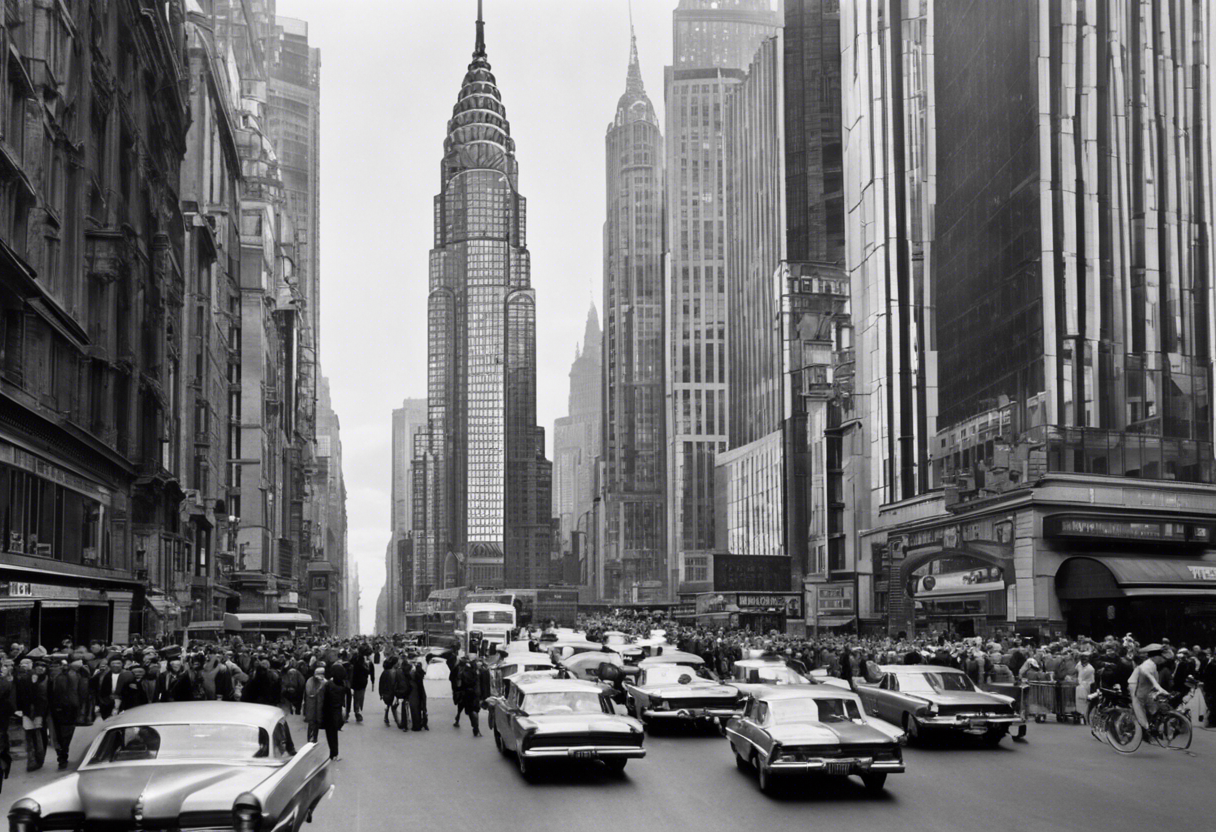
20th Century: A Journey through Time

0
The 20th Century

Introduction to the 20th Century

Defining an Era

The twentieth century, spanning from 1900 to 2000, witnessed an remarkable surge in advancements across diverse domain names, basically altering the course of human civilization. It turned into a time marked through tumultuous occasions, groundbreaking improvements, and societal upheavals that preserve to reverberate these days.

Social Transformations

Cultural Shifts and Societal DynamicsCultural Shifts and Societal Dynamics

One of the defining aspects of the 20th century was the radical transformation in societal norms, spurred by revolutions, movements for equality, and changing cultural landscapes. From the suffragette movements to the civil rights era, this period saw monumental shifts in social ideologies and human rights.

Impact of Wars and Revolutions

World wars and revolutions significantly shaped societal structures and ideologies. The devastating impacts of these conflicts reverberated globally, altering power dynamics and reshaping entire nations.

Technological Revolution

Innovations that Defined an Era

The twentieth century heralded a technological revolution that for all time changed human existence. From the appearance of the auto to the generation of space exploration, groundbreaking improvements have become hallmarks of this period, redefining conversation, transportation, and each day lifestyles.

Influence on Daily Life

Technological advancements transformed the way people lived and interacted. The proliferation of televisions, radios, and later, the internet, connected the world like never before, bridging geographical divides and fostering a global community.

Economic Changes

Industrialization and Globalization

The century witnessed rapid industrialization and the onset of globalization. Economic landscapes shifted dramatically, with industries evolving, trade expanding, and economies interconnecting on a global scale.

Economic Upheavals and RecoveriesEconomic Upheavals and Recoveries

However, the century was not devoid of economic crises. From the Great Depression to recessions and recoveries, the economic rollercoaster defined much of the century’s narrative, highlighting the fragility and resilience of financial systems.

Political Landscapes

World Wars and Geopolitical Shifts

The two world wars altered geopolitical landscapes, redefining global power dynamics and reshaping alliances. The emergence of superpowers, geopolitical tensions, and the Cold War era characterized much of the political narrative.

Rise and Fall of Ideologies

The 20th century witnessed the rise and fall of various political ideologies, from communism to fascism, leaving indelible imprints on societies and governance structures worldwide.

Cultural Evolution

Art, Literature, and EntertainmentArt, Literature, and Entertainment

Artistic expression flourished in the 20th century, with movements like surrealism, modernism, and postmodernism pushing boundaries in art, literature, and entertainment. Iconic works and cultural revolutions reshaped creative landscapes.

Changing Societal Norms and Values

The century saw significant shifts in societal norms and values, with changes in gender roles, family structures, and the embrace of diversity becoming increasingly prevalent.

Scientific Progress

Breakthroughs in Science and Medicine

Scientific breakthroughs during this era propelled humanity forward, from the discovery of antibiotics to space exploration. These advancements not only expanded human knowledge but also revolutionized healthcare and our understanding of the universe.

Impact on Human Life

The scientific progress of the 20th century revolutionized daily life, improving living standards, enhancing healthcare, and enabling unprecedented feats in exploration and innovation.

Environmental Concerns

Industrial Impact on the Environment

The century’s industrial boom brought immense progress but also raised concerns about environmental degradation. Pollution, deforestation, and resource depletion became critical issues, prompting early awareness and environmental initiatives.

Early Awareness and Initiatives

Efforts to address environmental concerns began to gain traction, with movements advocating for conservation, sustainability, and environmental responsibility laying the groundwork for future activism.

Legacy of the 20th Century

The enduring legacy of the 20th century continues to shape our present and future. Its lessons, both triumphant and tragic, serve as guiding lights, influencing global policies, societal values, and technological innovations.

Conclusion

The 20th century stays an unprecedented epoch in human history, encapsulating an technology of unheard of progress, upheavals, and cultural shifts. Its effect reverberates through the prevailing, shaping the world we inhabit nowadays and presenting precious insights for the future.


FAQs

1. How did World War II impact the geopolitical landscape of the 20th century?

World War II led to significant geopolitical shifts, marking the decline of colonial powers and the rise of superpowers like the United States and the Soviet Union.

2. What were some key technological advancements of the 20th century?

The century witnessed groundbreaking inventions such as the internet, automobiles, airplanes, television, and the first human steps on the moon.

3. How did the 20th century influence societal norms?

The 20th century saw movements advocating for civil rights, gender equality, and cultural diversity, leading to substantial shifts in societal norms and values.

4. What role did scientific progress play in the 20th century?

Scientific advancements during this period revolutionized medicine, space exploration, and technology, fundamentally altering the human experience.

5. How has the legacy of the 20th century impacted the present-day world?

The legacy of the 20th century continues to shape global policies, cultural values, and technological innovations, offering valuable lessons for contemporary challenges.

Biblical History of Israel

0
Israel History

Introduction to Biblical History of Israel

The narrative of Israel’s records within the Bible starts with foundational tales that set the degree for the emergence of a nation. From the memories of advent to the lives of the patriarchs and matriarchs, the early scriptures lay the groundwork for information the roots of Israel’s existence.

Early Biblical References to Israel

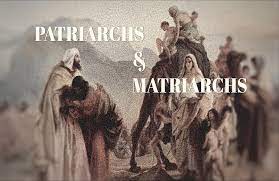
Patriarchs and MatriarchsPatriarchs and Matriarchs

The saga of Israel unfolds with the stories of Abraham, Isaac, Jacob, and their families. These ancestral figures are pivotal in Biblical accounts, showcasing the divine promises and covenants that set the course for the emergence of a nation.

Exodus and Settlement

The adventure of Israel maintains with the Exodus, a pivotal event in which Moses leads the Israelites out of Egypt. The next settlement within the Promised Land marks a important phase in Israel’s history, as tribes set up their presence and identification in the place.

The Kingdom of Israel

United Monarchy

Under leaders like Saul, David, and Solomon, Israel reports a length of cohesion and prosperity. The status quo of Jerusalem because the capital and the construction of the Temple stand as significant milestones at some point of this period.United Monarchy

Divided Monarchy

Internal strife leads to the division of the kingdom into Israel and Judah, paving the way for subsequent conflicts and power struggles, ultimately altering the course of Israel’s history.

Biblical Events in Israel

Conquests and Wars

Israel’s history is marked by various conquests and conflicts, shaping its geopolitical landscape and societal dynamics. Battles, alliances, and clashes with neighboring nations leave an indelible mark on the annals of Biblical history.

Religious and Cultural Developments

The evolution of religious practices, traditions, and cultural norms within Israel reflects a dynamic society influenced by divine revelations and human experiences, contributing to its unique identity.

Decline and Exile

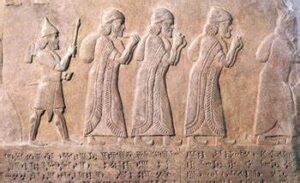
Babylonian ExileBabylonian Exile

The fall of Jerusalem and the Babylonian exile signify a tumultuous period for Israel, as its people face displacement and adversity, testing their resilience and faith.

Return and Restoration

Despite the challenges, the return of exiled Israelites and the efforts toward restoration bring hope and renewal, shaping the later chapters of Israel’s historical narrative.

Impact of Biblical History on Modern Israel

Cultural and Religious Influence

The echoes of Biblical history reverberate through modern Israel, influencing cultural practices, religious beliefs, and societal values, creating a profound connection to the past.

Archaeological Discoveries

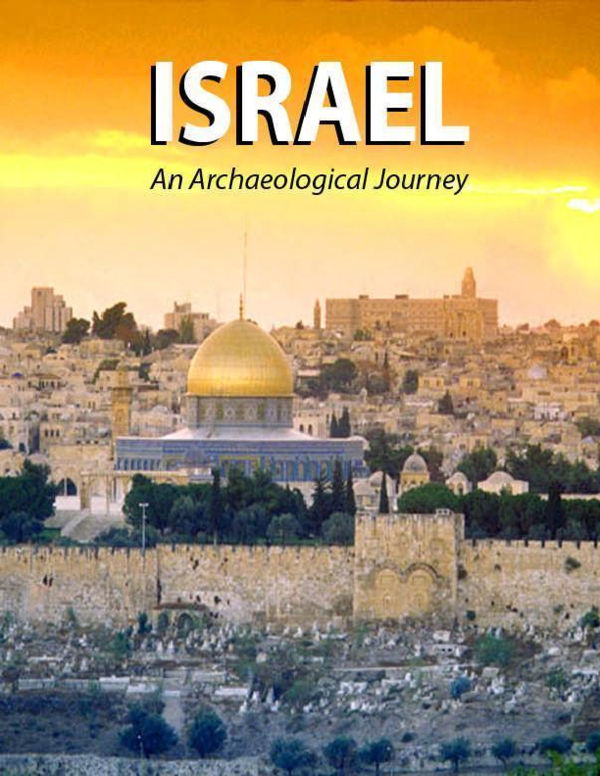
Ongoing archaeological excavations unearth artifacts and sites that validate and enrich the understanding of Biblical events, bridging the gap between ancient texts and tangible evidence.

In conclusion, the Biblical history of Israel forms a cornerstone of its identity, resonating through time and shaping its cultural, religious, and societal landscape. The intricate tapestry of events and narratives continues to captivate and inspire, reaffirming the enduring legacy of this ancient land.


Frequently Asked Questions (FAQs)

1. What role did the patriarchs play in the history of Israel?

The patriarchs—Abraham, Isaac, and Jacob—played pivotal roles in shaping the history of Israel. They are considered the founding fathers, receiving divine promises that laid the foundation for Israel as a nation. Abraham’s covenant with God, Isaac’s blessings, and Jacob’s descendants forming the twelve tribes of Israel are central to this history. Their stories in the Bible highlight the origins of Israel’s identity, faith, and lineage.

2. How did the Babylonian exile impact Israel’s history and identity?

The Babylonian exile, a significant event in Israel’s history, occurred when Babylonian forces captured Jerusalem and exiled a substantial portion of the Jewish population to Babylon. This exile disrupted Israel’s societal structure, causing the loss of political autonomy and the Temple’s destruction. However, it also served as a period of reflection, reinforcing religious identity, cultural practices, and fostering resilience among the exiled community. The eventual return to Jerusalem marked a phase of rebuilding and renewal, influencing Israel’s identity and shaping its future.

3. Are there archaeological findings that support Biblical narratives about Israel?

Yes, numerous archaeological findings corroborate various aspects of Biblical narratives about Israel. Excavations across Israel have unearthed artifacts, inscriptions, and sites that align with descriptions and events mentioned in the Bible. Discoveries such as ancient texts, ruins of cities, pottery, and religious artifacts provide tangible evidence supporting the historical accuracy of Biblical accounts. These findings bridge the gap between written records and material evidence, enhancing our understanding of ancient Israel’s existence and development.

4. What significance does Jerusalem hold in Israel’s historical context?

Jerusalem holds immense historical and religious significance for Israel. It serves as a focal point for major events in Biblical history, including the establishment of David’s kingdom, the construction of the Temple, and Jesus Christ’s life and teachings. For Jews, Christians, and Muslims alike, Jerusalem is a holy city, symbolizing spiritual connections and serving as a center for worship, pilgrimage, and cultural heritage. Its history is deeply intertwined with the narratives of faith, making it a cornerstone of Israel’s historical and religious identity.

5. How has Biblical history influenced modern Israeli society?

Biblical history continues to exert a profound influence on modern Israeli society. It shapes cultural practices, religious beliefs, and national identity. Many traditions, festivals, and customs observed in Israel today have roots in Biblical narratives. Additionally, the language, literature, and legal frameworks of Israel reflect the heritage and values derived from Biblical history. Moreover, archaeological discoveries continuously enrich the understanding of this history, fostering a strong connection between the past and present in Israeli society.