Home Blog Page 111

Biography of famous Actress Durefishan Saleem: A rising talent in Pakistani entertainment

0

Dur-e-Fishan Saleem is a new entry to Pakistan’s entertainment industry. She announced Durefishan Saleem is a new entry to Pakistan’s entertainment industry. She announced her career as a model and performer. If you’ve been following dramas, Dur-e-Fishan’s first drama was Dil Ruba. When it relates to her well-known performances, she featured in a Pardes play with Affan Waheed. Her confidence when portraying a variety of individuals in plays sets her distinct as an actor. Hardly do performers reach the public eye at this stage in their careers. It is an honour that Dur-e-Fishan, in her second year of her acting career, is highly popular. The talented actress studies law in addition to her career as a showbiz act. Are you interesting in discovering more about Dur-e-Fishan?

Durefishan

Career Overview

Little roles in plays marked Durefishan’s entertainment competent debut while she was studying at NCA. Her abilities and dedication were immediately recognised by casting directors, and she was selected in a popular drama series for a supporting role when she had her television debut.

Rise to Popularity

In the extremely popular drama serial “Roshan Sitara,” Durefishan made her acting debut as the young woman Sitara, who broke social norms. The way she portrayed herself was subtle and she gained immense recognition as a rising talent in the field of acting.

Parents

The foundations of Durrefishan’s life and career are her parents, who have given her unwavering encouragement and guidance at every turn. They gave her a strong work ethic, ethical values, and an overwhelming feeling of gratitude. Durrefishan followed her dream of performing with their support, knowing they loved her without conditions and had trust in her potential. She acknowledges how their commitment and sacrifices were significant in moulding her into the talented actress she is today and gave them credit for all her achievements.

Notable Projects

Durefishan went on to appear in several popular dramas on television after her victory in “Roshan Sitara,” such as “Dil-e-Bekhabar,” “Khaas,” and “Yeh Ishq Hai.” Due to her versatility as a performer, she was able to play an array of characters, from determined heroines to sympathetic heroes, and she was able to charm audiences with her depth of emotion and authenticity.

Durefishan

Durefishan worked in the film industry in parallel to her career in television. She featured in the highly regarded film “Laal Kabootar.” Her portrayal in the film won praise from both reviewers and viewers, securing her place as a multifaceted artist in Pakistan’s entertainment sector.

Personal Life

Despite her hectic plan, Durefishan maintains her modesty and solidity, crediting her success to drive, hard work, and the constant backing of her loved ones and supporters. She loves to read, paint, and spend space with her loved ones whenever she has free time.

Next Projects

Durefishan

Durefishan has devoted herself to pushing herself as an actress and seeking out fresh development opportunities even as her career soars to new heights. She possesses the ability, dedication, and the love of storytelling to make her one of the country’s most sought-after actresses in the future.

Philanthropist, and Changemaker

In addition to her skill as an actress, Durrefishan has a generous heart. She uses her place to spread awareness of important social problems and actively participates in several humanitarian initiatives and organisations. As a person who values giving back to the society, Durrefishan regularly donates time as well as money to promote causes that are important to her, such as protecting the environment, empowering women, and education.

FAQs:

1. What motivated Durefishan to enter acting?

Answer: Durefishan has always had an affinity with theatre and narrative. She had the drive to pursue acting as a career and developed a passion for the art genre while growing up due to the performances of famous actors and actresses.

2.  What is Durefishan’s strategy for role preparation?

Answer: Durefishan meticulously prepare for every role, digging into the motivations, emotions, and past of the characters. To provide her roles authenticity and complexity, she does a lot more research, goes to seminars, and works closely with director and co-stars.

3.  How difficult has Durefishan’s career as an actor been?

Answer: Like every aspiring actor, Durefishan has faced difficulties in the cutthroat media industry. She encountered challenges, like being turned down for an audition and balancing both her professional and personal lives, but she has overcome them with fortitude and solve, coming out stronger and more determined than ever.

4. How would Durefishan encourage aspiring actresses and actors?

Answer: Aspiring actors and actresses are encouraged by Durefishan to have faith in their skills, remain committed to developing their trade, and not to give up on their goals. She urges them to welcome obstacles as chances for growth in themselves and stresses the value of diligence, dedication, and lifelong learning.

Final Words!

Dureishan’s transition from an aspiring actor to a rising superstar is evidence of her ability, tenacity, and unshakeable dedication to her work. Her honesty captivates audiences in each role she plays, making a lasting effect on business insiders and fans. Durefishan is a force to be dealt with in the Pakistani entertainment business as she continues to shine on large and small screens.
Top 10 Places to Visit in Turkey

0
Top 10 Places to Visit in Turkey

Here are the top 10 places to visit in Turkey. As a traveler you are seeking out Turkey’s top cultural attractions. From the ancient times of Ephesus to the iconic Blue Mosque, this vast country offers a dazzling array of breathtaking sites. Allow this guide to the 10 unmissable destinations to shape your Turkey trip.

Istanbul – The Jewel of Turkey

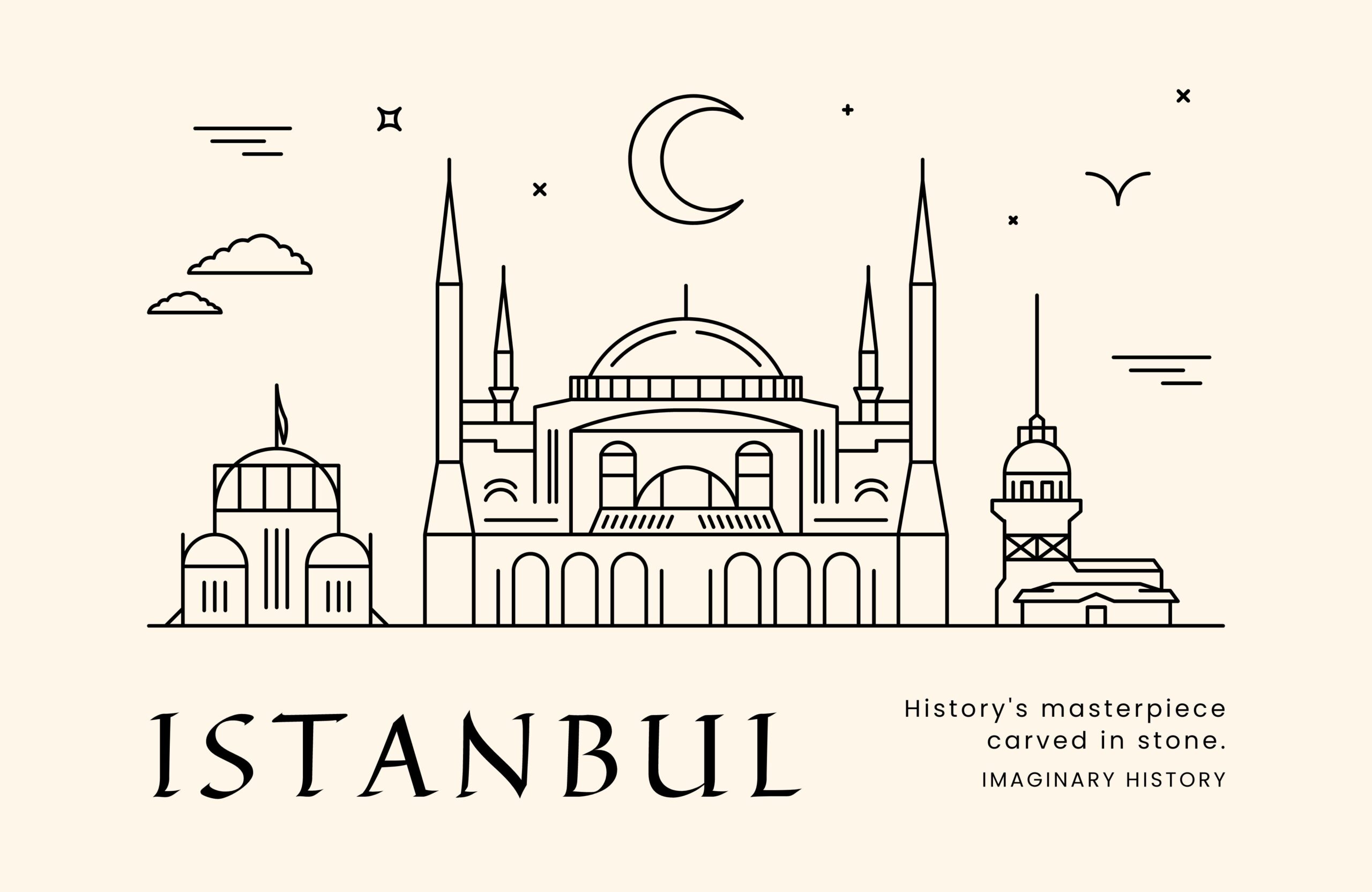
Istanbul

Istanbul is the biggest city of Turkey and also the main cultural and commercial hub. Additionally, Istanbul is also recognized as Constantinople. Furthermore, today, Istanbul is a modern city with layers of history; moreover, it also has many architectural and cultural gems.

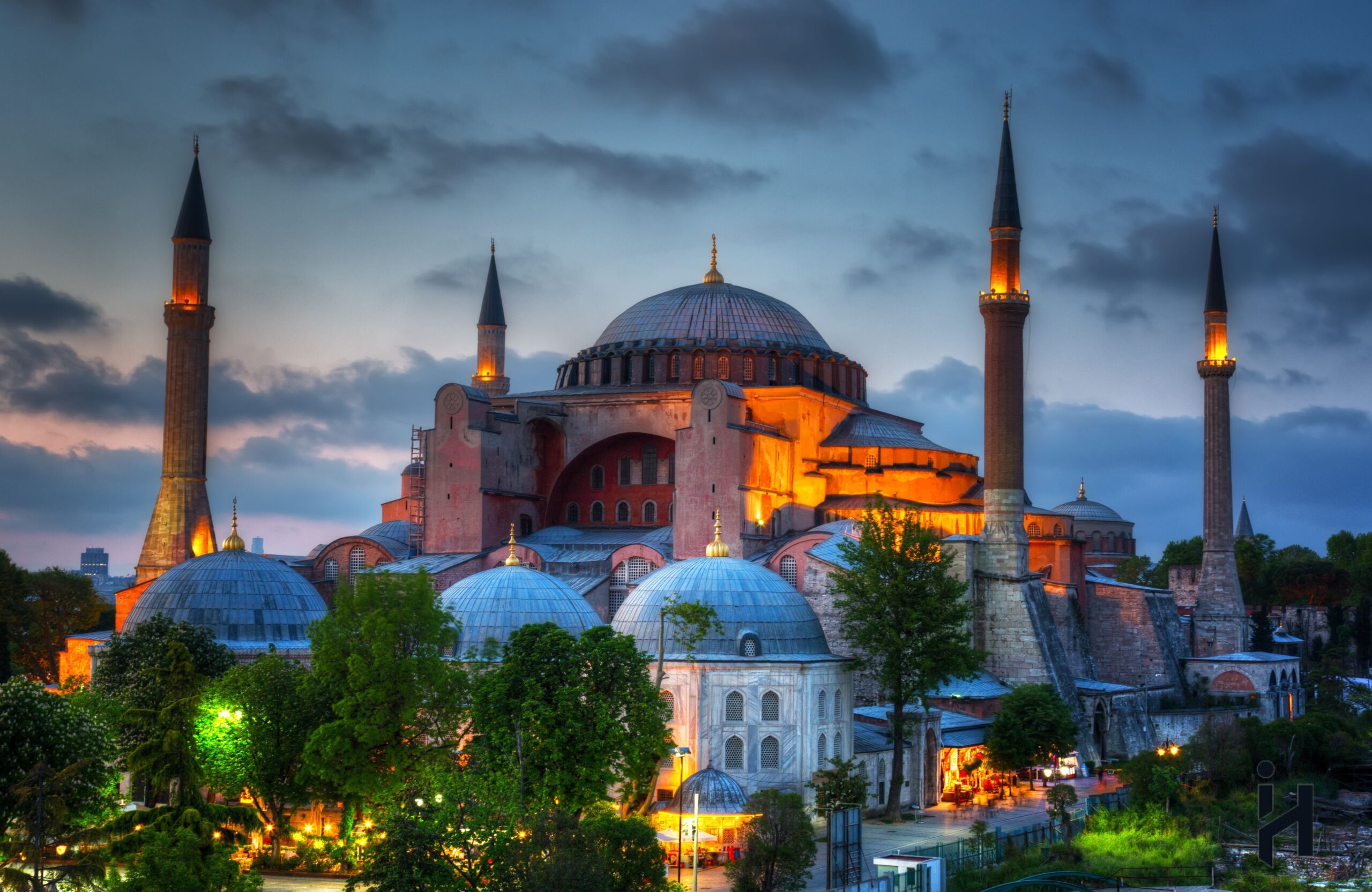
Hagia Sophia

Hagia Sophia

Hagia Sophia was basically built as a church in 537 AD, Hagia Sophia is the best example of Byzantine architecture. For nearly 1,000 years, Hagia Sophia was the largest mosque in the world. Later it is converted into a mosque in 1453, it became a museum in 1935.

Topkapi Palace

Topkapi Palace

The Topkapi Palace was the primary home of the Ottoman sultans for over 400 years. It covers an area of nearly 700,000 square metres, the palace complex consists of four main courtyards and numerous buildings. The palace is home to an amazing collection of Ottoman antiques, weapons, robes, and miniatures.

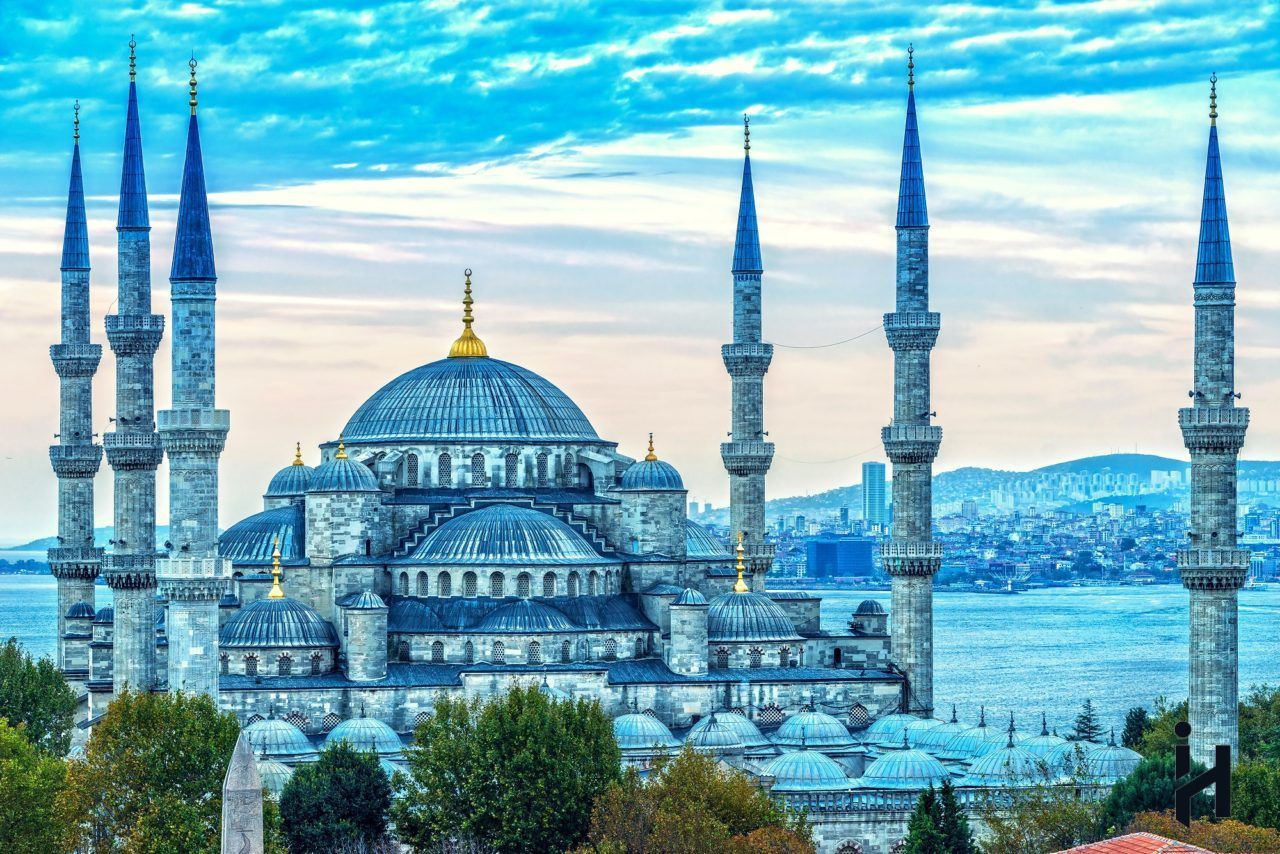
Blue Mosque

Blue Mosque

One of the most famous landmarks of Istanbul, the Blue Mosque was completed in 1616. It has a cascade of domes and 6 minarets. The interior is made with more than 20,000 handmade ceramic tiles in fifty different shades of blue. It is still used as a place of worship today, the Blue Mosque is a best example of classical Ottoman architecture.

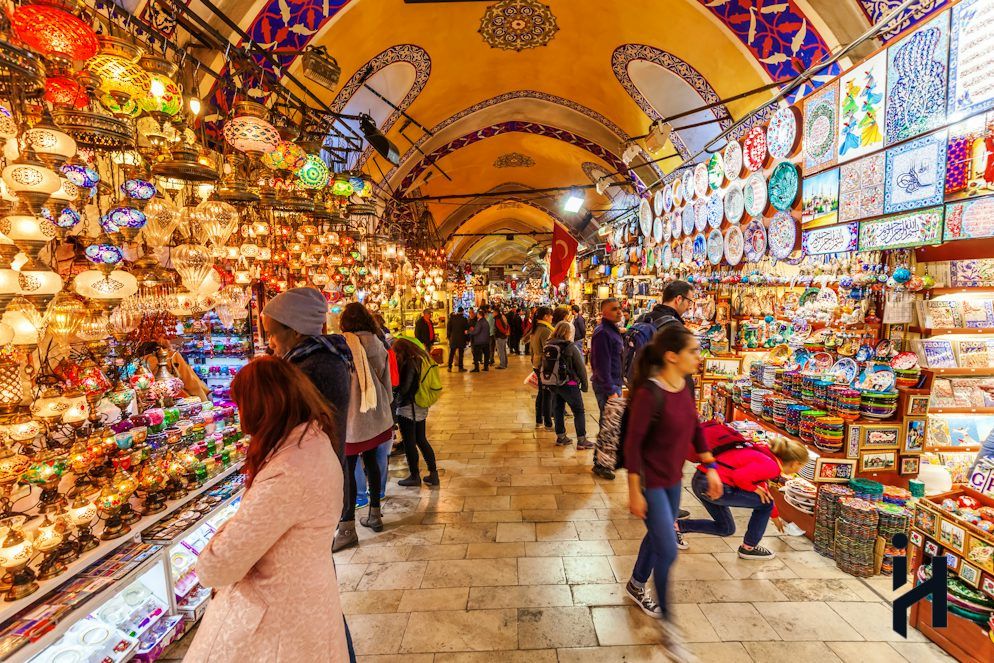
Grand Bazaar

Grand Bazaar - Imaginary History1

Coming back to 1461, the Grand Bazaar is one of the oldest and largest covered markets in the world. It has over 4,000 shops which spread across 60 streets, the bazaar offers everything from carpets and leather goods to spices and antique products. Even if you don’t intend to shop, exploring the corridors in the Grand Bazaar is an experience in itself.

Istanbul is a destination like no other, it is filled with stunning architecture, vibrant culture, delicious food and layers of history. A visit to Istanbul will leave you the best memory by its grandeur and allure. This transcontinental city that have both Europe and Asia has so much to offer that one visit is never enough.

Cappadocia – The Land of Beautiful Rock Formations

Cappadocia is a historical region located in Central Anatolia, Turkey. It is a UNESCO World Heritage Site, it is known for its unique volcanic rock formations, underground cities and cave churches.

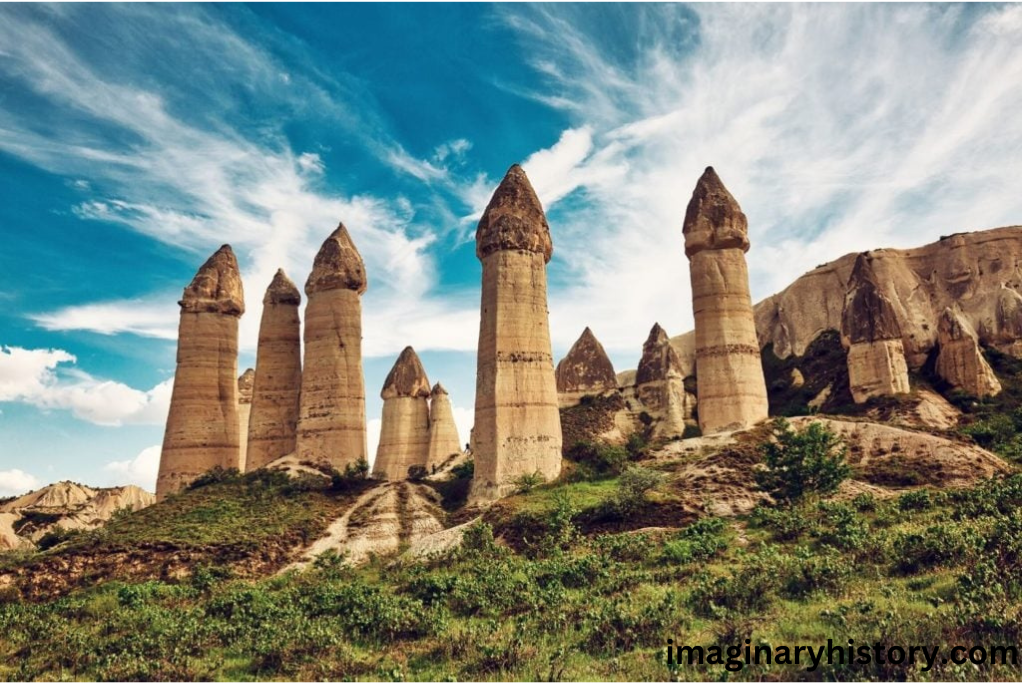
Fairy Chimneys

Cappadocia

The peculiar rock formations of Cappadocia is called “fairy chimneys”, were formed from sediments of Mount Erciyes, Hasan and Melendiz mountains by wind and water erosion over millions of years. The soft tuff rock was converted into pyramids, mushrooms and columns up to 40 metres in height. Climbing up into these fairy chimneys and caves offers a glimpse into the lives of ancient inhabitants.

Underground Cities

Underground Cities

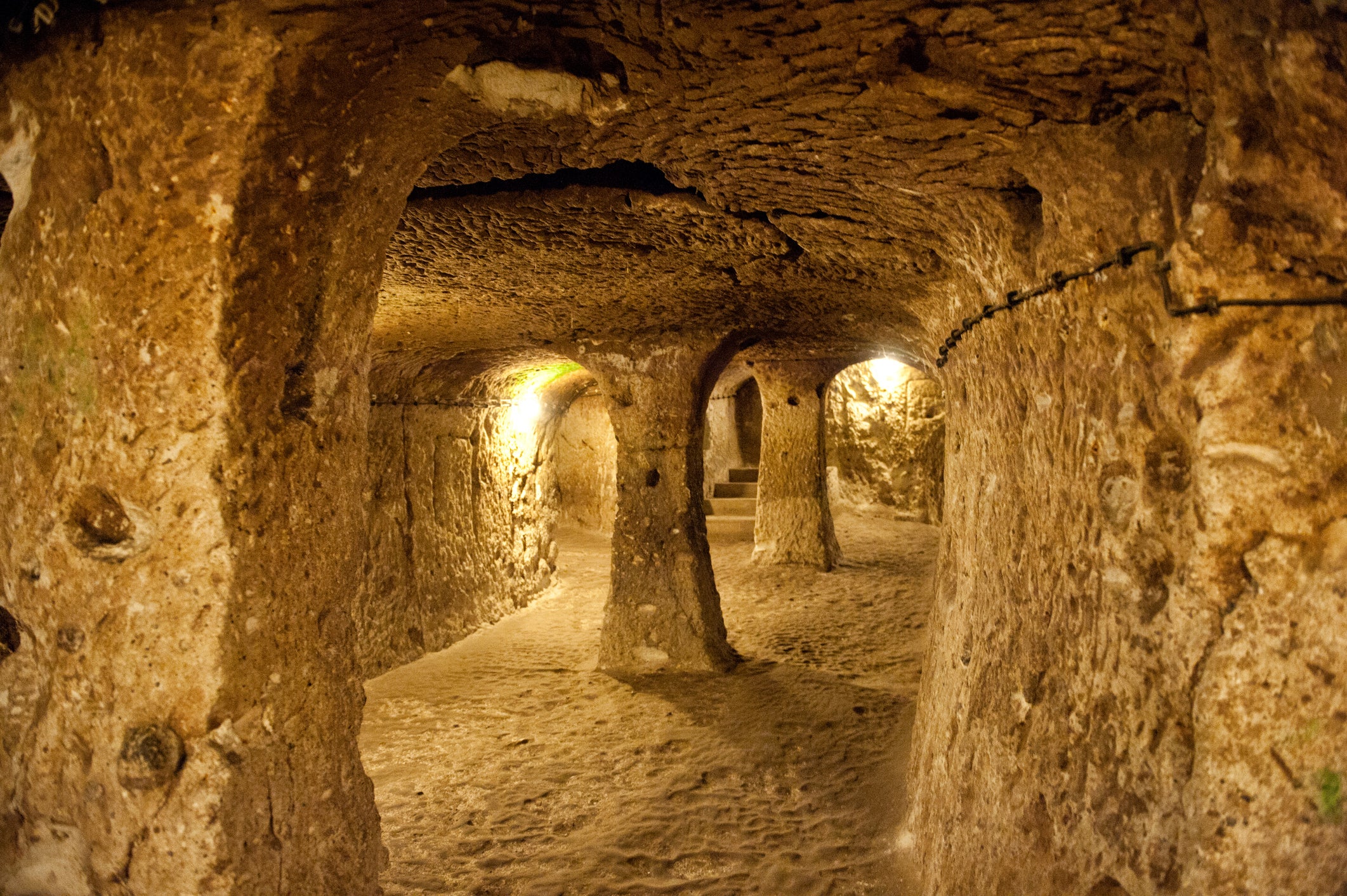
The soft rock also allowed ancient inhabitants to carve underground cities, with Derinkuyu underground city being the deepest at 85 metres. These cities could shelter up to 20,000 people and had facilities like wine sellers, churches and escape routes. They provided security during wars.

Cave Churches

Cappadocia contains many rock-cut churches from the Byzantine period. These churches were decorated with elaborate frescoes, some of which have been well preserved. Göreme Open Air Museum is a UNESCO World Heritage Site housing many of these cave churches with beautiful frescoes.

Hot Air Balloon

Hot Air Ballon

The most popular way to view Cappadocia’s scenery is through hot air balloon rides at sunrise. Floating over the fairy chimneys and cave dwellings in a hot air balloon offers a magical experience and panoramic views of the Cappadocia. Most hot air balloon companies offer one-hour rides, landing with a champagne toast.

Ephesus – Walk Through Ancient Ruins

Ephesus - Walk Through Ancient Ruins

Ephesus is one of the best ancient cities in the Mediterranean region, and a UNESCO World Heritage Site. Once an important cultural and commercial center in Roman times, Ephesus is located in Selçuk, near İzmir, and is considered the best place to gain insight into life in Roman times.

The Library of Celsus

Library of Celsus is one of the most spectacular structures in Ephesus. It is completed in 135 AD, it was built to store 12,000 scrolls and to serve as a monumental tomb for the governor of Asia. The library’s façade has been meticulously reconstructed from original pieces.

The Great Theatre

The Great Theatre

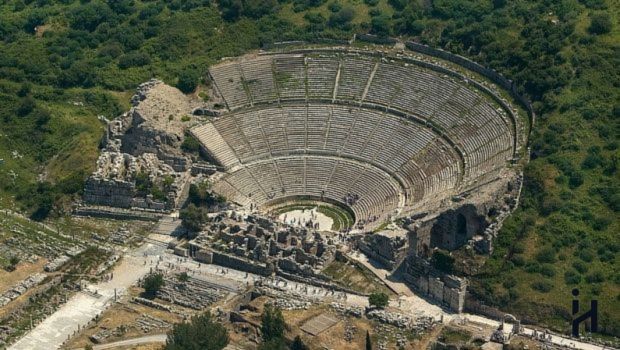
The Great Theatre is one of the most impressive buildings in Ephesus. It has the capacity of 25,000 spectators, it is considered the best-preserved Roman theatre in the world. The theatre was used not only for plays and concerts, but also for religious, political and commercial events.

Temple of Hadrian

Temple of Hadrian is dedicated to the Roman Emperor Hadrian, it was built in 138 AD. One of Ephesus’ most beautiful monuments, the temple has a domed roof and intricately carved marble archways. Much of the temple has been restored, including some original pieces.

Terraced Houses

The Terraced Houses contain residences for the wealthy Ephesians of the 1st century AD. Beautifully decorated with mosaics and frescoes, they provide valuable insight into the daily lives of upper-class Romans. The site includes a Roman-era communal latrine and bath complex.

Pamukkale – See the Cotton Castle Hot Springs

Pamukkale, which means “cotton fortress” in Turkish, is a herbal website in southwestern Turkey containing hot springs and travertines, terraces of carbonate minerals left by way of the flowing water. Pamukkale is a completely unique vicinity inside the international, offering lovely views with its snow-white terraces.

The hot springs have been used as a spa since the 2nd century, and people have bathed in its pools for thousands of years. The ancient Greco-Roman city of Hierapolis was built on top of the white “castle” which is in total about 2,700 metres long, 600 m wide and 160 m high.

Pamukkale is an iconic natural wonder and UNESCO World Heritage Site, attracting tourists from all over the world. A trip to Turkey is incomplete without visiting this spectacular place. The hot springs, historical ruins and dramatic scenery combine to make Pamukkale a must-see destination.

FAQs

What are the top historical sites to visit in Turkey?

Some of the most iconic historical sites in Turkey that should be on every itinerary include:

  • The ancient city of Ephesus, featuring well-preserved Greek and Roman ruins like the Library of Celsus and Great Theatre.
  • The historic Sultanahmet district in Istanbul, home to the Hagia Sophia museum, Blue Mosque and Topkapi Palace.
  • The ancient ruins of Pergamon, an important cultural centre during the Hellenistic period.
  • The ancient Lycian city of Xanthos, with notable examples of Lycian architecture and art.

What are the most stunning natural landscapes to see?

Turkey’s diverse landscape spans from beaches to mountains to high plateaus. Some of the most breathtaking natural wonders include:

  • Pamukkale’s gleaming white travertine terraces and hot spring pools.
  • Cappadocia’s otherworldly “fairy chimneys” – cone-shaped rock formations in vibrant red hues.
  • Lake Van, Turkey’s largest lake, with stunning turquoise waters backed by mountains.
  • The Taurus Mountains, a scenic mountain range in southern Turkey perfect for outdoor activities.

What are some cultural highlights not to miss?

Some cultural experiences unique to Turkey that provide insight into the local way of life include:

  • Witnessing the whirling dervishes’ spiritual “sema” ceremony in Konya, the home of the Mevlevi Sufi order.
  • Exploring Istanbul’s Grand Bazaar, one of the world’s oldest and largest covered markets.
  • Taking a Turkish bath, or “hammam”, a centuries-old bathing ritual and important social tradition.
  • Savouring Turkish coffee, baklava and kebabs, the flavours of Turkish cuisine and culture.
  • Watching locals play backgammon in a traditional tea garden while sipping çay, Turkish black tea.

From ancient wonders to natural splendour to cultural traditions, Turkey offers a wealth of attractions that provide insight into its rich history and way of life. With this overview of the top places to visit in Turkey, you’ll be well on your way to planning an unforgettable trip. Let the adventures begin!

Conclusion

As you can see, Turkey has a wealth of spectacular places to visit that offer something for everyone.From the stunning natural landscapes like Pamukkale’s mineral hot springs to the vast historical riches such as the Roman ruins of Ephesus, Turkey presents an enticing blend of culture, adventure, and relaxation. Whether you desire to sail the Turquoise Coast, take in the iconic sites of Istanbul, explore otherworldly rock formations in Cappadocia, or simply relax on idyllic beaches, you’re guaranteed to discover your perfect Turkish getaway. With such diverse options to suit any interest or budget, visiting this captivating country is sure to provide you with treasured memories to last a lifetime. So start planning your Turkish adventure today!

Biography of Steve Jobs

0
Steve Jobs- Imaginary History

Introduction

When we talk about technology, few names shines in our mind, Steve Jobs. Co-founder of Apple Inc., his great leadership and groundbreaking products changed the world of personal computing and communication. This article delves into the detailed biography of Steve Jobs (The man behind the Apple logo).

Early Life and Education

Steve Jobs was born on 24 of February , 1955, in San Francisco, he was grown up in the valley called ”Silicon Valley”. He was a adoptive child. He have interest in electronics from birth. Jobs’ travel into the tech world began with fiddling in his garage and attending Hewlett-Packard’s extra curricular program.

Co-founding Apple

The renowned garage where Steve Jobs, along with two friends, Steve Wozniak and Ronald Wayne, founded a business in 1976 is where Apple’s origins can be found.

The Rise of Apple

Steve Jobs with iPhone, Biography of Steve Jobs

Apple’s growth from a tiny startup to a major worldwide tech company. Every product the business released, starting with the revolutionary Macintosh and ending with the Apple I, helped fuel its explosive growth. The legendary “1984” Super Bowl commercial and Jobs’ focus on design aesthetics are also discussed in this section.

NeXT

Steve Jobs NeXT - Imaginary History

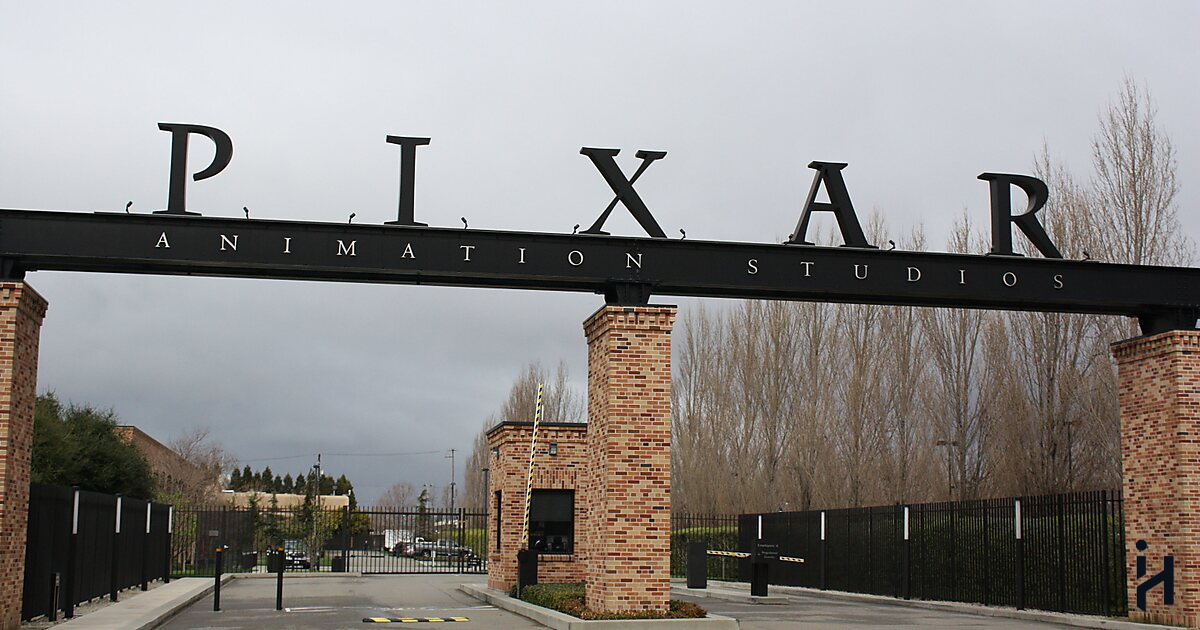
Apple’s success, internal conflicts led to Jobs’ departure in 1985. He also founded NeXT Computer, focusing on producing high-end computers. At same time, Jobs acquired a group  ”The Graphics Group”, which nowdays became “Pixar Animation Studios”.

Pixar Animation Studios

Pixar Animation Studios

Thanks to Jobs’s entry into the animation business, Pixar has become successful, with great movies such as “Toy Story.”

Apple’s Resurgence

In late ’90s we saw Apple facing some financial issues, which leads to Steve Jobs’ comeback in year 1997. The acquisition of NeXT bring him back into the Apple, making the beginning of a new era. Products like the iMac, iPod, iPhone, and MacBook fixes Apple’s position as an industry leader.

Legacy and Impact

Jobs’ influence extended beyond Apple. His talent to see consumer needs and deliver modern solutions continues to impact products across different sides of world.

Personal Life and Challenges

Steve Jobs Low Poly Illustration

Steve Jobs also have personal problems outside of the tech industry, for example, health problems and many other problems. Fulfilling the demands of rapidly growth of company and maintaining personal well-being posed significant challenges.

Keynotes and Presentations

Jobs’ most remember able skills was the ability how he captivate the people during product launch event.

Lasting Innovations

iPone

Jobs’s contributions in invention go well beyond his time at Apple. The iPhone, iPad, and MacBook still continue to shape the modern technology.

Steve Jobs’ Death

Steve Job's death

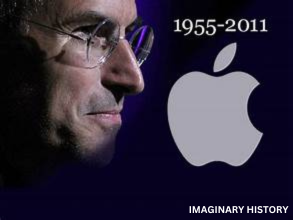
Steve Jobs was passed away in year of 2011. Tributes and prays arrived from all over the world.

Frequently Asked Questions (FAQs)

What were Steve Jobs’ early interests in technology?

Jobs showed an early interest in electronics, initially sparked by his participation in Hewlett-Packard’s after-school program.

How did Steve Jobs influence design principles in the tech industry?

Jobs’ emphasis on aesthetics and user experience at Apple set a new standard, influencing design principles across various industries.

What were some of Steve Jobs’ memorable product launches?

Jobs was renowned for his captivating product launches, with iconic moments such as the unveiling of the iPhone and the “1984” Super Bowl ad.

What challenges did Jobs face during his time away from Apple?

After leaving Apple in 1985, Jobs faced challenges with his new ventures, including NeXT Computer and Pixar Animation Studios.

How did Steve Jobs’ death impact the tech community?

Jobs’ death in 2011 had a profound impact on the tech community, leading to global commemorations and tributes.

Conclusion

Biography of Steve Jobs tells the story of a visionary who revolutionized the IT sector with his unwavering quest of greatness. His legacy endures in the products we use daily, and his influence remains embedded in the ethos of innovation. Steve Jobs, a name synonymous with innovation and revolution in the tech industry, left an indelible mark on the world. His journey from a garage in Cupertino to the forefront of technology is a tale of resilience, creativity, and unwavering passion.

Turning Points in History

0
Turning Points in History

Introduction:

History is a web of critical changes, times which diverted the course of civilizations. In this investigation of “Turning Points in History,” we address the major crossroads that have defied how the earth is today.

Definition and Importance:

Turning points therefore constitute crucial historical junctures, moments when societies, cultures and nations take a different path. Understanding these moments is significant for understanding the forces that have shaped our world and still shape it.

Ancient Civilizations:

In history books so far recorded are series of ancient civilizations as monuments to transformative moments. These turning points were foundation stones for what we see around us today starting from Mesopotamia to Rome’s collapse.

Middle Ages:

The Middle Ages was an era marked by great transformations such as Black Death and Magna Carta which changed social and political life. This was a turning point towards Renaissance stage.

Renaissance:

The Renaissance, the great age of cultural transformation, was a time of revolution for art and science, and a cultural rebirth, leading to new discoveries and the broadening of horizons.

Age of Exploration:

Bold expeditions and international commerce ushered in the Age of Exploration – an era of new horizons and shipwrecks, trade routes and world views. Across the Atlantic, its milestones set thecourse for the globeweaving world we inhabit today.

Industrial Revolution:

The Industrial Revolution represents a turning point which accelerated societies into the modern world. Productions methods and technologies revolutionised economies and lifestyles.

World Wars:

World War 1

World Wars became cynosures that reshaped international political affiliations and inaugurated international institutions. Such overarching geopolitical transitions defined these pivot points.

Cold War:

Thе Cold War

Ideological confrontation during the Cold War defined world politics for decades, with nuclear fears causing tremors across international relations and policies.

Space Age:

With nations all over the world watching TV as Apollo 11 made its historic lunar orbit, it became evident that the Space Age had put humanity on the path toward reaching new worlds. The achievement emboldened science and then-nascent space industries, fortifying national status.

Technological Advancements:

In our times, technological breakthroughs, from the rise of the internet to the emergence of artificial intelligence are vital milestones that have swept us into a new era of how we live and how we communicate.

Social Movements:

The civil rights movement, feminism, and other social movements are turning points that challenged societal norms, fostering inclusivity and equality.

Economic Shifts:

Economic turning points, from the Great Depression to the dot-com boom, have influenced global markets, impacting the livelihoods of millions.

Environmental Milestones:

Increasing environmental awareness and action represent turning points in our collective responsibility towards the planet, shaping sustainable practices.

Globalization:

Globalization

The interconnected world we live in today is a result of globalization, a turning point that has reshaped economies, cultures, and communication.

FAQs

What are turning points in history?

Turning points in history are pivotal moments or events that significantly impact the trajectory of societies, cultures, and nations. These moments often lead to transformative changes, shaping the course of human civilization.

Why are turning points important to study?

Studying turning points is crucial to understanding the factors that have shaped our world. It provides insights into the causes and effects of significant events, helping us comprehend the complexities of historical developments.

Can turning points be positive or negative?

Yes, turning points can be both positive and negative. Positive turning points may include advancements in technology, while negative ones could involve wars or economic crises. The impact depends on the context and consequences of the event.

How do turning points influence the present and future?

Turning points leave a lasting impact on the present and future by shaping political, social, economic, and cultural landscapes. They contribute to the evolution of societies and influence decision-making at various levels.

Are turning points limited to specific historical periods?

No, turning points can occur at any time in history. They are not confined to specific periods and can emerge in ancient, medieval, modern, or contemporary times. Each era has its defining moments.

What role do individuals play in creating turning points?

Individuals often play a significant role in creating turning points. Leaders, innovators, and influencers can catalyze change through their actions, ideas, and decisions, impacting the course of history.

Conclusion:

As we reflect on these turning points in history, it becomes evident that our world is a product of dynamic forces that have shaped and reshaped the course of human civilization. Each turning point is a chapter in our collective story, illustrating the resilience and adaptability of humanity.