Home Blog Page 107

Reinhard Heydrich: The Butcher of Prague

0

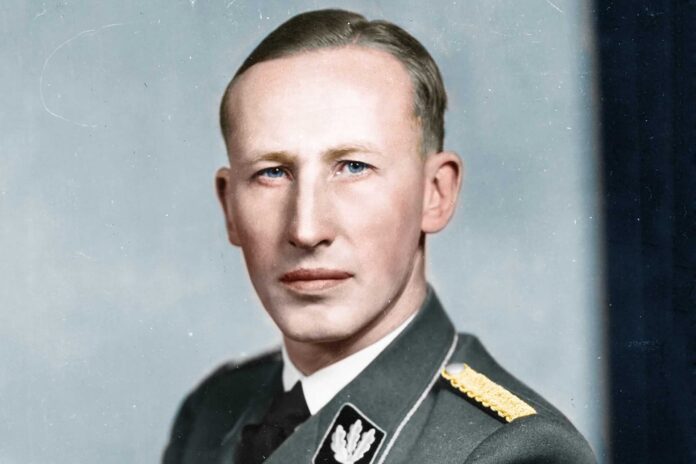
In the annals of World War II history, some individuals stand out for their atrocities and impact on the war’s course. Often called “The butcher of Prague,” Reinhard Heydrich is one such figure whose name evokes fear and loathing today. Heydrich played a significant role in the Nazi regime, particularly in his brutal actions in Czechoslovakia. The dramatic events surrounding his execution highlight a dark chapter in 20th-century history. Reinhard Heydrich was a prominent figure in Nazi Germany, known for his brutality and involvement in the Holocaust.

-Rise to power:
Reinhard Heydrich was born on March 7, 1904 in Halle an der Saale, Germany. From an early age, he displayed intelligence and ruthlessness, qualities that would later serve him well in the Nazi hierarchy. Heydrich’s career took a dramatic turn when he joined the SS (Schutzstaffel) in 1931, rising rapidly in the ranks due to his unwavering loyalty to Adolf Hitler and his willingness to carry out orders with brutal efficiency.


-The Prague butcher:
Heydrich’s tenure as Deputy Reich Ambassador to Bohemia-Moravia (modern Czech Republic) from September 1941 was a time of great suffering for the Czech people and his approach was characterized by systematic intimidation and repression aimed at crushing any opposition and was to strengthen Nazi control of the region Heydrich’s strategies included:

  • Repression: Heydrich used harsh measures to suppress dissent, including mass imprisonment, execution, and deportation to concentration camps. Its purpose was to instill fear and crush any opposition to the Nazi regime.
  • Cultural repression: Czech cultural institutions such as universities, publishing houses, and theaters were closed or heavily censored. The Czech language was sidelined, and persecution focused on cultural elites.
  • Economic manipulation: Heydrich oversaw the ruthless exploitation of Czech resources and forced labor to bolster the Nazi war effort. This economic exploitation further impoverished the local population and fueled resentment.

-The Assassination and Aftermath:
Heydrich’s reign of terror came to an abrupt end on May 27, 1942, when he was targeted by Czechoslovak resistance fighters trained by the British Special Operations Executive (SOE) in a daring assassination attempt Codenamed “Operation Anthropoid”. ended up in a bombing raid as Heydrich drove into Prague an open-top car was fatally wounded Despite initially surviving the attack, Heydrich died a few days later on June 4, 1942.
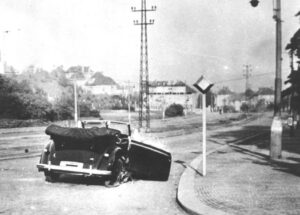
The aftermath of Heydrich’s assassination was severe and brutal. The Nazi response was swift and ruthless, so retaliation for the murderers’ cache was the demolition of the village of Lidis, the massacre of its inhabitants in which thousands of Czechs were captured and murdered, mostly by the Nazi occupation of Czechoslovakia so led by Heydrich’s heirs Kurt Daluege, It became difficult.


-Anthropoid:
“Anthropoid” is a historical thriller released in 2016, directed by Sean Ellis. The film is based on the true story of Operation Anthropoid, a mission conducted by the Czechoslovak army in 1942 during World War II. The film follows the story of Czechoslovak soldiers Jan Kubis (played by Jamie Dornan) and Josef Gabcik (played by Cillian Murphy) who parachute to their occupied country in Prague Their job is the chief architect of Operation Anthropoid he supports the final solution one of the highest ranking Nazi officers SS-General Reinhard Heydrich was assassinated.

cover page of Anthropoid


-Heritage and Historical Perspectives:
Reinhard Heydrich’s legacy as a Prague butcher is a stark reminder of the atrocities committed under Nazi rule. His methods of intimidation and repression left lasting scars on Czechoslovakia and its people. The dramatic events surrounding his assassination highlight the extent to which opposition groups were willing to attack Nazi tyranny, despite the grave risks involved.

The assassination of Reinhard Heydrich led to brutal reprisals by the Nazis, including the destruction of the Czech village of Lidis and the massacre of its inhabitants These events are depicted in the film’s latter half, deciding which emphasizing the sad results of the missionary work.

Overall, “Anthropoid” is a gripping portrait of a heroic wartime event that had important historical consequences, showcasing the courage and resilience of those who fought against Nazi atrocities.

-Conclusion:
Today, Reinhard Heydrich stands as a symbol of the dark side of totalitarianism and the heroism of those who dared to fight against it. His story is a cautionary tale about the consequences of unchecked power and the enduring importance of vigilance in the defense of liberty and human rights

Epilogue The story of Prague butcher Reinhard Heydrich is a reminder of the depth of human cruelty and the chilling resilience of the human spirit in the face of oppression His actions and consequences continue to echo in our collective memory and wear us to remember the past and strive for a future free from oppression and injustice.
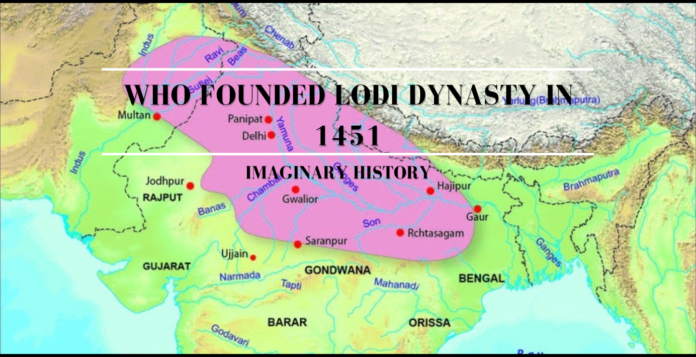


Who founded Lodi dynasty in 1451

0
Who founded Lodi dynasty in 1451

If you are seeking “Who founded Lodi dynasty in 1451” this blog is for you.

Bahlul LodiThe Lodi Dynasty, established in 1451, marked a significant period in Indian history, known for its contributions to the political, cultural, and architectural landscape of Northern India. This article delves into the origins, achievements, and legacy of the Lodi Dynasty, with a particular focus on its founder, Bahlul Lodi.


Historical Context

Before the rise of the Lodi Dynasty, India was a patchwork of regional powers vying for dominance. The Delhi Sultanate, once a formidable empire, had weakened due to internal strife and external invasions. This power vacuum set the stage for the emergence of new dynasties, including the Lodi Dynasty.

Who founded Lodi dynasty in 1451

Lodi Dynasty’s Founding

The Lodi Dynasty was founded by Bahlul Lodi in 1451. A Pashtun noble from what is today Afghanistan, Bahlul Lodi took advantage of political disarray to take over Delhi. Thus his reign started off the last dynasty that ruled the Delhi Sultanate before the Mughal Empire came.

Bahlul Lodi: The Founder

Bahlul Lodi.Born into a well-off family, Bahlul Lodi rose through ranks owing to his military and political knowledge as he served under Sayyid dynasty overthrowing the last ruler to form Lodi Dynasty. Through strategic alliances and warfare, Bahlul fought wars expanding their territories hence strengthening his power base.

Political and Military Strategies

Bahlul Lodi’s success can be attributed to his adroit administrative policies and military strategies, which include strengthening his army, forming alliances with the local chiefs and tactical warfare to annex territories. His policies laid a strong foundation for the dynasty, which was further built upon by his successors.

Challenges and Conflicts

There were many challenges faced by the Lodi Dynasty both internal as well as external. There was rampant internal dissent and power struggles in addition to threats from neighboring kingdoms as well as invading forces that had always been posed. Bahlul Lodi managed these vicissitudes through diplomacy coupled with military strength thus ensuring survival plus growth of his dynasty.

Cultural Contributions

However it might have been noted that despite persistent warring, considerable cultural contributions were made during Lodi Dynasty rule. Bahlul Lodi and his heirs patronized art and architecture leading to construction of many monuments exhibiting a mixture of Persian and Indian styles. These developments in art became a basis for their blossoming under the Mughals that followed.

Succession and Legacy

Sikandar Lodi, Bahlul Lodi’s son assumed leadership after his father developed the tradition of expansion and unity. The reign of Sikandar Lodi involved further administrative reforms and cultural patronage while that of Ibrahim Lodi was characterized by the dynasty’s decline which eventually led to their defeat at the Battle of Panipat in 1526 that marked the end of the Lodhi rule and beginning of Mughal era.

Impact on Indian History

India FlagThe influence of Lodi Dynasty on Indian history is deep rooted as it linked Delhi Sultanate to Mughal Empire thereby introducing administrative and cultural policies improved later by Mughals. Besides, its contributions to architecture and urban planning have left indelible marks such as many buildings still exist till date.

Invaluable Insights

Various viewpoints are held by historians and scholars about the Lodi Dynasty. While some see it as a precursor of the Mughal Empire, others stress its unique contributions in the fields of art and architecture. Modern accounts from that era offer a graphic account of difficulties and successes faced by the Lodi rulers.

Conclusion

The Lodi Dynasty was short-lived but had a major impact on Indian history. Bahlul Lodi, its first king, was renowned for his strategic skills, while his successors added to the dynasty’s cultural and administrative achievements thus leaving an indelible mark on the subcontinent. Pondering over this period enables one to appreciate what constitutes medieval Indian politics and culture.

Frequently Asked Questions

Who is the founder of Lodi Dynasty?

The Lodi dynasty was established in 1451 by Bahlul Lodi.

What were some of Bahlul Lodi’s significant accomplishments?

BahlulLodi’s major achievements comprised establishing the dynasty, expanding his empire through alliances and wars, and laying the ground for a stable administration.

What did the Lodi Dynasty do to India?

The Lodi dynasty acted as a link between Delhi Sultanate and Mughal Empire. It therefore contributed towards administrative and cultural practices which influenced subsequent rulers. Additionally, their architectural legacy witnessed when Mughal architectural advancements occurred.

Who has the most assists in Soccer history

0
Who has the most assists in Soccer history

Today, I want to take you on an exciting trip through soccer history and tell Who has the most assists in Soccer history. We will celebrate the players who have helped make many goals with their great skill. Let’s look at the world of assists, learning about the records, famous players, and the stories behind the most assists in soccer history.

Which Player Has the Most Assists in Soccer History?

In the long history of soccer, one player is known for being very unselfish and creative. This player always works hard to make their team better. They are famous for helping others score goals.

Lionel Messi "Who has the most assists in Soccer history"

The player who has the most assists in soccer history is Lionel Messi. He has made 358 assists. Messi is amazing at finding ways to pass the ball perfectly to his teammates. Fans and opponents both admire his skill.

Top 10 Assists in Soccer History

  1. Lionel Messi (358 assists)
  2. Luis Suarez (277 assists)
  3. Cristiano Ronaldo (272 assists)
  4. Thomas Muller (269 assists)
  5. Angel Di Maria (261 assists)
  6. Mesut Ozil (258 assists)
  7. Franck Ribery (246 assists)
  8. Cesc Fabregas (248 assists)
  9. Xavi (237 assists)
  10. Steffen Hofmann (209 assists)

Most Assists In Soccer

While the best players ever amaze us with their big numbers, we should also remember the great things done in certain moments. Here are some players who have done amazing things with assists.

Most Assists Per Game: Lionel Messi has an average of 0.68 assists per game. He is great at helping his teammates score.

Most Assists in One Season: Thomas Müller set a record with 21 assists in one Bundesliga season. He helped his team a lot and made history.

Most Assists in the World Cup: The World Cup brings the best players together. Maradona made 8 assists in his World Cup career, helping his team win and becoming a legend for soccer fans.

Lionel Messi: 

Lionel Messi is one of the best football players ever. Fans all over the world love watching him play because he is so skilled and scores many goals.

Messi started with very little but worked hard to become a football legend. This blog will talk about his amazing achievements, how he changed the game, his personal life, and the special time in football that he represents.

Lionel Andrés Messi was born on June 24, 1987, in Rosario, Argentina. He seemed grown-up even when he was young. When he was 13, he joined FC Barcelona’s youth team, La Masia. People quickly noticed his talent. In 2004, at age 17, he played his first game for Barcelona’s main team, becoming the youngest player to do so at that time.

Inspirational Story of Narendra Modi

0
INSPIRATIONAL STORY NARENDRA MODI

Introduction

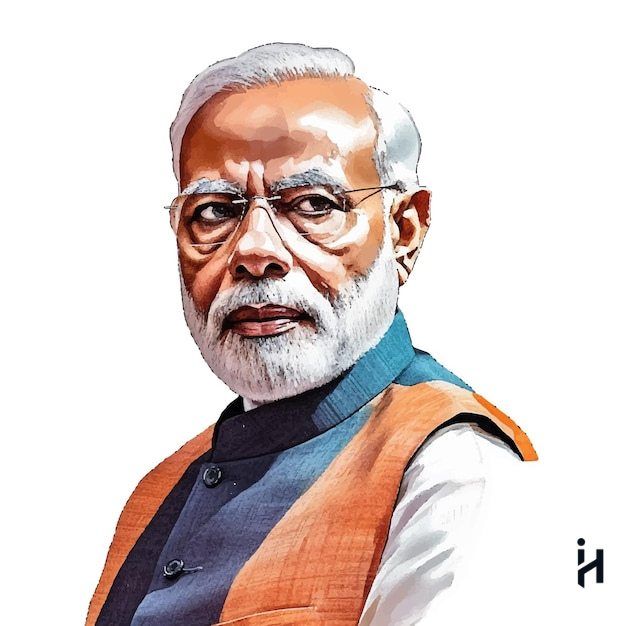
This is the Inspirational Story of Narendra Modi from an ordinary man who went from selling tea to becoming the Prime Minister of India. Narendra Modi’s life is not a usual one but very inspiring. His success can motivate everyone. What makes his story special is that whenever he faced hard times, he was brave and turned bad things into good results. His story shows that dreams can come true if you work hard and believe that nothing is impossible.

INSPIRATIONAL STORY NARENDRA MODI

Early Life

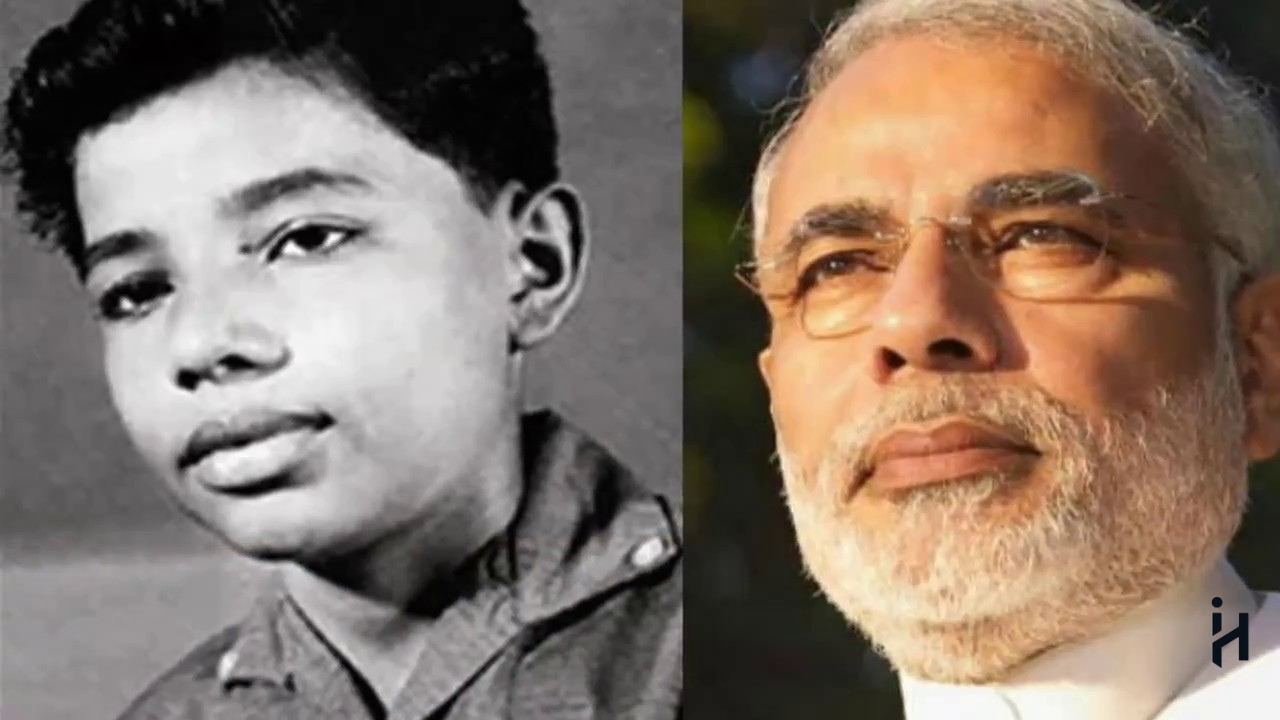
Modi was born on September 17, 1950. His family was not rich; they sold groceries. His father worked hard as a street vendor to take care of the family. Narendra was the third of six children. When he was young, he helped his father and brother sell tea. He went to school in a small town called Vadara in Gujarat. While still in school and after, he sold tea to soldiers at the Mehsana Railway Station during the Indo-Pak war. He worked hard in both his studies and selling tea.

Inspirational Story of Narendra Modi

Though he was an average student, he was a great debater who could persuade audiences since his school years. Modi’s ideas were influenced by Buddhist teachings and spirituality. His thinking was unique from a young age, inspiring him to make a big change in society, which led him to become interested in politics. He aimed to create a democratic and developed country.

Modi as an Incharge of Student Wing ABVP in Gujarat

In 1971, after the Indo-Pak war, Modi joined the RSS while working at a canteen for the Gujarat State Road Transport Corporation. He was good at speaking and decided to focus on politics. Because of his work in the RSS and his role in the 1977 anti-Emergency movement, he got more responsibilities. He soon became in charge of the student group ABVP in Gujarat.

Inspirational Story of Narendra Modi

Success from Organizing Secretary of BJP’s Gujarat Wing to National Secretary of BJP

The RSS transferred him to the Bharatiya Janata Party (BJP) by seeing the potential in him in 1985. Narendra Modi proved his talent through standing out at every responsibility entrusted to him at every step and soon made himself important to the party. He became the Organizing Secretary of BJP’s Gujarat wing, In 1988 and made sure the party to victory in the 1995 state elections.Then he was transferred to New Delhi as the National Secretary of BJP.

Travel from Chief Minister of Gujarat to Ultimately Prime Minister of India

When in 2001 Chief Minister of Gujarat (Keshu bhai Patel) stepped down, the senior leader in BJP chosen Modi as new CM. He became CM of Gujrat and re-elected 4 times. He did so well in Gujarat, so the top leaders in his party elected him as Prime Minister candidate for elections of 2014. He won hearts of many Indians and also won election and became Prime Minister of India.

Mile stones of Narendra Modi

Modi’s hard work and strong dedication to improving the country have earned him many awards and honors. In 2007, he was named the best Chief Minister in India by ‘India Today‘. In 2015, Forbes magazine ranked him as the ninth most powerful person in the world.