Home Blog Page 105

The Louvre Museum: A Timeless Icon of Art and History

0
Louvre Museum

The Louvre Museum is one of the most renowned and visited museums in the world. Located in Paris, France, it houses an extraordinary collection of art, history, and culture, attracting millions of visitors each year. From its fascinating history to its breathtaking exhibits, the Louvre is a masterpiece in itself. In this blog, we will explore the history, architecture, notable artworks, and everything else that makes the Louvre a must-visit destination.

The Fascinating History of the Louvre Museum

The Louvre Museum has a history that dates back over 800 years. Originally built as a fortress in the late 12th century by King Philip II, it later became a royal palace before being transformed into a public museum in 1793 during the French Revolution.

For centuries, the Louvre served as the residence of French kings, expanding with each reign. It was King Francis I who laid the foundation of the museum by collecting art, including the Mona Lisa, which remains one of the most famous paintings in the world.

During the French Revolution, the idea of making the Louvre a public museum was born. On August 10, 1793, the museum officially opened with 537 paintings. Over time, the collection expanded through Napoleon’s conquests, royal acquisitions, and private donations. Today, the Louvre is home to over 480,000 works of art, making it the largest art museum in the world.
Louvre Museum

The Magnificent Architecture of the Louvre

The Louvre is not only known for its artwork but also for its stunning architecture. The museum is a blend of medieval, Renaissance, Baroque, and modern architectural styles, reflecting its long history.

The original fortress still has traces beneath the museum, showing its medieval past. Over the centuries, French monarchs and architects expanded and redesigned the palace, adding grand halls, sculptures, and decorative elements.

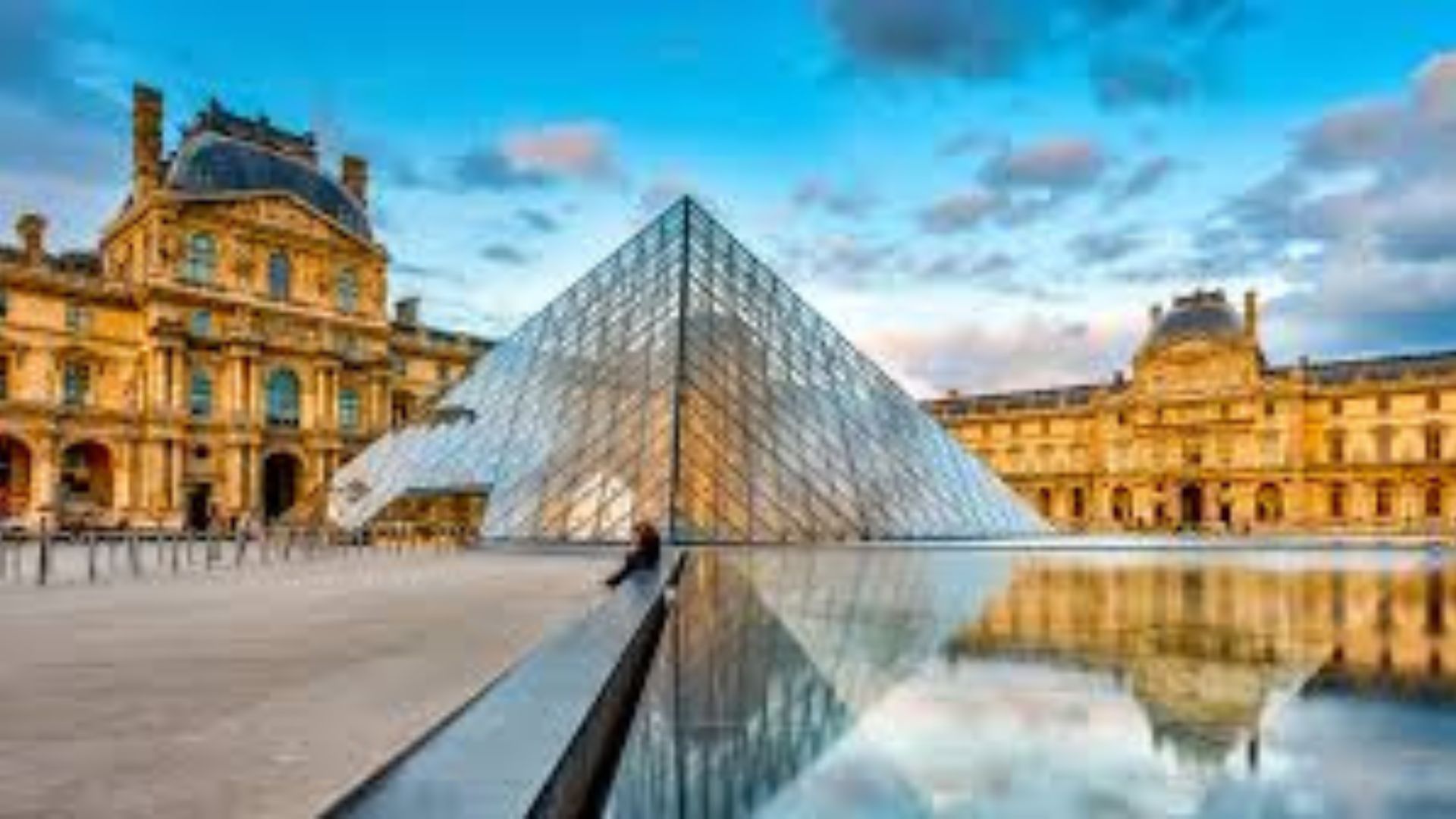
One of the most iconic additions to the Louvre is the glass pyramid, designed by I. M. Pei in 1989. The pyramid, located at the main entrance, was initially controversial but has since become a symbol of the museum’s modern identity. It allows natural light to enter the underground lobby while providing a striking contrast to the classical architecture of the palace.

The Louvre’s Vast Art Collection: A Treasure Trove of Masterpieces

The Louvre Museum holds an incomparable collection of art spanning thousands of years. From ancient civilizations to modern masterpieces, the museum houses some of the most famous artworks in the world.

The collection is divided into eight departments, including:

  • Paintings (featuring works from the Renaissance to the 19th century)
  • Sculptures
  • Egyptian Antiquities
  • Greek, Roman, and Etruscan Art
  • Islamic Art
  • Near Eastern Antiquities
  • Decorative Arts
  • Prints and Drawings

The Louvre’s artworks come from all over the world, making it an international center for art and culture.

The Mona Lisa: The Crown Jewel of the Louvre

One of the most famous and mysterious paintings in the world, Leonardo da Vinci’s “Mona Lisa”, is the highlight of the Louvre Museum. This 16th-century masterpiece has fascinated millions with its enigmatic smile and realistic details.

The Mona Lisa was acquired by King Francis I of France in the 16th century, making it a permanent part of the French royal collection. Today, it is displayed behind bulletproof glass, attracting millions of visitors annually.

What makes the Mona Lisa so famous?

  • Her mysterious expression and subtle smile
  • Leonardo da Vinci’s unique painting techniques, such as sfumato
  • The countless theories and myths surrounding the painting

The painting has even survived theft and vandalism, adding to its legendary status.

The Venus de Milo: A Masterpiece of Ancient Greece

Another iconic artwork in the Louvre is the Venus de Milo, a stunning ancient Greek sculpture believed to represent Aphrodite, the goddess of love and beauty.

Discovered in 1820 on the Greek island of Milos, this statue dates back to 100 BC. It is admired for its perfect proportions, graceful pose, and missing arms, which add to its mystery.

The Venus de Milo is considered a symbol of classical beauty, influencing artists and sculptors for centuries.

The Winged Victory of Samothrace: A Symbol of Triumph
Louvre Museum

The Winged Victory of Samothrace is another world-famous sculpture in the Louvre. Dating back to 190 BC, this masterpiece represents Nike, the Greek goddess of victory.

With its flowing drapery and powerful pose, the sculpture captures the sense of movement and victory. Placed at the top of the Daru staircase, it leaves visitors in awe of its grandeur.

The Louvre’s Egyptian Antiquities: A Journey Through Time

The Louvre boasts an exceptional collection of Egyptian antiquities, including sarcophagi, statues, hieroglyphics, and mummies.

One of the most famous pieces is the Great Sphinx of Tanis, a massive granite statue representing the power of Egyptian pharaohs. Visitors can explore thousands of artifacts from Ancient Egypt, offering a glimpse into one of the world’s oldest civilizations.

The Louvre’s Islamic Art Collection: A Hidden Gem

The Louvre is also home to an impressive collection of Islamic art, featuring ceramics, textiles, manuscripts, and metalwork. This section highlights the richness of Islamic culture from the 7th to the 19th century.

One of the standout pieces is the Baptistère de Saint Louis, a beautifully decorated metal basin from Syria.

The Louvre at Night: A Magical Experience

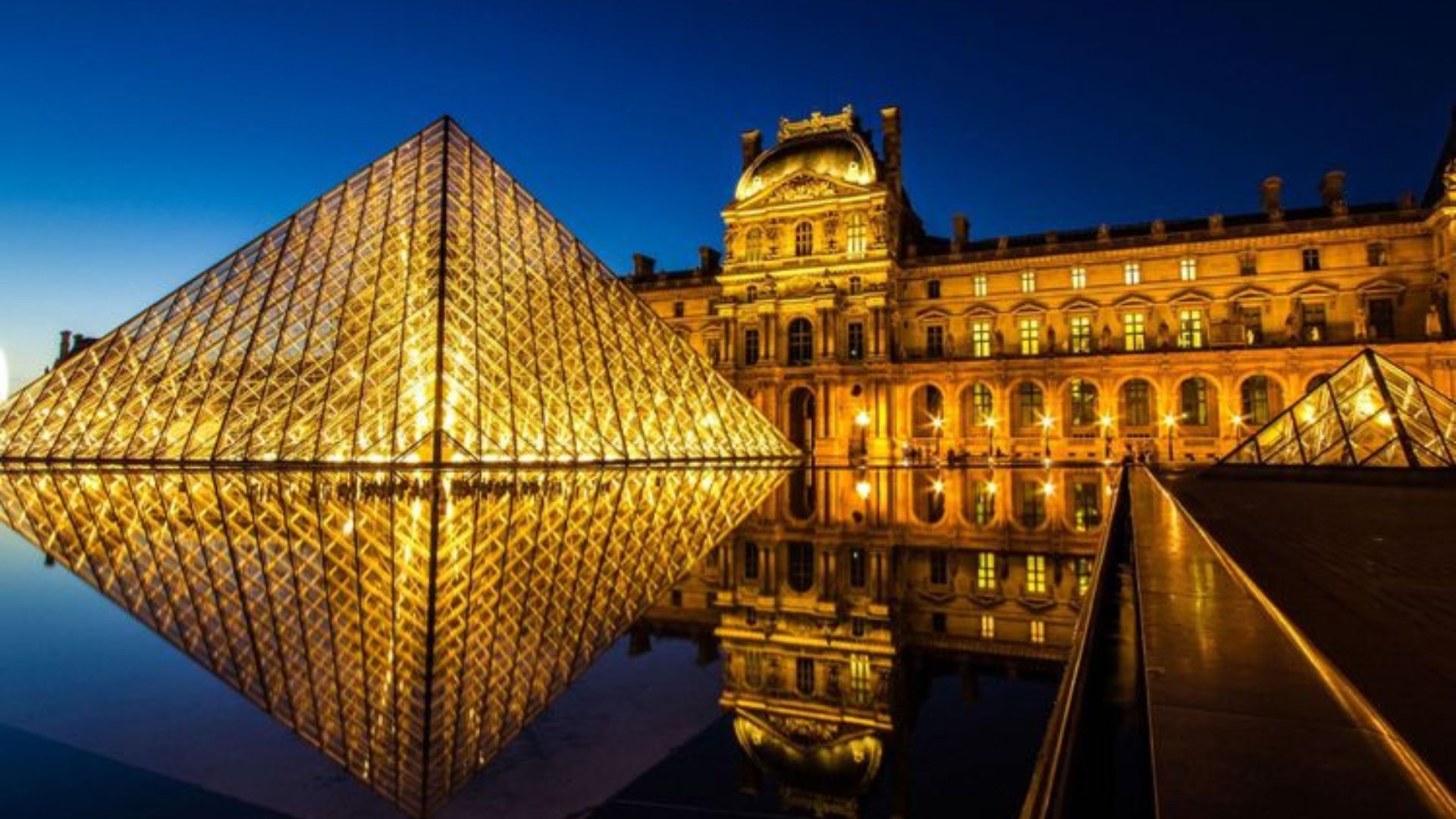
Visiting the Louvre at night is a unique and magical experience. The museum’s illuminated glass pyramid and historical buildings create a breathtaking atmosphere.

Many visitors prefer night tours, as they offer a more peaceful and immersive experience, allowing them to admire the artworks without the usual crowds.

Practical Tips for Visiting the Louvre Museum

Planning a visit to the Louvre? Here are some essential tips:

  • Book tickets in advance to avoid long queues.
  • Visit early in the morning or late in the evening for a less crowded experience.
  • Download a museum map or app to navigate the vast galleries.
  • Prioritize the must-see artworks to make the most of your time.

Q&A Section: Everything You Need to Know About the Louvre Museum

1. What is the Louvre Museum famous for?

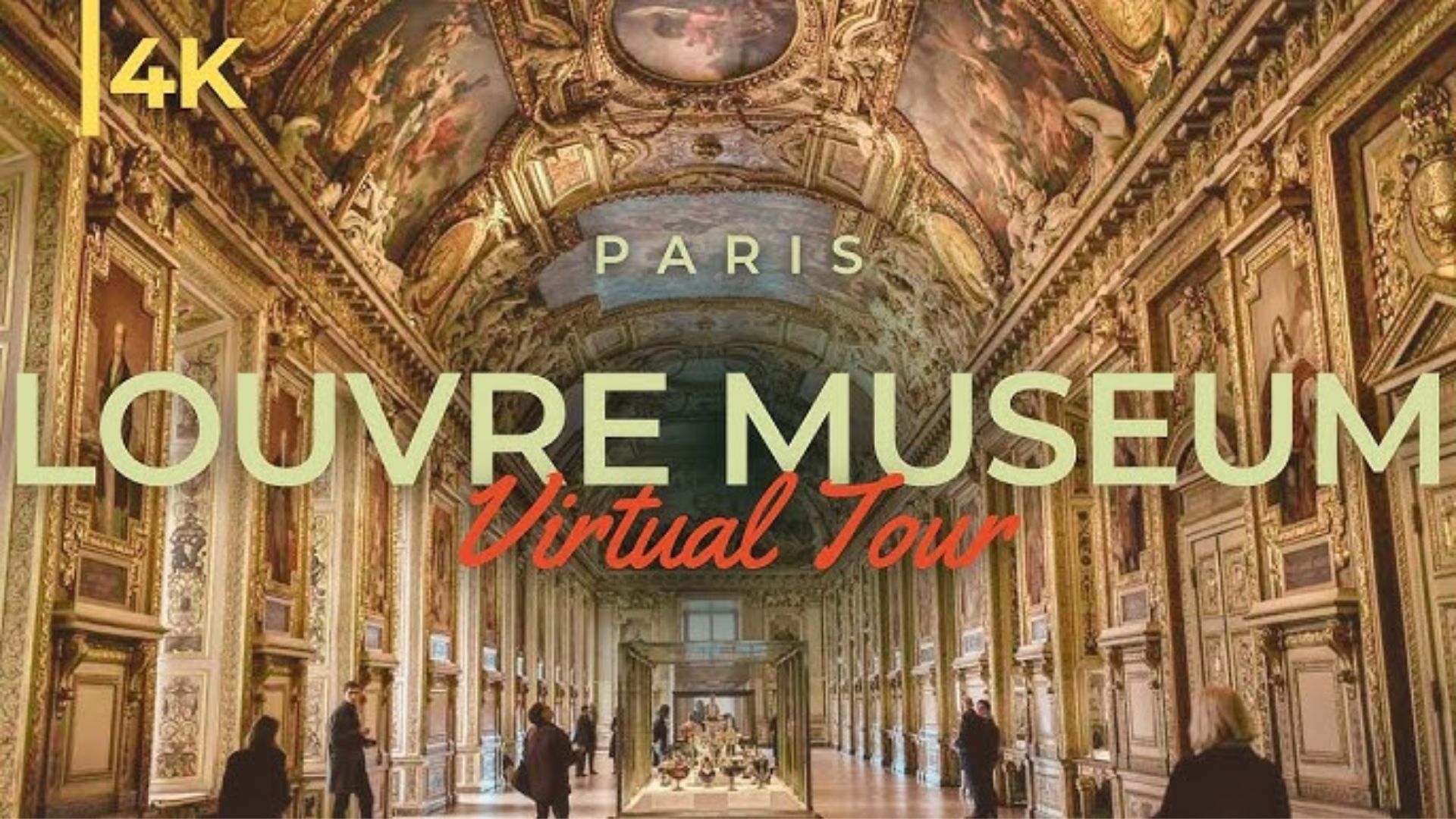
The Louvre Museum is famous for its vast art collection, including the Mona Lisa, Venus de Milo, and Winged Victory of Samothrace. It is the largest and most-visited museum in the world, showcasing masterpieces from different civilizations and time periods.
Louvre Museum

2. Where is the Louvre Museum located?

The Louvre Museum is located in Paris, France, along the Seine River, near the Palais Royal and Notre-Dame Cathedral. The official address is Rue de Rivoli, 75001 Paris, France.

3. What are the opening hours of the Louvre Museum?

The Louvre is open from 9:00 AM to 6:00 PM, with late-night openings on Fridays until 9:45 PM. It is closed on Tuesdays and major holidays. Visitors should check the official website for updates.

4. How much does it cost to visit the Louvre Museum?

General admission to the Louvre costs €17 if purchased online. Entry is free for EU residents under 26 years old and on the first Friday of each month (except July and August).

5. How long does it take to visit the Louvre?

A complete tour of the Louvre could take several days, but most visitors spend 3 to 5 hours exploring the highlights, such as the Mona Lisa, the Egyptian collection, and classical sculptures.

6. What is the best time to visit the Louvre?

The best time to visit is early in the morning or late in the evening to avoid large crowds. Visiting on weekdays is also recommended for a quieter experience.

7. Can you take photos inside the Louvre?

Yes, photography is allowed, but flash and tripods are prohibited. Some temporary exhibitions may have restrictions, so visitors should check signage or ask staff.

8. What is the Louvre Pyramid, and why was it built?

The Louvre Pyramid, designed by I. M. Pei, was completed in 1989 as a modern entrance to improve visitor flow. It is now an iconic symbol of the museum, blending classical and contemporary architecture.

9. Is the Louvre accessible for visitors with disabilities?

Yes, the Louvre is wheelchair accessible, with elevators, ramps, and priority access available. The museum provides free admission for visitors with disabilities and one accompanying person.

10. What are the must-see artworks in the Louvre?

Some of the must-see artworks include:

  • Mona Lisa – Leonardo da Vinci
  • Venus de Milo – Ancient Greek sculpture
  • Winged Victory of Samothrace – Hellenistic masterpiece
  • Liberty Leading the People – Eugène Delacroix
  • The Wedding at Cana – Paolo Veronese

11. Why the Louvre Museum is a Must-Visit Destination

The Louvre Museum is more than just a museum—it is a global symbol of art, culture, and history. From the Mona Lisa to ancient Egyptian treasures, the museum offers an unparalleled experience for art lovers and history enthusiasts.

Whether you are visiting for a day or a week, the Louvre will leave you inspired, educated, and amazed. It is a testament to human creativity and artistic achievement, making it a must-visit destination for anyone traveling to Paris.

For Amazing Updates Keep Visiting ImaginaryHistory.
Can You Make Pinterest Pictures into Posters? A Complete Guide

0
Can You Make Pinterest Pictures into Posters

Pinterest is a treasure trove of visually captivating images, ideas, and inspiration. Many users wonder whether they can turn these Pinterest pictures into posters for personal or commercial use. The short answer is: Yes, you can! However, there are several factors to consider, including copyright issues, image quality, printing techniques, and creative customization. In this blog, we will explore how to transform Pinterest pictures into high-quality posters, ensuring that you get the best results legally and aesthetically.

Understanding the Copyright and Usage Rights of Pinterest Images

Pinterest is a platform where users share and pin images, but that does not mean all images are free to use. Many pictures on Pinterest are copyrighted, meaning you need permission from the original owner before using them for personal or commercial purposes.

To ensure you are using images legally:

  • Look for royalty-free or Creative Commons images.
  • Contact the original creator if you are unsure about usage rights.
  • Use stock image websites that allow printing and resale.

By respecting copyright laws, you avoid potential legal troubles and ensure ethical usage of Pinterest images for your posters.

Can You Make Pinterest Pictures into Posters

Choosing High-Resolution Images for Best Print Quality

Printing a Pinterest picture as a poster requires a high-resolution image. Many images on Pinterest are compressed, which can result in poor print quality when enlarged.

To get the best print quality:

  • Download the highest-resolution version of the image available.
  • Use image upscaling tools like Photoshop or AI-based software to enhance resolution.
  • If possible, find the original source of the image and download it from there.

Higher resolution ensures that your poster looks crisp, vibrant, and professional when printed.

Tools and Software to Convert Pinterest Images into Posters

Once you have the right image, you need software to edit and format it for poster printing. Several tools can help you in this process, including:

  • Adobe Photoshop: Professional software for editing and resizing images.
  • Canva: Easy-to-use online tool with poster templates.
  • GIMP: A free alternative to Photoshop with advanced editing options.
  • AI Image Enlargers: Websites like Let’s Enhance or Waifu2x can improve image resolution.

These tools help you adjust brightness, contrast, and size to make your Pinterest picture look stunning as a poster.

Customizing Pinterest Pictures for a Unique Poster Look

If you want your poster to stand out, consider customizing the Pinterest image before printing. Some creative ways to modify the image include:

  • Adding text, quotes, or inspirational messages.
  • Combining multiple Pinterest images into a collage.
  • Changing colors or applying artistic filters.
  • Incorporating graphic elements or borders.

Customizing your poster allows you to create a unique and personalized design rather than simply printing an existing image.

Choosing the Right Printing Method for Your Poster

The printing method plays a crucial role in the quality and durability of your Pinterest poster. Some popular printing options include:

  • Inkjet Printing: Best for home printing with high-quality ink.
  • Laser Printing: Produces sharp and detailed images, suitable for commercial use.
  • Giclée Printing: Professional-grade printing with museum-quality results.
  • Screen Printing: Ideal for bulk printing and artistic posters.

Choosing the right printing technique ensures your poster maintains its vibrancy and lasts longer.

Can You Make Pinterest Pictures into Posters

Selecting the Best Paper or Canvas for Printing

The type of material you print your Pinterest picture on affects its appearance and durability. Here are some options:

  • Glossy Paper: Enhances colors and contrast, suitable for vibrant images.
  • Matte Paper: Reduces glare, ideal for a sophisticated look.
  • Canvas: Provides a textured, artistic feel, great for home décor.
  • Vinyl: Durable and weather-resistant, suitable for outdoor posters.

Selecting the right paper or canvas ensures that your poster matches your desired style and purpose.

Printing Posters at Home vs. Professional Printing Services

You can either print Pinterest posters at home or use professional printing services. Each option has pros and cons:

  • Home Printing: Convenient and budget-friendly but may lack professional quality.
  • Online Printing Services: Websites like Vistaprint, Printful, and Snapfish offer high-quality results with various customization options.
  • Local Print Shops: Provide hands-on assistance and professional-grade materials.

If you want a high-quality and durable poster, professional printing is often the best choice.

Framing and Displaying Your Pinterest Posters

Once your poster is printed, you need to decide how to display it. Some options include:

  • Framing: Protects the poster and gives it a polished look.
  • Mounting on Foam Board: Lightweight and easy to hang.
  • Laminating: Adds durability and protection.
  • Canvas Stretching: Creates a gallery-style look.

The right display method enhances the visual appeal of your Pinterest-inspired poster.

Selling Pinterest-Inspired Posters: Is It Legal?

If you plan to sell posters made from Pinterest images, you must ensure they are legally sourced and edited. Selling copyrighted images without permission can lead to legal issues.

To sell Pinterest-inspired posters legally:

  • Use royalty-free or licensed images.
  • Modify and transform the image significantly.
  • Create original artwork inspired by Pinterest trends.
  • Credit and obtain permission from the original creator when necessary.

Ensuring legal compliance protects you from copyright infringement claims.

Alternative Sources for Poster-Worthy Images

If Pinterest images do not meet your needs or have copyright issues, consider these alternatives:

  • Stock Image Websites: Unsplash, Pexels, and Shutterstock offer high-quality images for printing.
  • AI-Generated Art: Use AI tools to create unique, copyright-free images.
  • Photography: Capture your own images for personal or commercial use.
  • Graphic Design Platforms: Canva, Adobe Illustrator, and Figma allow you to create custom poster designs.

These sources give you more freedom and flexibility to create unique and high-quality posters.

Can You Make Pinterest Pictures into Posters

Q&A: Turning Pinterest Pictures into Posters

Q1: Can I legally print Pinterest images as posters?

A1: It depends. Many images on Pinterest are copyrighted, so you must ensure you have permission or use royalty-free images to avoid legal issues.

Q2: How can I find high-quality images on Pinterest for printing?

A2: Look for high-resolution images, check the original source, and use image enhancement tools like Photoshop or AI upscalers to improve quality.

Q3: What is the best paper type for printing Pinterest posters?

A3: Glossy paper is great for vibrant colors, matte paper reduces glare, and canvas provides an artistic look. Choose based on your preferred style.

Q4: Which printing method is best for Pinterest posters?

A4: Inkjet and laser printing work for home use, while giclée and professional printing services offer museum-quality results for larger prints.

Q5: Can I customize Pinterest images before printing?

A5: Yes! You can add text, adjust colors, apply filters, or combine multiple images to create a unique and personalized poster.

Q6: Where can I print Pinterest images as posters?

A6: You can print at home, use online services like Vistaprint, or visit local print shops for professional-quality results.

Q7: Can I sell posters made from Pinterest images?

A7: Only if you have the right to use the images commercially. Use royalty-free or licensed images, or create original designs inspired by Pinterest trends.

Q8: What alternatives exist for finding poster-worthy images?

A8: Stock image websites like Unsplash, AI-generated art tools, personal photography, and design platforms like Canva offer high-quality alternatives.

Q9: How do I frame or display my Pinterest poster?

A9: You can frame it, mount it on foam board, laminate it for durability, or stretch it on canvas for a premium look.

Q10: Is it worth making Pinterest pictures into posters?

A10: Absolutely! If done legally and with high-quality printing, Pinterest-inspired posters can enhance home décor or even be sold as unique artwork.

Conclusion: Is Turning Pinterest Pictures into Posters Worth It?

Making Pinterest pictures into posters is a fantastic way to bring digital inspiration into your physical space. However, it requires careful consideration of copyright, image quality, and printing methods. By following the right steps—choosing high-resolution images, customizing them creatively, and using the best printing techniques—you can create stunning posters for personal use or even sell them legally.

Whether you want a motivational quote, a beautiful landscape, or a trendy aesthetic, Pinterest can serve as a great source of inspiration for posters. Just ensure that you respect copyright laws, use high-quality printing materials, and add your own creative touch to make your posters truly unique.

Would you like to turn Pinterest pictures into posters for your home or business? Follow these steps, and you’ll have amazing posters in no time!

For Amazing Updates Keep Visiting ImaginaryHistory.

Kruger National Park: A Complete Guide to South Africa’s Premier Safari Destination

0
Kruger National Park

Kruger National Park is one of the most renowned wildlife reserves in the world, offering visitors an unparalleled safari experience. Located in northeastern South Africa, it is home to a vast array of wildlife, stunning landscapes, and rich history. This guide will take you through every aspect of the park, from its fascinating history to the best safari experiences, accommodation options, and conservation efforts.

The History and Significance of Kruger National Park

Kruger National Park’s history dates back to 1898 when it was first established as the Sabie Game Reserve by President Paul Kruger. His vision was to protect South Africa’s wildlife from excessive hunting and deforestation. The reserve later expanded and officially became Kruger National Park in 1926.

The park covers nearly 19,500 square kilometers, making it one of the largest national parks in Africa. Over the years, it has become a symbol of conservation and wildlife protection, attracting millions of visitors annually. The park has also played a crucial role in South Africa’s tourism industry, contributing significantly to the economy.

Beyond its ecological significance, Kruger National Park holds cultural importance. The area is rich in archaeological sites, with evidence of early human settlements dating back thousands of years. The park preserves these historical treasures, allowing visitors to explore both nature and history in one destination.

Kruger National Park

The Geography and Climate of Kruger National Park

Kruger National Park boasts a diverse landscape that includes savannas, woodlands, rivers, and rocky outcrops. The park is divided into different regions, each offering unique flora and fauna. The northern region is more arid, with mopane trees dominating the scenery, while the southern part is greener, featuring thick bushveld and riverine forests.

The climate of Kruger National Park is generally warm, with distinct wet and dry seasons. The dry season, from May to September, is considered the best time for wildlife viewing, as animals gather around water sources. The wet season, from October to April, brings lush greenery and an abundance of newborn animals, making it an excellent time for birdwatching and photography.

The park’s varied geography and climate create a perfect habitat for diverse wildlife, making it a prime safari destination throughout the year.

Wildlife Diversity: The Big Five and Beyond

Kruger National Park is famous for its incredible wildlife, including the “Big Five” – lions, leopards, elephants, rhinos, and buffaloes. These animals were historically the most challenging to hunt, and today, they are among the top attractions for visitors.

Apart from the Big Five, the park is home to over 140 mammal species, including cheetahs, hyenas, hippos, giraffes, and zebras. It also hosts more than 500 bird species, making it a paradise for birdwatchers. Reptiles, amphibians, and numerous insect species thrive in the park as well, adding to its rich biodiversity.

The park’s well-maintained ecosystem ensures a balanced environment where predators and prey coexist, providing visitors with spectacular wildlife encounters.

The Best Safari Experiences in Kruger National Park

Kruger National Park offers a wide range of safari experiences tailored to different preferences and budgets. Visitors can choose from self-drive safaris, guided game drives, walking safaris, and night safaris.

  • Self-Drive Safaris: This option allows visitors to explore the park at their own pace. With a network of well-marked roads, travelers can create personalized itineraries and stop at various rest camps and viewpoints.
  • Guided Game Drives: Led by experienced rangers, guided game drives provide a more informative and immersive experience. Guides use their expertise to track animals and share insights about the park’s ecosystem.
  • Walking Safaris: For a more adventurous experience, guided walking safaris offer a chance to explore the wilderness on foot. These safaris provide a closer look at the smaller details of nature, such as animal tracks and plant life.
  • Night Safaris: As the sun sets, the park reveals its nocturnal wonders. Night safaris allow visitors to spot elusive animals such as leopards, hyenas, and bush babies under the cover of darkness.

Each safari option offers a unique perspective on the park’s incredible wildlife and landscapes.

Accommodation Options: From Luxury Lodges to Campsites

Kruger National Park provides a variety of accommodation options, ranging from budget-friendly campsites to luxurious lodges.

  • Rest Camps: The park has several well-equipped rest camps with chalets, bungalows, and camping facilities. Popular rest camps include Skukuza, Satara, and Lower Sabie.
  • Private Lodges: For a more exclusive experience, luxury lodges such as Singita, Sabi Sabi, and Londolozi offer high-end accommodations with gourmet dining, private game drives, and spa treatments.
  • Bush Camps and Tented Camps: These provide a more secluded and intimate experience, ideal for travelers seeking tranquility and a closer connection to nature.

With options catering to all budgets, visitors can enjoy the park in comfort and style.

The Park’s Conservation Efforts and Challenges

Kruger National Park

Kruger National Park plays a vital role in wildlife conservation. The park is involved in anti-poaching initiatives, habitat restoration, and endangered species protection programs. Conservationists work tirelessly to combat threats such as rhino poaching and habitat destruction.

Despite these efforts, challenges remain. Climate change, human-wildlife conflicts, and poaching continue to threaten the park’s ecosystem. However, through continuous conservation initiatives and international support, Kruger National Park remains a stronghold for wildlife protection.

Exploring the Cultural and Archaeological Sites

Beyond its wildlife, Kruger National Park is rich in cultural heritage. The park contains numerous archaeological sites, including ancient rock paintings and remnants of early human settlements.

Notable sites include Masorini, an Iron Age settlement showcasing early metalworking techniques, and Thulamela, an ancient kingdom that provides insight into the region’s historical civilizations. These cultural sites add depth to the park’s visitor experience, blending history with nature.

The Best Time to Visit Kruger National Park

The ideal time to visit Kruger National Park depends on personal preferences:

  • Dry Season (May–September): Best for wildlife viewing, as animals gather around water sources and vegetation is sparse, making sightings easier.
  • Wet Season (October–April): The landscape transforms into a lush paradise, perfect for birdwatching and witnessing newborn animals.

Both seasons offer unique experiences, ensuring an unforgettable safari adventure.

How to Get to Kruger National Park

Kruger National Park is accessible via multiple routes:

  • By Air: The closest airports are Kruger Mpumalanga International Airport and Hoedspruit Airport, with connecting flights from Johannesburg and Cape Town.
  • By Road: The park is well-connected by road, with entrances accessible from major cities like Johannesburg (about a 5-hour drive).

Choosing the right transportation depends on budget and travel preferences.

Essential Travel Tips for Visitors

  • Book accommodations in advance, especially during peak seasons.
  • Follow park rules and respect wildlife safety guidelines.
  • Carry essentials such as sunscreen, insect repellent, and binoculars.
  • Be prepared for varying weather conditions.

These tips ensure a safe and enjoyable visit to the park.

Why Kruger National Park Should Be on Your Travel Bucket List

Kruger National Park

Kruger National Park offers an unmatched safari experience, blending breathtaking landscapes, diverse wildlife, and rich history. Whether you’re an adventure seeker, a nature lover, or a history enthusiast, the park has something for everyone.

A visit to Kruger is more than just a safari; it’s a journey into the heart of Africa’s natural beauty and conservation efforts.

Q&A Section for Kruger National Park

Q1: What makes Kruger National Park unique?

Kruger National Park is unique due to its vast size, incredible biodiversity, and well-developed infrastructure. It is one of Africa’s largest game reserves, home to the Big Five and over 500 bird species. The park also offers diverse safari experiences, from self-drives to luxury lodges.

Q2: What is the best time to visit Kruger National Park?

The best time to visit depends on your preferences. The dry season (May–September) is best for wildlife viewing, while the wet season (October–April) offers lush landscapes and excellent birdwatching opportunities.

Q3: Can I do a self-drive safari in Kruger National Park?

Yes, Kruger National Park is one of the best places for a self-drive safari. The park has well-maintained roads, clearly marked routes, and accessible rest camps for visitors to explore at their own pace.

Q4: What types of accommodation are available in Kruger National Park?

Kruger National Park offers a range of accommodations, including budget-friendly rest camps, luxury lodges, bush camps, and tented camps. Options range from basic camping to high-end safari lodges with private game drives.

Q5: How do I get to Kruger National Park?

Visitors can reach Kruger National Park by air or road. The nearest airports are Kruger Mpumalanga International Airport and Hoedspruit Airport. By road, the park is about a 5-hour drive from Johannesburg.

Q6: What animals can I see in Kruger National Park?

Kruger National Park is home to a variety of wildlife, including lions, elephants, leopards, rhinos, buffaloes, cheetahs, giraffes, zebras, and hippos. It also hosts a diverse range of bird species.

Q7: Are night safaris available in Kruger National Park?

Yes, night safaris are available and offer a unique chance to see nocturnal animals like leopards, hyenas, and bush babies. These safaris are led by experienced guides using spotlights.

Q8: Is Kruger National Park safe for tourists?

Yes, Kruger National Park is generally safe for tourists who follow park regulations. Staying inside designated areas, respecting wildlife, and traveling with experienced guides ensure a safe experience.

Q9: What conservation efforts are in place in Kruger National Park?

Kruger National Park has various conservation programs, including anti-poaching initiatives, wildlife monitoring, and habitat restoration projects. It plays a crucial role in protecting endangered species, such as rhinos.

Q10: Why should I visit Kruger National Park?

Kruger National Park offers an unforgettable safari experience with breathtaking landscapes, diverse wildlife, and cultural heritage. Whether you’re a nature enthusiast, a photographer, or an adventure seeker, it’s a must-visit destination.

For Amazing Updates Keep Visiting ImaginaryHistory.

Is Mark Zuckerberg Jewish?

0
Is Mark Zuckerberg Jewish

Mark Zuckerberg, the co-founder and CEO of Meta (formerly Facebook), is one of the most influential figures in the tech world. Given his prominence, many people have wondered about his religious background and heritage. This blog explores Mark Zuckerberg’s Jewish identity, his family’s religious roots, and his personal beliefs.

Mark Zuckerberg’s Jewish Heritage

Mark Zuckerberg was born into a Jewish family in White Plains, New York, on May 14, 1984. His parents, Edward Zuckerberg and Karen Kempner, are of Jewish descent. Judaism is often passed down matrilineally, meaning that because his mother is Jewish, Zuckerberg is also considered Jewish by birth.

His family background traces its roots to Eastern European Jewish ancestry. Many Jewish families from this region immigrated to the United States in the late 19th and early 20th centuries, seeking better economic opportunities and escaping persecution. The Zuckerbergs are part of this lineage, carrying forward their Jewish heritage through generations.

Is Mark Zuckerberg Jewish

Mark Zuckerberg’s Upbringing in a Jewish Household

Zuckerberg was raised in a Jewish household, where Jewish traditions and customs played a role in his early life. His parents ensured that he had a basic understanding of Jewish values and culture. He celebrated Jewish holidays such as Hanukkah and Passover, which are central to Jewish religious life.

As part of his Jewish upbringing, Zuckerberg had a Bar Mitzvah at the age of 13. This coming-of-age ceremony is a significant milestone in Jewish tradition, marking a young boy’s transition into adulthood in the religious community. During the ceremony, he would have read from the Torah and participated in other Jewish rituals.

His Relationship with Judaism in Adulthood

While Mark Zuckerberg was raised Jewish, his personal religious beliefs evolved over time. In his younger years, he identified as an atheist. This is not uncommon among many individuals who grow up in religious households but later question their faith.

However, in recent years, Zuckerberg has spoken about reconnecting with spirituality. He has acknowledged the importance of faith and religion in people’s lives, even if he does not practice Judaism in a traditional sense.

Public Statements About His Beliefs

Mark Zuckerberg’s views on religion have been a topic of discussion in the media. In 2016, he made a statement on Facebook that suggested a shift in his beliefs. When asked if he was still an atheist, he responded:

“No. I was raised Jewish and then I went through a period where I questioned things, but now I believe religion is very important.”

This statement indicated that while he may not strictly follow Jewish practices, he recognizes the significance of faith and spirituality.

Zuckerberg’s Wife and Interfaith Marriage

Mark Zuckerberg is married to Priscilla Chan, who comes from a Chinese-American background. The couple met at Harvard University and got married in 2012. Their marriage is an interfaith one, as Chan is not Jewish.

Despite their different religious backgrounds, Zuckerberg and Chan have embraced a multicultural and inclusive approach in their household. They celebrate both Jewish and Chinese traditions, ensuring that their children are exposed to diverse cultures.

Jewish Traditions in Zuckerberg’s Family Life

Although Zuckerberg does not practice Judaism strictly, he and his wife have incorporated Jewish traditions into their family life. For example, they have been seen celebrating Hanukkah with their children.

Zuckerberg has also posted about Jewish holidays on his social media platforms, indicating that he still respects and acknowledges his Jewish heritage. He has shared photos of Hanukkah menorahs and discussed the importance of family gatherings during Jewish holidays.

Is Mark Zuckerberg Jewish

His Involvement with Jewish Communities

While Mark Zuckerberg is not an active member of a synagogue or religious community, he has maintained connections with Jewish organizations. His philanthropic work has supported causes related to Jewish education and history.

In 2011, he visited Israel, where he explored his Jewish roots and met with Israeli leaders. His visit reflected his interest in Jewish culture and history, even though he does not practice Judaism in a traditional way.

Philanthropy and Jewish Values

Zuckerberg’s charitable efforts align with many Jewish values, particularly Tikkun Olam, a Hebrew phrase meaning “repairing the world.” This concept emphasizes social responsibility, giving back to the community, and making the world a better place.

Through the Chan Zuckerberg Initiative (CZI), Zuckerberg and his wife have donated billions of dollars to education, healthcare, and scientific research. While his philanthropy is not exclusively focused on Jewish causes, the values of generosity and helping others are deeply rooted in Jewish teachings.

Anti-Semitism and Mark Zuckerberg’s Response

As a high-profile Jewish public figure, Zuckerberg has faced instances of anti-Semitism. Facebook, the company he co-founded, has also been at the center of debates regarding the regulation of anti-Semitic content online.

Zuckerberg has spoken about the challenges of balancing free speech with the need to prevent hate speech. In 2018, he faced criticism when he stated that Facebook should not automatically remove Holocaust denial content. He later clarified his position, emphasizing that he strongly condemns anti-Semitism and that his intent was to protect free expression while combating hate.

The Influence of Judaism on Zuckerberg’s Leadership Style

Although he does not publicly emphasize his Jewish identity, some of Zuckerberg’s leadership traits reflect Jewish cultural values. Jewish teachings emphasize lifelong learning, innovation, and adaptability—qualities that have been key to Zuckerberg’s success in the tech industry.

Additionally, Jewish culture values questioning and debate, which aligns with Zuckerberg’s approach to problem-solving and decision-making. His ability to challenge conventional ideas and take risks has played a crucial role in the growth of Facebook and Meta.

Q&A on Mark Zuckerberg’s Jewish Identity

Q1: Is Mark Zuckerberg Jewish?

Yes, Mark Zuckerberg is Jewish by heritage. He was born into a Jewish family and had a Bar Mitzvah, a significant Jewish coming-of-age ceremony.

Q2: Was Mark Zuckerberg raised in a Jewish household?

Yes, he was raised in a Jewish household where Jewish traditions and holidays like Hanukkah and Passover were observed.

Q3: Does Mark Zuckerberg practice Judaism?

While he was raised Jewish, Zuckerberg has not been a practicing Jew in adulthood. He identified as an atheist for some time but later acknowledged the importance of religion.

Is Mark Zuckerberg Jewish

Q4: Has Mark Zuckerberg spoken about his religious beliefs?

Yes, in 2016, he stated that he no longer considers himself an atheist and believes religion is important, though he does not strictly follow Jewish practices.

Q5: Is Mark Zuckerberg’s wife Jewish?

No, his wife, Priscilla Chan, is of Chinese-American descent. Their marriage is interfaith, and they celebrate both Jewish and Chinese traditions.

Q6: Does Mark Zuckerberg celebrate Jewish holidays?

Yes, he has shared moments from Hanukkah and other Jewish celebrations on social media, indicating that he still acknowledges his Jewish heritage.

Q7: Has Mark Zuckerberg contributed to Jewish causes?

While his philanthropy is broad, some of his charitable efforts align with Jewish values such as Tikkun Olam (repairing the world), which emphasizes social responsibility.

Q8: Has Zuckerberg addressed anti-Semitism?

Yes, he has spoken about the issue, particularly regarding Facebook’s policies on hate speech and Holocaust denial.

Q9: Does Mark Zuckerberg’s Jewish background influence his leadership?

Some of his leadership qualities, such as innovation, adaptability, and a focus on education, align with Jewish cultural values.

Q10: How does Mark Zuckerberg view religion today?

He acknowledges the importance of faith and spirituality, though he does not publicly identify as deeply religious or follow Jewish customs strictly.

Conclusion: Is Mark Zuckerberg Jewish?

Yes, Mark Zuckerberg is Jewish by heritage and upbringing. While he was raised in a Jewish household and had a Bar Mitzvah, his personal religious beliefs have evolved over time. He has distanced himself from strict religious practices but still acknowledges the significance of faith and spirituality.

His marriage to Priscilla Chan reflects a blend of cultures, and he continues to recognize Jewish traditions in his family life. Additionally, his philanthropic work aligns with Jewish values of giving back to the community.

Overall, Mark Zuckerberg’s Jewish identity is a part of his background, but he does not strictly follow religious customs. Instead, he embraces a more inclusive and spiritual approach to life.

For Amazing Updates Keep Visiting ImaginaryHistory.