Home Blog Page 104

Mumtaz Mahal: The Timeless Empress of the Mughal Empire

0
Mumtaz Mahal:

Introduction: Who Was Mumtaz Mahal?

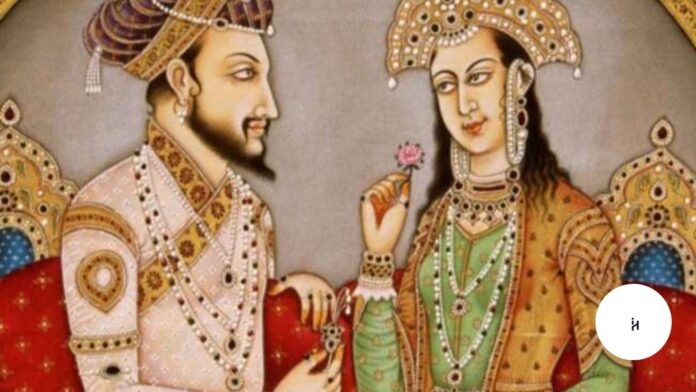
Mumtaz Mahal, whose name translates to “Jewel of the Palace,” remains one of the most famous figures of the Mughal Empire. Born as Arjumand Banu Begum in 1593, she was the chief consort of Emperor Shah Jahan, the ruler who later commissioned the Taj Mahal in her memory.

Her life, though relatively short, was marked by love, devotion, and immense influence within the royal court. Despite the many wives Mughal emperors traditionally had, Mumtaz Mahal stood out due to the deep bond she shared with Shah Jahan.

From her noble Persian ancestry to her role in state affairs, Mumtaz Mahal was much more than just a queen; she was a powerful presence in one of the most influential empires of its time. Her story is one of romance, sacrifice, and an enduring legacy that continues to captivate the world.

Early Life and Royal Lineage
Mumtaz Mahal:

Mumtaz Mahal was born into an influential Persian noble family in Agra, India. Her father, Abdul Hasan Asaf Khan, was a high-ranking official in the Mughal court and the brother of Empress Nur Jahan, making Mumtaz part of the most elite circle in the empire. This royal connection paved the way for her future as one of the most beloved queens in history.

Her upbringing was marked by extensive education, as was customary for noblewomen at the time. She was well-versed in Persian, Arabic, and Urdu, excelling in poetry, philosophy, and courtly etiquette. As a young girl, she quickly became known for her intelligence and beauty, earning admiration from those around her.

The Love Story of Mumtaz Mahal and Shah Jahan

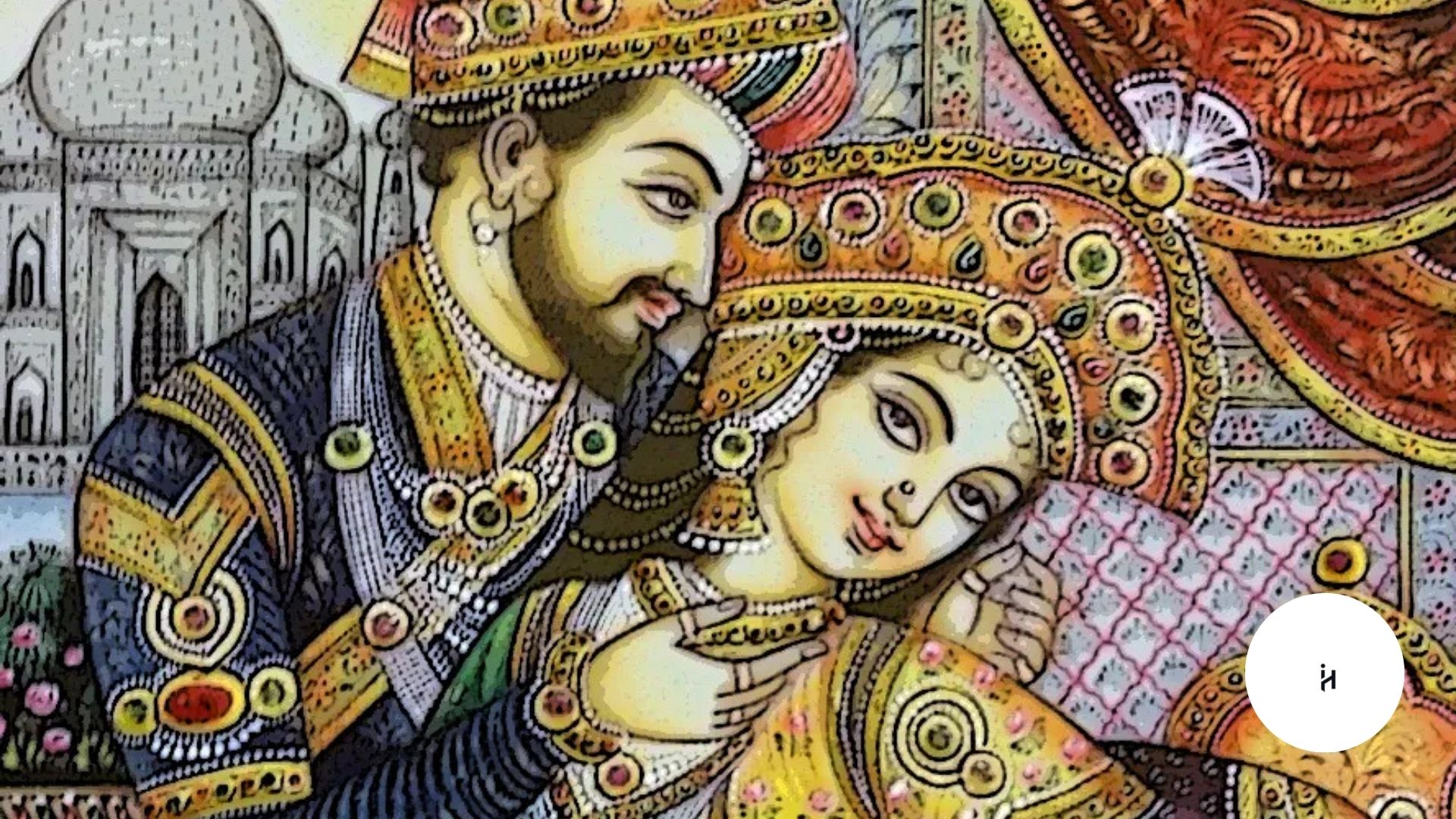
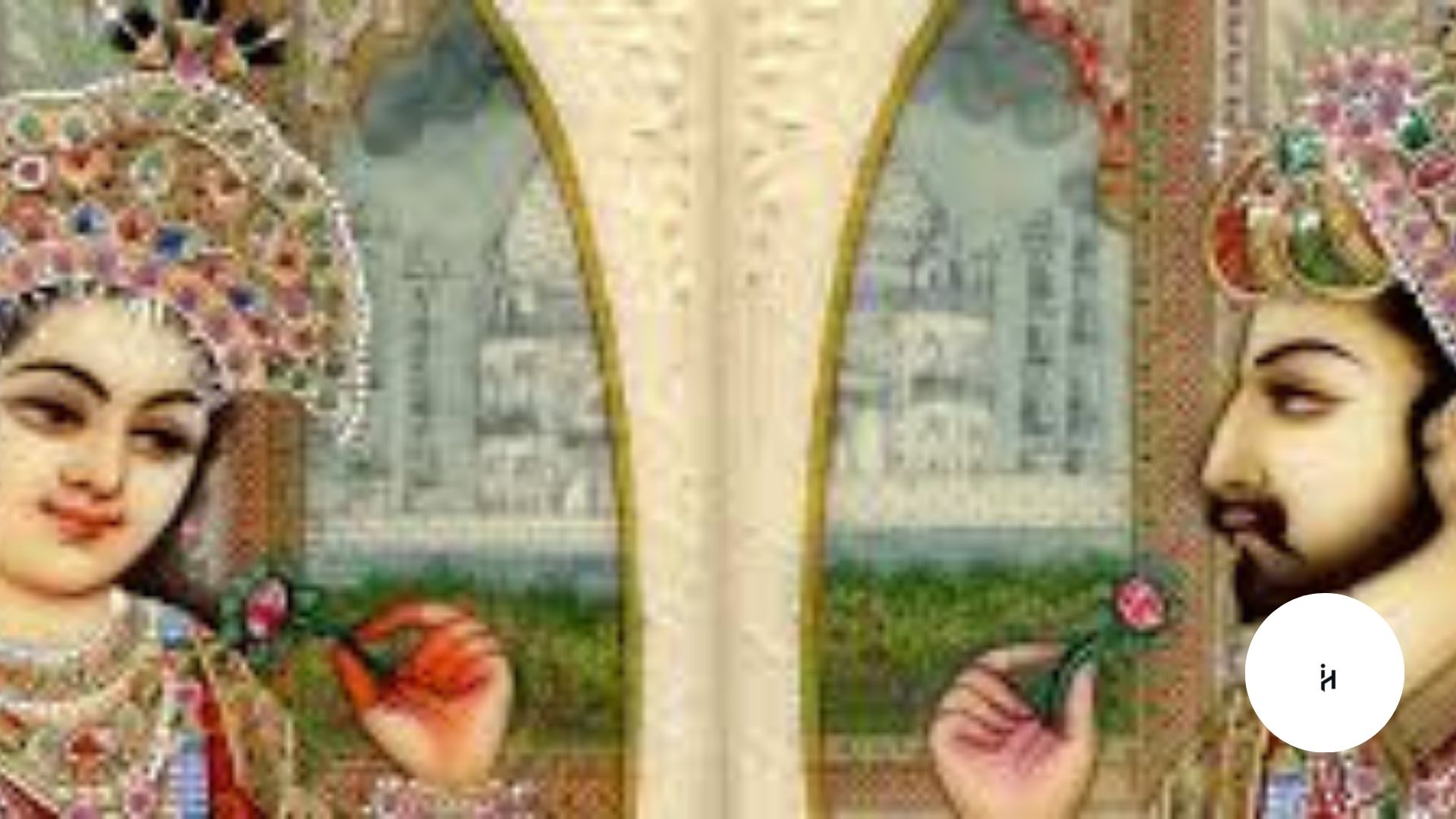
Mumtaz Mahal’s marriage to Prince Khurram, later known as Emperor Shah Jahan, was not just a political alliance but a union of deep love and companionship. The two were engaged at a young age but had to wait five years to marry due to Mughal court traditions. Their wedding in 1612 marked the beginning of a relationship that would become legendary.

Unlike many royal marriages of the time, theirs was filled with genuine affection. Mumtaz Mahal accompanied Shah Jahan wherever he went, including military campaigns, and played a crucial role in his personal and political life. Their love was evident in the many poems and letters exchanged between them.

Role in the Mughal Court and Administration

Despite the limited political roles traditionally given to Mughal queens, Mumtaz Mahal held significant influence. She was Shah Jahan’s most trusted advisor, often consulted on matters of governance, diplomacy, and finance.

She was also known for her charitable work, regularly helping the poor and funding various public welfare projects. Many historians believe that her wisdom and guidance played a key role in Shah Jahan’s reign, making her an indispensable part of the Mughal administration.

Motherhood: The Birth of 14 Children

Mumtaz Mahal was the mother of 14 children, including Aurangzeb, who later became one of the most powerful Mughal emperors. Despite the joys of motherhood, her many pregnancies took a toll on her health.

She was known for her deep affection toward her children and was actively involved in their upbringing. Her presence in their lives shaped the future of the Mughal dynasty, with many of her sons and daughters playing crucial roles in the empire’s history.

The Tragic Death of Mumtaz Mahal

Mumtaz Mahal’s life was tragically cut short at the age of 38 while giving birth to her 14th child in 1631. She accompanied Shah Jahan on a military campaign in Burhanpur when complications during childbirth led to her demise.

Her death left Shah Jahan devastated. Historical records describe his immense grief, stating that he went into mourning for a year, refusing to participate in courtly affairs. His sorrow inspired the construction of one of the most iconic monuments in history—the Taj Mahal.

The Taj Mahal: A Monument of Eternal Love

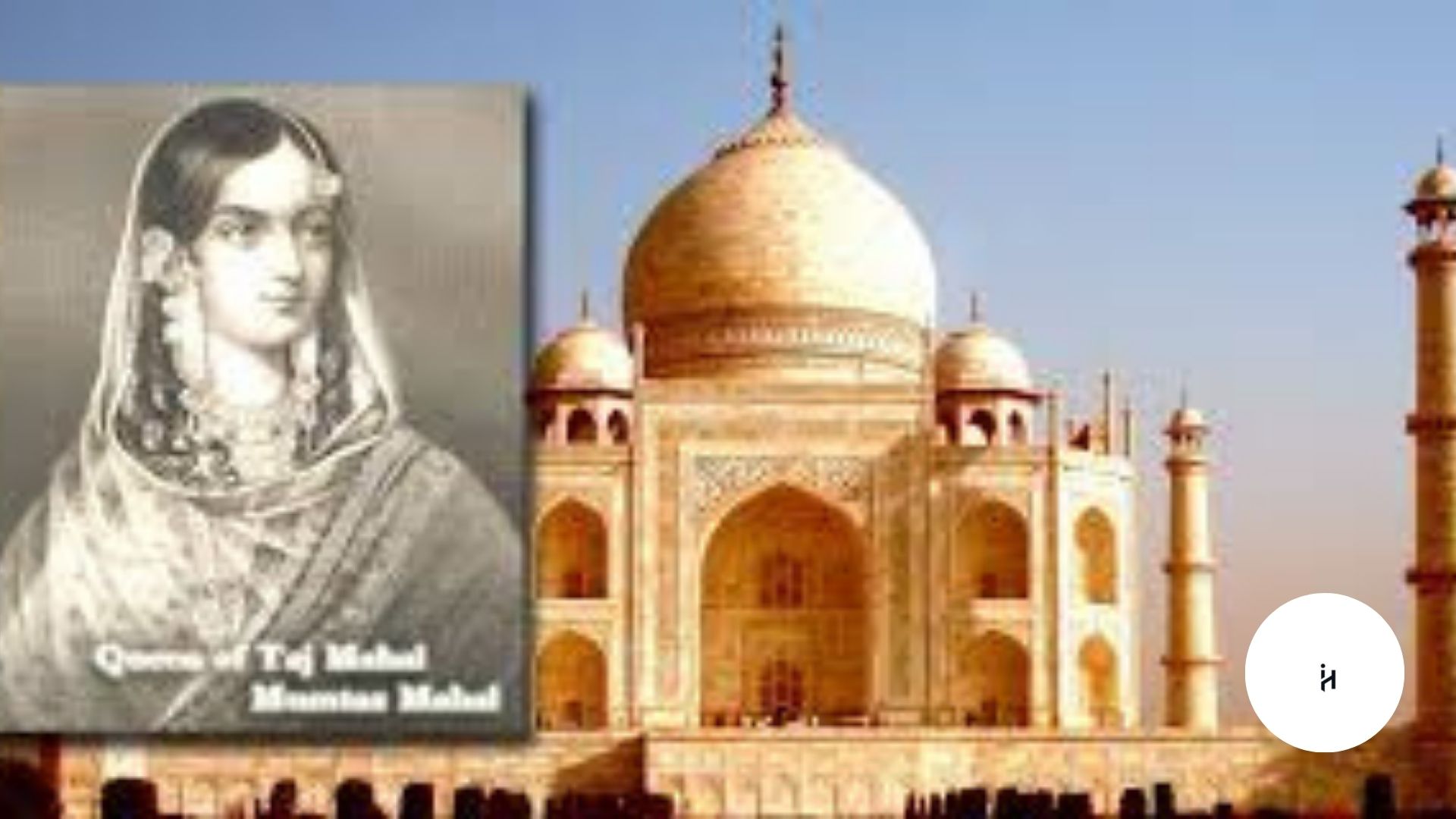
Following Mumtaz Mahal’s death, Shah Jahan embarked on an ambitious project to build a mausoleum that would serve as her final resting place. The result was the Taj Mahal, a white marble masterpiece that stands as a symbol of eternal love.

Construction began in 1632 and took over 20 years to complete. The Taj Mahal is a blend of Persian, Islamic, and Indian architectural styles, featuring intricate carvings, calligraphy, and stunning gardens. Today, it is recognized as one of the Seven Wonders of the World and a UNESCO World Heritage site.
Mumtaz Mahal:

The Influence of Mumtaz Mahal on Mughal Art and Culture

Mumtaz Mahal’s presence influenced not just the royal court but also the artistic and cultural landscape of the Mughal Empire. Her taste in jewelry, fashion, and architecture left a lasting impact on Mughal aesthetics.

Her support for poets, artists, and architects led to an era of flourishing creativity. The jewelry and clothing styles she popularized became trends among Mughal nobility, and her refined sense of beauty is reflected in the intricate designs of the Taj Mahal.

Shah Jahan’s Final Days and Reunion in Death

After ruling for decades, Shah Jahan was overthrown and imprisoned by his son Aurangzeb in 1658. He spent the last years of his life confined to the Agra Fort, gazing at the Taj Mahal from a small window.

Upon his death in 1666, Shah Jahan was buried beside Mumtaz Mahal in the Taj Mahal, ensuring that the lovers remained together even in death. Their shared tomb continues to attract millions of visitors, symbolizing an undying bond.

The Legacy of Mumtaz Mahal in Modern Times

Mumtaz Mahal’s legacy lives on through the Taj Mahal and the countless stories of her love and devotion. She is remembered as a woman of grace, intelligence, and deep compassion.

Her life story has been the subject of books, movies, and research, making her one of the most celebrated historical figures. The Taj Mahal remains a global icon, drawing visitors from around the world who marvel at its beauty and the love story behind it.

Q&A on Mumtaz Mahal

1. Who was Mumtaz Mahal?

Mumtaz Mahal was the chief consort of Mughal Emperor Shah Jahan. Born as Arjumand Banu Begum in 1593, she became one of the most influential queens of the Mughal Empire. She is best remembered for inspiring the construction of the Taj Mahal, one of the world’s most famous monuments.

2. What was Mumtaz Mahal’s real name?

Her birth name was Arjumand Banu Begum. She was given the title “Mumtaz Mahal,” meaning “Jewel of the Palace,” after marrying Shah Jahan.

3. How did Mumtaz Mahal meet Shah Jahan?

Mumtaz Mahal met Shah Jahan, then known as Prince Khurram, at a young age in the Mughal court. They were engaged in 1607 but had to wait five years before getting married in 1612 due to Mughal customs.

4. How many children did Mumtaz Mahal have?

Mumtaz Mahal gave birth to 14 children, including Emperor Aurangzeb, who later ruled the Mughal Empire. Unfortunately, she died while giving birth to her 14th child in 1631.

5. What caused Mumtaz Mahal’s death?

She died due to complications during childbirth while accompanying Shah Jahan on a military campaign in Burhanpur. Her passing deeply affected the emperor, who mourned her loss for years.

6. Why did Shah Jahan build the Taj Mahal?

Shah Jahan built the Taj Mahal as a tribute to Mumtaz Mahal after her death. It serves as her final resting place and symbolizes their eternal love. The monument is a masterpiece of Mughal architecture and one of the most famous landmarks in the world.
Mumtaz Mahal:

7. Where is Mumtaz Mahal buried?

Mumtaz Mahal is buried inside the Taj Mahal in Agra, India. Shah Jahan was later buried beside her, making it a tomb for both of them.

8. What role did Mumtaz Mahal play in the Mughal Empire?

Though not directly involved in politics, Mumtaz Mahal was a trusted advisor to Shah Jahan. She influenced court decisions, supported charitable activities, and had a significant impact on Mughal culture and art.

9. How did Mumtaz Mahal influence Mughal fashion and culture?

She was known for her exquisite taste in jewelry, clothing, and architecture. Her fashion choices influenced Mughal nobility, and her love for art and poetry contributed to the cultural richness of the empire.

10. What is Mumtaz Mahal’s legacy today?

Her legacy is immortalized through the Taj Mahal, which stands as a symbol of love and devotion. Her story continues to be celebrated in books, movies, and historical studies, making her one of the most remembered figures of the Mughal era.

Conclusion: A Queen Who Became Immortal

Mumtaz Mahal’s story is not just one of romance but also of influence and power. Her love for Shah Jahan inspired one of the greatest architectural wonders of all time, ensuring that she would be remembered for centuries.

Her impact on history extends beyond her role as a wife and mother. She was a patron of the arts, an advisor in politics, and a compassionate queen who cared for her people. Today, her name is synonymous with love, beauty, and timeless devotion, proving that her legacy is truly immortal.

For Amazing Updates Keep Visiting ImaginaryHistory.
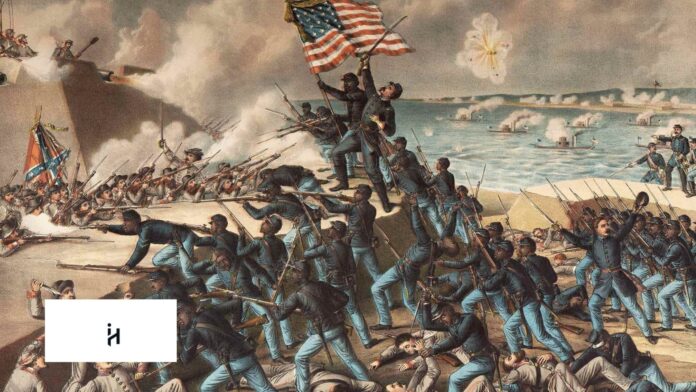
The History of America: A Journey Through Time

0
The History of America

The history of America is a vast and fascinating story filled with triumphs, challenges, and evolution. From the early indigenous civilizations to the establishment of the United States as a global superpower, the nation’s journey has been marked by remarkable events and influential figures. This blog explores the key phases of American history, providing a detailed insight into its development.

The Indigenous Peoples of America: The First Inhabitants

Long before European explorers set foot on American soil, the continent was home to diverse indigenous civilizations. Native American tribes thrived across North America, establishing complex societies with distinct languages, cultures, and traditions. The Pueblo peoples in the Southwest built remarkable adobe structures, while the Iroquois Confederacy in the Northeast created a sophisticated political system that inspired modern democracy.

These indigenous groups lived in harmony with nature, practicing agriculture, hunting, and fishing to sustain their communities. They developed spiritual beliefs centered around nature and ancestry, which played a vital role in their daily lives. However, the arrival of European explorers and settlers brought devastating consequences, including disease, forced displacement, and violent conflicts that drastically reduced their populations.

Despite centuries of struggle, Native American cultures and traditions continue to thrive today. Many tribes actively preserve their heritage, ensuring that the rich history of America’s first inhabitants remains an integral part of the nation’s identity.

The History of America

European Exploration and Colonization: The New World Beckons

In the late 15th century, European explorers, driven by the pursuit of wealth, trade routes, and territorial expansion, embarked on journeys to the “New World.” Christopher Columbus’s voyage in 1492 marked the beginning of European contact with the Americas. Soon, Spanish, French, Dutch, and English explorers arrived, establishing settlements and trading posts.

The Spanish, led by conquistadors like Hernán Cortés and Francisco Pizarro, conquered vast indigenous empires such as the Aztecs and Incas. Meanwhile, the English established the first permanent colony in Jamestown, Virginia, in 1607. The Pilgrims’ arrival on the Mayflower in 1620 and the founding of Plymouth Colony further solidified English influence in North America.

Colonization brought significant changes, including the introduction of European agricultural techniques, Christianity, and a new political order. However, it also led to the exploitation of native populations, the transatlantic slave trade, and conflicts over land and resources. These early settlements laid the foundation for the development of the American colonies and their eventual struggle for independence.

The American Revolution: The Birth of a Nation

By the mid-18th century, tensions between the American colonies and British rule escalated due to heavy taxation, lack of representation, and restrictive trade policies. Events such as the Boston Massacre (1770) and the Boston Tea Party (1773) fueled revolutionary sentiments, leading to the outbreak of the American Revolution in 1775.

Key figures like George Washington, Thomas Jefferson, and Benjamin Franklin played instrumental roles in guiding the revolution. The Declaration of Independence, drafted by Jefferson and adopted on July 4, 1776, proclaimed America’s right to self-governance. The war continued until 1783 when the Treaty of Paris officially recognized the United States as an independent nation.

The revolution was not just a military victory; it was a triumph of democratic ideals. The newly formed United States became a beacon of liberty, inspiring other movements worldwide. However, challenges remained, including building a stable government and addressing issues like slavery and economic development.

The Expansion of the United States: Manifest Destiny

Following independence, America embarked on a journey of territorial expansion. The concept of “Manifest Destiny” emerged, advocating for westward expansion as a divine right. This led to significant land acquisitions, including the Louisiana Purchase (1803), which doubled the nation’s size.

Pioneers and settlers moved westward, establishing new towns and cities. However, this expansion came at a great cost to Native American tribes, who faced forced removals, broken treaties, and violent conflicts. The infamous Trail of Tears (1838) saw thousands of Cherokee people forcibly relocated, resulting in immense suffering and death.

The expansion also led to tensions over slavery, as new territories debated whether to allow the practice. These conflicts set the stage for one of America’s most defining and tragic events—the Civil War.

The American Civil War: A Nation Divided

By the mid-19th century, the United States was deeply divided over slavery, state rights, and economic differences between the North and South. The election of Abraham Lincoln in 1860, who opposed the expansion of slavery, led Southern states to secede and form the Confederacy. In 1861, the Civil War began, becoming the bloodiest conflict in American history.

The war lasted until 1865, culminating in the Union’s victory. Lincoln’s Emancipation Proclamation (1863) declared enslaved people free in Confederate states, setting the foundation for the abolition of slavery. The 13th Amendment, passed in 1865, officially ended slavery in the United States.

Reconstruction followed, attempting to rebuild the South and integrate freed African Americans into society. However, racial tensions persisted, leading to segregation and systemic discrimination that lasted for decades.

The Industrial Revolution and America’s Rise as a Global Power

The late 19th and early 20th centuries marked a period of rapid industrialization. The rise of steel, railroads, and mechanized agriculture transformed the American economy. Cities like New York and Chicago became bustling centers of commerce and immigration.

Figures such as Andrew Carnegie, John D. Rockefeller, and Henry Ford revolutionized industries, making America an economic powerhouse. However, this growth also led to harsh labor conditions, prompting the rise of labor unions and progressive reforms.

During this time, America also expanded its influence overseas, acquiring territories like Puerto Rico, Guam, and the Philippines after the Spanish-American War (1898). By the early 20th century, the United States had firmly established itself as a global power.

The History of America

The World Wars and the Great Depression: Trials and Triumphs

America played a crucial role in both World Wars. In World War I (1914-1918), the U.S. joined the Allies in 1917, contributing to the defeat of Germany. However, the post-war period saw economic instability, leading to the Great Depression (1929-1939), the worst financial crisis in American history.

Franklin D. Roosevelt’s New Deal programs aimed to recover the economy, providing jobs and social security. When World War II (1939-1945) broke out, America initially remained neutral but joined the Allies after the attack on Pearl Harbor in 1941. The war ended in 1945 with the defeat of Nazi Germany and Imperial Japan, solidifying America’s role as a superpower.

The Cold War, Civil Rights Movement, and Modern America

The Cold War (1947-1991) saw the U.S. and Soviet Union locked in ideological and geopolitical rivalry. Conflicts like the Korean and Vietnam Wars, the Cuban Missile Crisis, and the Space Race defined this era. Meanwhile, at home, the Civil Rights Movement, led by figures like Martin Luther King Jr., fought against racial segregation and discrimination, achieving landmark victories such as the Civil Rights Act (1964).

The late 20th and early 21st centuries brought rapid technological advancements, globalization, and challenges like terrorism and climate change. Today, America remains a leading global force in politics, economics, and culture, continuously evolving to meet new challenges.

Q&A on the History of America

Q1: Who were the first inhabitants of America?

The first inhabitants of America were indigenous peoples, including tribes like the Cherokee, Apache, Iroquois, and Sioux. These groups had rich cultures, complex societies, and deep spiritual traditions long before European settlers arrived.

Q2: When did European explorers first arrive in America?

European explorers, led by Christopher Columbus, first arrived in America in 1492. However, Norse explorers, such as Leif Erikson, are believed to have reached North America around 1000 AD.

Q3: What was the American Revolution?

The American Revolution (1775-1783) was a war between the American colonies and Britain, fought for independence. It led to the creation of the United States, with the Declaration of Independence being signed in 1776.

Q4: What was Manifest Destiny?

Manifest Destiny was a belief in the 19th century that the United States was destined to expand westward across North America. This led to territorial expansion but also conflicts with Native American tribes and neighboring nations.

Q5: What caused the American Civil War?

The Civil War (1861-1865) was caused by disagreements over slavery, state rights, and economic differences between the North and South. The North’s victory led to the abolition of slavery and a reunited nation.

The History of America

Q6: How did the U.S. become a world superpower?

The U.S. emerged as a global superpower after World War II (1939-1945), due to its military strength, economic dominance, and technological advancements. The Cold War rivalry with the Soviet Union further solidified its influence.

Q7: What were the key achievements of the Civil Rights Movement?

The Civil Rights Movement of the 1950s and 1960s, led by figures like Martin Luther King Jr., fought for racial equality. Key achievements include the Civil Rights Act (1964) and the Voting Rights Act (1965), which ended segregation and protected voting rights.

Q8: What major challenges does modern America face?

Modern America faces challenges such as political divisions, economic inequality, climate change, cybersecurity threats, and global diplomatic relations. However, it continues to be a leading force in technology, culture, and international affairs.

Conclusion

The history of America is a testament to resilience, innovation, and progress. From indigenous civilizations to modern superpower status, the nation has undergone profound transformations. While challenges remain, the United States continues to shape the world through its democratic ideals, technological advancements, and cultural influence. The story of America is far from over, and its future promises to be just as eventful as its past.

For Amazing Updates Keep Visiting ImaginaryHistory.

Museo Nacional del Prado: A Timeless Treasure of Art and History

0
Museo Nacional del Prado

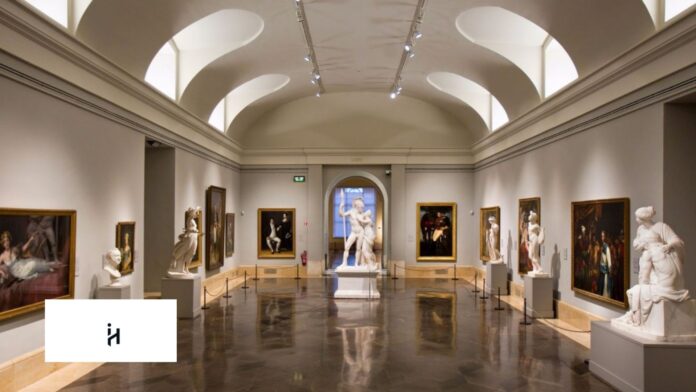
The Museo Nacional del Prado, commonly known as the Prado Museum, is one of the most renowned art museums in the world. Located in the heart of Madrid, Spain, it houses a vast collection of European masterpieces, spanning centuries of artistic evolution. This blog will explore the museum’s rich history, remarkable collections, and its cultural significance.

The Origins of Museo Nacional del Prado: A Vision Realized

The Prado Museum was officially established in 1819 under the reign of King Ferdinand VII, following the initiative of Queen Maria Isabel de Braganza. Initially conceived as a Royal Museum of Paintings and Sculptures, its purpose was to showcase the Spanish monarchy’s impressive art collection.

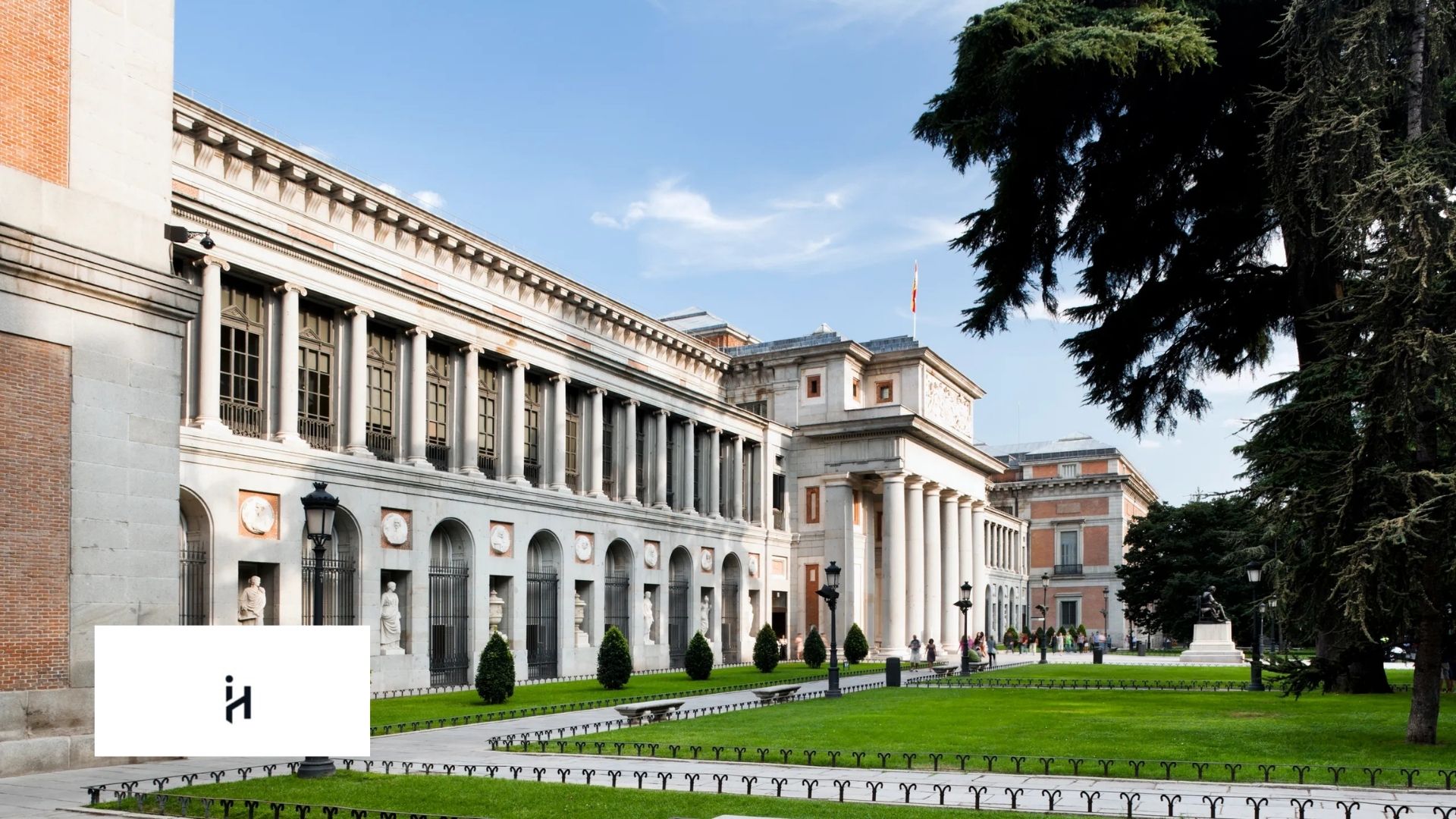
The building that houses the museum was designed by Juan de Villanueva, a neoclassical architect, who originally planned it as a natural history museum. However, the king repurposed it for art, turning it into one of Spain’s most prestigious institutions. Over the years, the collection expanded significantly, incorporating works from various European schools, making it a must-visit cultural landmark.

Museo Nacional del Prado

Architectural Brilliance: A Neoclassical Masterpiece

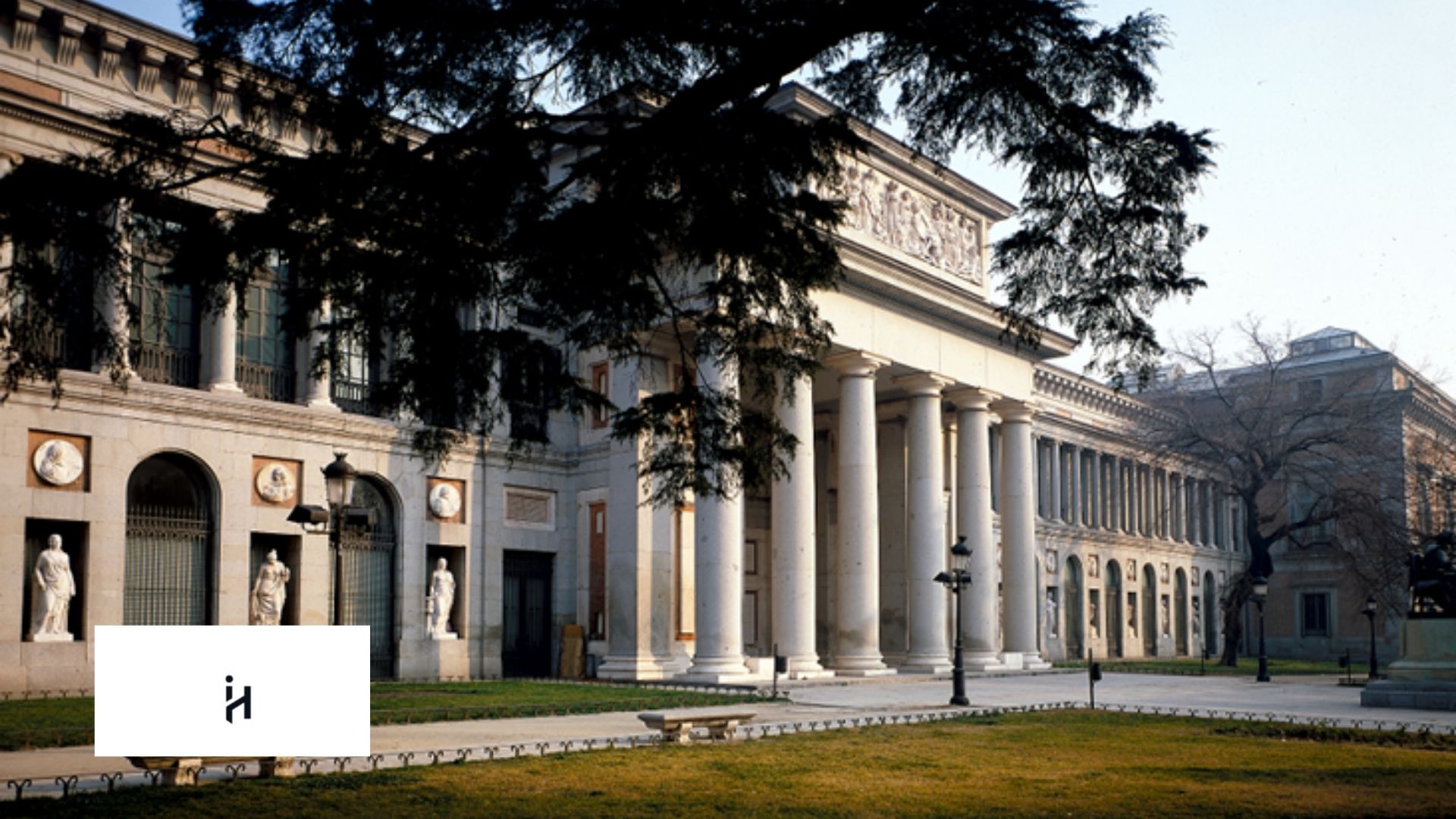
The Prado Museum’s architecture is a striking example of neoclassical design. Constructed with elegant symmetry and classical elements, it reflects the grandeur of 18th-century Spanish architecture. The building’s façade features tall columns, grand archways, and intricate sculptures, creating an aura of artistic prestige.

Despite undergoing numerous renovations and expansions, the museum has preserved its original charm. Modern additions have allowed for better organization and accessibility while maintaining its historical integrity. Today, the Prado remains an architectural jewel, drawing visitors not only for its art but also for its timeless structure.

The Spanish Masters: Velázquez, Goya, and El Greco

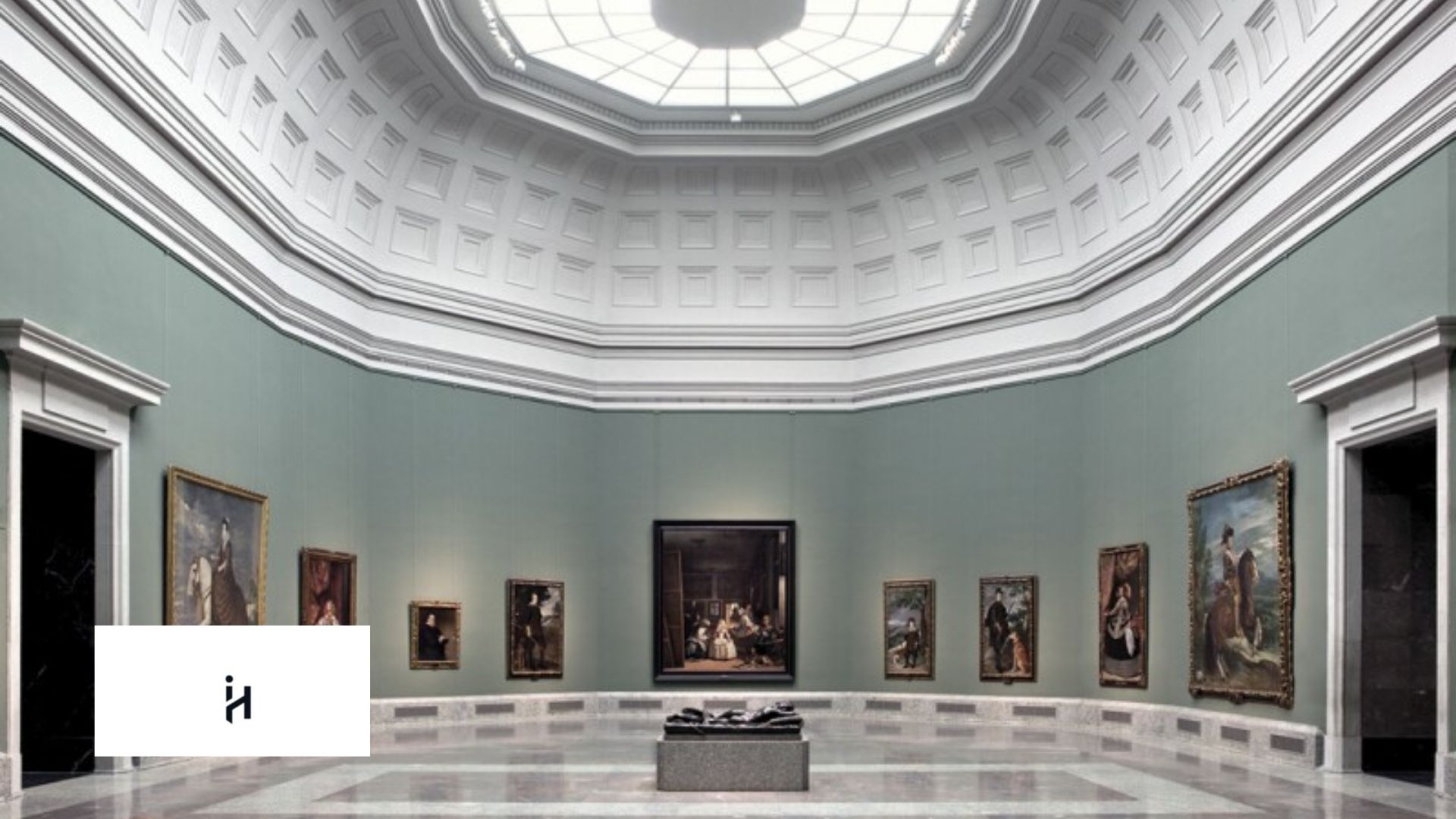
The Prado Museum is best known for its extensive collection of Spanish Golden Age painters, including Diego Velázquez, Francisco Goya, and El Greco. Their works represent some of the most significant artistic achievements in Spain’s history.

  • Diego Velázquez’s Las Meninas (1656) is one of the most analyzed paintings in Western art, admired for its complex composition and depth.
  • Francisco Goya’s The Third of May 1808 (1814) captures the brutality of war, reflecting the struggles of Spain under Napoleon’s invasion.
  • El Greco’s The Adoration of the Shepherds (1614) showcases his signature elongated figures and dramatic use of light and color.

These masterpieces, among many others, solidify the Prado Museum’s reputation as the leading institution for Spanish art.

European Masterpieces: From Raphael to Rembrandt

While the Prado is famous for its Spanish painters, it also boasts an impressive collection of European Old Masters. These include works by Italian, Flemish, and Dutch artists, making it a truly international museum.

  • Titian: The Venetian painter’s Danaë (1554) highlights the sensuality and elegance of Renaissance art.
  • Rubens: His large-scale mythological paintings, such as The Three Graces (1635), showcase the grandeur of Baroque art.
  • Rembrandt: Although the Prado has only a few of his works, they provide insight into the Dutch Golden Age and the artist’s mastery of light and shadow.

The diversity of the Prado’s European collection makes it an essential stop for art enthusiasts worldwide.

The Influence of the Habsburg and Bourbon Monarchs

The Habsburg and Bourbon dynasties played a crucial role in shaping the Prado Museum’s collection. Their patronage of the arts helped accumulate many of the masterpieces displayed today.

  • The Habsburg kings, particularly Philip II and Philip IV, were devoted collectors, bringing in works from Titian, Bosch, and Rubens.
  • The Bourbon dynasty, especially Charles III and Charles IV, expanded the collection further, acquiring works from Goya and other neoclassical artists.

Their artistic legacy remains at the heart of the Prado’s identity, making it a true royal museum.

The Prado’s Expanding Collection: From Antiquity to Modernity

Museo Nacional del Prado

While the Prado Museum is best known for its 16th- to 19th-century art, it has continuously expanded its collection, incorporating sculptures, drawings, and decorative arts.

In recent years, the museum has acquired additional works from the 20th century, ensuring a broader representation of artistic evolution. Although the Prado focuses primarily on classical art, these new additions reflect its commitment to artistic diversity and historical documentation.

The Prado and Its Rivals: How It Compares to Other Museums

The Prado Museum is often compared to the Louvre in Paris, the Uffizi Gallery in Florence, and the National Gallery in London. While these institutions also house European masterpieces, the Prado distinguishes itself with its unparalleled Spanish collection.

Unlike the Louvre, which covers a wide range of cultures, the Prado specializes in Western European art, particularly from Spain. This specialization makes it a unique destination for those interested in the evolution of Spanish and European painting.

The Prado Museum’s Role in Education and Research

Beyond its artistic treasures, the Prado is a leading institution for art research and education. It offers:

  • Educational programs for students and art enthusiasts.
  • Extensive archives and conservation efforts for preserving its priceless collection.
  • Collaborations with international museums to promote art history research.

Its role in art preservation and scholarly research ensures that the Prado remains a beacon of cultural heritage.

Visitor Experience: Tips for Exploring the Prado

A visit to the Prado Museum can be overwhelming due to its vast collection. Here are some essential tips:

  • Plan your visit by prioritizing must-see artworks.
  • Take a guided tour for deeper insights into the masterpieces.
  • Visit early or late in the day to avoid crowds.
  • Use the museum’s app for interactive guides and audio tours.

By following these tips, visitors can fully immerse themselves in the Prado’s artistic wonders.

The Prado Museum in the Digital Age

In response to modern trends, the Prado Museum has embraced digital innovation. It offers:

  • A virtual tour for global audiences.
  • A digital archive allowing art lovers to explore high-resolution images of its collection.
  • Social media engagement to reach younger audiences.

These initiatives make the Prado more accessible, ensuring its relevance in the 21st century.

The Enduring Legacy of Museo Nacional del Prado

Museo Nacional del Prado

The Museo Nacional del Prado is more than just an art museum; it is a cultural institution that preserves, educates, and inspires. Its collection reflects Spain’s rich artistic heritage, making it one of the world’s greatest art destinations.

For art lovers, historians, and travelers alike, the Prado remains an unforgettable experience, where history and creativity come to life in every painting and sculpture.

Q&A Section

Q1: What is the Museo Nacional del Prado best known for?

The Prado Museum is best known for its extensive collection of Spanish Golden Age paintings, particularly works by Diego Velázquez, Francisco Goya, and El Greco. It also houses masterpieces by European artists such as Titian, Rubens, and Bosch.

Q2: Where is the Prado Museum located?

The Museo Nacional del Prado is located in Madrid, Spain, along the Paseo del Prado, one of the city’s most famous boulevards.

Q3: What are the must-see paintings in the Prado Museum?

Some of the most famous paintings include:

  • Las Meninas by Diego Velázquez
  • The Third of May 1808 by Francisco Goya
  • The Garden of Earthly Delights by Hieronymus Bosch
  • The Three Graces by Peter Paul Rubens

Q4: How can I visit the Prado Museum?

Visitors can explore the Prado Museum in person by purchasing tickets online or at the entrance. The museum also offers virtual tours and digital archives for those who cannot visit physically.

Q5: What is the best time to visit the Prado Museum?

The best time to visit is early in the morning or late in the afternoon to avoid crowds. Weekdays tend to be less crowded compared to weekends.

Q6: Does the Prado Museum allow photography?

Photography without flash is allowed in certain areas of the museum. However, some special exhibitions and specific artworks have strict photography restrictions.

Q7: What makes the Prado different from other museums?

Unlike other major art museums like the Louvre or the Uffizi, the Prado specializes in Spanish art and European Old Masters, making it an essential destination for those interested in Western European painting traditions.

For Amazing Updates Keep Visiting ImaginaryHistory.

Abraham Lincoln: The Legacy of a Visionary Leader

0
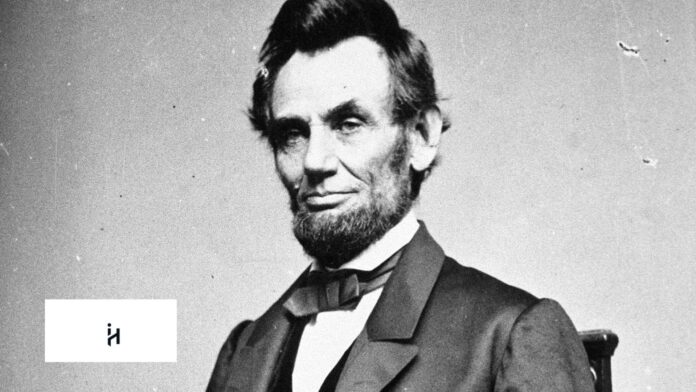
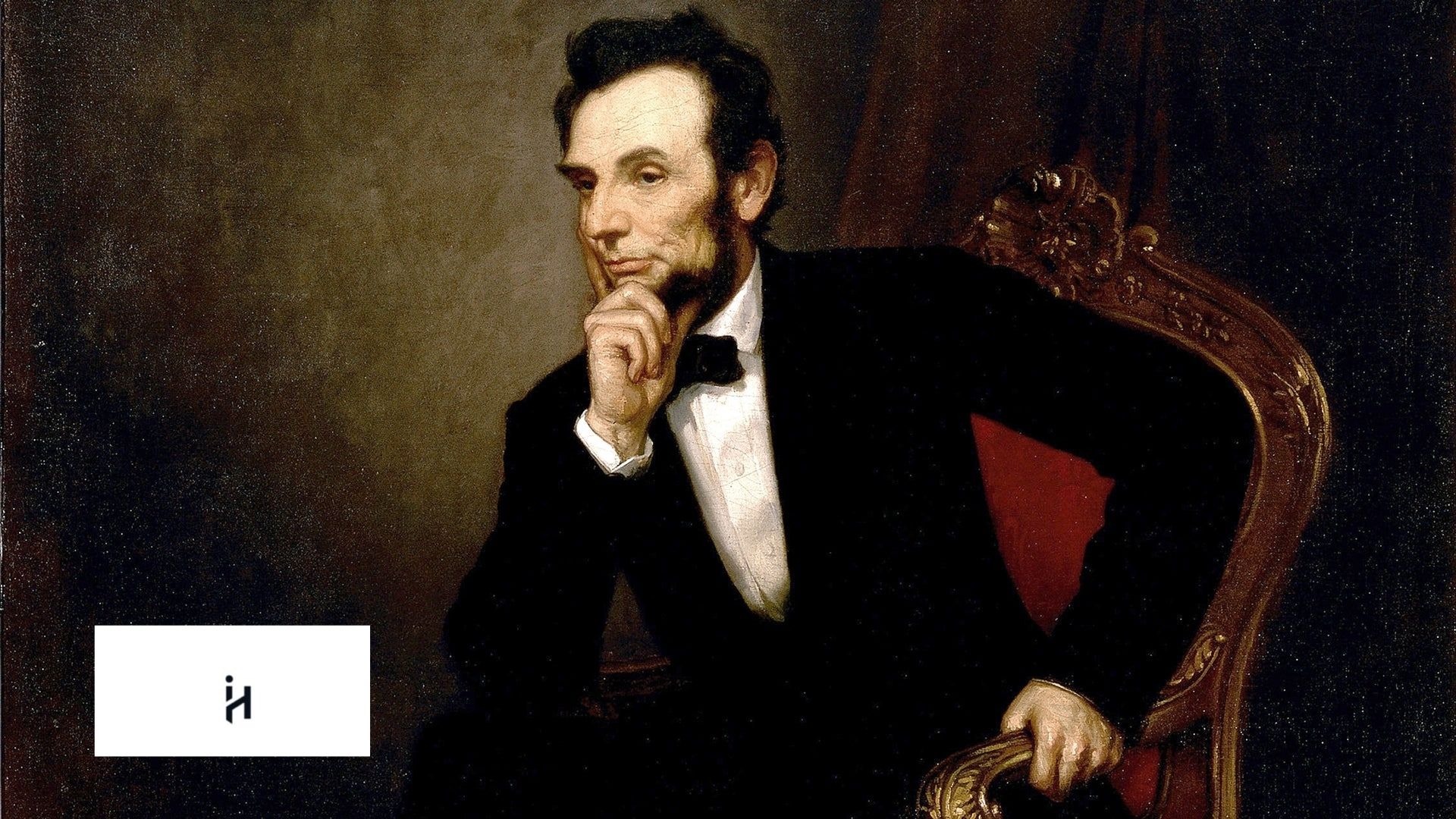
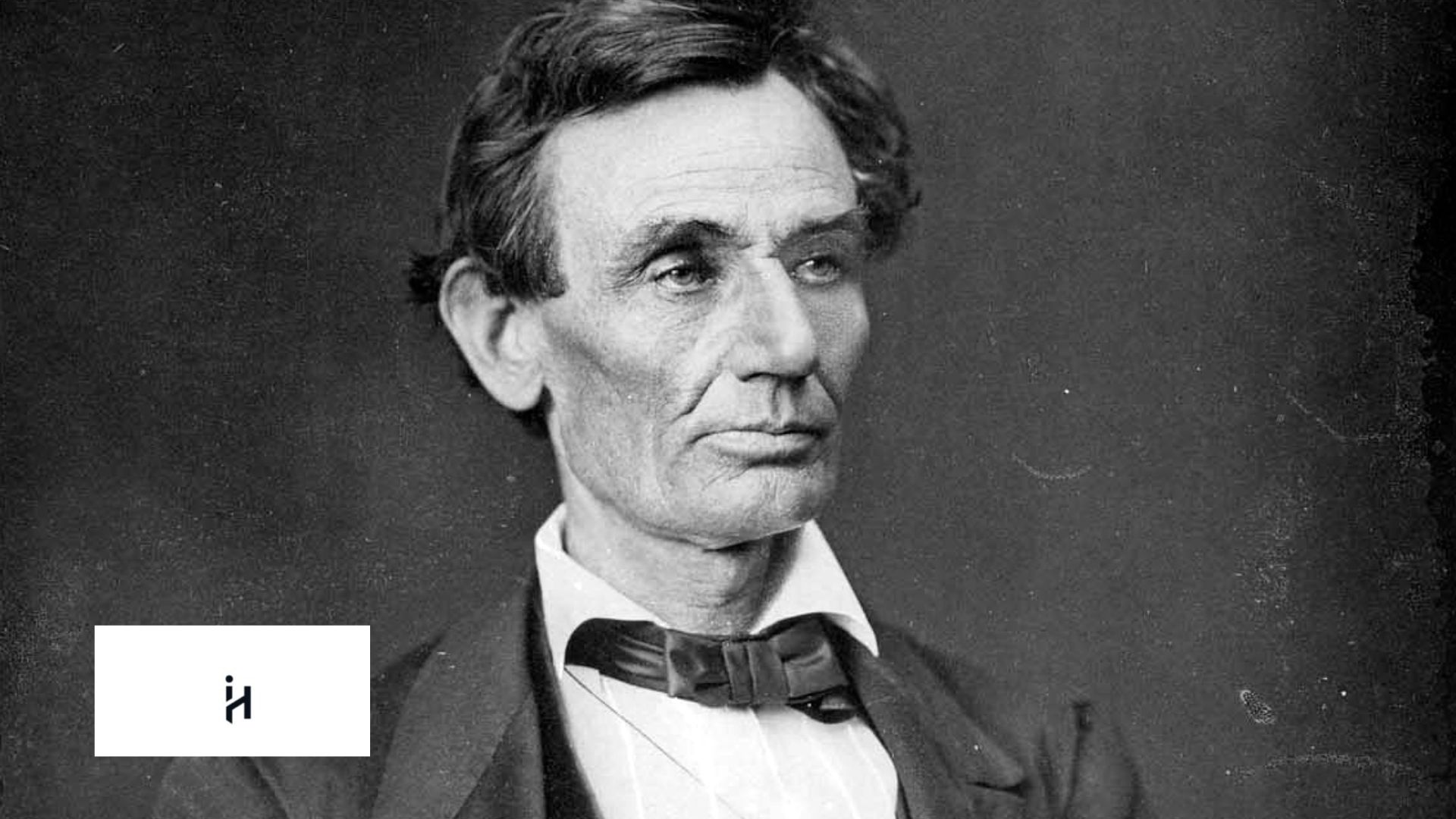
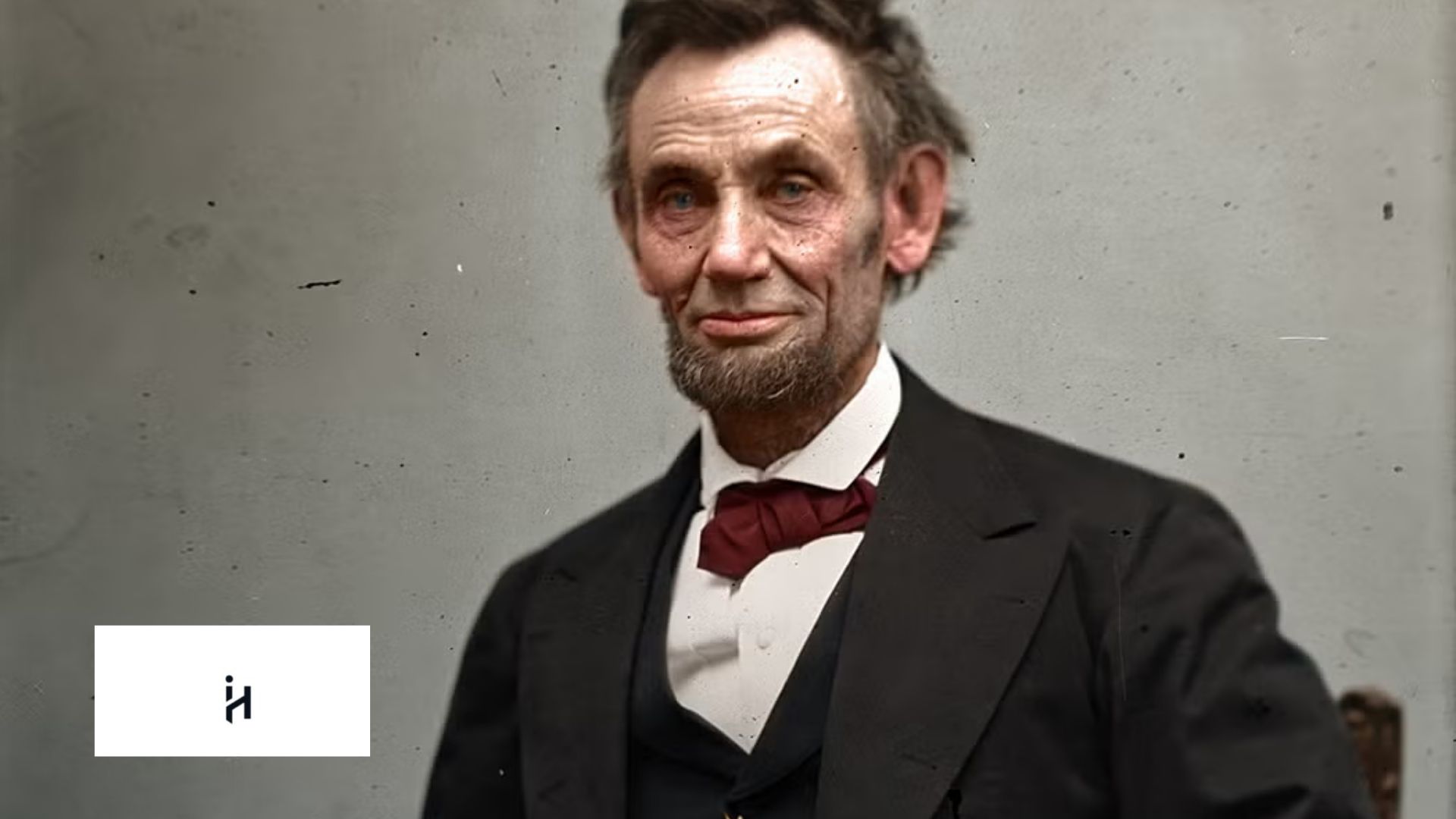
Abraham Lincoln

Early Life and Humble Beginnings

Abraham Lincoln was born on February 12, 1809, in a small one-room log cabin in Hardin County, Kentucky (now LaRue County). His parents, Thomas and Nancy Lincoln, were simple farmers, and young Abraham grew up in poverty. His early life was marked by hard labor, as his family moved to Indiana in 1816 due to land disputes in Kentucky.

Despite having minimal formal education—less than a year in total—Lincoln was a voracious reader. He taught himself by reading borrowed books, including the Bible, Aesop’s Fables, and works by William Shakespeare.

Tragedy struck in 1818 when Lincoln’s mother died from milk sickness. His father later remarried Sarah Bush Johnston, a kind and supportive stepmother who encouraged Lincoln’s love for learning. As a young man, Lincoln took on various jobs, including working as a rail-splitter, store clerk, and surveyor. His early exposure to manual labor and rural struggles shaped his empathy for the common people and reinforced his belief in hard work, honesty, and perseverance.

Abraham Lincoln

Entry into Politics and Legal Career

Lincoln’s political journey began in the 1830s when he served in the Illinois State Legislature as a member of the Whig Party. During this time, he also studied law independently and passed the bar exam in 1836, becoming a successful attorney. He gained a reputation for his sharp wit, logical reasoning, and unwavering integrity, which later earned him the nickname “Honest Abe.”

In the 1840s, Lincoln was elected to the U.S. House of Representatives, where he served one term from 1847 to 1849. His opposition to the Mexican-American War and his moderate stance on slavery limited his political influence at the time. However, his legal career flourished, and he became known for his ability to argue cases with precision.

The Rise of a Leader: Formation of the Republican Party

By the 1850s, the issue of slavery had become increasingly divisive in American politics. The Kansas-Nebraska Act of 1854, which allowed territories to decide for themselves whether to permit slavery, deeply troubled Lincoln. He re-entered politics and helped form the Republican Party, which opposed the expansion of slavery into new territories.

Lincoln’s debates with Stephen A. Douglas in 1858, known as the Lincoln-Douglas Debates, showcased his eloquence and firm stance against slavery’s expansion. Although he lost the Senate race, these debates brought him national recognition and positioned him as a strong presidential candidate.

The 1860 Presidential Election and the Road to the White House

The 1860 presidential election was one of the most consequential in American history. Lincoln emerged as the Republican candidate, advocating for the containment of slavery rather than its immediate abolition. His victory, despite not being on the ballot in several Southern states, triggered secessionist movements in the South.

Lincoln’s election led to the secession of seven Southern states before he even took office. By the time of his inauguration on March 4, 1861, the nation was on the brink of civil war. Despite the rising tensions, Lincoln remained committed to preserving the Union.

The American Civil War: A Nation Divided

The Civil War began on April 12, 1861, with the Confederate attack on Fort Sumter. Lincoln faced immense challenges as the leader of a divided nation. Initially, his primary goal was to restore the Union, rather than abolish slavery. However, as the war progressed, he recognized that slavery was at the heart of the conflict.

Lincoln faced criticism from all sides—abolitionists wanted immediate emancipation, while others feared the consequences of ending slavery. Nevertheless, he remained steadfast in his leadership, making strategic decisions that would ultimately lead the Union to victory.

The Emancipation Proclamation and the Fight for Freedom

On January 1, 1863, Lincoln issued the Emancipation Proclamation, declaring all enslaved people in Confederate-controlled territories free. Though it did not immediately end slavery, it was a turning point in American history. The proclamation gave the war a moral purpose, shifted international support in favor of the Union, and paved the way for the 13th Amendment.

This bold action changed the nature of the Civil War, making it not just a fight for the Union, but a battle for human rights. It also allowed African Americans to enlist in the Union Army, further strengthening the North’s military efforts.

Lincoln’s Leadership and Legacy in the Civil War

Throughout the Civil War, Lincoln displayed exceptional leadership. He carefully managed relationships with his generals, some of whom failed to meet expectations. His eventual appointment of Ulysses S. Grant as the Union’s commanding general marked a turning point in the war.

Abraham Lincoln

Lincoln’s ability to communicate with the public through speeches and letters demonstrated his deep empathy and understanding of the people’s struggles. His Gettysburg Address, delivered in 1863, remains one of the most powerful speeches in American history, emphasizing democracy and national unity.

The 1864 Re-Election and the End of the War

Despite the ongoing war, Lincoln sought re-election in 1864. Many believed he would lose due to the prolonged conflict and mounting casualties. However, with key Union victories and growing public support, Lincoln won the election against Democratic candidate George McClellan.

By April 1865, the Confederacy was collapsing. On April 9, General Robert E. Lee surrendered to Grant at Appomattox Court House, effectively ending the war. Lincoln’s vision of a reunited nation was close to becoming a reality.

The Tragic Assassination of Abraham Lincoln

On April 14, 1865, just days after the war’s end, Lincoln attended a play at Ford’s Theatre in Washington, D.C. During the performance, he was assassinated by John Wilkes Booth, a Confederate sympathizer. He was pronounced dead the following morning, making him the first U.S. president to be assassinated.

His death shocked the nation and left an irreplaceable void in American leadership. Lincoln’s plans for Reconstruction and national healing were left unfinished, leading to years of political struggle in the South.

The Impact and Legacy of Lincoln’s Presidency

Lincoln’s presidency had a lasting impact on the United States. His leadership during the Civil War preserved the Union, and his actions laid the foundation for the abolition of slavery. The 13th Amendment, passed in December 1865, officially ended slavery in the U.S.

His legacy as a champion of democracy, equality, and justice remains unparalleled. Many historians rank Lincoln as one of the greatest U.S. presidents for his ability to lead the nation through its darkest times.

Remembering Abraham Lincoln: A Symbol of Unity and Strength

Over the years, Lincoln has been honored in countless ways. The Lincoln Memorial in Washington, D.C., stands as a tribute to his leadership and vision. His speeches, writings, and ideals continue to inspire leaders worldwide.

Abraham Lincoln’s life was a testament to perseverance, courage, and moral integrity. From his humble beginnings to his tragic assassination, he shaped American history in ways few others have. His legacy lives on in the principles of freedom, democracy, and unity that he fought so hard to uphold.

Abraham Lincoln

Q&A Section

Q1: What were Abraham Lincoln’s major accomplishments?

Abraham Lincoln’s major accomplishments include leading the United States through the Civil War, issuing the Emancipation Proclamation, delivering the Gettysburg Address, preserving the Union, and promoting the passage of the 13th Amendment, which abolished slavery.

Q2: Why is Abraham Lincoln considered one of the greatest U.S. presidents?

Lincoln is considered one of the greatest presidents due to his leadership during the Civil War, his commitment to ending slavery, his ability to unite the nation, and his profound impact on democracy and human rights. His speeches and policies continue to influence modern governance.

Q3: What was the purpose of the Emancipation Proclamation?

The Emancipation Proclamation, issued on January 1, 1863, declared all enslaved people in Confederate-held territories free. It transformed the Civil War into a fight for human rights and paved the way for the abolition of slavery through the 13th Amendment.

Q4: How did Abraham Lincoln’s assassination impact the United States?

Lincoln’s assassination on April 14, 1865, left the nation in shock and disrupted his plans for Reconstruction. His death led to political struggles in the South, and his vision for a peaceful reunification of the country was left incomplete.

Q5: What is Abraham Lincoln’s legacy today?

Lincoln’s legacy endures as a symbol of unity, leadership, and justice. His speeches, principles, and contributions to American democracy continue to inspire leaders and citizens worldwide. The Lincoln Memorial in Washington, D.C., stands as a tribute to his impact.

Conclusion

Abraham Lincoln’s life and leadership transformed the United States at one of its most challenging times. From his humble beginnings to his rise as the 16th president, he demonstrated resilience, intelligence, and an unwavering commitment to justice.

His role in preserving the Union, abolishing slavery, and promoting democratic values solidified his place as one of the greatest figures in history. Despite his tragic assassination, Lincoln’s legacy continues to shape America’s ideals of freedom and equality. His words and actions remain relevant, reminding us of the power of integrity, perseverance, and leadership.

For Amazing Updates Keep Visiting ImaginaryHistory.