Home Blog Page 103

Vault Opener NYT Crossword – Everything You Need to Know

0
Vault Opener NYT Crossword

The New York Times (NYT) Crossword is a globally renowned puzzle that challenges the minds of millions of solvers daily. Among its vast collection of clues, some are more enigmatic than others—one such example is “Vault Opener.” Many solvers find themselves stuck on this clue, wondering what possible answers fit the given space. In this blog, we will explore everything related to the “Vault Opener” NYT crossword clue, its possible answers, strategies for solving similar clues, and the overall significance of wordplay in crossword puzzles.

Understanding the NYT Crossword and Its Popularity

The NYT Crossword is not just a pastime; it is a brain exercise, a cultural touchstone, and a competitive sport for many enthusiasts. Established in 1942, the crossword has grown into one of the most prestigious and challenging puzzles worldwide. It is known for its clever wordplay, themed puzzles, and evolving difficulty level throughout the week—Monday being the easiest and Saturday being the hardest. The Sunday puzzle is the largest and often features intricate themes.

Millions of solvers tackle the NYT Crossword daily, either in print or online, and some even compete in national crossword tournaments. With cryptic clues, puns, and trivia-based solutions, the puzzle keeps solvers engaged and constantly thinking.

Vault Opener NYT Crossword

What Does “Vault Opener” Mean in Crossword Terms?

Crossword clues often have double meanings or require a bit of lateral thinking. The phrase “Vault Opener” can be interpreted in multiple ways. A “vault” could refer to a secured room for valuables, a gymnastics move, or a type of leap. “Opener” suggests something that starts or unlocks something.

In crossword puzzles, such clues often have answers that are synonyms or related terms. The challenge is determining the precise meaning the clue is pointing to based on the puzzle’s theme and word structure.

Common Answers for “Vault Opener” in NYT Crossword

The answer to “Vault Opener” in the NYT Crossword can vary depending on the puzzle. However, some common answers include:

  • KEY – A literal object that unlocks a vault.
  • CODE – Many vaults use combination codes for security.
  • SAFECRACKER – A person skilled in opening vaults.
  • LATCH – A locking mechanism.
  • DIGIT – A number that might be part of a code.

The correct answer depends on the number of spaces available and any intersecting words in the puzzle.

How to Approach Crossword Clues Like “Vault Opener”

Solving tricky crossword clues requires strategic thinking. Here are some steps to follow:

  • Look for synonyms – Think of different words that could mean the same thing.
  • Consider the clue’s category – Is it literal, metaphorical, or a pun?
  • Identify letter patterns – Fill in known letters from crossing words.
  • Check past puzzles – Recurring clues often have similar answers.

This approach can help even beginner solvers tackle challenging NYT Crossword clues.

Why Crossword Puzzles Use Indirect and Tricky Clues

The NYT Crossword is famous for its wordplay and indirect clues. Instead of straightforward definitions, clues often rely on puns, cultural references, or multiple meanings. This makes solving more engaging and rewarding.

For example, “Vault Opener” might not always be a physical key—it could be a metaphor for something that starts a process. This ambiguity is part of what makes the NYT Crossword so intellectually stimulating.

The Role of Crossword Themes in Determining Answers

Vault Opener NYT Crossword

Many NYT Crossword puzzles have themes that influence the answers. A puzzle focused on banking terms might lead “Vault Opener” to be “CODE,” whereas a puzzle about gymnastics could result in “SPRING.” Recognizing the theme can narrow down possible answers and make solving easier.

Crossword Solving Techniques for Beginners

If you’re new to solving crosswords, here are some tips:

  • Start with easy puzzles (Monday editions).
  • Fill in short words first.
  • Look for common crossword words like ERA, ORE, and EPEE.
  • Don’t be afraid to use a crossword dictionary or solver tool.

Practicing regularly will improve your ability to decipher even the trickiest clues.

The Importance of Wordplay and Double Meanings

Wordplay is at the heart of crossword puzzles. Many clues, like “Vault Opener,” have multiple interpretations. Solvers must think creatively and recognize how different meanings of words can be used. Understanding homonyms, anagrams, and puns is essential for mastering crosswords.

How Crossword Construction Influences Clue Difficulty

Crossword constructors design puzzles with varying levels of difficulty. Early-week puzzles have direct clues, while later-week puzzles use misdirection and wordplay. “Vault Opener” might appear in different forms depending on the puzzle’s complexity, making it more challenging on harder days.

Resources to Improve Your Crossword Solving Skills

Improving at crosswords requires practice and the right resources. Here are some useful tools:

  • NYT Crossword Archive – Access past puzzles.
  • Crossword Solver Websites – Find possible answers.
  • Books on Crossword Strategies – Learn from experts.
  • Wordplay Blogs and Forums – Discuss with other solvers.

Regularly solving puzzles and engaging with the crossword community will enhance your skills.

FAQs on “Vault Opener” NYT Crossword

1. What does “Vault Opener” mean in the NYT Crossword?

It refers to something that can open a vault, such as a key, code, safecracker, latch, or digit in a combination lock.

2. What are the most common answers for “Vault Opener”?

Some frequent answers include:

  • KEY – A physical key used to unlock a vault.
  • CODE – A combination code for a vault.
  • SAFECRACKER – A person skilled in opening vaults.
  • LATCH – A locking mechanism.
  • DIGIT – A number used in vault security codes.

3. How can I solve tricky crossword clues like “Vault Opener”?

  • Consider synonyms and alternative meanings.
  • Identify the clue’s category—literal or metaphorical.
  • Use known letters from crossing words.
  • Refer to past NYT crosswords for similar clues.

4. How often does “Vault Opener” appear in the NYT Crossword?

This exact phrase may not appear frequently, but variations like “Safe Opener” or “Combination Starter” are common in crossword puzzles.

5. Are crossword solver tools helpful for tricky clues?

Yes, online solvers can provide possible answers based on letter patterns, but improving your solving skills will help you tackle puzzles without external tools.

6. Why do crossword clues use wordplay and misleading hints?

The NYT Crossword is designed to challenge solvers with puns, homonyms, and hidden meanings, making it more engaging and rewarding.

7. What should I do if I get stuck on a clue?

  • Take a break and revisit the puzzle later.
  • Solve other clues to fill in letters.
  • Think of alternative meanings for the clue’s words.
  • Look up similar clues in past puzzles.

8. What resources can help improve crossword-solving skills?

Some great tools include:

  • NYT Crossword App – Access daily puzzles.
  • Crossword Solver Websites – Find potential answers.
  • Wordplay Blogs – Learn expert strategies.
  • Crossword Books – Deepen your solving techniques.

9. Which day is the hardest for solving the NYT Crossword?

  • Monday – Easiest, with simple clues.
  • Saturday – Hardest, featuring tricky wordplay.
  • Sunday – Largest puzzle with unique themes.

10. Can solving crosswords improve cognitive skills?

Yes! Regular crossword solving enhances vocabulary, sharpens critical thinking, and improves problem-solving abilities. It’s an excellent mental exercise!

Conclusion: The Joy of Solving Tricky Clues

The NYT Crossword is more than just a puzzle—it’s a mental workout that keeps your brain sharp. Clues like “Vault Opener” challenge solvers to think beyond the obvious, making the experience both fun and rewarding. By using strategies, recognizing themes, and practicing regularly, anyone can improve their crossword-solving abilities.

So, the next time you see “Vault Opener” in the NYT Crossword, you’ll be ready to crack the clue and continue your puzzle-solving journey with confidence. Happy solving!

For Amazing Updates Keep Visiting ImaginaryHistory.

Who Is the Builder of the Taj Mahal? A Deep Dive into History

0
Who Is the Builder of the Taj Mahal?

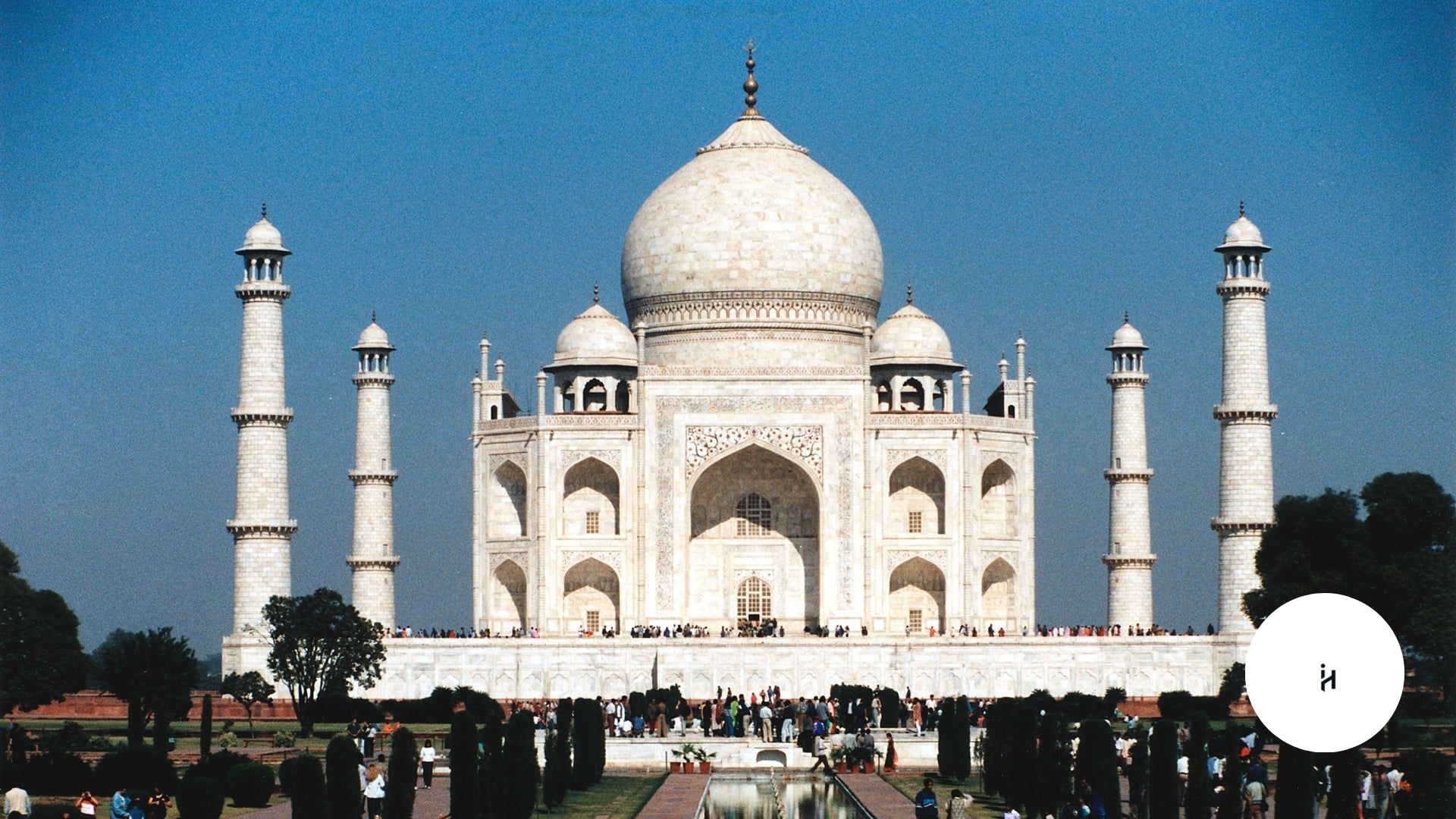
The Taj Mahal is one of the most magnificent architectural wonders in the world, standing as a symbol of love, devotion, and artistic brilliance. However, behind its breathtaking beauty lies a story of its creation, the mastermind behind its construction, and the countless artisans who contributed to bringing this grand vision to life. In this blog, we will explore in detail who built the Taj Mahal, the historical significance of its creation, and the various individuals involved in shaping this iconic monument.

The Visionary Behind the Taj Mahal: Emperor Shah Jahan

The Taj Mahal was commissioned by Mughal Emperor Shah Jahan, the fifth ruler of the Mughal dynasty, in memory of his beloved wife, Mumtaz Mahal. Born in 1592, Shah Jahan was known for his patronage of art, architecture, and culture. His reign from 1628 to 1658 was marked by the construction of some of the most remarkable buildings in India, including the Red Fort in Delhi and the Jama Masjid.

Mumtaz Mahal, originally named Arjumand Banu Begum, was Shah Jahan’s favorite wife and his constant companion. Her untimely death in 1631 during childbirth deeply affected the emperor, and he decided to build a mausoleum that would immortalize their love. This led to the conception of the Taj Mahal, a project that would take over 20 years to complete.

Shah Jahan’s vision was not just to build a tomb but to create an architectural masterpiece that would symbolize eternal love. He spared no expense in ensuring the finest materials and the best artisans were employed in its construction. His deep involvement in the planning and execution of the project is what makes him the true visionary behind the Taj Mahal.

Who Is the Builder of the Taj Mahal?

The Chief Architect: Ustad Ahmad Lahauri

While Shah Jahan provided the vision for the Taj Mahal, the chief architect responsible for bringing this vision to life was Ustad Ahmad Lahauri. He was a Persian architect of Mughal descent and one of the most skilled designers of his time.

Ustad Ahmad Lahauri is believed to have been the principal architect of the Taj Mahal, leading a team of thousands of artisans, engineers, and laborers. His expertise in Mughal, Persian, and Indian architectural styles played a crucial role in shaping the monument’s design.

The design of the Taj Mahal incorporated elements of Islamic, Persian, Turkish, and Indian architecture, blending them into a harmonious masterpiece. Lahauri’s ability to balance aesthetics with structural integrity ensured that the Taj Mahal would stand the test of time. The symmetrical layout, the use of white marble, and the intricate calligraphy and inlay work are all testaments to his architectural genius.

The Master Craftsmen and Artisans Involved

The Taj Mahal was not the work of a single individual; it was the collective effort of thousands of master craftsmen, artisans, and laborers from different parts of the world. Skilled workers from Persia, Central Asia, and India were brought together to contribute to various aspects of the construction.

Stonecutters, calligraphers, inlay artists, and masons worked meticulously to shape the intricate details of the monument. The exquisite marble inlays featuring semi-precious stones were crafted by artisans skilled in the ancient art of Pietra Dura. The intricate floral patterns, geometric designs, and Quranic inscriptions were carefully executed by master calligraphers.

The involvement of these craftsmen ensured that every aspect of the Taj Mahal was perfected to the highest standards of artistry. Their combined efforts transformed Shah Jahan’s dream into a tangible reality that continues to inspire awe and admiration centuries later.

The Role of Persian and Central Asian Influences

The architectural inspiration for the Taj Mahal was heavily influenced by Persian and Central Asian styles. The use of domes, minarets, and symmetrical gardens reflects the influence of Persian architecture, particularly the Timurid and Safavid styles.

Shah Jahan’s ancestors, the Mughals, were of Central Asian descent and had brought with them a rich tradition of architectural excellence. The design of the Taj Mahal closely resembles the Persian concept of a “paradise garden,” with its carefully planned layout, water channels, and lush greenery.

The influence of Persian architecture is also evident in the pointed archways, intricate tile work, and the overall grandeur of the structure. The fusion of these foreign architectural elements with Indian craftsmanship resulted in a unique and timeless masterpiece.

The Engineering Marvel Behind the Structure

One of the most remarkable aspects of the Taj Mahal is its engineering precision. Built on the banks of the Yamuna River, the foundation was carefully designed to prevent sinking or damage due to water erosion.

To ensure stability, the engineers used a wooden foundation that absorbs moisture from the river, preventing structural deterioration. The central dome, which rises to a height of 73 meters, was constructed using advanced weight distribution techniques to prevent collapse.

The optical illusions within the Taj Mahal, such as the minarets appearing straight when viewed from afar but slightly tilting outward in reality, were intentional design choices to protect against earthquakes. These advanced engineering techniques highlight the level of expertise employed in its construction.

The Materials Used in Construction

Who Is the Builder of the Taj Mahal?

The Taj Mahal is renowned for its pristine white marble, sourced from Makrana in Rajasthan, India. This high-quality marble was chosen for its durability, smooth texture, and ability to reflect light beautifully.

In addition to marble, the monument was adorned with semi-precious stones such as lapis lazuli, turquoise, jade, sapphire, and onyx. These stones were inlaid into the marble using the Pietra Dura technique to create mesmerizing floral and geometric patterns.

The red sandstone used in the surrounding structures, such as the mosque and guesthouse, contrasts beautifully with the white marble, adding to the visual appeal of the complex.

The Calligraphy and Inscriptions on the Taj Mahal

The Quranic inscriptions adorning the Taj Mahal were executed by the renowned calligrapher Amanat Khan. These inscriptions, crafted with black marble inlaid into the white marble background, enhance the spiritual aura of the monument.

Each inscription was carefully designed to appear uniform from various angles, showcasing the expertise of the calligraphers. The verses chosen emphasize themes of paradise, divine love, and eternity, aligning with the purpose of the mausoleum.

The Cost and Labor Behind the Monument

The construction of the Taj Mahal involved over 20,000 laborers, including masons, stonecutters, painters, calligraphers, and jewelers. The cost of building the monument is estimated to have been around 32 million rupees at the time, equivalent to billions of dollars today.

The logistics of transporting materials were extraordinary, with elephants and oxen used to carry heavy marble blocks and precious stones from distant regions.

The Completion and Unveiling of the Taj Mahal

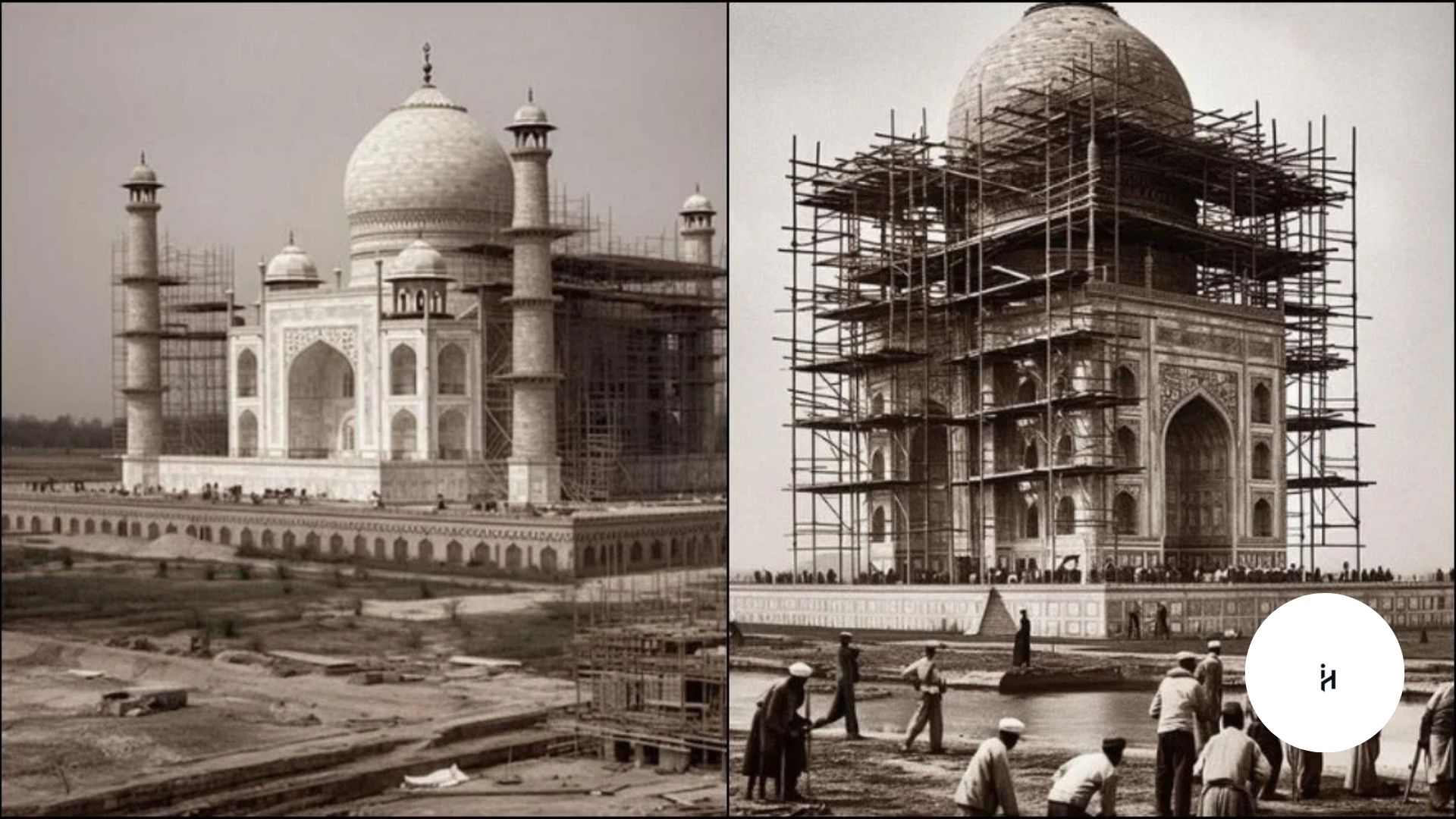
The Taj Mahal was completed in 1653 after more than two decades of construction. It was unveiled as a symbol of Mughal architectural brilliance and became an enduring emblem of India’s cultural heritage.

The Fate of Shah Jahan After the Taj Mahal’s Completion

After completing the Taj Mahal, Shah Jahan was overthrown by his son, Aurangzeb, and imprisoned in the Red Fort of Agra. He spent his final years gazing at the monument from his prison window before passing away in 1666.

The Taj Mahal’s Legacy and Global Recognition

Today, the Taj Mahal is a UNESCO World Heritage Site and one of the New Seven Wonders of the World. Its beauty, historical significance, and architectural brilliance continue to attract millions of visitors each year.

Its legacy as a monument of love and artistic excellence remains unmatched, making it one of the most treasured landmarks in human history.

Q&A Section on the Builder of the Taj Mahal

Q1: Who built the Taj Mahal?

A: The Taj Mahal was commissioned by Mughal Emperor Shah Jahan in memory of his wife, Mumtaz Mahal. The chief architect responsible for its design was Ustad Ahmad Lahauri.

Q2: Why was the Taj Mahal built?

A: The Taj Mahal was built as a mausoleum for Mumtaz Mahal, Shah Jahan’s beloved wife, who died during childbirth in 1631. It symbolizes eternal love and devotion.

Q3: How long did it take to build the Taj Mahal?

A: The construction of the Taj Mahal began in 1632 and was completed in 1653, taking approximately 21 years.

Who Is the Builder of the Taj Mahal?

Q4: Who were the key contributors to the Taj Mahal’s construction?

A: Apart from Ustad Ahmad Lahauri, thousands of artisans, calligraphers, and craftsmen from Persia, Central Asia, and India contributed to the intricate details of the monument.

Q5: What materials were used in the construction of the Taj Mahal?

A: The primary material used was white marble from Makrana, Rajasthan. Additionally, semi-precious stones such as lapis lazuli, turquoise, jade, and sapphire were inlaid using the Pietra Dura technique.

Q6: How was the Taj Mahal designed to withstand natural disasters?

A: The Taj Mahal was engineered with a wooden foundation that absorbs moisture from the Yamuna River, and its minarets were built slightly tilted outward to prevent damage during earthquakes.

Q7: What happened to Shah Jahan after the Taj Mahal was built?

A: Shah Jahan was overthrown by his son, Aurangzeb, in 1658 and imprisoned in the Red Fort of Agra, where he spent his final years gazing at the Taj Mahal before passing away in 1666.

Q8: Is the Taj Mahal a UNESCO World Heritage Site?

A: Yes, the Taj Mahal was designated a UNESCO World Heritage Site in 1983 due to its cultural and architectural significance.

Q9: How many workers were involved in building the Taj Mahal?

A: Over 20,000 laborers, including masons, stonecutters, painters, calligraphers, and jewelers, worked on the construction of the Taj Mahal.

Q10: What makes the Taj Mahal an architectural masterpiece?

A: The Taj Mahal combines elements of Persian, Indian, and Islamic architecture, featuring perfect symmetry, intricate marble inlays, calligraphy, and a grand central dome, making it one of the finest examples of Mughal architecture.

For Amazing Updates Keep Visiting ImaginaryHistory.
Karen Read: Unveiling the Life and Legacy of a Remarkable Individual

0
Karen Read

Karen Read is a name that carries significance in various fields, from her early beginnings to the more profound contributions she made throughout her life. Known for her exceptional accomplishments in different areas, Karen’s journey has been an inspiration to many. This blog aims to explore the different aspects of her life, highlighting her achievements, challenges, and the legacy she left behind. Whether in the professional world, her personal life, or through her contributions to the community, Karen Read’s name resonates with a message of determination and success. Let’s delve into the various facets of her life.

Early Life and Background: The Foundation of Success

Karen Read’s story begins in a small town, where she was born and raised. From a young age, she displayed a strong sense of curiosity and an insatiable desire to learn. Her early years were shaped by the values instilled by her family, emphasizing the importance of education, hard work, and integrity. Karen’s parents played an instrumental role in nurturing her interests, and they encouraged her to explore various passions. As she grew older, she began to demonstrate a natural talent for leadership, which would later serve her well in both her personal and professional endeavors.

Karen Read

Her background was one that stressed the importance of family, education, and resilience. While growing up in a modest environment, Karen made sure to capitalize on every opportunity that came her way. These formative years set the stage for the driven, determined, and well-rounded individual she would become in adulthood. The lessons she learned as a child would continue to guide her throughout her life, shaping the way she approached challenges and opportunities alike.

Educational Journey: Developing a Strong Academic Foundation

Karen Read’s academic journey was one of excellence, reflecting her thirst for knowledge and dedication to learning. She attended some of the most prestigious schools in the country, where she excelled in a variety of subjects. Her intellectual prowess became evident early on, as she consistently achieved top marks in her studies. Karen’s keen interest in subjects like science, literature, and history allowed her to develop a well-rounded understanding of the world around her.

Her time at university was a turning point, as she began to hone her skills in specific areas of interest. Karen’s focus shifted toward subjects that aligned with her long-term goals, and she pursued advanced degrees in areas such as business and leadership. Her academic achievements laid the groundwork for a successful career, and her reputation as a determined and insightful individual continued to grow.

Throughout her educational years, Karen was not just a student but also a mentor. She often found herself guiding her peers and younger students, which further solidified her position as a natural leader. These formative years helped her develop the critical thinking and problem-solving skills that would serve her well in all of her future endeavors.

Career Beginnings: Entering the Professional World

After completing her education, Karen Read ventured into the professional world with a clear sense of purpose and direction. Armed with an impressive academic background, she quickly established herself as a force to be reckoned with in her field. Her career trajectory was marked by a series of strategic decisions that allowed her to climb the corporate ladder swiftly. Karen was always willing to take on challenges and often went above and beyond what was expected of her.

She initially entered the corporate sector, where she worked for several years in various roles. These early experiences provided her with the practical knowledge and skills necessary to navigate the competitive landscape of the business world. Despite the challenges she faced as a woman in a male-dominated field, Karen proved time and time again that she was more than capable of holding her own.

Karen’s dedication to her work and her ability to think critically and strategically were key factors in her rise to the top. Her reputation for delivering results earned her respect among her peers, and she soon found herself taking on more significant responsibilities. Her career took a turn toward leadership, where she would go on to make lasting contributions that would impact her industry.

Overcoming Challenges: Resilience in the Face of Adversity

Like many successful individuals, Karen Read faced her fair share of challenges along the way. From overcoming personal struggles to navigating the complexities of the corporate world, her journey was not without obstacles. However, what set Karen apart was her resilience. Rather than being deterred by setbacks, she viewed them as opportunities to grow and learn.

Karen’s ability to bounce back from adversity became one of her most defining characteristics. She never allowed herself to be defined by failure and always found a way to turn difficult situations into stepping stones for success. Whether it was a tough business decision or a personal challenge, Karen’s approach was always grounded in optimism and the belief that every experience, good or bad, held valuable lessons.

Her resilience was not only evident in her personal life but also in her professional endeavors. She inspired those around her with her unwavering commitment to overcoming challenges, and her ability to persevere through tough times earned her a reputation as a leader who could be relied upon in any situation.

Karen Read

Leadership and Impact: Karen’s Influence on the Workplace

One of the defining aspects of Karen Read’s career was her leadership. Throughout her professional journey, she made significant contributions as a leader, shaping teams and organizations in ways that had a lasting impact. Karen’s leadership style was one that combined empathy with strategic thinking, creating an environment where individuals were empowered to succeed.

Her ability to motivate and inspire others was one of the cornerstones of her success. Karen was known for her transparent communication style, her willingness to listen, and her commitment to fostering a positive and productive work environment. She was a champion of diversity and inclusion, striving to create workplaces where individuals of all backgrounds could thrive.

Her influence extended beyond the workplace as well. Karen actively mentored up-and-coming professionals, helping them navigate the complexities of their careers. Many of those who worked under Karen’s leadership went on to achieve great success themselves, citing her as a significant source of inspiration. Karen’s legacy as a leader is one of empowerment, mentorship, and positive change.

Personal Life and Values: Balancing Career and Family

While Karen’s professional achievements are certainly impressive, her personal life played an equally significant role in shaping who she is today. Throughout her career, Karen always made sure to prioritize her family and personal well-being. She recognized the importance of maintaining a healthy work-life balance and made it a priority to spend quality time with loved ones.

Karen’s personal values were rooted in kindness, integrity, and the belief that success is not just about professional accomplishments but also about fostering meaningful relationships. She took great pride in her role as a mentor, both professionally and personally, offering guidance and support to those who sought it. Despite her busy schedule, Karen always made time for her family, demonstrating that it is possible to be both a successful professional and a devoted family member.

Her ability to balance her career with her personal life served as a model for others, especially for women seeking to navigate similar challenges. Karen’s life was a testament to the idea that success can be measured in many ways, and personal happiness and fulfillment should never be overlooked.

Karen Read’s Philanthropy: Giving Back to the Community

Karen’s contributions were not limited to her career and personal life. She was also deeply committed to philanthropy and giving back to the community. Throughout her life, Karen supported various causes, focusing on initiatives that aligned with her values of education, equality, and empowerment. She believed in using her success to make a positive impact on the world.

Karen supported a range of charitable organizations, from local community groups to global causes, all with the goal of helping others. Whether it was donating her time, resources, or expertise, Karen was always looking for ways to contribute to the greater good. She often took on leadership roles in these organizations, using her skills to help drive initiatives forward.

Her philanthropic efforts were not just about financial donations; Karen was also involved in hands-on work, helping to organize events, mentor youth, and support causes she was passionate about. She believed that true success comes from making a difference in the lives of others, and her legacy in philanthropy continues to inspire those who follow in her footsteps.

Awards and Recognition: Celebrating Achievements

Throughout her career, Karen Read received numerous awards and accolades for her work. Her contributions to her industry, her leadership abilities, and her commitment to making a difference in the world did not go unnoticed. From industry-specific awards to broader recognitions for her philanthropic efforts, Karen’s achievements were celebrated on a global scale.

These accolades were not just a testament to her skills and accomplishments but also to the impact she had on those around her. Karen’s influence was far-reaching, and the recognition she received only served to reinforce her commitment to excellence. However, Karen always remained humble, viewing the awards as acknowledgment of the collective efforts of the teams and communities she worked with.

Her recognition was not limited to her professional achievements; Karen was also praised for her contributions to social causes and her commitment to uplifting others. These awards served as a reminder of the positive impact one individual can have on the world.

Karen Read

Legacy and Influence: Karen Read’s Lasting Impact

As time has passed, the legacy of Karen Read continues to live on. Her impact can be seen in the lives of those she mentored, the organizations she supported, and the communities she helped transform. Karen’s ability to inspire, lead, and give back left a lasting imprint on all who had the privilege of working with or knowing her.

Karen’s legacy extends far beyond her professional accomplishments. Her values of kindness, integrity, and perseverance continue to inspire future generations, particularly women who seek to balance their careers with their personal lives. Her influence can be seen in the workplaces she transformed, the charitable causes she supported, and the lives she touched.

Q&A:

Who is Karen Read?

Karen Read is a multifaceted individual known for her outstanding career, resilience, and contributions to philanthropy. She has made a significant impact in her professional field and through her community work, inspiring many through her leadership and personal values.

What are some of Karen Read’s key achievements?

Karen Read’s key achievements include excelling in her academic career, rising quickly in her professional field, making substantial contributions to her industry, and giving back to the community through her philanthropic efforts.

How did Karen Read overcome challenges in her life?

Karen Read demonstrated resilience throughout her life. She faced both personal and professional challenges but always viewed them as opportunities for growth. Her ability to bounce back from setbacks and maintain a positive outlook was a hallmark of her character.

What type of leadership style did Karen Read adopt?

Karen Read’s leadership style was a blend of strategic thinking, empathy, and transparency. She focused on creating a positive work environment where everyone could thrive and was known for empowering her teams and mentoring younger professionals.

What is Karen Read’s legacy?

Karen Read’s legacy is one of leadership, resilience, and philanthropy. Her work continues to inspire future generations, particularly in balancing career success with personal fulfillment and giving back to the community.

Conclusion: The Enduring Influence of Karen Read

Karen Read’s life story is one of dedication, resilience, and a commitment to making the world a better place. From her humble beginnings to her rise as a leader, Karen’s journey serves as a model for anyone striving for success in their personal and professional lives. Her legacy continues to inspire countless individuals, and her work remains a testament to the power of determination, empathy, and giving back.

In the end, Karen Read’s influence is not just measured by her accomplishments but by the lasting impact she has had on those she encountered. She leaves behind a legacy of kindness, leadership, and a relentless pursuit of excellence that will continue to inspire for generations to come.

For Amazing Updates Keep Visiting ImaginaryHistory.

Who Designed the Taj Mahal? Unveiling the Architectural Genius Behind the Iconic Monument

0
Who Designed the Taj Mahal

The Taj Mahal, a symbol of eternal love and an architectural marvel, has captivated the world for centuries. While it is widely known that Mughal Emperor Shah Jahan commissioned the Taj Mahal in memory of his beloved wife, Mumtaz Mahal, the question of who designed the Taj Mahal remains a subject of great historical interest. In this blog, we will delve into the minds behind this masterpiece, the architects, engineers, and artisans who contributed to its grandeur.

The Vision of Shah Jahan: A Monument to Love and Legacy

The inspiration for the Taj Mahal came from Shah Jahan’s deep sorrow after the death of his favorite wife, Mumtaz Mahal, in 1631. He envisioned a mausoleum that would be the most exquisite structure ever built, reflecting the grandeur of the Mughal Empire and his love for Mumtaz.

Shah Jahan, known for his patronage of art and architecture, sought the best architects, engineers, and artisans from across the empire and beyond to bring his vision to life.

His influence on the design was significant, as he was deeply involved in selecting materials, approving architectural styles, and ensuring that the final structure would stand as an unparalleled wonder. Under his leadership, the Taj Mahal was not just a tomb but a symbol of divine and earthly beauty combined.

Who Designed the Taj Mahal

Ustad Ahmad Lahauri: The Principal Architect of the Taj Mahal

Ustad Ahmad Lahauri, a Persian or Indian architect of Mughal origin, is widely regarded as the chief architect of the Taj Mahal. Historical records suggest that he played the most crucial role in designing and overseeing the construction of the monument. His expertise in Persian, Islamic, and Indian architectural styles made him the perfect choice for this grand project.

Lahauri’s contribution can be seen in the symmetry, intricate carvings, and the breathtaking dome, which remains one of the most remarkable features of the Taj Mahal. His architectural brilliance blended geometric precision with artistic elegance, creating a structure that continues to inspire awe to this day.

Influences of Persian and Mughal Architectural Styles

The Taj Mahal is a perfect amalgamation of Persian, Islamic, and Indian architectural elements. The use of white marble, calligraphy, intricate floral motifs, and the iconic dome all reflect influences from Persian architecture.

Additionally, the design incorporates Mughal elements, such as the charbagh (four-part) garden layout, red sandstone gateways, and decorative minarets, which were common in earlier Mughal tombs. The combination of these styles resulted in a structure that was unique and unparalleled in its beauty.

The Role of Ismail Afandi: The Master of the Dome

One of the most striking features of the Taj Mahal is its grand dome, which symbolizes the heavens. Ismail Afandi, an Ottoman architect from Turkey, was responsible for designing and constructing this iconic dome. His expertise in dome construction played a significant role in achieving the perfect curvature and proportion that makes the Taj Mahal’s dome stand out.

The double-dome technique used in the Taj Mahal was a hallmark of Persian and Ottoman architecture, ensuring both aesthetic beauty and structural stability. This method allowed the inner dome to be proportional to the interior space while the outer dome retained its grandeur.

The Calligraphic Artistry of Amanat Khan

One of the most exquisite aspects of the Taj Mahal is its intricate calligraphy, which adorns the entrance, walls, and interiors. Amanat Khan, a renowned Persian calligrapher, was entrusted with the task of inscribing Quranic verses onto the white marble.

His calligraphy was not just an artistic embellishment but also held deep spiritual significance. The inscriptions convey messages of paradise, divine mercy, and the eternal nature of love, further enhancing the Taj Mahal’s symbolic meaning.

The Skilled Hands Behind the Intricate Inlay Work

The Taj Mahal is renowned for its pietra dura (precious stone inlay) work, which involves embedding semi-precious stones into the marble to create floral patterns. This intricate craftsmanship was carried out by expert artisans from India, Persia, and the Middle East.

Lapis lazuli, turquoise, jade, sapphire, and other precious stones were meticulously carved and embedded into the marble to create mesmerizing floral designs. This artistic technique added an unparalleled level of sophistication to the monument.

The Structural Brilliance of the Minarets and Foundation

Who Designed the Taj Mahal

The Taj Mahal’s four minarets are not just decorative but serve an architectural purpose. They were designed to slightly tilt outward, ensuring that in the event of an earthquake, they would fall away from the main structure rather than onto it.

Additionally, the foundation of the Taj Mahal is a marvel in itself. It is believed to be built on a well foundation, which helps distribute the weight of the massive structure evenly, preventing subsidence and damage over the centuries.

The Taj Mahal Gardens: A Symbol of Paradise

The charbagh-style gardens surrounding the Taj Mahal are inspired by Persian and Mughal traditions, representing the concept of paradise as described in Islamic beliefs. These gardens are divided into four parts by water channels, symbolizing the four rivers of paradise.

The lush greenery, reflecting pools, and symmetrical pathways enhance the monument’s beauty, creating a serene and divine atmosphere that complements the grandeur of the Taj Mahal itself.

The Red Sandstone Mosque and Guest House

Adjacent to the Taj Mahal are two identical structures: a mosque and a guest house. The mosque, built from red sandstone, was an essential addition, as Islamic tradition dictates that a mosque should accompany a mausoleum.

The guest house, constructed for visitors and scholars, mirrors the mosque’s design, maintaining the architectural symmetry of the entire complex. These structures further emphasize the blend of aesthetics and functionality in Mughal architecture.

The Labor Force: Thousands of Craftsmen and Artisans

The construction of the Taj Mahal required an immense workforce of over 20,000 laborers, artisans, and architects from across the Mughal Empire, Persia, Turkey, and Central Asia. Skilled stone carvers, calligraphers, sculptors, and masons worked tirelessly to bring Shah Jahan’s vision to life.

Despite the sheer scale of the project, it was completed in approximately 22 years, a testament to the skill, coordination, and dedication of the workforce involved.

The Enduring Legacy of the Taj Mahal’s Designers

The Taj Mahal remains one of the most visited and admired structures in the world, a true testament to the brilliance of its designers. Ustad Ahmad Lahauri, Ismail Afandi, Amanat Khan, and countless other craftsmen left behind a masterpiece that has stood the test of time.

Recognized as a UNESCO World Heritage Site, the Taj Mahal continues to inspire architects, artists, and lovers of beauty worldwide. Its creators, though not always in the spotlight, deserve immense recognition for their contributions to one of the greatest architectural wonders of all time.

Q&A Section

Q1: Who was the chief architect of the Taj Mahal?

A1: The chief architect of the Taj Mahal was Ustad Ahmad Lahauri, a Persian or Indian architect who played a crucial role in designing and overseeing the construction of the monument.

Q2: Did Shah Jahan personally design the Taj Mahal?

A2: No, Shah Jahan did not personally design the Taj Mahal, but he played a significant role in its conceptualization, selecting materials, and approving architectural styles.

Q3: What architectural styles influenced the design of the Taj Mahal?

A3: The Taj Mahal is a blend of Persian, Islamic, and Indian architectural styles, incorporating features such as the charbagh gardens, intricate inlay work, and the iconic dome.

Who Designed the Taj Mahal

Q4: Who designed the dome of the Taj Mahal?

A4: The dome was designed by Ismail Afandi, an Ottoman architect from Turkey, who used the double-dome technique for stability and aesthetic beauty.

Q5: What role did Amanat Khan play in the Taj Mahal’s design?

A5: Amanat Khan was a Persian calligrapher responsible for the Quranic inscriptions adorning the Taj Mahal, adding both artistic and spiritual significance.

Q6: How many workers built the Taj Mahal?

A6: The Taj Mahal was built by over 20,000 craftsmen, artisans, and laborers from across the Mughal Empire, Persia, Turkey, and Central Asia.

Q7: What makes the Taj Mahal’s minarets unique?

A7: The minarets were designed to tilt slightly outward, ensuring they would fall away from the main mausoleum in case of an earthquake, protecting the central structure.

Q8: How long did it take to build the Taj Mahal?

A8: The construction of the Taj Mahal took approximately 22 years, from 1632 to 1653.

Q9: What materials were used to build the Taj Mahal?

A9: The Taj Mahal was primarily constructed using white marble from Makrana, Rajasthan, along with precious stones like jade, lapis lazuli, and turquoise for inlay work.

Q10: Why is the Taj Mahal considered a UNESCO World Heritage Site?

A10: The Taj Mahal was designated a UNESCO World Heritage Site in 1983 due to its architectural brilliance, historical significance, and cultural heritage as a symbol of love.

Conclusion

The Taj Mahal is more than just a monument; it is a symbol of undying love, architectural excellence, and cultural heritage. While Shah Jahan’s vision set the foundation, the collective efforts of brilliant architects, calligraphers, engineers, and artisans turned it into reality. Their legacy lives on in this timeless masterpiece, continuing to awe and inspire generations across the world.

For Amazing Updates Keep Visiting ImaginaryHistory.