Home Blog Page 101

How Long Did It Take to Build the Great Wall of China?

0
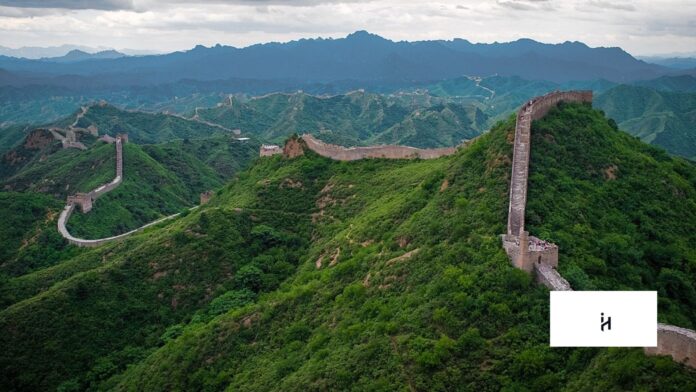
Great Wall of China

The Great Wall of China is one of the most iconic landmarks in the world, with its impressive structure stretching across thousands of miles. However, one common question that many people ask is: “How long did it take to build the Great Wall of China?”

The answer to this question is not straightforward, as the construction of the wall spanned several centuries, with different dynasties contributing to its growth and expansion. This blog will explore the history of the Great Wall’s construction, the various stages involved, and how long it took to build it.

The Early Foundations: The Beginning of the Great Wall

The origins of the Great Wall of China can be traced back to the 7th century BC, during the Warring States period. During this time, various Chinese states built fortifications to defend their territories against invasions from nomadic tribes in the north, particularly the Xiongnu. These early walls were not the monumental structure that we recognize today but were small, simple fortifications made from earth, wood, and stone.

Great Wall of China

The first major effort to create a unified defensive wall began under the Qin Dynasty (221–206 BC), after the unification of China by Emperor Qin Shi Huang. He ordered the connection of existing walls and the construction of new ones to protect against invasions from northern tribes. This was an early precursor to what would later become the Great Wall.

The Qin Dynasty: The First Major Phase of Construction

The most significant early phase of the Great Wall’s construction occurred during the reign of Emperor Qin Shi Huang. After uniting China, Qin Shi Huang ordered the construction of a more formidable wall to protect the newly formed empire.

The work started around 221 BC and continued until his death in 210 BC. It was during this period that the wall began to take on a more recognizable form, stretching over 5,000 kilometers.

The wall constructed during the Qin Dynasty was not as grand as the later versions but was an essential foundation for the wall’s eventual expansion. The Qin version of the wall was primarily built using rammed earth, which is compacted soil that was hardened to form a solid structure. This section of the wall was not continuous but consisted of several walls built to protect specific regions and military outposts.

While the wall was being constructed, a massive labor force was employed, consisting of soldiers, peasants, and prisoners. It is estimated that hundreds of thousands of workers were involved in the project, and many of them died due to the harsh working conditions. This tragic loss of life highlights the scale and intensity of the construction effort.

The Han Dynasty: Expansion and Strengthening the Wall

After the fall of the Qin Dynasty, the Great Wall’s construction was put on hold for a period during the Han Dynasty (206 BC – 220 AD). However, during the Han Dynasty, the wall was extended and reinforced to protect the empire’s northern borders against the Xiongnu and other nomadic tribes. The Han emperor, Emperor Wu, played a significant role in expanding the wall, adding more fortifications and watchtowers, and linking existing walls together.

This phase of construction saw the use of new materials and techniques, such as bricks and stone, which made the wall stronger and more durable. The Han Dynasty wall was a considerable improvement on the earlier versions built during the Qin Dynasty, and it was further extended to reach as far as the Gobi Desert in modern-day Mongolia. The work took several decades, and the Han Dynasty’s contribution to the Great Wall helped solidify its reputation as a massive defensive structure.

The Ming Dynasty: The Final Great Expansion

The most well-known and iconic version of the Great Wall was built during the Ming Dynasty (1368–1644), over a period of about 200 years. After the fall of the Yuan Dynasty and the invasion of northern Mongol tribes, the Ming emperors saw the need to fortify their borders against potential invasions. During the Ming Dynasty, the Great Wall was expanded, rebuilt, and reinforced with advanced engineering techniques.

Great Wall of China

The Ming Wall is the version that many people associate with the Great Wall of China today. This section is characterized by its massive stone walls, watchtowers, and fortifications.

The work began in earnest around 1368, and over the course of the next two centuries, the wall was continuously expanded and repaired. This effort involved not only soldiers but also local workers and peasants, who were conscripted to work on the project.

The Ming Dynasty’s contribution to the Great Wall involved significant technological advancements, including the use of brick and stone rather than earth and wood. This made the wall much stronger and more durable, allowing it to withstand the tests of time. By the time the Ming Dynasty finished its construction, the wall spanned approximately 21,000 kilometers.

The Total Duration: Over 2,000 Years of Construction

While the initial construction of the Great Wall began during the Warring States period around the 7th century BC, it was not until the Qin, Han, and Ming Dynasties that the wall took its present form.

The wall’s construction spanned over 2,000 years, with significant contributions from different dynasties and rulers. The entire project was not completed at once but rather evolved over many centuries, with each dynasty adding its own layer of fortifications, improvements, and extensions.

The total time it took to build the Great Wall is difficult to determine precisely, as the wall was continuously expanded and maintained throughout the centuries. However, it is clear that the Great Wall of China was the result of a continuous effort over several millennia. From the earliest walls built to the final, most iconic version of the wall, it is safe to say that the Great Wall was constructed over a period of approximately 2,000 years.

The Labor Force Behind the Great Wall’s Construction

One of the most remarkable aspects of the Great Wall of China is the sheer number of workers who contributed to its construction. The labor force consisted of soldiers, peasants, prisoners, and even volunteers, all working under harsh conditions. The construction of the wall was physically demanding and dangerous, with many workers losing their lives due to accidents, exhaustion, and harsh weather.

It is estimated that during the construction phases, hundreds of thousands of workers were employed. For example, during the Qin Dynasty, over 300,000 workers were conscripted to work on the wall, and many of them died from the brutal conditions. These workers were tasked with digging trenches, hauling materials, and building the wall itself, often with primitive tools and little protection.

The labor force was also subject to extreme control, as many of them were either prisoners or conscripts who had no choice but to work on the wall. Some workers were punished for failing to meet their quotas or for attempting to escape. The scale of human suffering involved in the construction of the Great Wall is an important, though tragic, part of its history.

The Great Wall’s Legacy: How It Endured Over Time

Great Wall of China

The construction of the Great Wall of China is not only an impressive feat of engineering but also a testament to the perseverance and determination of the Chinese people throughout history. The wall’s legacy goes beyond its defensive purpose; it is a symbol of the strength and unity of China.

Despite the immense challenges and hardships faced by those who built it, the Great Wall endures as one of the most famous landmarks in the world. Today, sections of the wall have been preserved, and it is a popular tourist destination. The Great Wall continues to capture the imagination of people worldwide, representing the power and history of ancient China.

In conclusion, the construction of the Great Wall of China took over two millennia, involving multiple dynasties, countless workers, and millions of hours of labor. While the question of how long it took to build the Great Wall is complex, its enduring legacy is a testament to the hard work and determination of those who contributed to its creation.

For Amazing Updates Keep Visiting ImaginaryHistory.

Can You Go Inside the Pyramids of Giza?

0
Pyramids of Giza

The Pyramids of Giza are among the most iconic structures in the world, drawing millions of tourists every year. Located on the outskirts of Cairo, Egypt, these ancient wonders have fascinated historians, archaeologists, and travelers for centuries.

One of the most common questions visitors ask is, “Can you go inside the Pyramids of Giza?” In this blog, we will explore the accessibility of the pyramids, the experience of going inside, the rules and restrictions, and what to expect on your visit.

Understanding the Pyramids of Giza and Their Historical Significance

Pyramids of Giza

The Pyramids of Giza, including the Great Pyramid of Khufu, the Pyramid of Khafre, and the Pyramid of Menkaure, are some of the oldest and most remarkable structures ever built by human hands. These tombs were constructed during the Fourth Dynasty of Egypt’s Old Kingdom, around 4,500 years ago. They were intended to serve as monumental burial sites for the pharaohs, ensuring their safe passage to the afterlife.

The Great Pyramid of Khufu is the largest and most famous of the three, originally standing at 481 feet tall. Over the centuries, much of the outer casing of the pyramids has eroded, but the grandeur of these ancient wonders still captivates anyone who sees them in person.

Despite their grandeur, the pyramids’ primary purpose was practical: to house the bodies of deceased rulers and their treasures for eternity. They were designed to reflect the divine status of pharaohs, who were considered gods. Understanding this historical context gives visitors a deeper appreciation for the pyramids’ significance.

The Accessibility of the Pyramids of Giza: Can You Actually Go Inside?

Yes, visitors can go inside some of the Pyramids of Giza, but not all areas are accessible. The most popular pyramid for tourists to enter is the Great Pyramid of Khufu. However, access is limited to specific chambers within the structure. The interior is made up of narrow passageways and small, cramped chambers, with no air conditioning or lighting, so entering is not for the faint-hearted.

The Pyramid of Khafre and the Pyramid of Menkaure, on the other hand, have much stricter restrictions, with limited access for tourists. While the Pyramid of Khufu is the most commonly visited, you cannot enter the burial chamber or any further beyond the inner passageway unless you are with a guide or a special permit.

It’s important to note that the access to the pyramids can change due to maintenance, preservation efforts, or changes in local tourism policies. Thus, it’s always recommended to check the latest updates before planning a visit.

Rules and Regulations for Entering the Pyramids of Giza

Although the pyramids of Giza are a major tourist attraction, there are strict rules and regulations in place to protect these ancient monuments from damage and preserve them for future generations. Before heading inside, you should be aware of the following:

  • Restricted Hours: The pyramids can only be visited during certain hours. Typically, the pyramids are open to tourists during the day, from 8:00 AM to 5:00 PM, with some variations depending on the season.

  • Entrance Fees: Visitors must pay an entrance fee to access the pyramid complex. The cost to enter the Great Pyramid is higher than other attractions, with additional fees for special access to restricted areas.

  • Guided Tours: While it’s possible to visit the pyramids without a guide, many people opt for guided tours to better understand the history and architecture of these monuments. Having an experienced guide can also help ensure that you stay within the allowed areas of the pyramids.

  • No Photography Inside: To protect the integrity of the ancient structure, photography inside the pyramids is often prohibited. Flash photography can also damage the ancient surfaces, so it is best to inquire about the specific photography rules before your visit.

The Experience of Going Inside the Pyramids of Giza

If you’re lucky enough to gain access to the interior of the Great Pyramid of Khufu, you are in for a unique experience. The interior is dark, damp, and airless, which makes the journey more challenging. Visitors will navigate through narrow corridors that are steep and require a bit of climbing.

One of the most striking features of the Great Pyramid’s interior is the King’s Chamber, where it is believed that the pharaoh’s sarcophagus was once placed. Although the sarcophagus is still inside the chamber, it is now empty. The chamber itself is relatively simple, devoid of decoration, as the pyramids were intended to focus on the afterlife rather than the living.

As you walk through the interior, you can marvel at the construction and the engineering techniques that allowed these pyramids to stand the test of time. It’s truly a humbling experience to imagine the thousands of workers who spent decades constructing such a monumental tomb.

Pyramids of Giza

Why Some Areas of the Pyramids Are Closed to the Public

While some areas of the pyramids are accessible, many parts remain closed to the public. This is primarily due to concerns about preservation and safety. Over the centuries, the pyramids have faced weathering, erosion, and natural disasters. To mitigate further damage, Egypt’s Ministry of Antiquities has placed certain restrictions on the areas that can be visited by tourists.

Another reason for restricted access is the preservation of the tombs and artifacts that remain inside the pyramids. The ancient treasures, such as inscriptions, paintings, and the sarcophagus, need to be protected from exposure to light, heat, and human interference.

Additionally, the sheer volume of visitors can lead to wear and tear on the pyramid’s structure. To ensure the safety of tourists, especially considering the narrow passageways, some parts of the pyramids are simply deemed too dangerous to explore.

Safety and Health Considerations for Entering the Pyramids

Entering the Pyramids of Giza, especially the Great Pyramid of Khufu, is not for everyone. The narrow corridors, steep inclines, and lack of ventilation can make the climb physically demanding. Those with respiratory conditions, claustrophobia, or mobility issues may find it difficult or unsafe to enter the pyramids.

While guides are available to assist visitors, there are no elevators or escalators inside the pyramids, meaning the climb to the upper chambers can be strenuous. You should be prepared for hot and humid conditions, especially during summer, when temperatures inside the pyramids can soar.

If you plan on visiting the interior of the pyramids, make sure you bring plenty of water, wear comfortable shoes, and be mindful of your physical limits. It’s always best to listen to your guide’s instructions and take breaks if needed.

Alternative Experiences at the Giza Pyramid Complex

For those who prefer not to venture inside the pyramids, there are plenty of other ways to experience the grandeur of the Giza Pyramid Complex. The surrounding plateau offers several viewing platforms that allow visitors to admire the pyramids from a distance.

You can also visit the nearby Sphinx, one of the most iconic statues in the world, which is located right next to the pyramids. The Solar Boat Museum, located near the Great Pyramid, offers a fascinating look at the ancient boat found buried near the pyramid, believed to be used to transport the pharaoh’s body across the Nile River in the afterlife.

In addition, there are several other tombs and smaller pyramids on the Giza plateau that visitors can explore. These offer a more peaceful and less crowded experience than the main pyramids, and provide insight into the lives of the individuals buried there.

Planning Your Visit: Tips for Exploring the Pyramids of Giza

Pyramids of Giza

To ensure a smooth and enjoyable visit to the Pyramids of Giza, here are some helpful tips:

  • Arrive Early: The pyramids can get crowded, especially in peak tourist seasons, so it’s advisable to arrive early in the day to avoid the largest crowds.

  • Dress Appropriately: The weather in Egypt can be extremely hot, so dress in light, breathable clothing. Comfortable shoes are essential, as there will be plenty of walking.

  • Hydrate and Stay Cool: Be sure to bring plenty of water to stay hydrated, especially if you plan to enter the pyramids. The interior is hot and stuffy, and there are no places to buy water once inside.

  • Respect the Site: The pyramids are ancient monuments that need to be treated with respect. Avoid touching the walls, and adhere to all the rules set by the Egyptian authorities.

Visiting the Pyramids of Giza is a once-in-a-lifetime experience, and understanding the rules, regulations, and history surrounding these ancient structures will make your visit all the more enriching. Whether you venture inside the pyramids or admire them from the outside, the experience will undoubtedly leave you in awe of one of the greatest achievements in human history.

Q&A for “Can You Go Inside the Pyramids of Giza?”

Q1: Can you go inside the Pyramids of Giza?

Yes, you can go inside the Great Pyramid of Khufu, but access is limited to specific chambers. Visitors can explore the interior, but areas such as the burial chamber are off-limits for preservation and safety reasons. The smaller pyramids, such as those of Khafre and Menkaure, generally have more restrictions.

Q2: Is it safe to enter the Pyramids of Giza?

While entering the pyramids is generally safe, it is physically demanding. The narrow passageways, steep inclines, and lack of ventilation make it challenging, especially during the hot months. Visitors should be prepared for the strenuous climb and should ensure they are in good health before entering.

Q3: Do you need a guide to visit the pyramids?

It is not mandatory, but hiring a guide is highly recommended. A guide can help you navigate the site, understand the history, and ensure you stay within the designated areas, especially inside the pyramids.

Q4: How much does it cost to enter the Pyramids of Giza?

The entrance fee to the Giza pyramid complex varies. For the Great Pyramid, the fee is typically higher than for other smaller pyramids and attractions within the complex. Additional fees may apply for special access or guided tours.

Q5: Are photography and filming allowed inside the pyramids?

Photography is generally prohibited inside the pyramids to protect the ancient structure from damage caused by light and flash. However, photography is allowed in the open areas surrounding the pyramids and at the Sphinx.

For Amazing Updates Keep Visiting ImaginaryHistory.

How to Spend Bill Gates Money: A Guide to Philanthropy, Investments, and Personal Luxury

0
Spend Bill Gates Money

Spend Bill Gates money may sound like a dream come true for many people, but it’s not just about indulging in personal luxury. Bill Gates, one of the wealthiest individuals on the planet, has made significant contributions to society through his wealth.

This blog explores various ways in which you could “spend Bill Gates money,” from philanthropic ventures to sustainable investments and even personal enjoyment. We will break down the different aspects of how Gates has used his money, and how individuals can follow his footsteps or create their own unique legacy.

Investing in Global Health Initiatives

When people talk about how to spend Bill Gates money, global health initiatives often come to mind. Bill Gates has significantly contributed to global health through the Bill & Melinda Gates Foundation, supporting projects aimed at eradicating diseases like malaria, polio, and tuberculosis.

His wealth has allowed him to fund vaccine research, improve sanitation, and ensure that essential healthcare reaches impoverished areas. By spending Bill Gates’ money, you could further expand these efforts, financing healthcare innovations and bringing affordable treatments to the underserved.

Spend Bill Gates Money

Funding Clean Energy Solutions for a Greener Future

Bill Gates has long advocated for clean energy, and his investments in renewable energy are a prime example of how to spend Bill Gates money wisely. His support for clean energy startups and sustainable technologies is helping reduce global carbon emissions.

Through investments in companies developing solar, wind, and nuclear energy solutions, Gates is paving the way for a sustainable future. If you were to spend Bill Gates money, this avenue could involve backing the next generation of green technologies and accelerating the transition to a low-carbon economy.

Supporting Educational Programs and Scholarships

One of the most impactful ways to spend Bill Gates money would be in education. Gates himself has contributed extensively to improving education, especially in the United States. His foundation supports efforts to provide access to quality education, offering scholarships and funding for low-income students.

With the wealth Gates has amassed, he has been able to create programs that change lives. You can also follow this example by supporting educational initiatives, building schools in underserved regions, or providing scholarships to empower the next generation.

Funding Innovative Tech Startups

As a tech visionary, Bill Gates has always been at the forefront of technological innovation. He has invested in numerous startups that aim to solve real-world problems, from artificial intelligence to blockchain. To spend Bill Gates money effectively, consider backing these forward-thinking tech startups that have the potential to change the world. Gates’ wealth can fuel the next Silicon Valley, where entrepreneurs can create technologies that disrupt industries and improve lives globally.

Supporting Global Hunger Relief Efforts

Global hunger is one of the most pressing issues of our time, and Bill Gates has recognized this problem through his charitable endeavors. Gates has committed millions of dollars to improve agricultural systems in developing countries, ensuring that food production can meet the needs of growing populations. Spending Bill Gates’ money in this way would involve expanding access to nutritious food and supporting smallholder farmers. By improving agricultural practices and food distribution systems, you could contribute to solving hunger worldwide.

Promoting Gender Equality Through Investments

Bill Gates has been a vocal advocate for gender equality and women’s empowerment. His foundation has invested heavily in programs that promote women’s health, education, and financial independence.

Spending Bill Gates’ money in this way would mean focusing on initiatives that support women and girls, helping them achieve equality in all aspects of life. By creating programs that foster economic opportunities, improve healthcare for women, and promote female leadership, you can leave a lasting impact on society.

Funding Space Exploration and Innovation

Bill Gates has also expressed interest in space exploration, though his approach to spending his wealth in this area differs from some of his billionaire peers. Gates supports research into space technologies that could help address challenges on Earth, like climate change or resource scarcity. To spend Bill Gates money in a similar fashion, you could invest in private space exploration companies or fund projects that aim to make space more accessible to humanity, paving the way for sustainable life beyond Earth.

Philanthropy: Giving Back to Society

Spend Bill Gates Money

Philanthropy is one of the most well-known ways Bill Gates spends his money. With billions of dollars in charitable contributions, Gates has set a powerful example of giving back. The Bill & Melinda Gates Foundation is dedicated to solving some of the world’s toughest problems, from poverty to education and healthcare. If you were to spend Bill Gates money in a similar manner, you could create your own foundation or support existing charities that focus on critical issues affecting millions of people.

Enhancing Global Infrastructure

Infrastructure is key to the development of any country, and Gates’ investments have supported various infrastructure projects, particularly in developing nations. From roads to water systems, Gates has worked towards improving infrastructure to boost economic development. Spending Bill Gates’ money on global infrastructure projects could involve funding public transportation systems, clean water initiatives, or affordable housing projects to improve the lives of millions.

Investing in AI and Automation for the Future of Work

As automation and artificial intelligence continue to revolutionize industries, Bill Gates has invested in these fields to ensure a smooth transition for workers. AI has the potential to create new industries and improve productivity, but it also raises concerns about job displacement.

Spending Bill Gates’ money in this area could involve funding research into AI ethics, investing in retraining programs for workers, and supporting companies that create sustainable automation solutions for the future workforce.

Indulging in Personal Luxuries While Giving Back

Finally, it’s important to acknowledge that part of spending Bill Gates’ money involves indulging in personal luxuries. Gates himself leads a relatively modest lifestyle despite his wealth.

However, spending his money doesn’t just mean philanthropic contributions; it can also mean enjoying personal luxuries such as acquiring rare art, luxury homes, or exotic vacations. By doing so, you could balance the pursuit of personal happiness with the desire to make a difference, ensuring that part of your wealth goes towards philanthropic causes while still enjoying the rewards of success.

Q&A Section:

  1. How has Bill Gates used his money for philanthropy? Bill Gates has invested billions of dollars through the Bill & Melinda Gates Foundation to tackle global challenges such as poverty, disease, and access to education. His philanthropic efforts are focused on improving global health, advancing clean energy solutions, and providing support to education systems worldwide.

Spend Bill Gates Money

  1. Can we spend Bill Gates’ money on personal luxuries? While Bill Gates is known for his philanthropy, spending his money on personal luxuries is not the primary focus. However, if we were to emulate how Gates spends, it would involve balancing personal indulgence with meaningful contributions to society, such as enjoying luxury while funding charitable initiatives.

  2. What are some impactful ways to spend Bill Gates’ money for global change? Some impactful ways to spend Bill Gates’ money include funding global health initiatives, supporting clean energy projects, promoting gender equality, and investing in educational programs. These efforts can drive sustainable change in developing nations and have a long-term positive effect on the global community.

  3. How can Bill Gates’ money be used for tech innovation? Bill Gates has supported numerous tech innovations, especially in areas that tackle global issues, like AI, clean energy, and healthcare technologies. Using his money to invest in startups or technologies that focus on solving pressing problems could bring about revolutionary changes in industries like healthcare, education, and the environment.

  4. Is investing in space exploration an example of how Bill Gates spends his money? Yes, Bill Gates has shown an interest in space exploration, particularly through investments that can bring benefits to life on Earth, such as technologies aimed at solving climate change or resource scarcity. By spending Bill Gates’ money in this way, you could support efforts that not only explore space but also use its resources to help improve life on Earth.

Conclusion: Spend Bill Gates Money Wisely

In conclusion, spending Bill Gates money isn’t just about personal indulgence, but rather creating a lasting legacy through impactful investments and charitable actions. Gates himself has shown that wealth can be a powerful tool for positive change.

Whether through global health initiatives, supporting clean energy, or promoting gender equality, there are countless ways to spend Bill Gates money to make the world a better place. Following his example of philanthropy and thoughtful investments could transform industries, empower communities, and ultimately create a more sustainable future for generations to come.

For Amazing Updates Keep Visiting ImaginaryHistory.

Is Skype Shutting Down? Everything You Need to Know About Skype’s Future

0
Is Skype Shutting Down

In recent years, rumors about the potential shutdown of Skype have circulated, leaving users wondering: “Is Skype shutting down?”  Skype, one of the world’s most widely used communication platforms, has become synonymous with video calling, messaging, and online communication. This blog will dive into the details, providing you with an in-depth understanding of the current situation, its future, and what this could mean for millions of users worldwide.

Introduction: What is Skype and Why the Concern About It Shutting Down?

Skype has long been a go-to application for personal and professional communication. Launched in 2003, it revolutionized how people communicate, allowing for free voice and video calls over the internet. With its success, Skype quickly became a household name and an essential tool for businesses, families, and friends globally.

However, recent rumors have raised the question: “Is Skype shutting down?” These concerns stem from various factors, including the rise of competing platforms, the acquisition of Skype by Microsoft in 2011, and shifts in the tech industry. Skype’s changing features and its integration into Microsoft Teams have led many to speculate about its future.

In this section, we’ll examine the reasons behind the speculation and whether Skype is truly on the verge of shutting down.

Is Skype Shutting Down

Skype’s History: From Pioneering Communication to Becoming a Microsoft Product

Skype’s journey began as an independent venture, founded by Swedish entrepreneurs Niklas Zennström and Janus Friis. It quickly gained popularity as a revolutionary communication tool, offering free calls and instant messaging, along with the ability to make international calls at low rates. Its global expansion was propelled by word of mouth and its ease of use.

In 2011, Skype was acquired by Microsoft for $8.5 billion, which raised questions about its future direction. After the acquisition, Skype was integrated into various Microsoft services, such as Outlook and Office 365. As a result, many people began wondering, “Is Skype shutting down?” as some users feared it might be overshadowed by other Microsoft tools.

The Growth of Competitors: The Rise of Zoom, Google Meet, and Other Alternatives

In recent years, the landscape of video calling and communication platforms has drastically changed. Competitors like Zoom, Google Meet, WhatsApp, and Teams have become dominant players, especially after the COVID-19 pandemic. With the shift to remote work, businesses and individuals quickly adopted these platforms for video conferences, webinars, and team collaborations.

As more people turned to these alternatives, many began to question Skype’s relevance. “Is Skype shutting down?” became a common question on forums and social media as users noticed fewer updates and improvements compared to its competitors.

In this section, we will discuss how the rise of these alternatives may have impacted Skype’s position in the market and whether it signals the end of the Skype era.

Microsoft Teams: The New Focus for Microsoft

In 2016, Microsoft launched Microsoft Teams as part of its Office 365 suite of products. Microsoft Teams is a collaboration platform designed for workplace communication, featuring chat, video conferencing, file sharing, and more. Over time, Microsoft has integrated Skype’s features into Teams, leading some to believe that the company is phasing out Skype in favor of its more comprehensive platform.

The integration of Skype features into Microsoft Teams has raised concerns about Skype’s future. “Is Skype shutting down?” Some experts believe this move indicates Microsoft’s long-term plan to prioritize Teams over Skype, making it the go-to solution for business communication. In this section, we’ll explore the shift from Skype to Teams and its implications for users.

Microsoft’s Official Stance: Is Skype Really Shutting Down?

Despite the rumors, Microsoft has repeatedly stated that it has no plans to shut down Skype anytime soon. The company has emphasized that Skype remains a core part of its communication offerings, especially for personal use. While Microsoft Teams is the primary focus for business communication, Skype continues to serve its loyal user base for personal calls and small group chats.

In this section, we will analyze Microsoft’s official statements and communications about Skype’s future, providing clarity on whether Skype is truly shutting down or if it’s just undergoing a transformation.

How Skype is Evolving: New Features and Improvements

Rather than shutting down, Skype has continued to evolve over the years, introducing new features to remain competitive in the market. Skype has incorporated features like screen sharing, live subtitles, background blur, and improved security measures. Skype has also focused on enhancing its mobile app experience and its integration with other Microsoft products, such as Outlook.

In this section, we will explore Skype’s recent improvements and how it’s adapting to the changing landscape of communication technologies. This will help answer the question: “Is Skype shutting down, or is it simply evolving?”

Skype’s Role in the Business World: Can It Compete with Microsoft Teams?

One of the primary concerns for Skype’s future is its role in the business world. With the rise of Microsoft Teams and other collaboration tools, Skype’s business relevance has diminished. However, Skype continues to be used by some small businesses, freelancers, and entrepreneurs who prefer its simplicity and ease of use.

In this section, we will discuss whether Skype can still compete with Microsoft Teams and other communication tools in the business sector. We will analyze Skype’s strengths and weaknesses in a corporate environment and explore whether Skype’s potential for business use is completely overshadowed by Teams.

Skype for Personal Use: Why It’s Not Going Anywhere

Is Skype Shutting Down

While Skype may be losing ground in the business sector, it remains a popular tool for personal communication. Skype has a dedicated user base who rely on it for video calls with family and friends. Features such as free international calling, instant messaging, and easy-to-use interfaces make it a favorite among casual users.

In this section, we’ll focus on Skype’s continued success in personal communication and why it’s unlikely to be shut down for personal use in the near future. This will answer another important part of the question: “Is Skype shutting down for personal users?”

The Impact of Skype’s Shutdown on Users: What Would Happen?

If Skype were to shut down, it would have a significant impact on millions of users worldwide. Many individuals and businesses have relied on Skype for years as their primary communication platform. In this section, we’ll explore the potential consequences of Skype shutting down, including the loss of important conversations, contacts, and integrations with other services.

We’ll also look at how users might transition to other platforms if Skype were to be shut down and what steps Microsoft could take to ensure a smooth migration for its loyal Skype customers.

Can Skype Survive in a World Dominated by Teams and Zoom?

The world of communication tools is rapidly changing, and Skype faces tough competition from platforms like Microsoft Teams, Zoom, Google Meet, and others. However, Skype’s longevity and widespread recognition still give it an edge, particularly among personal users.

In this section, we will analyze whether Skype can continue to survive and adapt in a market dominated by other tools. We’ll consider Skype’s strengths, weaknesses, and potential opportunities for growth. Can it coexist with Microsoft Teams and Zoom, or is it time to say goodbye to Skype?

Q&A Section

Q1: Is Skype shutting down in 2025?

No, Skype is not shutting down in 2025. While there have been rumors and speculation over the years, Microsoft has confirmed that Skype remains an active platform. The service continues to be used primarily for personal communication, and while its role in the business world has shifted to Microsoft Teams, Skype remains available for users.

Q2: Why are people asking if Skype is shutting down?

People have raised concerns about Skype shutting down due to the rise of competing platforms like Zoom, Google Meet, and Microsoft Teams. Additionally, Microsoft’s focus on Teams and its integration of Skype features into the Teams platform has led some to wonder about Skype’s future.

Q3: Can Skype still be used for business communication?

While Skype is still used for business communication by some small businesses and freelancers, Microsoft Teams has become the preferred platform for most business communications. Teams offers more robust features for collaboration, which makes it a better fit for business environments.

Q4: Is Skype going to be replaced by Microsoft Teams?

Skype is not being entirely replaced by Microsoft Teams, but Microsoft has shifted its focus toward Teams for business communication. Skype continues to exist for personal use, with many of its features now integrated into Teams for corporate environments.

Q5: What will happen if Skype shuts down?

If Skype were to shut down, users would likely be prompted to switch to other platforms such as Microsoft Teams, Zoom, or Google Meet. Microsoft would likely assist users in migrating their contacts and communications to another service to ensure a smooth transition.

Conclusion: Is Skype Shutting Down? The Future of Skype and Communication

So, is Skype shutting down? Based on the information available, it doesn’t appear that Skype is going anywhere anytime soon. While it may not be as dominant as it once was in the business world, it still serves millions of personal users and remains an essential communication tool for many. Skype may face challenges from other platforms, but as long as there is demand for its services, Skype is likely to continue operating and evolving.

In conclusion, Skype is not shutting down in the immediate future. While it may face competition and changes within Microsoft, Skype remains a reliable platform for personal communication and could still have a place in the business world alongside Microsoft Teams.

Whether Skype continues to thrive or eventually fades into the background, it will remain a significant part of the history of internet communication. So, the next time you hear someone ask, “Is Skype shutting down?” you can rest assured that Skype is still here, adapting and evolving for the future.

For Amazing Updates Keep Visiting ImaginaryHistory.