
Home Blog Page 100

The Cold War: A Comprehensive History

0
Cold War

Introduction: The Origins of the Cold War

The Cold War was a period of geopolitical tension between the United States and the Soviet Union that lasted from the end of World War II in 1945 until the dissolution of the Soviet Union in 1991.

It was characterized by ideological, political, military, and economic rivalry, but it never escalated into direct warfare between the two superpowers. The origins of the Cold War can be traced to the conflicting visions of the post-war world order, with the United States advocating for democracy and capitalism while the Soviet Union promoted communism and state-controlled economies.

The Yalta and Potsdam Conferences of 1945 highlighted these tensions, as both sides sought to expand their spheres of influence. The United States’ policy of containment, articulated by George Kennan, aimed to prevent the spread of communism, setting the stage for decades of hostility.
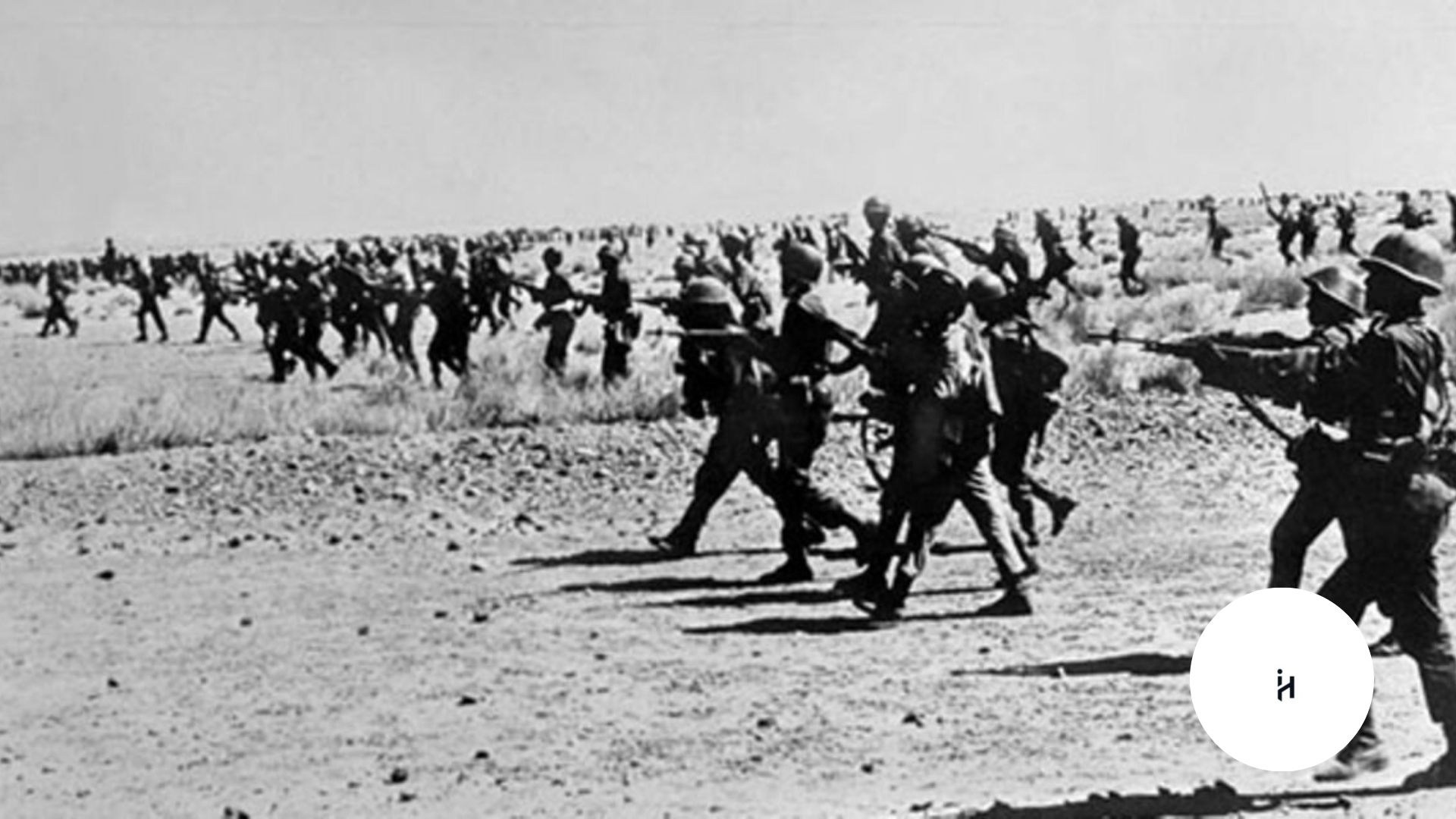
Cold War

The Formation of Alliances: NATO vs. The Warsaw Pact

As the Cold War intensified, both the U.S. and the USSR sought to strengthen their positions by forming military alliances. In 1949, the North Atlantic Treaty Organization (NATO) was established as a collective defense alliance among Western nations, including the U.S., Canada, and several European countries.

In response, the Soviet Union formed the Warsaw Pact in 1955, bringing together Eastern Bloc nations under a mutual defense agreement. These alliances solidified the division of Europe, with NATO members committed to countering Soviet aggression and the Warsaw Pact ensuring Soviet dominance over Eastern Europe. The alliances played a crucial role in shaping global military strategies and contributed to the arms race that defined much of the Cold War period.

The Arms Race and the Threat of Nuclear War

One of the most defining aspects of the Cold War was the nuclear arms race. Both the U.S. and the Soviet Union invested heavily in developing nuclear weapons, leading to a precarious balance of power known as Mutually Assured Destruction (MAD).

The first nuclear bomb was dropped by the U.S. on Japan in 1945, and by 1949, the Soviet Union had successfully tested its own atomic bomb. Throughout the 1950s and 1960s, both superpowers amassed vast nuclear arsenals, leading to an era of constant fear of a global nuclear catastrophe.

The Cuban Missile Crisis of 1962 brought the world to the brink of nuclear war, demonstrating the immense risks associated with Cold War rivalries. Efforts such as the Strategic Arms Limitation Talks (SALT) and the Nuclear Non-Proliferation Treaty (NPT) aimed to curb the arms race, but the fear of nuclear conflict remained until the Cold War’s end.

Proxy Wars: Korea, Vietnam, and Afghanistan

While the U.S. and the Soviet Union never engaged in direct combat, they supported opposing sides in several regional conflicts known as proxy wars. The Korean War (1950-1953) saw North Korea, backed by the Soviet Union and China, fighting against South Korea, supported by the U.S. and United Nations forces.

The Vietnam War (1955-1975) was another key battleground, with the U.S. attempting to prevent the spread of communism in Southeast Asia. In Afghanistan, the Soviet invasion in 1979 led to a decade-long war against U.S.-backed Mujahideen fighters.

These conflicts had devastating consequences, resulting in massive casualties, economic strain, and long-lasting political instability in the affected regions. They also illustrated the Cold War’s global reach and its impact on developing nations.

The Space Race: Competition Beyond Earth

 

Cold War

Another significant aspect of the Cold War was the Space Race, a competition between the U.S. and the Soviet Union to achieve dominance in space exploration. The Soviets took an early lead with the launch of Sputnik, the world’s first artificial satellite, in 1957.

This was followed by the launch of the first human, Yuri Gagarin, into space in 1961. In response, the U.S. ramped up its space program, culminating in the Apollo 11 moon landing in 1969, when Neil Armstrong became the first person to set foot on the moon.

The Space Race was not only a technological competition but also a demonstration of ideological superiority, with both sides seeking to prove the strength of their political and economic systems through scientific advancements.

The Cuban Missile Crisis: The Closest Call to World War III

The Cuban Missile Crisis of 1962 was arguably the most dangerous moment of the Cold War. When the U.S. discovered Soviet nuclear missiles in Cuba, just 90 miles off the coast of Florida, tensions reached an all-time high. President John F. Kennedy demanded the removal of the missiles and imposed a naval blockade on Cuba.

After intense negotiations, Soviet Premier Nikita Khrushchev agreed to withdraw the missiles in exchange for a U.S. promise not to invade Cuba and the secret removal of American missiles from Turkey. The crisis highlighted the devastating potential of nuclear warfare and led to increased diplomatic efforts to prevent future conflicts, including the establishment of a direct hotline between Washington and Moscow.

The Fall of the Berlin Wall: The Beginning of the End

The Cold War began to unravel in the late 1980s, with the most symbolic moment being the fall of the Berlin Wall in 1989. The wall had been erected in 1961 to prevent East Germans from fleeing to the West, symbolizing the division between communist and capitalist Europe.

As the Soviet Union weakened under the leadership of Mikhail Gorbachev, pro-democracy movements gained momentum across Eastern Europe. The peaceful protests in East Germany led to the opening of the wall, marking the beginning of German reunification. This event signified the collapse of Soviet influence in Eastern Europe and foreshadowed the imminent end of the Cold War.

The Dissolution of the Soviet Union: The Cold War’s Conclusion

The Cold War officially ended with the dissolution of the Soviet Union in 1991. Gorbachev’s policies of Glasnost (openness) and Perestroika (economic restructuring) aimed to reform the struggling Soviet system but ultimately led to its downfall. Economic stagnation, political unrest, and nationalist movements within Soviet republics contributed to the collapse.

On December 26, 1991, the Soviet Union formally ceased to exist, and Russia emerged as its successor state. With the end of the Cold War, the U.S. remained the world’s sole superpower, and a new era of international relations began, marked by economic globalization and regional conflicts rather than ideological confrontation.

When did the cold war end

The Cold War officially ended on December 26, 1991, when the Soviet Union (USSR) was dissolved. However, a significant turning point was on November 9, 1989, when the Berlin Wall fell, symbolizing the collapse of communist influence in Eastern Europe. The Cold War de-escalated throughout the late 1980s with reforms by Soviet leader Mikhail Gorbachev and diplomatic agreements between the U.S. and the USSR.

Legacy and Impact of the Cold War

Cold War

The Cold War left a lasting impact on global politics, military strategies, and international relations. It shaped alliances such as NATO and led to the proliferation of nuclear weapons, creating ongoing concerns about arms control.

The technological advancements achieved during the Cold War, particularly in space exploration and computing, continue to influence modern society. While the ideological battle between capitalism and communism has largely subsided, the geopolitical rivalries that emerged during the Cold War still shape global conflicts today.

The lessons learned from this period emphasize the importance of diplomacy, arms reduction agreements, and international cooperation to prevent future global tensions.

Q&A on Cold War History

Q1: What was the Cold War?

A: The Cold War was a geopolitical conflict between the United States and the Soviet Union from 1947 to 1991, characterized by political, military, and ideological rivalry without direct large-scale warfare.

Q2: What caused the Cold War?

A: The Cold War was caused by ideological differences between capitalism (U.S.) and communism (USSR), post-World War II power struggles, and mutual distrust between the two superpowers.

Q3: What were the major events of the Cold War?

A: Key events include the Truman Doctrine (1947), the Berlin Blockade (1948-49), the Korean War (1950-53), the Cuban Missile Crisis (1962), the Vietnam War (1955-75), and the fall of the Berlin Wall (1989).

Q4: Why was it called the “Cold” War?

A: It was called the “Cold” War because it did not involve direct military conflict between the U.S. and the USSR, but rather proxy wars, espionage, and political confrontations.

Q5: How did the Cold War end?

A: The Cold War ended with the collapse of the Soviet Union in 1991, following economic struggles, political reforms in Eastern Europe, and diplomatic efforts to ease tensions.

Q6: What was the role of NATO and the Warsaw Pact?

A: NATO (North Atlantic Treaty Organization) was formed by Western allies to counter Soviet influence, while the Warsaw Pact was the Soviet response, creating a military alliance among communist nations.

Q7: How did the Cold War impact the world?

A: The Cold War led to arms races, the space race, the spread of nuclear weapons, the division of Germany, and various proxy wars in Asia, Africa, and Latin America.

Q8: What is the legacy of the Cold War today?

A: The Cold War shaped modern international relations, created ongoing tensions between Russia and the West, and influenced global military strategies and alliances.

Conclusion: Lessons from the Cold War

The Cold War was a defining period of the 20th century, shaping the world order in profound ways. It demonstrated the dangers of ideological extremism, the catastrophic potential of nuclear warfare, and the power of diplomacy in resolving conflicts.

While the Cold War ended with the collapse of the Soviet Union, its influence on global politics continues to be felt. Understanding its history helps us navigate current international relations and work towards a more peaceful and cooperative world.

For Amazing Updates Keep Visiting ImaginaryHistory.
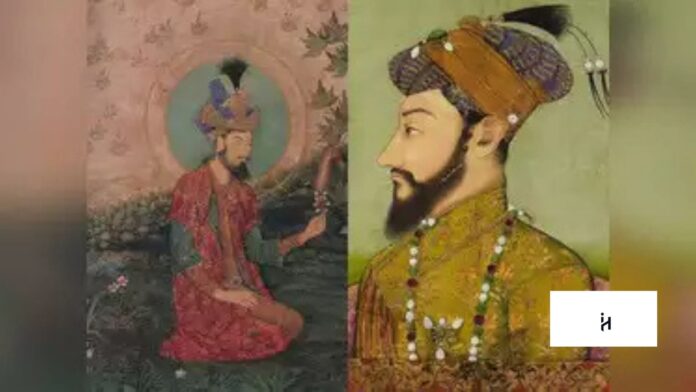
The Influence of Babur’s Rule on Akbar’s Reign: A Historical Analysis

0
The Influence of Babur’s Rule on Akbar’s Reign

Babur’s rule in the Mughal Empire laid the foundation for a series of significant political, cultural, and military transformations that would shape the future of the subcontinent. His leadership, despite facing several challenges, established the core structures that Akbar would later build upon to expand and solidify the Mughal Empire.

Akbar, Babur’s grandson, was instrumental in transforming the Mughal state into one of the largest and most powerful empires of its time. In this blog, we will delve into how Babur’s rule influenced Akbar’s policies and governance, shaping Akbar’s reign into one of the most iconic periods in Indian history.

Babur’s Military Innovations and Akbar’s Strategic Adaptation

The Influence of Babur’s Rule on Akbar’s Reign

Babur’s military achievements and innovative tactics played a crucial role in shaping Akbar’s approach to warfare. Babur, known for his success in the Battle of Panipat (1526), utilized advanced military strategies such as artillery and the use of gunpowder. These innovations were pivotal in the early establishment of the Mughal Empire, providing Babur with an edge over his opponents.

Akbar, who inherited these military foundations, further adapted and expanded Babur’s strategies. He recognized the importance of maintaining a strong, centralized army to sustain the empire’s expansion. Akbar embraced military reforms by implementing a system of “mansabdari” (a bureaucratic military structure), where officials were ranked and their military responsibilities were clearly defined. This system was vital in organizing the Mughal military and maintaining order, allowing Akbar to undertake military campaigns with greater efficiency and success.

Additionally, Babur’s introduction of artillery as a significant element of warfare influenced Akbar’s military tactics. Akbar refined these artillery methods and made them an essential part of his warfare strategy. Thus, Babur’s initial military groundwork laid the foundation for Akbar’s military success, which allowed him to expand the Mughal Empire across India.

Establishment of the Mughal Empire’s Administrative Structure

Babur’s reign, though brief and marked by instability, established the initial framework for the Mughal administrative system, which Akbar would later refine and institutionalize. During Babur’s rule, the Mughal administration was rudimentary but included the division of territories into provinces and the appointment of local officials to govern them. This structure, though basic, set the groundwork for the complex administration Akbar would later implement.

Akbar, recognizing the need for a more efficient and centralized administrative system, improved upon Babur’s administrative models. One of the most significant reforms introduced by Akbar was the establishment of a bureaucratic system that was not solely reliant on noble families.

Instead, Akbar promoted talented individuals from diverse backgrounds, including those from non-noble families, to positions of power. This merit-based system, particularly in the form of the “mansabdari system,” ensured that the empire’s administration was more efficient and loyal to the emperor.

Furthermore, Akbar’s introduction of land revenue reforms, such as the “Zabt” system, was built upon Babur’s initial attempts to centralize revenue collection. Akbar restructured the way land revenue was collected and organized, which had a lasting impact on the empire’s prosperity and stability.

Babur’s Religious Policies and Akbar’s Interfaith Approach

Babur’s rule marked the beginning of the Mughal Empire’s interaction with diverse religious and cultural groups in India. As a descendant of Timur and Genghis Khan, Babur came from a background that was relatively tolerant of different religious beliefs.

His personal outlook towards religion was more pragmatic than doctrinal, which meant that while he adhered to Islam, he was not overtly oppressive towards the Hindu majority in his empire.

The Influence of Babur’s Rule on Akbar’s Reign

Akbar, however, took this approach a step further. While Babur’s reign saw some efforts at tolerance, Akbar’s policies represented a more profound and institutionalized effort to bridge the religious divide in the empire.

Akbar famously abolished the jizya tax, a tax on non-Muslims, and sought to foster a spirit of inclusivity. He invited scholars from various religious backgrounds, including Hindus, Muslims, Sikhs, and Christians, to discuss religious issues in his court, which led to the establishment of the “Din-i Ilahi” (Religion of God), a syncretic religious philosophy that sought to blend the best elements of all major religions in India.

Akbar’s religious tolerance, though an expansion of Babur’s pragmatic policies, was directly influenced by his grandfather’s somewhat inclusive approach. Babur’s recognition of India’s diverse religious landscape allowed Akbar to build on this legacy and form a unique and more inclusive policy that defined his rule.

The Legacy of Babur’s Cultural Contributions in Akbar’s Court

Though Babur’s rule was short, his contributions to Mughal culture had a lasting impact. Babur was not only a military leader but also a scholar and a patron of the arts. His memoirs, the Baburnama, are a testament to his intellect and provide valuable insights into his thoughts on governance, nature, and life. His appreciation of art and culture laid the groundwork for a cultural renaissance under Akbar’s reign.

Akbar took his grandfather’s cultural legacy to new heights. He was a great patron of art, architecture, and literature, and his court became a hub for scholars, artists, and craftsmen. Under Akbar, Mughal architecture flourished, leading to the creation of iconic structures like Fatehpur Sikri. He invited Persian painters, poets, and architects to his court, which not only strengthened the Mughal Empire’s cultural identity but also made it a melting pot for various artistic traditions.

Furthermore, Akbar’s establishment of a royal library and the encouragement of Persian as the court language helped to ensure the preservation and further development of cultural practices that Babur had started.

Akbar’s deep interest in intellectual and artistic pursuits was undoubtedly influenced by Babur’s own passion for culture, but Akbar’s more systematic approach to promoting the arts made it a defining feature of his reign.

The Role of Babur’s Personal Qualities in Shaping Akbar’s Leadership

Babur’s personal characteristics, such as his resilience, leadership qualities, and vision for empire-building, had a profound influence on Akbar. Babur’s ability to overcome adversity and his tenacity in establishing the Mughal rule in India were traits that Akbar admired and emulated. Despite the fact that Babur’s rule was relatively short and marked by struggles, he demonstrated remarkable perseverance in the face of numerous challenges.

Akbar, who came to the throne at a young age and faced a period of instability, found inspiration in Babur’s ability to manage complex political and military situations. Babur’s ability to work with a diverse range of peoples, from Central Asians to Indians, served as a model for Akbar’s approach to governance. Akbar’s diplomatic acumen and his ability to consolidate power through alliances and strategic marriages were influenced by Babur’s leadership in a complex and diverse region.

Babur’s ability to balance military conquest with cultural patronage also provided Akbar with a blueprint for integrating his own leadership style. While Akbar was more focused on consolidating and expanding the empire, Babur’s vision of the Mughal Empire’s potential served as a long-lasting source of inspiration.

The Influence of Babur’s Rule on Akbar’s Reign

Conclusion: Babur’s Lasting Influence on Akbar’s Empire

Babur’s rule, though marked by challenges and a brief tenure, provided the essential foundations for Akbar’s transformative reign. From military strategies and administrative structures to religious policies and cultural advancements, Akbar’s leadership was deeply influenced by the groundwork laid by his grandfather. While Akbar’s reign was unique in its scope and accomplishments, it is clear that Babur’s initial successes set the stage for the Mughal Empire’s expansion, cultural richness, and stability.

Akbar’s success as a ruler can be seen as a continuation and expansion of Babur’s legacy. By adapting and building upon the principles established during Babur’s rule, Akbar was able to create an empire that lasted for centuries and became one of the most remarkable in world history.

For Amazing Updates Keep Visiting ImaginaryHistory.

Is Lady Gaga French? A Detailed Exploration

0
Is Lady Gaga French

One of the most common questions about Lady Gaga that fans often wonder is, “Is Lady Gaga French?” In this blog, we will explore the various aspects of her life, career, and heritage to provide a comprehensive answer to this question. Lady Gaga is an iconic figure in the music, fashion, and entertainment industries. With her eclectic style and boundary-pushing performances, she’s garnered a global following.

The Origins of Lady Gaga’s Name and Heritage

Lady Gaga, born Stefani Joanne Angelina Germanotta, was born in New York City to Italian-American parents. Despite the fame and international appeal of her name, Lady Gaga is not French.

Her family’s roots trace back to Italy, and she grew up in an Italian-American household. The name “Lady Gaga” was inspired by the Queen song “Radio Ga Ga,” and has no French connection. This piece of her history is an important factor in answering the question: is Lady Gaga French?

Is Lady Gaga French

Lady Gaga’s Cultural Background: Italian-American Heritage

Lady Gaga’s cultural heritage is an integral part of who she is. Growing up in New York, Lady Gaga’s Italian-American upbringing shaped her identity and musical career. Her parents, who were both of Italian descent, made sure to pass down the cultural traditions, values, and customs of Italy.

From her love of pasta to her appreciation of family values, Lady Gaga’s heritage is more closely tied to Italy than to France. Therefore, it would be incorrect to say, “Is Lady Gaga French?” when examining her background.

The International Appeal of Lady Gaga’s Music

Though Lady Gaga is not French, her music has certainly resonated with fans across the globe, including in France. Her work, especially her bold and dynamic pop hits, has a universal appeal.

The fact that her music transcends language barriers and speaks to people worldwide is a testament to her artistry. In France, Lady Gaga enjoys a massive fan base and her performances in the country have been nothing short of spectacular. However, this does not mean that Lady Gaga is French by nationality or heritage.

Is Lady Gaga French by Language?

Lady Gaga is known for her multilingual abilities. Although she primarily sings in English, she has demonstrated a proficiency in other languages, including some French. In her early career, Lady Gaga included a few French phrases in her songs and interviews, which led some to believe that she might have French origins. While she has often expressed her admiration for French culture and language, this does not make Lady Gaga French. She is a New York-born, Italian-American singer, with no French roots.

Lady Gaga’s Connection to France Through Her Fans

One of the most fascinating aspects of Lady Gaga’s career is the widespread admiration she receives from her global fan base. France, being one of the most influential cultural hubs in the world, has played a significant role in her international success.

French fans adore her for her avant-garde style and powerful performances. Lady Gaga’s relationship with France is one of love and respect, but the question “Is Lady Gaga French?” remains unequivocally unanswered. While her influence is undeniable in France, she is not French.

Lady Gaga’s French Cultural Influences in Fashion

Another area where French culture intertwines with Lady Gaga’s career is fashion. France is home to some of the world’s most prestigious fashion houses, and Lady Gaga has often worked with French designers.

Her collaborations with iconic French brands such as Givenchy have solidified her status as a global style icon. While these associations may evoke a French flair in her wardrobe, they do not imply that Lady Gaga is French. Her unique and diverse fashion sense reflects global influences, not just French ones.

The Impact of French Cinema on Lady Gaga’s Career

Lady Gaga has also been influenced by French cinema throughout her career. Her interest in acting, especially in films like A Star is Born, shares many traits with classic French cinema.

The emotional depth and artistic style that Lady Gaga brings to her acting roles are often reminiscent of the French Nouvelle Vague movement. However, despite these artistic similarities, Lady Gaga’s work is rooted in a variety of cinematic traditions, and she is not French in her artistic origin.

Is Lady Gaga French

Lady Gaga’s International Fan Base: A Global Icon

Lady Gaga’s fame spans across continents, from the United States to Europe and beyond. Although she enjoys immense popularity in France, Lady Gaga is an international icon, not limited to any one country.

Fans in France, the United States, Asia, and other parts of the world have embraced her unique persona and artistry. Her ability to connect with people from different cultures is part of what makes Lady Gaga so beloved, but again, this does not make Lady Gaga French.

Is Lady Gaga French or American? The Answer Lies in Her Birthplace

Lady Gaga’s birthplace is one of the most significant pieces of evidence when addressing the question, “Is Lady Gaga French?” Born in New York City on March 28, 1986, she is an American by birth.

Her parents, both of Italian descent, were born and raised in the United States. Lady Gaga’s American identity is a crucial aspect of her persona, and although her music and style have global appeal, she remains firmly rooted in her American origins.

Lady Gaga’s Performances in France: A Celebration of Global Talent

While Lady Gaga is not French, she has always received an overwhelmingly positive response in France. Her performances in French cities like Paris have sold out, with fans flocking to see her live shows.

Her concerts in France have often been a celebration of global talent and unity, where people from all walks of life come together to appreciate her artistry. This international support, particularly from the French, highlights her appeal and influence, but it doesn’t answer the question of whether or not Lady Gaga is French.

Q&A:

Q1: Is Lady Gaga French?

No, Lady Gaga is not French. She was born in New York City to Italian-American parents, and her cultural heritage is Italian-American, not French. While she has connections to France through her fanbase and collaborations with French designers, her nationality is American.

Q2: Does Lady Gaga speak French?

Lady Gaga is known for her multilingual abilities, and she has incorporated French phrases in some of her music and interviews. However, she is not a native French speaker, and her primary language is English.

Q3: What is Lady Gaga’s heritage?

Lady Gaga’s heritage is Italian-American. Her parents are both of Italian descent, and she grew up in New York City, surrounded by Italian-American traditions and culture.

Q4: Does Lady Gaga have any French influences in her career?

While Lady Gaga is not French, she has been influenced by French culture in several ways, particularly in her fashion and music. She has worked with renowned French designers like Givenchy and has expressed admiration for French cinema.

Q5: Why do people think Lady Gaga might be French?

People might assume Lady Gaga is French due to her collaborations with French fashion houses, her artistic style that aligns with European trends, and her popularity in France. However, these factors do not change her Italian-American heritage and American nationality.

Is Lady Gaga French

Conclusion: Is Lady Gaga French?

To sum up the question “Is Lady Gaga French?” we can confidently say that Lady Gaga is not French. She is an American-born artist with Italian-American heritage. Although she has had significant cultural and professional connections with France, and her work resonates with French audiences, Lady Gaga’s roots are American, and her identity is shaped by her Italian heritage. Her global appeal transcends national boundaries, and her success in France only underscores the universal power of her art.

For Amazing Updates Keep Visiting ImaginaryHistory.

Was Albert Einstein Jewish? Exploring His Identity and Beliefs

0
Was Albert Einstein Jewish

Albert Einstein, one of the most brilliant minds in history, is renowned for his contributions to physics and mathematics. However, a fascinating question that often arises in discussions about him is whether Albert Einstein was Jewish. In this blog, we will explore the complex aspects of Einstein’s religious identity, cultural background, and personal beliefs, providing insights into his Jewish roots and the role they played in his life.

Albert Einstein’s Jewish Heritage: A Glimpse into His Family Background

Was Albert Einstein Jewish

Albert Einstein was born on March 14, 1879, in Ulm, Germany, into a Jewish family. His father, Hermann Einstein, was a secular Jew, while his mother, Pauline Koch, came from a non-religious Jewish background. Despite this, Einstein’s roots were firmly tied to Jewish heritage, and his family practiced customs typical of Jews in Germany during that time.

Einstein’s paternal side of the family had a strong connection to Jewish traditions, even though they were not deeply religious. His father was a businessman who had an interest in secular education and modern science, and his mother was well-educated and provided a nurturing environment for him as a child. However, Albert Einstein was not raised with a strictly religious upbringing. The family did not attend synagogue regularly, and Einstein himself showed little interest in formal religious practices as a young boy.

Despite his secular upbringing, the Jewish identity remained a significant part of Einstein’s cultural heritage. His Jewish roots would later influence his views and actions, particularly when he became involved in political and social causes later in life. This personal journey, though not always rooted in religious devotion, would underscore Einstein’s deep connection to his Jewish background and heritage.

Einstein’s Relationship with Religion: A Complex View

While Einstein was born into a Jewish family, his views on religion were much more complex. He was not religious in the conventional sense, especially in his later years, when he openly expressed his agnosticism. He rejected the idea of a personal God and dismissed traditional religious practices, instead embracing a belief in the “cosmic religion” of science.

In his famous quote, “Science without religion is lame, religion without science is blind,” Einstein revealed his nuanced stance on the relationship between science and religion. He believed that the mysteries of the universe could be understood through scientific inquiry, but he also acknowledged that human beings often turn to religion for a sense of meaning and moral guidance. For Einstein, religion and science were not inherently opposed but operated in different realms of understanding.

However, Einstein’s secularism did not mean that he denied his Jewish identity. He was proud of his Jewish heritage and spoke out against anti-Semitism throughout his life. His cultural and social connection to Judaism remained strong, even as he distanced himself from organized religion. This duality in his identity—being Jewish by heritage but secular in his beliefs—was a defining feature of Einstein’s personal philosophy.

Einstein’s Views on Anti-Semitism: Standing Up for His Jewish Identity

As Albert Einstein rose to fame in the early 20th century, he became a prominent figure not only in the scientific community but also in political and social circles. One of the key issues that shaped his later life was his outspoken opposition to anti-Semitism. Despite his secular beliefs, Einstein never shied away from his Jewish identity, particularly in the face of growing anti-Semitic sentiment in Europe.

In 1933, when the Nazis came to power in Germany, Einstein was forced to flee the country due to the increasing persecution of Jews. He moved to the United States, where he would spend the rest of his life. In his new home, Einstein continued to speak out against the rise of Nazism, using his platform to advocate for Jewish rights and to denounce the horrors of anti-Semitism.

Was Albert Einstein Jewish

Einstein’s commitment to fighting anti-Semitism was not limited to his personal experiences. He was an ardent supporter of Zionism, the movement for the establishment of a Jewish homeland in Palestine. While he was not a religious Zionist, Einstein believed in the cultural and political importance of a Jewish state. He viewed Zionism as a way to secure a safe haven for Jews who faced discrimination and violence in Europe.

In his later years, Einstein was heavily involved in Jewish causes, including his support for the Hebrew University of Jerusalem and his advocacy for Jewish refugees. Despite his secular beliefs, his unwavering commitment to combating anti-Semitism and defending Jewish people highlighted his deep attachment to his heritage and his identity as a Jew.

Einstein’s Relationship with Judaism: Secularism and Cultural Identity

Though Albert Einstein was not religious in the traditional sense, he maintained a connection to Judaism that was cultural rather than strictly religious. For Einstein, being Jewish was not about religious rituals or beliefs, but rather about being part of a community with a shared history and culture. His Jewish identity, in many ways, was intertwined with his sense of social responsibility and commitment to justice.

Einstein once said, “I am a Jew, and my mother was Jewish. I was raised in a Jewish environment, and I have always been a strong supporter of the Jewish people.” This quote reflects the complex relationship Einstein had with Judaism, where his cultural identity as a Jew was integral to his understanding of the world, even if he did not adhere to religious teachings.

Throughout his life, Einstein maintained a deep appreciation for Jewish intellectual and cultural traditions. He was influenced by the works of Jewish philosophers, writers, and scientists, and he admired the resilience of the Jewish people in the face of adversity. While he was critical of organized religion, he found inspiration in Jewish values, including the emphasis on education, social justice, and the pursuit of knowledge.

Einstein’s involvement in the Jewish community was also evident in his support for the establishment of the Hebrew University in Jerusalem. He saw the university as a symbol of Jewish intellectual achievement and an important institution for the development of the Jewish people. In 1921, Einstein visited Palestine to promote the university and later became a member of its Board of Governors. This cultural and intellectual connection to Judaism was a significant aspect of Einstein’s identity.

Einstein’s Legacy: A Jewish Icon in the Modern World

Albert Einstein’s legacy as one of the greatest scientific minds of the 20th century is well-known, but his contributions to Jewish culture and identity are equally significant. Although he was not a religious Jew, Einstein became a symbol of Jewish pride and resilience, particularly during a time when Jews faced widespread persecution in Europe.

Einstein’s life and work transcended the boundaries of religion, politics, and culture. His intellectual achievements in physics, such as the theory of relativity, reshaped our understanding of the universe. But his commitment to social justice, his advocacy for peace, and his support for Jewish causes also left an indelible mark on the world.

Was Albert Einstein Jewish

In the years following his death in 1955, Einstein’s image became synonymous with the Jewish intellectual tradition. His achievements inspired generations of Jewish scientists, thinkers, and leaders, and his support for the Jewish people helped shape the modern Jewish identity. In Israel, Einstein is celebrated not only for his scientific genius but also for his contributions to the cultural and political development of the Jewish state.

Today, Albert Einstein is remembered as a Jewish icon whose life and work continue to inspire individuals around the world. Whether as a scientist, a social activist, or a symbol of Jewish pride, Einstein’s legacy lives on in the hearts and minds of millions. His story is a testament to the power of intellectual curiosity, the importance of cultural heritage, and the enduring strength of the Jewish spirit.

Conclusion

Albert Einstein’s identity as a Jew is multifaceted and complex. Born into a Jewish family, Einstein’s connection to his heritage was cultural rather than religious. Though he rejected traditional religious beliefs and embraced a secular worldview, Einstein maintained a deep appreciation for the Jewish people and their history. His opposition to anti-Semitism, his support for the Zionist movement, and his involvement in Jewish causes highlight the important role that his Jewish identity played in his life. Through his scientific achievements and social activism, Einstein became a symbol of Jewish pride and resilience, leaving an enduring legacy for future generations.

For Amazing Updates Keep Visiting ImaginaryHistory.