Home Blog Page 10

Kyren Lacy Death: What We Know (2000–2025)

0
Kyren Lacy Death

The news of the death of Kyren Lacy stunned the sports world. Lacy was a promising college football wide receiver poised for an NFL future, but legal troubles and personal turmoil cast a dark shadow over his final months. In April 2025, Lacy was found dead in his car after a police pursuit, in what authorities call an apparent suicide.

His passing came just as he was scheduled to face a grand jury over a fatal car crash from late 2024. This article unpacks the life, the case, and the aftermath of Kyren Lacy’s death, aiming to present fact-based, respectful coverage of this tragic event.

Early Life and Rise in Football
Kyren Lacy Death

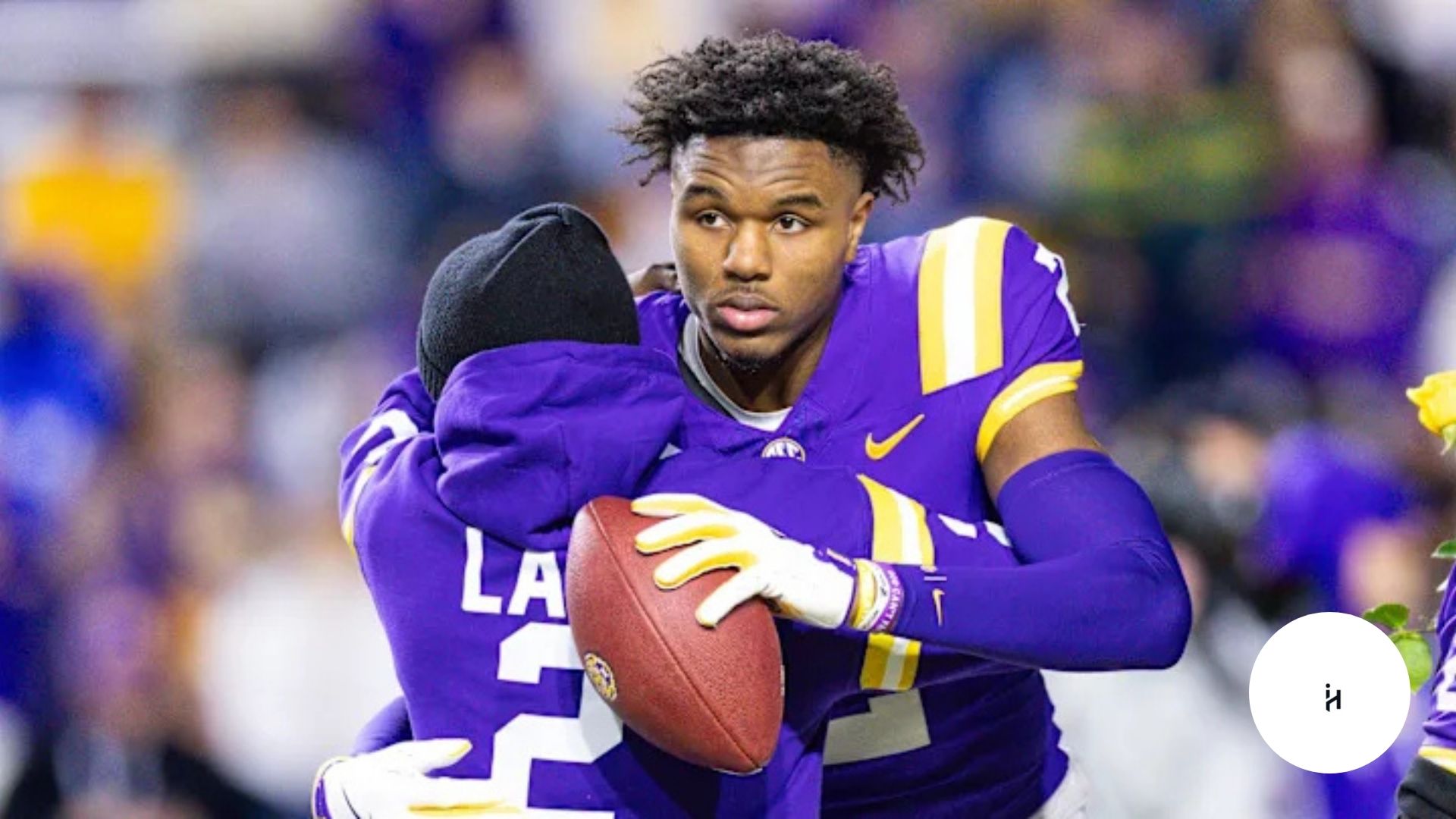
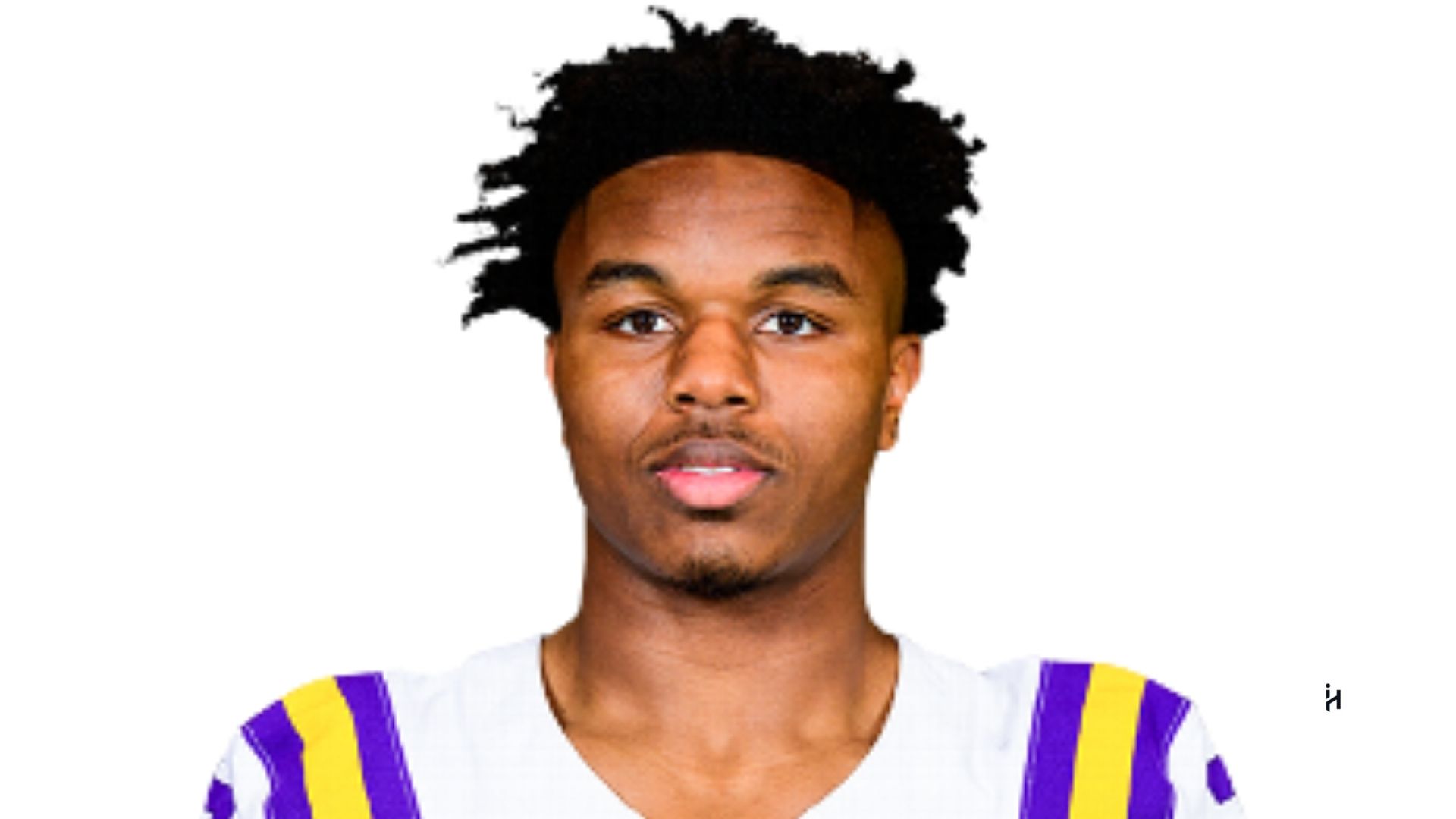
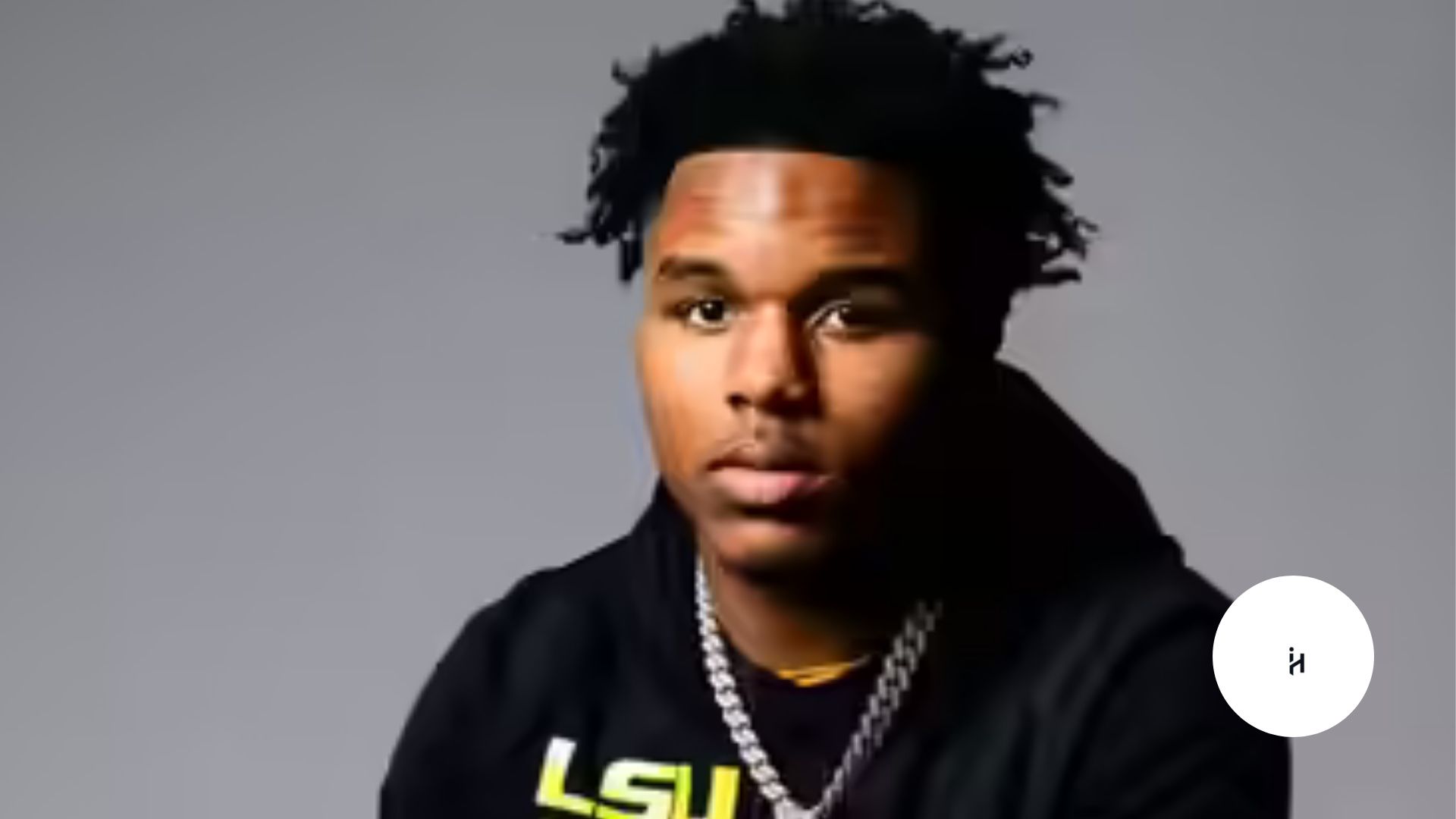
Kyren Pierre Lacy was born on December 27, 2000, in Thibodaux, Louisiana. He attended Thibodaux High School, where he showed strong skills as a wide receiver, catching the eyes of college scouts. He started his college career at the University of Louisiana, then transferred to LSU for greater opportunity.

Over his time in college football, he accumulated impressive stats—over 160 receptions, more than 2,300 receiving yards, and 26 touchdown catches. His talent and work ethic suggested a bright NFL future before the events that culminated in Kyren Lacy’s death.

The December 2024 Crash That Sparked Legal Trouble

On December 17, 2024, a collision in Lafourche Parish, Louisiana, resulted in the death of a 78-year-old man named Herman Hall. Authorities alleged that Lacy, driving a Dodge Charger, was speeding, crossing into oncoming lanes, and passing improperly.

Police claimed he fled the scene without rendering aid. That incident became central in criminal proceedings against him. The December crash remains a key pivot in understanding Kyren Lacy’s death because it triggered the legal and emotional pressures that followed.

Arrest, Charges, and Bail

In January 2025, the Louisiana State Police issued an arrest warrant for Lacy over the December crash. He surrendered and was arrested on January 12. He faced charges including negligent homicide, felony hit-and-run (with death), and reckless operation of a vehicle.

He was released on bond—around $151,000—while awaiting further legal process. The weight of these charges loomed over him as Kyren Lacy’s death drew closer, and many observed how the legal burdens affected his public image and mental state.

Evidence, Disputes, and His Defense

As the case progressed, Lacy’s legal team challenged the official narrative. They presented video and surveillance evidence claiming Lacy’s car was about 70 yards behind the fatal crash at the moment of collision, suggesting he didn’t cause it.

His attorney also alleged that the investigation showed bias and procedural flaws. The prosecutorial case was contested, and supporters argued a grand jury might decline to indict him. All that debate over culpability underscores how the legal drama is intertwined with Kyren Lacy’s death.

The Imminent Grand Jury and Pressure

A grand jury hearing was scheduled shortly after Lacy’s death. It was to review whether prosecutors would move forward with charges in the December crash. At that time, anticipation and stress from both the legal system and public scrutiny gravely affected him.

Friends, family, and observers noted that this looming grand jury likely intensified his mental burden. The pressure of the legal spotlight is widely seen as one of the forces leading toward the moment that ended in Kyren Lacy’s death.

Events Leading to the Final Night
Kyren Lacy Death

Two days before his scheduled grand jury appearance, reports say Lacy got into a verbal dispute with a family member, discharged a firearm into the ground, and fled. Authorities pursued him for several miles by vehicle.

His car later crashed, and when officers approached, they found he had sustained a self-inflicted gunshot wound. The circumstances of those final hours set the stage for Kyren LLacy’s death, closing his life in a tragic confrontation with his own pain and law enforcement.

The Apparent Suicide and Discovery

Law enforcement in Harris County, Texas, ruled that Lacy died by suicide in his car during the pursuit. No gunshots were fired at officers after the crash. He was declared dead at the scene. The timeline and mechanics remain under review, but as it stands, those final actions ended the legal battle and life narrative in one traumatic moment. This is the literal and somber moment of Kyren Lacy’s death.

Reaction from Family, Friends, and Teammates

Kyren’s passing unleashed an outpouring of grief. LSU, his former teammates, and coaches released condolences. His father posted a message urging parents to monitor mental health. Malik Nabers, a teammate, publicly criticized the justice system’s treatment of Lacy. His agent called him a “special talent” and asserted the investigation had failed him. The outpouring shows how Kyren Lacy’s death impacted not only sports fans but also personal networks who believed in him.

Media Coverage, Public Debate, and Criticism

Media accounts varied—some framed Lacy as guilty, others as a young man under siege. His attorney accused investigators and the press of conducting a “witch hunt,” citing the use of his mugshot and prejudicial coverage.

Social media debates raged over mental health, criminal justice, and athlete pressures. The public conversation surrounding Kyren Lacy’s death sparked criticism of media responsibility, fairness, and how we talk about troubled, high-profile individuals.
Kyren Lacy Death

Broader Discussion: Mental Health and Athlete Pressure

Many observers connected Lacy’s death to mental health issues. Black male suicide rates have risen in recent years. Experts note that young athletes often face the enormity of expectation, public scrutiny, and difficulty expressing emotional distress.

The intersection of career dreams, legal crisis, and identity stress creates a fragile space. In reflecting on Kyren Lacy’s death, the need for stronger mental health support in athletic programs becomes undeniable.

Legacy, Lessons, and What Remains Unclear

Kyren Lacy’s death leaves more questions than answers. The full truth of the December crash, the grand jury decision, and the final emotional state may never be fully resolved. But his story serves as a caution and call to action about the fairness of legal processes, media coverage, athlete support systems, and mental health awareness. The memory of Kyren Lacy’s death can become a catalyst for change—if people learn from it rather than just mourn it.

For Amazing Updates, Keep Visiting ImaginaryHistory.
Véronique Barbier: Belgian TV Anchor and Life Journey

0
Véronique Barbier

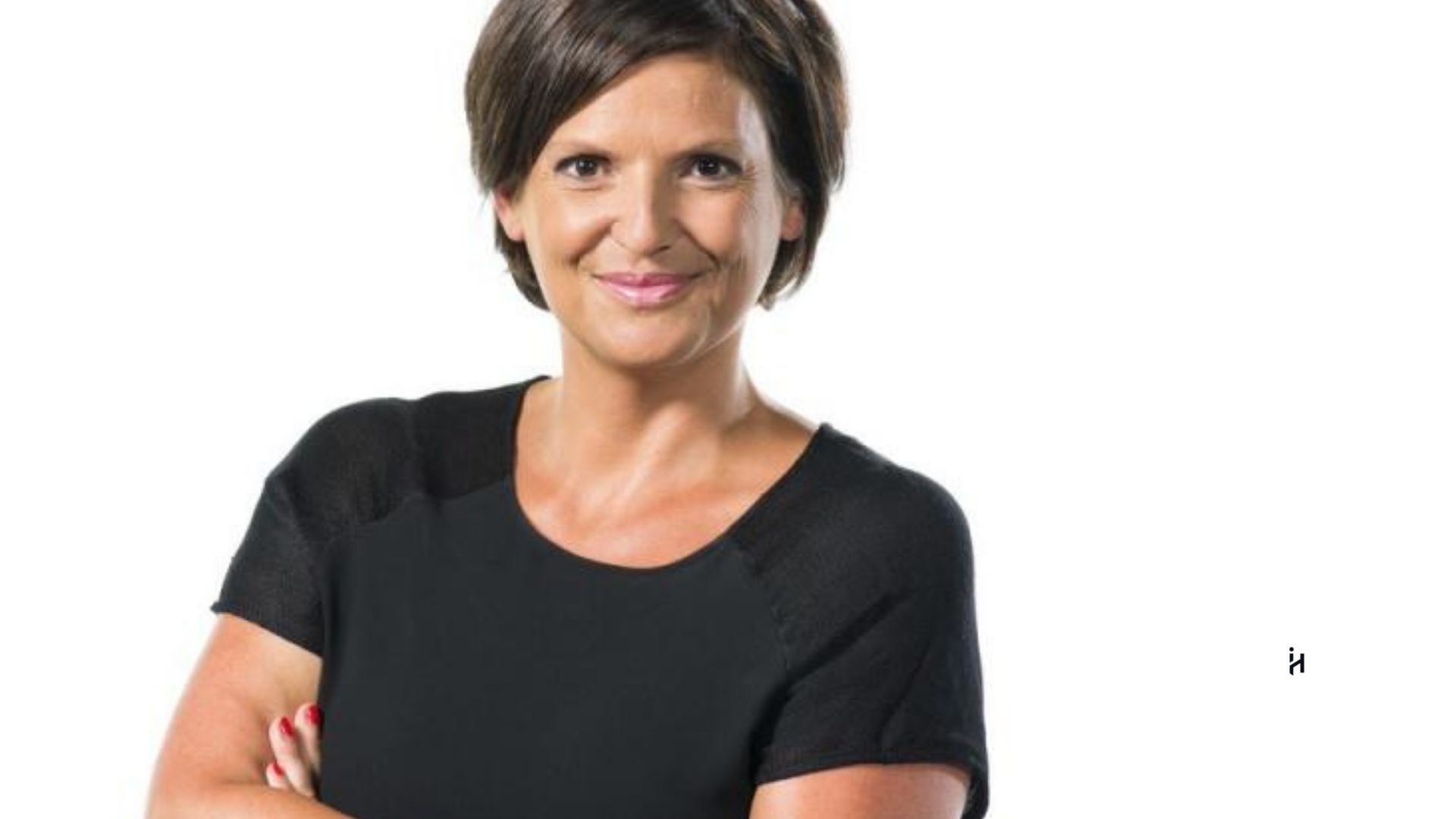
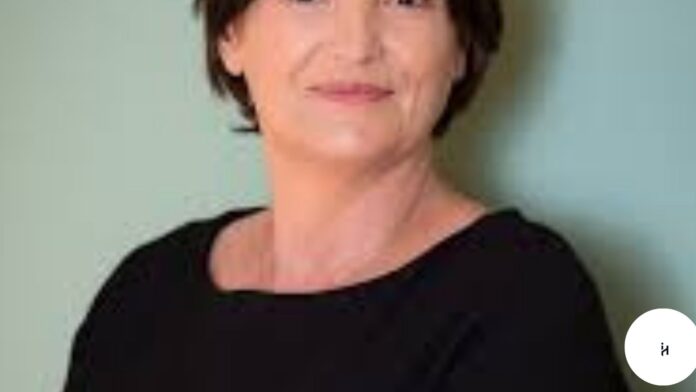
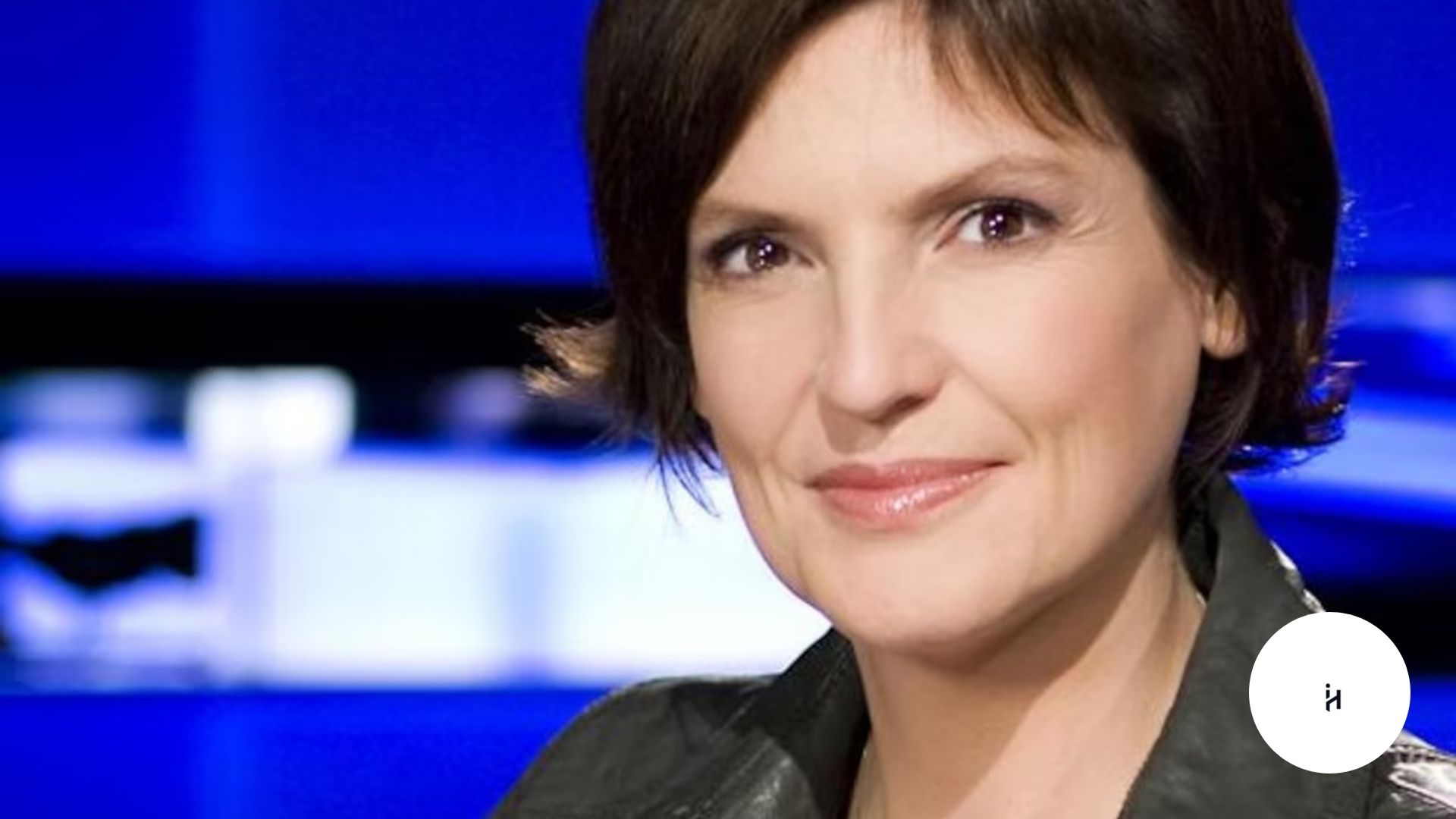
Véronique Barbier is a prominent Belgian television journalist and presenter who has been a familiar face in Belgian media for years. She is known for anchoring the midday news bulletin on RTBF and for her resilience in confronting serious health challenges.

Over time, she has built a reputation for professionalism, sincerity, and an ability to connect with audiences. In this blog, we explore eleven aspects of her life — from early beginnings to her advocacy and personal trials — to present a well-rounded portrait of Véronique Barbier.

Early Life and Belgian Roots

Véronique Barbier

Véronique Barbier was born in Belgium in 1970. Growing up in a culturally rich environment, she developed an early interest in communication and public affairs. Her Belgian roots have shaped her identity, fostering a sense of connection to her country’s linguistic, social, and political landscape.

That background likely influenced her later decision to pursue journalism in Belgium. Her formative years provided her with exposure to multiple cultural currents, and this foundation has underpinned her career in media.

Education and Journalistic Training

Though detailed public records of her education are limited, Véronique Barbier’s trajectory suggests a solid grounding in media, communications, or related fields. Many journalists in Belgium attend institutions offering specialized training in journalism, broadcasting, or political science.

That kind of training would have equipped her with skills in news writing, interviewing, ethics, and media law. Her competence on screen and ability to handle complex subjects indicate she benefited from rigorous preparation before entering the profession.

Entry into Television and Early Broadcasting

Véronique Barbier’s early television career saw her gradually taking on roles in reporting, production, and anchoring. Through perseverance and quality work, she earned assignments in news broadcasting.

Over time, she became a trusted face for viewers, demonstrating poise, clarity, and credibility. Her presence on Belgian television expanded as she gained experience, establishing a name in an industry where many start behind the scenes before stepping in front of the camera.

Role at RTBF and Daily News Anchoring

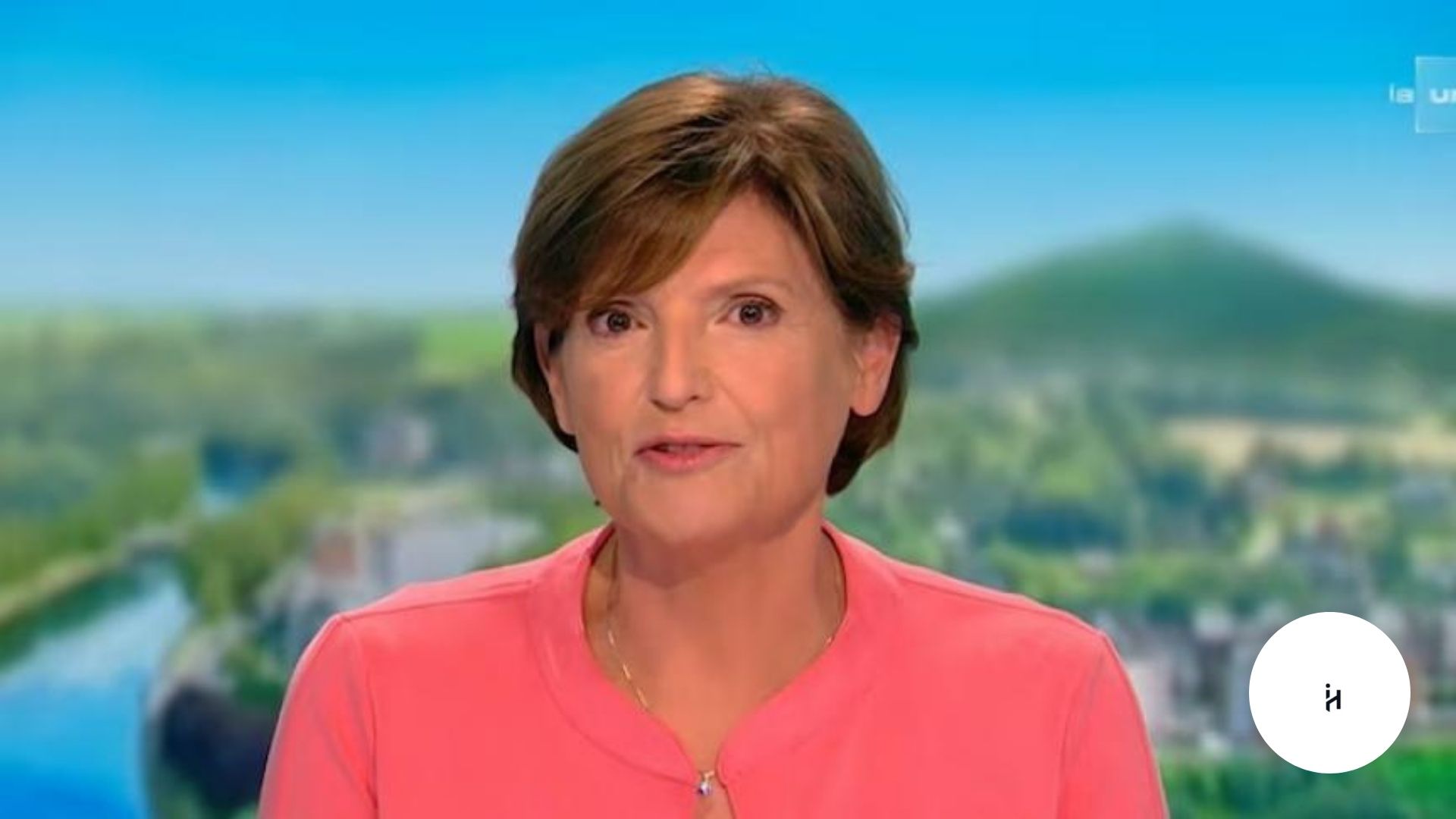
One of Véronique Barbier’s notable roles is presenting the daily midday news bulletin (“Journal de 13h”) on RTBF, the public broadcaster in the French-speaking part of Belgium. In that position, she replaced Ophélie Fontana for that bulletin.

Her work involves delivering news on politics, society, and current events to a broad public. Anchoring such a central program demands consistency, journalistic integrity, and the ability to adapt to breaking stories — attributes that Barbier has demonstrated.

Film, Television Appearances, and Acting Work

Véronique Barbier

Beyond journalism, Véronique Barbier has been involved in television and film projects. According to IMDb, she has credits in projects like Unité 42 (2017) and Bossemans et Coppenolle (2016), among others.

These additional roles show her versatility and willingness to cross into entertainment or dramatic media. Such engagements may help her visibility and rapport with broader audiences, bridging news and popular culture.

Personal Life and Family Connections

Véronique Barbier is married to Olivier Maroy, a Belgian media figure also known for his work in broadcasting and journalism. Wikipedia: The relationship between two public figures in the same industry presents both opportunities and challenges: a shared understanding of media life, but also public scrutiny. Her family life often remains more private than her professional life. Nonetheless, the partnership likely offers mutual support, especially through personal trials.

Health Struggles: The Cancer Diagnosis

Perhaps one of the most significant chapters of her life is her battle with cancer. In 2017, during a routine check, Véronique Barbier learned she had bilateral breast cancer and underwent a double mastectomy.

She publicly confronted the diagnosis with courage, sharing her journey and emphasizing the importance of early detection. Her transparency about health challenges has resonated with many and highlighted her resilience in the face of adversity.

Recent Relapse and Public Announcement

In June 2025, Véronique Barbier made headlines again when she announced a relapse of her cancer. She stated that treatment would require a lengthy absence from presenting the news, possibly until early 2026.

Her announcement included an appeal for self-care and gratitude for public concern. This relapse underscores the unpredictability of serious illness and the ongoing struggle even for those who seem professionally strong.

Media Impact and Public Influence

Through her work in broadcasting and her public openness about life challenges, Véronique Barbier holds influence in Belgian media and society. Her anchor role gives her reach into homes daily, while her personal disclosures foster connection and empathy.

Many view her as more than a journalist, as a public figure capable of raising awareness about health, women’s issues, and media integrity. Her influence extends beyond the news desk into moral and social engagement.

Véronique Barbier

Challenges and Criticisms

As a high-profile media figure, Véronique Barbier inevitably faces scrutiny, challenges, and criticisms. Journalists must balance impartiality with empathy; public health disclosures can invite speculation or intrusion.

Managing one’s image, sustaining credibility, and navigating media politics are daily hurdles in her career. Moreover, her health interruptions may affect continuity, public trust, or organizational demands. Still, she appears to address such pressures with dignity and resilience.

Legacy, Future Directions, and Inspiration

Véronique Barbier’s legacy combines journalism, personal courage, and public service. Even amid health challenges, she remains committed to her profession and to transparency. Looking forward, she may return to broadcasting, expand advocacy (particularly in cancer awareness), or mentor young journalists.

Her story inspires viewers who see in her a model of strength, authenticity, and dedication to journalism’s social role. Her journey illustrates how public figures can humanize serious issues while maintaining professional excellence.

For Amazing Updates, Keep Visiting ImaginaryHistory.
Is Jane Goodall Still Alive? Her Life, Work, and Legacy

0
Is Jane Goodall Still Alive

Introduction: The Curiosity Around Jane Goodall’s Life

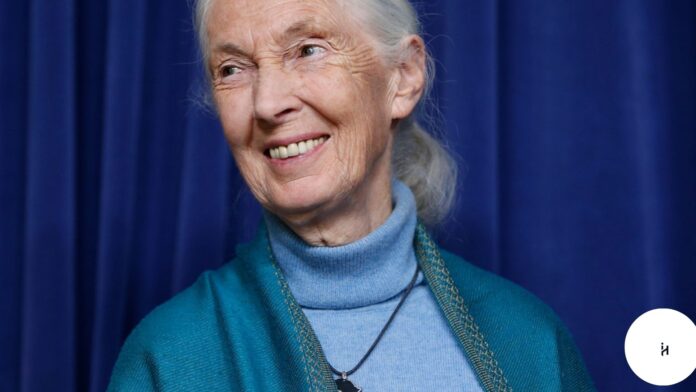
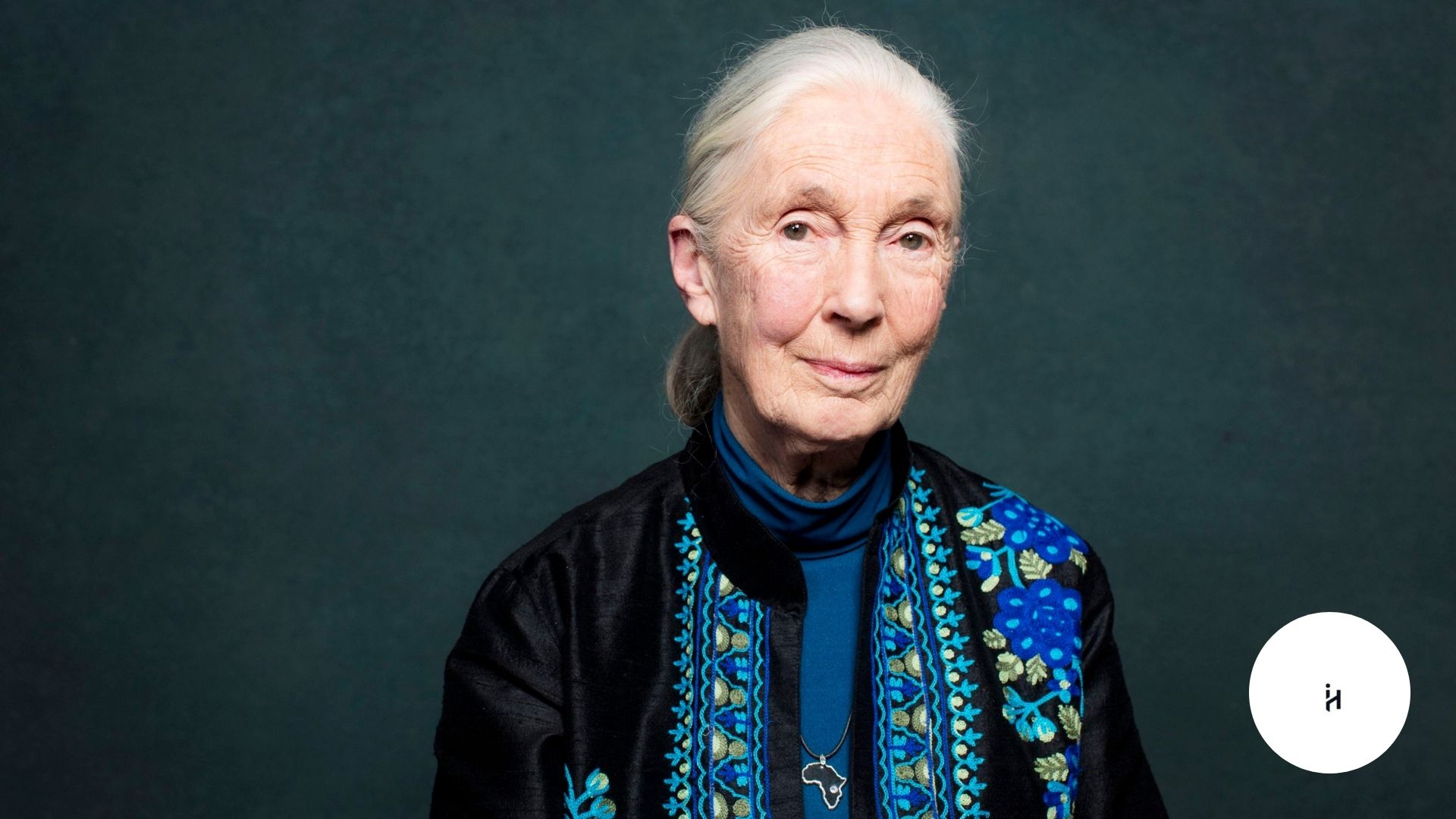
Many people wonder, Is Jane Goodall still alive? The legendary primatologist has inspired generations with her groundbreaking studies on chimpanzees and her global environmental campaigns. With a career spanning over six decades, Goodall has become a symbol of compassion, resilience, and scientific dedication.

While questions about her current life and health frequently arise, her influence remains ever-present in conservation and education. This article explores her journey, achievements, and ongoing role in shaping the future of our planet, shedding light on why she continues to be celebrated around the world today.

Jane Goodall’s Birth and Early Life in England

Is Jane Goodall Still Alive

Jane Goodall was born on April 3, 1934, in London, England. From a very young age, she displayed a deep love for animals and nature, encouraged by her mother, who supported her curiosity. Her childhood was filled with stories of animals, explorations, and a strong determination to one day travel to Africa.

This early passion set the stage for her groundbreaking career. Goodall’s upbringing instilled in her both patience and empathy, qualities that later defined her research. Understanding her early years helps answer the question of whether Jane Goodall is still alive and why she remains so influential today.

Journey to Africa and First Steps in Research

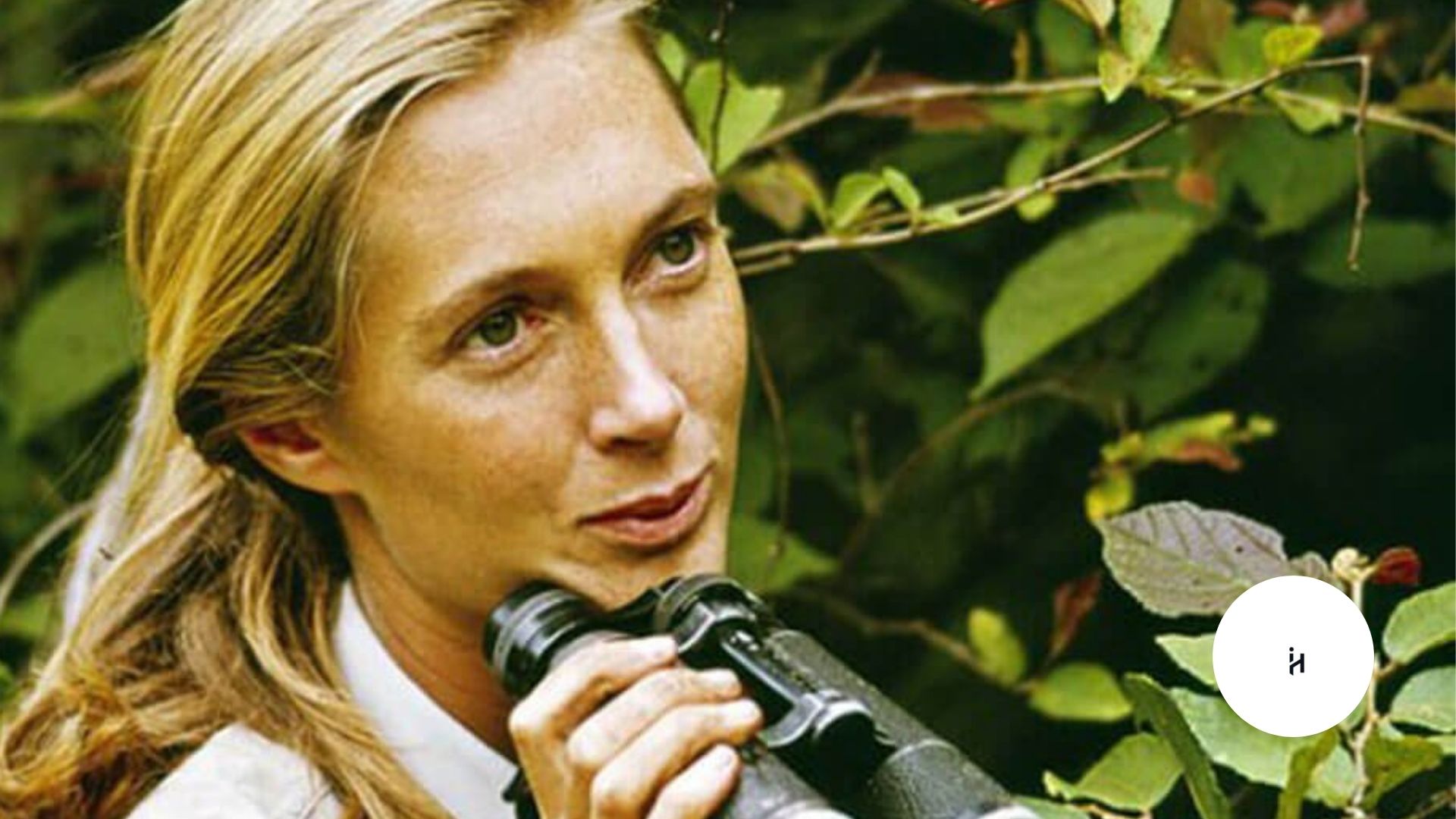
At just 23 years old, Jane Goodall embarked on her dream journey to Africa. Without formal scientific training at the time, she joined paleontologist Louis Leakey, who saw her potential and passion.

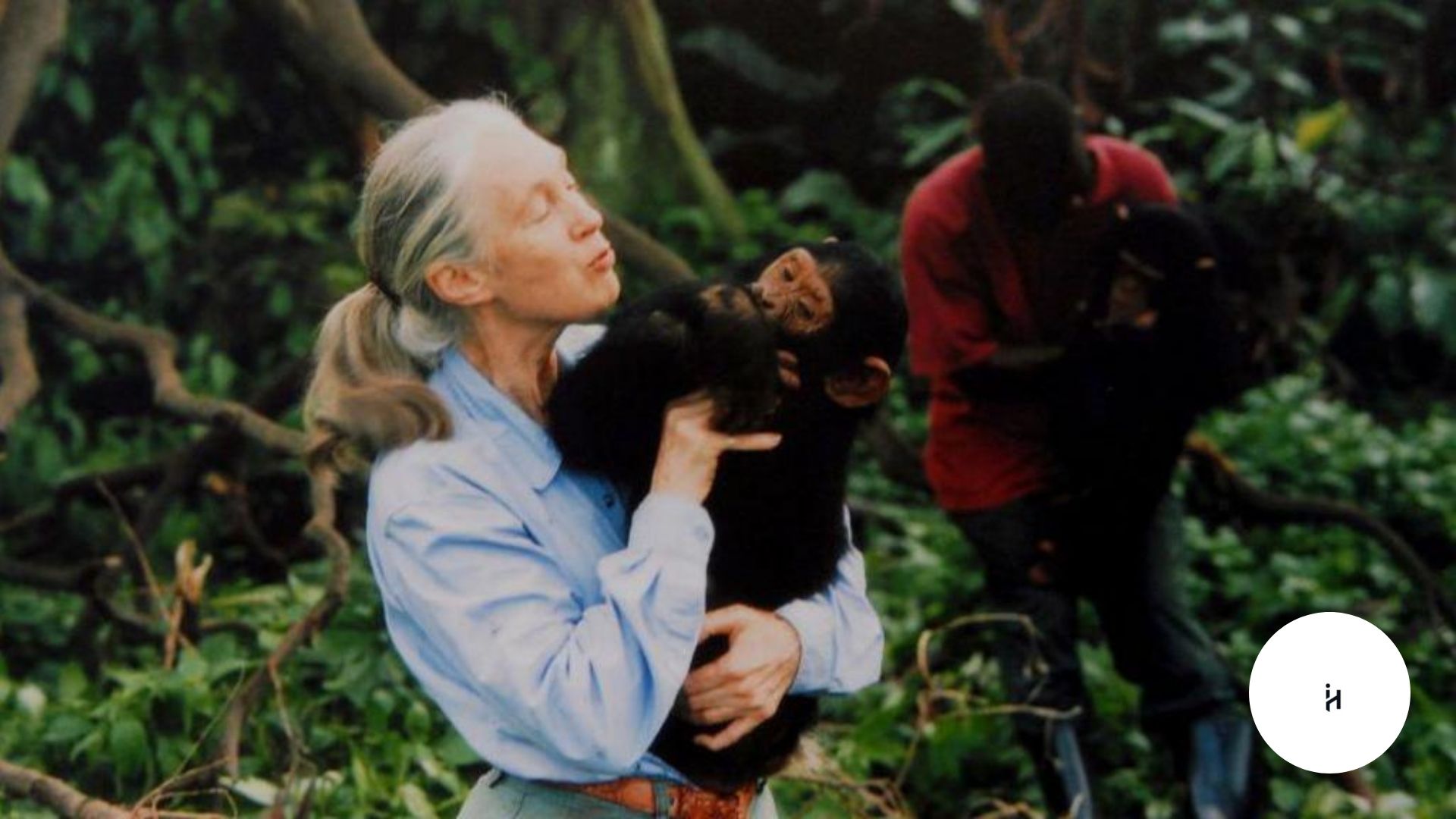
Leakey encouraged her to study wild chimpanzees in Tanzania’s Gombe Stream National Park. With courage and determination, she began her long-term research, often alone in the forest, carefully observing chimpanzees’ natural behavior. This journey was the foundation of her legacy and placed her at the forefront of primatology.

Groundbreaking Discoveries About Chimpanzees

Jane Goodall’s discoveries transformed scientific understanding of chimpanzees. She was the first to observe them using tools, such as sticks to extract termites, which challenged the belief that only humans made tools. She also revealed their complex social structures, emotions, and intelligence.

Her findings blurred the lines between humans and animals, reshaping scientific thought and inspiring empathy for wildlife. These revolutionary insights brought her international recognition and respect.

Such contributions continue to make people curious about her current life, and the question Is Jane Goodall still alive often arises because of her monumental impact on science.

Academic Recognition and Worldwide Fame

Although Jane Goodall began her work without a university degree, her discoveries earned her international fame. She later completed a PhD at Cambridge University, one of the few students allowed to pursue a doctorate without an undergraduate degree.

Her research became widely published, and her unique approach combined compassion with rigorous observation. Over time, she became not just a scientist but also a household name. This fame still endures today, which makes people continue asking if Jane Goodall is still alive, as her name is regularly referenced in documentaries, books, and scientific discussions around the world.

Establishing the Jane Goodall Institute

Is Jane Goodall Still Alive

In 1977, Jane Goodall founded the Jane Goodall Institute, a nonprofit dedicated to wildlife research, conservation, and community-centered programs. The institute works globally, focusing on protecting chimpanzees and their habitats while empowering people to live sustainably.

This organization ensures her work extends beyond her personal research, creating a lasting global network for conservation. The institute also engages in reforestation, education, and animal welfare projects.

Because of its ongoing influence, the question of whether Jane Goodall is still alive becomes more than curiosity—it reflects her living impact through a thriving institute that continues to inspire worldwide environmental action.

Roots & Shoots Program for the Younger Generation

Jane Goodall launched the Roots & Shoots program in 1991 to engage young people in environmental conservation, animal protection, and humanitarian efforts. Starting with a small group of students, it has grown into a global movement with members in more than 60 countries.

The program encourages youth to take practical steps to make a positive difference in their communities. Goodall often emphasizes that the future rests in the hands of younger generations. The ongoing success of this program makes people wonder if Jane Goodall is still alive, as her presence continues to guide and inspire students globally.

Later Life and Global Activism

Even in her later years, Jane Goodall has remained incredibly active, traveling extensively to give lectures, attend conferences, and advocate for conservation. She has addressed global leaders, grassroots organizations, and students alike.

Her tireless efforts have raised awareness about deforestation, climate change, and endangered species. Despite her age, she continues to be a strong voice for the planet. This constant activism often raises the question of whether Jane Goodall is still alive, because her presence in environmental discussions is so consistent that she feels both timeless and ever-relevant in global ecological movements.

Awards, Honors, and Recognition Over the Years

Jane Goodall has received countless awards for her scientific and humanitarian work, including the Kyoto Prize, the Hubbard Medal, and being named a United Nations Messenger of Peace. She has also been recognized by multiple universities with honorary degrees.

These awards highlight her global impact, not only as a scientist but also as a humanitarian and activist. With such continuous honors and recognition, people still ask if Jane Goodall is alive, as her name frequently appears in news articles, ceremonies, and conservation campaigns that celebrate her lifetime achievements and enduring influence worldwide.

Public Appearances and Media Influence

Jane Goodall frequently appears in documentaries, interviews, and public events, keeping her message alive. She has written books for both adults and children, further spreading her ideas to diverse audiences. Her media presence ensures that her work remains accessible to new generations.

Documentaries like Jane and other televised appearances have cemented her place in popular culture. This ongoing visibility explains why so many people wonder if Jane Goodall is still alive, because her contributions are constantly revisited in modern media, ensuring her legacy and presence remain active in public awareness even today.

Is Jane Goodall Still Alive

Jane Goodall’s Current Life and Health Status

So, is Jane Goodall still alive today? Yes, she is. As of 2025, Jane Goodall is alive and continues her mission, though she has slowed her travel schedule compared to earlier years. Now in her 90s, she spends more time focusing on education, writing, and remote events, especially following the global shift during the COVID-19 pandemic.

Despite her age, she remains sharp, passionate, and committed to protecting the environment. Her health has been stable, allowing her to maintain a remarkable presence in the conservation community and beyond, inspiring millions across the globe.

Lasting Legacy and Why She Still Inspires the World

Jane Goodall’s legacy extends far beyond her lifetime achievements. She has inspired countless scientists, activists, and ordinary people to view the natural world with empathy and responsibility. Her philosophy emphasizes the interconnectedness of all living beings and the power of individual action.

The reason people continue asking is that Jane Goodall is still alive because her impact feels alive in every project, speech, and conservation effort she has led. Even after her lifetime, her institute, programs, and writings will continue to shape the world, ensuring that her message of hope endures for generations to come.

For Amazing Updates, Keep Visiting ImaginaryHistory.
Rutger Smith: Dutch Track & Field Champion’s Story

0
Rutger Smith

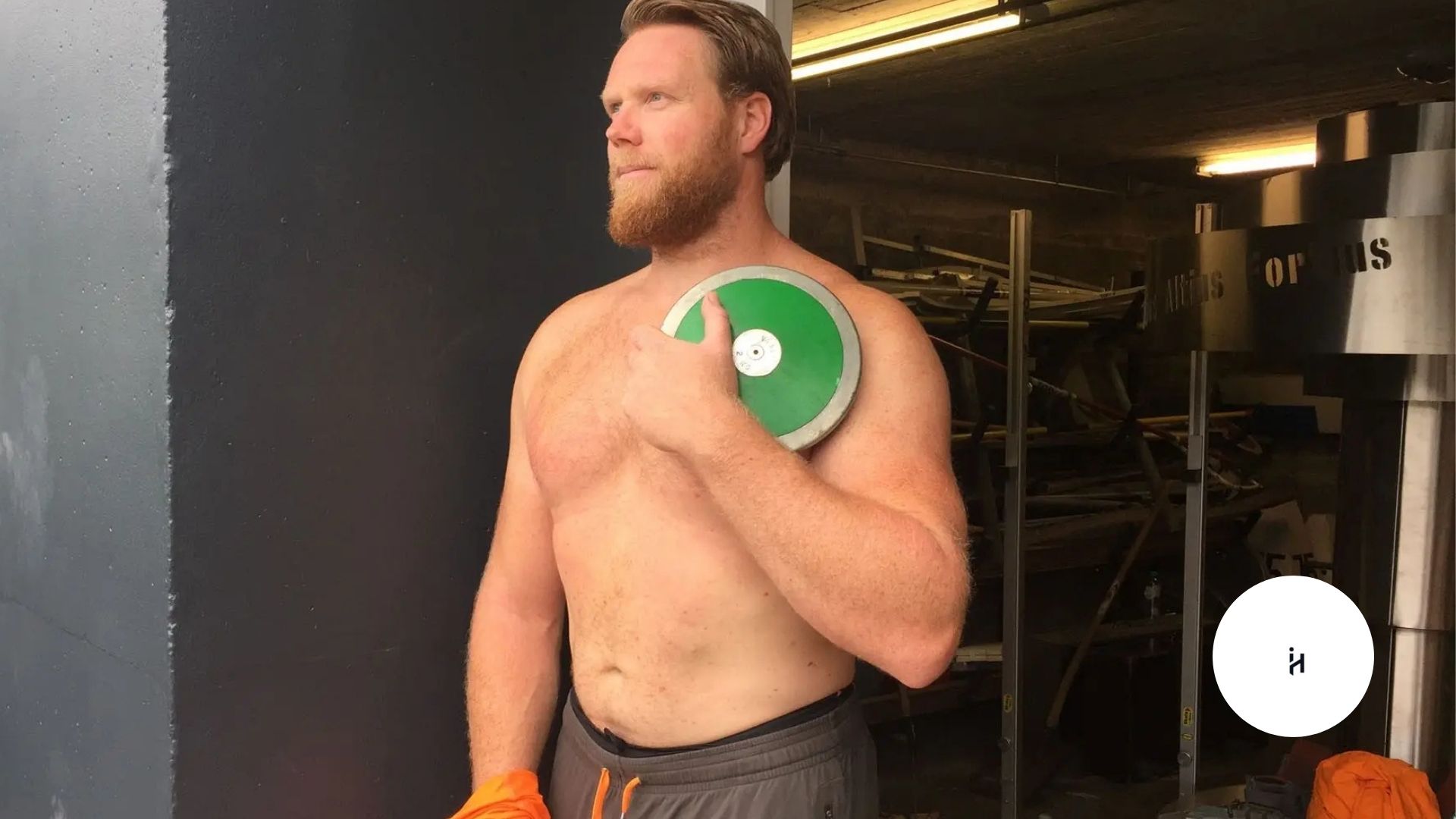
Rutger Smith is one of the Netherlands’ most celebrated track and field athletes, known for his dual success in both shot put and discus. He set national records, earned medals in major championships, and represented his country at multiple Olympic Games. This blog explores his life, achievements, challenges, and broader impact on the sport. I’ll break down his journey into 11 informative sections, each giving insight into a different facet of his career and legacy.

Early Life and Background of Rutger Smith

Rutger Smith

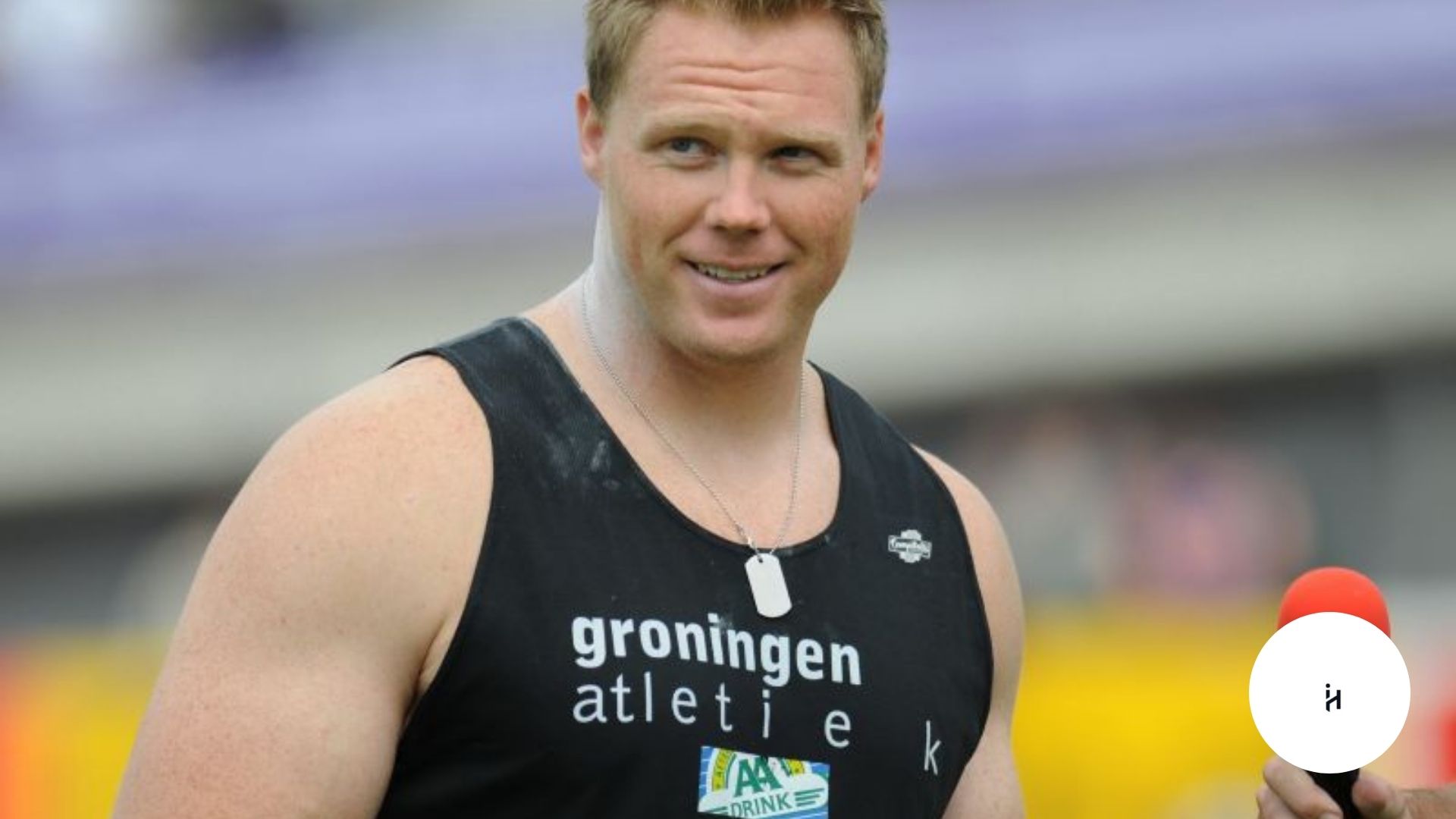
Rutger Smith was born on 9 July 1981 in Groningen, Netherlands (or in the nearby Leek, Groningen). From a young age, he showed interest in athletics and gradually specialized in throwing events.

Standing tall (around 1.97 m) and having an obust physical build, he was well suited for shot put and discus. He joined the athletics club Groningen Atletiek, where he developed his skills and trained under experienced coaches. His early promise in junior tournaments laid a foundation for his later success on international stages.

Rise Through Junior Competitions

Rutger Smith first grabbed attention in junior-level athletics, where he excelled in both the shot put and discus disciplines. In 1999, he achieved a rare double win in the European Junior Championships: gold in shot put and gold in discus.

At the 2000 World Junior Championships, he earned the shot put title and a bronze in discus, demonstrating his versatility. These early successes marked him as a future star in Dutch and European athletics.

Transition to Senior Level & First Achievements

When Rutger Smith entered senior competitions, he steadily climbed the ranks. By the early 2000s, he was competing at European Championships and World events. In 2005, he won a silver medal in shot put at the World Championships, finishing behind Adam Nelson. That same year, he also claimed silver in the European Indoor Championships. These successes confirmed his arrival as one of the world’s top throwers.

National Records and Personal Bests

A high point of Rutger Smith’s career was setting national records for the Netherlands. His personal best in shot put is 21.62 m (achieved in 2006, which remains the Dutch outdoor record. In discus throw, his top result is around 67.77 m (recorded in 2011). These feats placed him among the elite throwers globally and strengthened his legacy in Dutch athletics.

Olympic Appearances and Results

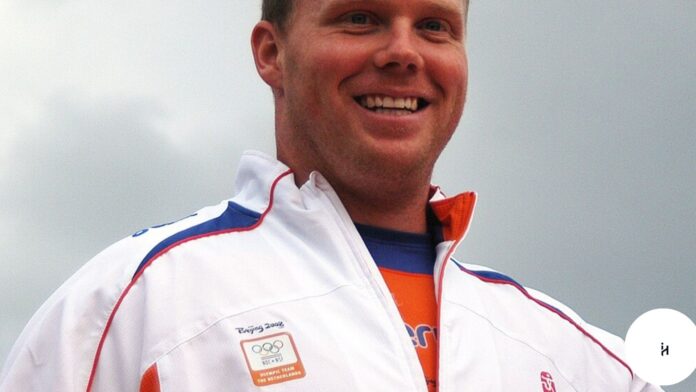
Rutger Smith represented the Netherlands in three consecutive Olympic Games: 2004, 2008, and 2012. In 2004, he competed in both shot put and discus but did not reach the finals. At the 2008 Beijing Olympics, he achieved 7th place in both shot put and discus. In 2012, he competed again but did not reach medal positions. His Olympic performances, while not medal-winning, displayed consistency at the highest level.

Rutger Smith

World and European Championships Highlights

Beyond the Olympics, Rutger Smith shone in World and European athletics events. He won silver in shot put at the 2005 World Championships. In 2007, he earned a bronze in discus at the World Championships, making him the first athlete to medal in both disciplines at Worlds.

In European competition, he collected medals, including silver in shot put in 20,12, a nd later was awarded a bronze in discus after a disqualification of another athlete. These results solidified his reputation in Europe and beyond.

Challenges, Injuries, and Comebacks

Like many elite athletes, Rutger Smith faced physical challenges in his career. After Beijing 2008, he dealt with back problems that limited his performance and required recovery time. He returned to competition around April 2011.

Overcoming injury setbacks, he continued to compete at a high level and remained a force in the throwing events. These difficulties and his persistence highlight the resilience behind his athletic journey.

Training Methods and Technical Style

Rutger Smith’s effectiveness as a thrower came from adopting a strong technique combined with physical strength. He trained in both shot put and discus, which require related but distinct approaches. Coaches helped him refine power, rotation, and balance for optimal launches.

Because he competed in two events, his training schedule involved balancing strength, technique sessions, recovery, and event-specific work. His ability to succeed in both disciplines speaks to his adaptability and technical skill. Although detailed training logs are less public, his competitive consistency reflects disciplined preparation.

Legacy in Dutch and International Athletics

Rutger Smith left a lasting mark on Dutch track and field. He remains one of only a few Dutch throwers to reach the global podium. His national records still influence upcoming athletes.

In the international arena, his dual successes in both shot put and discus at World Championships remain rare. Young throwers in the Netherlands often cite him as an inspiration. Because he set high standards in both events, his legacy is one of versatility, excellence, and pushing boundaries in Dutch athletics.

Rutger Smith

Life After Professional Competition

Since retiring from full professional competition, Rutger Smith’s public profile includes continued engagement with athletics and possibly roles beyond sport. Some sources list a “Rutger Smith” as a board member at Fastilium Property Group AB (though it is unclear if this is the same person), Bloomberg.

He may also be involved in mentoring, coaching, or sports administration, leveraging his experience to support younger athletes. While detailed post-athletic pursuits are less documented publicly, many former elite athletes stay connected to their sport in advisory or development roles.

Lessons from Rutger Smith’s Career

Rutger Smith’s journey offers several lessons: First, versatility and hard work can yield success in multiple disciplines. He didn’t limit himself to just the hot put or discus but managed both. Second, elite performance demands resilience; he overcame injuries and continued performing.

Third, setting national records and achieving international medals requires consistent dedication, not one-off efforts. Finally, his career shows that even when one does not win Olympic gold, sustained excellence and influence can establish a respected legacy. Aspiring athletes can learn from his balance of ambition, discipline, and adaptation.

For Amazing Updates, Keep Visiting ImaginaryHistory.